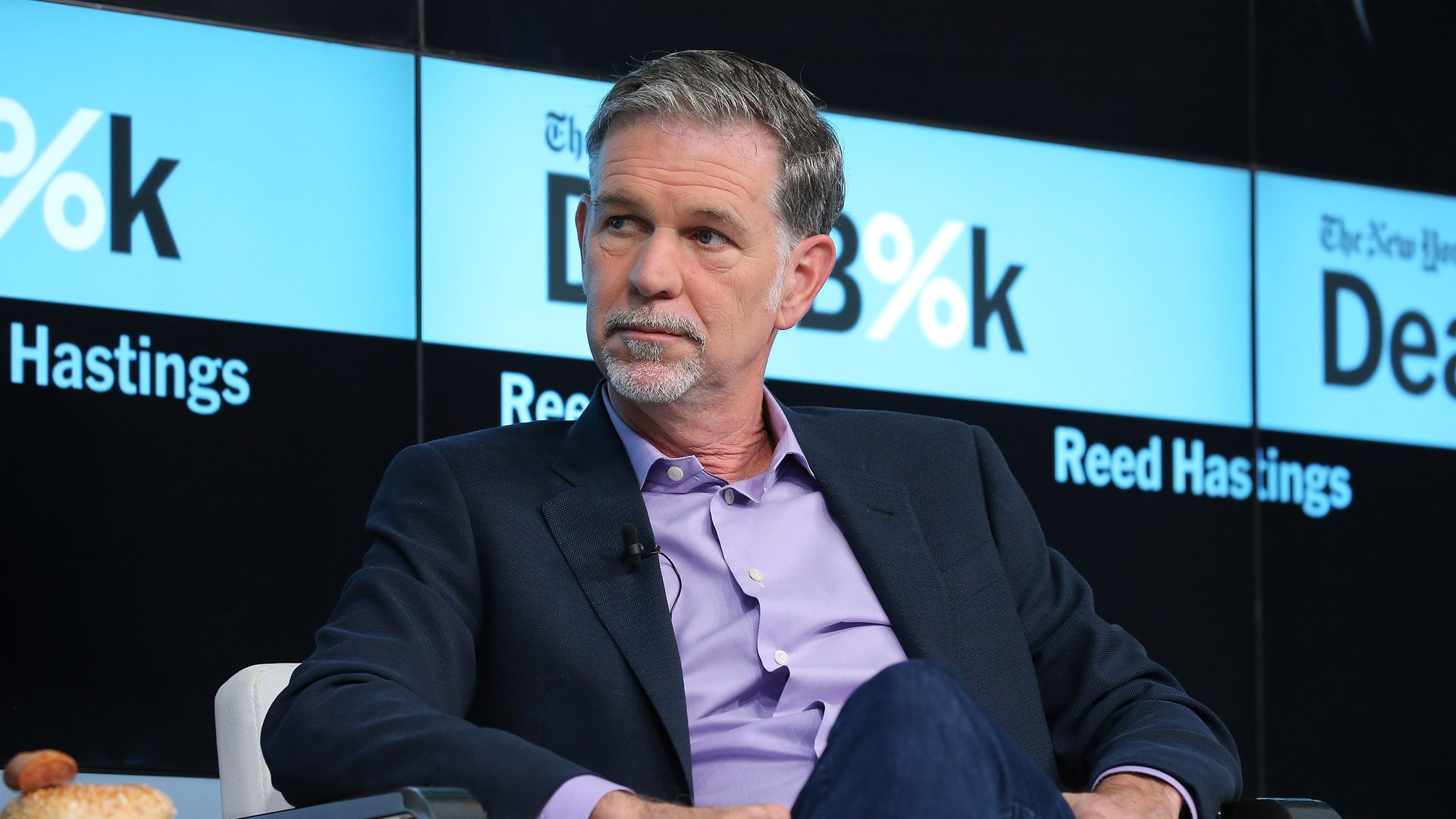
Netflix CEO Reed Hastings gave a full-throated defense of the company’s decision to remove an episode of the show "Patriot Act With Hasan Minhaj" from its platform in Saudi Arabia after a complaint from the Saudi government about Minhaj's criticisms of Crown Prince Mohammed bin Salman.
"We're not in the news business. We're not trying to do 'truth to power.' We're trying to entertain."
— Hastings at the New York Times Dealbook conference
Justice Department charges were revealed on Wednesday against two former Twitter employees for spying on behalf of Saudi Arabia by obtaining information on dissidents who use the platform, the Washington Post reports.
Why it matters via the Post: This marks the "first time federal prosecutors have publicly accused the kingdom of running agents in the United States. ... The case highlights the issue of foreign powers exploiting American social media platforms to identify critics and suppress their voices," and it has escalated concerns over the tech industry's ability to protect user data.
Three years since the White House first publicly considered the U.S. government's role as a shepherd of artificial intelligence research, pivotal unanswered questions are still holding back a coherent strategy for boosting the critical technology at home.
Why it matters: China's authoritarian system, largely untroubled by deliberative holdups, has been pouring money into its AI sector.
Alphabet's board of directors has reportedly hired a law firm to help an investigation into the handling of claims of sexual misconduct by executives, including by chief legal officer David Drummond, according to CNBC.
Why it matters: The company has been mum about Drummond, who has denied having relationships with employees other than one with whom he had a child. He is among the executives featured in a lengthy report from the New York Times a year ago about sexual harassment and large exit payments doled out by the company despite credible allegations.
Four of the world's richest companies are pouring a collective $5 billion into housing on the West Coast, raising an expectation that companies will serve as part financier, part philanthropist as tech hubs try to add more supply to tight housing markets.
Driving the news: Apple this week pledged $2.5 billion to housing initiatives in Silicon Valley, where even high-paid tech workers — let alone teachers, nurses and police officers — are struggling to find houses they can afford.
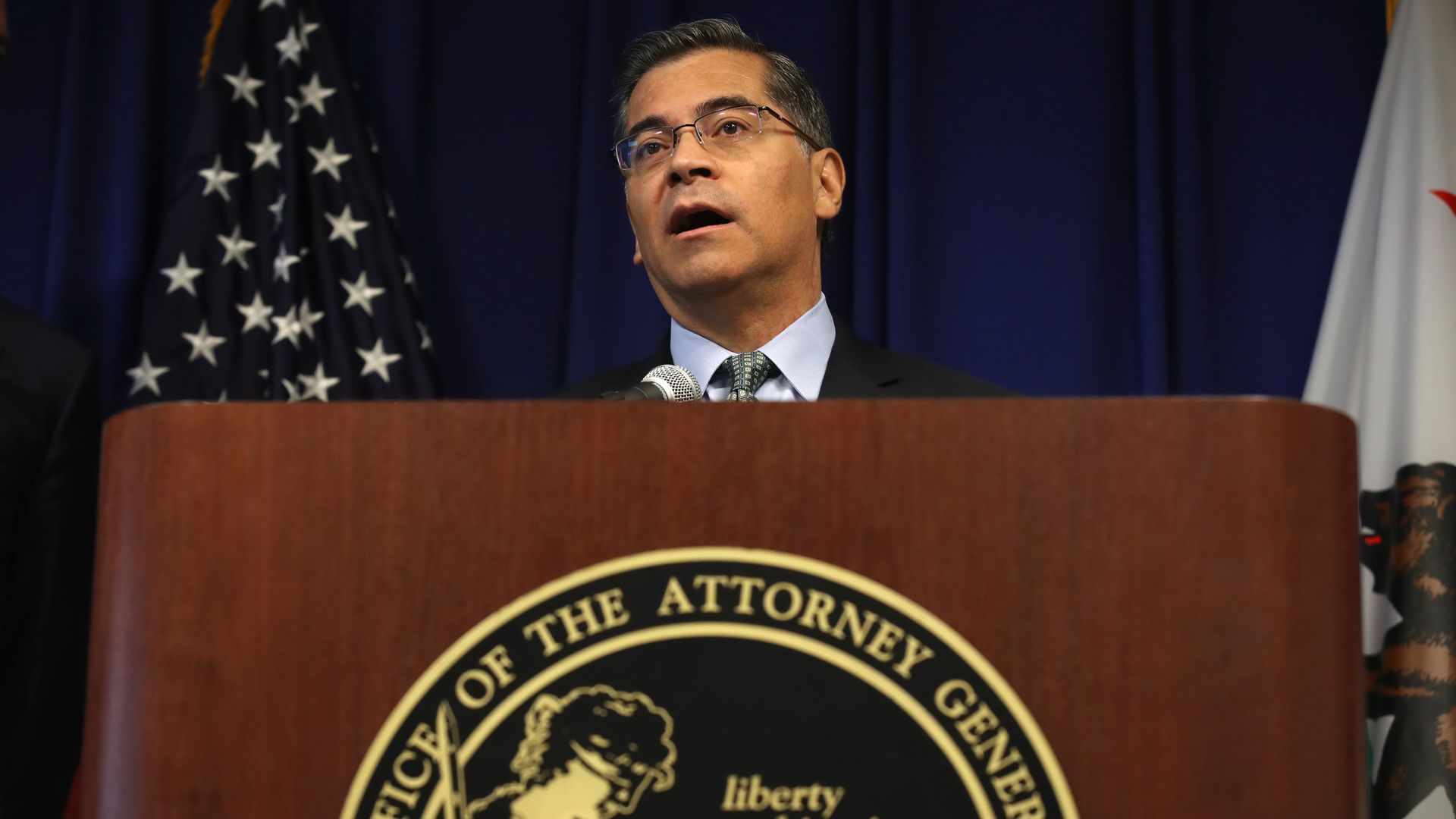
California Attorney General Xavier Becerra is taking Facebook to court to force it to turn over evidence for a newly revealed state investigation into the social network giant's privacy practices.
The big picture: The challenge adds one more layer of trouble for the beleaguered company, which already faces a slew of antitrust investigations and privacy probes in the U.S. and the EU.
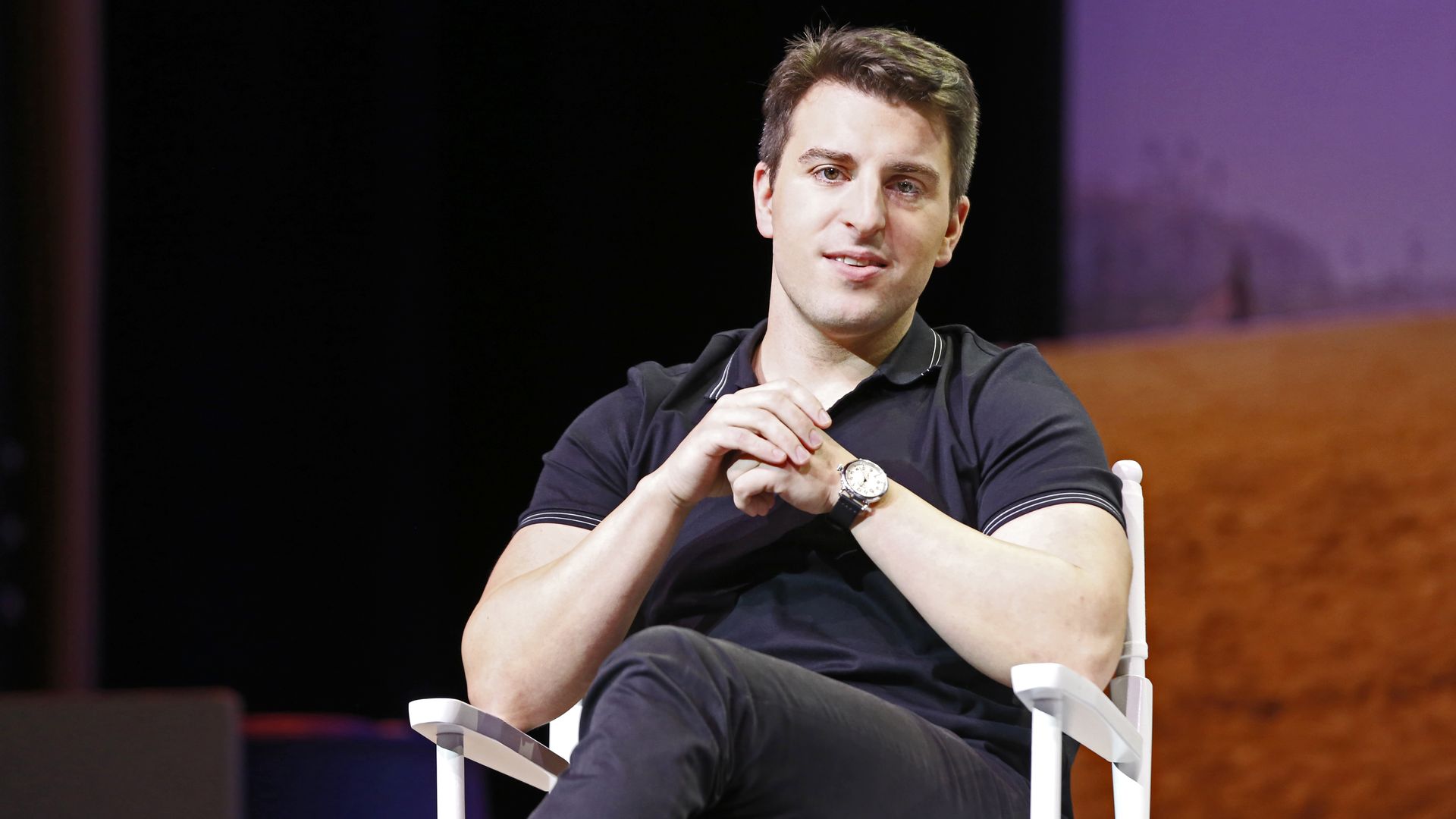
Airbnb CEO Brian Chesky announced at the New York Times Dealbook conference on Wednesday that the company is rolling out new safety features on its platform, including verifying 100% of hosts and listings.
Why it matters: The focus on safety comes after five people were killed at a Halloween party at a Northern California home rental and a recent Vice story that highlighted fake identities on the platform — allegations the FBI is now looking into.
25-year-old New Zealand lawmaker Chlöe Swarbrick responded to a heckling colleague during her speech about the threats of climate change with the internet meme "OK, boomer," reports the Washington Post.
Why it matters: Millennials and Generation Zers have coined the phrase "OK, boomer" as a retort against older generations' patronization. The phrase first found viral fame on social media — notably, TikTok — thanks to a generational divide on issues like student debt and climate change.
As TikTok's popularity surges, the Chinese-owned karaoke app is facing rapidly rising headwinds from critics who paint it as a threat to individual users' privacy as well as a geopolitical stalking horse for Chinese interests.
The big picture: As my Axios colleague Sara Fischer reports, TikTok has now hit a milestone — among 13–16 year olds, it's more popular than Facebook.
An automated strike zone will be used in some minor league ballparks next season, according to MLB commissioner Rob Manfred — the latest development in baseball's slow embrace of "robot umpires."
Why it matters: In a world of instant replays and booth reviews, and on the heels of a World Series in which an inconsistent strike zone took center stage, it's becoming harder and harder to imagine MLB not eventually going this route.
Facebook said in a blog post Tuesday that "roughly 100" software developers may have improperly accessed users' data, including the names and profile photos of people in specific groups on the social network.
Why it matters: Per Axios' chief technology correspondent Ina Fried, it's been clear for a while that the company’s issues with third parties go beyond Cambridge Analytica. This disclosure gives an indication of just how far.
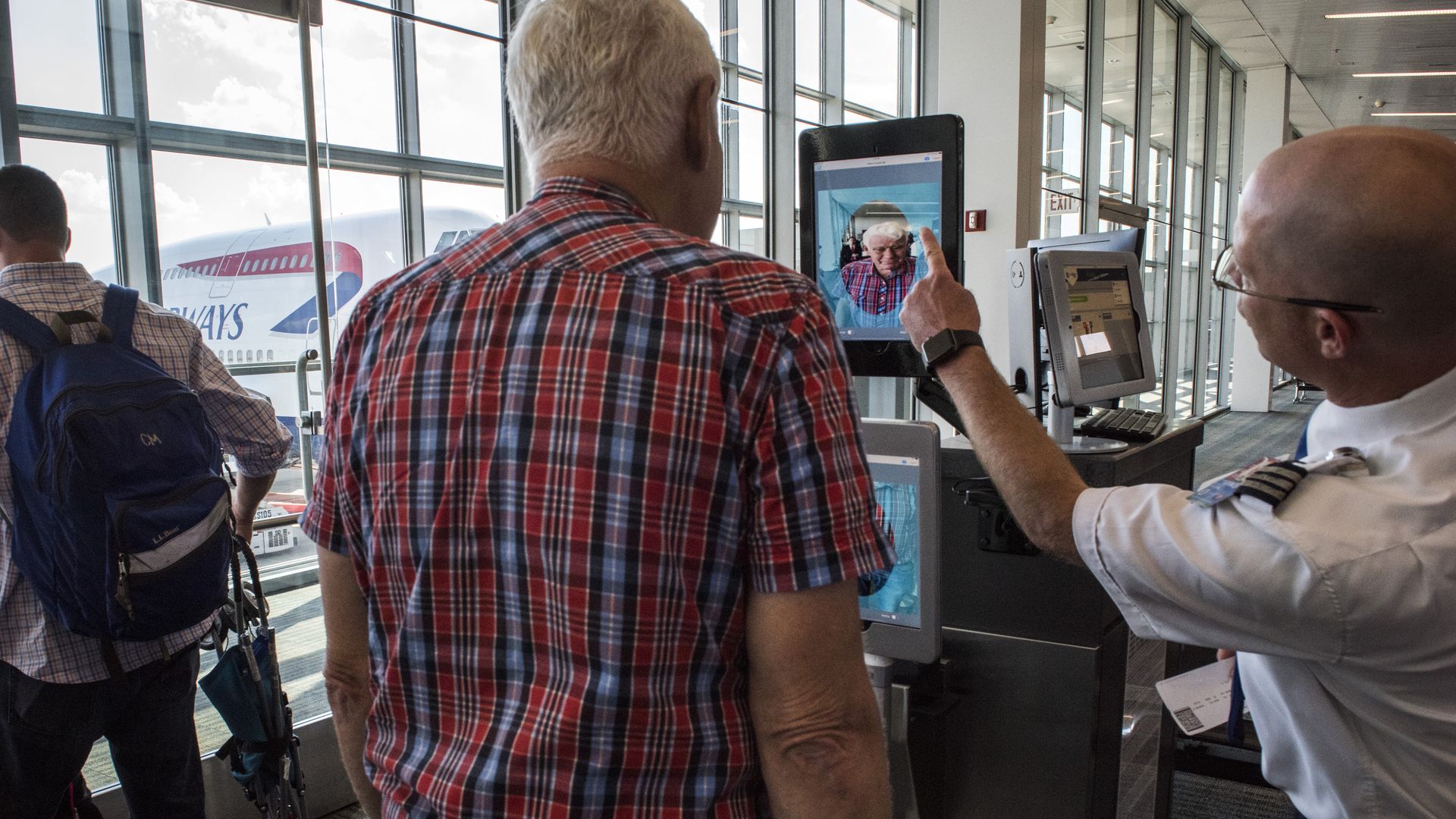
IBM, one of several Big Tech companies selling facial recognition programs, is calling on Congress to regulate the technology — but not too much.
Why it matters: China has built a repressive surveillance apparatus with facial recognition; now, some U.S. cities are rolling it out for law enforcement. But tech companies worry that opponents will react to these developments by kiboshing the technology completely.