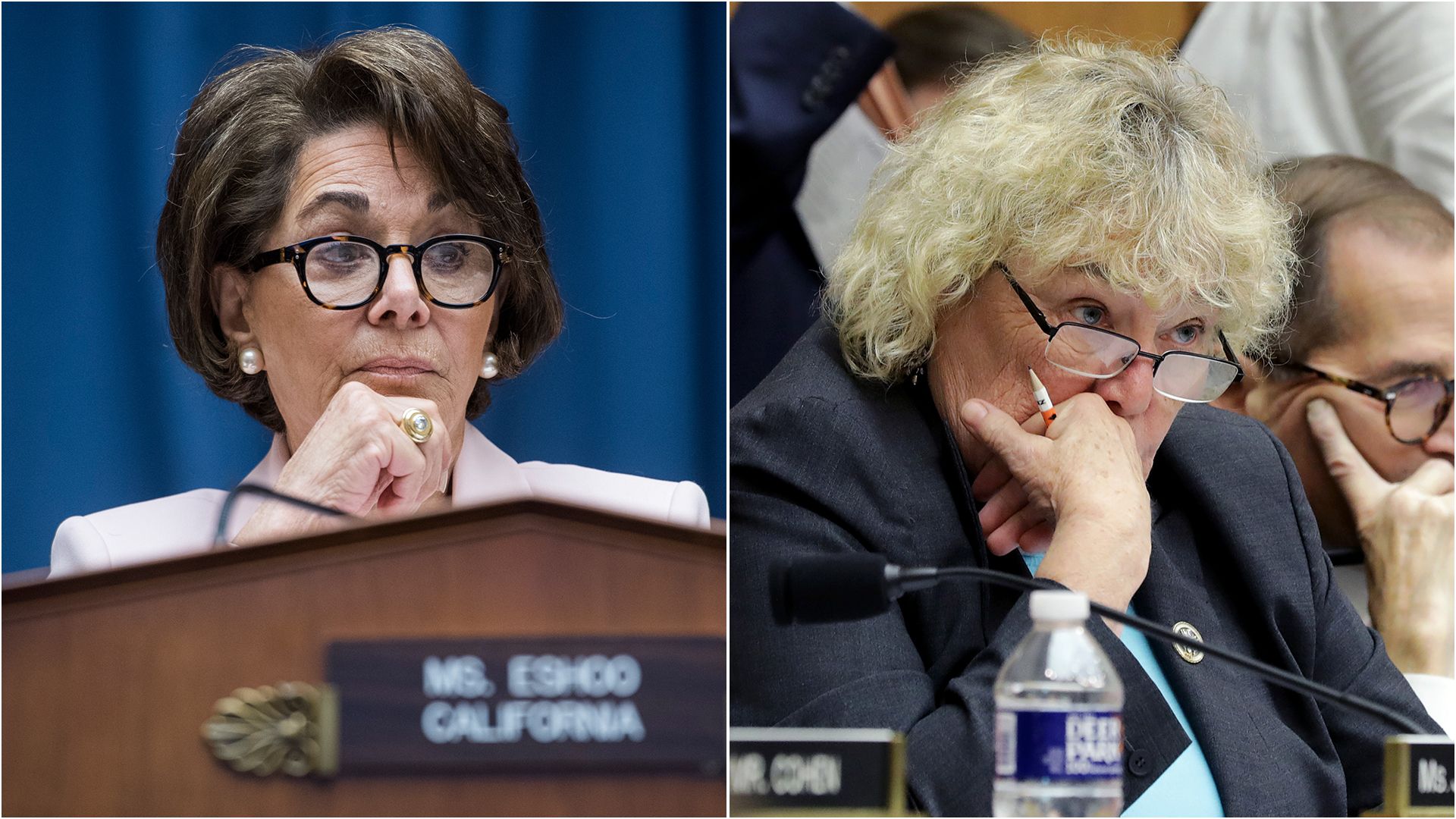
A pair of California Democrats want to create a new federal agency to protect U.S. consumers' privacy as part of an online privacy bill unveiled Tuesday.
The big picture: Reps. Anna Eshoo and Zoe Lofgren said their Online Privacy Act would create a "Digital Privacy Agency," give users the right to correct and delete information, and impose new restrictions on companies' use of data. The Silicon Valley representatives are setting a high bar for federal privacy legislation amid bipartisan legislation efforts.
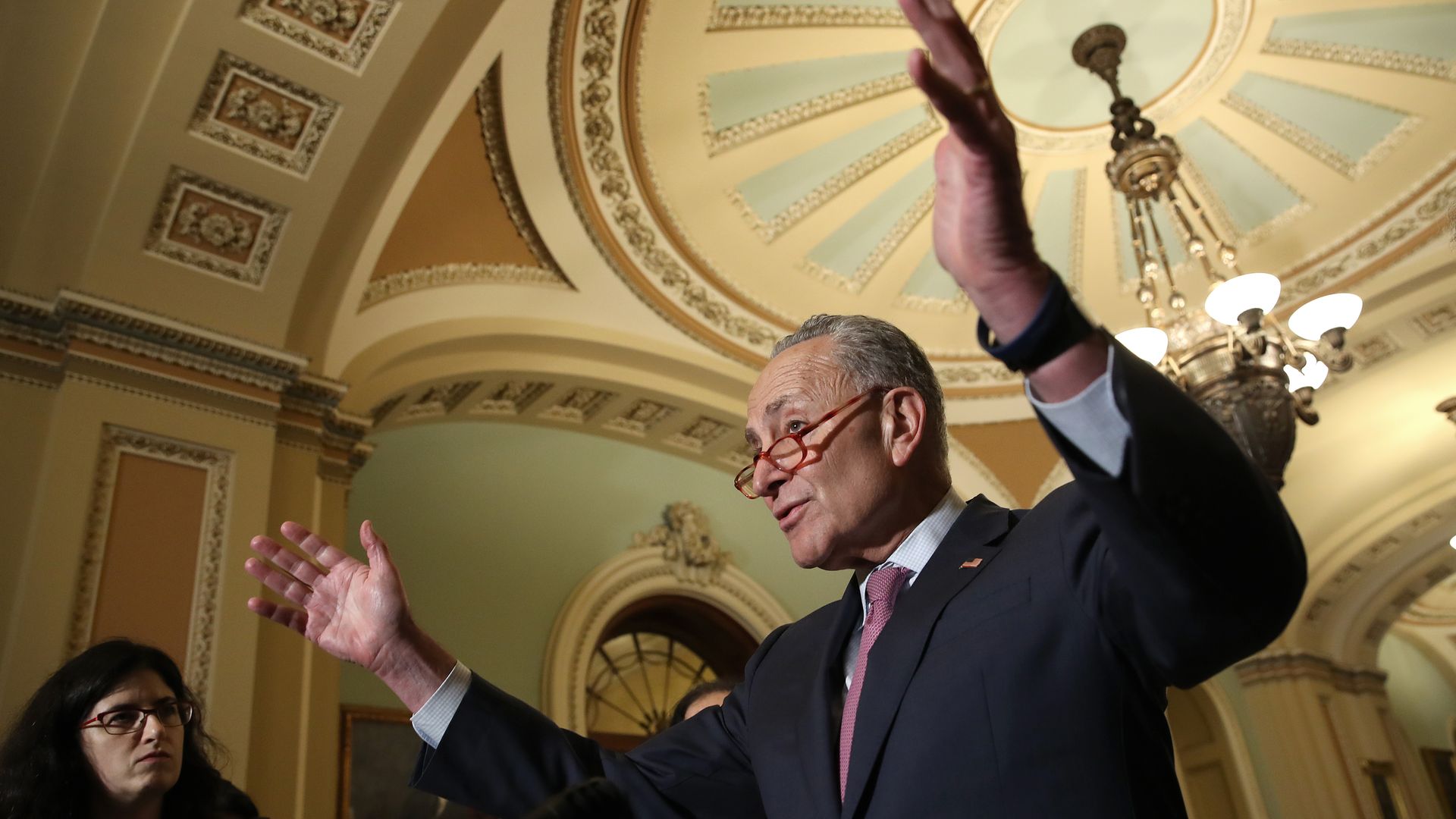
A proposal for $100 billion in new funding for fundamental AI research is circulating Congress with bipartisan support, Senate Minority Leader Chuck Schumer said Tuesday.
Why it matters: Without a big increase in money for AI research, experts say, the U.S. is liable to fall behind fast-moving adversaries like China on critical emerging tech.
More young teenagers use TikTok than Facebook, according to a new report from Morning Consult. Instagram and Snapchat still beat TikTok by wide margins, but the viral Chinese karaoke app has quickly become popular amongst Generation Z.
Why it matters: TikTok is following a familiar trajectory, beginning with beating out Facebook as a more popular app for young teens.
The Army is targeting young people "with a new multimillion-dollar advertising campaign designed to help recruit more than 130,000 people over the next year with promises of jobs everywhere from bio labs to cyber and culinary arts," reports Bloomberg Government.
Why it matters: Generation Z largely views of the military as a fighting force doing most of its work abroad, given that many in its ranks came of age after the September 11 attacks.
The Heritage Foundation is preparing to unveil a video Tuesday that slams YouTube for what it says is the censorship of its voice on YouTube's platform, sources tell Axios.
Why it matters: The video will be the first public acknowledgment of a months-long, behind-the-scenes dispute between the conservative think tank and the tech giant.
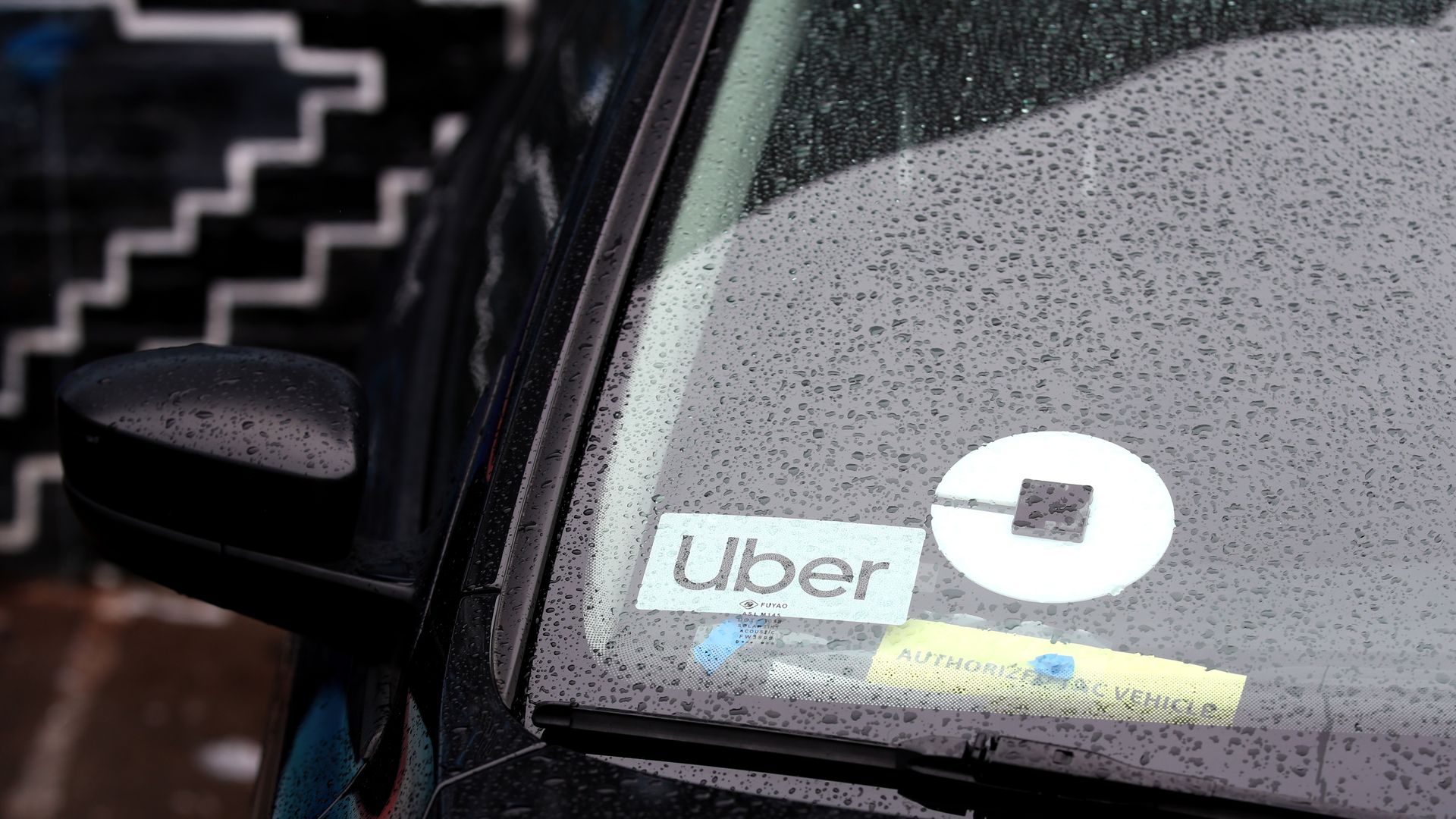
Uber saw its stock drop by more than 5% despite beating analyst expectations of its revenue and losses for the third quarter.
Why it matters: Uber, as well as rival Lyft, still faces the difficult challenge of convincing investors that it will eventually make a profit. While its business grew, the company's losses for the quarter ($1.16 billion) also increased compared to the same quarter a year ago.
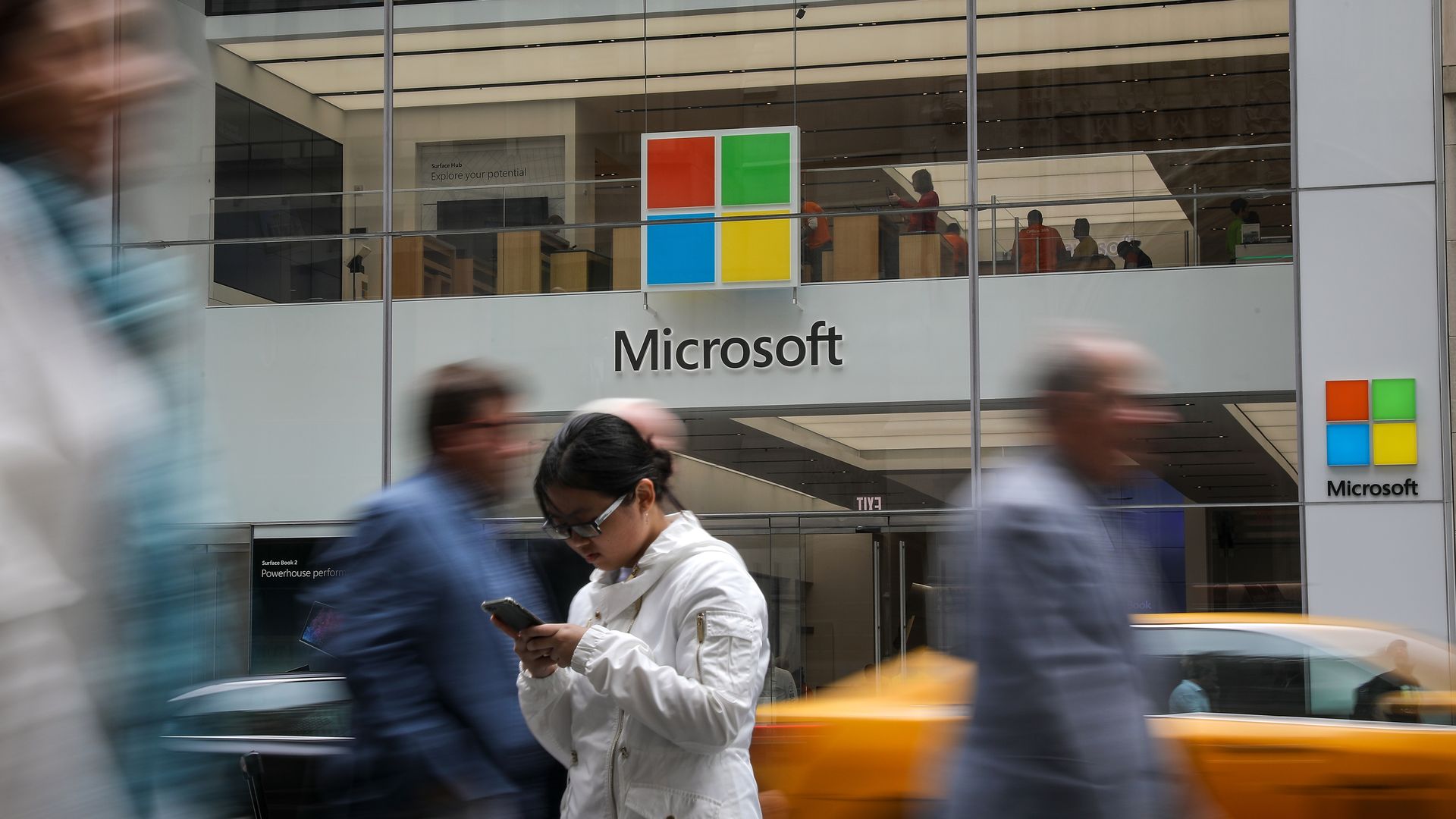
Microsoft held a four-day workweek experiment in Japan this summer and reported that its workers' productivity spiked despite spending less time at work, according to CNN.
Why it matters: Microsoft shut down its offices in Japan every Friday in August, and the technology company said the extra day off boosted productivity by 40% — measured by sales per employee — compared to the same period the previous year.
Hoping to stem a forecast rising tide of faked video, Adobe, Twitter and the New York Times are proposing a new industry effort designed to make clear who created a photo or video and what changes have been made.
Why it matters: With editing tools and artificial intelligence rapidly improving, it will soon be possible to make convincing videos showing anyone saying anything and photos of things that never happened.
Adobe is debuting a new app, Photoshop Camera, designed to bring the power of the popular photo-editing tool straight into the camera. The move allows consumers to apply artsy filters, swap out backgrounds and more even before the picture is taken.
Why it matters: Adobe has a goal of getting its tools in the hands of vastly more people. That means reaching consumer shutterbugs where they are at, which increasingly is within the camera app of their smartphones.
Microsoft is announcing today that its Bing search engine and Edge web browser will now focus primarily on business users.
Why it matters: For Bing, the move is a recognition that a years-long effort to take on Google in the broad-based search business has failed. In browsers, meanwhile, the shift is a sign of how far the mighty have fallen: Two decades ago, Microsoft's Internet Explorer dominated the browser market so thoroughly it was seen as a monopoly.
Apple CEO Tim Cook, unveiling a $2.5 billion plan to help alleviate California's housing availability and affordability crisis, told Axios in an interview that Apple feels "a profound responsibility" to the region where it was born and thrived.
"It’s just unsustainable," Cook said. "This problem is so big that the public sector cannot do it alone."









/2019/11/04/1572889291504.gif?w=3840)