Microsoft secured a $10 billion cloud computing contract from the Pentagon on Friday, CNBC reports, beating competitors like Amazon to a lucrative 10-year contract.
Why it matters, via Axios' Ina Fried:This giant deal has been a hard fought battle, as Oracle and IBM previously held hopes they could win the cloud computing prize.
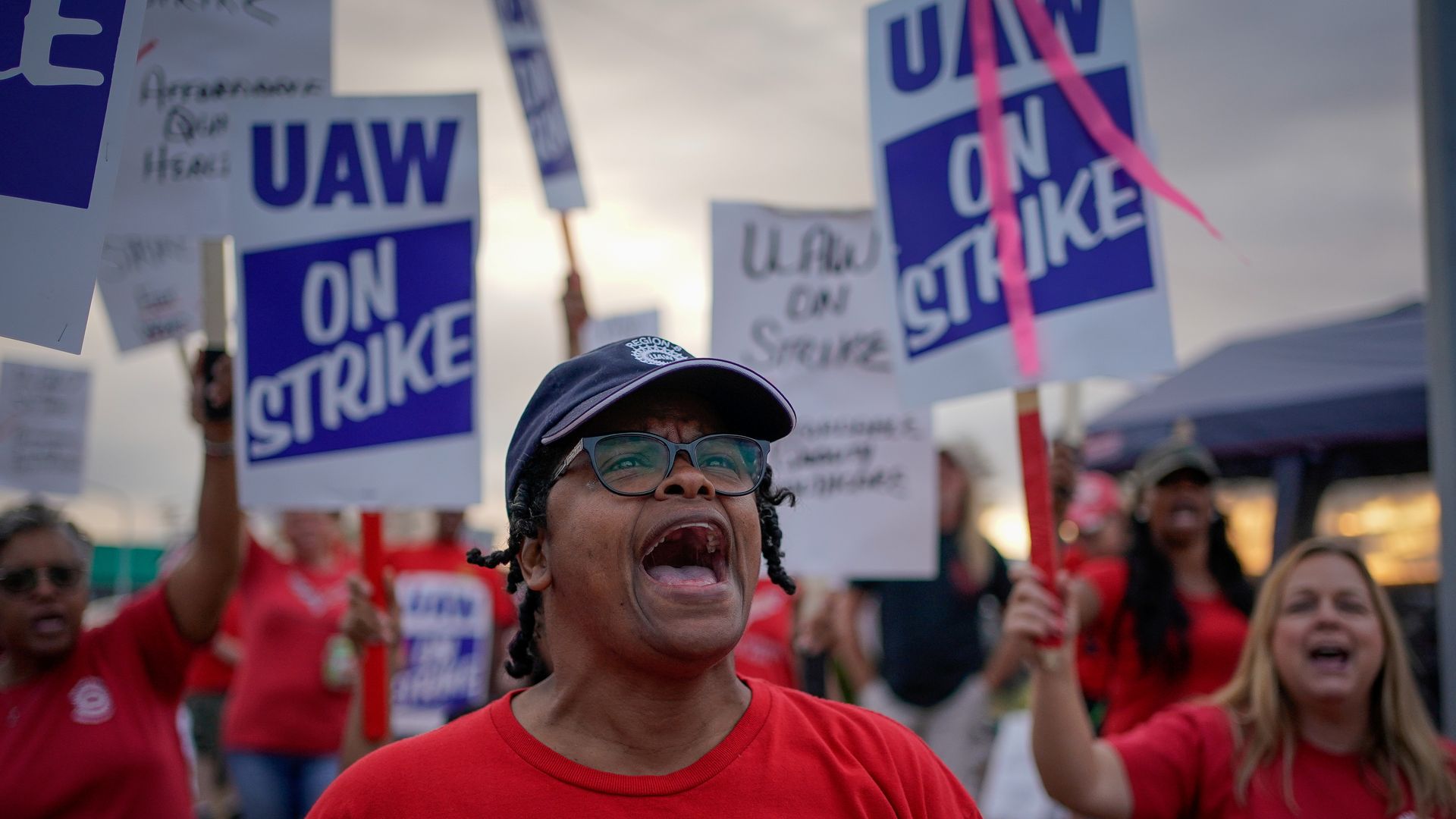
Where it stands: UAW secured "annual lump-sum bonuses" or raises plus $11,000 ratification bonuses, per CNBC, and said it would not block GMs' plans to close four facilities across the U.S. GM committed to adding thousands of new jobs and said it would decrease the number of years required for workers to earn more than $32 an hour. Some of the union’s 48,000 members employed at GM are expected to return to work as soon as Saturday.
Before Lyft or Uber or WeWork, there was Snapchat. A red-hot, multi-billion dollar startup that melted upon contact with the public markets.
Why it matters: It's a cautionary tale for those who are quick to leave the 2019 cohort for dead. Snap shared many of the unfavorable traits of those that would follow. Giant losses, unclear path to profitability, and a CEO whose hubris and poor communication skills had damaged both morale and product development.
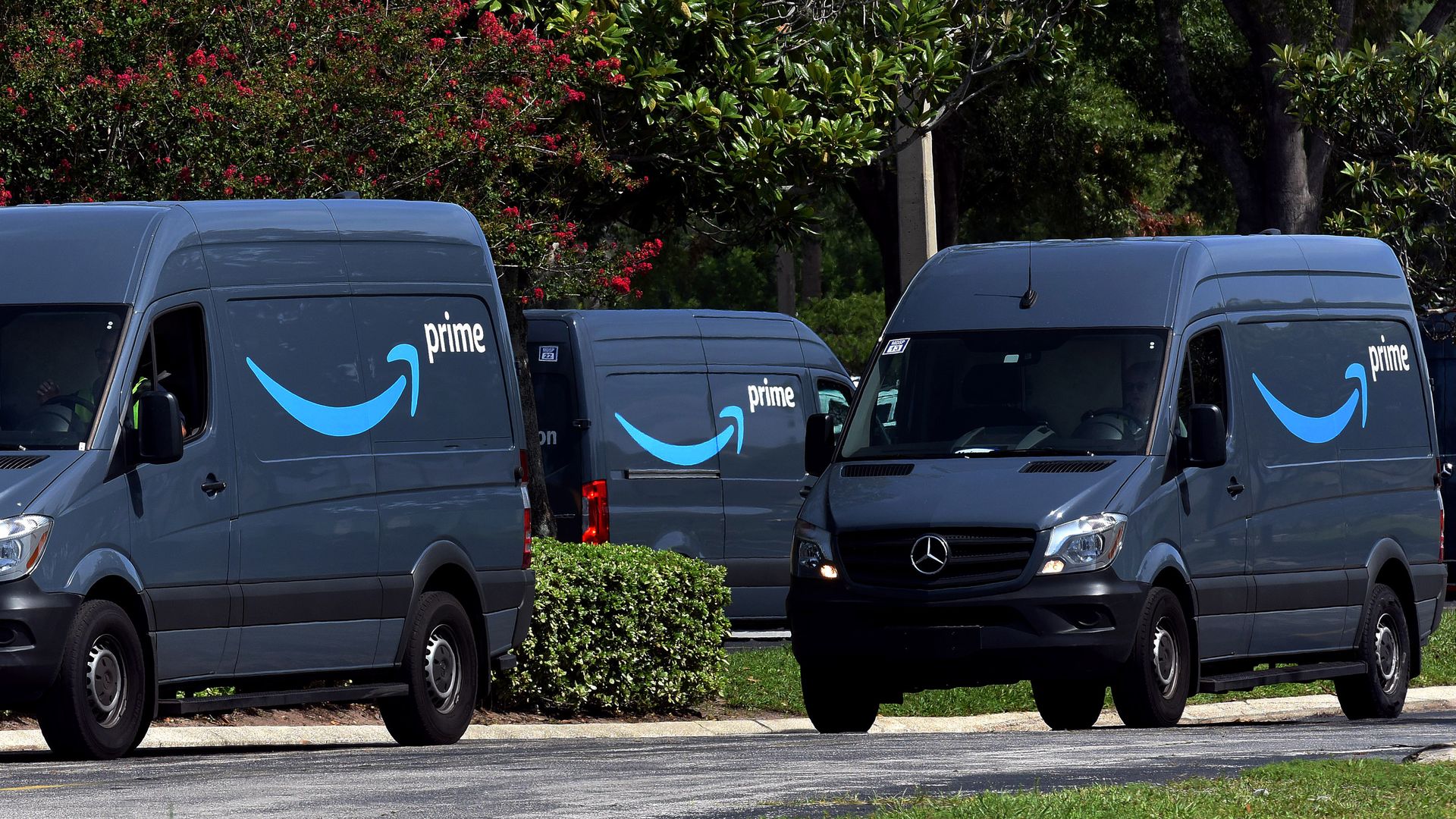
Amazon shares fell more than 6% Thursday after the company's quarterly earnings fell for the first time in two years, coming in below analysts' expectations.
Between the lines: Amazon had been posting record profits in recent quarters, but its move to offer one-day shipping to Prime customers is clearly denting the bottom line. Last quarter, the company spent nearly $10 billion on shipping, but the company has long been willing to sacrifice short-term profitability to make moves that are popular with consumers and are hard for rivals to match.
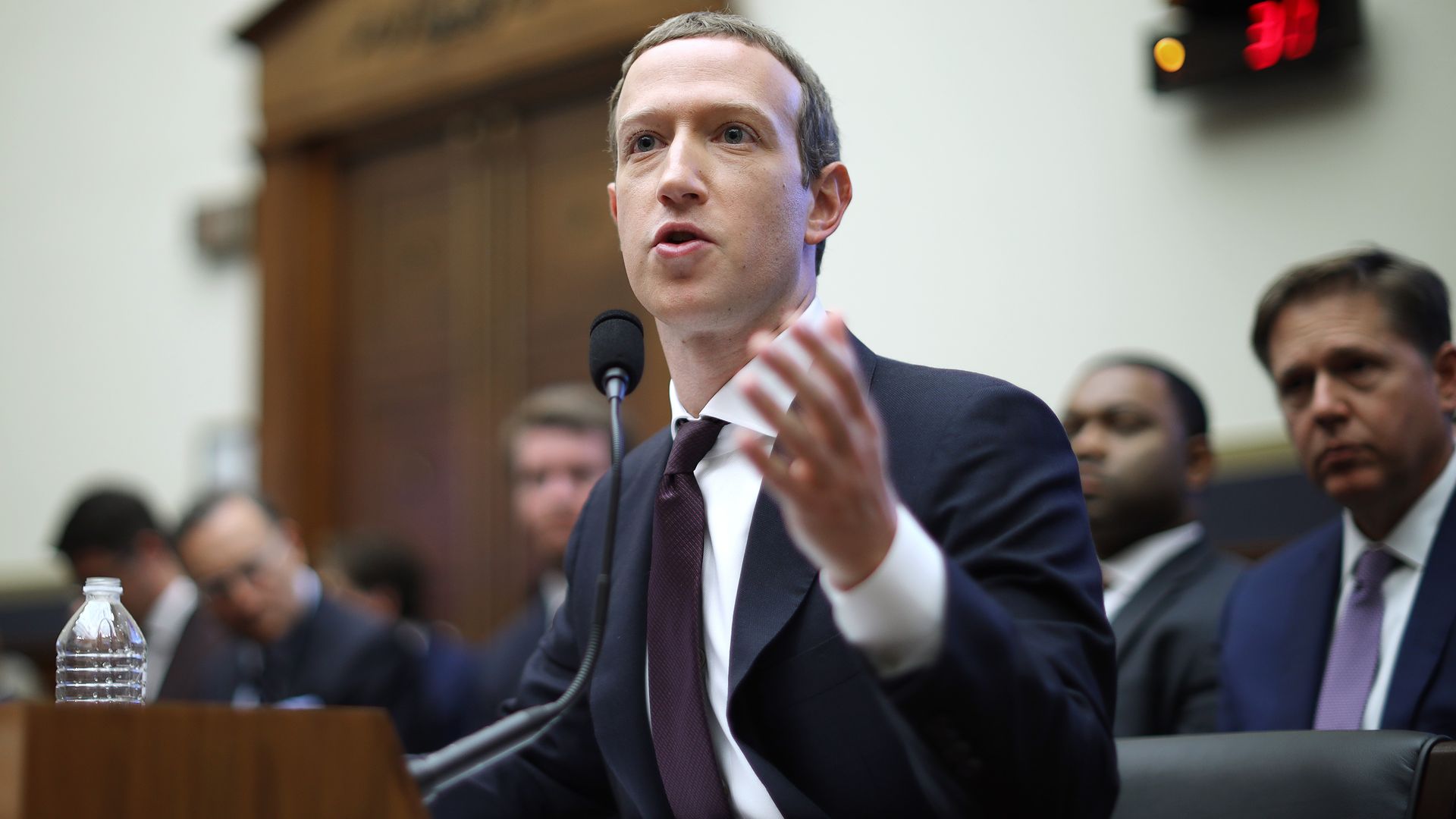
Facebook, which has long resisted both hiring journalists and paying publishers, will do both as part of a new News section being announced today. In an interview with Axios, CEO Mark Zuckerberg acknowledged that "the internet has been very disruptive to the news industry."
The big picture: News organizations have long complained that Facebook and Google benefit by appropriating their content. It's unclear, though, whether Facebook's new move will generate significant revenue for any but the largest publishers.
Facebook CEO Mark Zuckerberg told Axios in an interview that the Facebook News Tab, a new feature he's launching today in New York, is an effort to "do a better job of supporting journalism."
What he's saying: "We get that the internet has been very disruptive to the news industry," Zuckerberg said. "Certainly, we are one of the services that is a part of that trend. So I take our responsibility as part of this very seriously."
America's librarians are taking a feud with Amazon and other publishers to Congress as lawmakers investigate competition in digital markets.
Driving the news: The American Library Association said libraries are struggling to acquire ebooks because of an "abuse of market power by dominant firms," as part of a report for the House Judiciary Committee's digital markets investigation that was made public Thursday.
Amazon's stock fell sharply Thursday after the company narrowly missed analysts' expectations on earnings per share for the third quarter, reporting $4.23 vs. the expected $4.62. The tech giant's revenue for the quarter was higher than expected ($69.9 billion vs. $68.8 billion), CNBC reports.
The big picture: It's not yet clear why Amazon missed expectations, but analysts have raised questions about how much the retailer's move this year from two-day to one-day Prime delivery will cost as it becomes widely implemented.
More than 800 independent musicians announced an initiative on Thursday called "No Music for ICE," pledging not to participate in Amazon-sponsored events or exclusive partnerships with the tech giant over its entanglements with the U.S. immigration authority.
Republican FTC Commissioner Christine Wilson wants her agency to probe how social media companies use consumers’ information to shape the algorithms that determine what their users see and read.
Why it matters: A wide-ranging study of social media data practices could lay the groundwork for more enforcement from the agency, as well as legislative recommendations to Congress.
Twitter's stock took a significant premarket hit Thursday after the company reported that it missed third-quarter revenue and advertising expectations due to several "headwinds," like product issues and greater-than-expected advertising setbacks in July and August.
The state of play: The company blamed a series of bugs that impacted its ability to monetize users' engagement, including a bug that was revealed earlier this quarter that allowed users' phone numbers and email addresses to be used for advertising micro-targeting.
Technology has advanced to the point where research study participants can be identified by their MRI scans even after all other identifying information has been stripped, according to an experiment detailed yesterday in the New England Journal of Medicine and reported on by the New York Times.
Why it matters: If stored medical data were leaked, it could potentially be used to identify study participants for marketing, scams or even stalking.
For decades, America's tech giants scaled up quietly — paying little attention to the cities and towns that hosted them. Now, they're answering to the communities that have felt the most acute effects of their explosive growth.
Why it matters: Much of the backlash against Big Tech is occurring on a national — or even global — scale, but the giants are realizing some of their toughest and priciest fights are in their hometowns.