Machine vision is a crucial missing link holding back the robotization of industries like manufacturing and shipping. But even as that field advances rapidly, there's a larger hurdle that still blocks widespread automation — machine understanding.
Why it matters: Up against a shortage of workers, those sectors stand to benefit hugely from automation. But the people working in warehouses and factories could find their jobs changed or eliminated if vision technology sees new breakthroughs.
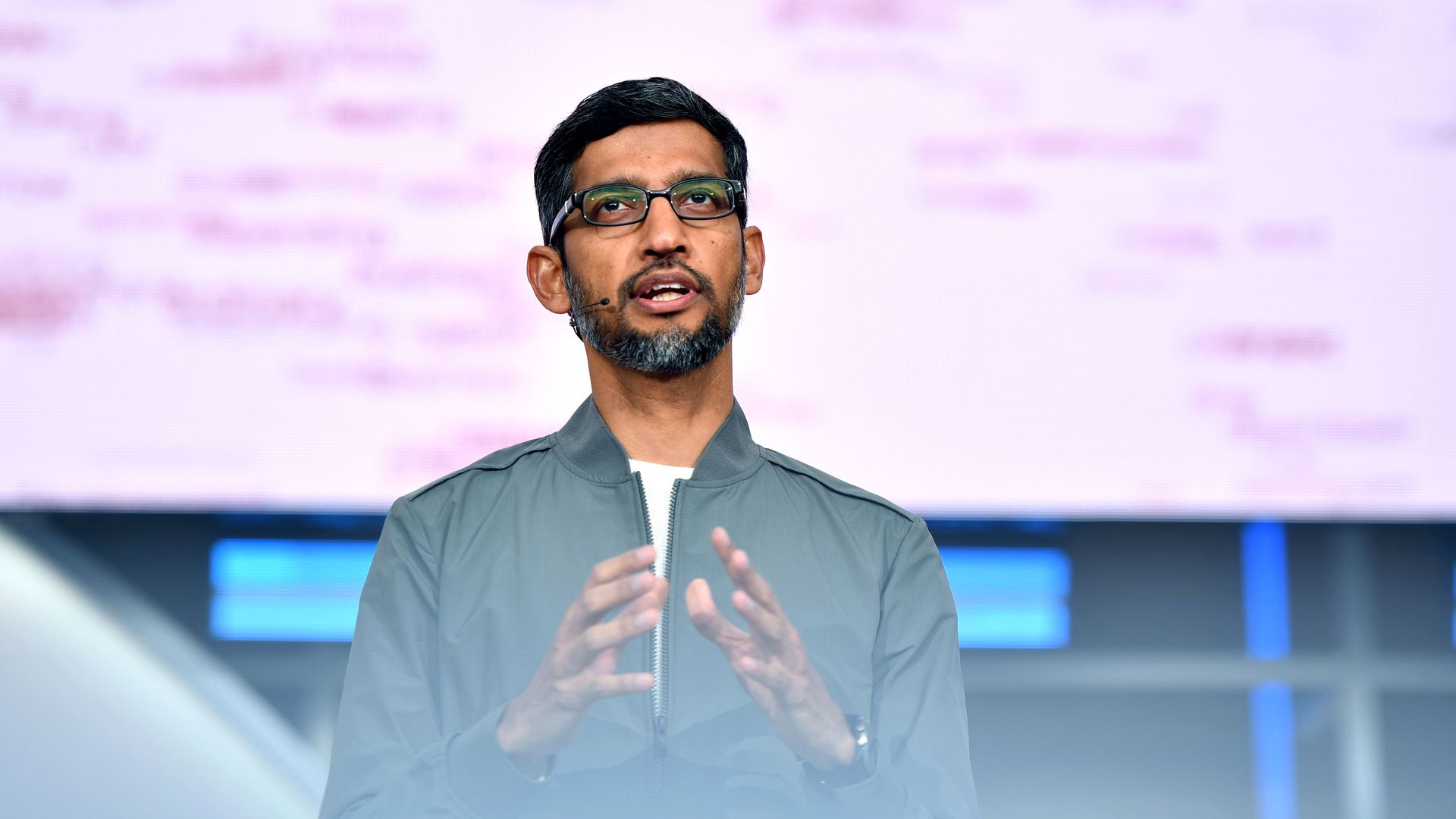
Google CEO Sundar Pichai told employees at an all-staff meeting this week that "it's definitely gotten harder" to see how to make improvements after breaking employees' trust at the company's current scale, the Washington Post reports.
Our thought bubble, via Axios' Ina Fried: Google has prided itself on having a vocal employee base. In recent months, the tech giant has struggled with handling workers who question its every move and want a say in everything from who is hired or retained to who the company does business with.
In the most exclusive AI conferences and journals, AI systems are judged largely on their accuracy: How well do they stack up against human-level translation or vision or speech?
Yes, but: In the messy real world, even the most accurate programs can stumble and break. Considerations that matter little in the lab, like reliability or computing and environmental costs, are huge hurdles for businesses.
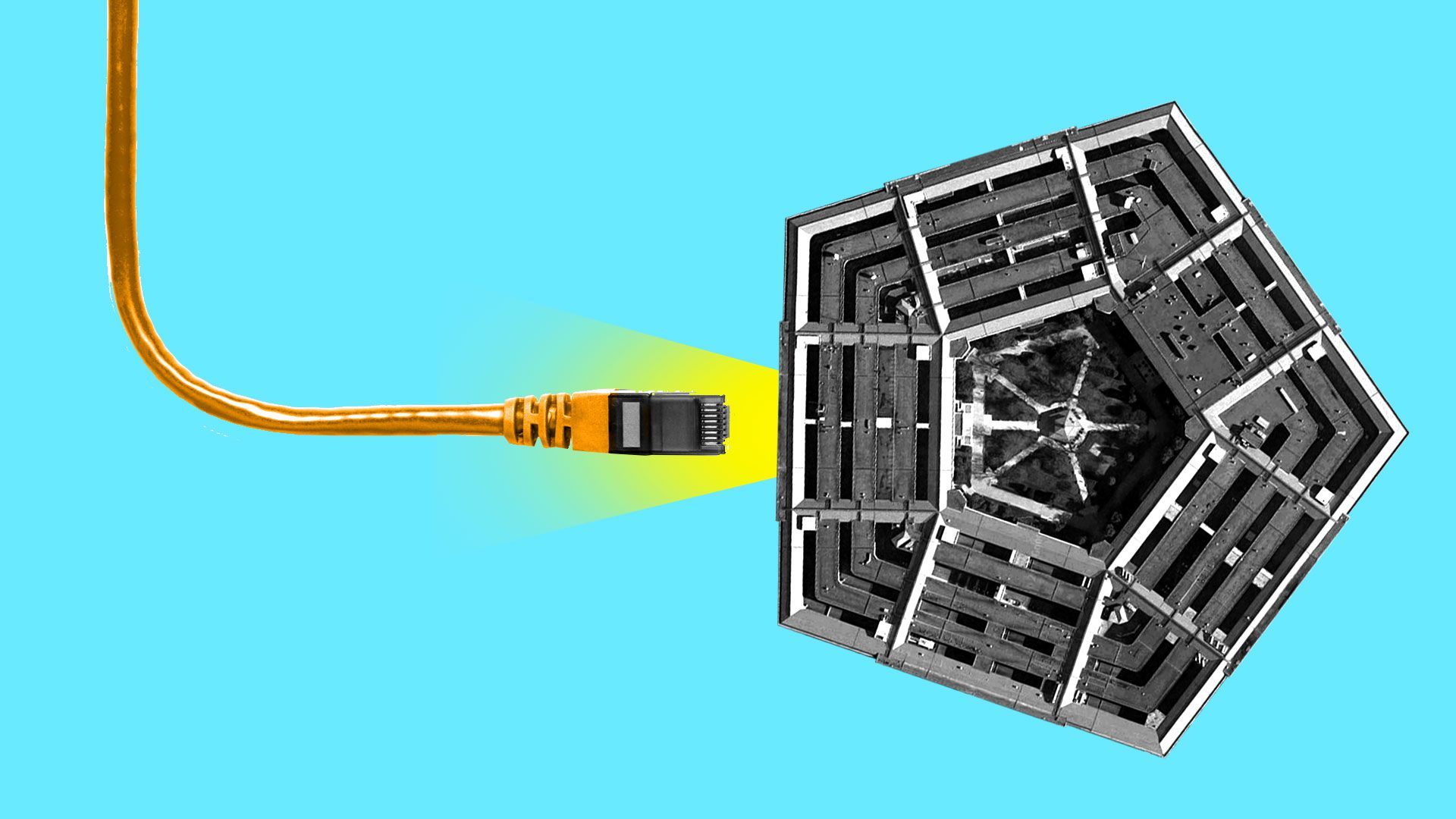
Microsoft secured a $10 billion cloud computing contract from the Pentagon on Friday, CNBC reports, beating competitors like Amazon to a lucrative 10-year contract.
Why it matters, via Axios' Ina Fried:This giant deal has been a hard fought battle, as Oracle and IBM previously held hopes they could win the cloud computing prize.
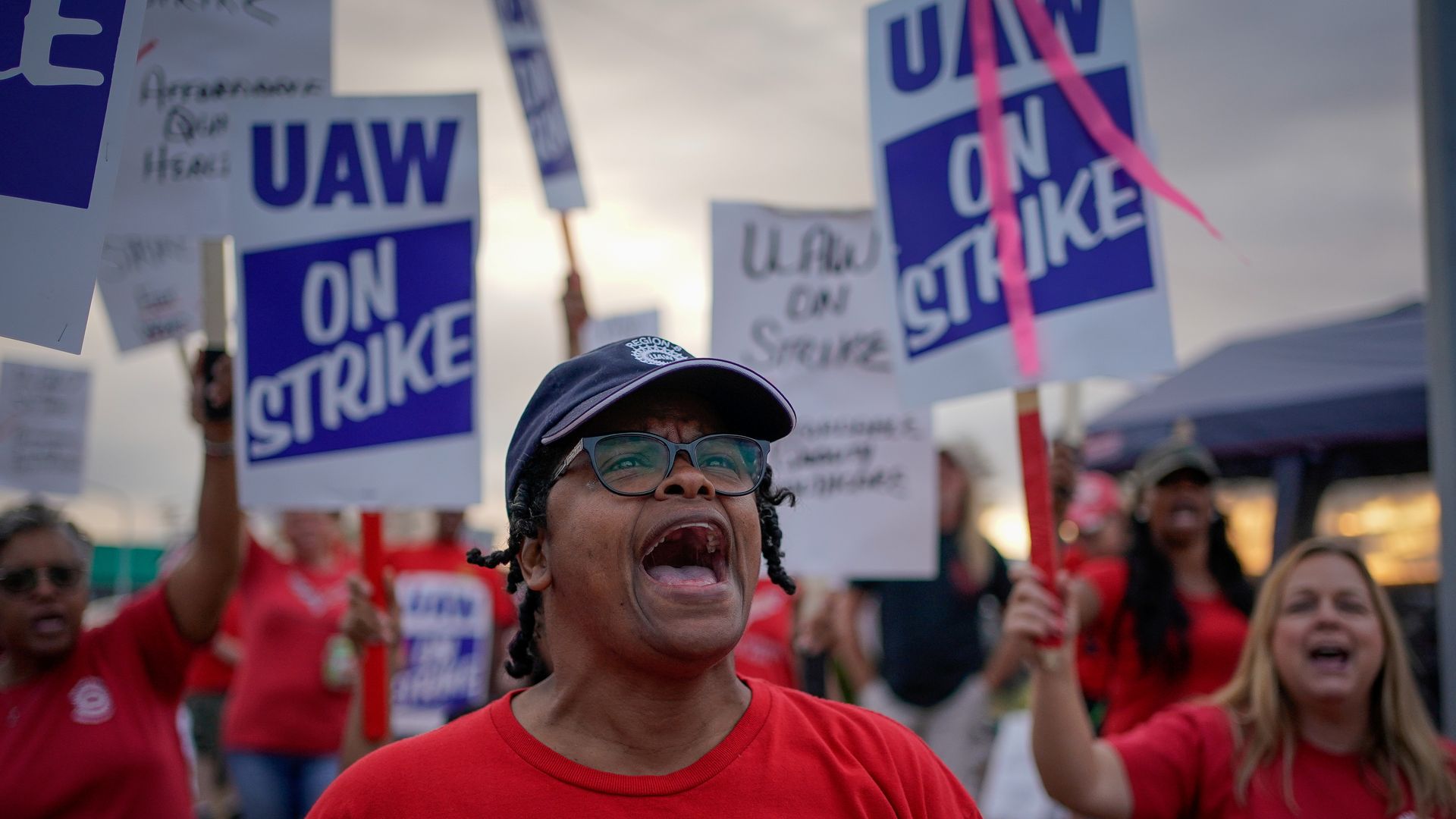
Where it stands: UAW secured "annual lump-sum bonuses" or raises plus $11,000 ratification bonuses, per CNBC, and said it would not block GMs' plans to close four facilities across the U.S. GM committed to adding thousands of new jobs and said it would decrease the number of years required for workers to earn more than $32 an hour. Some of the union’s 48,000 members employed at GM are expected to return to work as soon as Saturday.
Before Lyft or Uber or WeWork, there was Snapchat. A red-hot, multi-billion dollar startup that melted upon contact with the public markets.
Why it matters: It's a cautionary tale for those who are quick to leave the 2019 cohort for dead. Snap shared many of the unfavorable traits of those that would follow. Giant losses, unclear path to profitability, and a CEO whose hubris and poor communication skills had damaged both morale and product development.
Amazon shares fell more than 6% Thursday after the company's quarterly earnings fell for the first time in two years, coming in below analysts' expectations.
Between the lines: Amazon had been posting record profits in recent quarters, but its move to offer one-day shipping to Prime customers is clearly denting the bottom line. Last quarter, the company spent nearly $10 billion on shipping, but the company has long been willing to sacrifice short-term profitability to make moves that are popular with consumers and are hard for rivals to match.
Facebook, which has long resisted both hiring journalists and paying publishers, will do both as part of a new News section being announced today. In an interview with Axios, CEO Mark Zuckerberg acknowledged that "the internet has been very disruptive to the news industry."
The big picture: News organizations have long complained that Facebook and Google benefit by appropriating their content. It's unclear, though, whether Facebook's new move will generate significant revenue for any but the largest publishers.
Facebook CEO Mark Zuckerberg told Axios in an interview that the Facebook News Tab, a new feature he's launching today in New York, is an effort to "do a better job of supporting journalism."
What he's saying: "We get that the internet has been very disruptive to the news industry," Zuckerberg said. "Certainly, we are one of the services that is a part of that trend. So I take our responsibility as part of this very seriously."