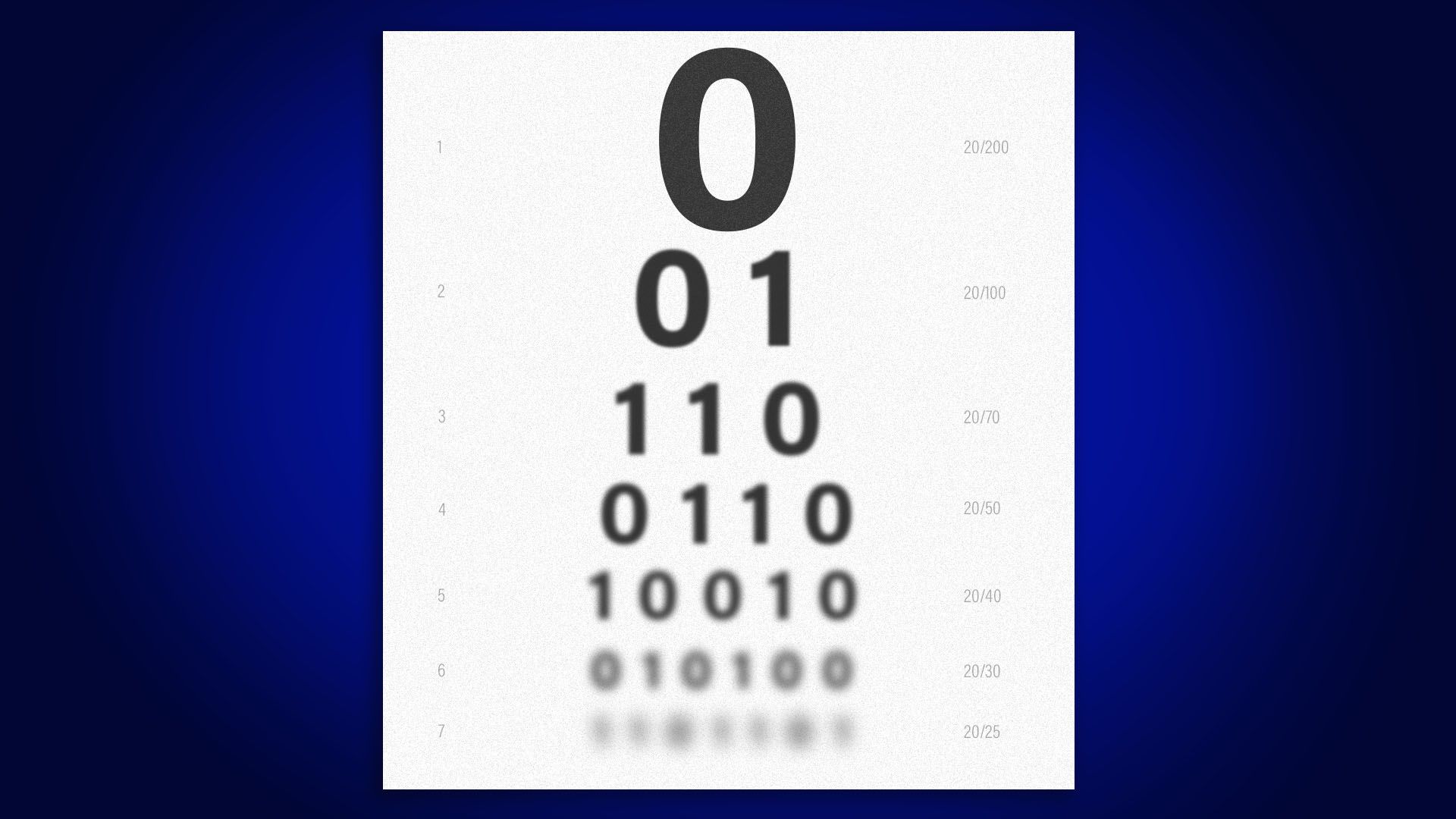
Machine vision is a crucial missing link holding back the robotization of industries like manufacturing and shipping. But even as that field advances rapidly, there's a larger hurdle that still blocks widespread automation — machine understanding.
Why it matters: Up against a shortage of workers, those sectors stand to benefit hugely from automation. But the people working in warehouses and factories could find their jobs changed or eliminated if vision technology sees new breakthroughs.
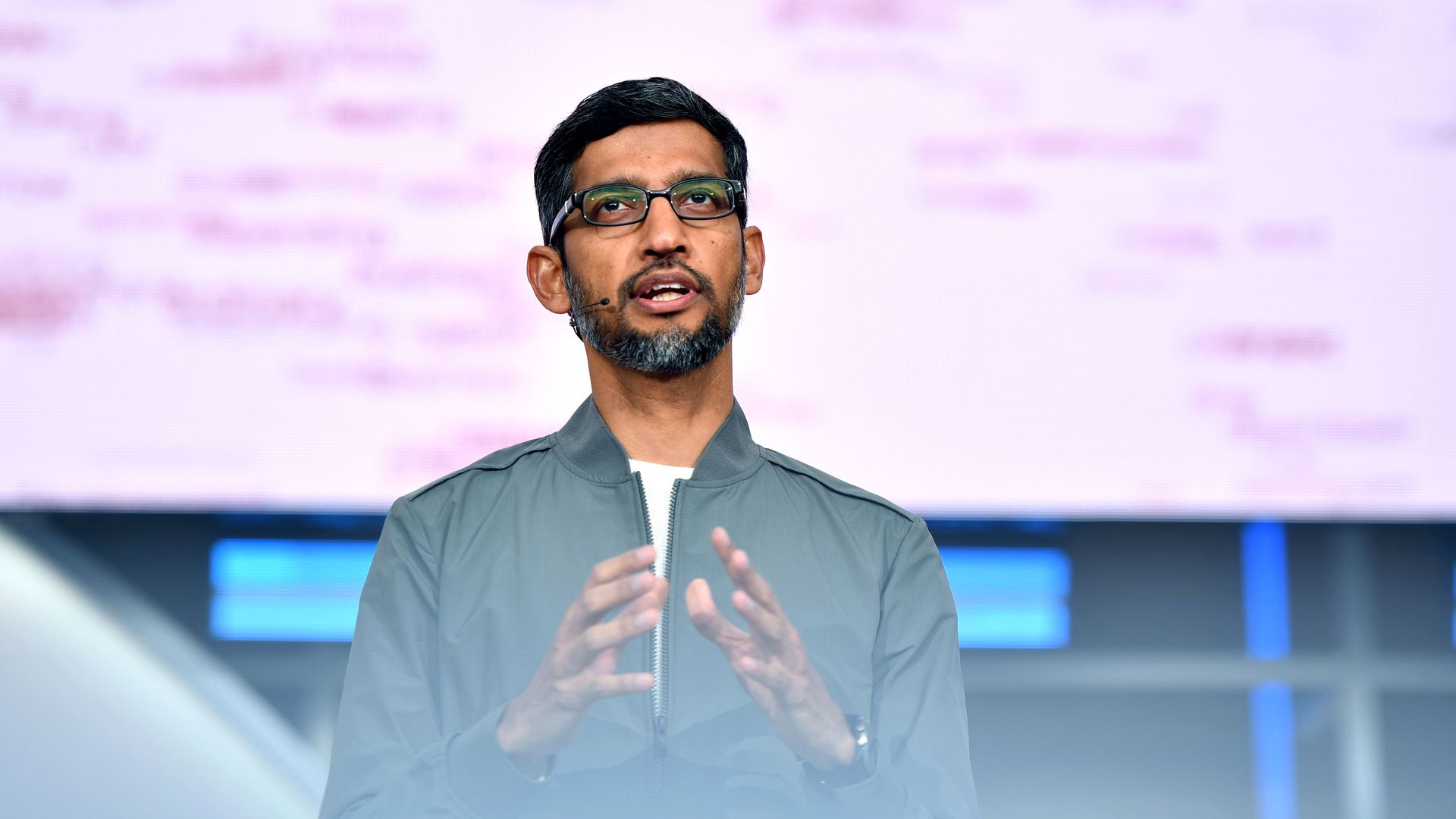
Google CEO Sundar Pichai told employees at an all-staff meeting this week that "it's definitely gotten harder" to see how to make improvements after breaking employees' trust at the company's current scale, the Washington Post reports.
Our thought bubble, via Axios' Ina Fried: Google has prided itself on having a vocal employee base. In recent months, the tech giant has struggled with handling workers who question its every move and want a say in everything from who is hired or retained to who the company does business with.
In the most exclusive AI conferences and journals, AI systems are judged largely on their accuracy: How well do they stack up against human-level translation or vision or speech?
Yes, but: In the messy real world, even the most accurate programs can stumble and break. Considerations that matter little in the lab, like reliability or computing and environmental costs, are huge hurdles for businesses.