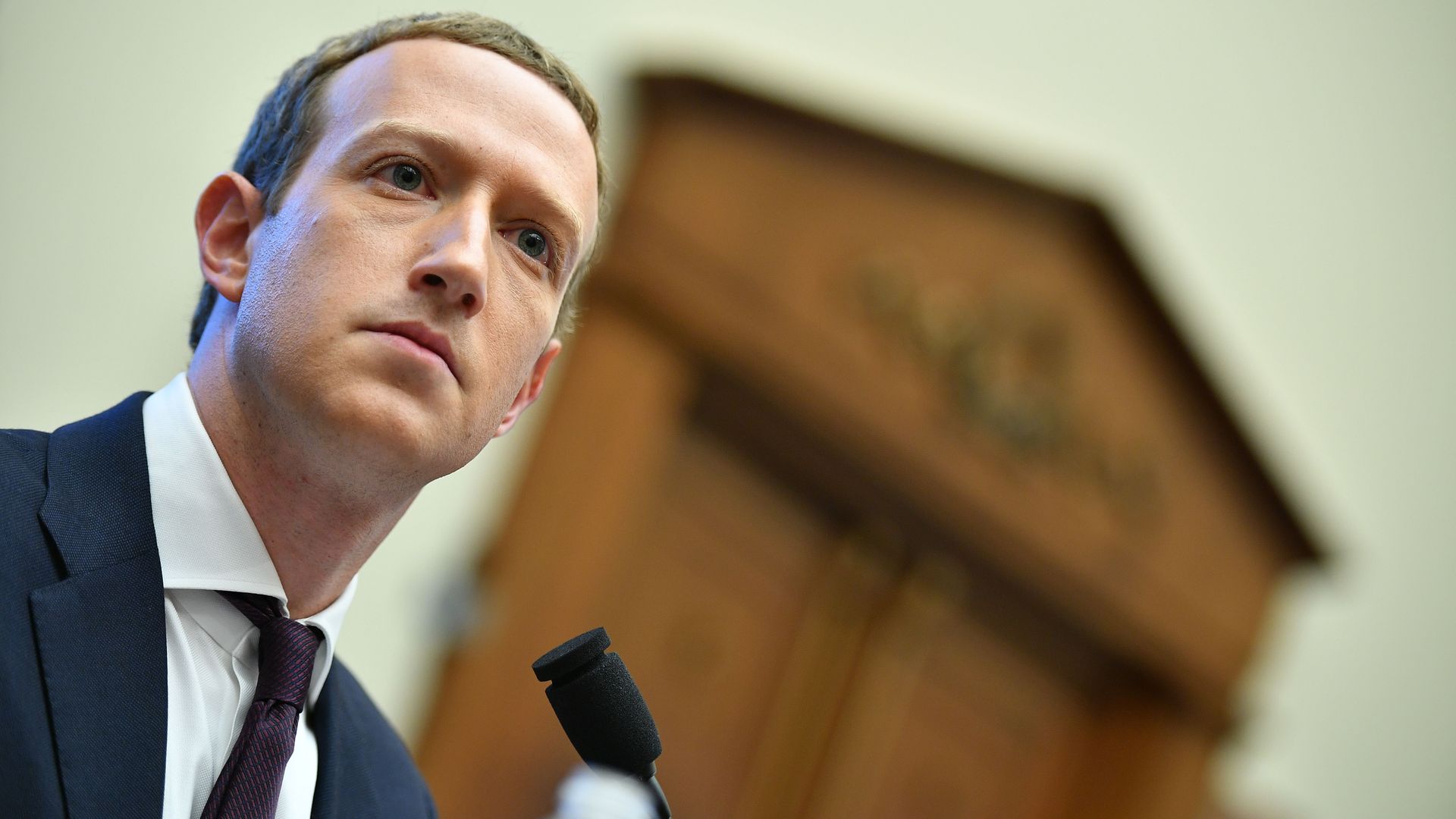
More than 250 Facebook employees have signed a letter protesting the company's policy allowing politicians to buy ads that make false statements, the New York Times' Mike Isaac reports.
Why it matters: As the 2020 election looms, critics fear the company's policies and security measures are insufficient to prevent a repeat of 2016 — when misinformation, some directed from overseas, ran rampant on the social network.Facebook's leadership has defended its policy as a protection of free speech in a democracy, even as politicians push the policy's boundaries to try to expose its flaws.
Uber has set up a new division, Uber Money, that will house its financial services products for riders and drivers, such as digital wallets and debit and credit cards.
Why it matters: While Uber and rival Lyft have already provided some standalone services like letting drivers cash out their earnings instantly and a credit card for riders, other ride-hailing companies around the world, like Grab and Gojek, have long offered fuller suites of services.
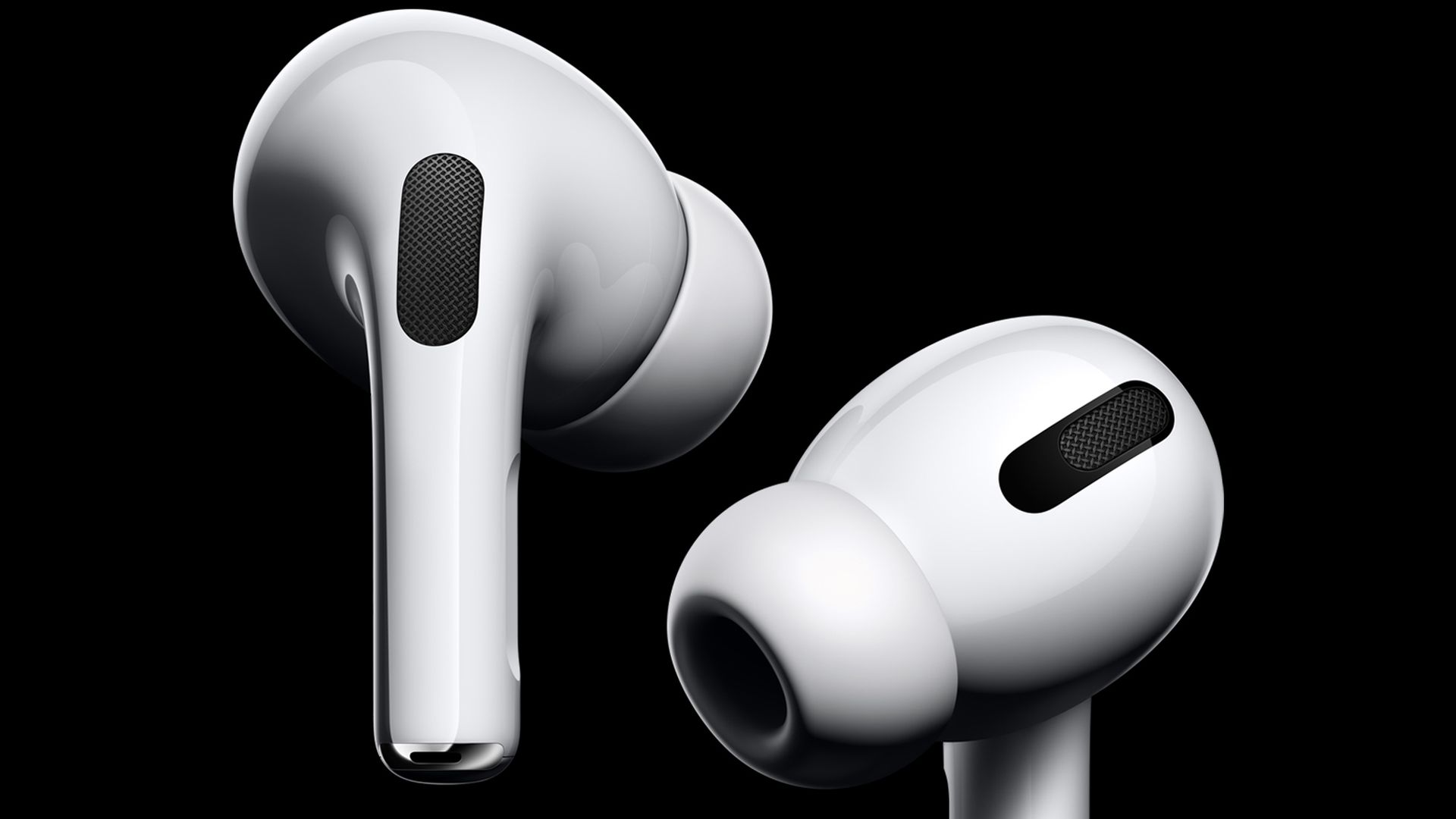
Apple on Monday revealed in a press release that the newest version of its AirPods, with noise-cancelling technology and silicon ends, will be available Oct. 30.
The big picture: Apple's iPhone event in September appeared to show signs of slowing smartphone innovation. But accessories like the AirPods had success last year during the holiday season and the company is betting once again that consumers will choose iPhone accessories in December. The headphones are priced at $249, almost $100 more than the original AirPods model.
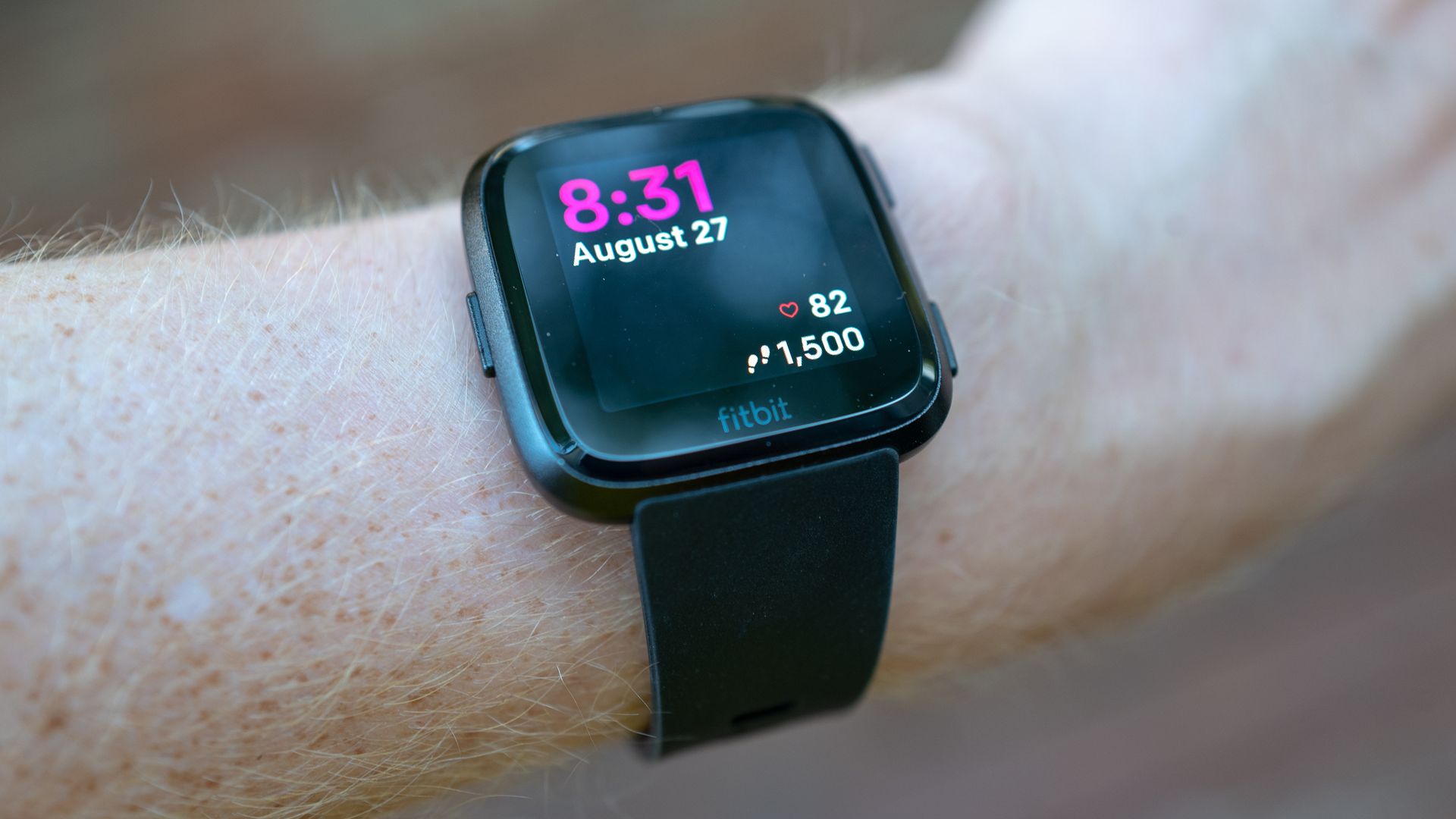
Google's parent company Alphabet Inc. has made an offer to buy wearable device maker Fitbit Inc., according to Reuters.
Why it matters: Google has yet to develop any wearable smart devices like its competitors Apple and Samsung Electronics, but it could get a piece of the crowded market with Fitbit.
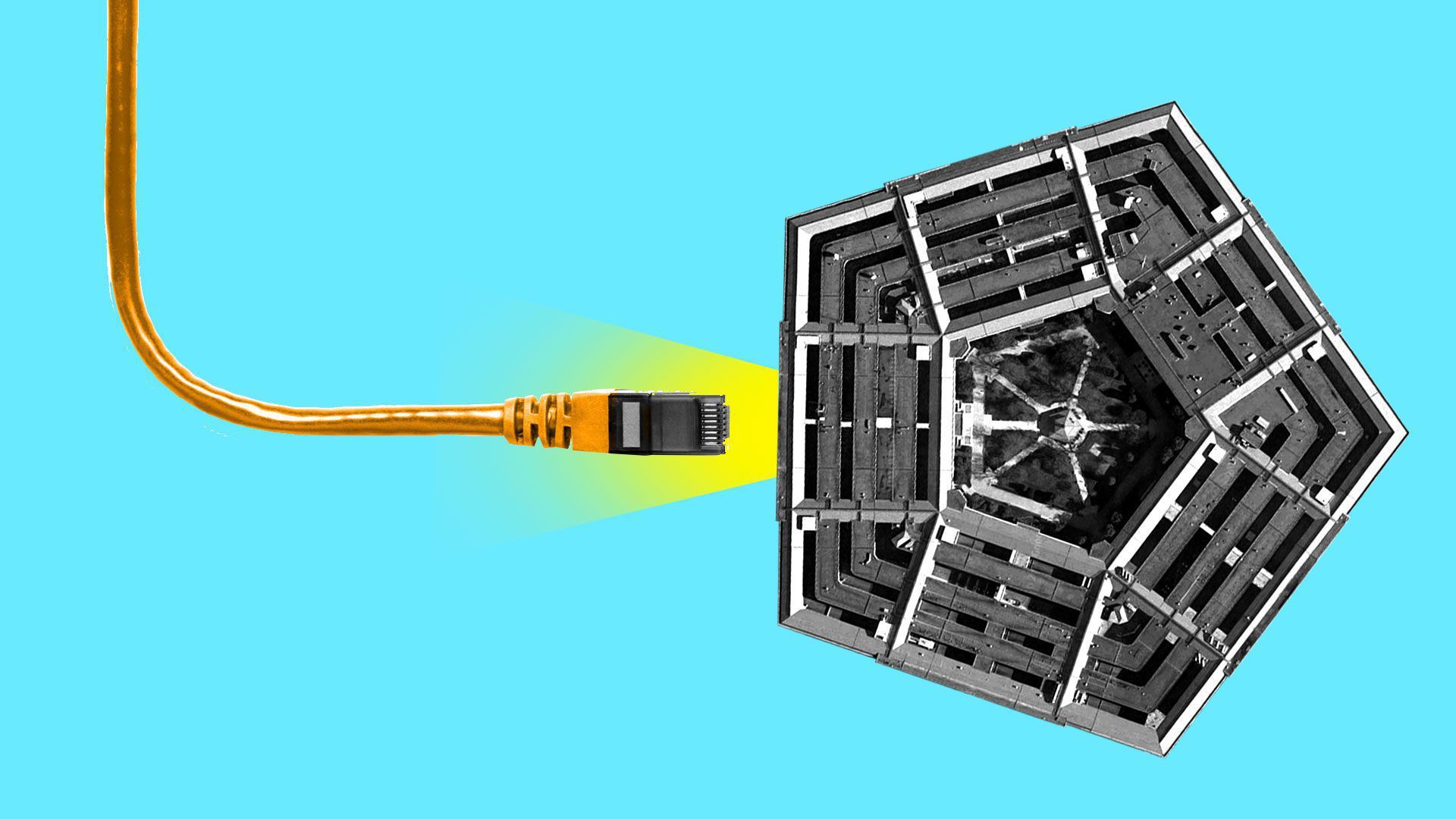
Microsoft beat out Amazon for a $10 billion cloud computing contract with the U.S. Department of Defense, nicknamed JEDI. Dan digs into the deal, and its political implications, with TechCrunch's Ron Miller.
Why it matters: Tech companies are shelling out more money for lobbying as they face federal and state investigations and increased regulatory scrutiny.
Facebook pulled an ad over the weekend that falsely suggested that Sen. Lindsey Graham had endorsed the Green New Deal.
The big picture: Facebook hasn't changed its policy allowing political candidates to lie at will in advertisements. In this case, it was a third-party political action committee making the allegation — and Facebook doesn't give such groups the same exemption as candidates themselves.
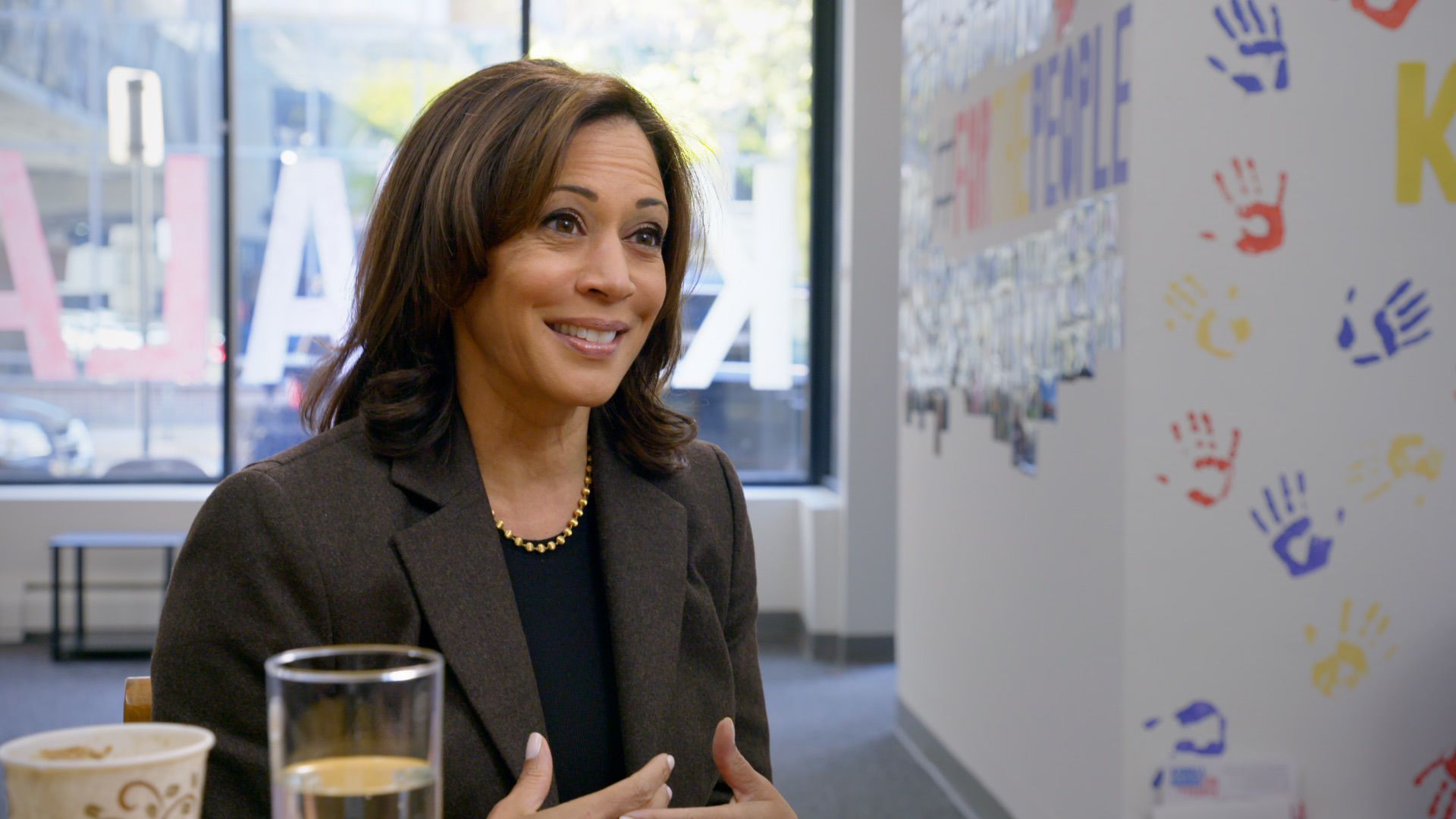
Kamala Harris told "Axios on HBO" about the need to ensure that tech companies don't profit from hate and aren't being used to manipulate elections.
Why it matters: Many in D.C. have come to support greater regulation of tech companies, but there's a wide disparity on what the remedies should be, even among the 2020 Democratic candidates.
Leaked audio from a Google internal meeting is sparking renewed debate over just how much the company really wants its employees speaking out.
Driving the news: The most recent issue has been Google's hiring of Miles Taylor, who worked as chief of staff for Homeland Security Secretary Kirstjen Nielsen.
Why it matters: Amazon's lawyers will likely challenge the decision, while 2020 Democratic candidates will line up to charge the Pentagon with putting its hand on the scales to please President Trump.
Facebook and its CEO, Mark Zuckerberg, have been on another wild ride.
The state of play: They've been dragged on television by opportunistic members of Congress and are fielding multiple antitrust inquiries, while attempting to push forward with the Libra digital currency. Libra is facing mounting resistance from regulators and legislators around the globe.