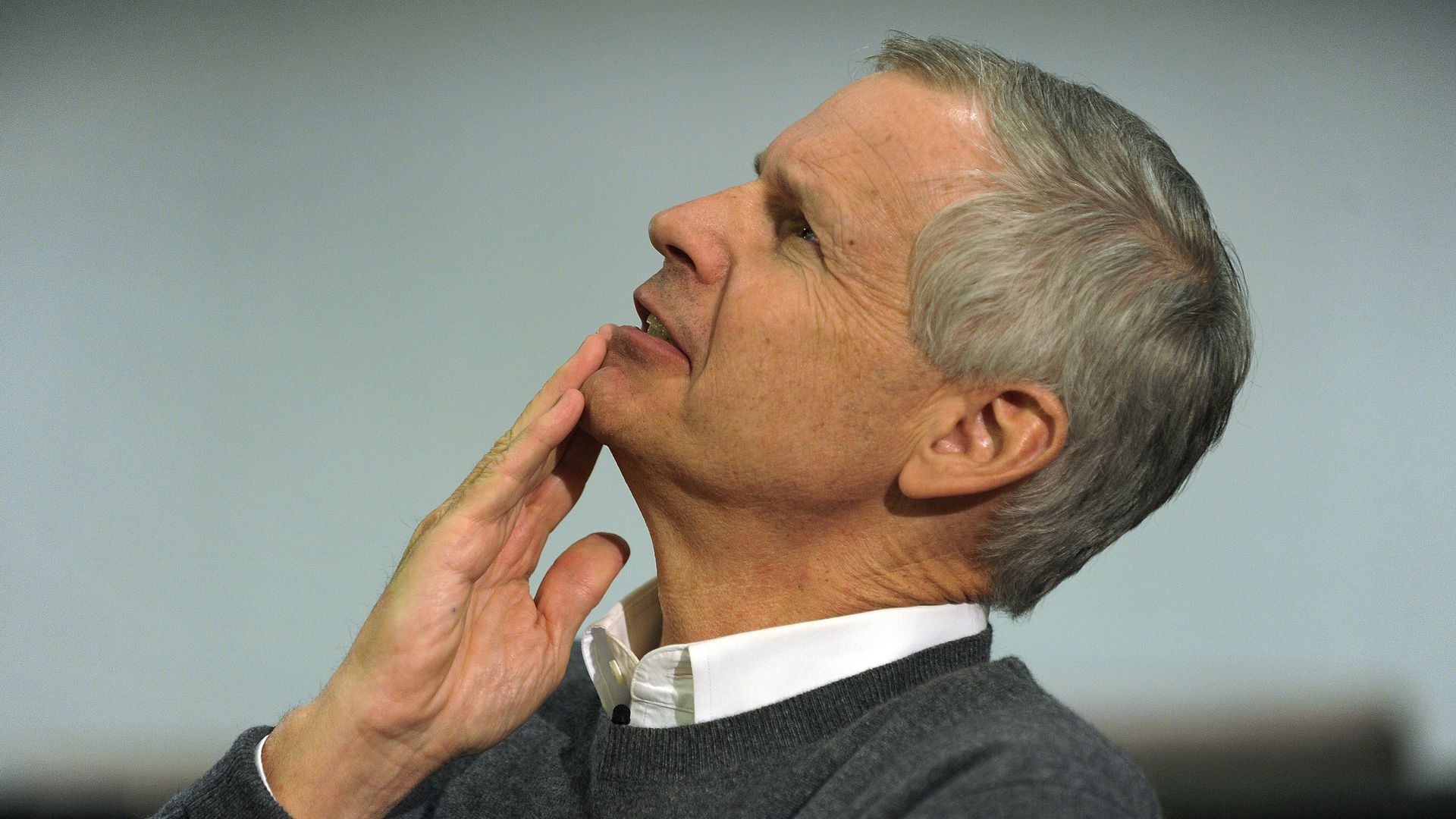
Rather than try to convince skeptics he is serious about the wireless business, Dish Network Chairman Charlie Ergen tells Axios he is going to focus on building a 5G network as fast as possible. Ideally, he said he wants the first city up and running by late next year.
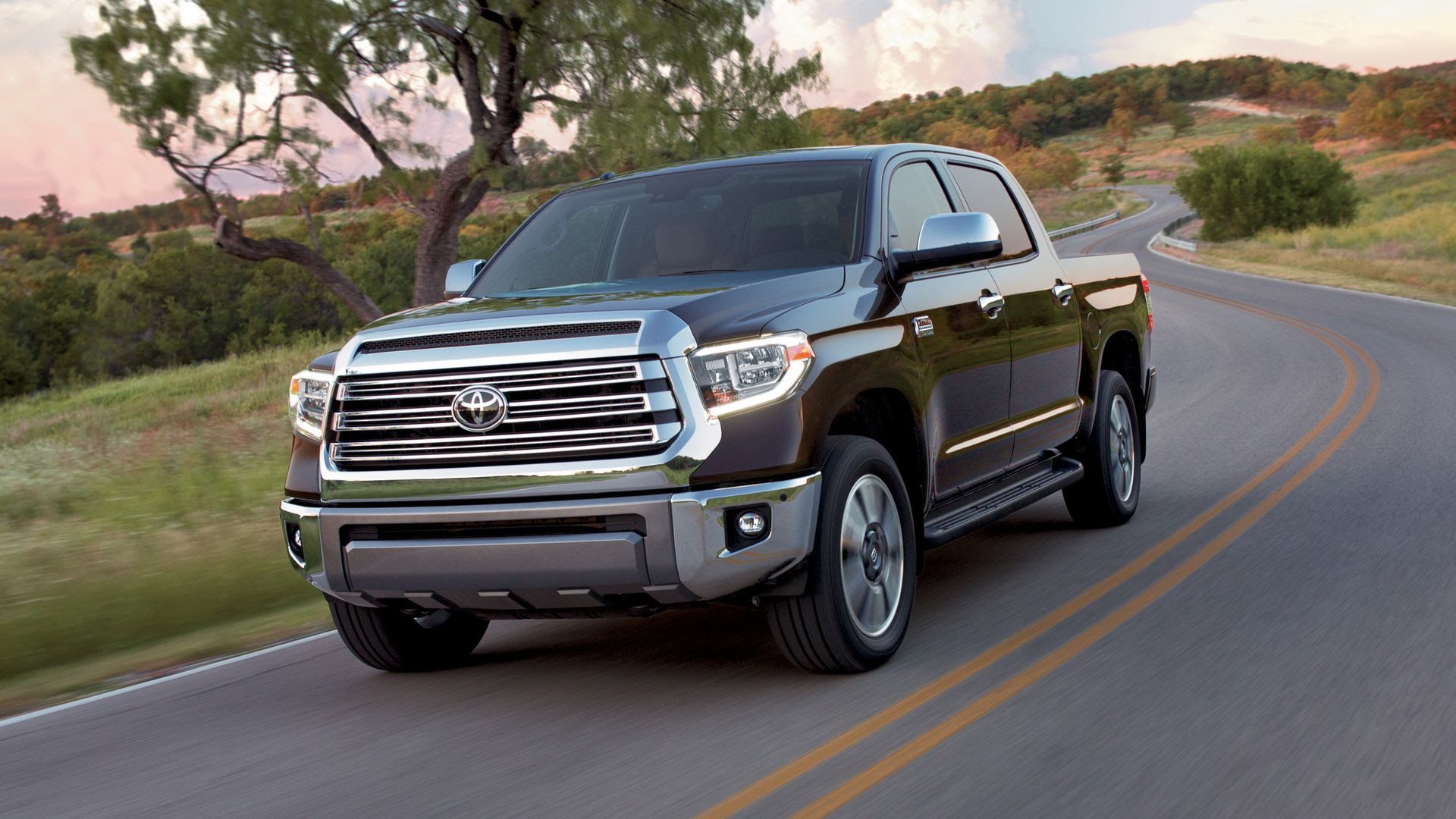
This week, I'm driving a 2019 Toyota Tundra Limited double cab pickup truck, which came in handy for hauling our old refrigerator to Habitat for Humanity.
The big picture: Like all Toyotas, the Tundra gets high marks for reliability. The problem is it hasn't received a complete makeover in more than a decade. Up against giants like the Ford F-150, Ram 1500 and Chevrolet Silverado, the Tundra just can't compete.
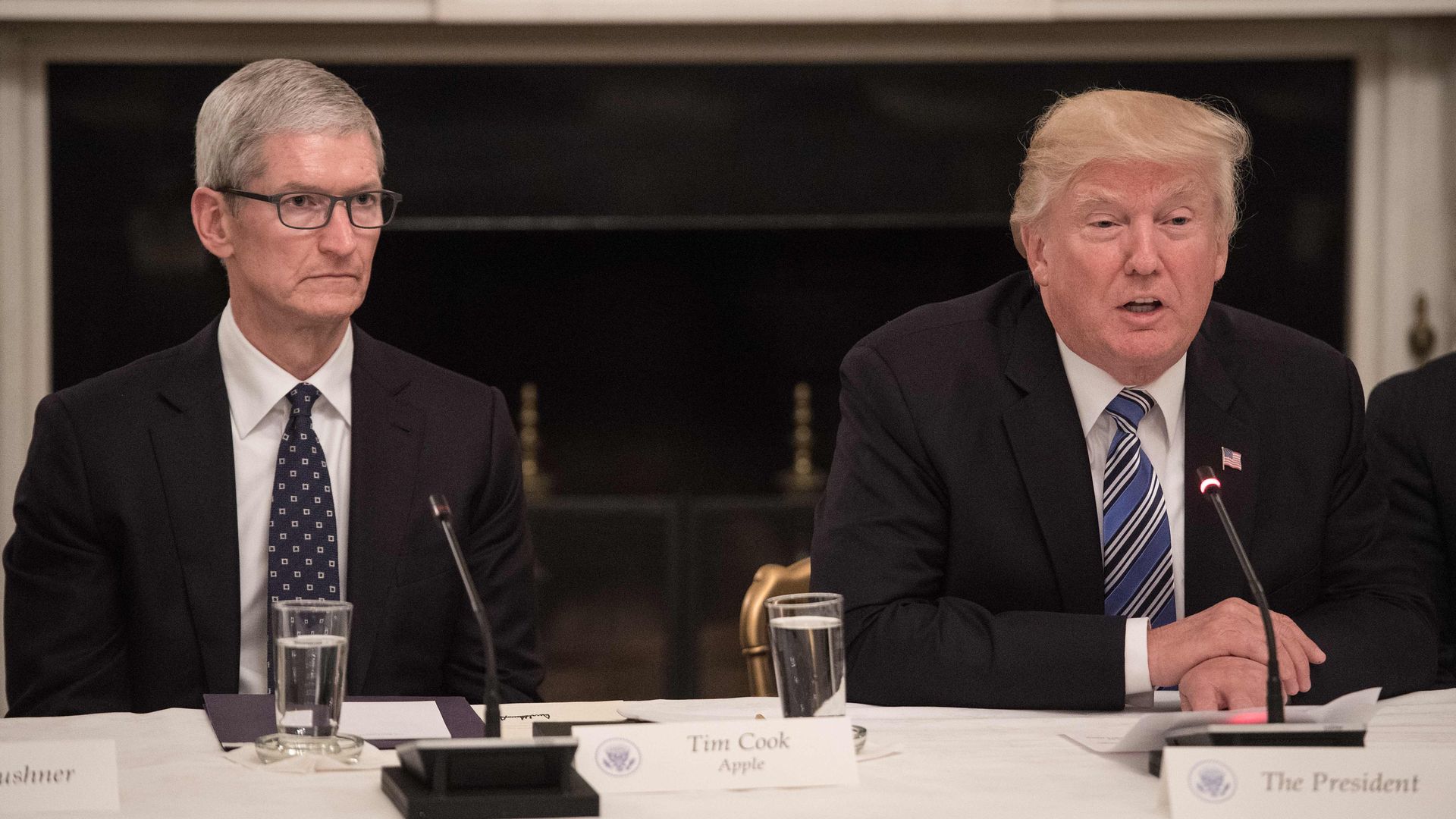
President Trump said on Twitter that Apple won't be getting any tariff waivers for Mac Pro parts produced in China and that the company should "make them in the USA."
Why it matters: Apple requested waivers for 15 items related to the manufacturing of the Mac Pro, but those items will now be subject to the 25% tariffs. The company's dependence on Chinese manufacturers has become a sore point with Trump as his trade war with China continues.
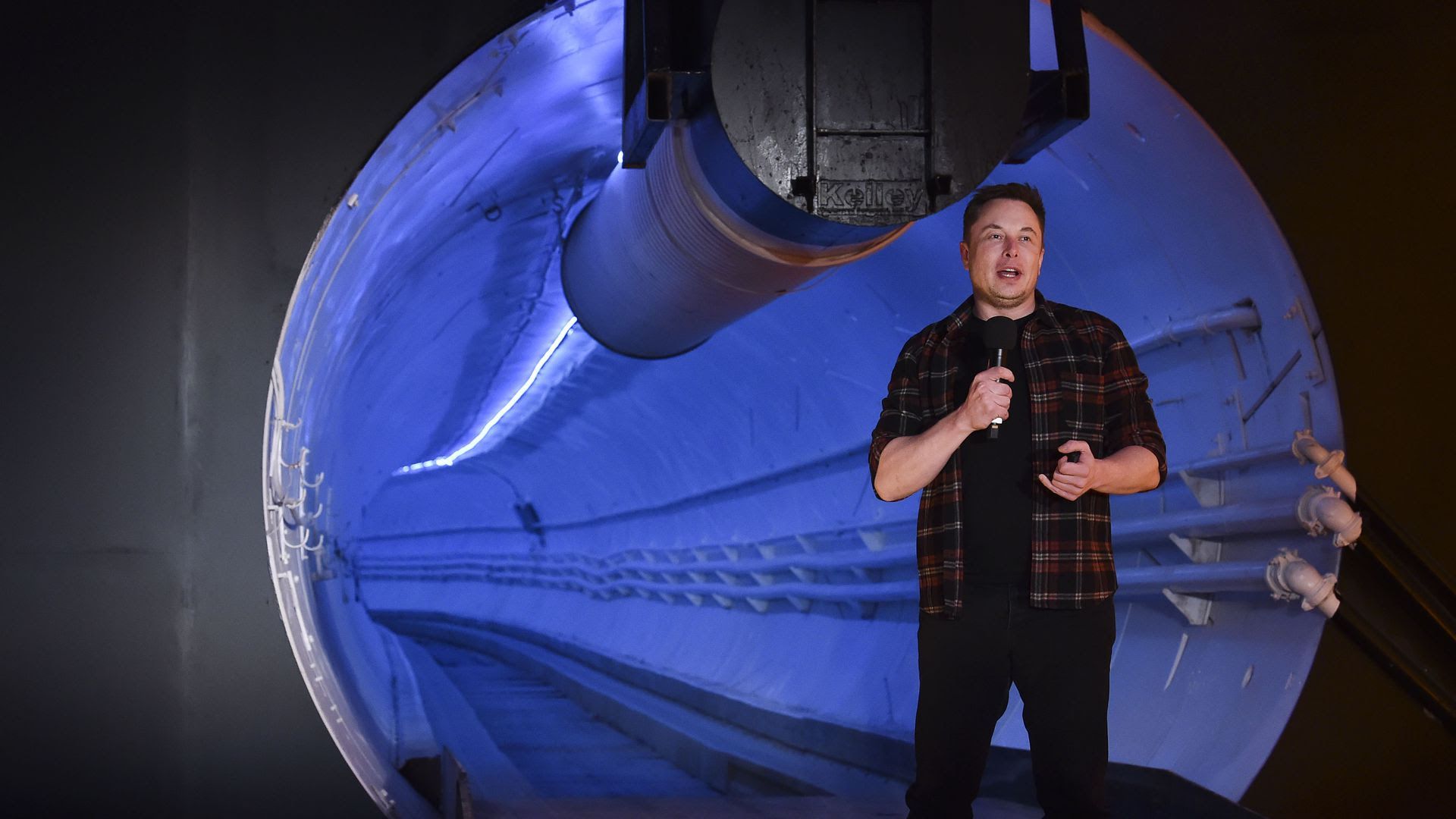
The Boring Company, Elon Musk's transportation tunneling startup, raised $120 million toward a venture valued at $920 million.
Why it matters: This is Boring's first outside investment round, having previously raised $113 million from Musk and early employees (plus that $10 million from flamethrower sales).
The next two years will see a dramatic increase in the number of vehicles capable of over-the-air software updates.
The big picture: OTA software updates are a convenient delivery method for rolling out new features and protecting increasingly sophisticated vehicles from safety and cyber threats — if the right security and logistics measures are in place.
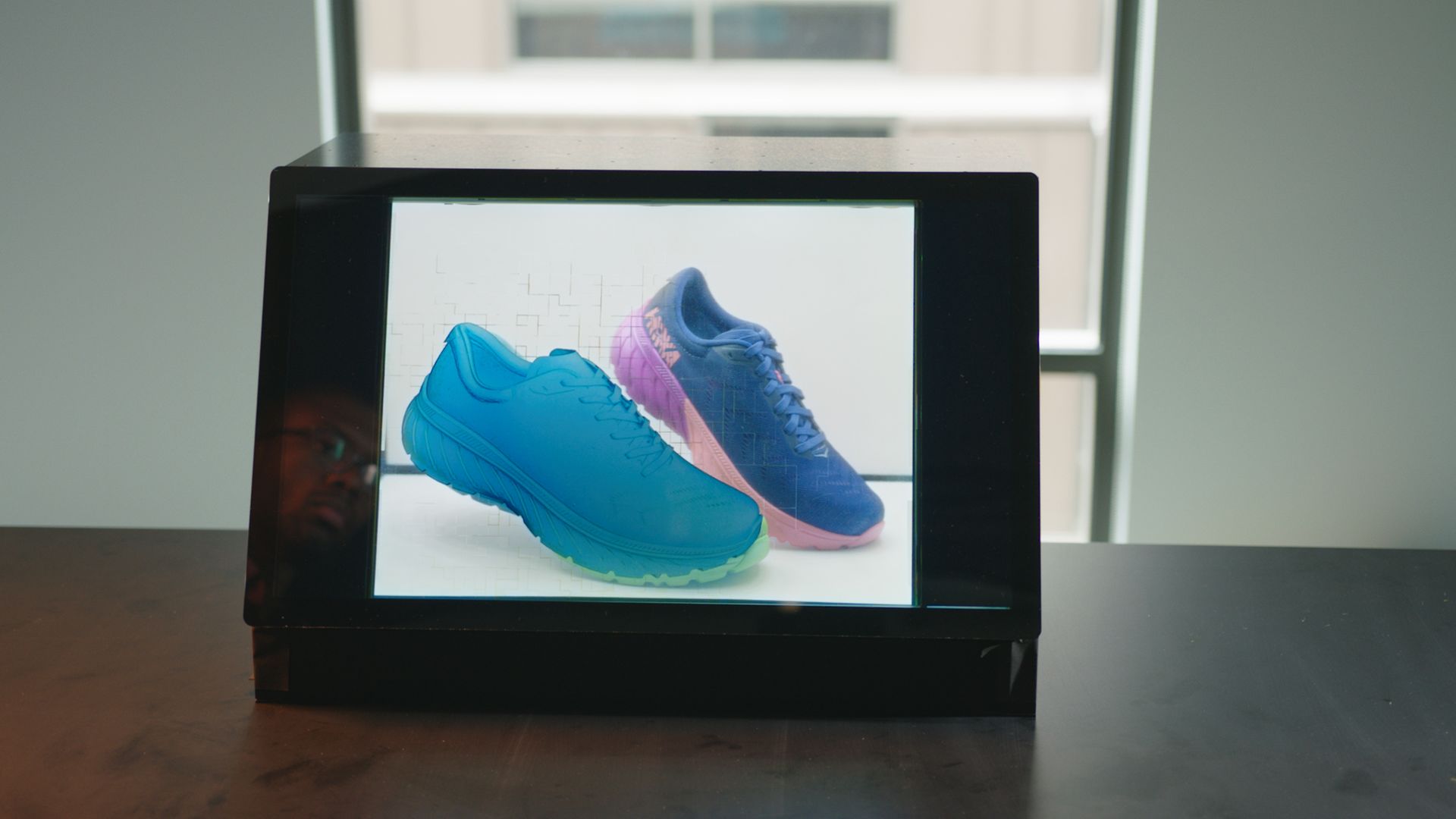
Researchers at Adobe have developed a new type of transparent display that allows virtual images and video to appear convincingly next to real objects.
Why it matters: Glasses offer one way to bring together the digital and physical worlds, but that approach requires each person viewing to have a headset on, while this approach would allow the same effect to be shown to many people at once, which would be more useful for retail and other settings.
Twitter's stock was up nearly 4% in pre-market trading Friday, after the company said it added more "monetizable" daily users than investors had anticipated.
Yes, but: The company said it has been making investments in health and safety features on the platform, and forecasted that those investments would increase operating costs by 20% over the course of the entire fiscal year.
Artificial intelligence startups generated their highest level of funding ever in this year's second quarter, according to research firm CB Insights.
By the numbers: The number of deals in the startup AI space rose to 488, the second-highest number on record, trailing only the 513 deals notched in the second quarter of 2018.
Stock for Google's parent company, Alphabet, was up over 6% in after-hours trading Thursday after the company reported that it met Wall Street expectations revenue and earnings per share.
Yes, but: The company continued to report major losses for its "other bets" category, which includes Alphabet-owned side projects like Waymo and Verily. In total, Google lost nearly $1 billion dollars on its moonshot projects.
Apple on Thursday agreed to buy the majority of Intel's smartphone-modem chip business for $1 billion.
Why it matters: Apple will get to control more of its own supply chain. It's also a disappointment for Qualcomm, which is just now getting back Apple's modem business after settling its long-running legal dispute with the iPhone maker.
Amazon's shares were down 1–2% after hours Thursday after the e-commerce giant reported $5.22 in earnings per share, missing Wall Street's projected $5.57. Amazon did, however, beat revenue expectations for the second quarter, reporting $63.4 billion, compared to the projected $62.5 billion, per CNBC. AWS revenue was $8.38 billion, falling short of the expected $8.5 billion.
The backdrop: This quarter's earnings report comes as Amazon is facing regulatory scrutiny in the U.S. and Europe. The company recently had its most successful Prime Day to date, and has invested more than $800 million to speed up 2-day delivery to 1-day.
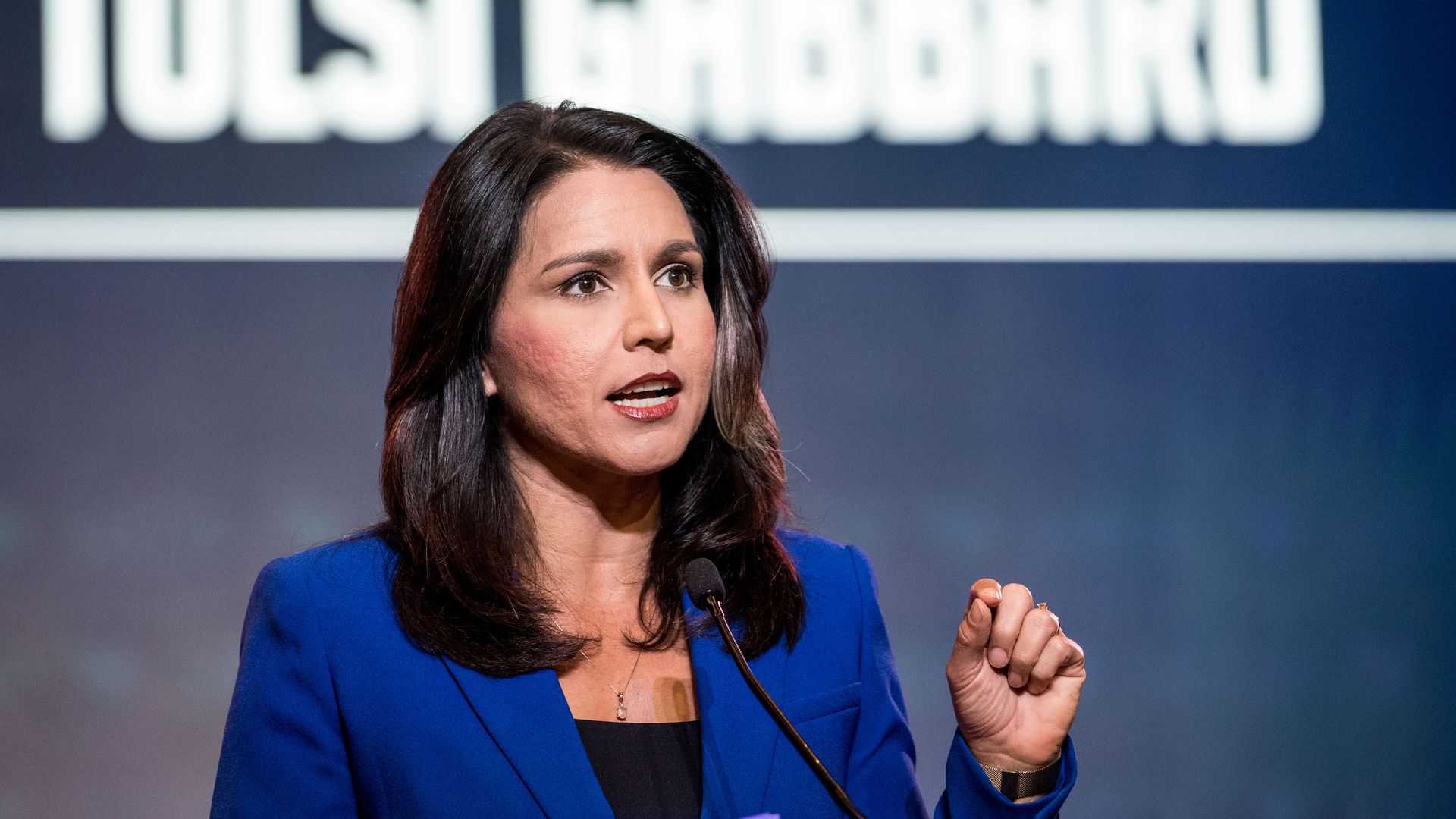
2020 presidential candidate Rep. Tulsi Gabbard (D-Hawaii) is suing Google for allegedly infringing on her free speech rights after her campaign ads were temporarily suspended following the first round of Democratic primary debates, reports the New York Times.
Why it matters: The lawsuit likely marks the first time a presidential candidate has sued a Big Tech company, according to the Times, and comes amid growing outcry among Republican lawmakers that platforms like Google and Twitter are censoring conservative speech. Gabbard, who identifies as a progressive on most issues, has attracted cross-party attention — including from right-wing outlets like Breitbart and Fox News — as a result of her anti-war message.
Why it matters: Regulators in the past have blocked any deal that would have eliminated one of the current Big 4 mobile networks. An asset sale allows them to claim, at least on paper, that there will still be four players. But analysts have their doubts just how big a player Dish would be.
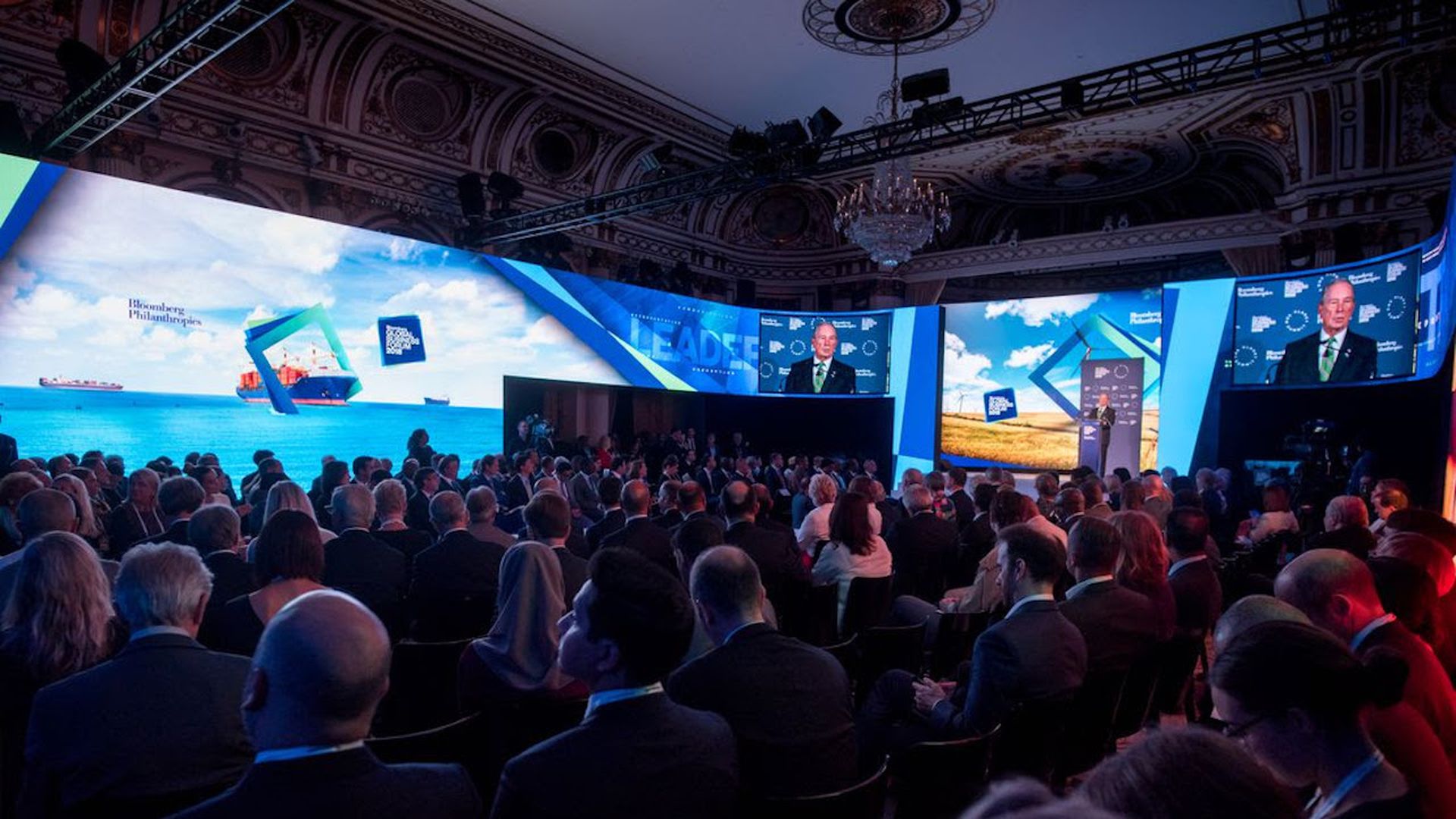
Moguls, big minds and heads of state will join Michael R. Bloomberg and Bloomberg Philanthropies for the third annual Bloomberg Global Business Forum, at New York's Plaza Hotel on Sept. 25, during the UN General Assembly.
Some big names include Snap CEO Evan Spiegel, former top White House economic adviser Gary Cohn, the IMF's Christine Lagarde, World Bank CEO Kristalina Georgieva and Uber CEO Dara Khosrowshahi.
While Facebook's privacy settlement with the Federal Trade Commission includes a record $5 billion fine, its most important provisions lie in new restrictions it places on the company's practices.
Why it matters: The settlement's effectiveness will lie in whether these terms end up protecting consumers — yet policymakers on both sides of the aisle are already saying they don't go far enough.
This week's series of big government moves against big tech platforms dropped a curtain on the era of hands-off regulatory policy that shaped the firms.
Why it matters: A generation of firms led by Google and Facebook that grew rich and powerful while the Feds stayed out of their way must now adjust to government action as a way of life. Meanwhile, legislators and regulators will have to figure out how to protect the public while preserving the industry's vitality and creativity.
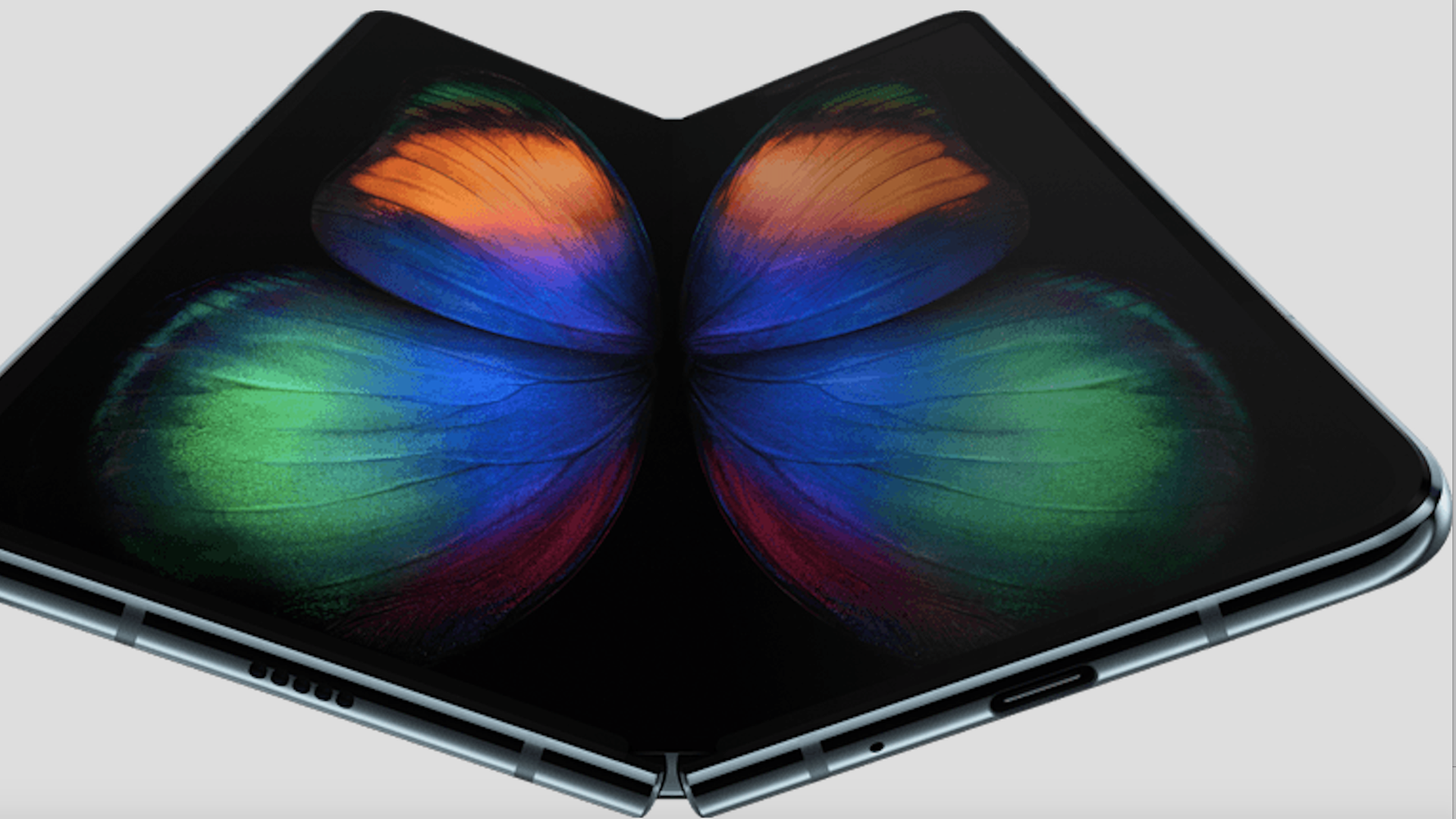
Samsung announced Wednesday night that it will begin shipping its delayed Galaxy Fold smartphone in September, after making changes to the device.
Why it matters: The nearly $2,000 smartphone was supposed to usher in a whole new era of foldable devices. However, Samsung delayed the launch after reviewers found their units failed within days.





/2019/07/25/1564086426039.gif?w=3840)