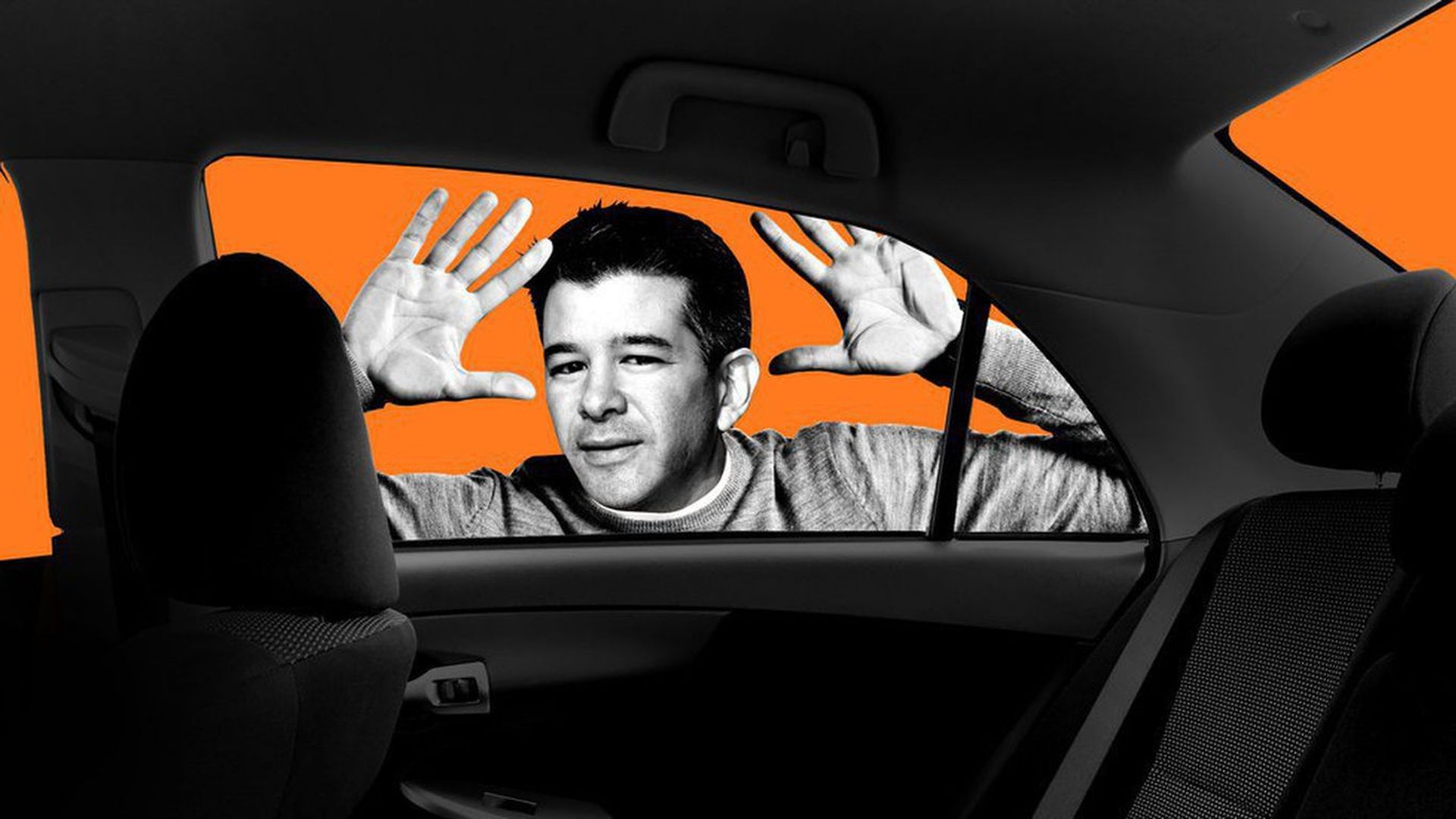
Uber CEO Dara Khosrowshahi has decided against inviting predecessor Travis Kalanick to join him on the New York Stock Exchange balcony during next Friday's bell-ringing ceremony, according to multiple sources.
Details: Instead, Kalanick has been offered to be on the NYSE floor, alongside other company directors. No word yet on if he plans to attend.
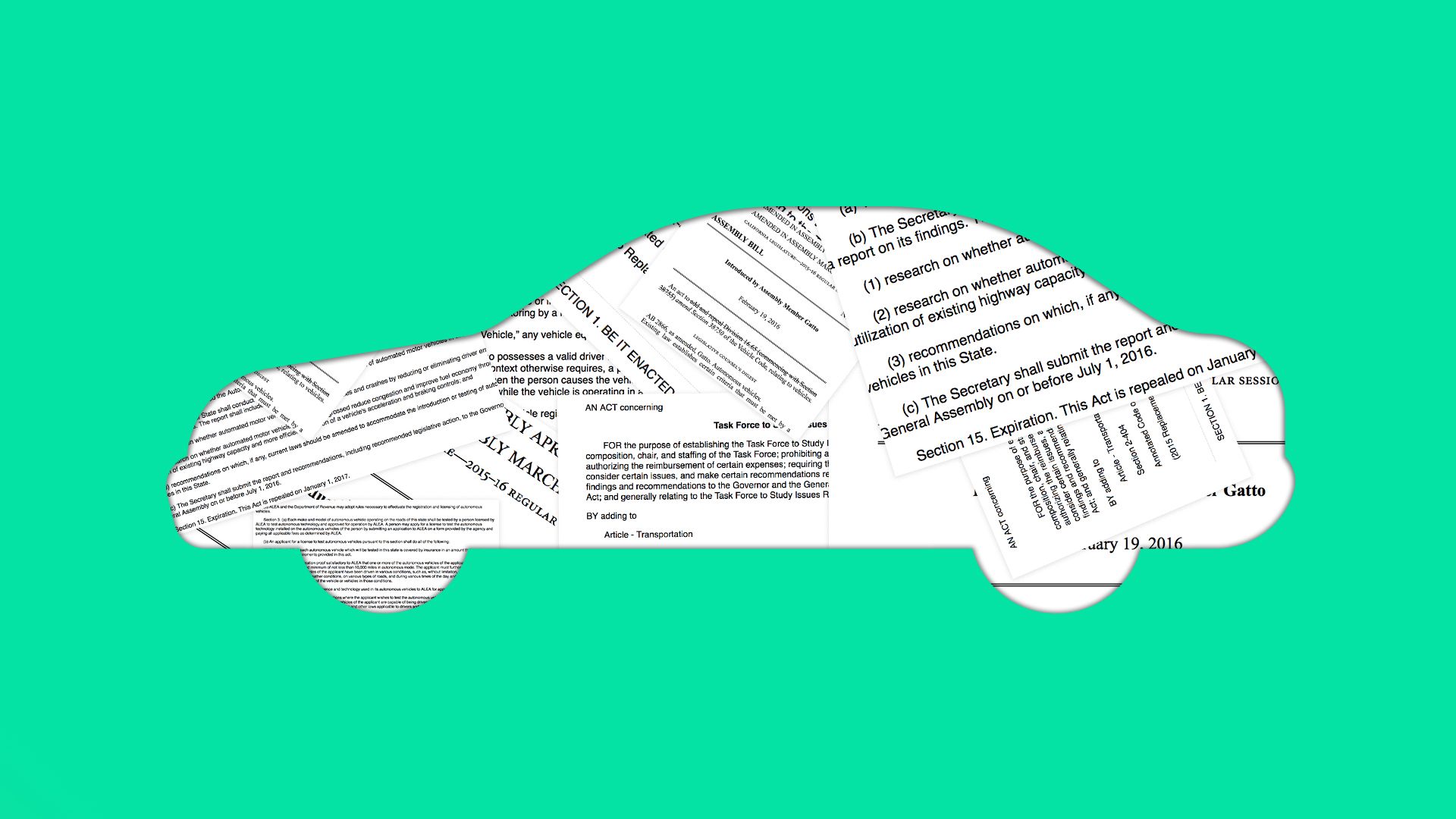
States are scrambling to figure out how to govern vehicles in an age of automated driving, when cars and drivers will have different levels of control over driving.
Why it matters: Autonomous vehicles will create new traffic risks, especially during the long transition period when there will be both AVs and driver-operated vehicles on the road.
While not the earliest to beat the blockchain drum, Microsoft is starting to embrace the distributed ledger technology, both inside the company and for its customers.
The Harvard Kennedy School is holding a series of AV policy scrums, intensive daylong sessions that bring together representatives of local governments, regional transit authorities, the private sector, academia and community groups.
Why it matters: State governments have allowed AV pilots, but outdated public infrastructure and ineffective regional government coordination are hindering progress on the AV roadmap. Getting all these parties around one table could help.
Advocates and experts are worried that an Amazon-owned mobile app, used by owners of its Ring security cameras to upload videos for neighbors to see, could entrench racial discrimination and violate people's privacy.
Why it matters: The app, called Neighbors, is striking deals to partner with police departments across the country.
After decades of dominating the digital ads market, Google wants to be the king of TV. Speaking to Madison Avenue's top brass Thursday, the tech giant unveiled a slate of new programming and ad solutions for buying videos on YouTube.
Yes, but: YouTube has been trying to pitch marketers that its videos are as effective as TV shows for years. But ad buyers have been skeptical, mostly due to the fact there is no great way to measure the effectiveness of the two platforms against each other.
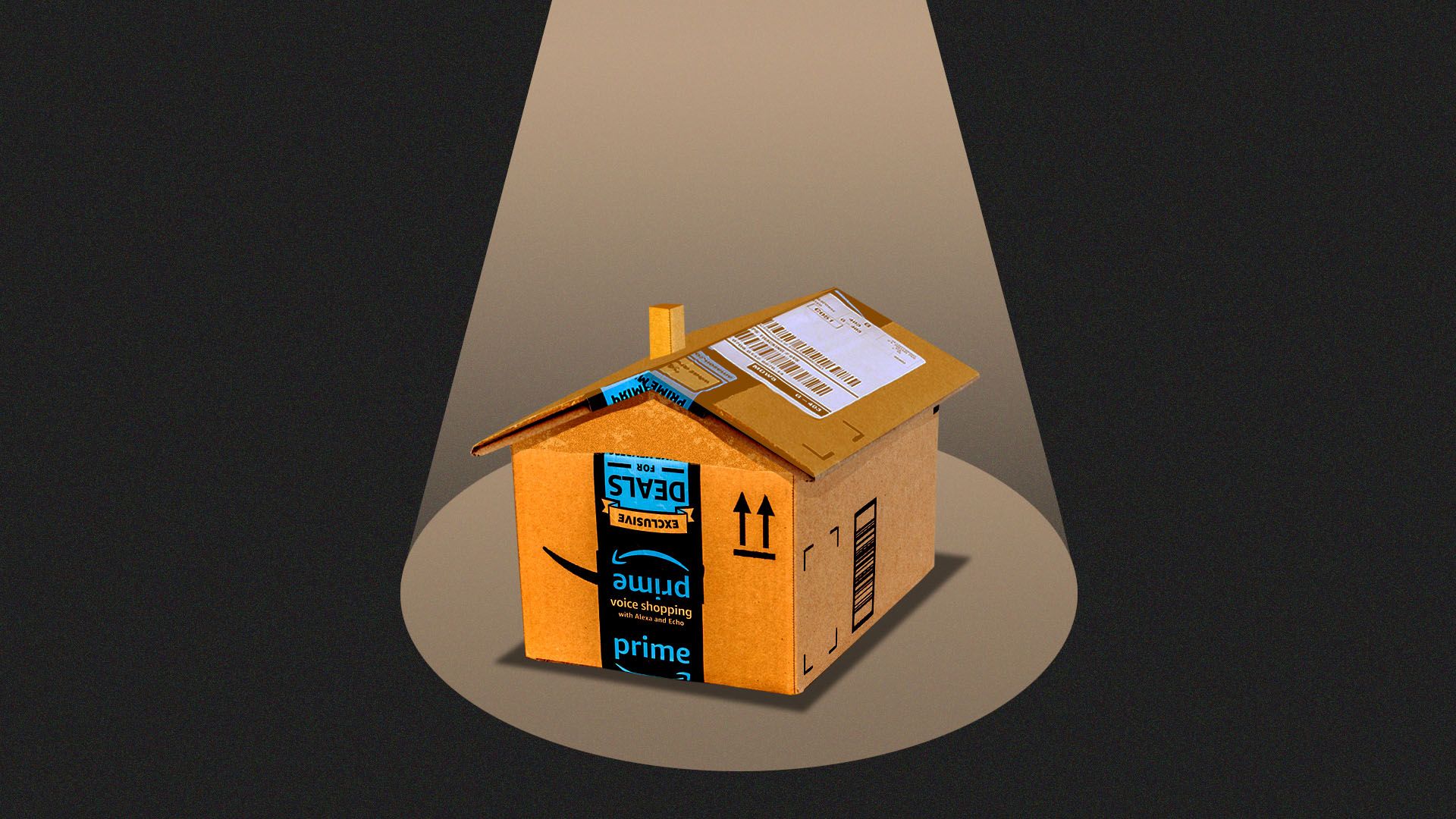
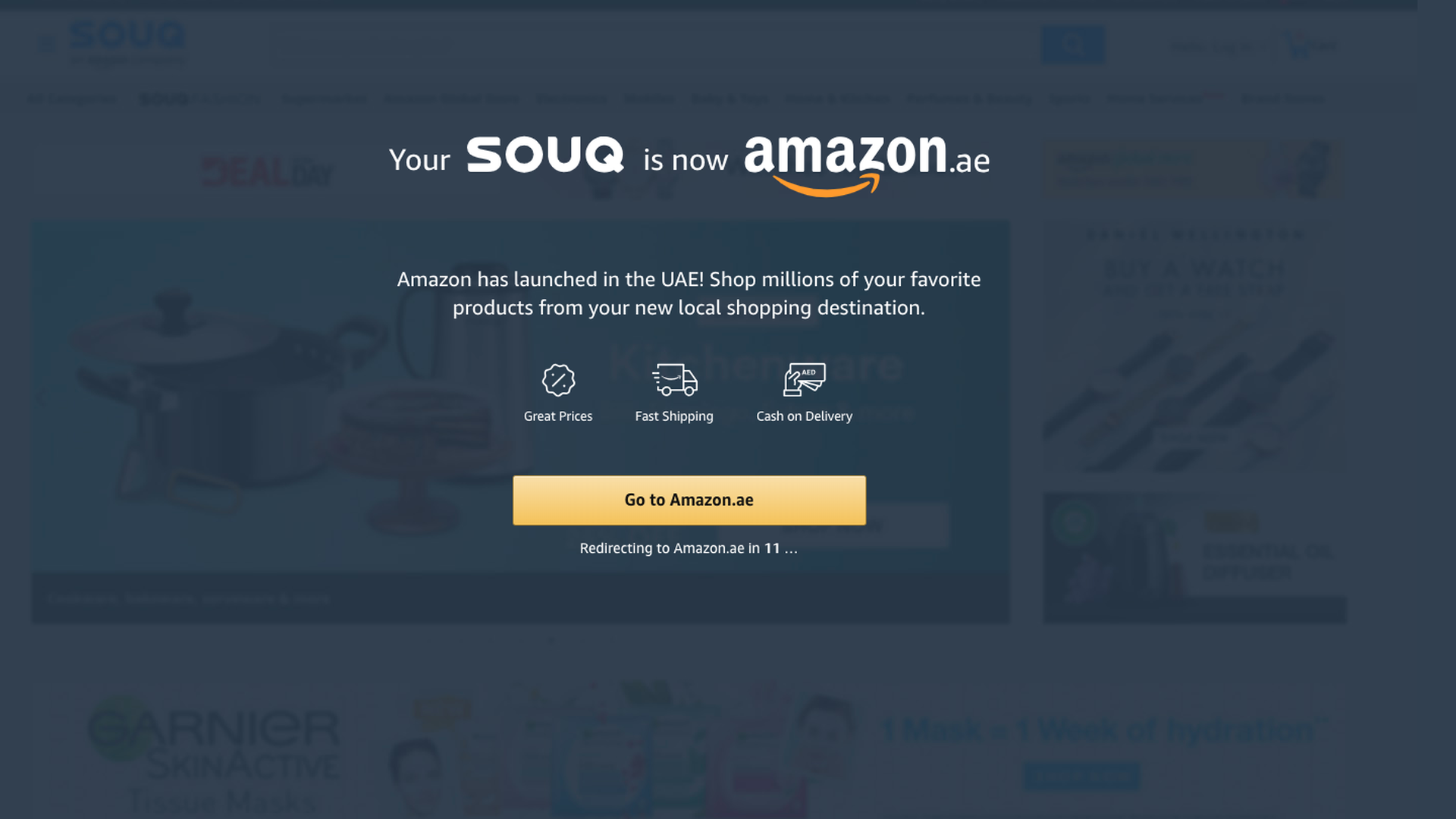
Just days after exiting China, Amazon has spotted an open lane in another populous part of the world: the Middle East.
Why it matters: Analysts and Amazon executives don't often cite the Middle East as a region the behemoth hopes to crack, focusing instead on India, Brazil and China. But Arab countries are filled with millions of potential new Prime members — and there's little local competition to contend with.
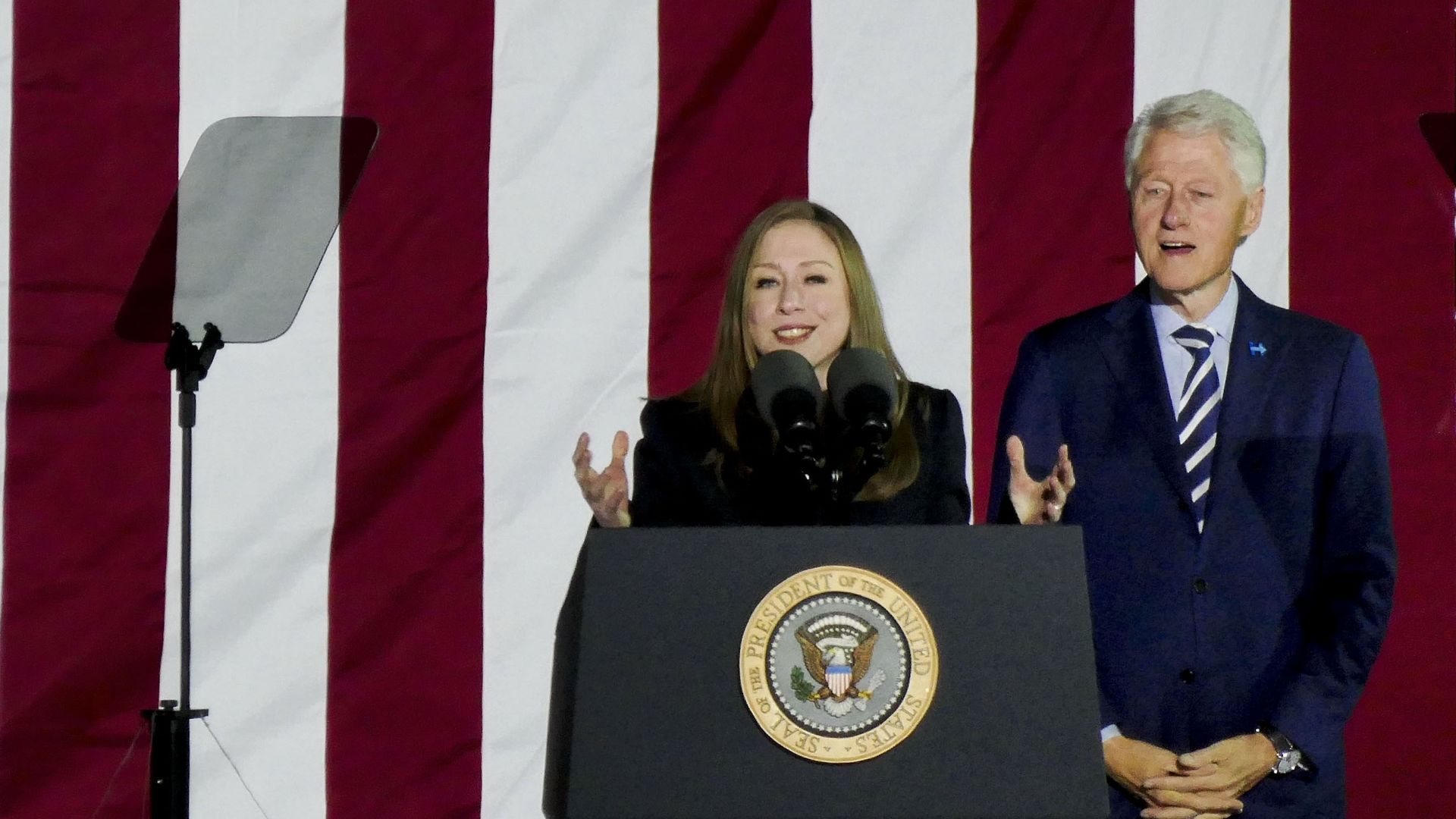
Former President Clinton and his daughter Chelsea are launching a podcast to be called "Why am I telling you this?" detailing the work of the Clinton Foundation on Apple's iTunes store.
"Growing up in Arkansas just after World War II in a family that didn't have a lot of money, most of our entertainment revolved around storytelling."
— Former President Clinton said in a trailer for the audio program
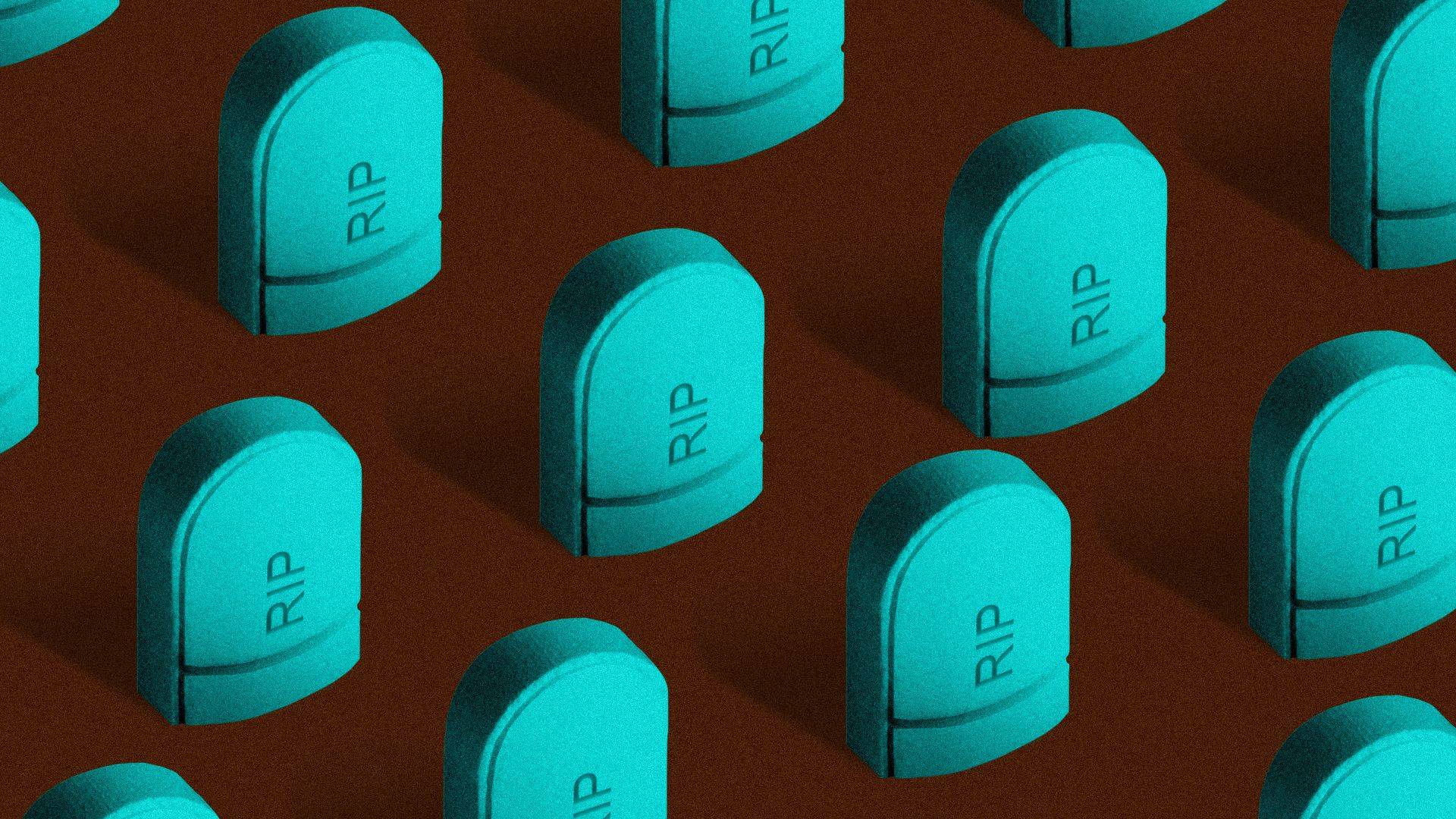
Infectious disease experts tell Axios they agree with a dire scenario painted in the UN report posted earlier this week saying that, if nothing changes, antimicrobial resistance (AMR) could be "catastrophic" in its economic and death toll.
Threat level, per the report: By 2030, up to 24 million people could be forced into extreme poverty and annual economic damage could resemble that from the 2008–2009 global financial crisis, if pathogens continue becoming resistant to medications. By 2050, AMR could kill 10 million people per year, in its worst-case scenario.
"There is no time to wait. Unless the world acts urgently, antimicrobial resistance will have disastrous impact within a generation."
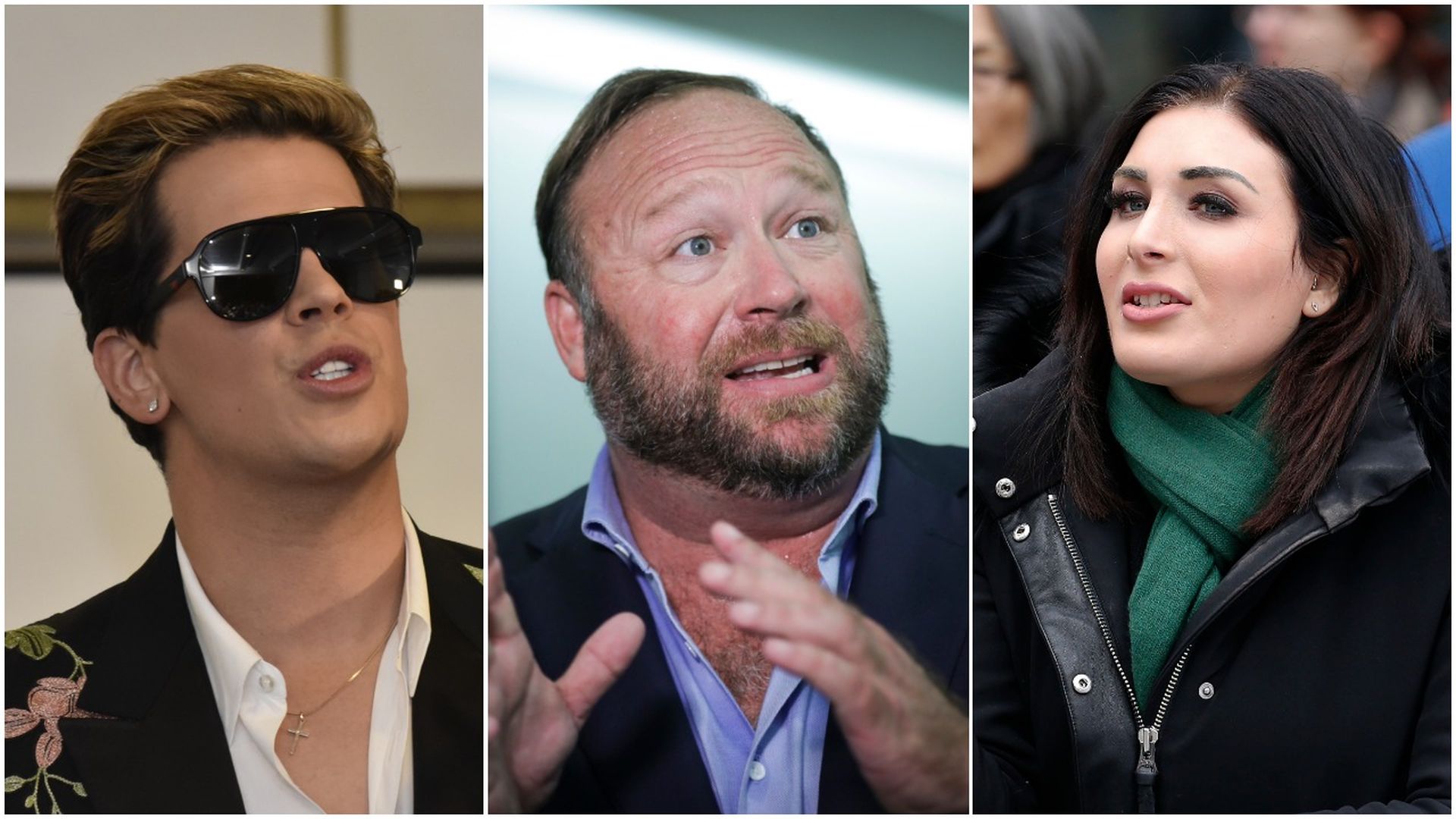
Facebook announced on Thursday it will ban a string of people from its platforms deemed "dangerous." The list includes Milo Yiannopoulos, Louis Farrakhan, Alex Jones (and InfoWars), Paul Joseph Watson, Laura Loomer and Paul Nehlen.
Why it matters, per Axios' Sara Fischer: Facebook has for years been hesitant to outright ban these actors, due mostly to the fact that they didn't explicitly violate Facebook's loose content rules. But real-world hate crimes are putting pressure on Facebook and other platforms to crack down on pages and accounts that have repeatedly shared false information or hate speech.
Bloomberg reported Tuesday that Vodafone's Italian division had discovered "backdoors" in its Huawei-brand telecommunications equipment in 2011 and 2012.
But, but, but: The story did not play well in the security community, where the evidence is seen as insufficient to the central claims. It didn't make a strong case that the "backdoor" was anything more than a minor, unintentional problem. Vodafone's official stance was it wasn't.
The U.S. is having a "Huawei moment," as security concerns prompt the Trump administration to try to block allies from using 5G equipment produced by the Chinese company. But policymakers and experts also fear the U.S. is ill-prepared to challenge Chinese dominance in the next waves of technology — opening the U.S. to another round of national security worries.
Why it matters: Today, neither the United States nor its closest allies manufacture 5G telecom equipment to compete with Huawei for global business. The same dynamic will play out with 6G and other markets unless the U.S. takes long-term measures today to challenge China's manufacturing power and prepare for the next Huawei moment.
Facebook’s annual developer conferences, F8, continued for a second day Wednesday with a focus on more technical news announcements, particularly around AI.
The bottom line: The company announced new AI tools for moderating content and for training facial-recognition software to accurately detect all people on its Portal screens.
Depending on how much you shop, watch and read with Amazon, the e-commerce behemoth may know more about you than any other company on earth.
The big picture: Naturally, they know what you've browsed or bought on their main service. They also know what you've asked Alexa, watched on Prime, and read on your Kindle. They know even more thanks to their ownership of Whole Foods, Ring, Eero, Twitch, Goodreads, IMDB and Audible.
What do you do with a technology that could restore the voices of people who have lost theirs — but also sow chaos and incite violence?
What's happening: A growing group of companies are walking this tightrope, betting they can deploy deepfakes — videos, audio and photos that are altered or generated by AI — as a force for good, or at least non-malign purposes, while keeping the technology away from those who would use it to do harm.