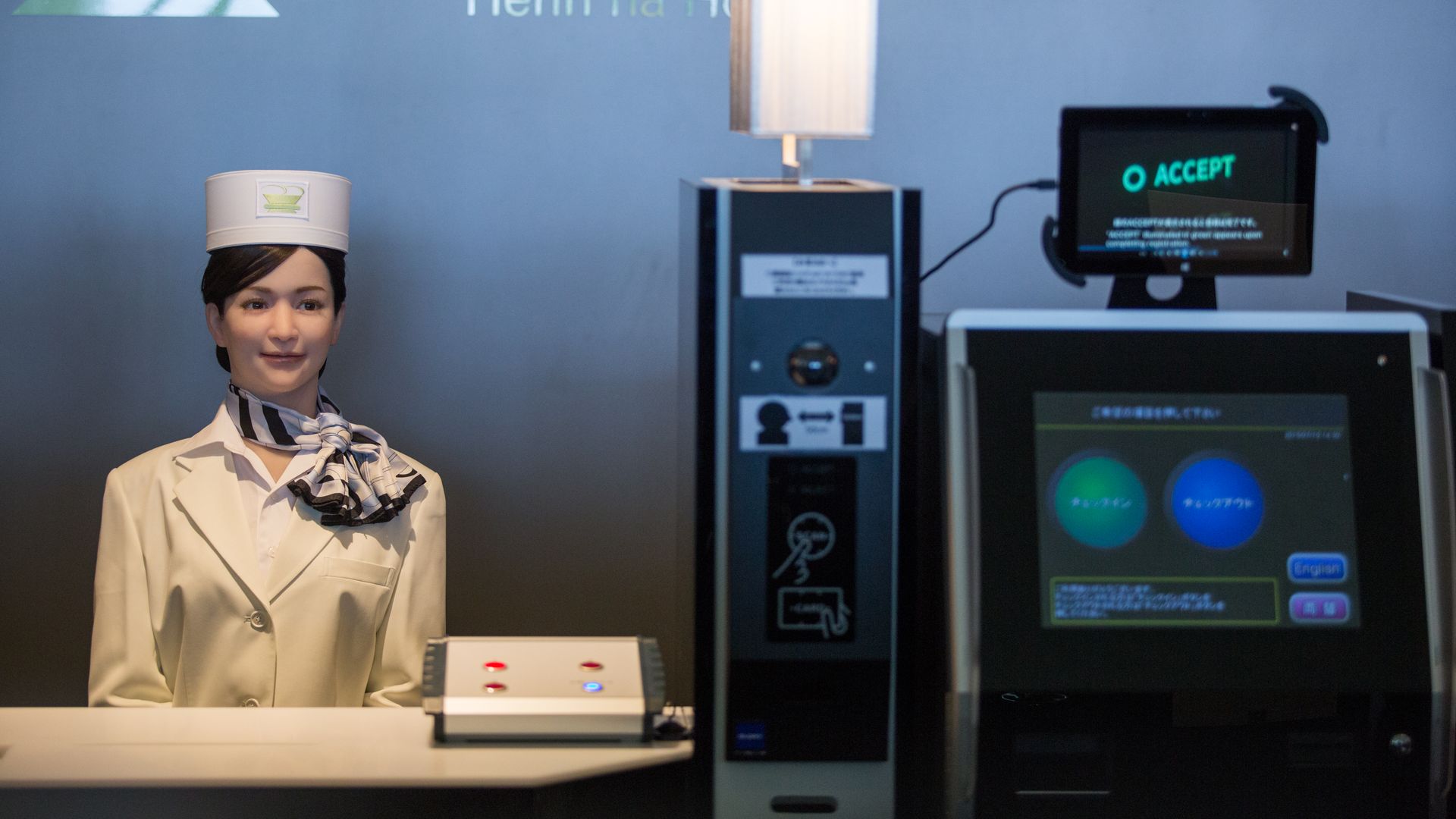
Among some people, the talk is all robots, all the time. Not at Hilton Hotels. Matt Schuyler, Hilton's chief human resource officer, tells Axios that the chain is not contemplating robots to staff its front desks or to clean rooms — not now, and not in a decade either.
When it comes to cleaning, robots may get rooms somewhat scrubbed, "but I don't see in our lifetime robots cleaning rooms to the satisfaction of our guests," Schuyler says. It's a similar story with reception. "We want this to be a human experience."
Instagram’s top communications staffer, Kristina Schake, has left the popular Facebook-owned service, according to multiple sources.
Why it matters: Instagram’s success has been a bright spot for Facebook's business. But Schake is not the only exec to leave the company. Instagram’s founders left last year over reported tensions with Facebook CEO Mark Zuckerberg. Also, this week, 2 top Facebook executives announced they were departing.
China is beset by a trade war, pushback against its global infrastructure plans and allegations of industrial spying. Growth in factory production appears to be at its weakest in 24 years.
Parag Khanna, a Singapore-based global strategist, says that all of this may signal that, after years of forecasts of a Chinese juggernaut, we may have reached what he calls "peak China."
Chris Cox, the top product executive at Facebook, is leaving the company along with Chris Daniels, the executive in charge of the WhatsApp messaging platform, chief executive Mark Zuckerberg said Thursday.
Why it matters: These are notable departures at a time when the company says it is committed putting privacy first in its products, after a series of scandals over how it handles customer data. Cox in particular was also a top lieutenant to Zuckerberg.
Slack said in a blog on Thursday that it investigated and removed 28 accounts that were clearly connected to known hate groups.
The big picture: Social media and online forums like Facebook, Google, GoFundMe, Reddit, YouTube and others have been trying to keep up with, identify and ban hate groups from using their platforms to spread and organize around hate speech. The number of hate groups in the U.S. is up 30% in the past 4 years, and 7% in 2018 alone according to a report from the Southern Poverty Law Center.
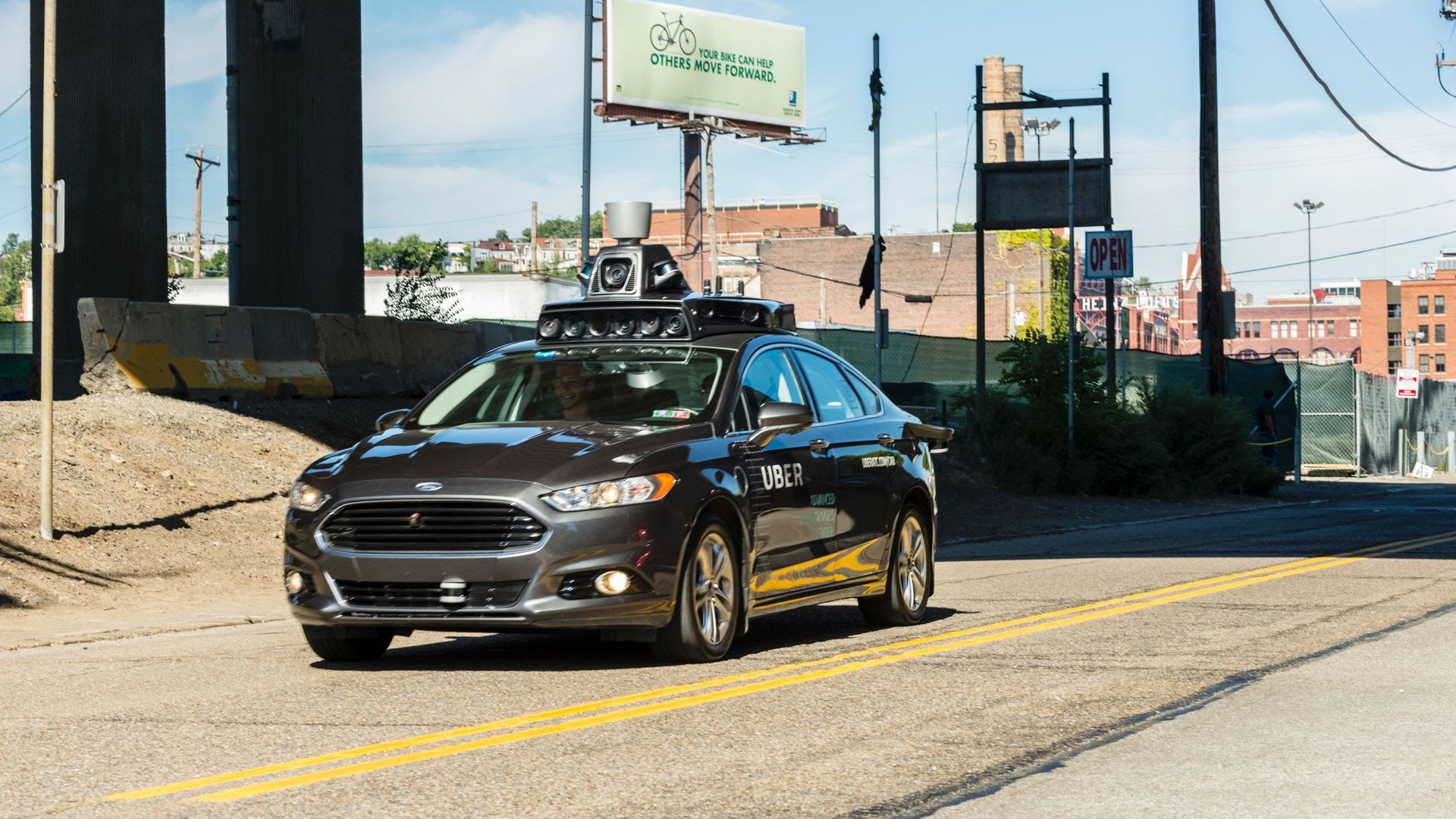
Uber is in talks with firms like SoftBank Vision Fund and Toyota to raise around $1 billion for its self-driving unit, at an implied valuation that could reach $10 billion.
Why it's a big deal: While most companies try to maintain strict stability ahead of an IPO, Uber is continuing to significantly tweak its corporate structure.
Not everything is a cyberattack. Facebook fended off rumors that an outage of its products Wednesday night, including Facebook and Instagram, was the result of a DDoS attack.
Meanwhile: Telegram reports gaining 3 million users during the brief outages of WhatsApp and Facebook Messenger.
Somewhere in the human-computer nexus, two brand-new Boeing aircraft have crashed shortly after takeoff, with the loss of 346 lives. One conclusion: We can't assume that adding more technology to our lives will make us safer.
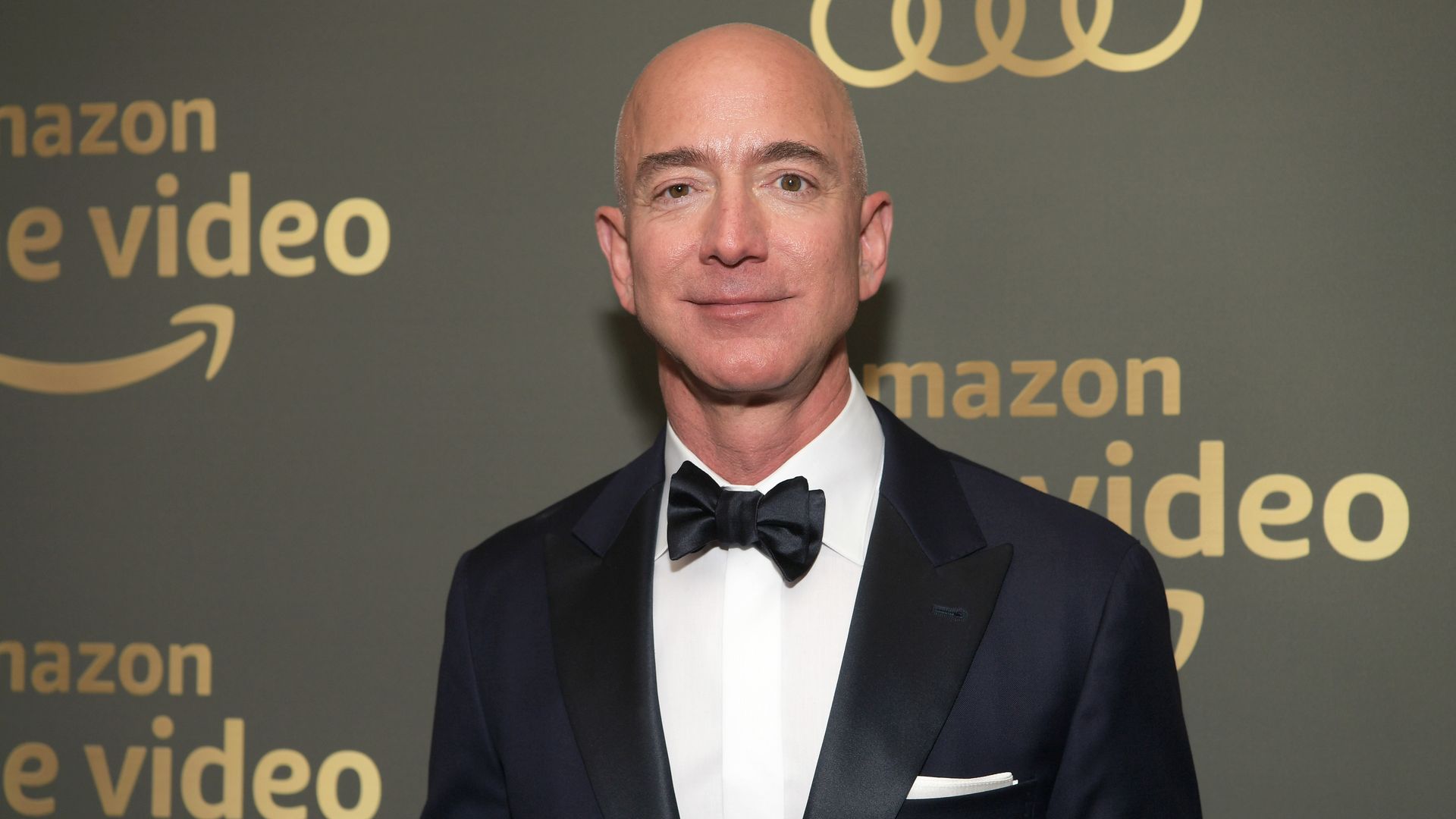
Journalist Brad Stone's 2013 bestseller "The Everything Store" told the story of Amazon's rise. Now, he's writing another book about the tech giant and founder Jeff Bezos.
Why it matters: Amazon has moved far beyond its retail roots — becoming a player in far-flung sectors of the economy — and as a result faces more questions about its dominance. Bezos is also the the richest person in the world and a regular target of President Trump.
The companies backing smart city technologies, surveillance and autonomous vehicles are among the most powerful entities on the planet, led by larger-than-life CEOs and worth hundreds of billions of dollars.
The catch: But the testing grounds for their innovations are second-tier cities. Desperate to compete with coastal superstars for jobs and talent, these smaller-fry metros — like Tempe, Arizona, and Kyle, Texas — are offering themselves up to these companies as living labs.
When you are a second-tier city, courting a Big Tech company can backfire.
As we've reported, cities have struck big-ticket deals with tech companies, but typically surrender tax and other subsidies, only to have the incoming firms frequently fail to deliver.
And second-tier cities across the country have made themselves labs for the nascent driverless car industry. Those experiences have sometimes led to tragic outcomes, including a June 2018 fatal accident in Tempe, Arizona, where a woman was hit by an Uber driverless car.
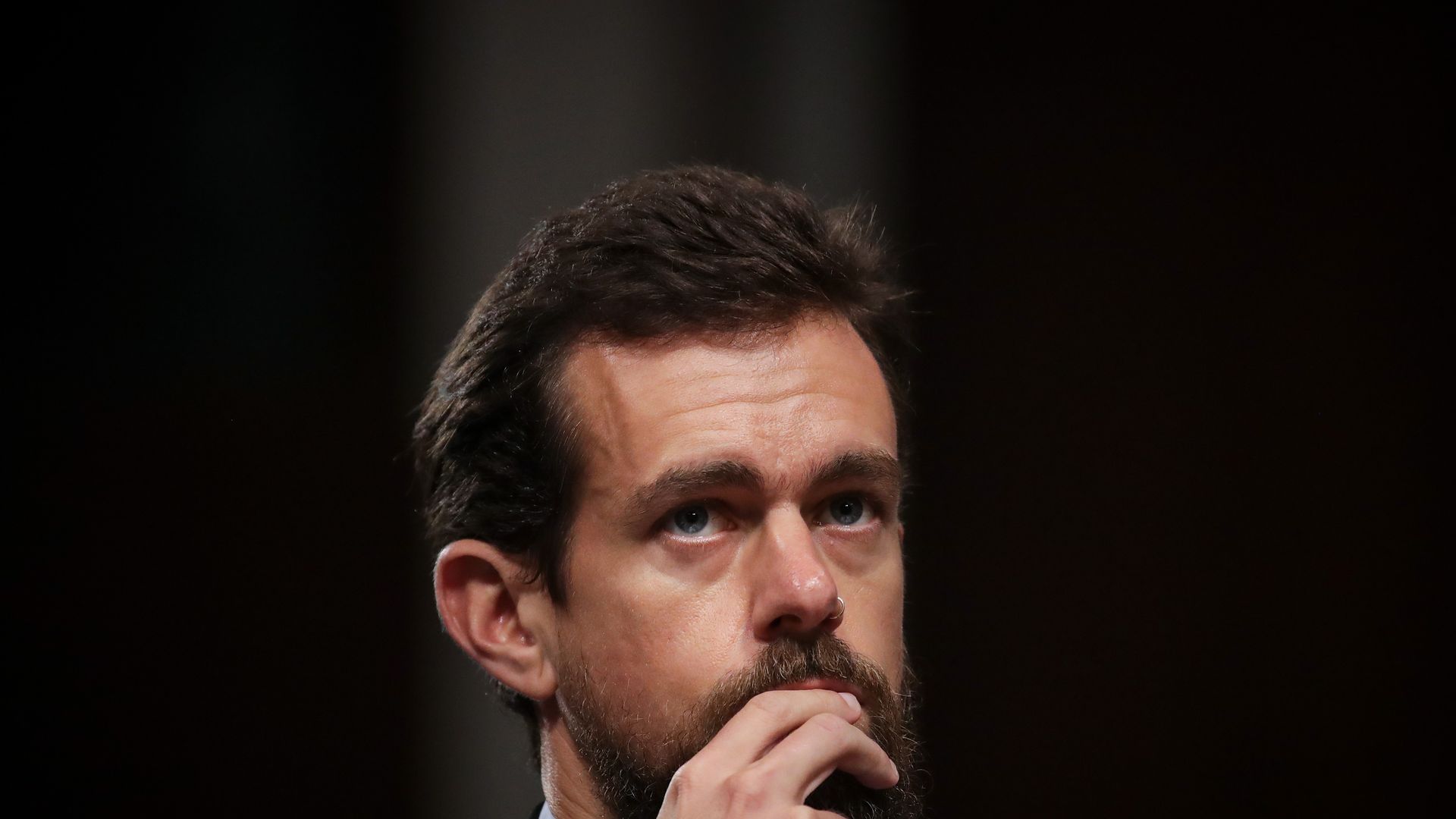
Twitter's founder and CEO Jack Dorsey recorded a yet-to-be-released podcast with fitness personality, Ben Greenfield, who has a history of spreading false claims that "vaccines do indeed cause autism," thanking him in a tweet on Tuesday.
Reality check: Dorsey's comments come on the heels of other online platforms, from Facebook to Pinterest to Amazon, taking steps to combat misinformation about vaccinations. To date, Twitter had steered clear of the controversy. In February, Greenfield recommended that his fanbase watch the documentary "Vaxxed."