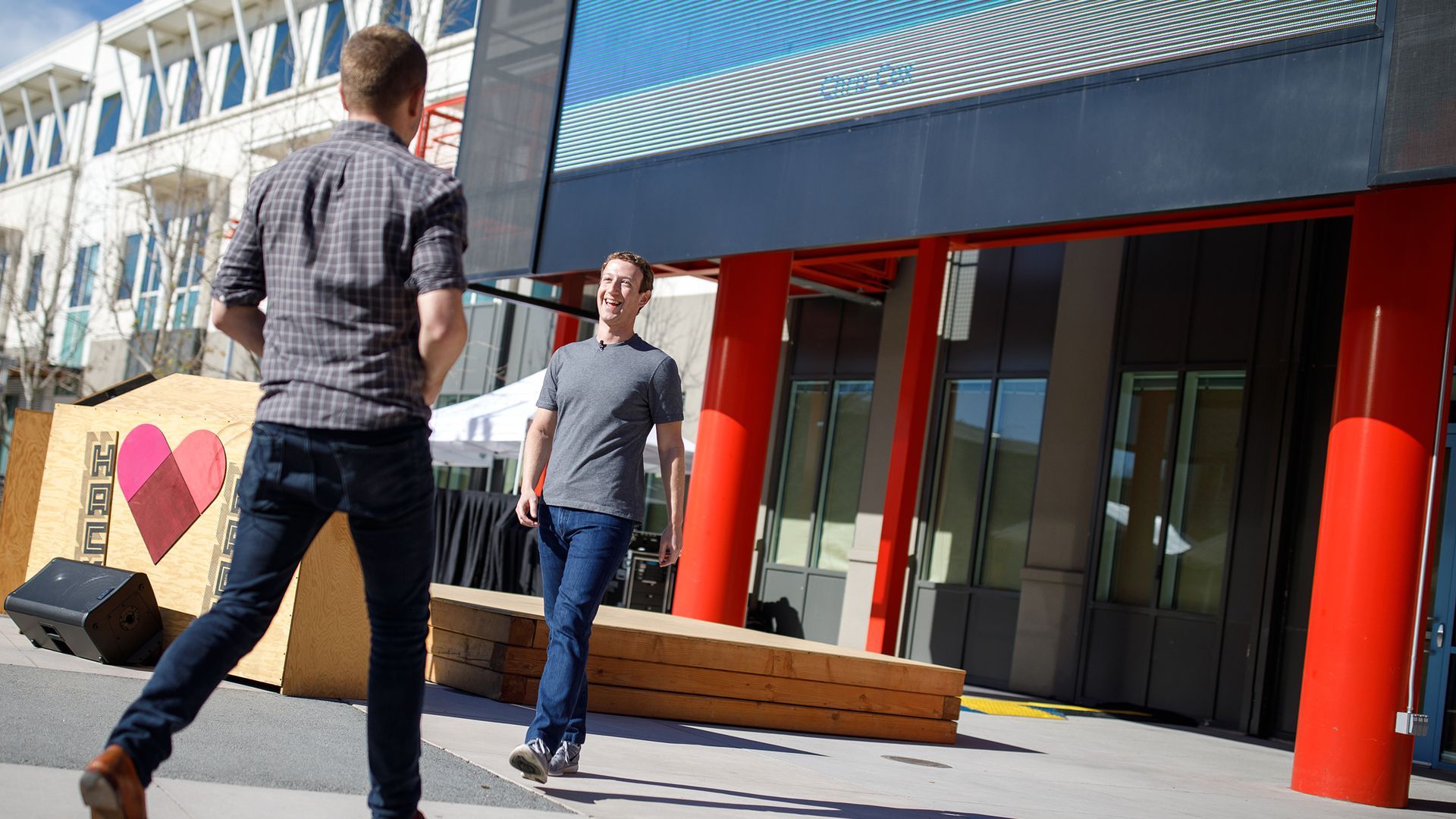
As Facebook CEO Mark Zuckerberg sets out on an ambitious but challenging effort to remake the social network, he will be doing so without 2 of the company's seasoned veterans.
Driving the news: Facebook announced the exit of product chief Chris Cox and WhatsApp head Chris Daniels on Thursday.
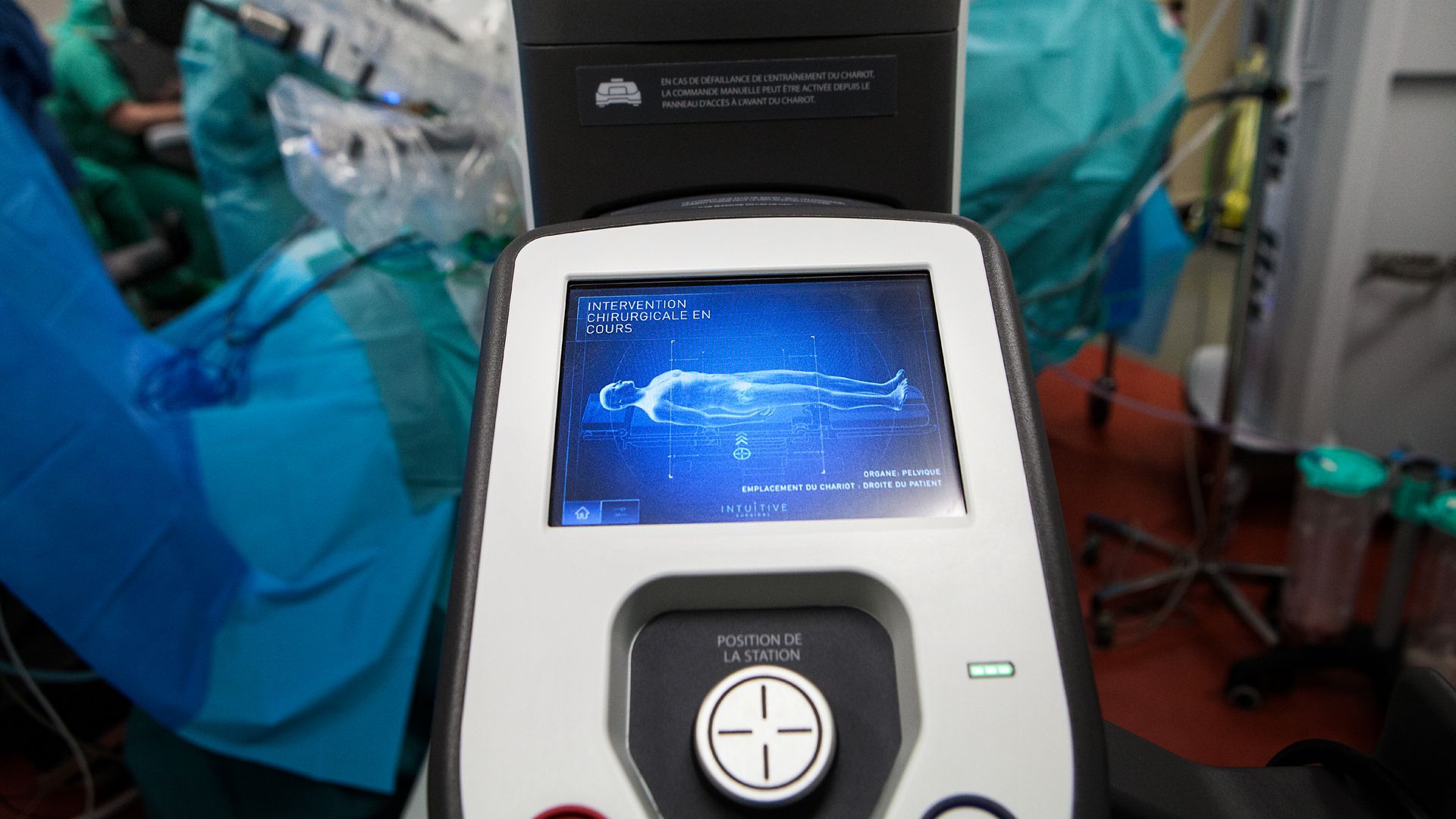
In two years observing surgeons in teaching hospitals, social scientist Matthew Beane noticed something troubling: doctors were finishing their residencies licensed to use robots in the operating room, but most were barely trained to do so.
The big picture: At fault, Beane reported, is how hospitals have introduced machines and artificial intelligence to the workplace — a way that has left a large part of the new generation of doctors lacking crucial surgery skills.
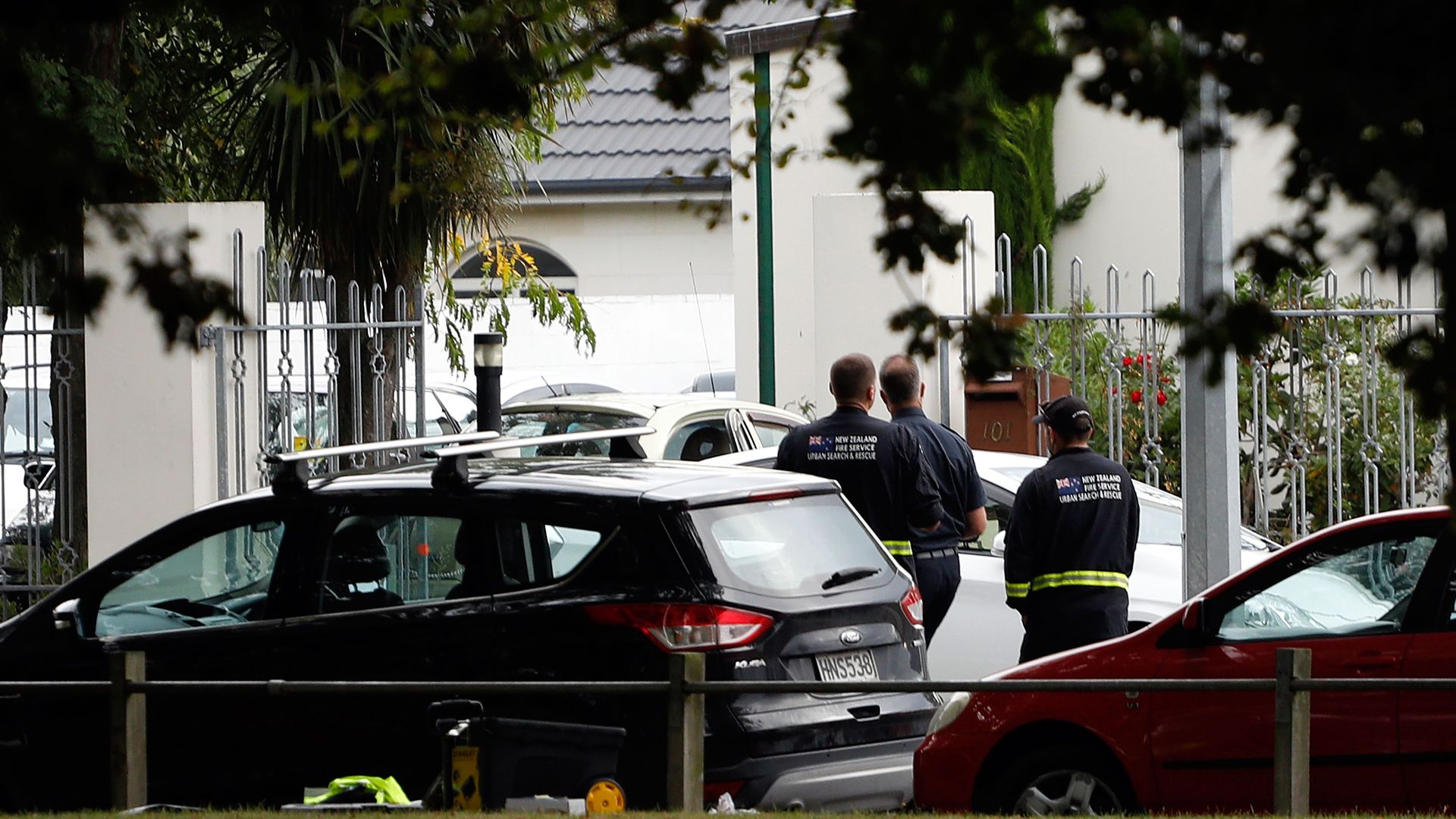
The New Zealand mosque shooter leveraged social media channels to spread both a race-hatred manifesto and a horrifying live video of his killings, throwing a harsh light on online platforms' continuing role in propagating extremist violence.
Why it matters: Facebook, YouTube and the internet itself are inextricably bound up both with how the Christchurch killer seems to have arrived at his extremist views and with how he decided to act on them.
A San Diego jury has sided with Qualcomm in a patent infringement case over Apple's use of technology in some of its iPhones, awarding the company the full $31 million it requested, according to CNET.
Why it matters: While a win for Qualcomm, this is just one of many legal battles between the 2 companies which include patent, contract and antitrust disputes.
The more exposure people have to emergency braking or adaptive cruise control, the more comfortable they become with assisted-driving technologies, says AAA, suggesting they could eventually be won over by self-driving cars, too.
The big picture: Automakers and tech companies are pouring billions of dollars into self-driving cars, even though consumers are lukewarm on the technology and the path to making money on AVs is unclear. While technology and regulatory hurdles remain, trust is the number one issue holding them back.
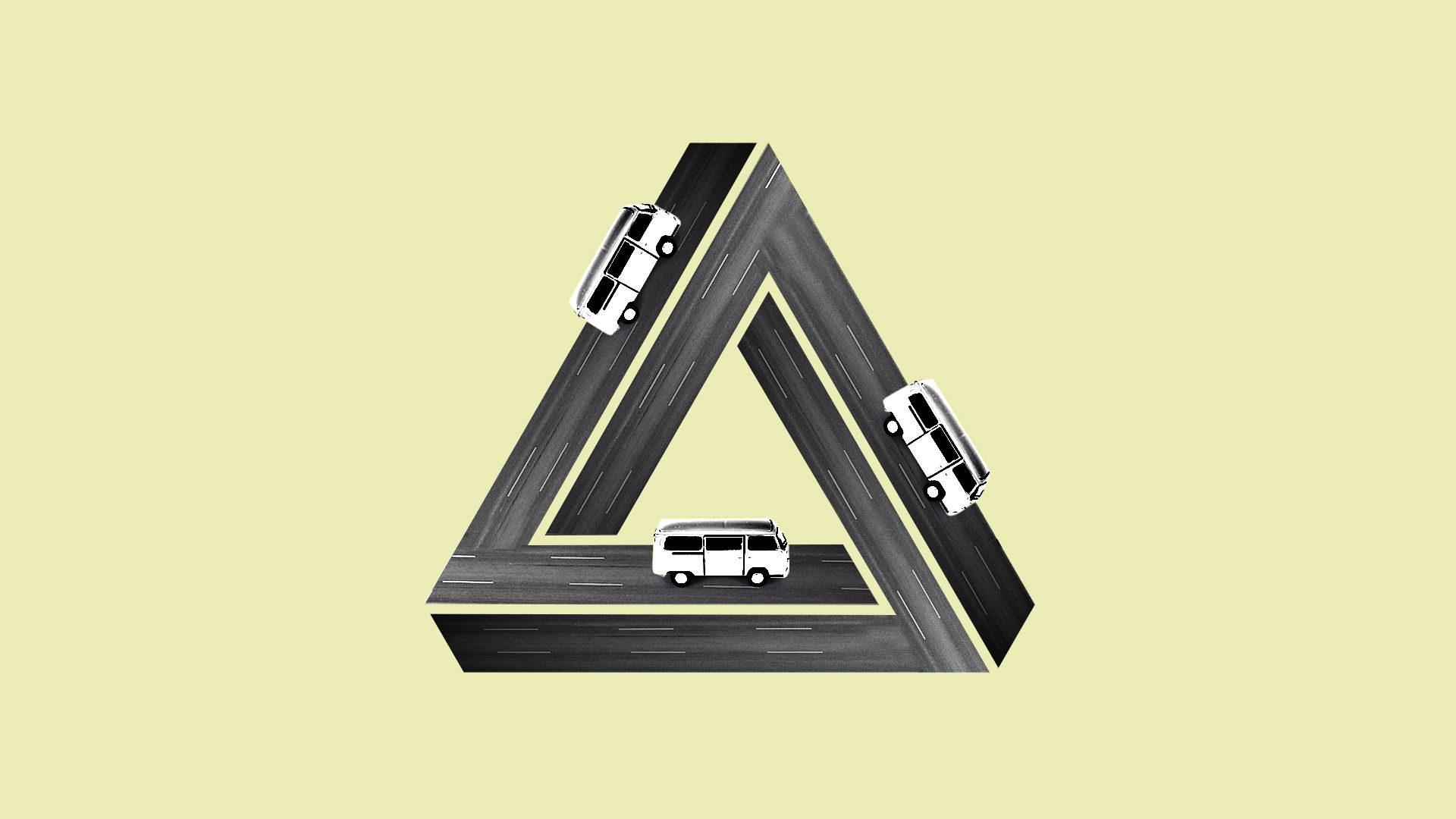
Companies like Bridj, Ford and Sweden's Kutsuplus have shut down their microtransit shuttle services, in part because optimizing the trips has proven both difficult and costly.
The big picture: In theory, moving more people with fewer vehicles is a good business model. But microtransit requires companies to purchase and maintain vehicles and to pay drivers for the duration of their shift, not just when they are carrying paying passengers.
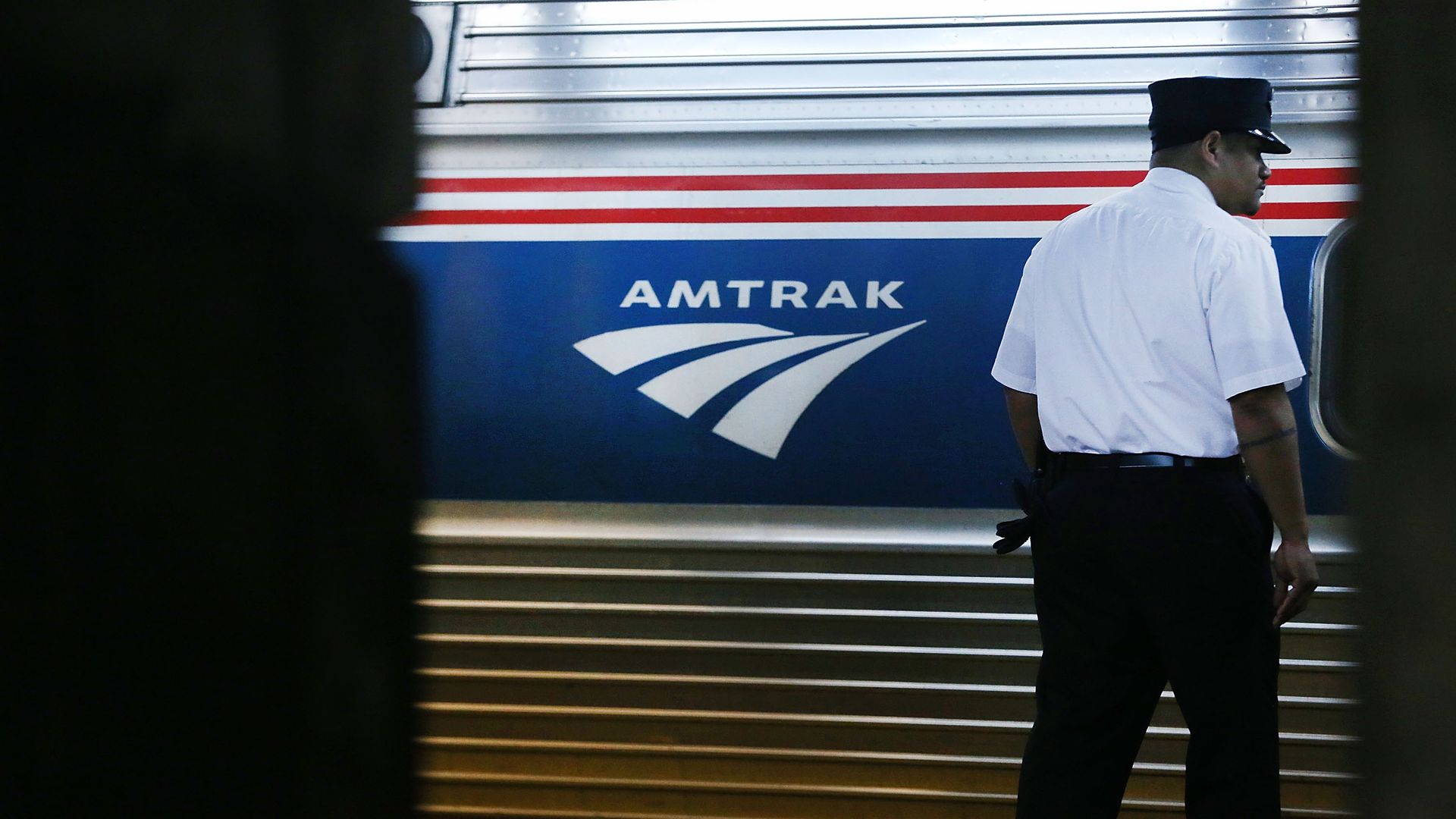
Amtrak has failed to stop and spot hundreds of its employees, including the most "safety-sensitive" workers, for drug and alcohol use as required by federal regulations, according to a new report released Thursday by the passenger train system’s inspector general, per the WSJ.
Details: The company vowed to tighten its screening processes following a deadly crash in 2016. But the inspector general’s report stated: "Maintaining an effective drug and alcohol program has been a longstanding challenge for the company." Records and anonymous medical claims data was evaluated for nearly 6,200 safety-sensitive workers from 2014–2016.





/2019/03/15/1552663246663.gif?w=3840)