Why it matters: The midterms have been deemed vulnerable to various kinds of online attack. Social media giants have been working overtime to combat fake posts related to the election, and pro-trust projects have popped up at an alarming pace.
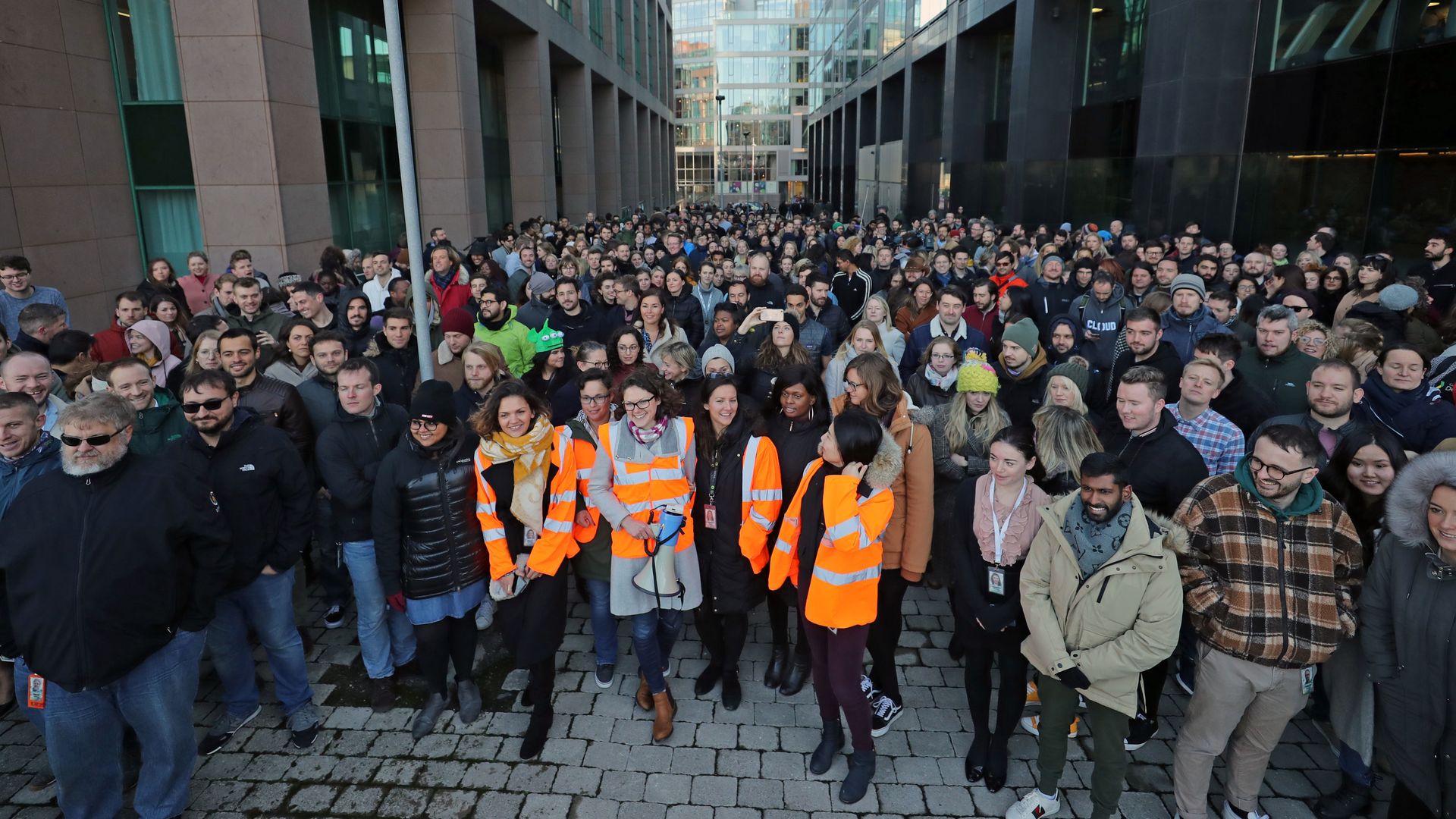
Why it matters: The walkout has been yet another example of Google employees using activism in response to the company's projects, decisions and all-around company culture. Recently, Google canceled its Pentagon AI drone project and spoke out against Google's project to create a censored search engine for China.
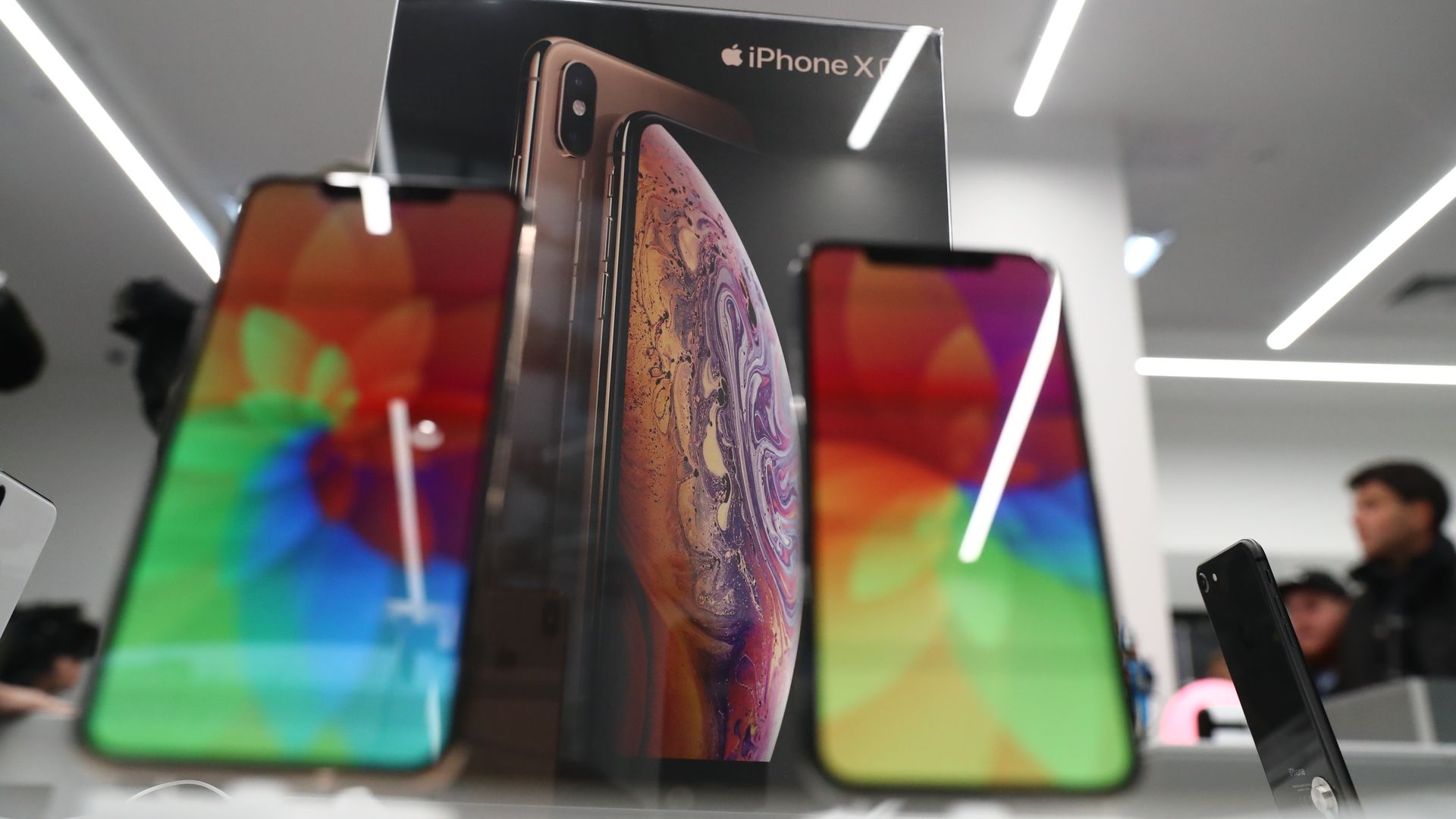
The battery-life from the new models of cell phones are underperforming their previous models, Washington Post tech columnist Geoffrey Fowler writes.
The details: Fowler performed the same battery test for 13 phones and his findings show battery life doesn't match up to what phone makers advertise. The new iPhone XS died 21 minutes earlier than last year’s iPhone X. Google’s Pixel 3 lasted nearly an hour and a half less than its Pixel 2.
Amazon is in "advanced talks" to tap Crystal City, Virginia, for its second headquarters, The Washington Post reports.
The details: The e-commerce company is in discussions with the city to decide "how quickly it would move employees there, which buildings it would occupy and how an announcement about the move would be made to the public," per the Post, citing people familiar with the process. Amazon has largely kept the decision-making process under wraps.
Tech giants had a busy week, with Apple's hardware event and quarterly earnings, and Google's employee walkout in response to the company's handling of sexual harassment. Here are five stories in tech you may have missed this week.
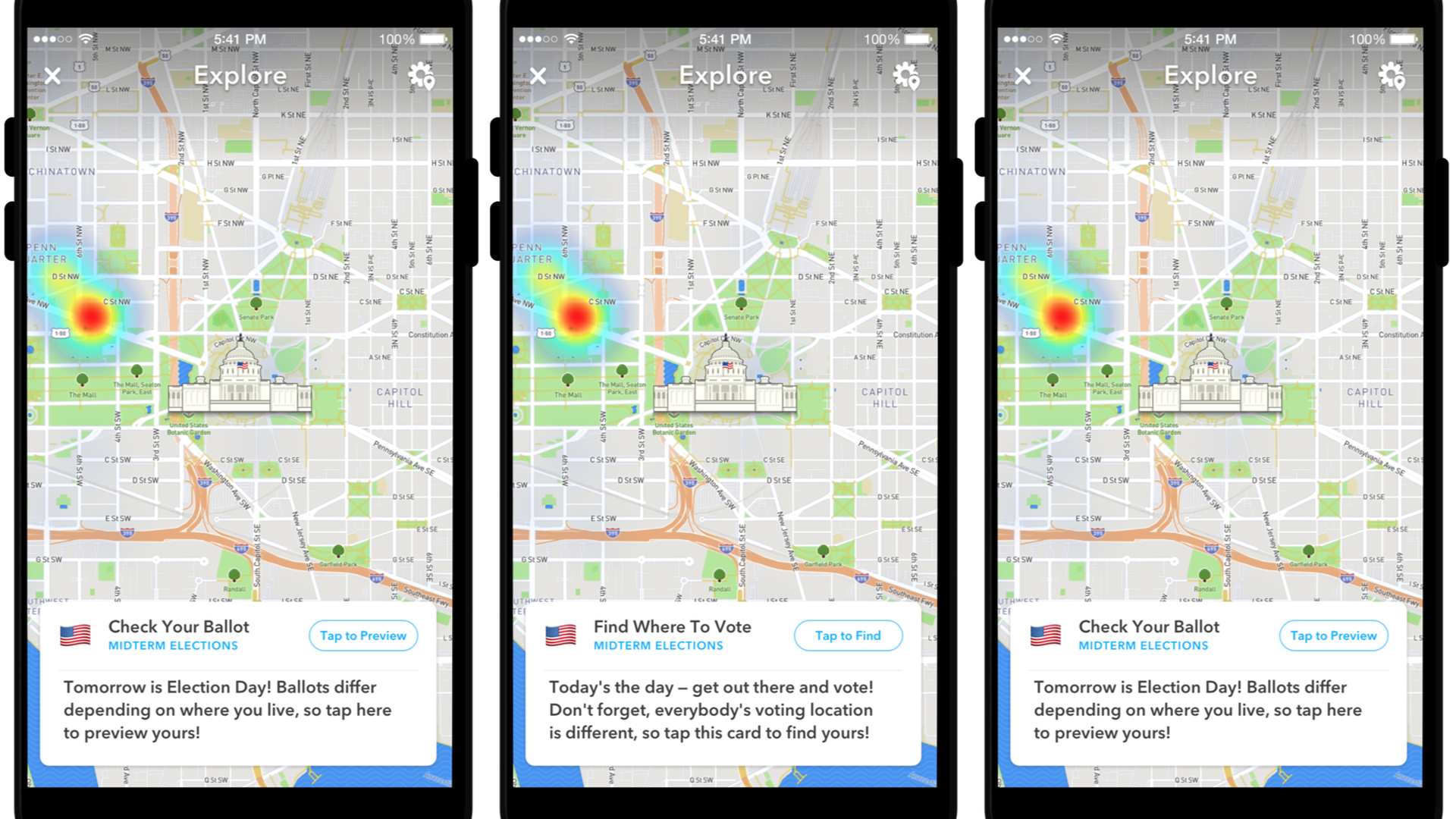
Catch up quick: Tech industry staffers work behind the scenes to push "blue wave"; Bitcoin turned 10 years old; Snapchat is adding polling locations to Snap Map ahead of midterms; Tencent unveiled its own version of Snap Spectaclesand Waymo will test robot cars in California without human drivers.
Once, a misguided tweet or racist Facebook post from years ago might have avoided a hiring manager’s notice. But now, artificial intelligence is leaving no tweet unread in the search for job candidates' bad online behavior.
Why it matters: Companies are placing applicants under a high-powered microscope as they seek to avoid hiring employees who might create a toxic environment or harm the firm's image. But it's also limiting employee opportunities.
Twitter recently took down thousands of accounts engaged in spreading information discouraging people from participating in the midterm elections, per Reuters and CNN.
Why it matters: Major web platforms are getting more active about stemming voter suppression ahead of the election.
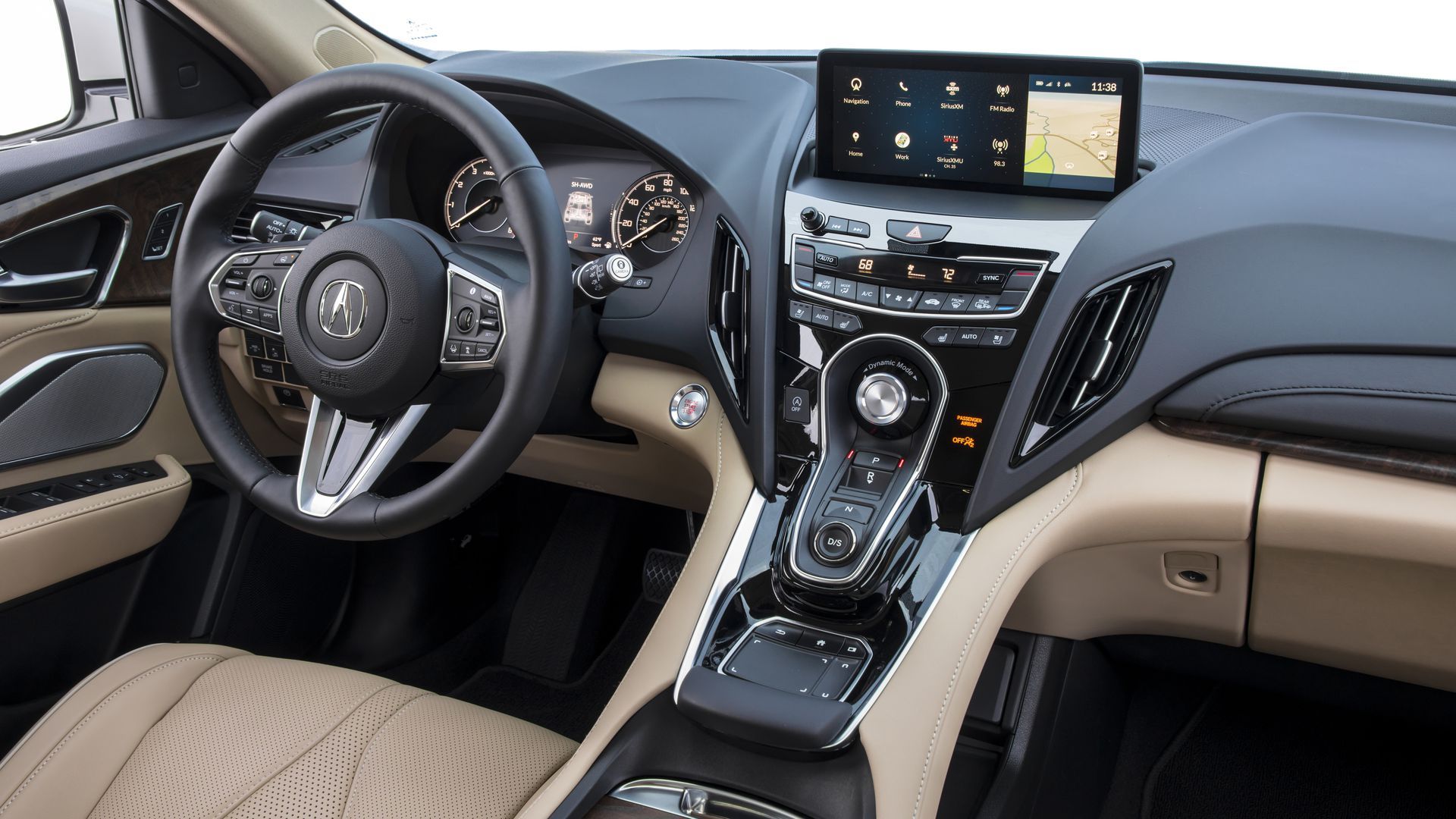
This week’s ride is the Acura RDX, a compact luxury crossover that draws inspiration from Acura’s high-performance NSX sports car.
One key feature: A new touchpad on the center console to control the 10.2-inch infotainment screen, high atop the dash, close to the driver's natural line of sight. Instead of dragging a cursor across the screen (which is next to impossible while driving) you just click the spot on the pad that corresponds to the function you want to control on the screen.
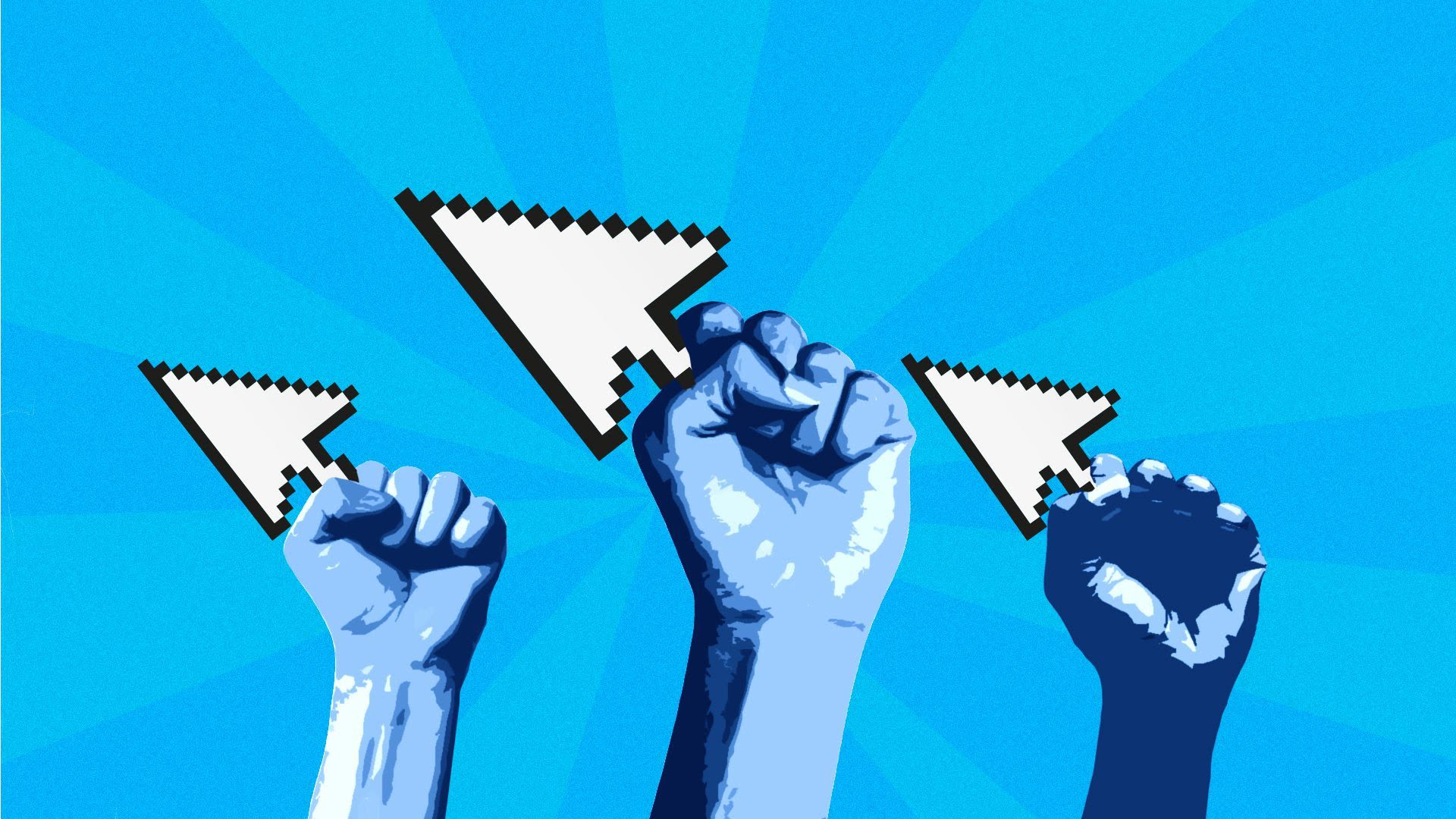
Elite U.S. tech workers, some awakened to political organizing by the election of President Trump, are increasingly giving their own CEOs a painful wakeup call via internal dissents on company business decisions and policies.
Between the lines: It's a "Revolt of the Haves," with highly-paid workers seeking to leverage their employers in ways that lower-skilled workforces cannot, AP's Mae Anderson and Matt O'Brien report.
Apple's recent stock plunge could kick the company out of the $1 trillion dollar valuation club if the selloff continues, reports the Wall Street Journal.
The big picture: Apple fell 6.7% after announcing its decision to stop reporting device unit sales in future results and a weak financial outlook for the key upcoming holiday quarter. If the stock falls below $207.04 — it hit $207.30 in early morning trading — the company's valuation will fall under a trillion. However, Apple's stock is up 23% so far this year.
Sen. Ted Cruz (R-Texas) criticized former CIA director John Brennan on Friday for endorsing Cruz's Democratic challenger Beto O'Rourke, tweeting:
"John Brennan ... has now endorsed Beto. Brennan led the CIA while we undermined and weakened Israel, strengthened North Korea, ignored ISIS, and gave billions to Iran. Birds of a feather..."
Why it matters: Brennan has said that he doesn't belong to any political party, but he has admitted to having voted for the leader of the Communist Party USA in 1976, as Cruz pointed out in his tweet. Meanwhile Cruz is still ahead of O'Rourke in all recent polling, but the race is far closer than originally expected.
Google's top U.S. public policy official is stepping down from the role, the company confirmed on Friday.
Why it matters: The departure of former Republican Congresswoman Susan Molinari as Google's Vice President of Public Policy for the Americas and head of its D.C. office comes as the company faces unprecedented pressures in Washington. In a new role, she'll advise the company on building external relationships.
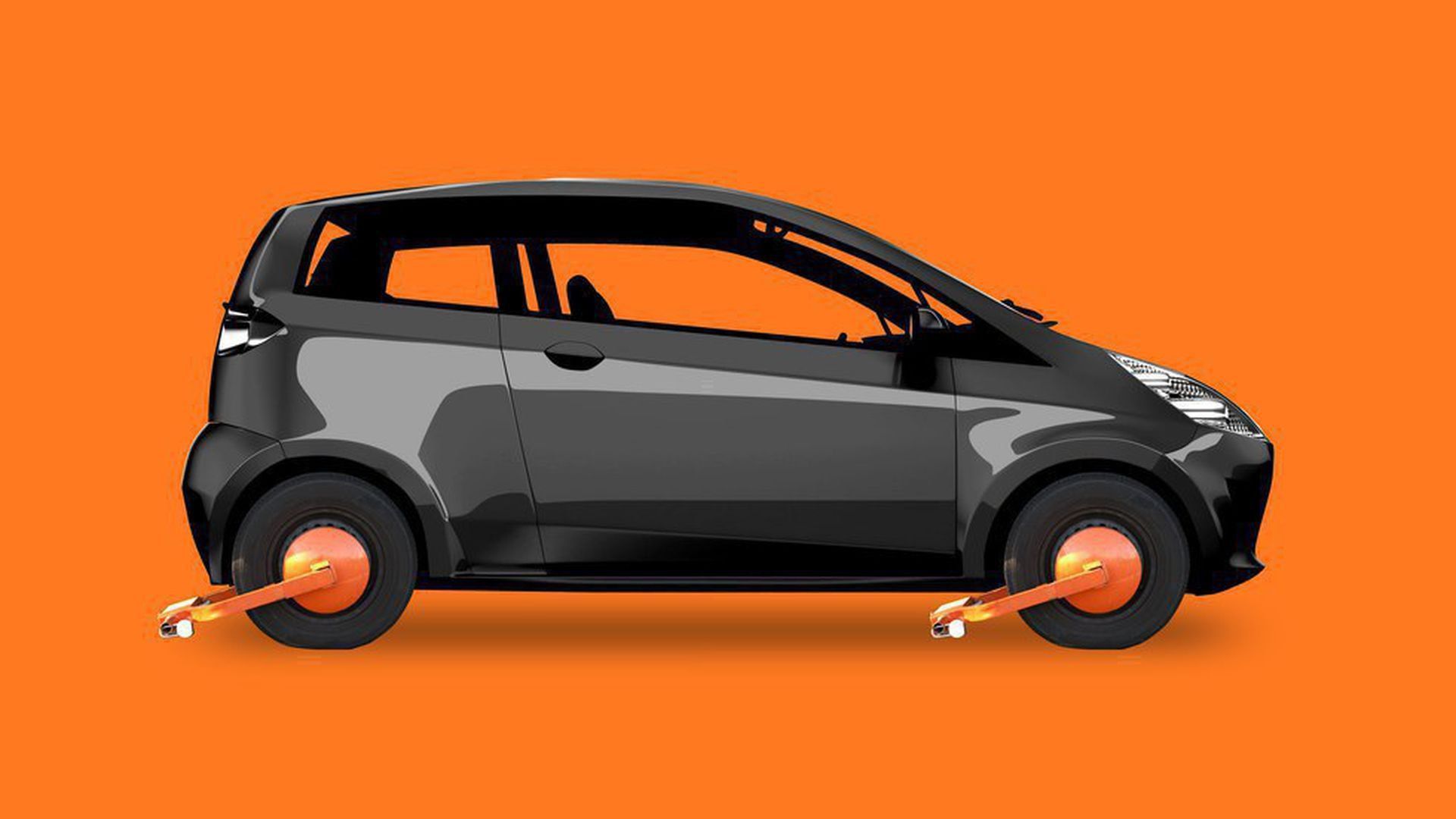
Federal legislation of autonomous vehicles remains stalled in Congress, but there’s a small chance it could be revived in a lame-duck session. If Democrats take the House on Tuesday, some industry lobbyists think the logjam could be broken by Senate Republicans, who may be more inclined to move ahead with a compromise bill than to start over with the new House.
Why it matters: Cars with increasing levels of autonomy are already being tested and deployed on American roads, and Waymo plans to launch the first fully automated robo-taxi service in Phoenix before the end of the year. How the technology develops in the coming decades may well depend on how politics plays out today.
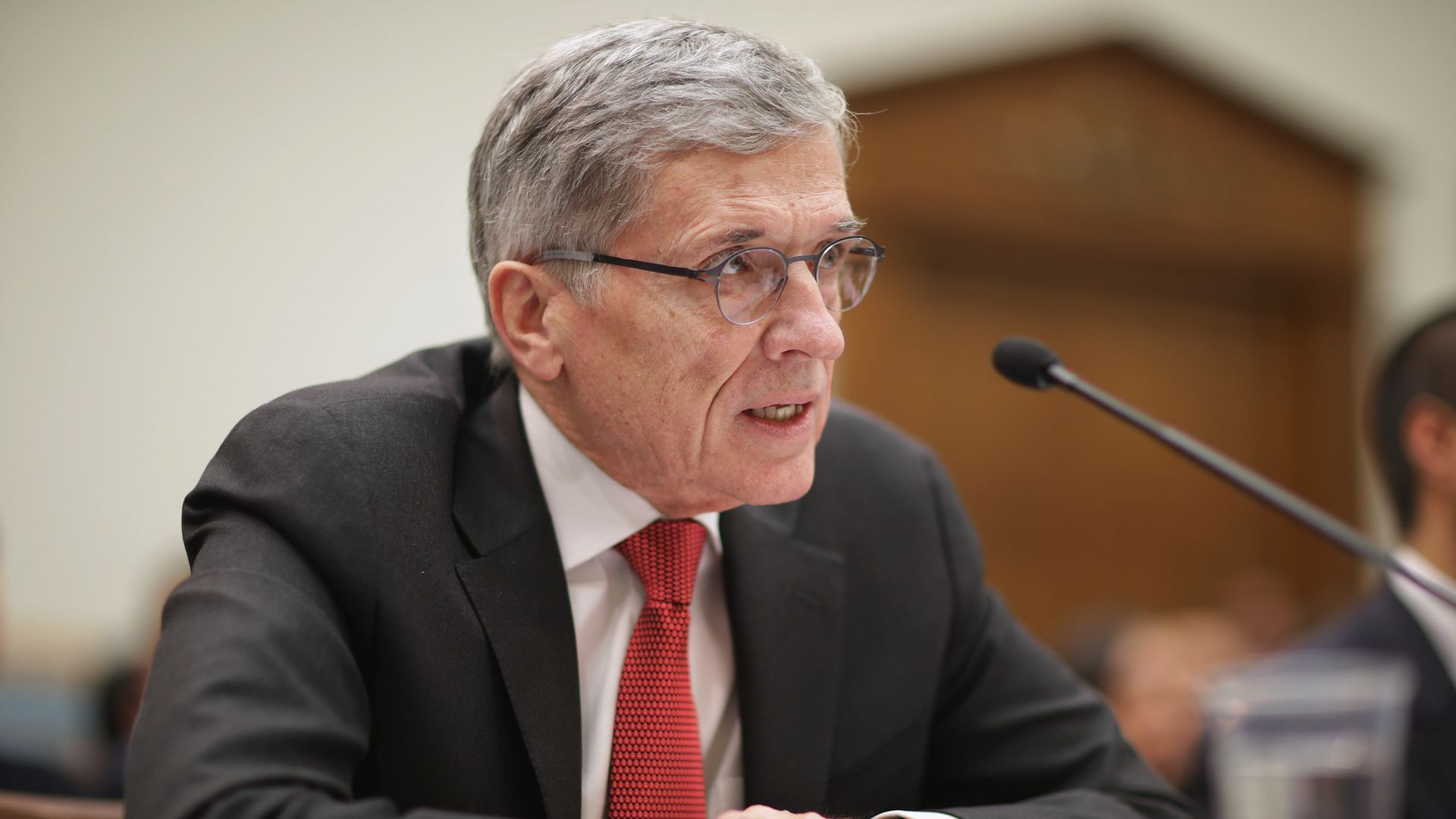
Common law principles, very old precedents that guide how disputed laws are interpreted, could serve as a foundation for crafting new policies to govern Big Tech, former FCC Chairman Tom Wheeler writes in a paper out Friday.
Why it matters: Amid a wave of data privacy controversies, policymakers are looking at regulating how big tech companies collect and use consumer information. But the question of who owns consumer data is up for debate. A new common law principle, Wheeler argues, could be a potential solution for how data privacy laws are interpreted for the future.
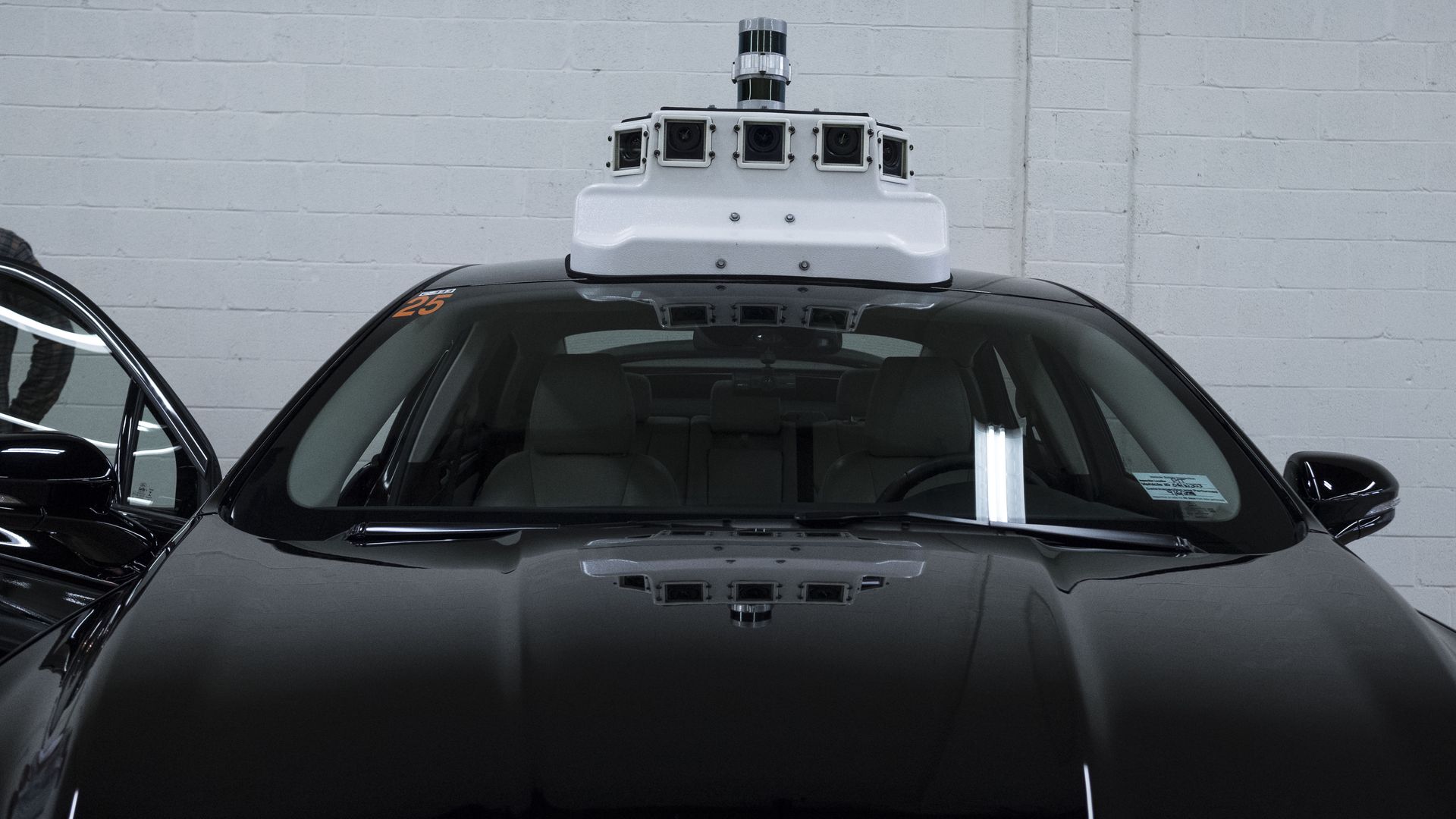
Autonomous vehicle developers are pursuing different strategies and technologies — and making different claims, in different ways, about their systems. Those differences make it hard to compare vehicle safety across companies and evaluate the safety of AVs overall.
Why it matters: The success of driverless vehicles will in large part depend on how safe the public perceives them to be. That involves creating trust between riders and vehicle manufacturers — and speaking the same language about safety.
In October the Department of Transportation (DOT) released its latest policy statement on AV technologies, which is broadly in line with past guidance. But if the DOT wants to “ensure safety without hampering innovation,” maintaining the status quo is not the correct approach.
Why it matters: Although some companies may worry about heavy-handed regulation curtailing the advancement of AV technology, the unknown risks of litigation and liability have the greatest potential to derail progress at this stage of development.