More than 100 S&P 500 companies will report quarterly results this week, but Apple and Facebook are the headliners.
Why it matters: Tech companies' good results have not been good enough for investors, as we saw with Alphabet and Amazon this week. Apple and Facebook could further drag tech sentiment down, or turn the tide.
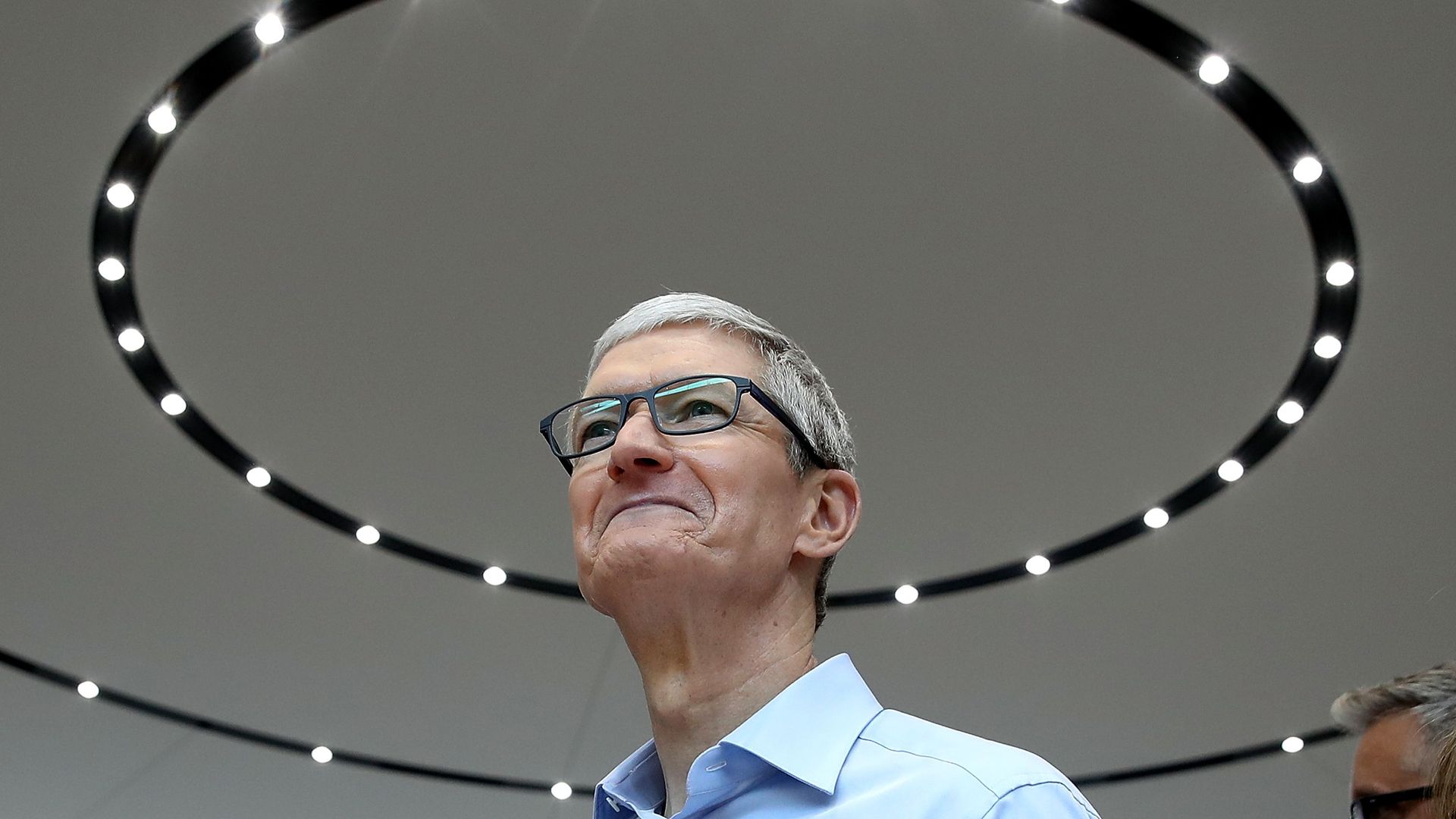
Tim Cook never wanted to be Apple's CEO: rather, he was thrust into the role by the untimely death of Steve Jobs.
The big picture: It took a while to get here, but Cook is no longer operating in Jobs's long shadow. In fact, he's arguably the most powerful and important CEO on the planet.
IBM announced Sunday it would acquire Linux specialist Red Hat in a deal valued at $34 billion in cash and debt. That works out to $190 per share, a hefty premium to where the software maker has been trading, and the largest software acquisition of all-time.
Our thought bubble, via Axios' Kim Hart: IBM has been shifting for years away from mainframes and servers to selling software and services that bring recurring revenue. Red Hat, which charges corporate clients for custom-built Linux offerings, fits into that strategy.
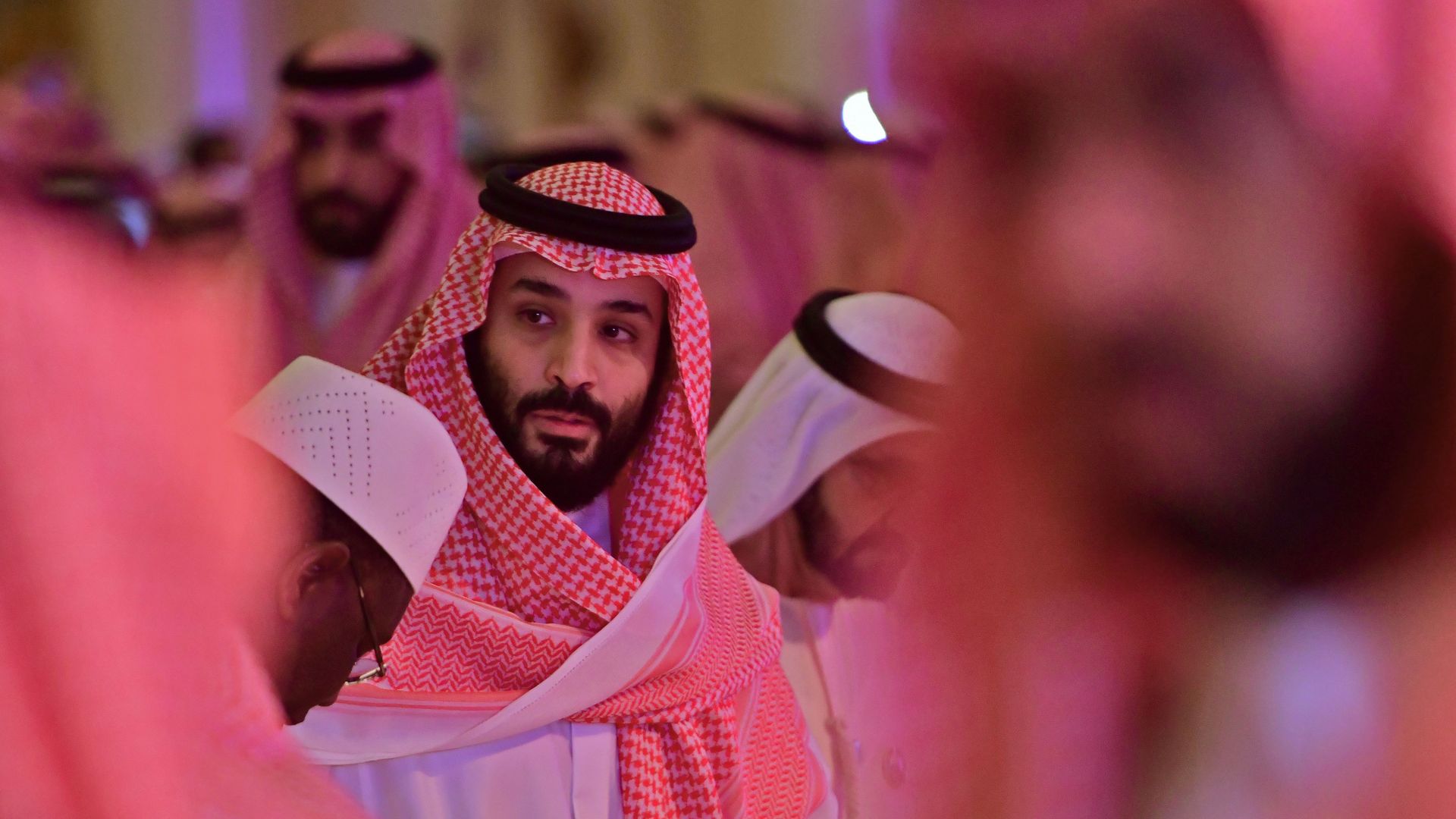
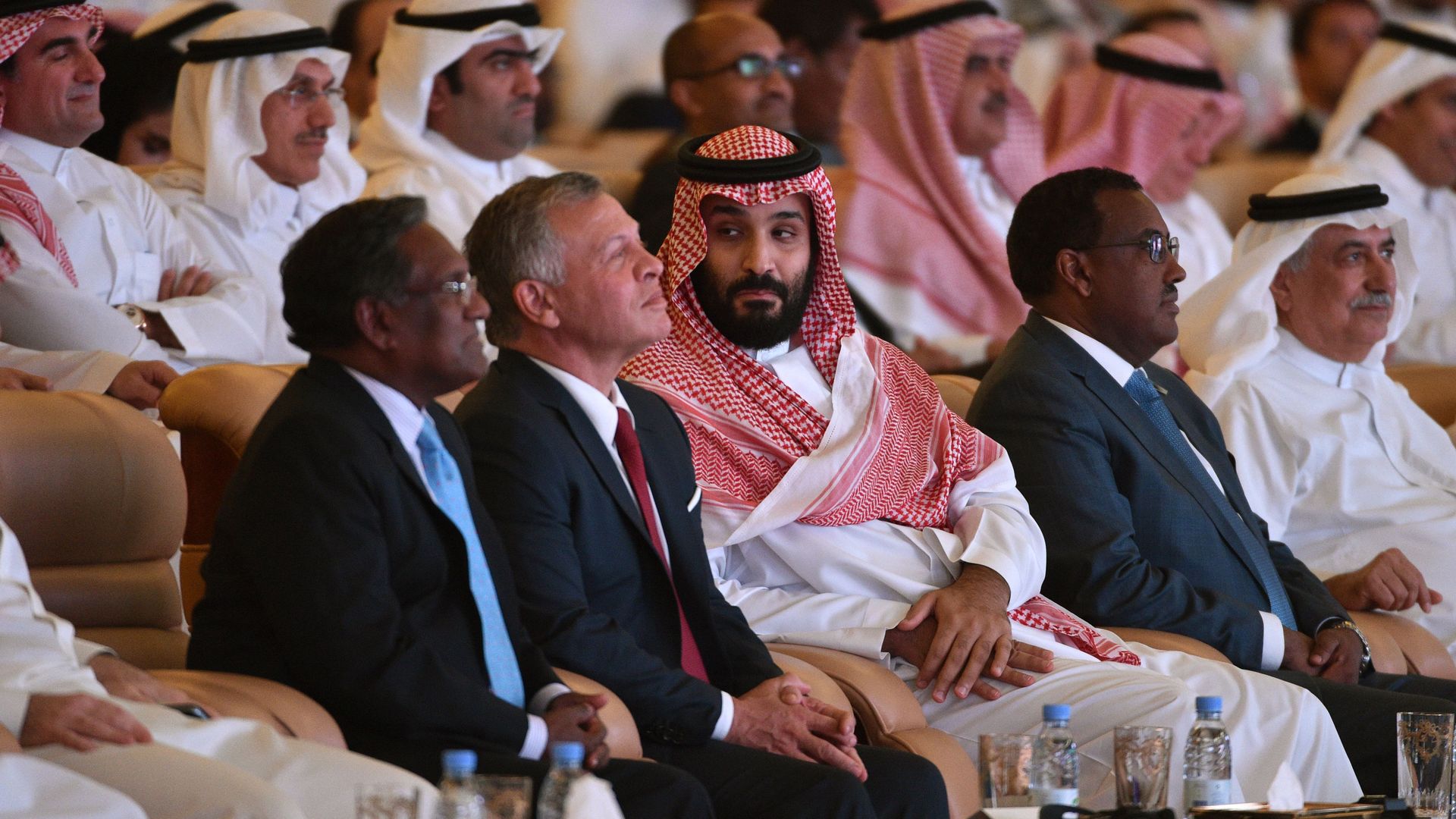
Never has a conference failed more spectacularly than this year's Future Investment Initiative. The so-called "Davos in the Desert" was meant to position Saudi Arabia as an innovative, dynamic nation with a bright tech-centered future ahead of it.
Instead: No one wanted to speak at the conference, and almost no one wanted to even attend. In the slots reserved for high-profile western CEOs like Jamie Dimon and Dara Khosrowshahi, we saw instead executives mostly from Russia and the kingdom itself.
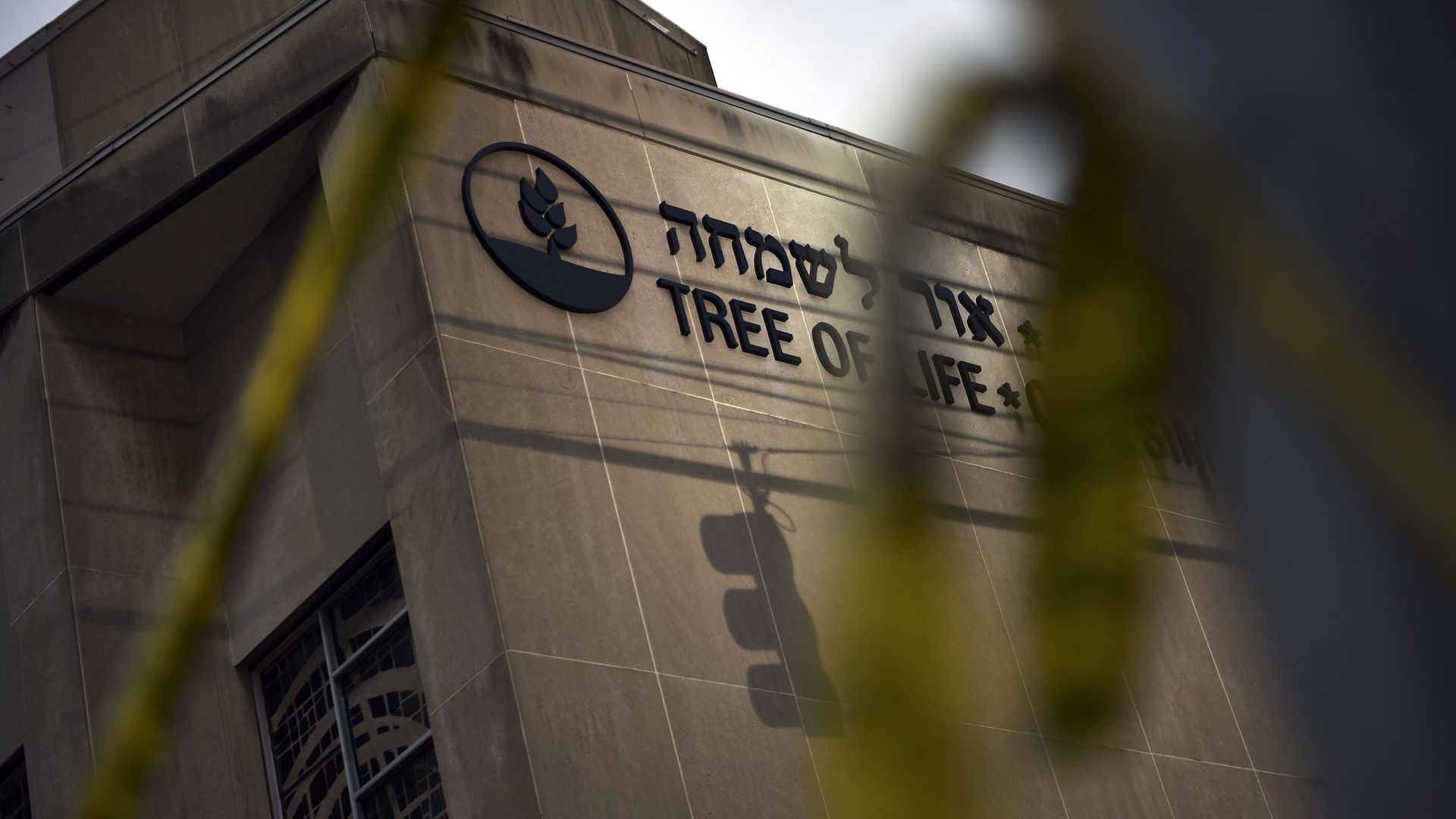
PayPal has cut ties with social networking service Gab following news that Pittsburgh gunman Robert Bowers — who killed 11 people at Tree of Life Synagogue on Saturday — had a history of using the platform for anti-Semitic speech, reports The Verge.
The big picture: Gab was founded in 2016 as a restriction-free alternative to Twitter, a social network that — while claiming "to defend free expression and individual liberty online for all people" — has attracted alt-right figures like Milo Yiannapolous and Richard Spencer that have been banned from other social media platforms.
Technologists in Silicon Valley are becoming more aware of the dangerous effects significant screen time can have and aren't letting their own children use them, The New York Times reports.
Why it matters: Companies that are spinning out new tech each year have crusader-like mission statements of changing the world for the better. But within the last year, "several high-profile Silicon Valley defectors have been sounding alarms in increasingly dire terms about what these gadgets do to the human brain."
In the middle of a continued moral reckoning in the tech industry, a number of the major public companies announced their quarterly earnings this week, with mixed results. Here are five stories in tech news you may have missed.
As autonomous vehicles get closer, most people seem to be getting more reticent about them, according to a new Axios/Survey Monkey poll, which found fears creeping up for both passengers and pedestrians.
Why it matters: For AVs to take hold, they'll have to gain the trust of consumers.
Drive.ai — a startup developing an on-demand autonomous shuttle service — is based in Silicon Valley, but it has deployed its first vans in Texas, drawn in by the state’s favorable regulations.
Why it matters: Without a national regulatory framework for autonomous vehicles, states have become laboratories not just for the technology itself, but also for the rules emerging to shape it.
As part of the Made in China 2025 strategic initiative, China wants supremacy in key future technologies, including electric cars and autonomous vehicles.
The big picture: Waymo and other U.S. firms like Cruise and Zoox are far ahead in developing the technologies. But China could become the autonomous leader by 2025 because regulators there can pave the way for mass adoption of autonomous cars more quickly than their American counterparts.
Global investors are pumping money into autonomous driving-related companies, according to data from CB Insights. In the first three quarters of 2018, they have committed $4.2 billion, compared to $3 billion in 2017 and $167 million in 2014.
The bottom line: The promise of autonomous driving has led investors — and automakers — to open their checkbooks wide to ensure they’re part of the future of transportation.
In its first ranking of automated driving systems, Consumer Reports rated General Motors’ Cadillac Super Cruise better than systems from Tesla, Nissan and Volvo. Why? Because it’s the only one that includes a camera inside the car to monitor driver attentiveness.
The big picture: There will be more of these driver monitoring systems in semi-automated cars because drivers still have to stay engaged. Their arrival is going to lead to a big privacy debate about how much monitoring consumers will tolerate in the name of safety. Nose-pickers and cursers, take note.
Why it matters: Twitter's longstanding inconsistencies in responding to users' reports of threatening posts look even more problematic when those who post threats fall under suspicion of causing real-world violence.
On the Tinder for robots, you don’t swipe left or right — you instead rate them on likability, appearance and overall desirability. Too many bad "appearance" ratings, and a bot lands in a modern hall of shame: the World’s Creepiest Robots.
Why it matters: Today’s most useful robots are giant arms that assemble cars and smartphones in enormous factories. But in the near future, robot builders want to make social bots that elicit empathy from people. First, they have to figure out how to make ones that aren’t totally horrifying.