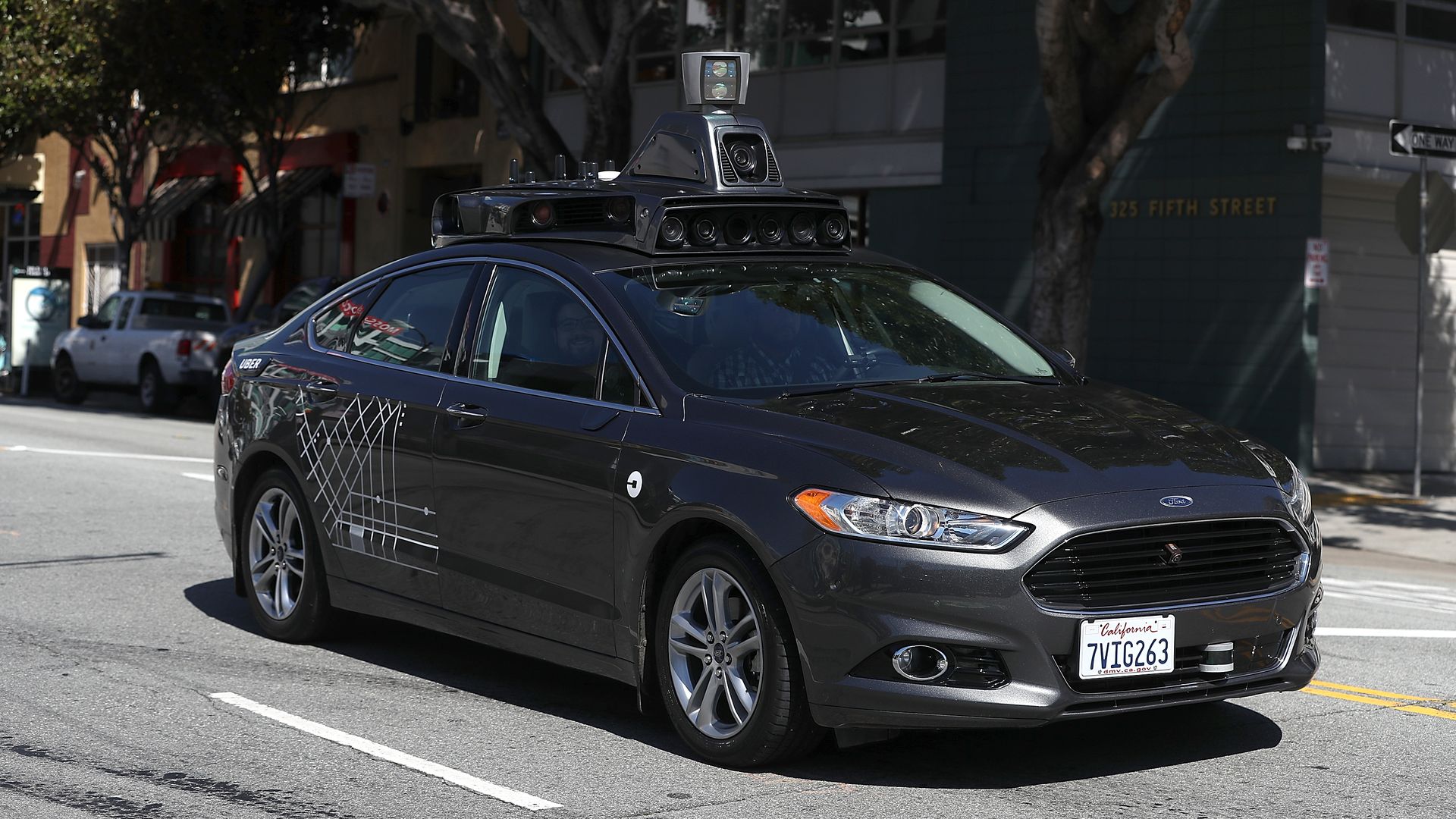
The backdrop: This comes on the heels of the company's suspension of tests on public roads in the state, as well as in Pennsylvania, Arizona and Ontario in the wake of a fatality in Tempe, Arizona. The ride-hailing service has fought a year-long court battle over its self-driving car unit and put up a fight in late 2016 when it was asked to get a permit; Uber agreed to get one early last year.
Uber will pay $10 million to settle a discrimination and hostile workplace class action lawsuit filed last year on behalf of 420 women and minority engineers.
Why it matters: It has been a year of reckoning for Uber, and for the broader tech industry, when it comes to workplace treatment women and other underrepresented minorities.
Facebook shares fell another 4.9% on Tuesday, on news that CEO Mark Zuckerberg has agreed to testify on Capitol Hill. The company has now lost a whopping $95 billion in market value since the Cambridge Analytica revelations.
In context: Facebook's recent loss is now greater than the total market value of such companies as Qualcomm ($85b), Starbucks ($81b), Costco ($80b), CVS ($66b) and FedEx ($63b).
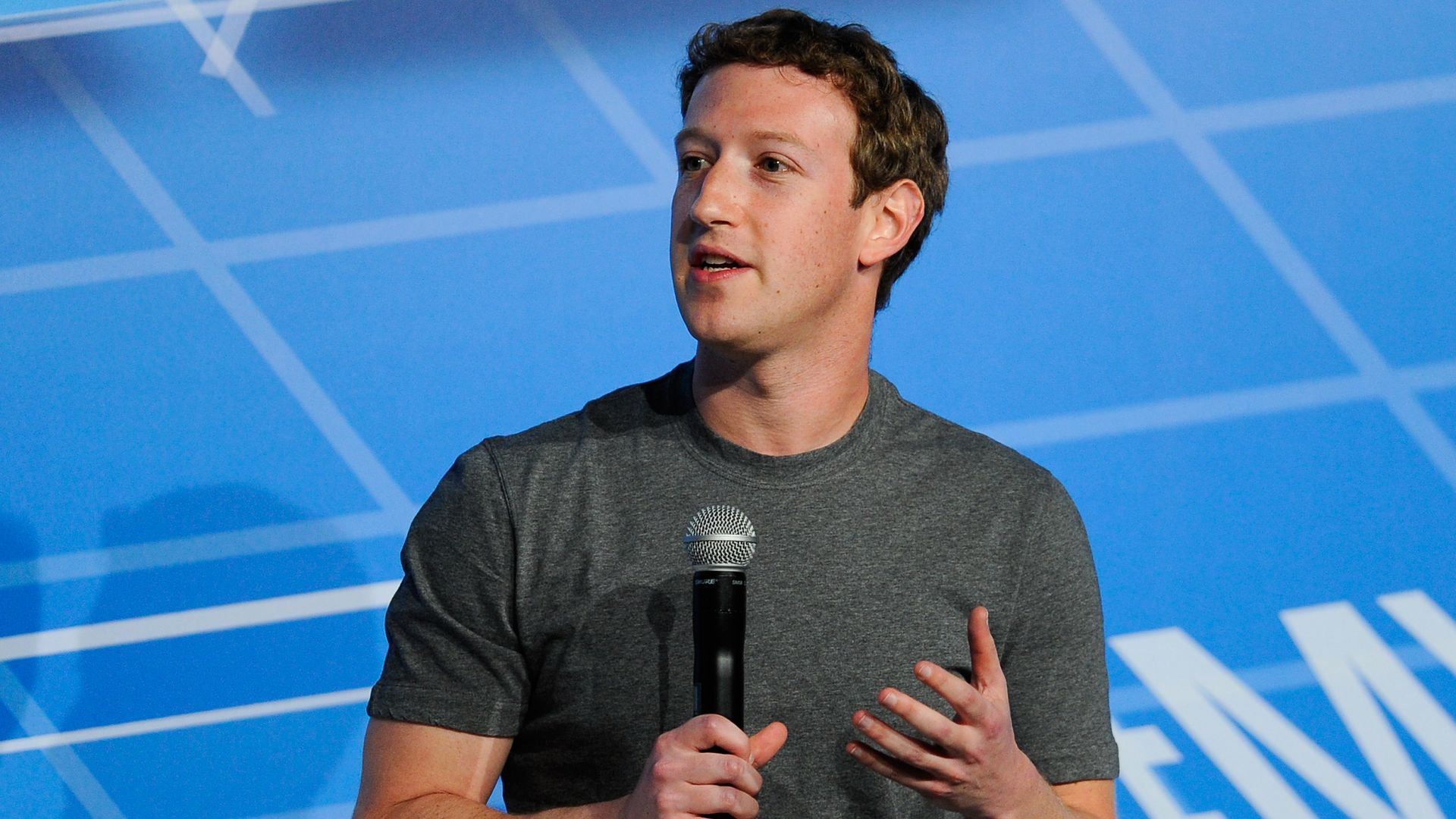
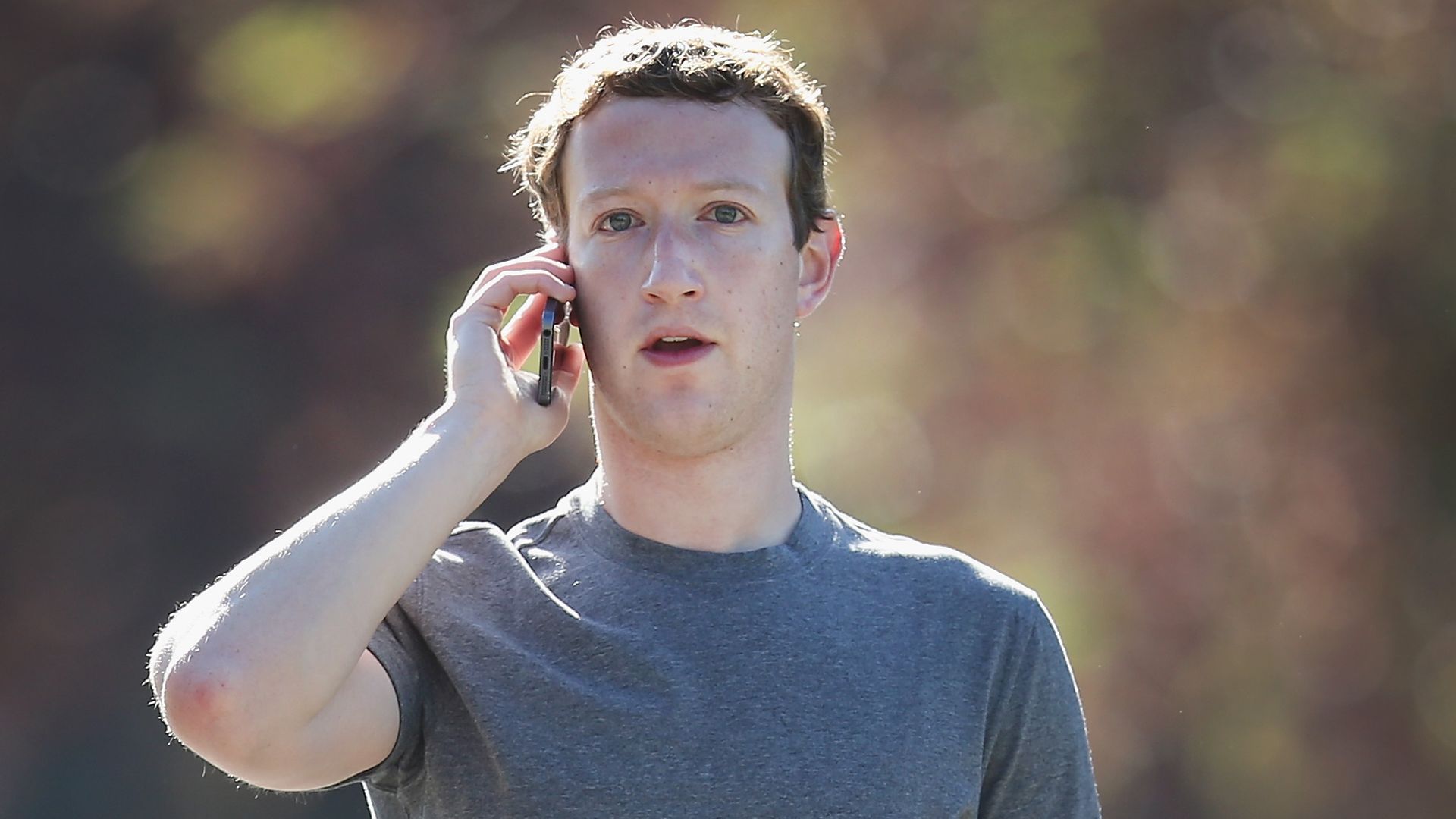
Facebook chief executive Mark Zuckerberg knows there is pressure on him to testify before Congress and believes he is likely to do so in the coming weeks, according to a source familiar with his thinking. And Facebook has been having conversations with committee staffers for days about setting up a Zuckerberg appearance, a congressional source familiar with the matter told Axios.
Why it matters: This will be a major confrontation between Zuckerberg and his DC critics. The company's data practices have been under scrutiny since it was revealed that the Trump-linked Cambridge Analytica illicitly gathered its users information. It also puts pressure on Google CEO Sundar Pichai and Twitter CEO Jack Dorsey to appear, as well.
When then-FBI Director James Comey testified before Congress about Apple refusing to unlock the cell phone of a suspect in the 2015 San Bernardino terrorist shootings, he was incorrect, but he did not lie, a new Department of Justice report concludes. According to the report, from the DOJ's Office of the Inspector General, Comey's statement that the FBI exhausted all avenues to break into the cell phone before taking Apple to court was "not borne out by the facts."
Why this matters: The San Bernardino phone became exhibit A in a heated debate between law enforcement and tech companies over whether phone makers should have to build a police access mechanism into every digital device. In that debate, law enforcement authorities maintain that they would only use such extraordinary access as a last resort. If the report is right, in this case it wasn't.
Google has acquired Tenor, a San Francisco-based GIF startup, which will continue to operate as a standalone company that Axios profiled earlier this year. No terms were disclosed, although Tenor rival Giphy recently was valued at $1 billion by venture capitalists.
Why it matters: GIFs—graphics interchange formats—are the new hot media format, so it's no surprise that search giant Google wants in on boom.
A federal appeals court ruled in favor of tech giant Oracle's multi-billion-dollar copyright-infringement claim against Alphabet, which a lower court had previously denied, Bloomberg reports.
Why it matters: The dispute is over APIs (application programming interfaces), the bridges that software systems use to connect. APIs are seen as a way for tech to become more open. If Oracle's victory survives further appeal, and more companies assert copyright over similar APIs,Alphabet and others claim tech innovation could suffer.
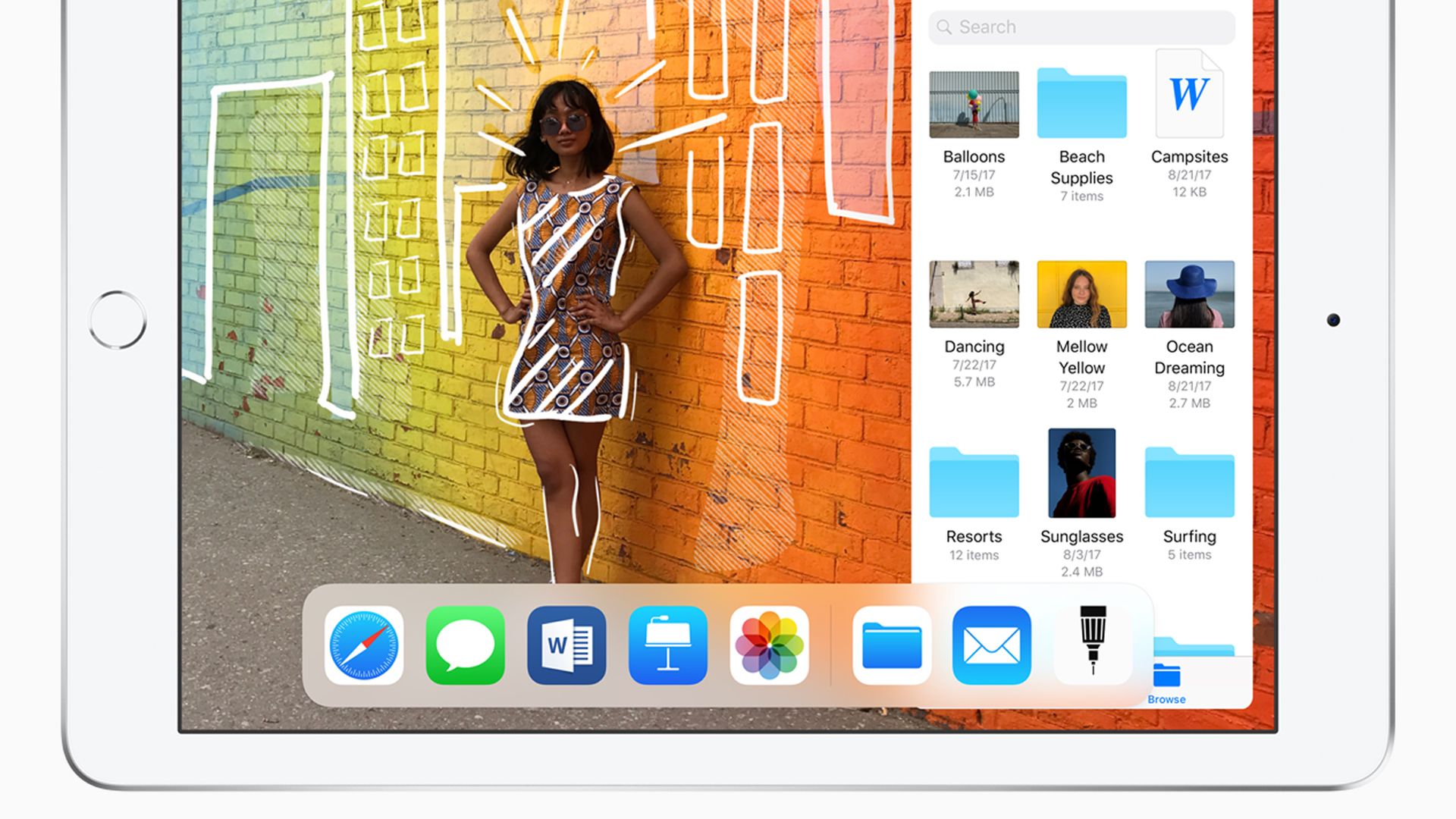
Apple used its education event in Chicago on Tuesday to debut a new entry-level iPad. As expected, the new 9.7-inch model also supports the Apple Pencil, according to The Verge.
The bottom line: As Bloomberg's Shira Ovide notes, Apple has a lot of ground to recover in the K-12 market to catch up with Google's Chromebook. And Google isn't standing still, yesterday announcing the first Chrome OS-based tablets. Plus, Apple didn't significantly drop the price as some had predicted.
CNN's Dylan Byers reports that Facebook CEO Mark Zuckerberg will testify before Congress under oath "within a matter of weeks," according to unidentified Facebook sources. The company is working on a strategy for the testimony now as pressure to appear has become too intense to ignore.
A Facebook spokesperson, when asked about the CNN report, only reiterated that the company had the committee invitations and was in conversations with lawmakers. Bloomberg reported Zuckerberg will appear before a House panel on April 12. The committee says nothing is yet confirmed
Why it matters: Google CEO Sundar Pichai and Twitter CEO Jack Dorsey may now be under pressure to do the same, CNN says.
This story is from Codebook, the new Axios cybersecurity newsletter that launched today. Sign up here.
It’s no secret that the internet is a fertile recruiting ground for extremists of all types. But a five-month effort trying to combat extremism shows promise in getting would-be white nationalist and ISIS sympathizers to click away from radical content.
Driving the news: Moonshot CVE, an anti-extremist consultancy, ran adsdirected at users searching for propagandist torture videos and using searches like "how to join ISIS" or "kill all the Jews." Working in partnership with the Gen Next Foundation and the Google run incubator Jigsaw, Moonshot was able to divert 1,300 at-risk Google searchers to counter-narratives debunking propaganda or presenting an alternate worldview.
Washington is amping up its demands on Big Tech, with Senate Intelligence Committee Vice Chairman Mark Warner saying last night that CEOs specifically must be held accountable.
What's next: Warner, who is helping lead the committee's probe of Russia's role in the 2016 election, also said that Capitol Hill's interest in Facebook and other tech platforms extends beyond political advertising, which had been lawmakers' initial focus.
Pandora, the largest music streaming service in the U.S., will acquire AdsWizz, an audio ad technology platform, for $145 million in cash and stock. The move comes as Spotify tries to expand its path to profitability as it debuts next week on the New York Stock Exchange with an unusual direct listing.
Why it matters: Revenue growth opportunities for subscriptions are slowing as the market becomes more saturated. Music streamers are now looking for ways to beef up their ad technology to make more money from serving users as on their tiered or free platforms.
The Advertising Research Foundation will announce an initiative tomorrow to develop industry guidelines on consumer data privacy and protection. The move comes as regulators and consumers start to pay closer attention to data privacy and security in light of recent revelations about the abuse of user data on big tech platforms.
Why it matters: Obscure data practices have been used for years in the ad tech industry to monetize as much user data as possible. Efforts by industry groups and regulators to rein in those practices could have a significant impact on the way advertisers spend their marketing budgets online.
Following a crash that resulted in a fatality last week, Arizona Governor Doug Ducey has suspended Uber from testing self-driving cars on the state's public roads, according to 12News. The incident is still under investigation and Uber had already paused its testing.
Why it matters: Despite the wide enthusiasm for autonomous driving's potential to make roads safer, it was only a matter of time before a serious accident raised questions about the safety of testing.












/2018/03/26/1522101889452.gif?w=3840)