Uber has agreed to purchase a 25 to 30% stake in Grab, a Singapore-based ride-hailing rival, in exchange for Grab taking over "in the eight markets in Southeast Asia where it is operational," TechCrunch reports.
Why it matters: The deal allows Uber to retain some influence in the Southeast Asian market after losing market share to Grab there over the past year with the company distracted by internal issues at home. The deal is similar to Uber's deals to exit the Chinese and Russian markets over the past couple of years with local rivals Didi and Yandex.
Facebook is running this full-page ad inside the front section of today's New York Times, on the back cover of today's Washington Post, and in The Wall Street Journal.
In London, it's running in The Sunday Times, The SundayTelegraph, The Observer, The Mail on Sunday, Sunday Mirror and Sunday Express.
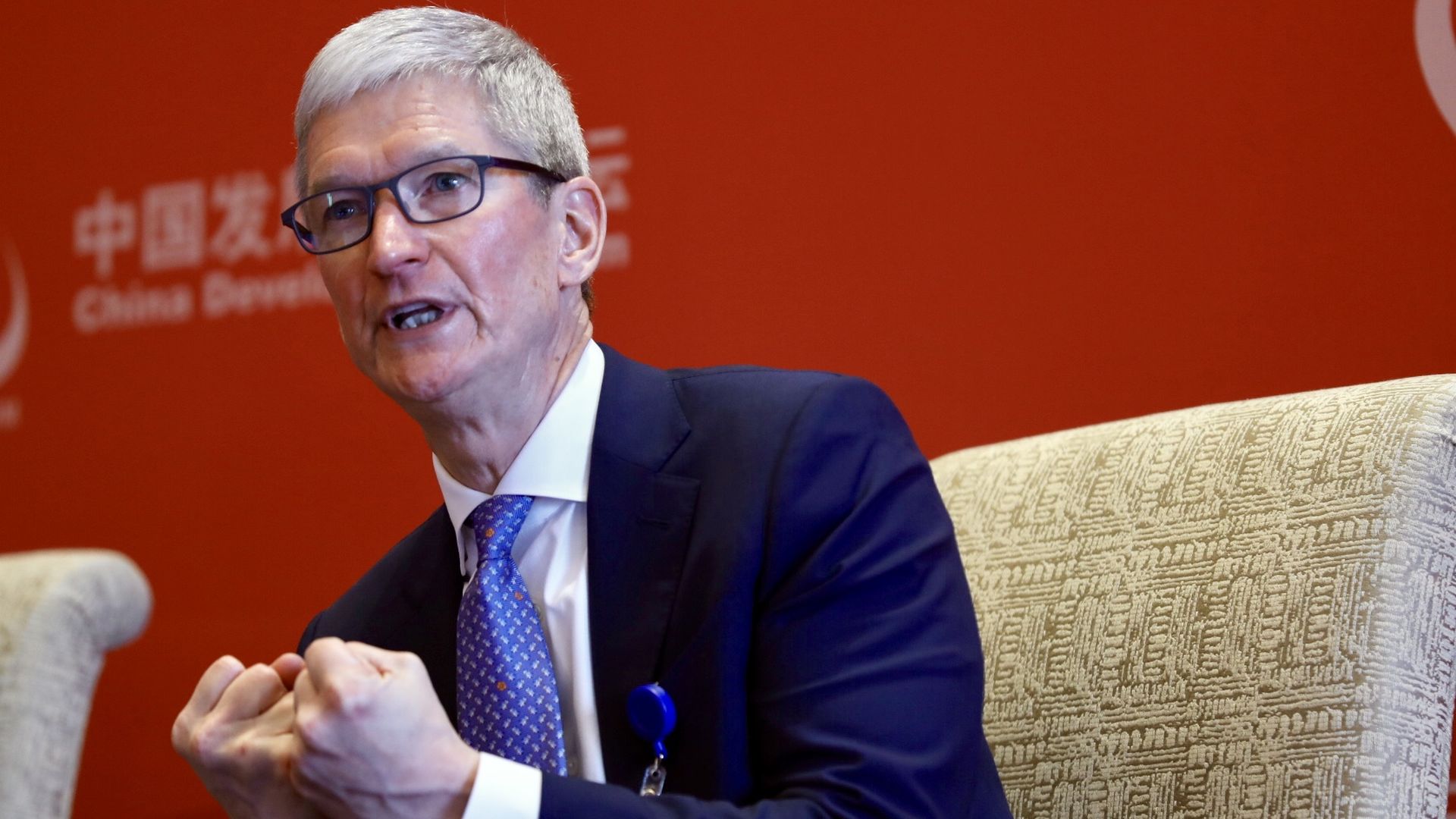
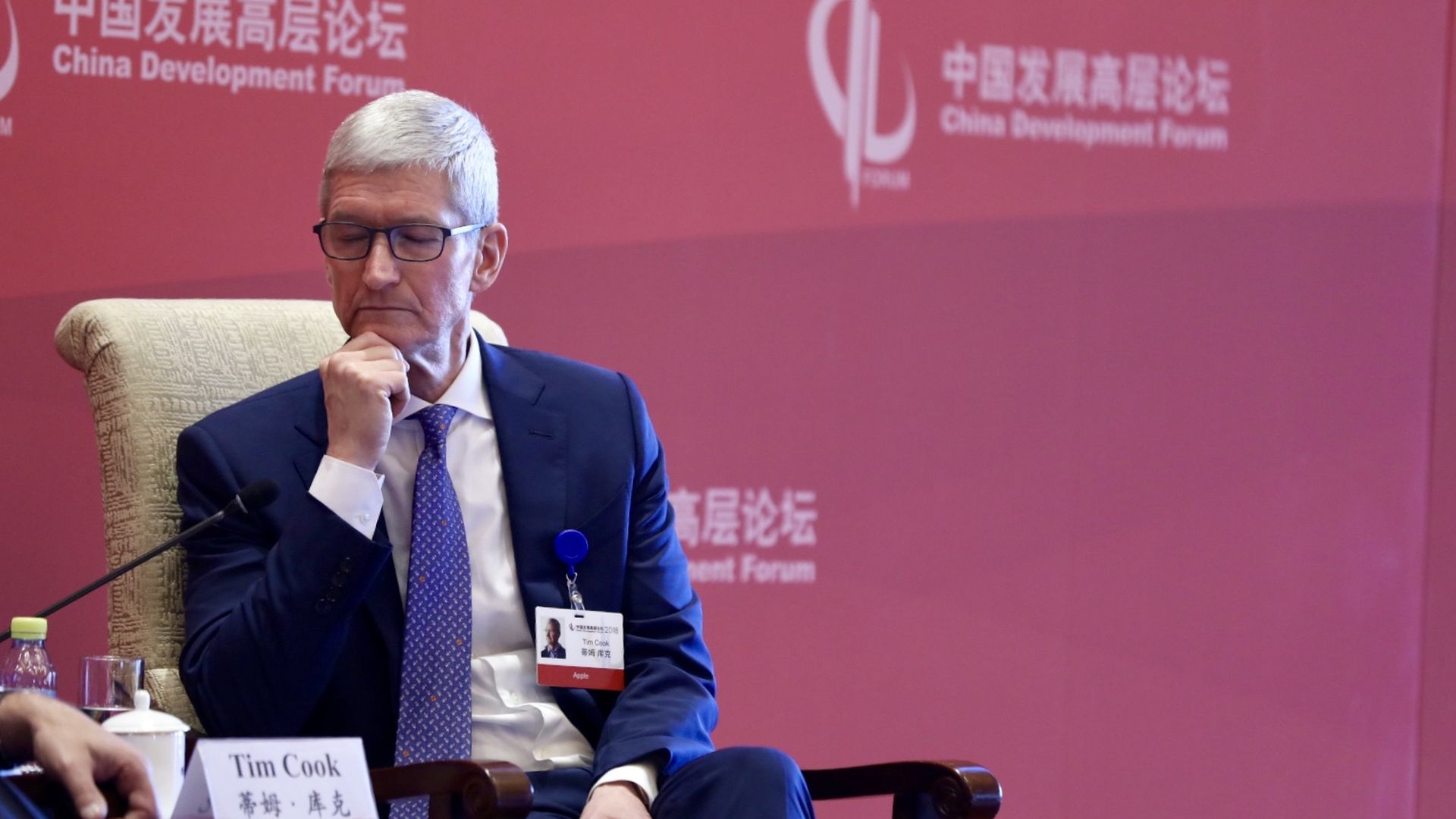
In Beijing during a session on global inequality at the annual China Development Forum, Apple CEO Tim Cook "called for stronger privacy regulations that prevent the misuse of data in the light of the controversial leak of Facebook user information," per Bloomberg. Specifically, he "called for 'well-crafted' regulations that prevent the information of users being put together and applied in new ways without their knowledge."
Why it matters: "His comments will ramp up pressure on Facebook Inc. and other technology companies."
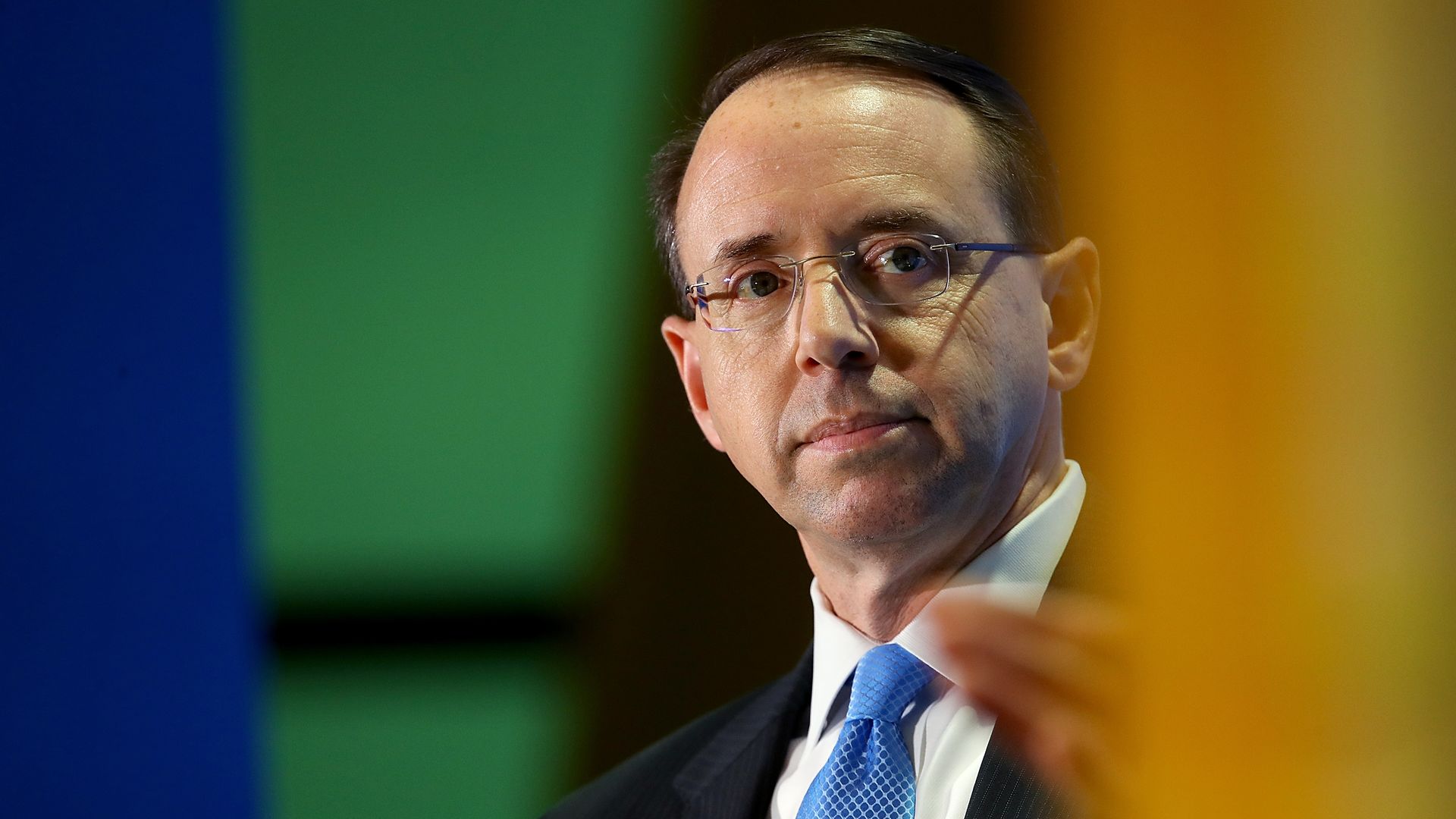
The Justice Department is in "a preliminary stage" of discussions about requiring tech companies building "tools into smartphones and other devices" that would allow law enforcement investigators to access encrypted data, the New York Times reports.
Why it matters: This has been on the FBI's mind since 2010, and last month the White House "circulated a memo...outlining ways to think about solving the problem," officials told the NYT. Both FBI Director Christopher Wray, and Deputy Attorney General Rod Rosenstein, support finding ways for law enforcement to access data without compromising devices security.
Apple CEO Tim Cook said in a panel discussion on Saturday that countries that don't embrace diversity, trade, and openness don't "do exceptionally," the Wall Street Journal reports.
Why it matters: This comes days after Trump's announced tariffs on China. Cook "depends on smooth bilateral relations between the U.S. and China," as the iPhone is assembled there and China is "a crucial market" for the product, per the Journal.
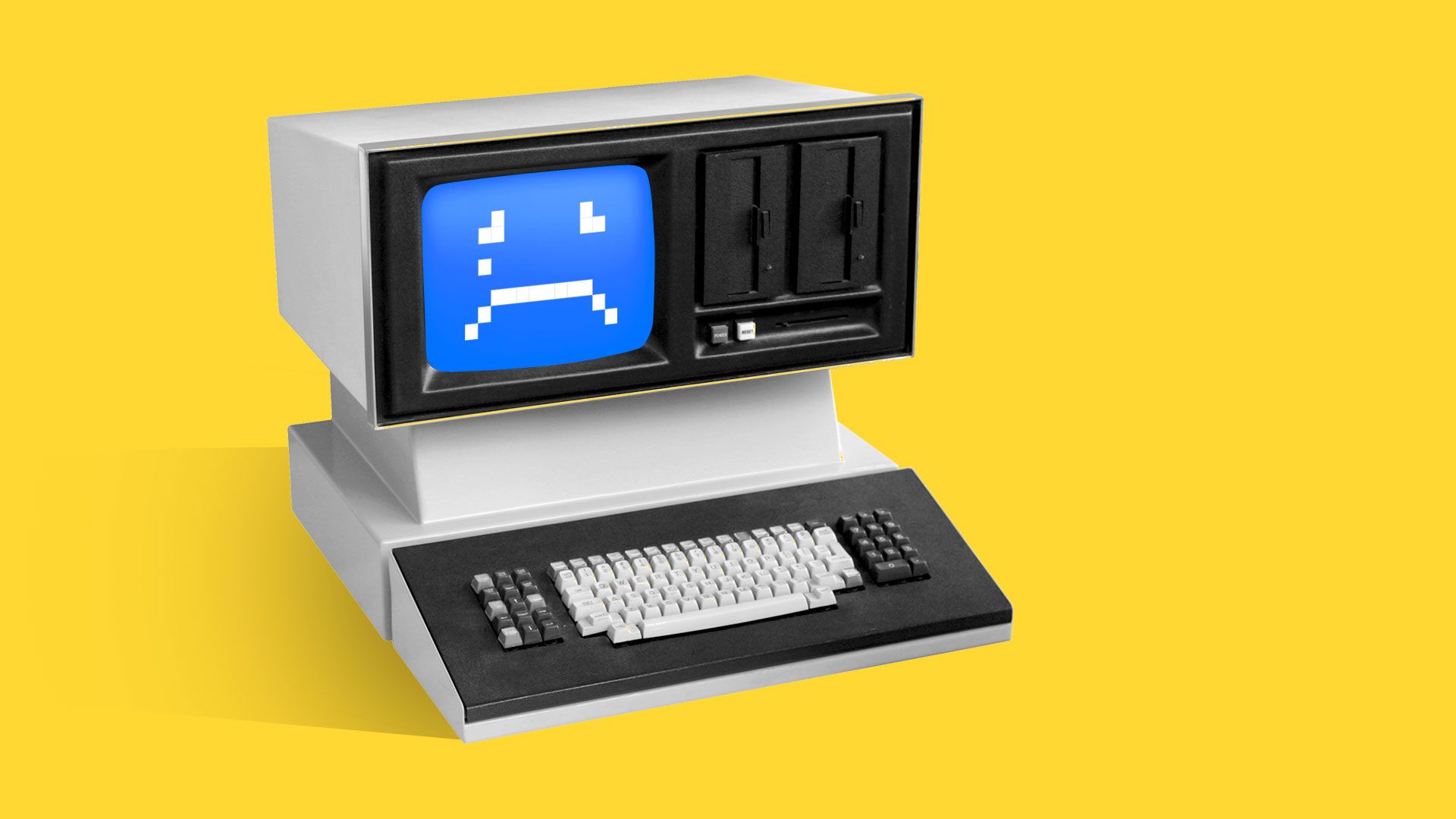
From a fatal car crash to a data nightmare, turning-point scenarios played out in several corners of the technology industry this week.
Why it matters: The utopian promise of technological progress is giving way to the very thorny challenges of balancing innovation with social accountability. That means congressional hearings, investigations, probably at least some regulation — and a lot more skepticism about the promise of the tech-driven changes that are transforming our lives.