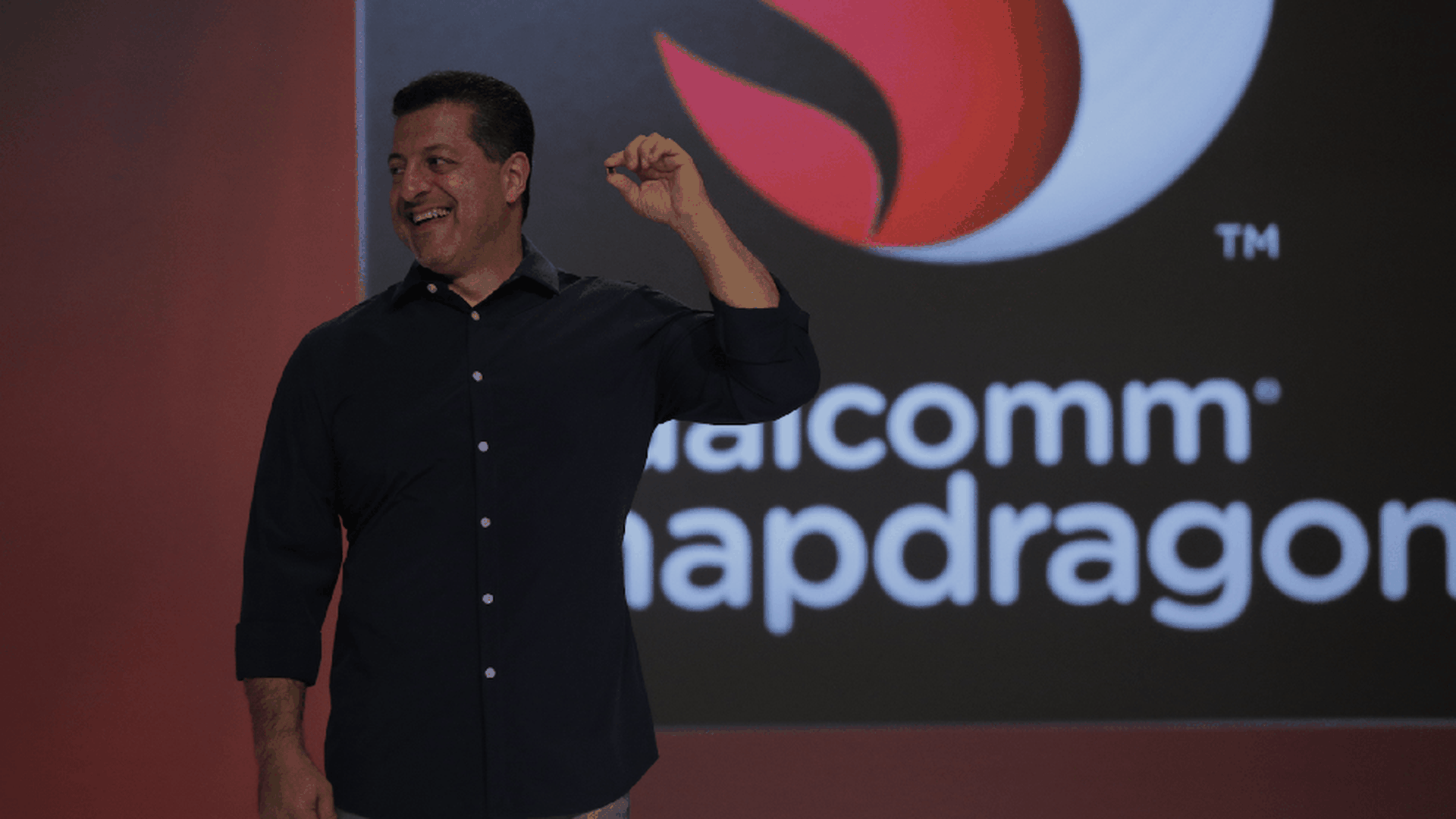
Qualcomm offered up details on its next high-end smartphone chip Wednesday, promising the Snapdragon 845 will provide higher quality video and photo capture and better battery life, among other features. It's set to start showing up in phones early next year.
Why it matters: Because it powers the vast majority of the world's high-end smartphones, whatever features Qualcomm puts into its Snapdragon chips foretell what the next crop of flagship devices will provide.
Despite all of the potential for artificial intelligence to solve our most vexing problems, it's still in a primitive state, according to a new report by Stanford University. But a separate paper, this one by Alphabet's DeepMind, suggests again that it has made some of its best progress in the narrow realm of games.
Why it matters: Those advances are important, but life isn't a game. AI progress outside of these areas has been harder to define and track. "The most important thing for AI is to go from exceptional promise to use in actual everyday life," Martial Hebert, director of the Robotics Institute at Carnegie Mellon University, tells Axios.
Note: Funding data for 2017 is partial through July. Data: Artificial Intelligence Index; Chart: Chris Canipe / Axios
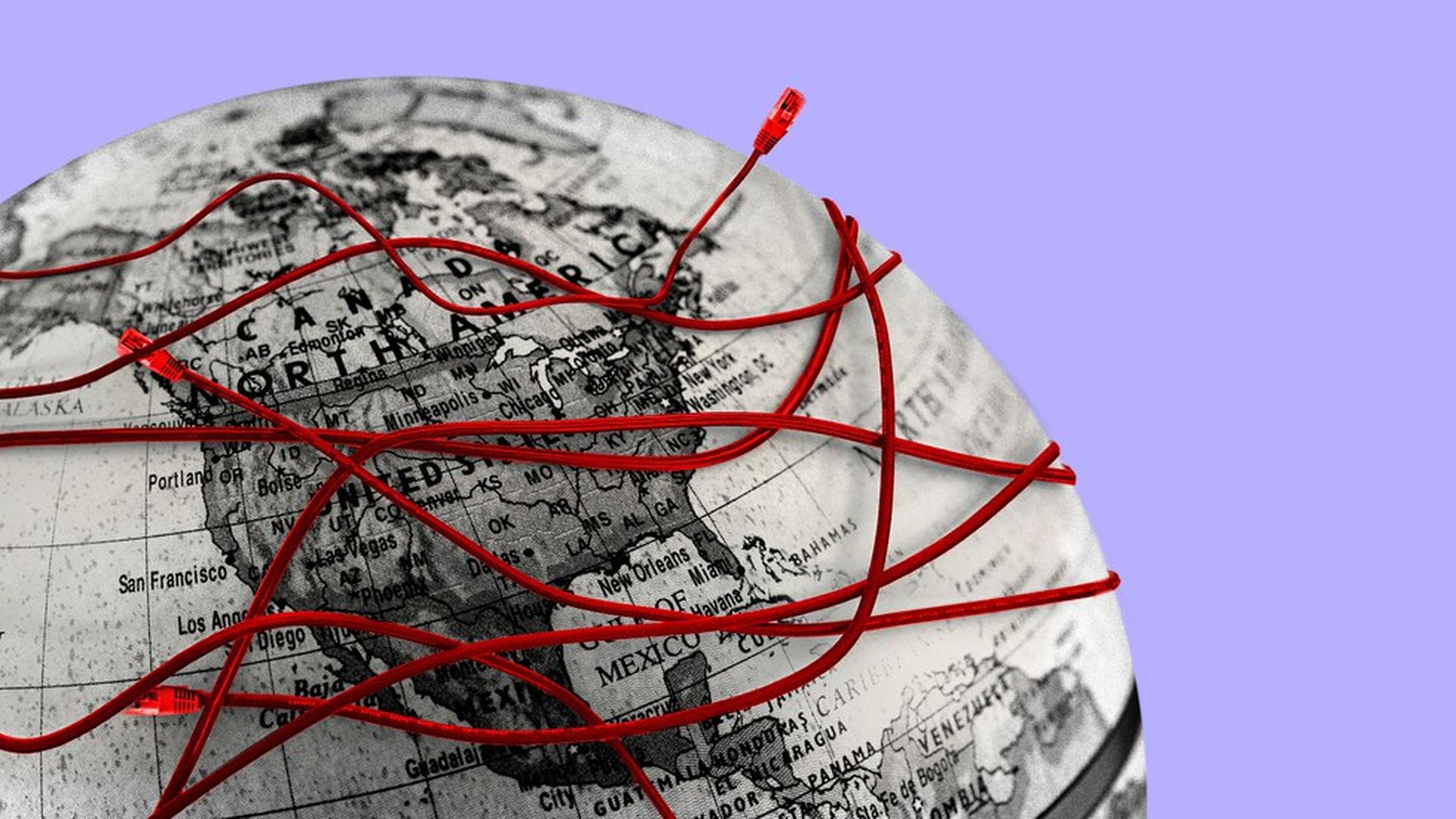
Technology companies are facing growing international obstacles affecting how their most valuable asset — data — flows across borders. New trade agreements and laws are affecting how companies share and store their troves of data around the world.
Why it matters: For decades, trade talks centered around tangible goods such as oil, agriculture and cars. But now that the economy is rooted in data that has to cross borders to meet the demands of global business, rules governing how data is housed and accessed are at the forefront of trade conversations.
Internet providers that want to see net neutrality rules repealed pointed Tuesday to Google's move to block YouTube from Amazon's Fire TV as evidence that Silicon Valley giants, not telecom companies, are threatening competition on the web.
What they're saying: "Broadband ISPs are committed to providing an open internet for their customers, including protections like no content blocking or throttling," said Jonathan Spalter, the chief executive of the trade association USTelecom. "Seems like some of the biggest internet companies can't say the same. Ironic, isn't it?"
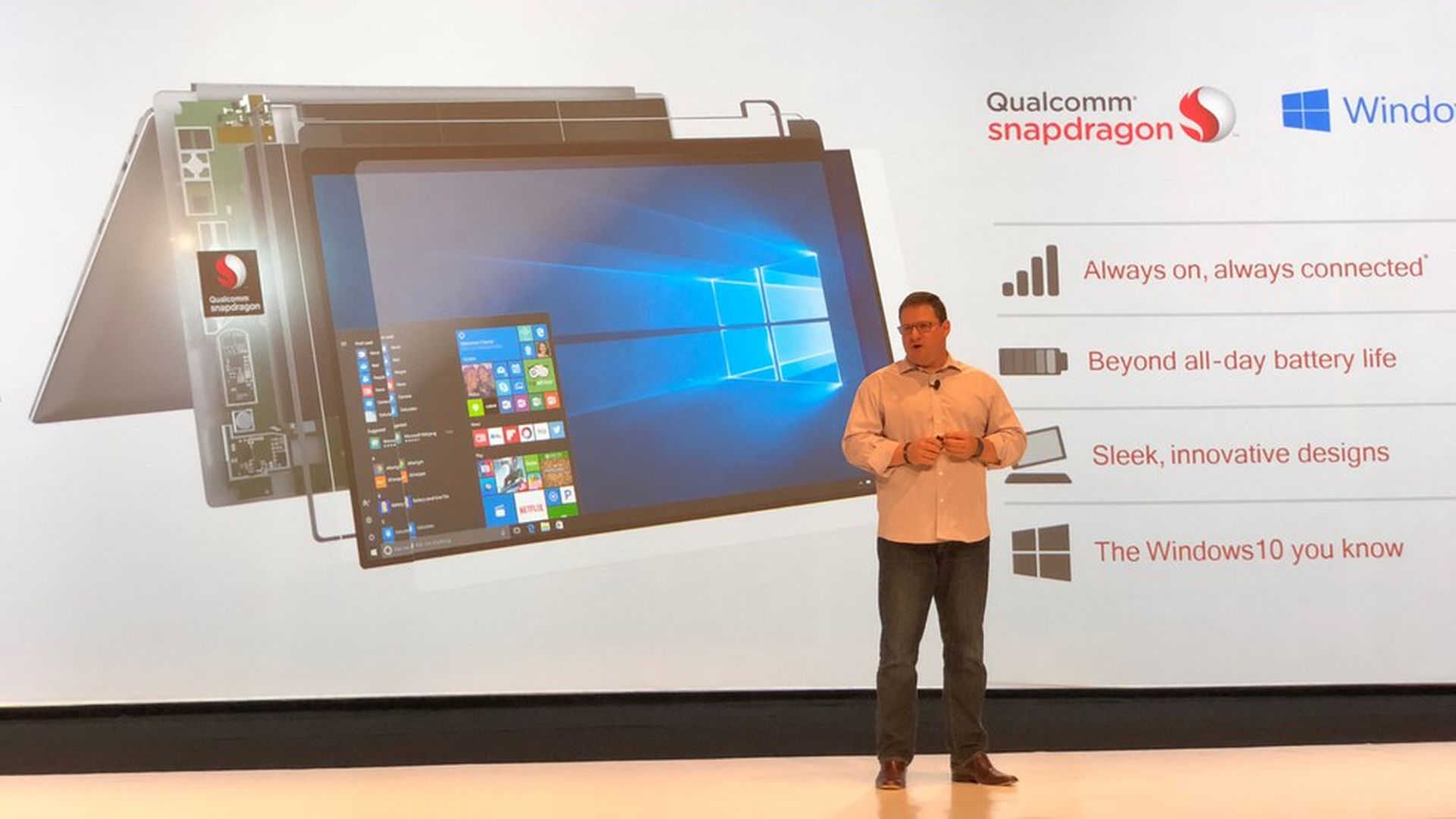
After several years of planning, Qualcomm, Microsoft and several PC makers are showing off a new crop of "always-connected" computers Tuesday that run Windows on top the kinds of chips used in smartphones rather than traditional Intel processors.
The result, the companies say, are thin, light machines that have built-in cellular connections along with enough battery life to run for 20 hours between charges. The first such PCs could show up by the end of the year, with broader availability and more options expected in the spring.
Why it matters: For consumers, the new type of PC could be a good option for road warriors. For Qualcomm, it offers the potential to gain a share of the PC market as its core smartphone business comes under increasing pressure from a range of rivals.
Awkward: Fidelity is the latest addition to a small list of investors that have backed both Uber and Lyft. Others include Troy Carter and Alphabet (via separate investment arms). But making things even more awkward is that Fidelity was among the group of investors that pushed Uber co-founder Travis Kalanick to resign in June.
Australia is the latest major ad market to launch an antitrust probe into the dominance that is big U.S. tech. Its competition regulator said Monday that it would investigate whether Facebook and Google "have disrupted the news media market to the detriment of publishers and consumers," per Reuters.
Why it matters: All of the most sophisticated ad markets in the world are very publicly tackling tech antitrust, except for the U.S., which has seen a significant portion of its ad revenue and e-commerce move to Google, Facebook and Amazon. This follows Japan and the E.U. in efforts this year to curb the dominance of the likes of Google, Amazon and Facebook.