Friday's technology stories

Three Uber security managers resign
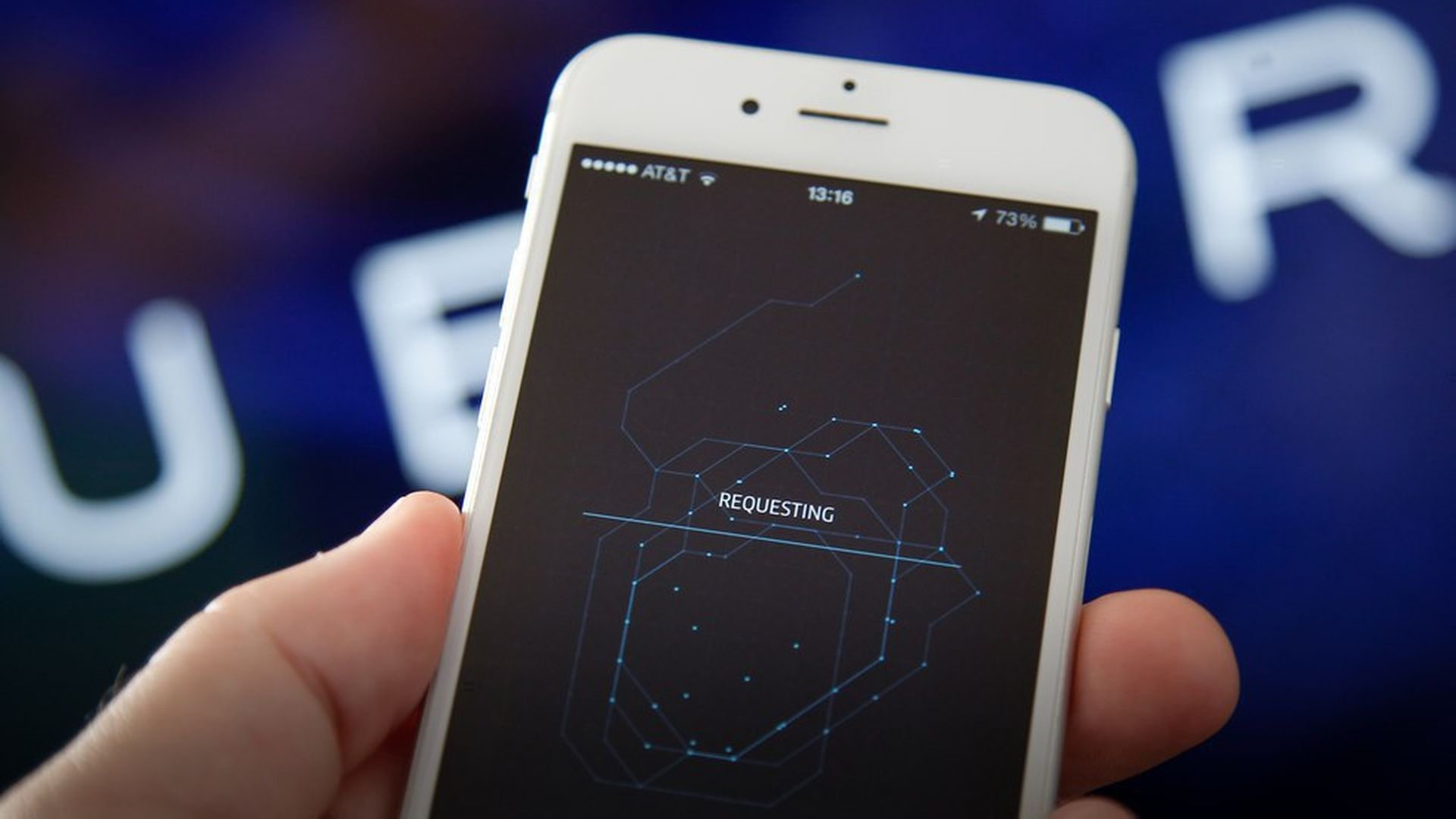
On Friday, three managers in Uber's security division resigned, as Reuters first reported and the company confirmed to Axios. A fourth, head of global threat operations Mat Henley, reportedly is now on a three-month medical leave.
Between the lines: Though an Uber spokesperson stressed that the resignations aren't related to any ongoing investigations and completely voluntary, it's not hard to see that the security team has been under tremendous pressure, scrutiny recently. Last week the company fired its security chief for concealing a 2016 data breach, and earlier this week, Uber's new chief legal officer blasted the company's old surveillance tactics for gathering information about competitors, which came to light via its ongoing legal battle with rival Waymo (though none of the managers resigning worked on the team referenced in this week's court hearings).

Verily heads to K Street
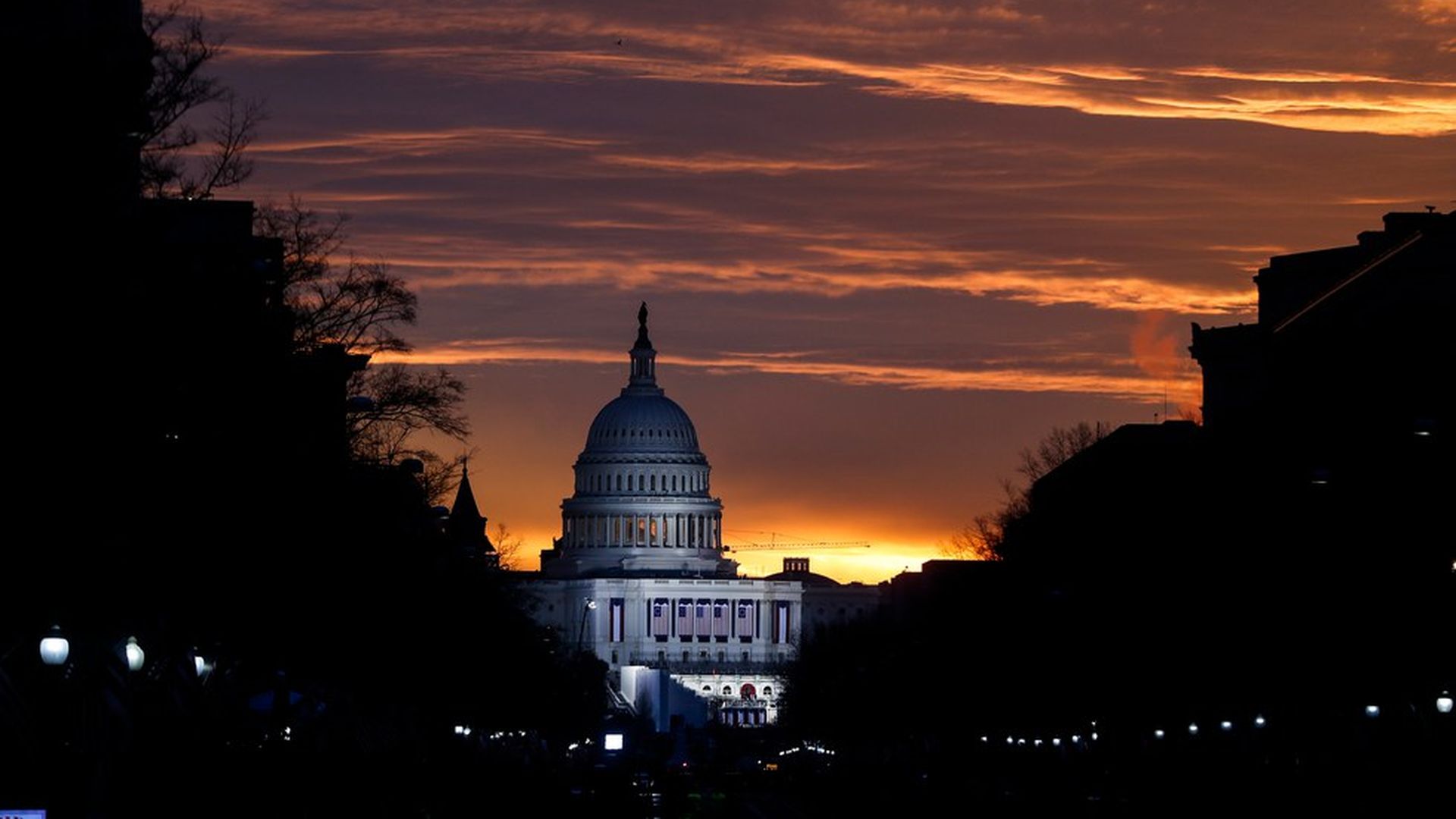
Verily Life Sciences, Alphabet's biotech and health data startup, hired D.C. lobbying shop Mehlman Castagnetti Rosen & Thomas this week for various health care and data science issues, according to federal lobbying records — the first such lobbying registration for Verily. The company declined to comment.
Why it matters: Verily, by its nature of being tied to Google and Alphabet, is a highly watched health care startup still in its early stages that clearly wants to build its federal presence. It's not all smooth sailing, though. A STAT investigation from 2016 revealed many top employees have left Verily due to its "divisive" CEO Andy Conrad.
Worth noting: Robert Califf, a former FDA commissioner under President Obama, is an adviser at Verily.

Trump says Tillerson is not leaving
President Trump addressed the rumors that his Secretary of State Rex Tillerson might be leaving, insisting that he's not going anywhere.
Why now: Reports surfaced yesterday that Tillerson was on his way out possibly "within a few weeks" and that he would be replaced by CIA Director Mike Pompeo.

House panel advances bill on key surveillance measure
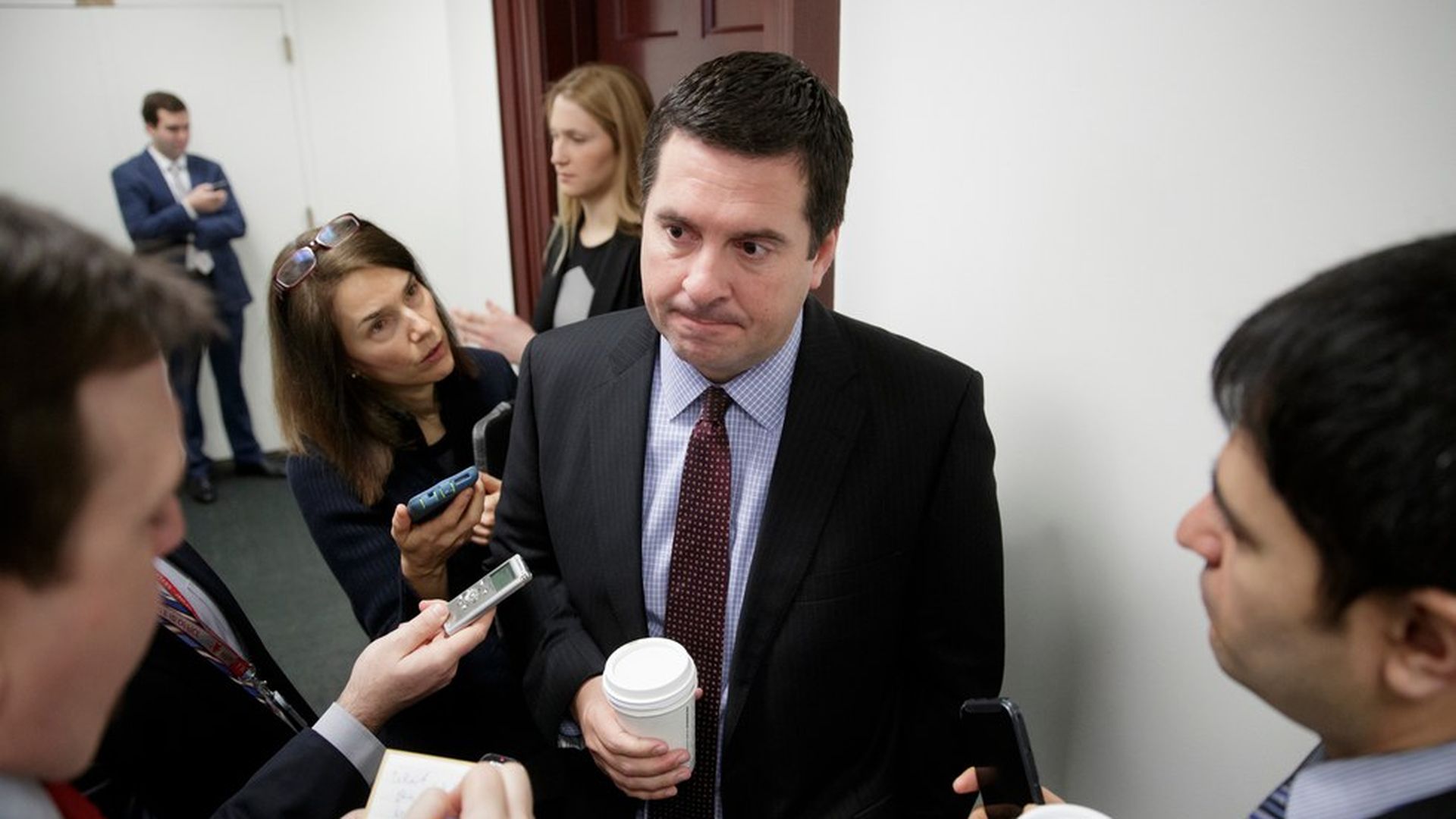
The House Intelligence Committee approved a bill Friday along party lines that would reauthorize a central surveillance law, the Washington Post reports. It does change the law — known as Section 702 — but doesn't satisfy surveillance reform advocates, including in the tech industry.
The law is used to authorize the surveillance of electronic communications by foreign nationals abroad, but advocates worry about the programs picking up communications involving Americans as well.
Why it matters: If lawmakers don't address it, the law will expire at the end of the year.

Current Uber employees have restriction on stock sales to SoftBank
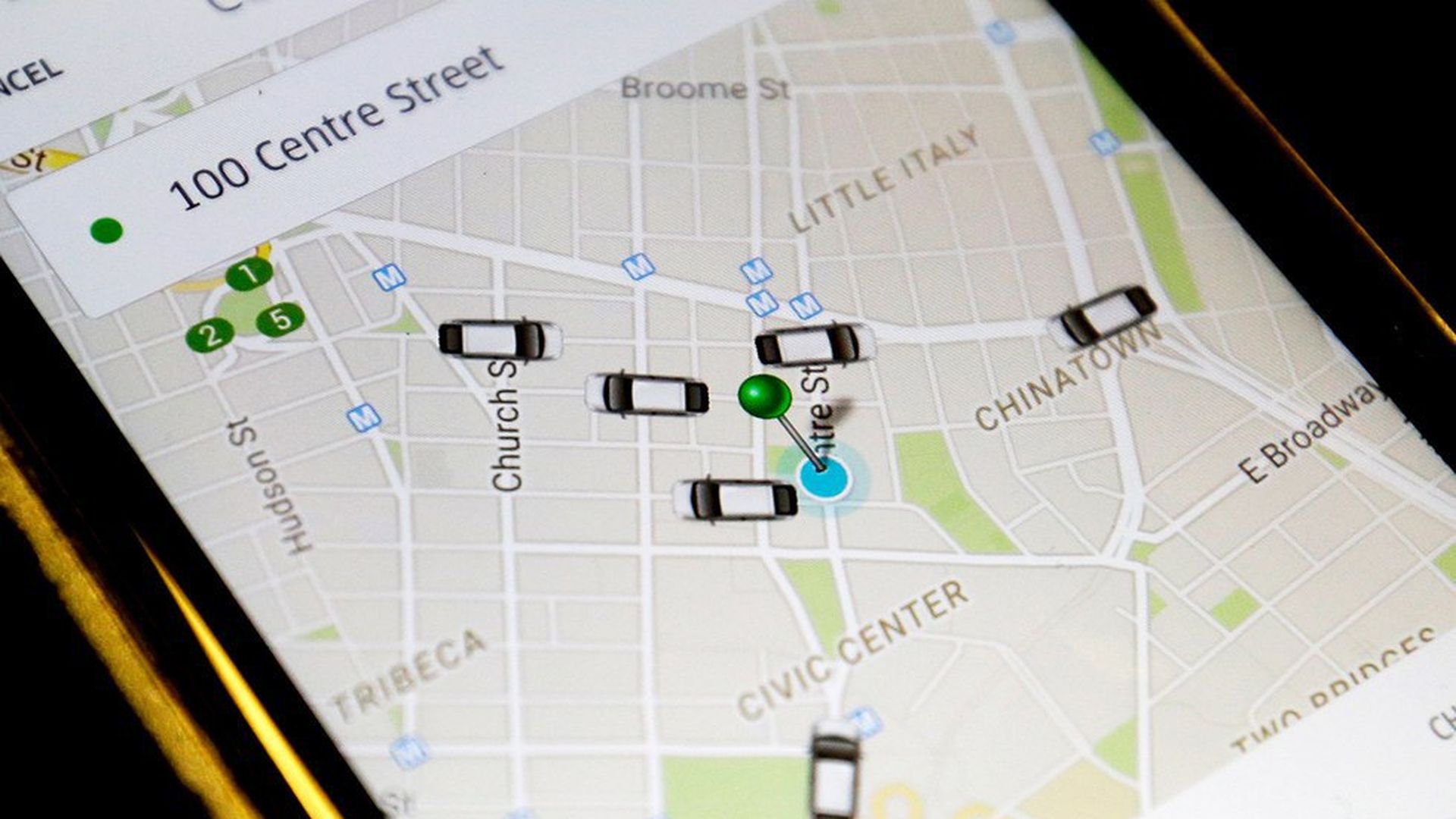
Current Uber employees eligible to sell shares to SoftBank are only allowed to tender up to 50% of their holdings, while there are no such restrictions on outside investors or former employees, according to multiple sources. The vast majority of Uber employees are not eligible, because they received restricted stock units rather than stock options.
Bigger picture: For years there has been alignment of interests between current and former Uber employees, in terms of stock value. This restriction changes that dynamic.
Instacart is surviving the Amazon-Whole Foods deal just fine
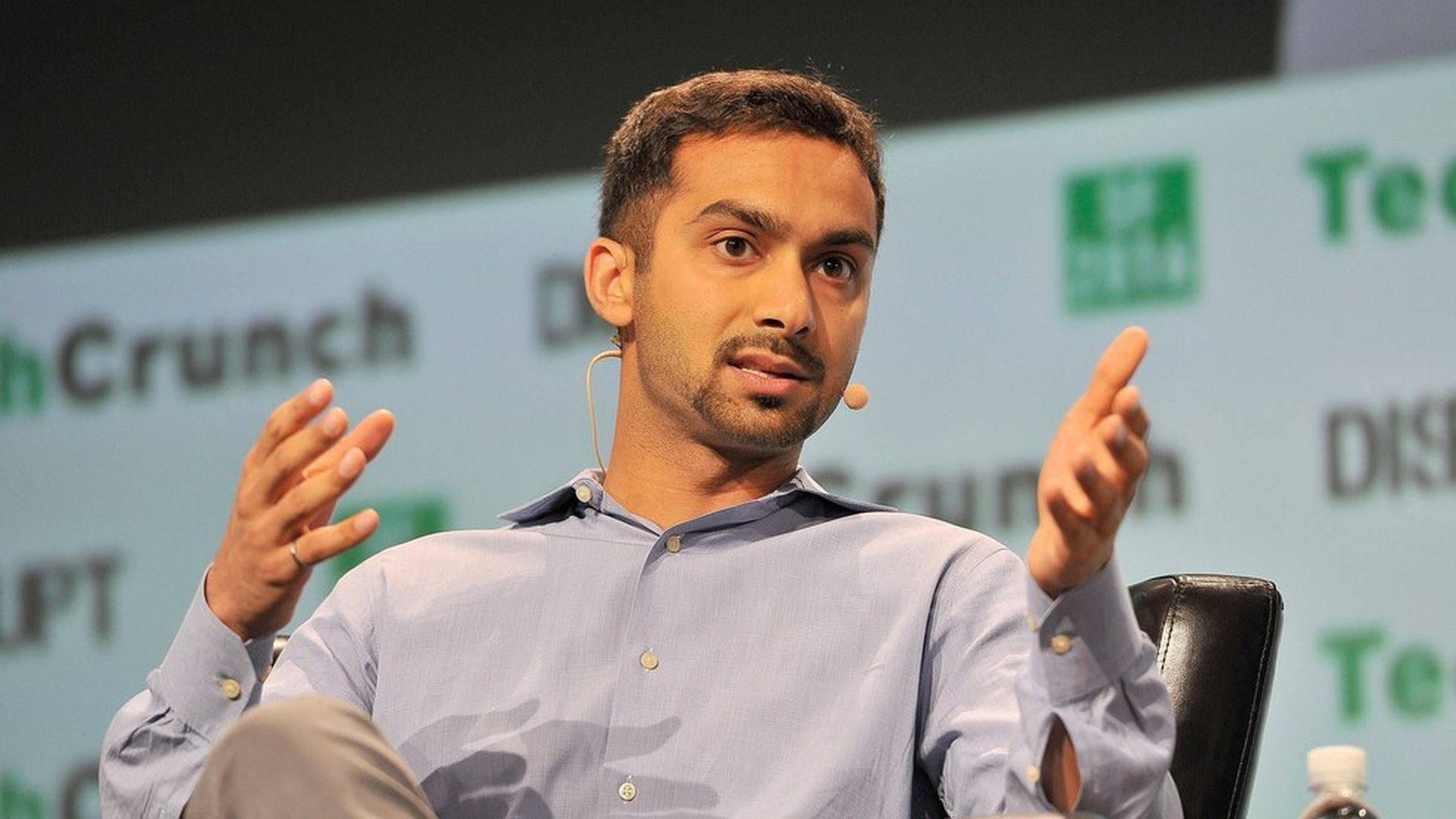
When Amazon agreed to buy Whole Foods back in March, some viewed it as a death knell for grocery delivery unicorn Instacart (whose best known customer, at the time, was Whole Foods). We offered both a bull and a bear case — the former basically being that fear of the Bezos Borg would drive other grocers into Instacart's arms.
It seems the bull case was correct, as Instacart has been on a big customer acquisition spree. Two weeks ago it was Canadian chain Loblaw. Earlier this week it was U.S. giant Albertsons, which means Instacart is now partnered with five of North America's top six grocers. The only hold-out continues to be market leader Walmart, which seemingly would have the most to gain by taking some wind out of Amazon's sails.

The most impressive surveillance state in history
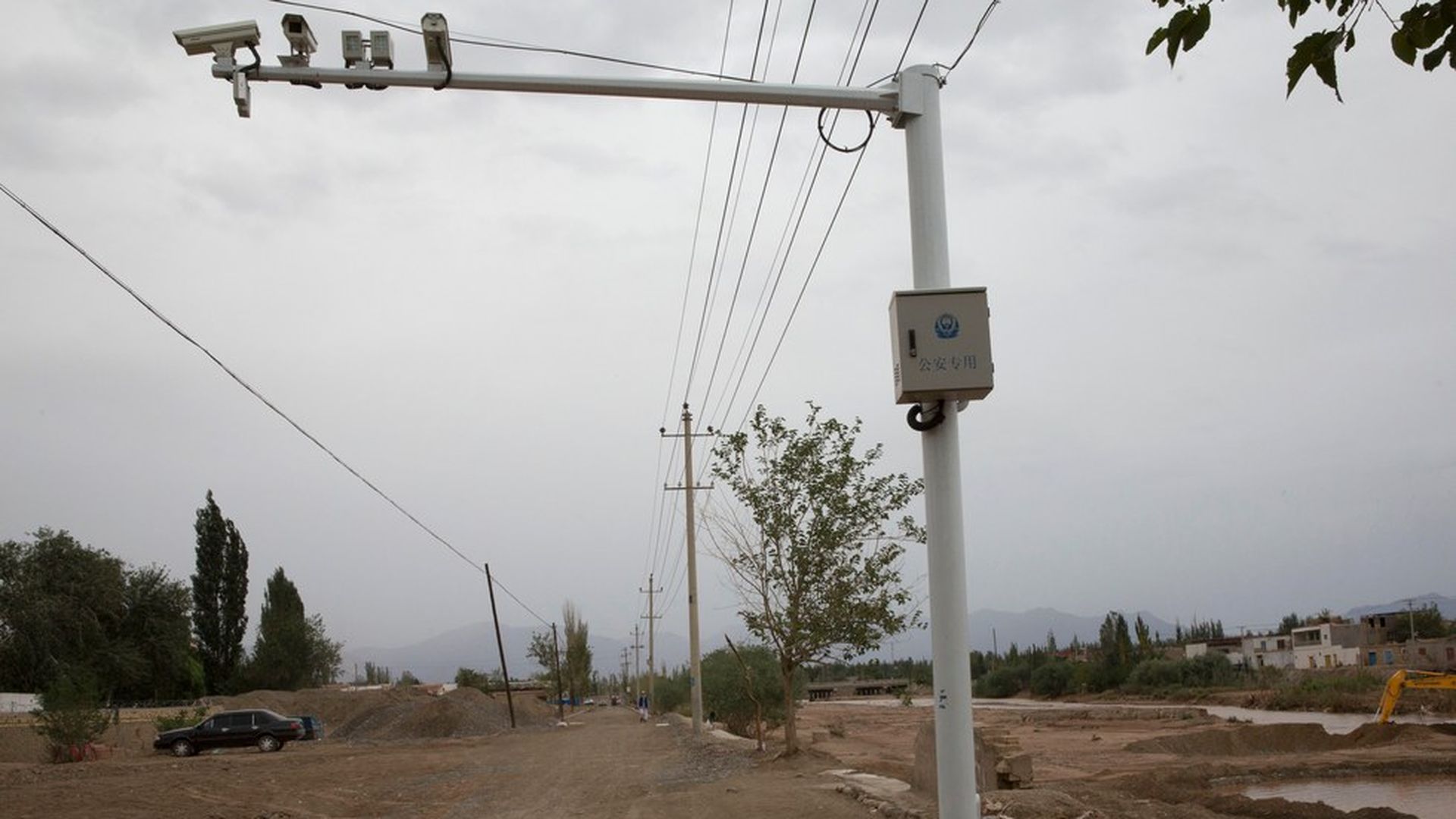
China's embrace of big data and surveillance technologies has the country well on its way to creating the most impressive surveillance state in history.
Why it's happening: The Chinese Communist Party needs help from private sector firms, and those firms in turn need to stay in political good graces to be successful.

How Finland rebuilt its tech economy despite a smaller Nokia
/2017/12/15/1513307304170.gif?w=3840)
Though not as widely known as Web Summit or other international tech conferences, the Slush conference manages to draw 20,000 techies to Helsinki even in the cold and dark of late November. Walking the halls, you see all manner of Finnish startups, ranging from a sleep-tracking ring to a hub for virtual travel tours.
Why it matters: It's a testament to how Finland has tried to rebuild its tech sector, an area once dominated by Nokia. After missing out to Apple and Google in the smartphone race, Nokia shed its phone business and went through round after round of layoffs. It's remade itself as a network equipment maker, but only employs 6,000 people in Finland, down from 20,000 at its peak.
Uber's new legal chief tells staff to cease surveilling competitors
Uber's new legal chief, Tony West, has been on the job since Monday and he's already beginning to dismantle some of the company's most controversial practices. According to an email obtained by Recode, whose authenticity Uber confirmed to Axios, West told the team to immediately cease any work involving surveilling competitors' employees.
Background: Earlier this week, these practices came under a spotlight as part of Waymo's lawsuit against the ride-hailing company after a letter from a former Uber security employee emerged. During two court hearings, the former employee, along with three others from the same division, described some of the company's methods for gathering information about competitors, both on and offline.
- This specific team reported up to chief security officer, who was fired last week for concealing a 2016 hack of 50 million customers' data.

U.K. consumers sue Google over data collection
A group of U.K. consumers sued Google over allegations that it misused personal data from millions of iPhone users, Bloomberg reports. The group, representing 5.4 million customers, claims Google used an algorithm to trick iPhones into releasing personal data from the Safari browser in 2011 and 2012. Google disputes the claims, telling Bloomberg they "don't believe it has any merit and we will contest it."
Across the pond: European regulators have been much more aggressive in cracking down on tech companies over privacy concerns. Richard Lloyd, the consumer advocate leading the case, said the point is to "send a strong message to Google and other tech giants in Silicon Valley that we're not afraid to fight back if our laws are broken."
Fact checking Trump's anti-Muslim retweets
Anti-Muslim videos that were re-tweeted by President Trump include false descriptions, per an AP Fact Check by Cal Woodward: "One video shows a young man attacking another who is on crutches, near a river bank. It was originally posted to a Dutch viral video site in May and picked up by Dutch media." Jayda Fransen, the deputy leader of Britain First, an ultranationalist group, tweeted: "VIDEO: Muslim migrant beats up Dutch boy on crutches!" But the victim was not attacked by a Muslim migrant.

British political leaders blast Trump's anti-Muslim retweets

British Home Secretary Amber Rudd told MPs that President Trump was "wrong" to retweet videos from far-right group Britain First. And, in response to a suggestion from MP Peter Bone that Trump should delete his Twitter account, she responded, "I'm sure many of us might share his view."
Another voice: London Mayor Sadiq Khan issued a statement this morning calling on Prime Minister Theresa May to cancel Trump's planned state visit, calling Trump's retweets "a betrayal of the special relationship between our two countries."
Uber pushes back on ex-employee's claims in Waymo case
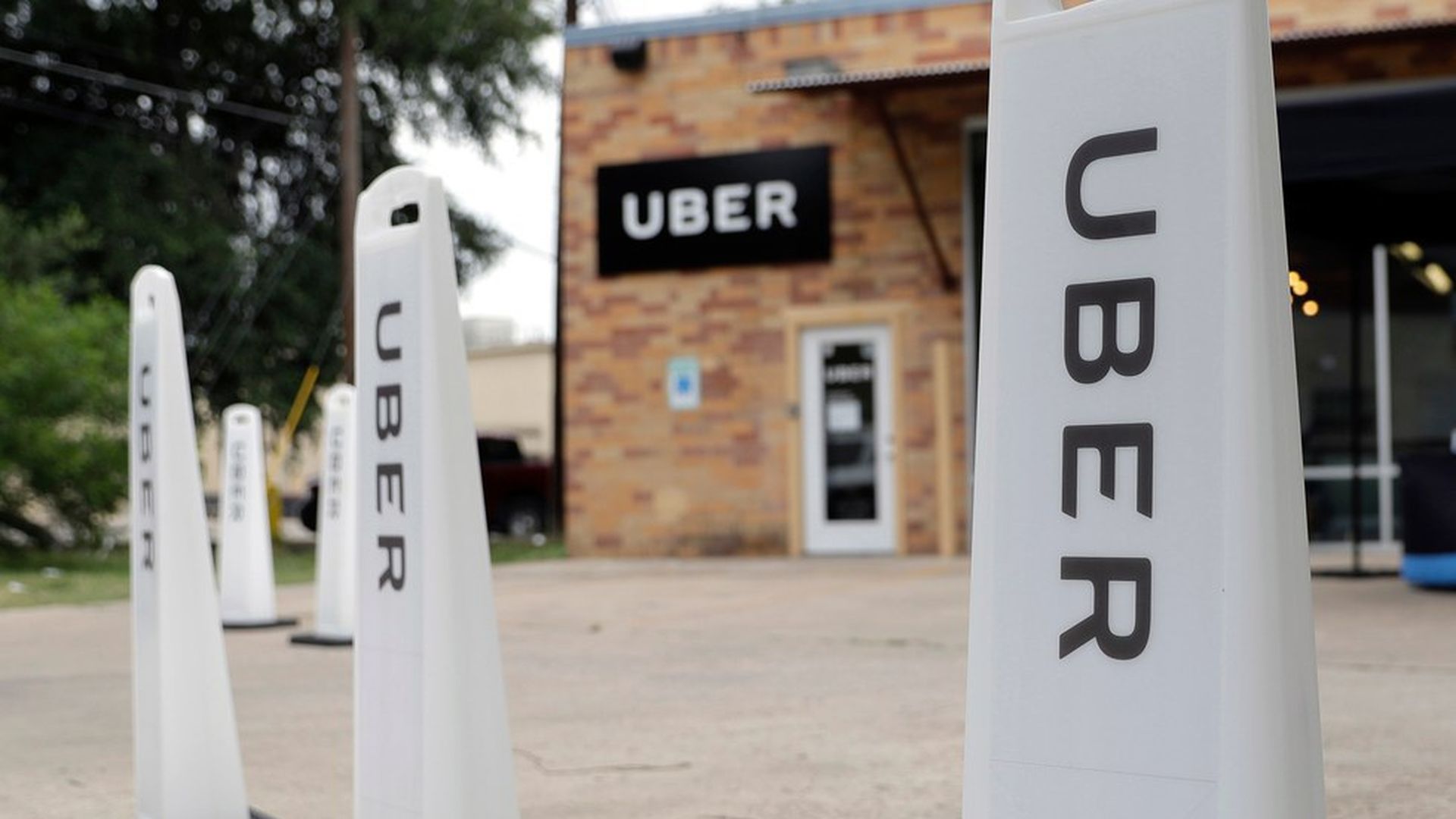
In a second court hearing this week, Uber employees testified that a disgruntled former colleague, Richard Jacobs, attempted to extort money from the company when he sensed he was on the verge of getting fired. Jacobs made explosive allegations of misconduct by Uber in a letter he sent the company in May, which the Justice Department sent to the judge presiding over its dispute with Waymo last week.
The big question: As the presiding judge still wants to know, if Uber didn't find merit in the former employee's allegations that it was crossing legal and ethical lines and even believes he sought to extort a payout, then why did Uber agree to hire him as a consultant and pay him a hefty $4.5 million after the fact?
What's next: The trial has been delayed until early February.