Thursday's technology stories

Samsung granted self-driving car testing permit in California
Samsung has obtained a permit to test self-driving cars in California, according to an update to the state's DMV website. A few months ago, the tech giant was granted a similar permit in its home country of South Korea.
Context: It's not surprising to see Samsung venturing into self-driving car technology—it recently acquired Harman, a maker of auto tech, for $8 billion. Rival Apple has also obtained a self-driving car testing permit in California and is reportedly working on a car project.
TechCrunch first spotted Samsung's testing permit.
Firefox co-founder Blake Ross to join Uber
Blake Ross, best known for co-founding Mozilla's Firefox Internet browser, will be working for Uber on product strategy, he wrote on Facebook on Thursday. However, he adds that it "won't be a full-time project." Uber confirmed his hiring to Axios.
The last several months have been tumultuous for Uber, including multiple lawsuits, board unrest, and the resignation of its CEO. It's also lost several notable employees, managers, and executives, so Ross's hiring shows it is still an attractive company to technologies. Ross got his start at Netscape in the early 2000s and eventually helped create the Firefox browser. After that, he co-founded a startup named Parakey, which he sold to Facebook. He left the social media giant in 2013.
Lawsuit over Uber's anti-Lyft program dismissed
On Thursday, a California federal court dismissed a lawsuit filed by a driver against Uber over the company's secret program that tracked Lyft drivers, an Uber spokesperson told Axios. The former driver sought compensation for breach of his privacy and violations of federal and state laws after a news report about the program emerged.
How it worked: According to the report, Uber created fake Lyft driver accounts and tracked each driver's habits. It then targeted drivers who work for both services with promotions to get them to spend more time driving for Uber.

Apple to FCC: Don't allow 'fast lanes' on the internet
Apple told the Federal Communications Commission that it doesn't care what legal structure it uses to protect open internet rules, "but only if they provide for strong, enforceable, and legally sustainable protections, like those in place today."
- No fast lanes: Apple focused its comments on the need for rules that allow consumers to reach all lawful online content, including banning ISPs from creating fast lanes.
- "Lifting the current ban on paid prioritization arrangements could allow broadband providers to favor the transmission of one provider's content or services (or the broadband provider's own online content or services) over other online content," Apple said.
- Why it matters: This is the first time Apple has formally weighed into this FCC proceeding, which asks for comments on Chairman Pai's plan to roll back the current net neutrality rules. This joins Apple with other tech heavyweights — including Google, Facebook, Netflix and Amazon — in lobbying for strong rules, including a ban no fast lanes, just as the legislative negotiations on this front also start to heat up.

Apple's Sept. 12 iPhone event to take place at new 'spaceship' campus
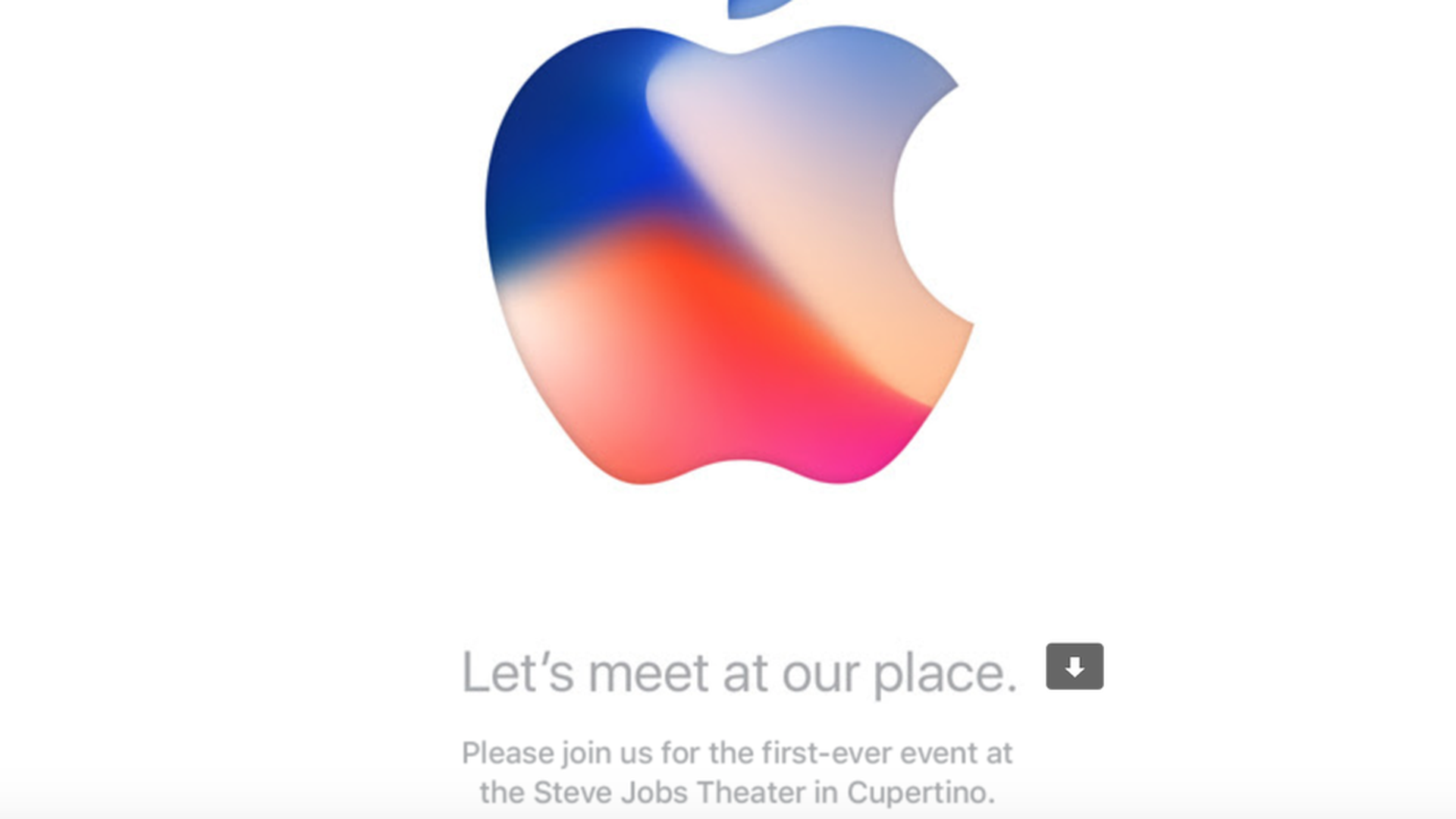
Apple on Friday sent invitations to a Sept. 12 event in the Steve Jobs Theater at its new "spaceship" campus in Cupertino.
"Let's meet at our place," reads the invitation to reporters. The most anticipate of the new products will be an all-new iPhone featuring an edge-to-edge screen, no physical home button and state-of-the-art facial recognition technology (which we wrote about this morning.)
Here's what to expect:
- Three new iPhones. Two will be modest updates to the iPhone 7 and iPhone 7 Plus, plus the high-end model detailed above
- Updates to the Apple Watch line, including models with built-in cellular connections
- An Apple TV set-top box capable of displaying 4K content
- A final version of iOS 11, an update to the iPhone/iPad operating system that supports augmented reality, among other new features
- The "High Sierra" update to MacOS
How Apple is changing facial recognition with the next iPhone
While the broad outlines of the new iPhone are now widely known, both literally and metaphorically, some of its new features have to be seen to really be appreciated, sources said. That's especially true with the facial recognition that serves as the primary means of logging into the new iPhone.
The bottom line: Those who have seen the technology say it is light years ahead of anything that has been tried commercially. A good parallel is the Touch ID fingerprint reader Apple introduced with the iPhone 5s in 2013. There had been fingerprint sensors on phones before, but none with the speed and accuracy Apple introduced. Now Apple is doing the same for faces.

Instagram: hackers stole contact info from celeb accounts
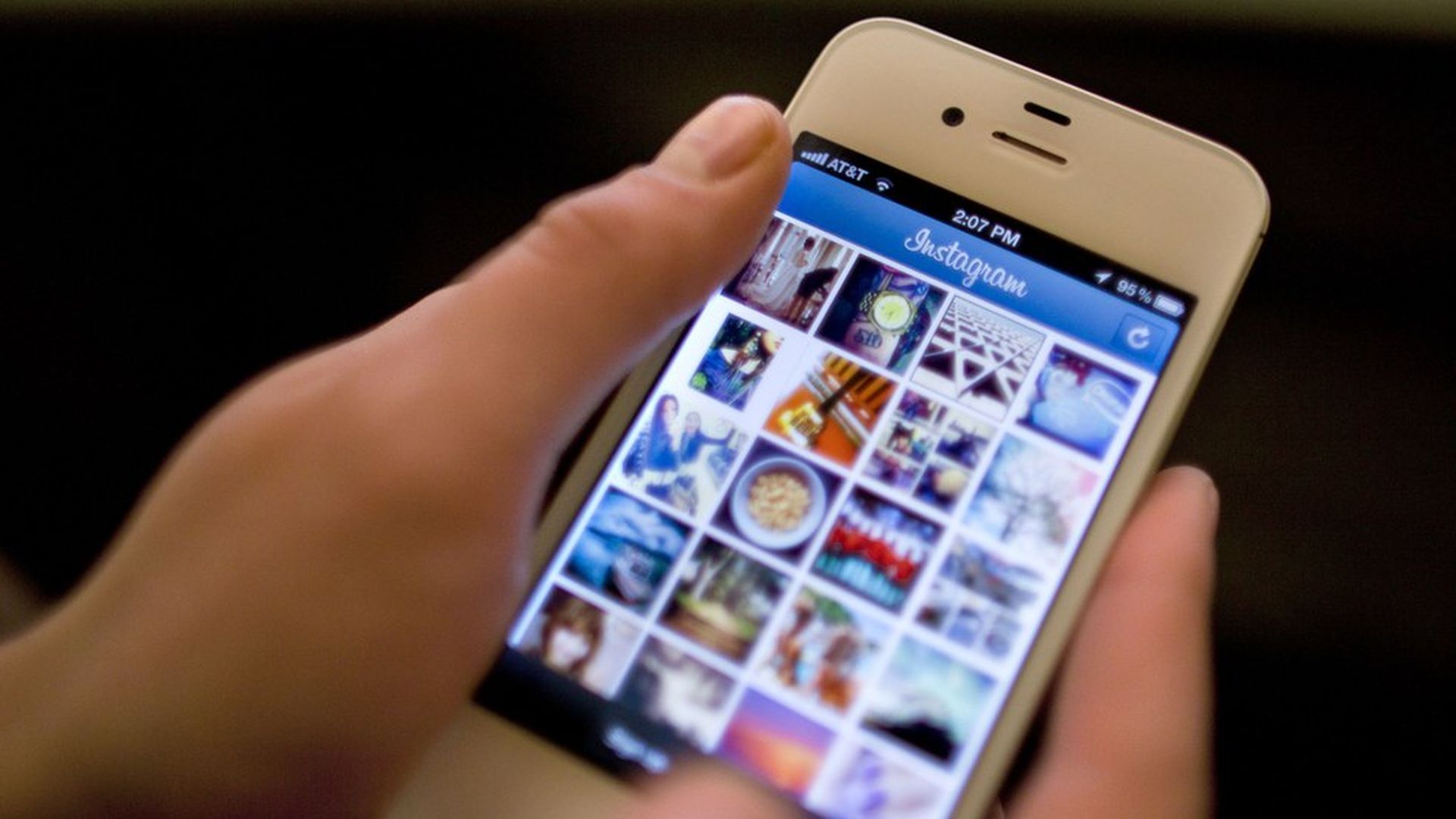
Instagram said at least one hacker had successfully breached the accounts of several high-profile users, and blamed the hack on a glitch in its system that they said has now been fixed, per Variety:
- Statement: "We recently discovered that one or more individuals obtained unlawful access to a number of high-profile Instagram users' contact information – specifically email address and phone numbers."
- The social network said the bug in Instagram's application programming interface enabled the hacker(s) to obtain a set of code that potentially contained users' contact information, but none of their passwords were exposed. Instagram believes the attack was targeted at celebrities, and has since notified all verified account holders.
- Timing: The announcement comes two days after hackers posted nude photos of Justin Bieber to Selena Gomez's account. Gomez's page, which has 125 million followers, was briefly taken down before being restored later in the day.

Researcher parts ways with Google-funded think tank
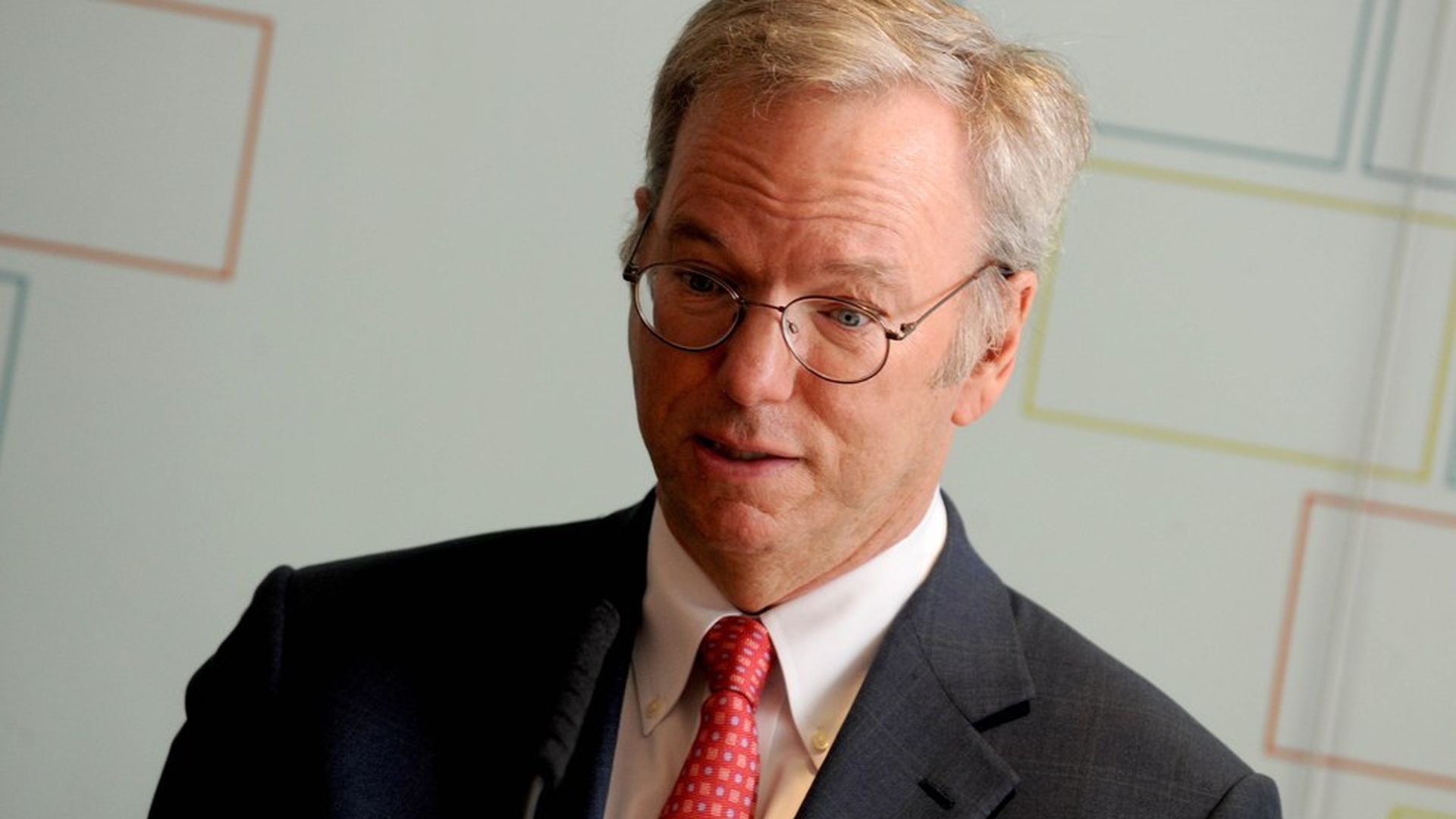
When Barry Lynn, who was employed at the New America Foundation, posted a statement on the think tank's web site praising the EU's fines against Google, Google's parent company's executive chairman, Eric Schmidt, expressed discontent with the statement. A couple of days later, Anne-Marie Slaughter, the Google-funded think tank's president, told Lynn he had to part ways with the organization, which was first reported by the New York Times.
Why it matters: Google has built a powerful influence machine in Washington in part by funding a number of advocacy and research organizations and think tanks that work in the technology policy arena, where Google is fighting a number of battles. Google has given over $21 million to the New America Foundation. Lynn's Open Markets team has been critical of tech giants' growing dominance.
Expedia finance chief takes over CEO job
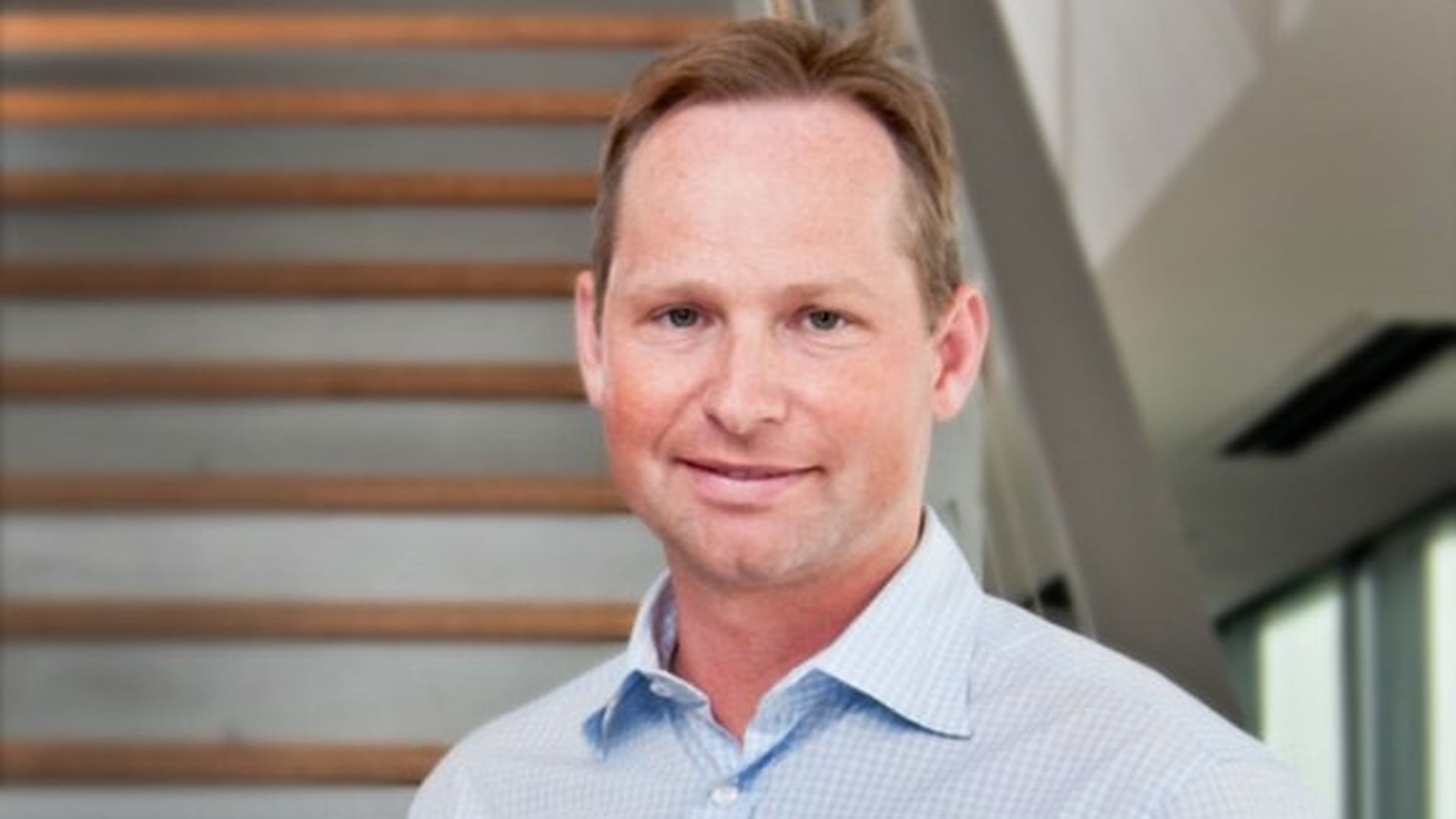
Following the departure of CEO Dara Khosrowshahi (who will now run ride-hailing company Uber), Expedia has named CFO Mark Okerstrom as its new chief executive. Axios had previously reported that he was the likely candidate to succeed Khosrowshahi.
Khosrowshahi will remain on Expedia's board of directors, said the company.
Okerstrom joined Expedia in 2006, a year after Khosrowshahi, and has been CFO since Sept. 2011. Before that, he worked as a consultant with Bain & Company in Boston and San Francisco, worked with UBS Investment Bank in London and worked as a lawyer. He has an M.B.A. from Harvard Business School and a law degree from the University of British Columbia.
Trump on North Korea: “Talking is not the answer!”
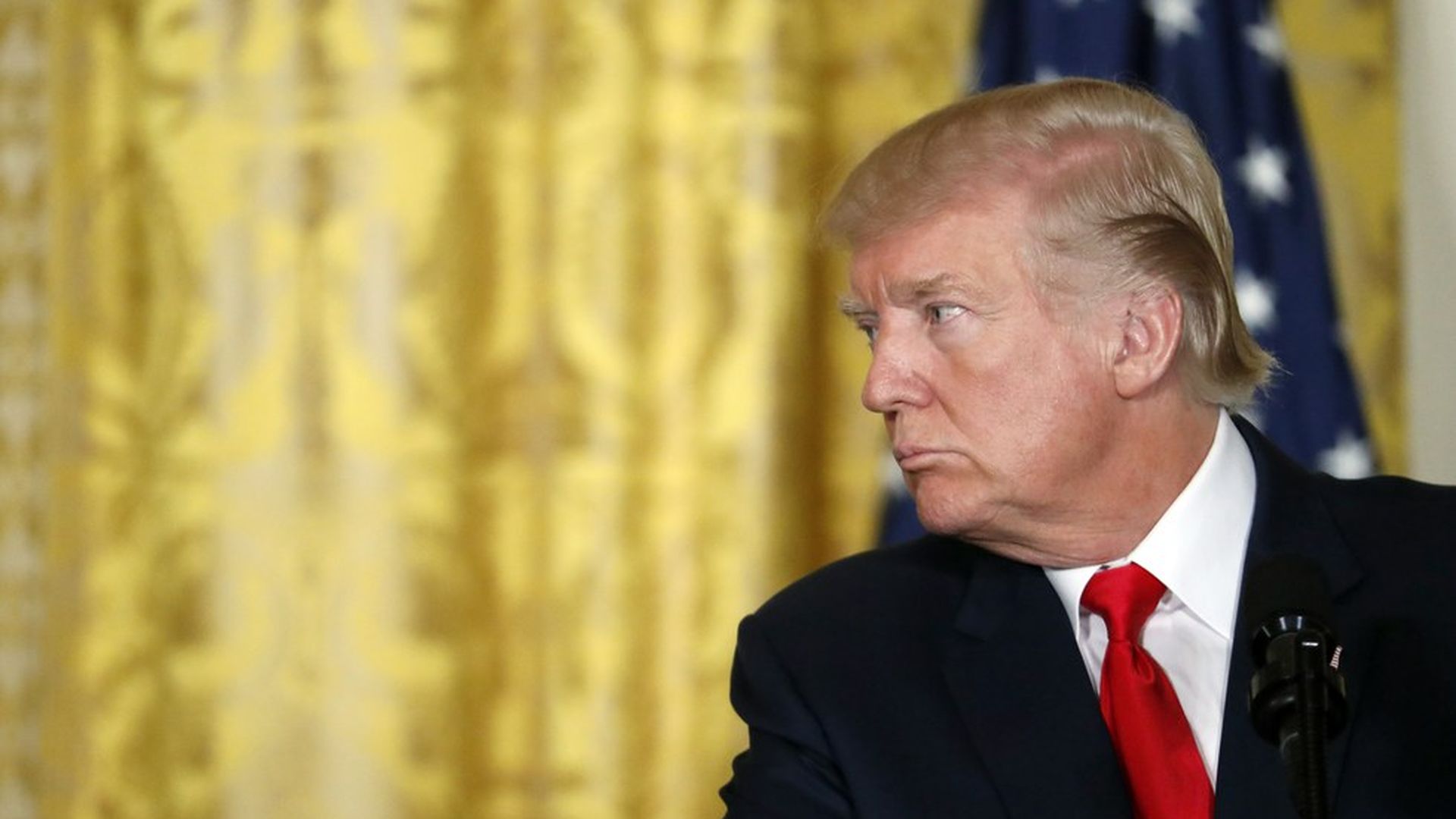
A day after North Korea launched an intermediate-range missile that passed over Japan, Trump tweeted that "Talking is not the answer!"
Why it matters: This comes after North Korea's Kim Jong-un said he would be watching "U.S. demeanors" to decide how to act in terms of whether to try containing Guam, a U.S. territory, and has already say "all options are on the table." The missile launch is a "meaningful prelude" to containing Guam, he said.
Microsoft, Amazon partner to let their digital assistants talk to each other
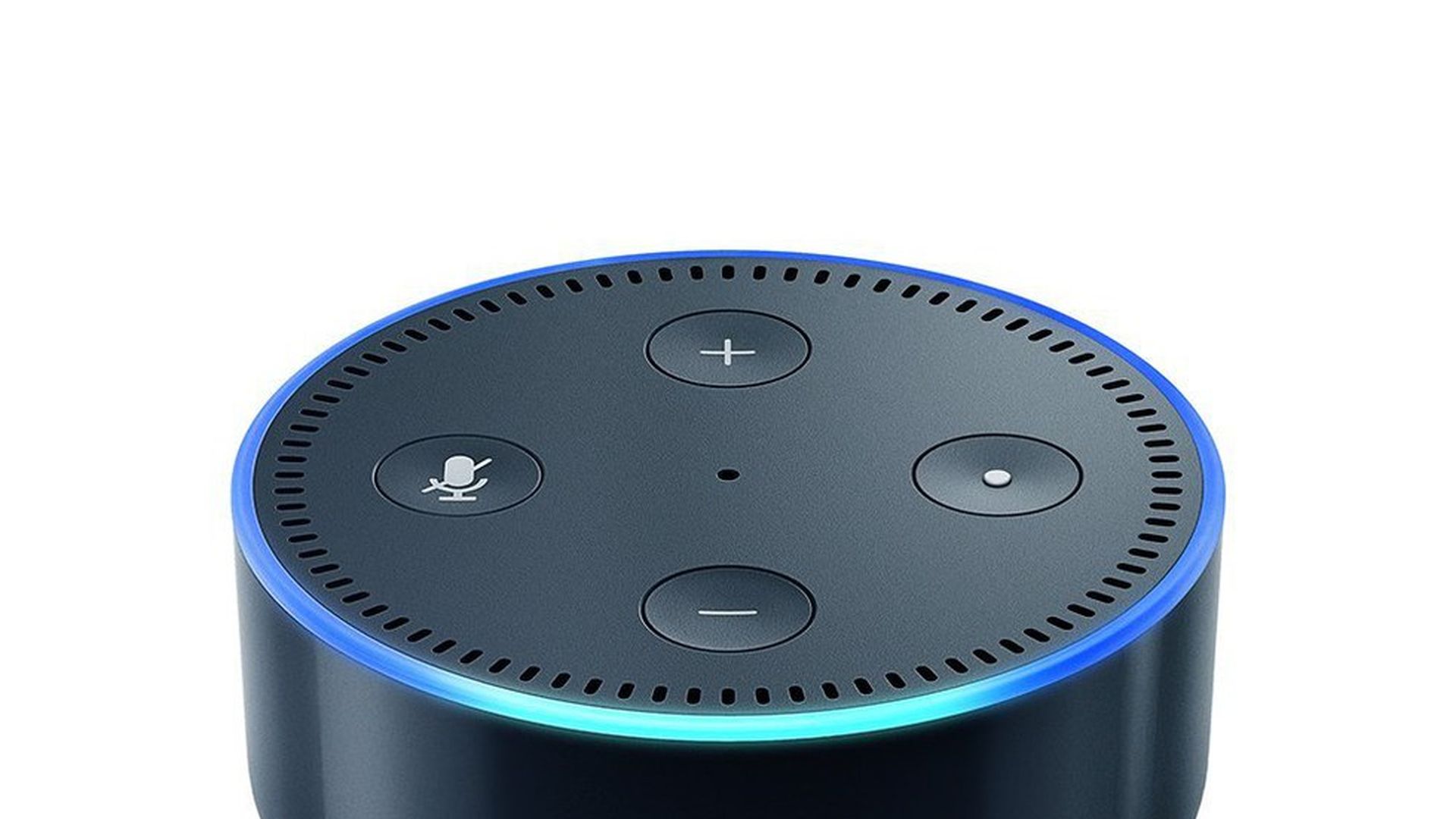
In a rare partnership, Microsoft and Amazon are working to allow their respective digital assistants, Cortana and Alexa, to talk with one another. According to the New York Times, customers will initially be able to summon Alexa from within Cortana and vice versa, but eventually the integration could run deeper.
- The move reflects the deep competition both face from Apple's Siri and Google's Assistant and the fact that Alexa and Cortana have been strong in a sphere, but not used ubiquitously.
- Interesting tidbit: The NYT article notes that both companies have been talking to carmakers about integrating their digital assistants.
- The backstory: The partnership began from an e-mail from Amazon's Jeff Bezos to Microsoft CEO Satya Nadella. In typical Amazon fashion, the proposal took the form of what a press release announcing the deal would look like (Amazon's typical way of beginning a project.) An actual press release from Microsoft and Amazon is expected later Wednesday.
The next battlefront in Google vs Apple
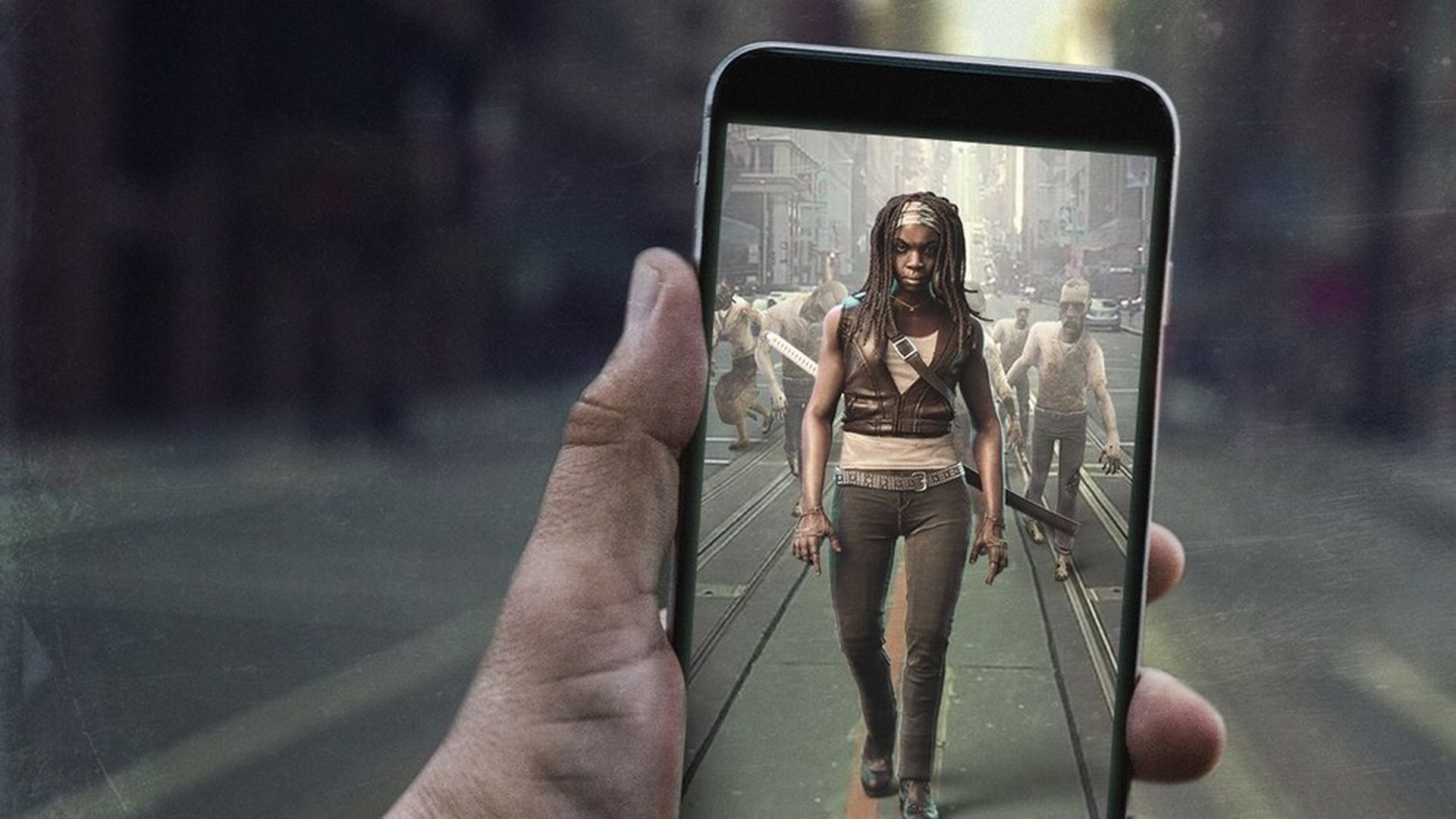
The smartphone wars aren't over. The fight has just shifted from what's inside the phone to what new things the phone can do. One of the key showdowns is over augmented reality — mixing the virtual and real worlds. And once again, it's a battle between Apple and Google, both of which are trying to pitch their mobile operating systems as the best place for AR content.
Why it matters: This will be a billion-dollar battle between two of the largest companies on Earth and the results will define the next generation of smartphones. (Oh, and Facebook is involved, too...)
The rise of car rentals for the "gig economy"
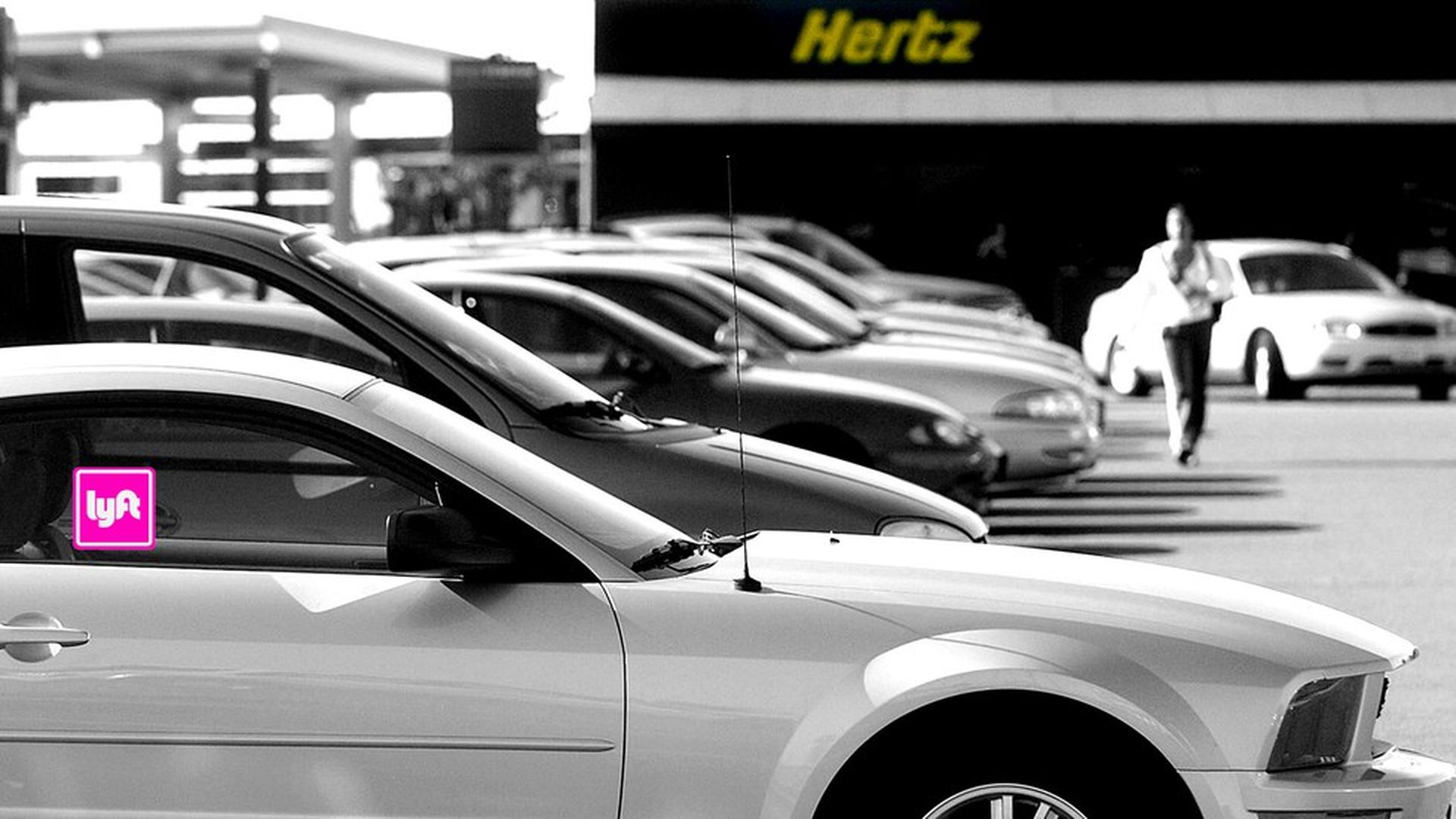
The on-demand economy of ride-hailing and delivery services were initially built on the idea that drivers are looking to put their idle cars to use to make a few extra bucks. As it turns out, a growing number of these on-demand drivers want the gigs but don't own a car (or one that fits the services' requirements). To fill that void, a small cottage industry has sprung up over the past few years to make cars available for these car-less drivers.
Why it matters: The rise of these car services bring up questions about the future of car ownership. Between 2010 and 2015, car-less living began to slowly grow after decades of the opposite trend. Companies—especially automakers and car rental providers—are increasingly experimenting with car-sharing and other models. The constant need for new drivers, coupled with the car-ownership shift means that ride-hailing services like Uber and Lyft are looking for new ways to equip their drivers with vehicles to, well, drive.