Wednesday's technology stories

Instagram: hackers stole contact info from celeb accounts
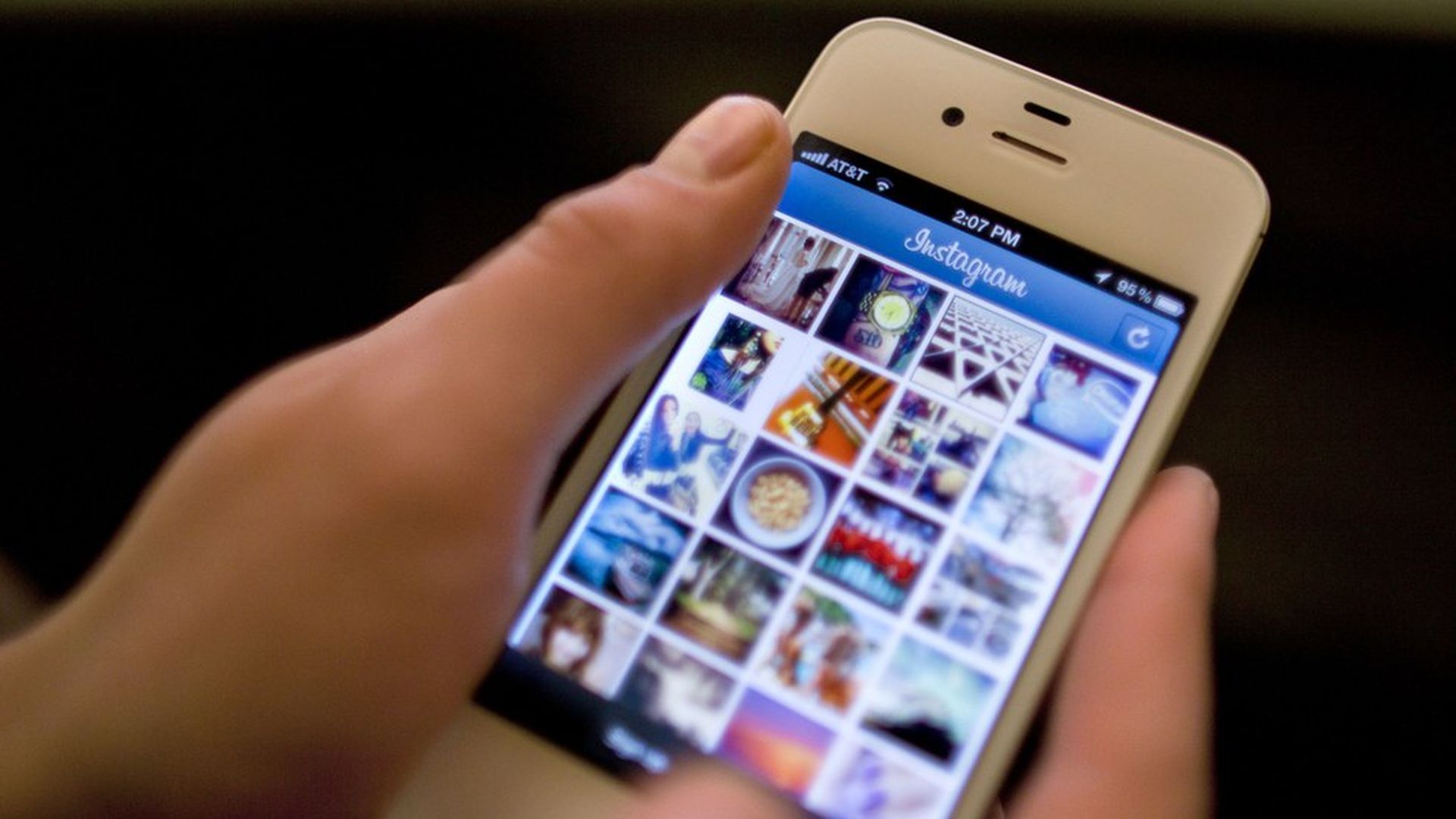
Instagram said at least one hacker had successfully breached the accounts of several high-profile users, and blamed the hack on a glitch in its system that they said has now been fixed, per Variety:
- Statement: "We recently discovered that one or more individuals obtained unlawful access to a number of high-profile Instagram users' contact information – specifically email address and phone numbers."
- The social network said the bug in Instagram's application programming interface enabled the hacker(s) to obtain a set of code that potentially contained users' contact information, but none of their passwords were exposed. Instagram believes the attack was targeted at celebrities, and has since notified all verified account holders.
- Timing: The announcement comes two days after hackers posted nude photos of Justin Bieber to Selena Gomez's account. Gomez's page, which has 125 million followers, was briefly taken down before being restored later in the day.

Researcher parts ways with Google-funded think tank
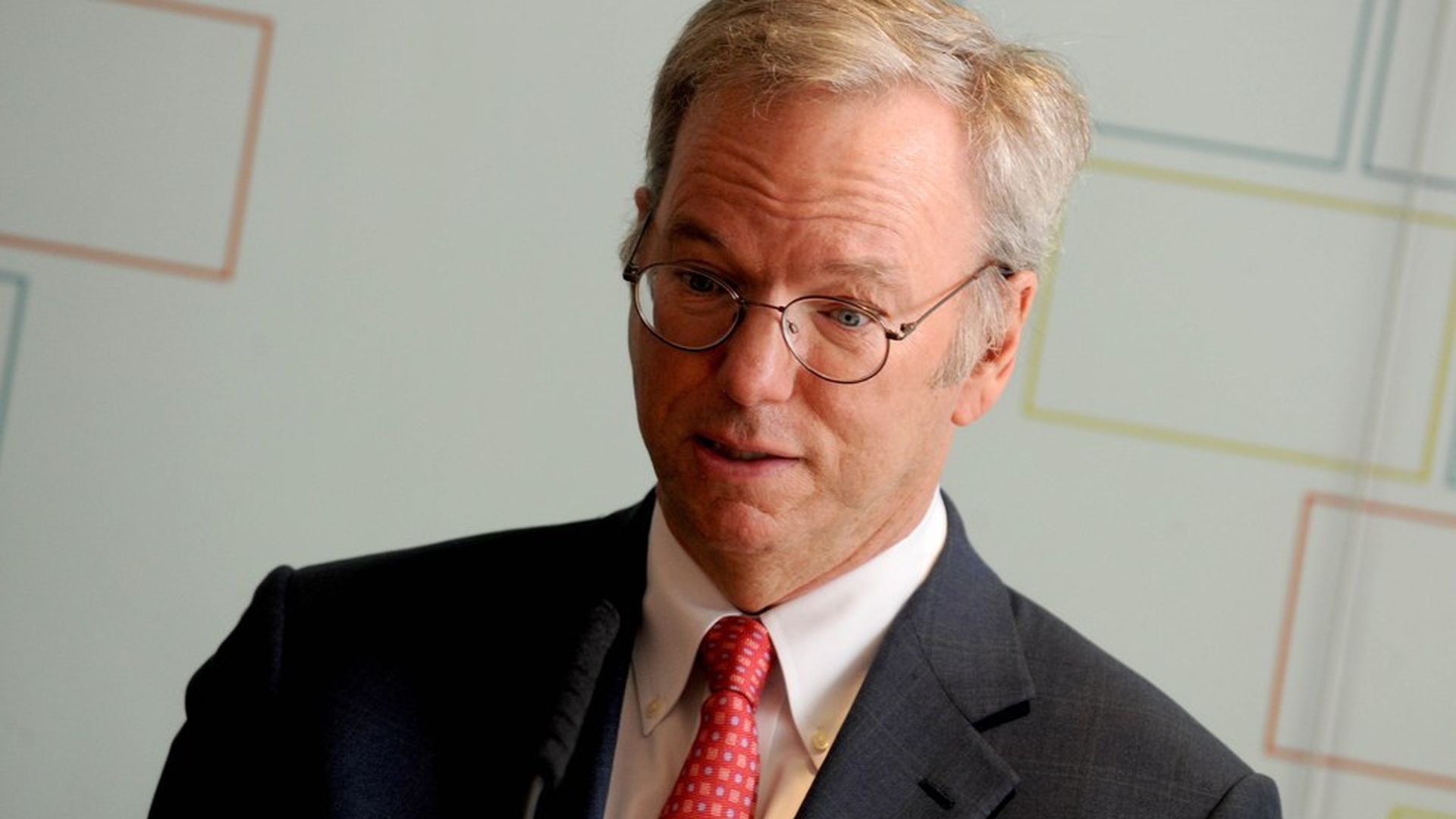
When Barry Lynn, who was employed at the New America Foundation, posted a statement on the think tank's web site praising the EU's fines against Google, Google's parent company's executive chairman, Eric Schmidt, expressed discontent with the statement. A couple of days later, Anne-Marie Slaughter, the Google-funded think tank's president, told Lynn he had to part ways with the organization, which was first reported by the New York Times.
Why it matters: Google has built a powerful influence machine in Washington in part by funding a number of advocacy and research organizations and think tanks that work in the technology policy arena, where Google is fighting a number of battles. Google has given over $21 million to the New America Foundation. Lynn's Open Markets team has been critical of tech giants' growing dominance.

Expedia finance chief takes over CEO job
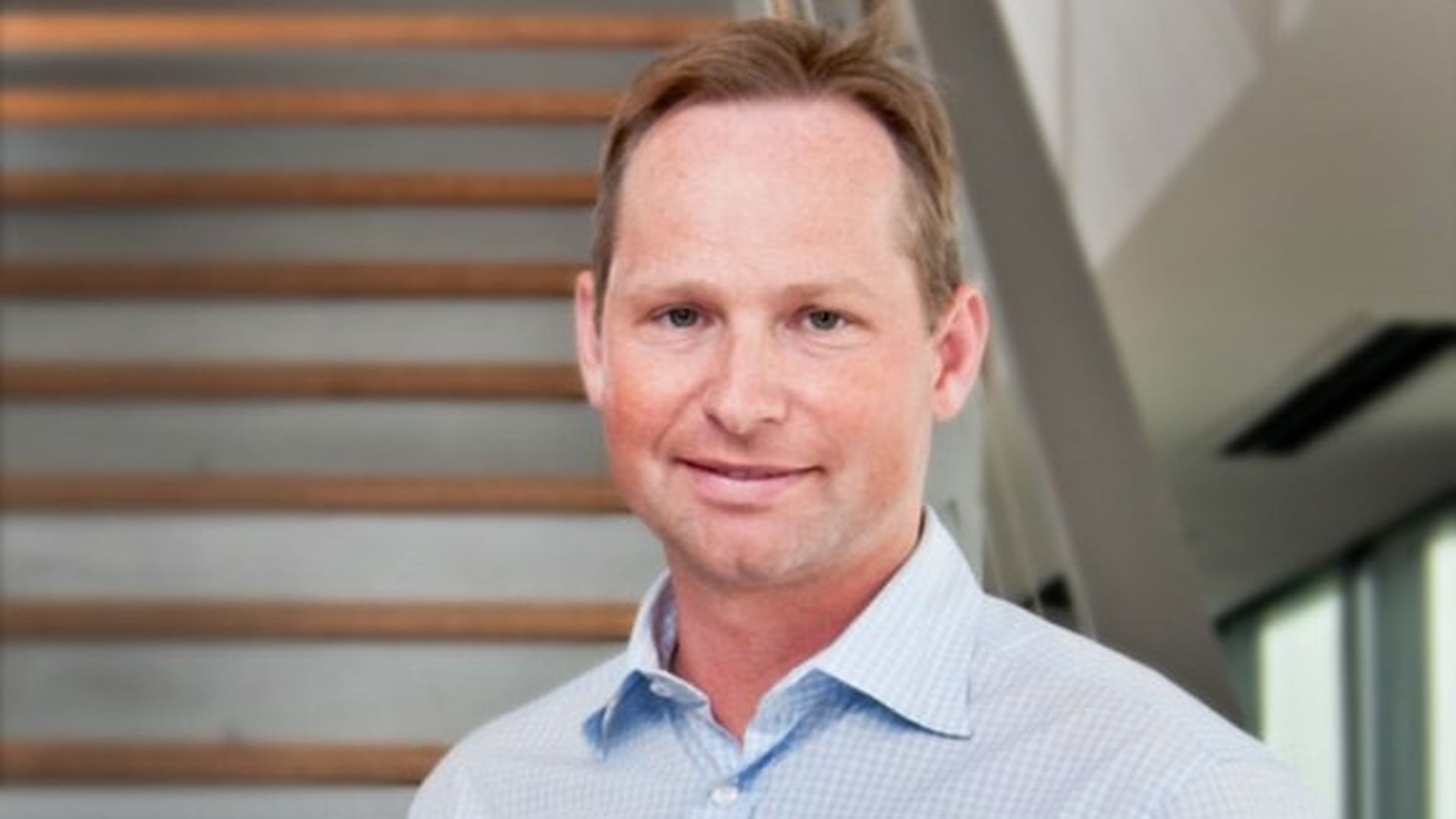
Following the departure of CEO Dara Khosrowshahi (who will now run ride-hailing company Uber), Expedia has named CFO Mark Okerstrom as its new chief executive. Axios had previously reported that he was the likely candidate to succeed Khosrowshahi.
Khosrowshahi will remain on Expedia's board of directors, said the company.
Okerstrom joined Expedia in 2006, a year after Khosrowshahi, and has been CFO since Sept. 2011. Before that, he worked as a consultant with Bain & Company in Boston and San Francisco, worked with UBS Investment Bank in London and worked as a lawyer. He has an M.B.A. from Harvard Business School and a law degree from the University of British Columbia.
Trump on North Korea: “Talking is not the answer!”
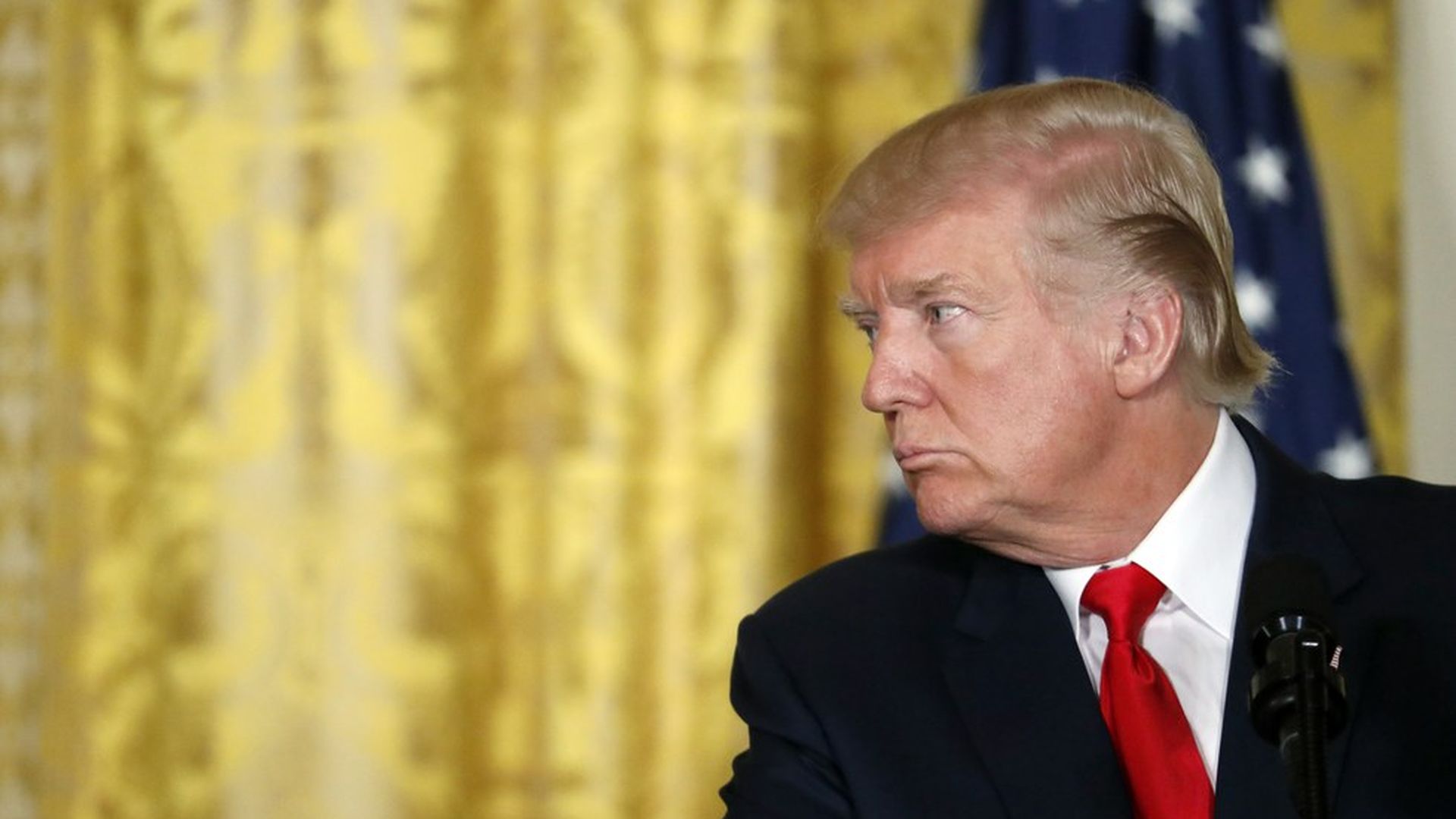
A day after North Korea launched an intermediate-range missile that passed over Japan, Trump tweeted that "Talking is not the answer!"
Why it matters: This comes after North Korea's Kim Jong-un said he would be watching "U.S. demeanors" to decide how to act in terms of whether to try containing Guam, a U.S. territory, and has already say "all options are on the table." The missile launch is a "meaningful prelude" to containing Guam, he said.

Microsoft, Amazon partner to let their digital assistants talk to each other
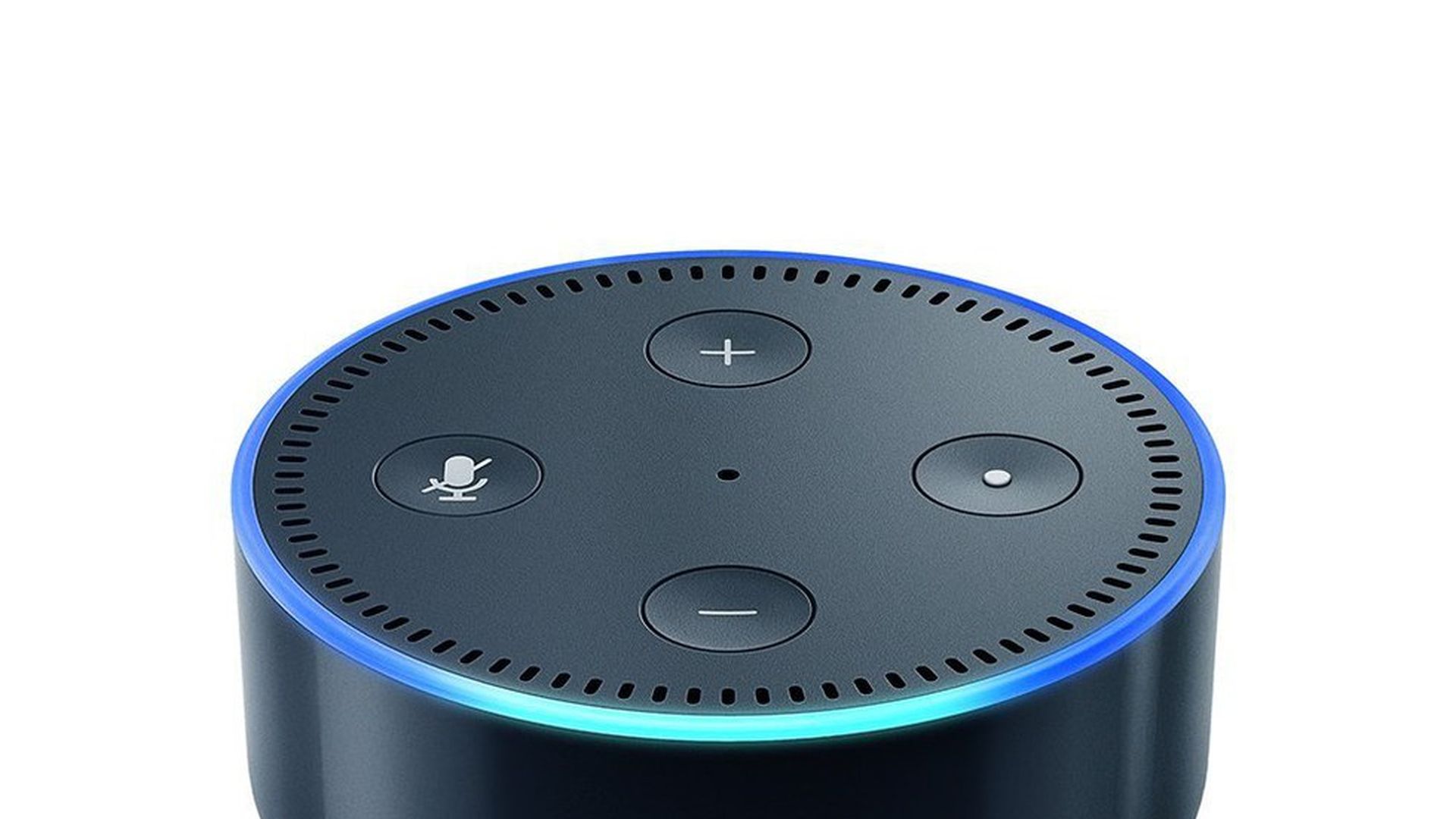
In a rare partnership, Microsoft and Amazon are working to allow their respective digital assistants, Cortana and Alexa, to talk with one another. According to the New York Times, customers will initially be able to summon Alexa from within Cortana and vice versa, but eventually the integration could run deeper.
- The move reflects the deep competition both face from Apple's Siri and Google's Assistant and the fact that Alexa and Cortana have been strong in a sphere, but not used ubiquitously.
- Interesting tidbit: The NYT article notes that both companies have been talking to carmakers about integrating their digital assistants.
- The backstory: The partnership began from an e-mail from Amazon's Jeff Bezos to Microsoft CEO Satya Nadella. In typical Amazon fashion, the proposal took the form of what a press release announcing the deal would look like (Amazon's typical way of beginning a project.) An actual press release from Microsoft and Amazon is expected later Wednesday.
The next battlefront in Google vs Apple
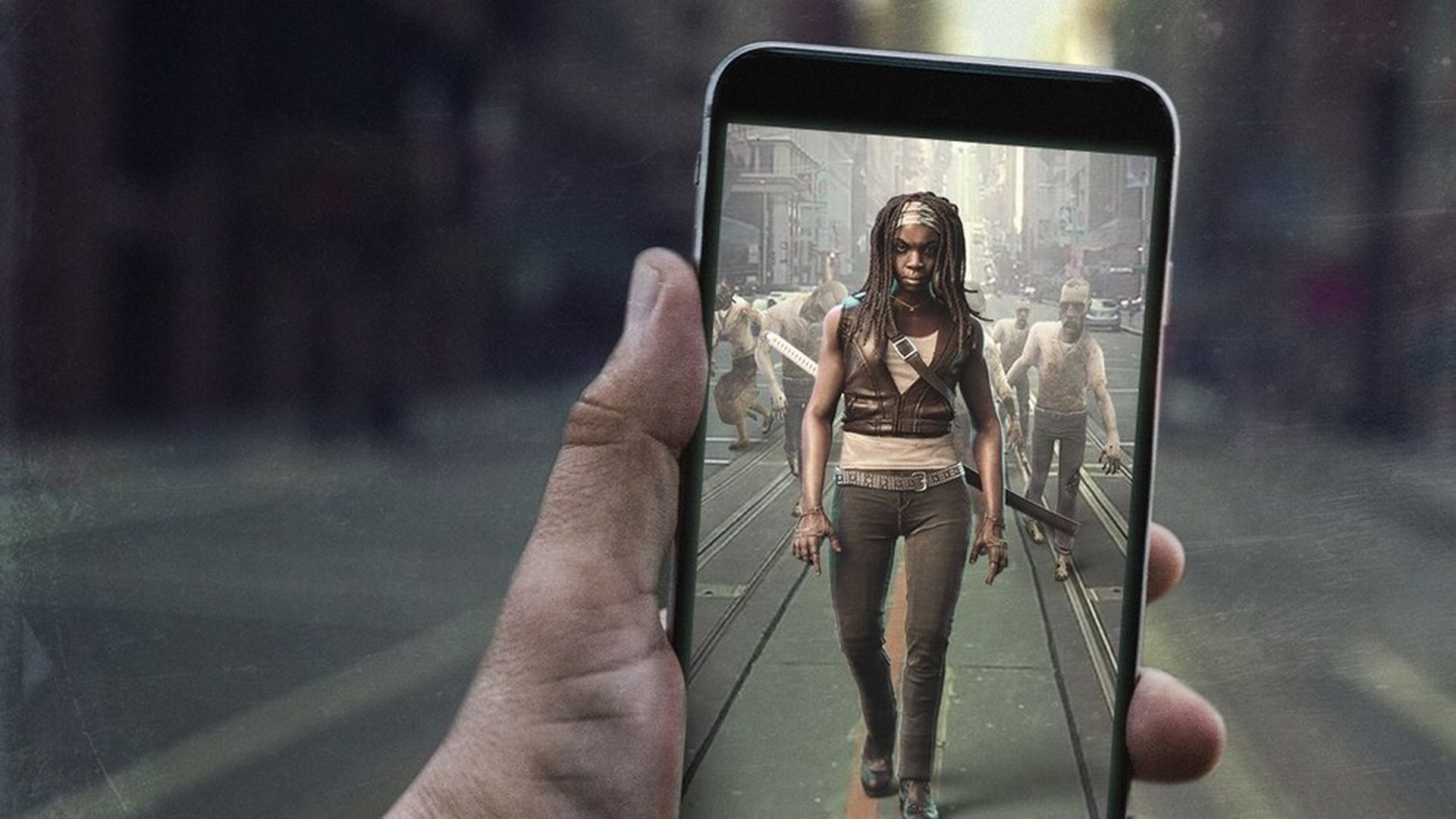
The smartphone wars aren't over. The fight has just shifted from what's inside the phone to what new things the phone can do. One of the key showdowns is over augmented reality — mixing the virtual and real worlds. And once again, it's a battle between Apple and Google, both of which are trying to pitch their mobile operating systems as the best place for AR content.
Why it matters: This will be a billion-dollar battle between two of the largest companies on Earth and the results will define the next generation of smartphones. (Oh, and Facebook is involved, too...)
The rise of car rentals for the "gig economy"
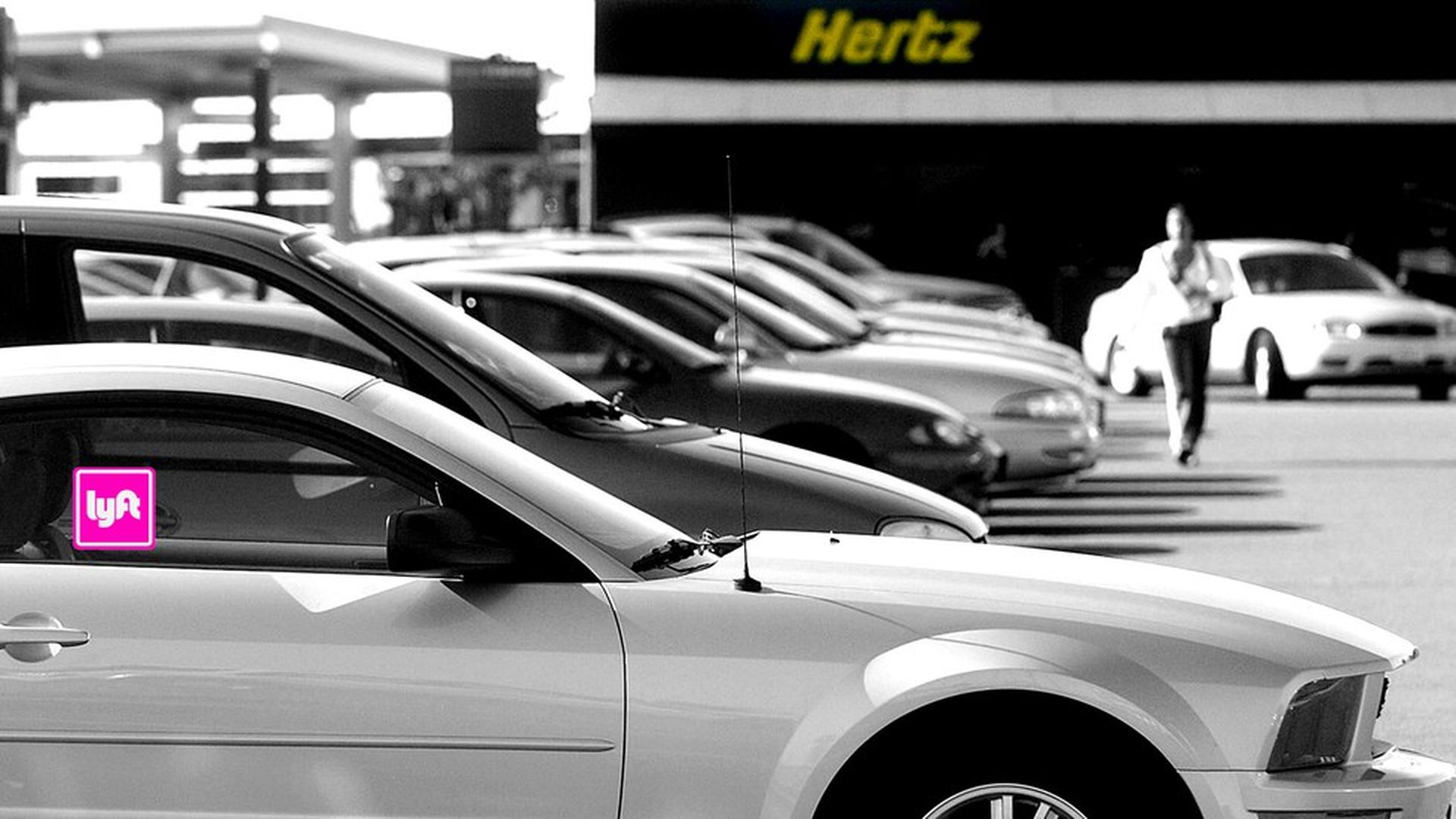
The on-demand economy of ride-hailing and delivery services were initially built on the idea that drivers are looking to put their idle cars to use to make a few extra bucks. As it turns out, a growing number of these on-demand drivers want the gigs but don't own a car (or one that fits the services' requirements). To fill that void, a small cottage industry has sprung up over the past few years to make cars available for these car-less drivers.
Why it matters: The rise of these car services bring up questions about the future of car ownership. Between 2010 and 2015, car-less living began to slowly grow after decades of the opposite trend. Companies—especially automakers and car rental providers—are increasingly experimenting with car-sharing and other models. The constant need for new drivers, coupled with the car-ownership shift means that ride-hailing services like Uber and Lyft are looking for new ways to equip their drivers with vehicles to, well, drive.
Google will comply with EU requirements for search results
Google will comply with the European Union's demands that it stop discriminating against rival shopping sites, the company told Bloomberg ahead of its deadline to respond, though it declined to provide details about how it will do so. In June, the EU fined Google €2.4 billion ($2.7 billion) for skewing its search engine results.
Tension: EU regulators have dealt with major tech companies failing to comply in the past, as Bloomberg points out (Google will face additional fines if it doesn't do so by Sept. 28). At the same time, some companies have found the lack of guidance challenging as they attempt to devise plans that satisfy regulators' requirements.
Google to bring augmented reality to Android, challenging Apple

Google said Tuesday it is looking to bring augmented reality to a wider range of Android devices. The company is releasing a preview version of ARCore, a set of tools designed to make it easier to create AR apps that run on standard Android phones.
The backstory: While Google has been working on augmented reality for several years, Apple is poised to be the first company to bring it to the masses. With ARKit built into iOS 11, Apple is expected to bring augmented reality to hundreds of millions of devices this year.

What we lose when we automate human interactions
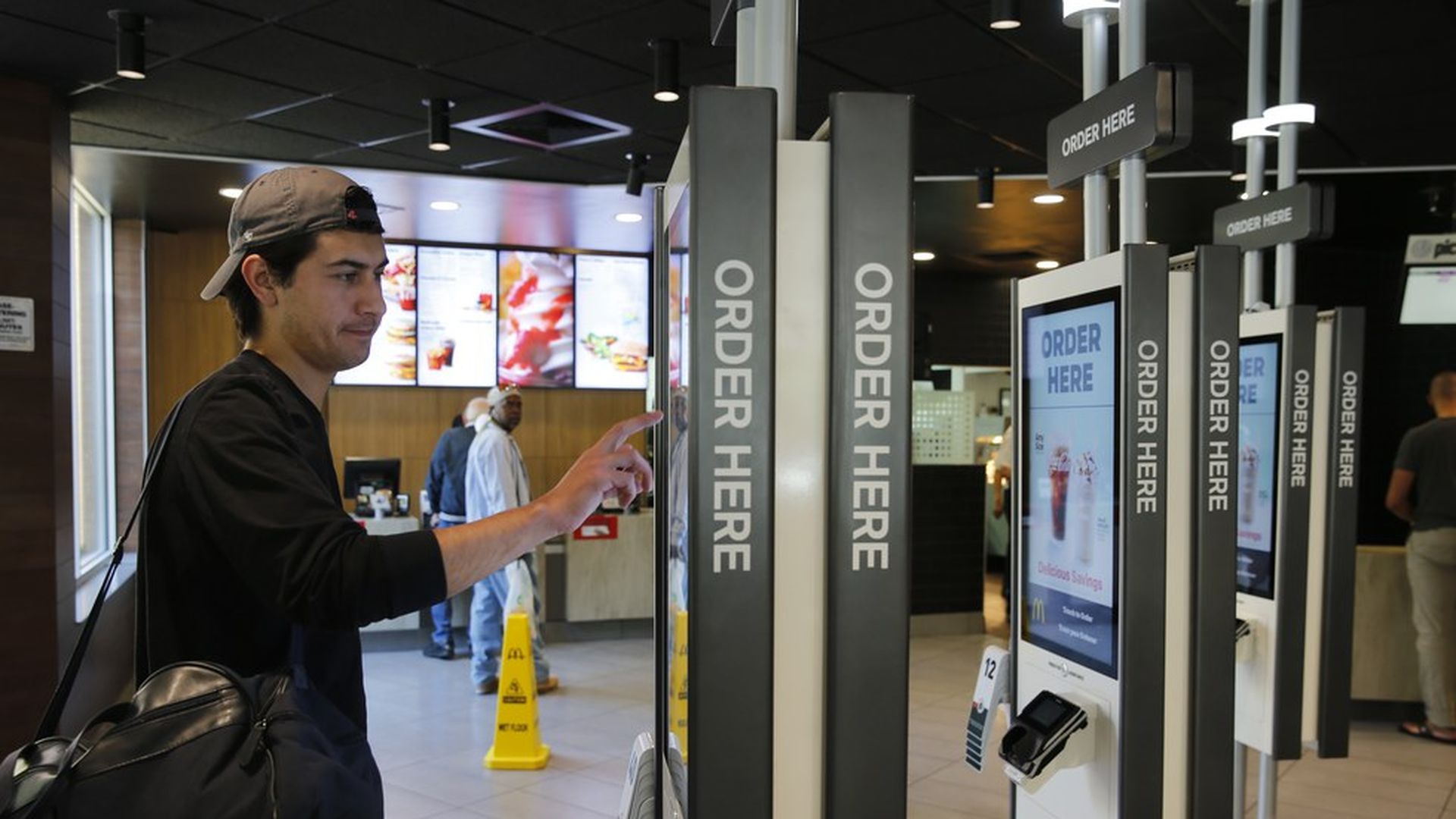
"It's an increasingly common scene as companies from Amazon to Little Caesars and Uber introduce more ways to go about daily tasks while avoiding face-to-face contact," USA Today's Katharine Lackey writes in a front-pager:
- "Uber is testing self-driving cars in a handful of cities."
- "Amazon opened an automated grocery store late last year, still in beta testing, where customers (currently only its employees) can grab items and go ... All that's needed is a smartphone, which tracks the items carted out the door."
- "Little Caesars unveiled The Pizza Portal, a machine that lets you buy and grab your pie without a cashier."
- Why it matters: "As technology leaves out the human element, some worry that we're 'walling ourselves off.'"
Uber to stop tracking riders post-trip
Uber is removing a sharply criticized feature from its app that enabled the company to collect data on riders for up to five minutes after their trip ended, a move the ride-sharing company hopes will help ease privacy concerns, per Reuters. The reversal back to enabling users' to share their location only "While using the app" is expected to be announced Tuesday and go into effect for iPhone users this week.
Flashback: Uber initially removed the "While Using the App" permission in the summer of 2016, a controversial move that forced users to choose between "Never" or "Always" sharing their location. Uber claimed the update would help it provide the most precise transportation service, but many critics argued the change was an intrusion on users' privacy.