Tuesday's technology stories

Snap's Spectacles now available on Amazon
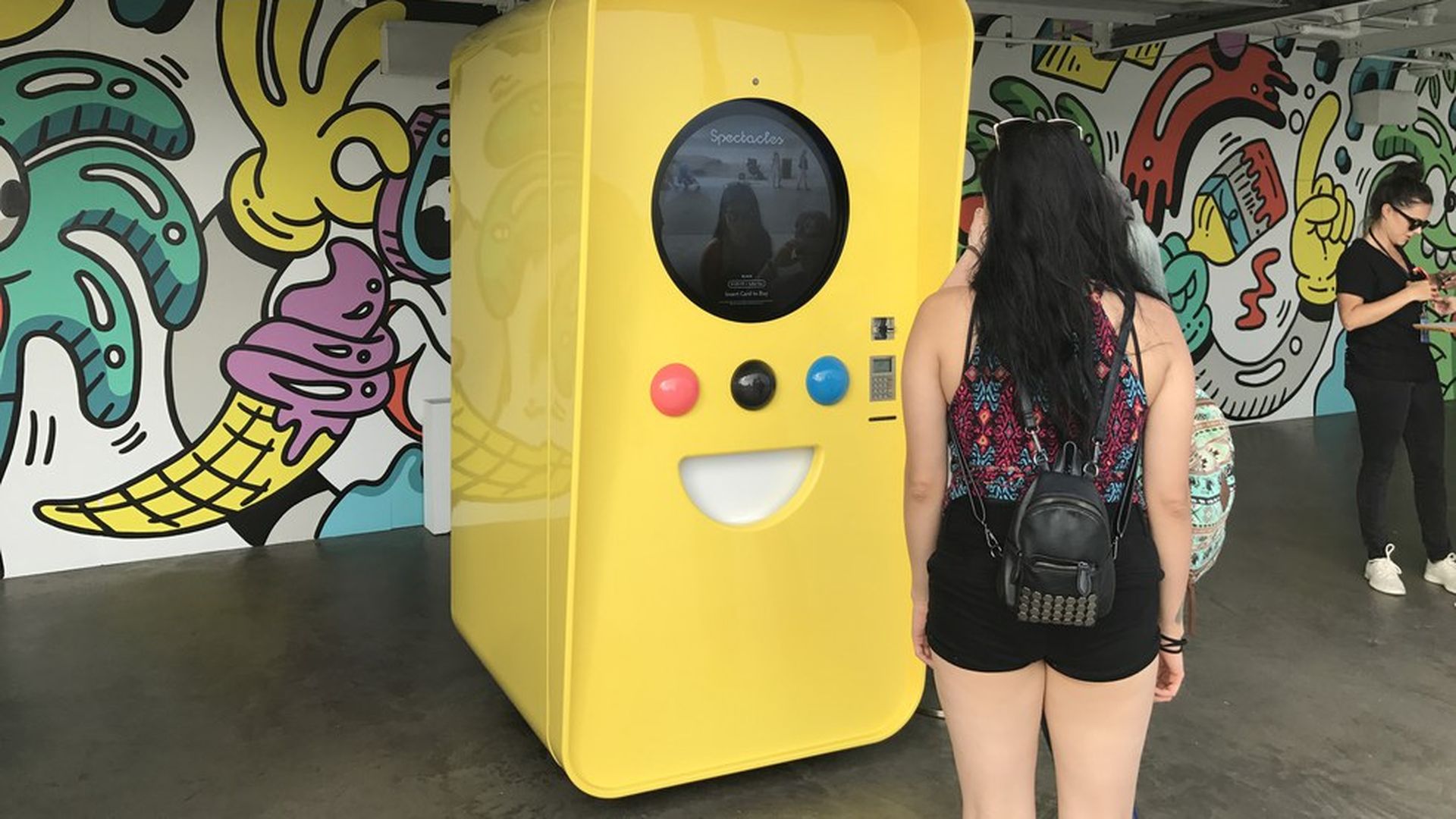
Snap has now started selling its Spectacles camera glasses directly through Amazon, marking a change from the fall debut when Snap rebranded itself as a "camera company," per The Verge.
Why it matters: The commodity culture around them seems to have worn off. But for a camera company, Snap's struggling to sell its camera hardware — sales have been modest. Spectacles only accounted for about 8% of Snap's revenue in Q1 of this year.

Google revamps hub for government data requests
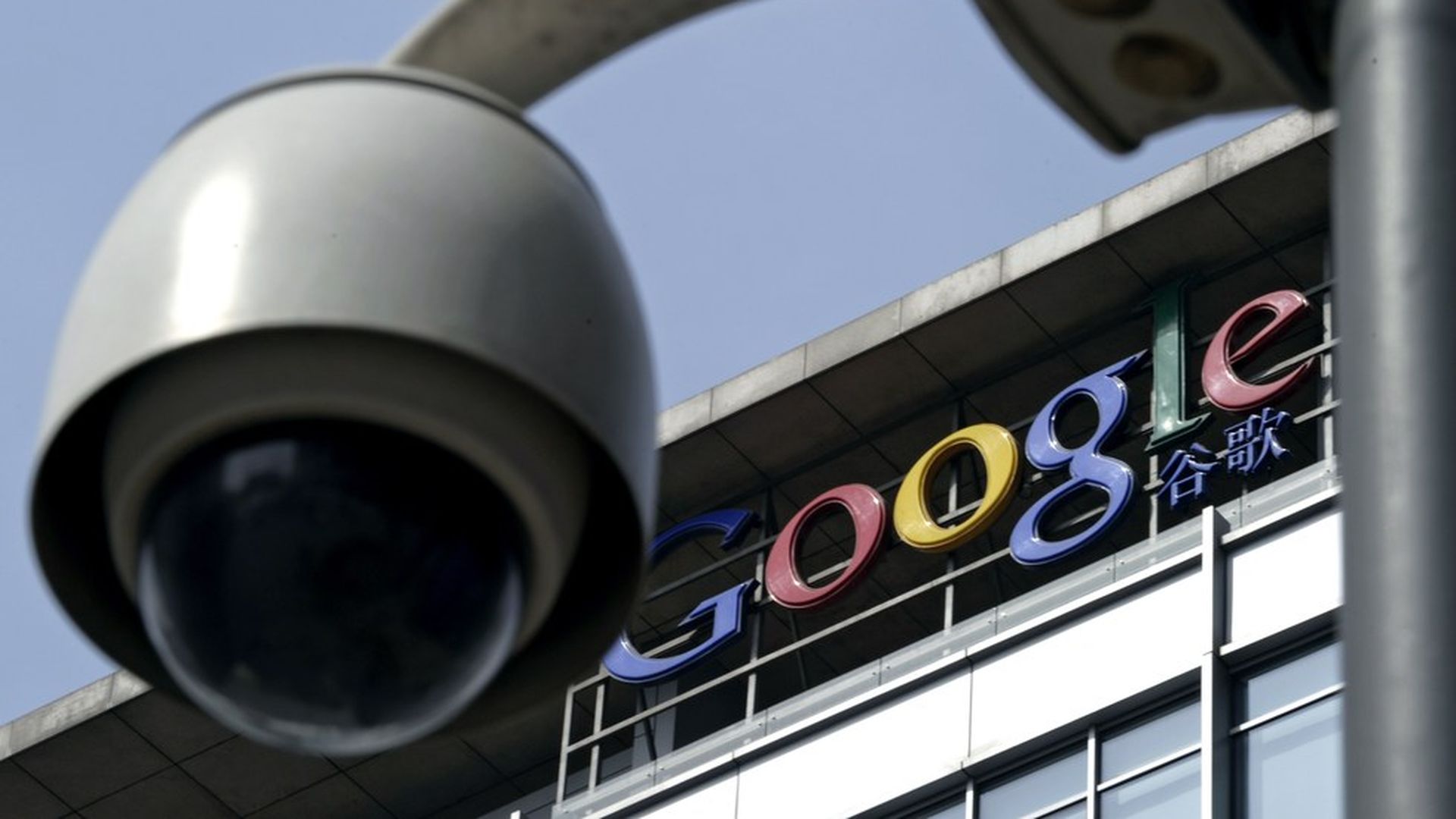
Google has given its hub for data related to government requests for data and other assistance a face lift. Project Lead Michee Smith said that the new Transparency Report design "features clearer data visualizations, more context for the data, a Recent Updates section so you can see what's new, and a better way to download data from our most popular reports."
Why it matters: It's now commonplace for large companies to disclose how many times they've been asked for user data or to take content down. That data could get more attention as lawmakers look to reauthorize a key surveillance law later this year.
Why tech firms are fighting California's privacy push
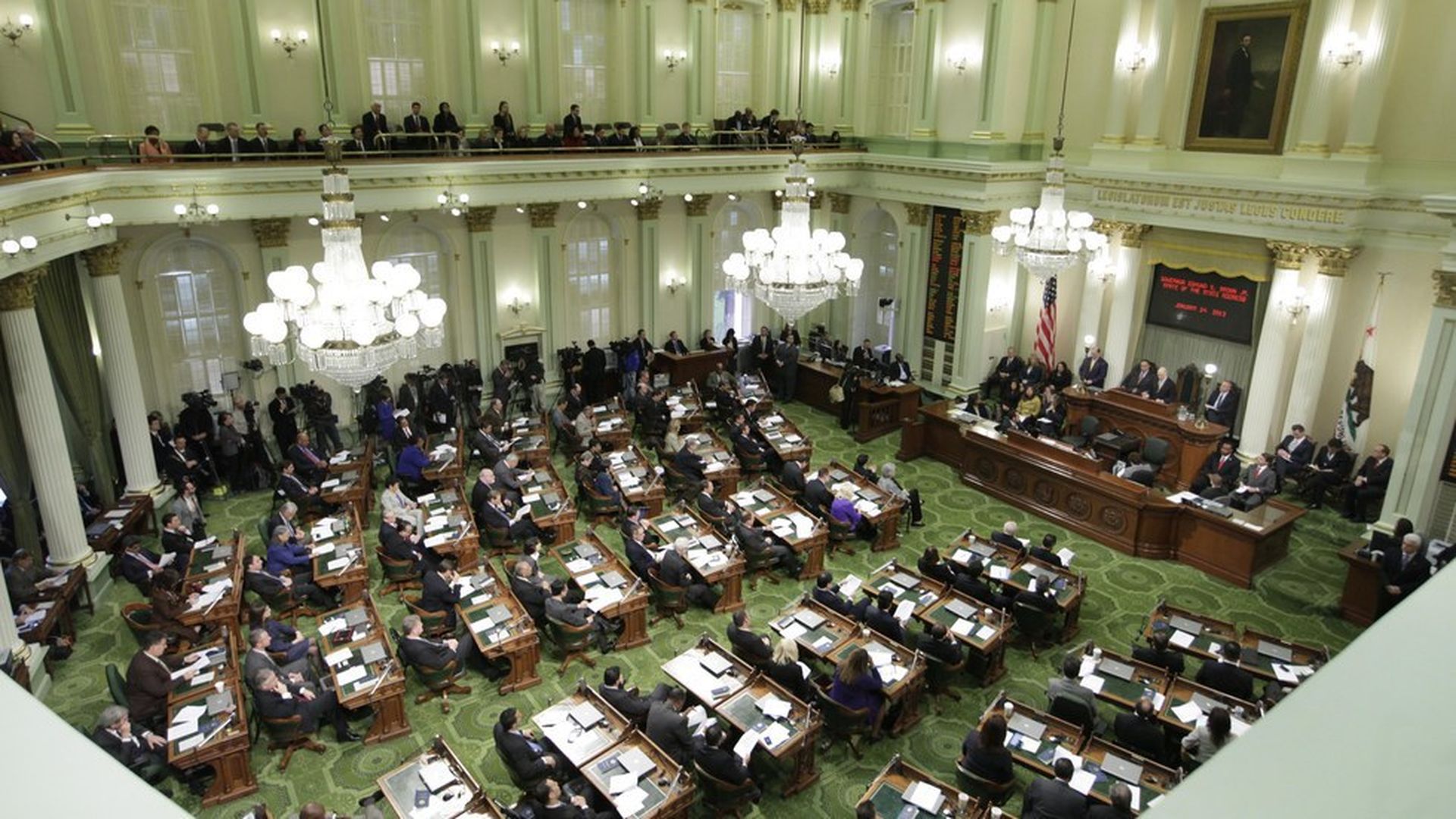
States across the country are trying to figure how out to regulate consumer privacy in the digital ad space, but the battlefield to watch is Sacramento. There, lawmakers are vetting a bill today that would require internet service providers like Verizon and Comcast to get permission from customers before sharing their data with marketers.
Battle lines converging: As the lines between media, tech and telecom companies blur, Internet providers and the web companies that use their pipes have a rare alliance in opposing the bill. They all have a stake in the fight as telcos buy media companies (think Verizon buying Yahoo and AOL) and web companies are, in some cases, working on their own connectivity initiatives (think Google Fiber). A new privacy law in California would be a threat to ISPs trying to break into the digital advertising market and the start of a slippery slope for the Facebook-Google duopoly.

Robotics experts dismiss Musk's call for AI regulation
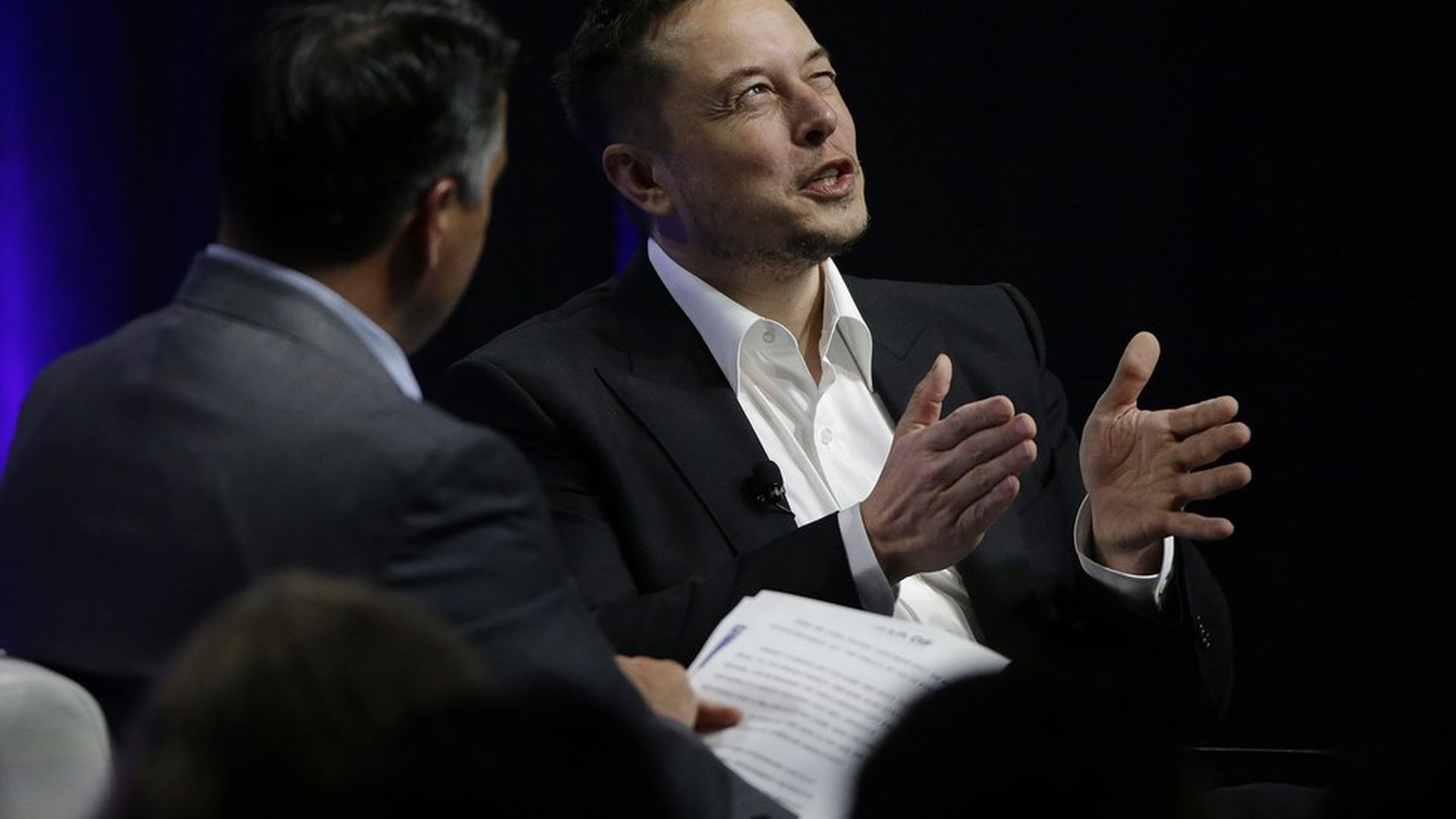
Leading robotics experts are rebuffing Elon Musk's siren call for the urgent regulation of artificial intelligence, which he calls an existential threat to the human race. "Let's talk about regulation of the self-driving system on his Teslas," Rodney Brooks, a robotics pioneer, told an audience at the Massachusetts Institute of Technology on Monday.
On Saturday, Musk said that AI should be regulated before it's too late. "In my opinion it is the biggest risk that we face as a civilization," he said. Musk was following up on earlier such remarks, in which he warned that machines are on their way to becoming smarter than humans, and out of control of their makers.
But Brooks, in addition to robotics executives from Amazon and Toyota, suggested that work on AI is at a very embryonic level, and that such worries verge on hysteria. The people such as Musk conveying such warnings "share a common thread: they don't work in artificial intelligence themselves," Brooks said. "But we know how hard it is to get anything to work at product level."

Netflix stock up 10% after crushing subscription growth estimates
Netflix blew past Q2 subscription expectations, adding 5.2 million subscribers last quarter, the company's executives told investors in an earnings report Monday. The company's stock jumped 10.7% after close Monday.
Why it matters: Netflix saw a slowdown in subscriber growth in the first quarter of 2017, despite season renewals of some its biggest hit shows, like "House of Cards" and "Orange Is the New Black," but Q2 growth beat investor estimates by a whopping 2 million subscribers. It's especially impressive given that the company has historically seen slowed subscriber growth during Q2. The company now has a total of 104 million subscribers globally.
- Streaming time: Nielsen estimates released earlier this year found that Netflix accounts for nearly half of the internet streaming time spent by adults in the U.S. and is available to 51.2% of U.S. households — far more than its subscription streaming rivals.
- Awards: Netflix was nominated for a whopping 92 Emmy awards this year, more than all cable companies besides HBO. Earlier this year, Netflix took home its first Academy Award for its film The White Helmets.

Instagram COO explains why its "Stories" clone is unique

Instagram borrowed Snapchat's "Stories" format, but what makes it unique is how it works in concert with the rest of the photo-sharing app's features, Instagram COO Marne Levine explained at Fortune's Brainstorm Tech conference in Aspen.
"We've acknowledged over and over again that we did not invent the Stories format," said Levine. "It's a great format and it works well in our community," adding that Stories lets users post photos they often wouldn't post as traditional Instagram photos.
Why it matters: Instagram's decision to launch a feature identical to Snapchat's Stories last August has been met with both criticism and praise for getting its users to adopt it so quickly (currently 250 million people are using Instagram's Stories every day). The competition between the two apps is well known, and Stories has become the new battleground.
GM's self-driving unit is launching ride-hail app next week
Cruise, the self-driving car startup acquired by General Motors last year for nearly $1 billion, next week will launch an app for its employees to hail rides from one of its vehicles in San Francisco, CEO Kyle Vogt said on Monday at Fortune's Brainstorm Tech conference in Aspen. The cars will still have human back-up drivers.
Cruise currently has vehicles being tested on the roads of San Francisco, Phoenix, and Detroit, and is adding 100 more cars next week, according to Vogt. It began to quietly test the app over six months ago, letting employees get a ride to the office only.
Just the beginning: Silicon Valley consensus is that urban road transportation will eventually be dominated by autonomous vehicles summoned by ride-hail apps (like Uber and Lyft, just without the drivers). Alphabet's self-driving car unit has also made available a ride-hailing app to customers in Arizona to test how they use such self-driving rides.

Amazon wants to plan your dinner
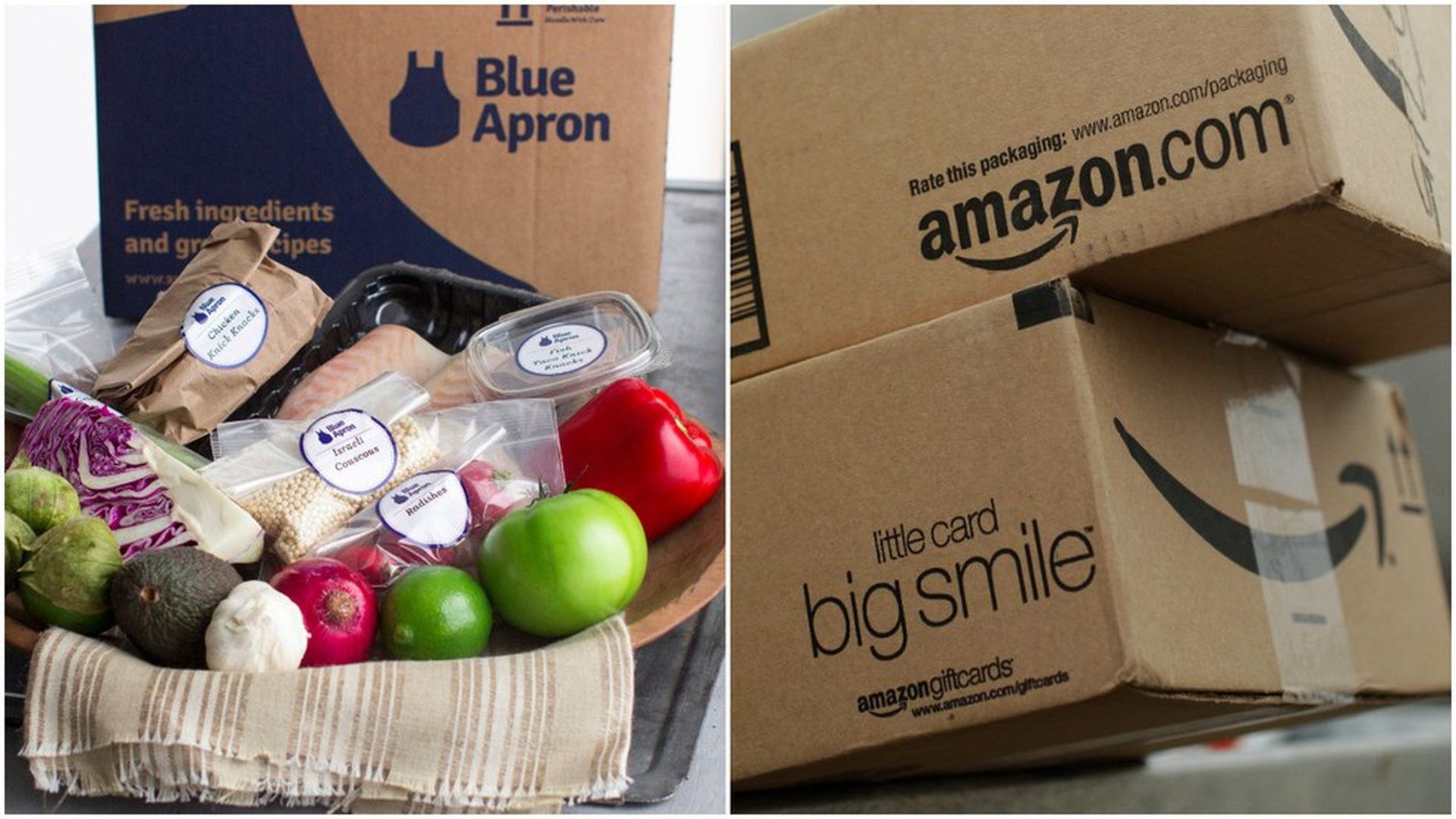
Blue Apron shares plunged Monday after Amazon registered a U.S. trademark — "We do the prep. You be the chef" — suggesting the e-commerce giant's latest push is to break into meal-kit delivery, per CNBC.
Why it matters: The move underscores Amazon's heightened interest in becoming a key player in America's grocery sector, following its pending deal to purchase Whole Foods and its push to become a leading food-delivery provider. As a result, Amazon is increasingly becoming a major threat to smaller, more niche companies in the market — like Instacart and Blue Apron — who aren't able to compete with the resources Amazon has access to.
Our thought bubble: The move also reflects how big tech companies are not only going after legacy companies, but are essentially copying newer startups.

This glove translates sign language into text
Researchers at the University of California San Diego have designed a leather glove that can translate sign language into text — albeit slowly. The glove was built for less than $100 and uses pressure sensors and an accelerometer to translate a signer's hand movement to a nine-digit binary key corresponding to a letter, according to Newsweek.
Why it matters: Sign language translation is only the beginning. One of the project's engineers, Timothy O'Connor, said in a statement that the "ultimate goal is to make this a smart glove that in the future will allow people to use their hands in virtual reality... This could be better for games and entertainment, but more importantly for virtual training procedures in medicine, for example, where it would be advantageous to actually simulate the use of one's hands."

Ballmer's struggle to get people to care about facts
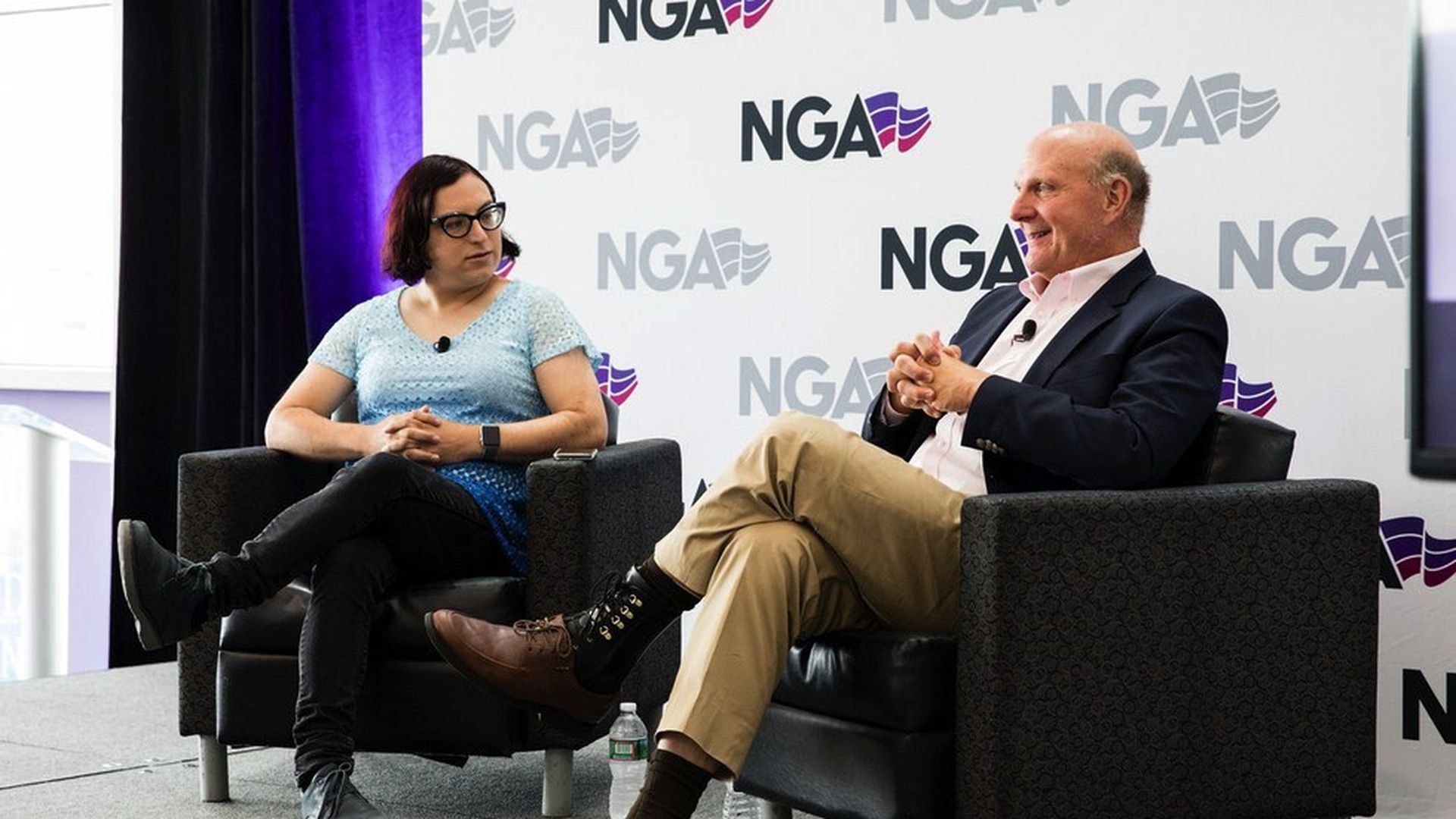
Former Microsoft CEO Steve Ballmer has been on a quest to make government data easier to access, delivering what amounts to an annual report for the federal government.
One problem: There's just one slight hitch — a lot of people still can't be bothered with the facts.
While the initial announcement of USAFacts drew a large audience, Ballmer revealed that only about 4,000 people a day are accessing his website.
"There is certainly more work we need to do," Ballmer said in an interview with me at the National Governors Association conference on Saturday.
Google may not have to turn over data in Labor Department case
A judge said Google doesn't have to turn over some data the Labor Department requested as part of an equal opportunity employment audit, during which federal officials claimed in court that Google pays men more than women "pretty much across the entire workforce."
- Backstory: The Department of Labor selected Google — a federal contractor — for the audit in 2015. This year, it sued seeking certain compensation information that Google said would hurt its employees' privacy if released. Google said the request was too broad, and it denied the claim that it pays women less than men.
- The recommended decision: The administrative law judge agreed that Google only had to comply with some of the Labor Department's request. The Labor Department can appeal.