Monday's technology stories

GM's self-driving unit is launching ride-hail app next week
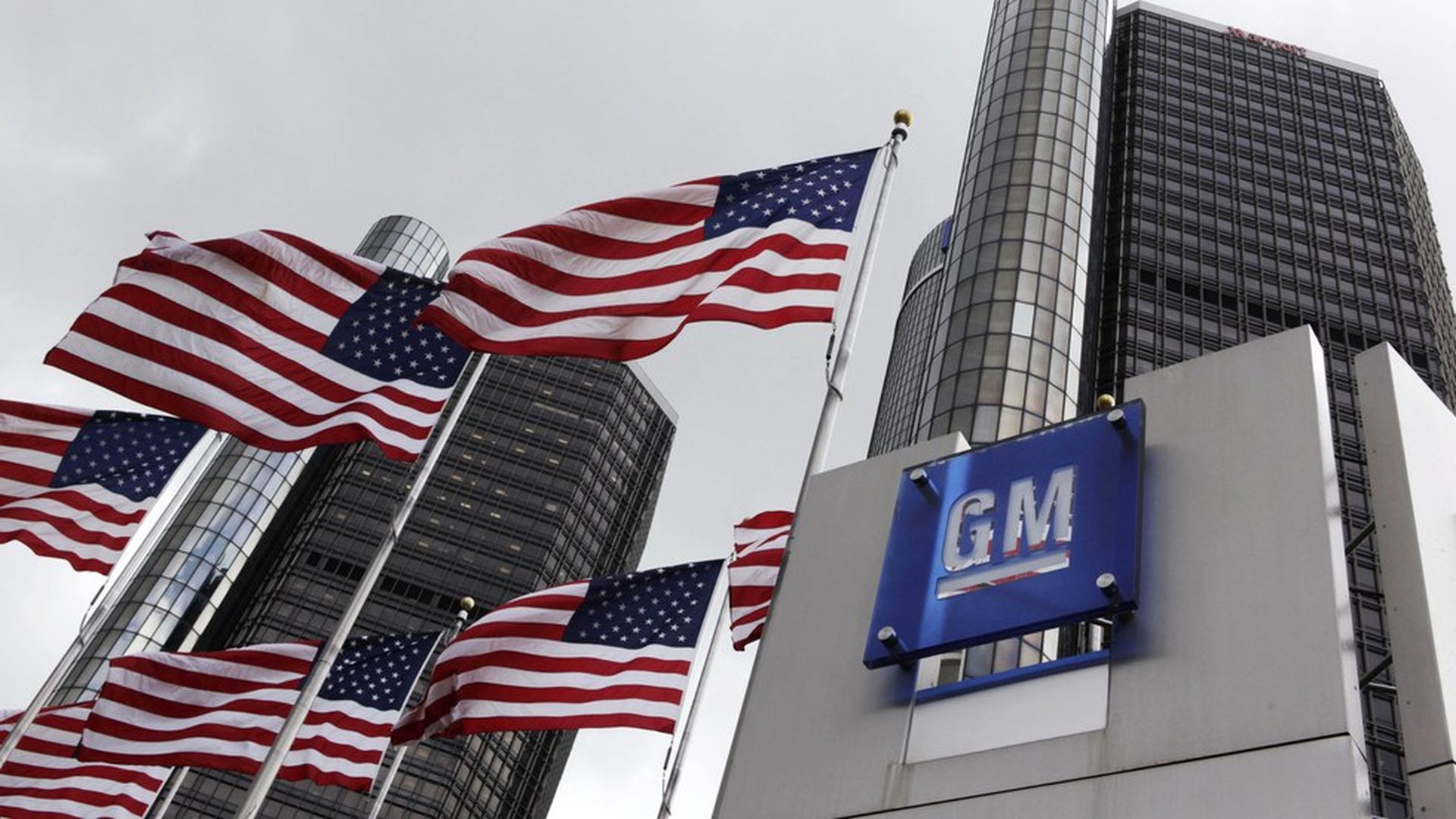
Cruise, the self-driving car startup acquired by General Motors last year for nearly $1 billion, next week will launch an app for its employees to hail rides from one of its vehicles in San Francisco, CEO Kyle Vogt said on Monday at Fortune's Brainstorm Tech conference in Aspen. The cars will still have human back-up drivers.
Cruise currently has vehicles being tested on the roads of San Francisco, Phoenix, and Detroit, and is adding 100 more cars next week, according to Vogt. It began to quietly test the app over six months ago, letting employees get a ride to the office only.
Just the beginning: Silicon Valley consensus is that urban road transportation will eventually be dominated by autonomous vehicles summoned by ride-hail apps (like Uber and Lyft, just without the drivers). Alphabet's self-driving car unit has also made available a ride-hailing app to customers in Arizona to test how they use such self-driving rides.

Amazon wants to plan your dinner
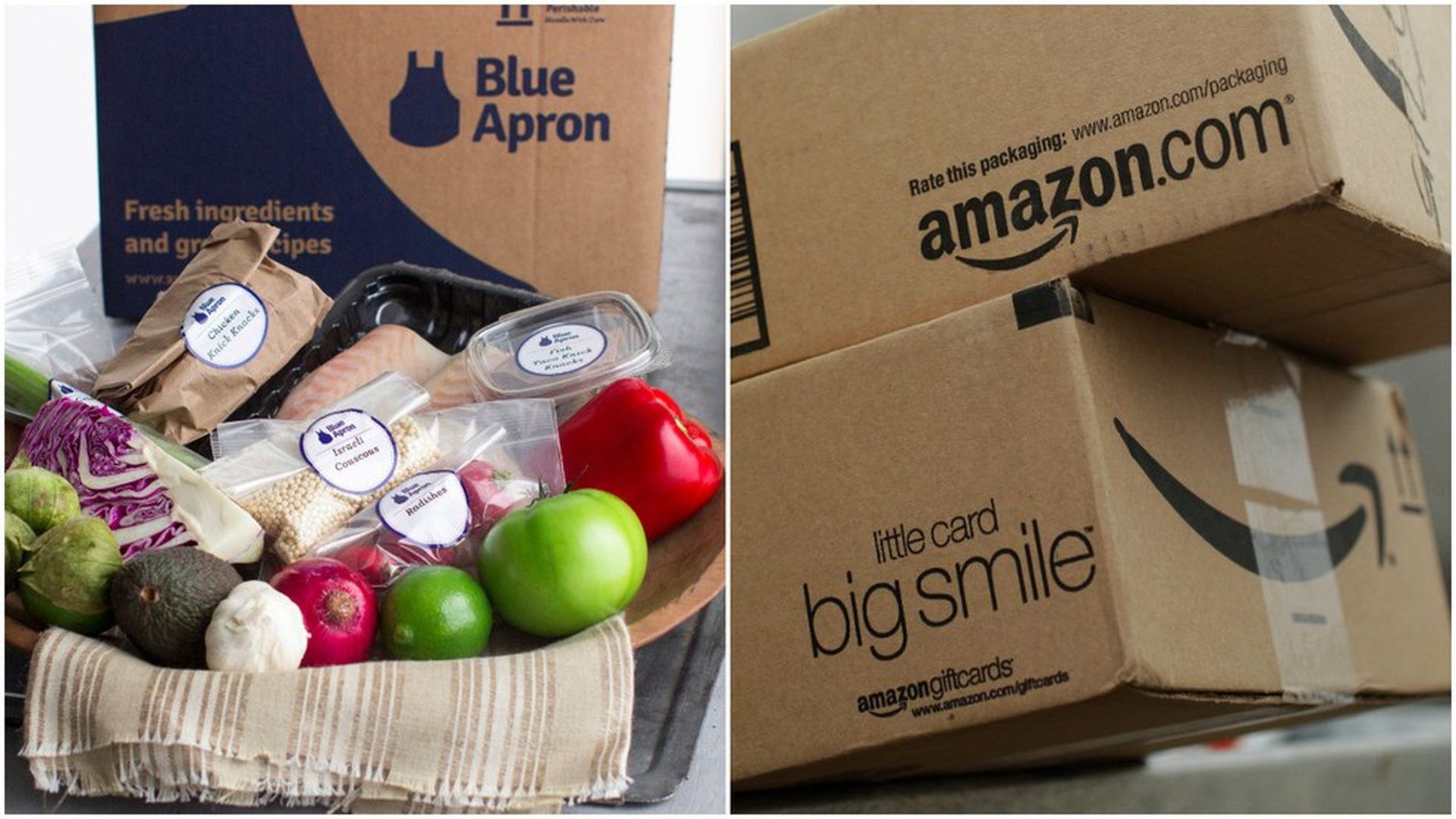
Blue Apron shares plunged Monday after Amazon registered a U.S. trademark — "We do the prep. You be the chef" — suggesting the e-commerce giant's latest push is to break into meal-kit delivery, per CNBC.
Why it matters: The move underscores Amazon's heightened interest in becoming a key player in America's grocery sector, following its pending deal to purchase Whole Foods and its push to become a leading food-delivery provider. As a result, Amazon is increasingly becoming a major threat to smaller, more niche companies in the market — like Instacart and Blue Apron — who aren't able to compete with the resources Amazon has access to.
Our thought bubble: The move also reflects how big tech companies are not only going after legacy companies, but are essentially copying newer startups.

This glove translates sign language into text
Researchers at the University of California San Diego have designed a leather glove that can translate sign language into text — albeit slowly. The glove was built for less than $100 and uses pressure sensors and an accelerometer to translate a signer's hand movement to a nine-digit binary key corresponding to a letter, according to Newsweek.
Why it matters: Sign language translation is only the beginning. One of the project's engineers, Timothy O'Connor, said in a statement that the "ultimate goal is to make this a smart glove that in the future will allow people to use their hands in virtual reality... This could be better for games and entertainment, but more importantly for virtual training procedures in medicine, for example, where it would be advantageous to actually simulate the use of one's hands."

Ballmer's struggle to get people to care about facts
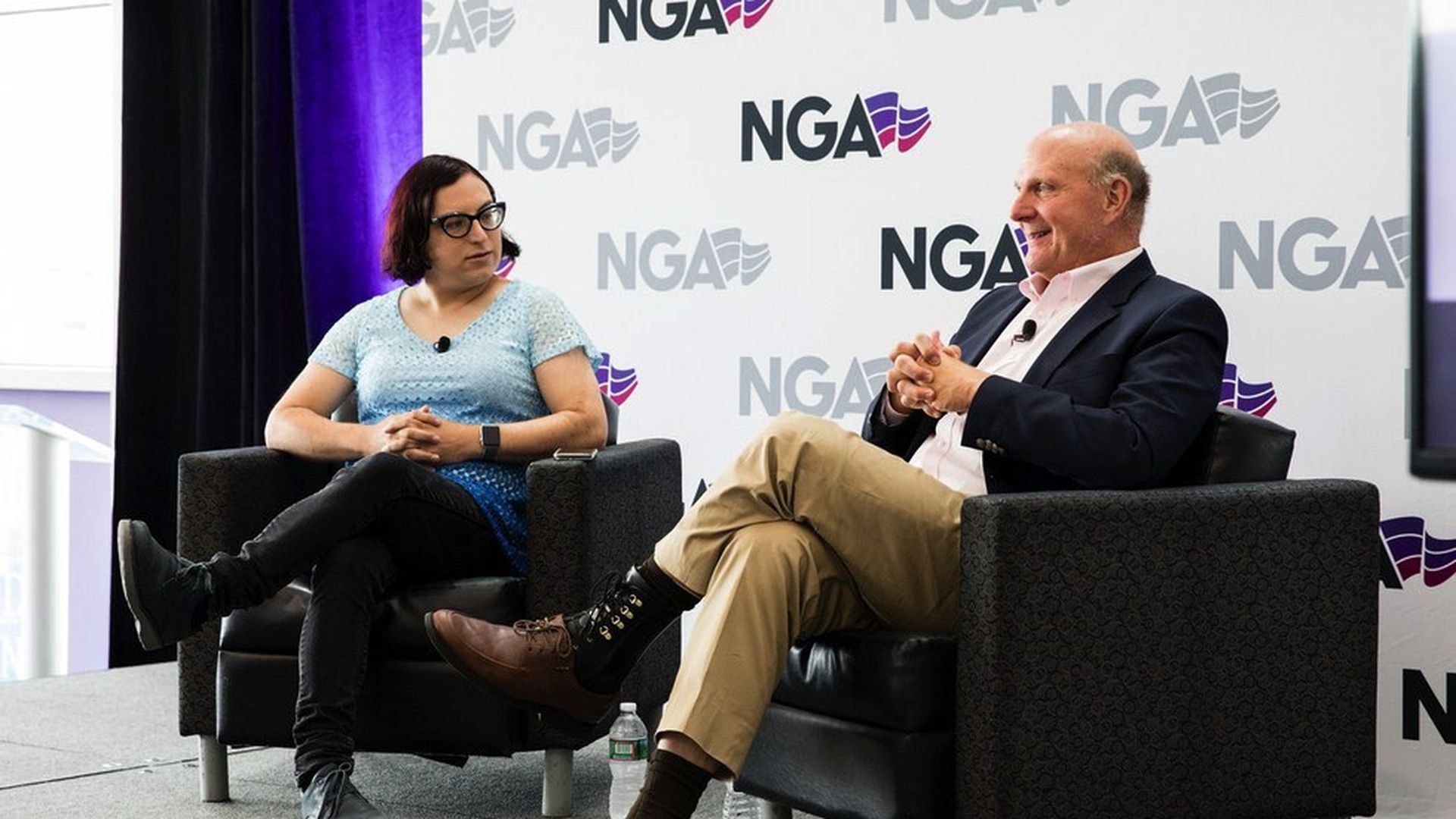
Former Microsoft CEO Steve Ballmer has been on a quest to make government data easier to access, delivering what amounts to an annual report for the federal government.
One problem: There's just one slight hitch — a lot of people still can't be bothered with the facts.
While the initial announcement of USAFacts drew a large audience, Ballmer revealed that only about 4,000 people a day are accessing his website.
"There is certainly more work we need to do," Ballmer said in an interview with me at the National Governors Association conference on Saturday.

Google may not have to turn over data in Labor Department case
A judge said Google doesn't have to turn over some data the Labor Department requested as part of an equal opportunity employment audit, during which federal officials claimed in court that Google pays men more than women "pretty much across the entire workforce."
- Backstory: The Department of Labor selected Google — a federal contractor — for the audit in 2015. This year, it sued seeking certain compensation information that Google said would hurt its employees' privacy if released. Google said the request was too broad, and it denied the claim that it pays women less than men.
- The recommended decision: The administrative law judge agreed that Google only had to comply with some of the Labor Department's request. The Labor Department can appeal.