Companies around the globe are racing to be the first to officially step into the world of self-driving, fully-autonomous cars. The level of autonomy, however, will vary across the board. SAE International defined the self-driving levels from level 1 automation (cars perform minor tasks, but everything else is controlled by human drivers) to level 5 (fully autonomous vehicles.)
These 10 companies are the ones to watch for self-driving vehicles:
Artificial intelligence algorithms can indeed create a world that distributes resources more efficiently and, in theory, can offer more for everyone.
Yes, but: If we aren't careful, these same algorithms could actually lead to greater discrimination by codifying the biases that exist both overtly and unconsciously in human society. What's more, the power to make these decisions lies in the hands of Silicon Valley, which has a decidedly mixed record on spotting and addressing diversity issues in its midst.
Streaming companies like Netflix, Amazon and Hulu snagged nearly 1/3 of Emmy nominations this year, the most ever awarded to tech companies. That's up from 91 nominations for streamers in 2016.
Why it matters: Streaming companies are pouring billions of dollars into content (around $4.5 billion this year for Amazon and Hulu and $6 billion for Netflix) and it's paying off. Earlier this year, Amazon and Netflix both took home Oscars, the first time for any tech company. Their bankrolls and massive audiences reflect a big shift in the television business from traditional TV companies to digital streaming companies.
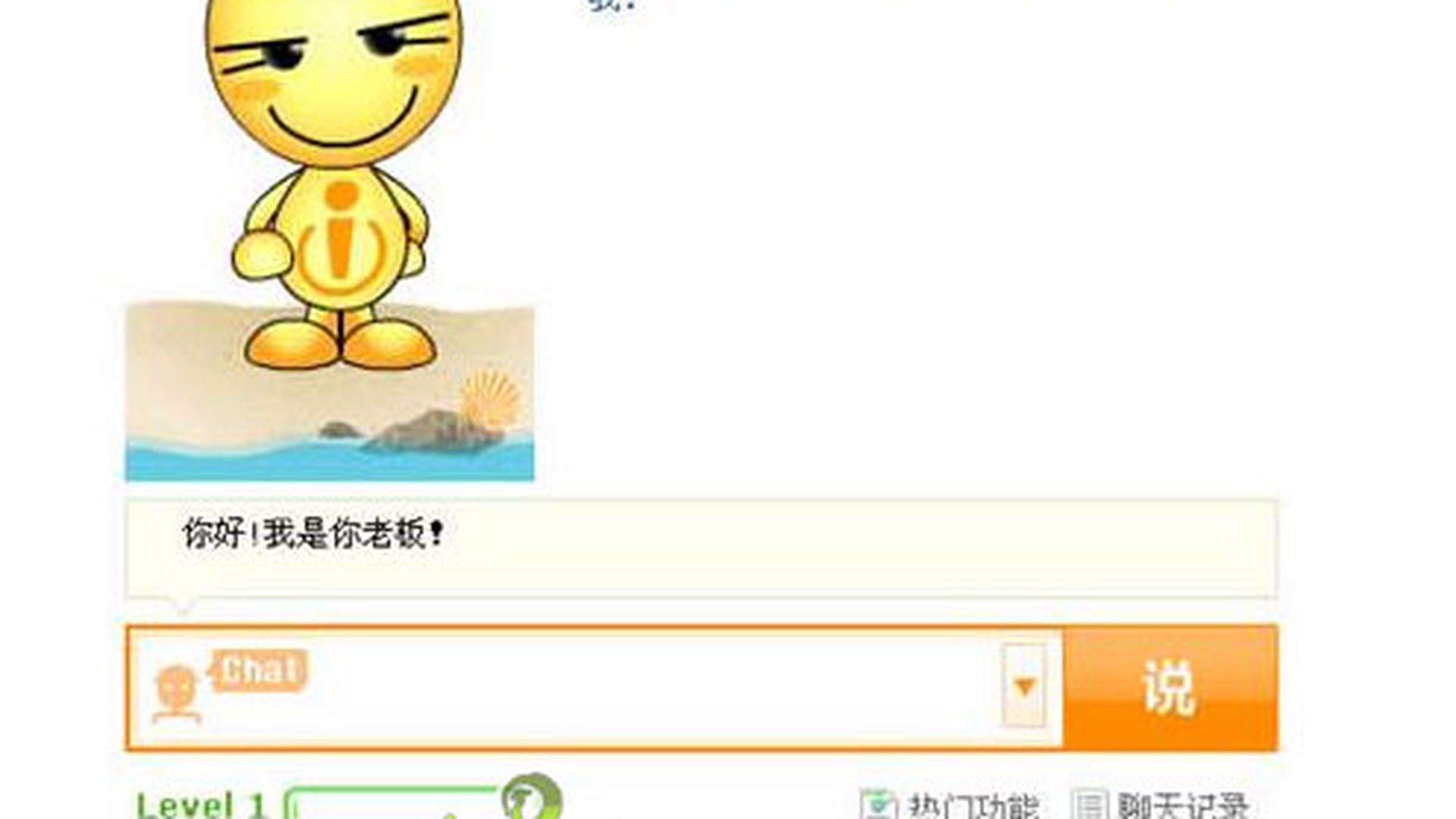
Amazon's Alexa is gaining popularity in the U.S., but if you want to know the most popular chatbot in the world — by far — that would be Xiaoi, an intelligent conversational bot accounting for about 90% of the Chinese market, with some 500 million users, per Topbots' Adelyn Zhou.
Xiaoi, marketed by Shanghai-based Zhizhen, was introduced in 2004. In 2015, Microsoft won a major Chinese court battle against Zhizhen, which challenged patents for Siri, and now the U.S. company markets a rival text bot in China named Xiaoice, which has about 40 million users. But 40 of China's top 50 banks are Xiaoi clients, Zhou writes, and the 16-year-old company handles some 200 million interactions a day, the largest portion of which are from the financial sector.
Why it matters: Zhizhen appears to be exceedingly ahead of any western company in understanding the market for intelligent, natural language chat bots that interact smoothly with humans.