Thursday's technology stories

Microsoft jumps into AI contest against Google
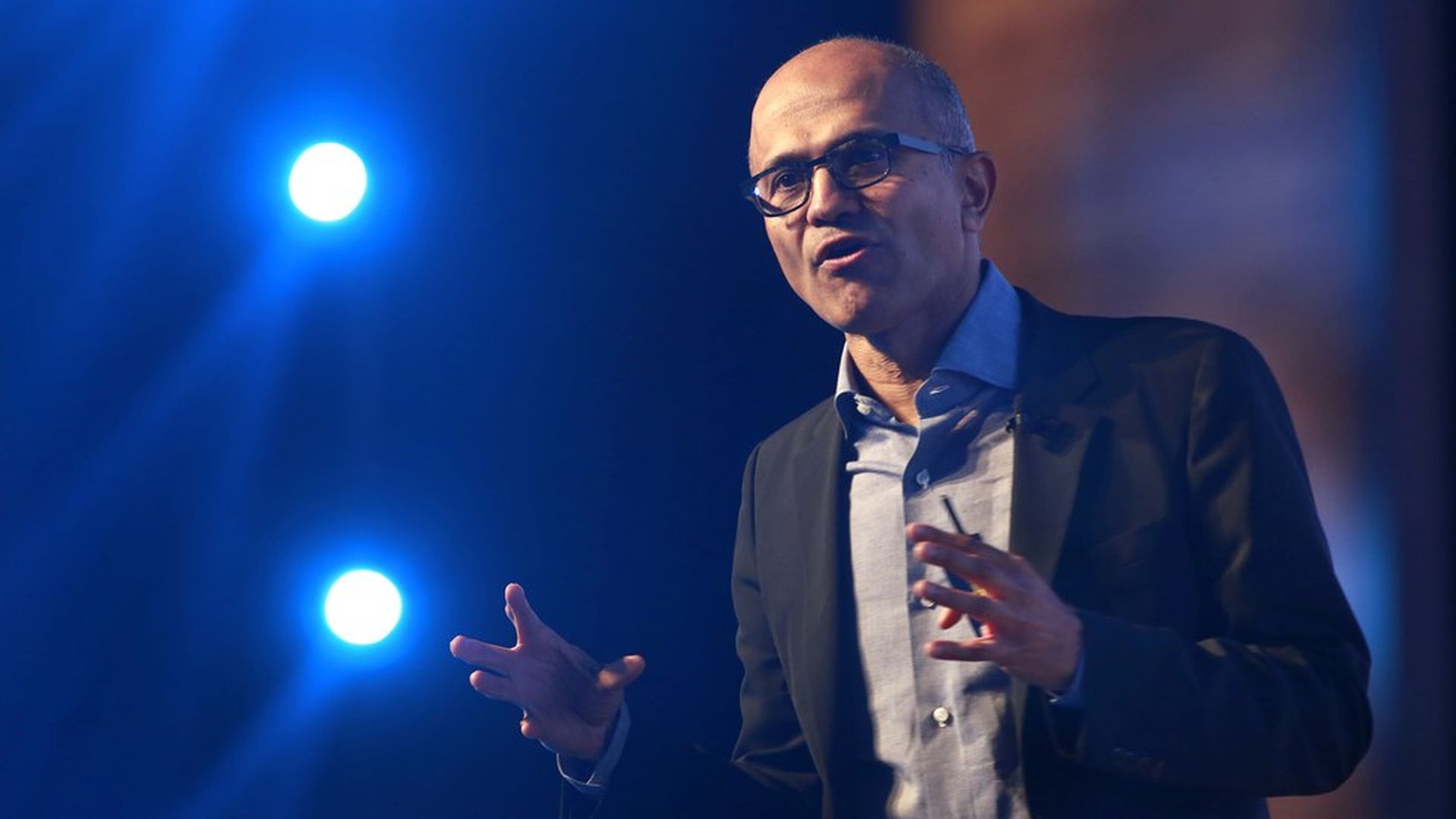
The contest for more sophisticated artificial intelligence systems has hotted up with an announcement of a big new lab — Microsoft Research AI, in which the software behemoth will employ more than 100 scientists to study how a single system of AI can tackle a wide range of jobs, rather than a single task, per Bloomberg. The new lab will partner with MIT, Microsoft said.
One of the new lab's initiatives is called AI for Earth, which will offer tools to environmentalists working on problems including climate and water shortages, Wired reports. As we've reported, Microsoft already was using its software to track pollution in places like Chesapeake Bay.
Why it matters: Microsoft is stepping up an already-fiercely competitive race toward smarter machines against Alphabet and Elon Musk's OpenAI.

The latest slate of Uber CEO candidates
Uber is continuing its search for a new CEO since co-founder Travis Kalanick resigned last month, and despite the company's many challenges, there is strong interest, according to a report from the New York Times citing anonymous sources.
The latest candidates under consideration:
- YouTube CEO Susan Wojcicki, former Virgin America CEO David Cush
- Former Yahoo chief executive Marissa Mayer
- Former Disney COO Thomas Staggs
- Adam Bain, Twitter's former chief operating officer is also being considered, which Axios had previously heard as well.
- NYT notes that former SoftBank and Google executive Nikesh Arora, among others, is angling for the job.
Concern: With Kalanick still on the board and with considerable voting power, some candidates have reportedly expressed worries about the potential dynamic. And it's unclear how much interest each of the above have expressed in the job.
A robot and cyber nightmare
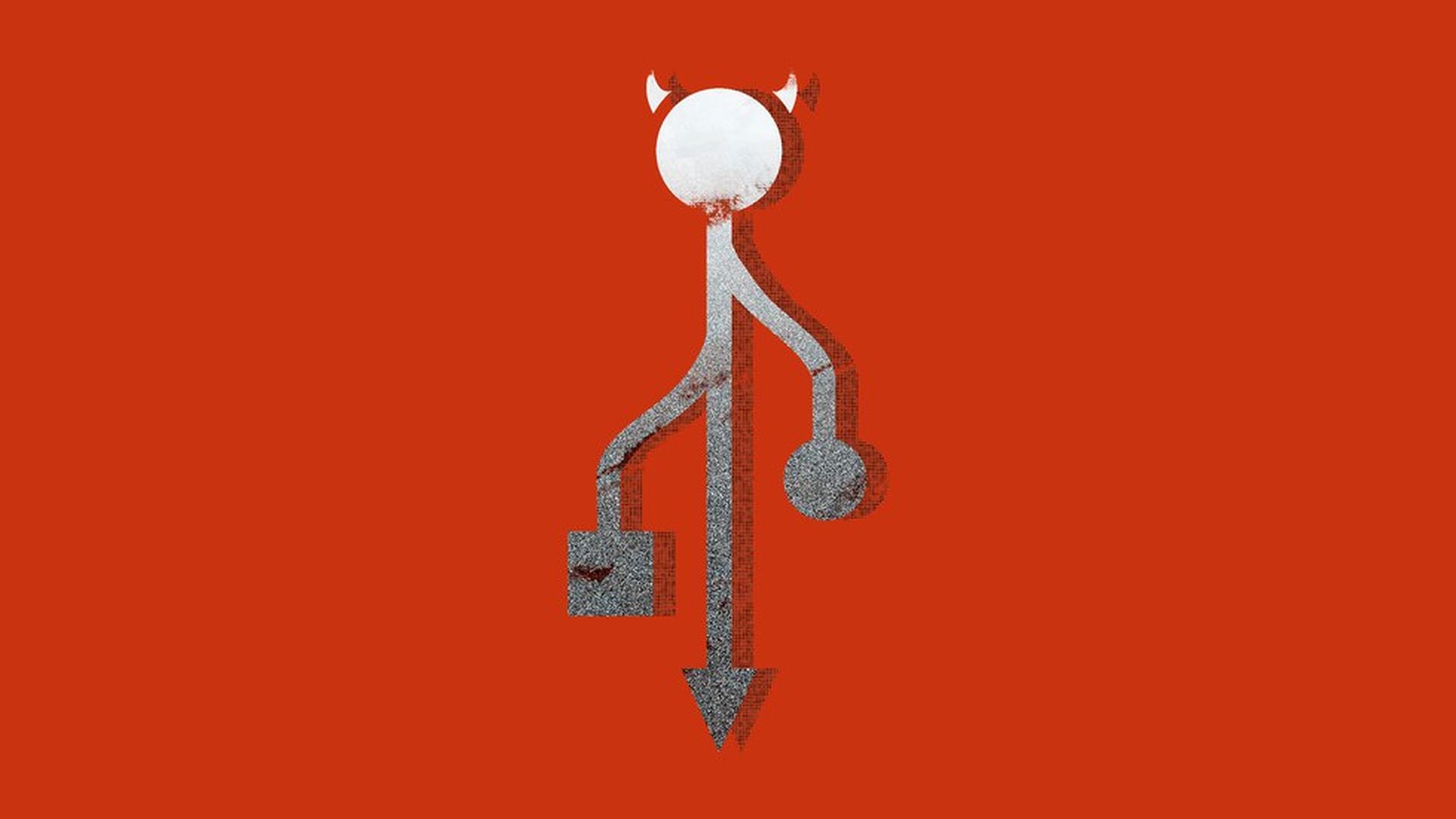
From robotics to cyber-war, developing countries are being lashed by the powerful new technological forces sweeping the globe — and seem likely to face worse.
- Before cyber-attackers have struck targets in the U.S. and Europe, they have often tested out their strategies in India, Taiwan, South Korea, and other second- or third-tier powers, per the New York Times' Sheera Frenkel. The defenses in countries like India are often lower, and fewer security experts are watching.
- Among malware tested: quasi-intelligent software that learns about the computer environment it's attacking as it moves. In addition, India has been hit with outsized waves of ransomware — Wannacry and Petya — that have struck some 60 countries in recent weeks.
- The next fear: Robots will stymie the traditional pathway up the economic ladder for poor nations, said Daniel Runde, an analyst with the Center for Security and International Studies. As rich nations adopt more robots, they can economically keep assembly and manufacturing industries at home rather than shipping them abroad to low labor-cost countries, he said.
Why it matters: Cyber security experts are now increasingly looking to the developing world to discover what malware might hit the more sophisticated economies next. These second-tier economies are a playing ground — a pickup basketball court — where cyber criminals can practice.The economic side is perhaps more worrying because it means exacerbation of a dynamic already in play — what Harvard economist Dani Rodrick has called "premature de-industrialization," in which poorer countries barely or never get to see the fruits of a manufacturing economy.

NYC's cottage industry of hunting Airbnb scofflaws

New York City has an Office of Special Enforcement that spends 95% of its time investigating rentals for possible violation of state and local laws — many of which are arranged on websites like AirBnb, Bloomberg reports. And the hotel industry and labor groups are only too eager to help, hiring their own private investigators to rat out AirBnb hosts who flout a ban on short-term sublets.
Why it matters: These self-styled rental vigilantes are just one example of how incumbent industries are leveraging state and local regulators to resist competition from online upstarts and emergent technologies. In other cases, taxi interests have helped ban Uber in places like Nevada, and utilities have worked to stop the spread of rooftop solar panels for residential real estate.
Uber and Yandex merge ride-hailing business in Russia

Uber is teaming up with Russian search company Yandex to form a standalone ride-hailing company, the companies announced on Thursday. It will operate in Russia, Kazakhstan, Azerbaijan, Armenia, Belarus, and Georgia, covering 127 cities.

Wall Street sours on Snap
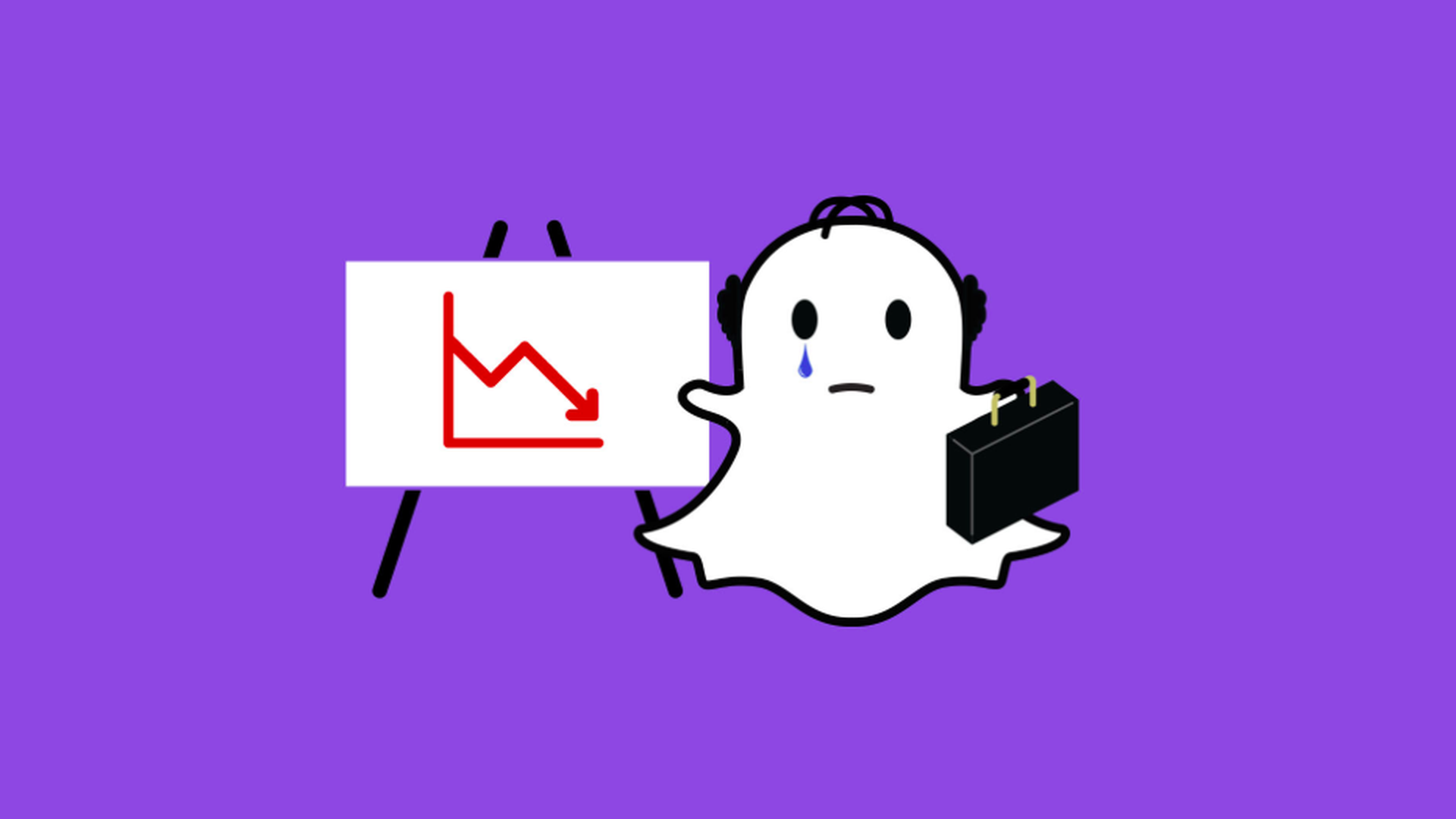
Snap shares closed below the company's $17 IPO price for the first time this week, and analysts downgraded the stock.
Morgan Stanley cut its price target to $16 from $28 saying that they were wrong about Snap Inc.'s ability to innovate and improve its ad product this year. Credit Suisse analyst Stephen Ju lowered his target to $25 from $30 citing raised volatility in Snap trading.
Why it matters: Advertisers say they haven't given up on the platform — which means Snapchat's revenue will continue to climb, but not at a rate that has investors convinced it could knock the growing threat of Instagram. WPP's Sir Martin Sorrell, the CEO of the world's largest advertising conglomerate, told CNBC Wednesday that while it plans to double its ad spend in Snap to $200 million this year, it plans to spend well over $2 billion on Facebook and up to $6 billion on Google.


Hill Republicans warn big tech: tread carefully
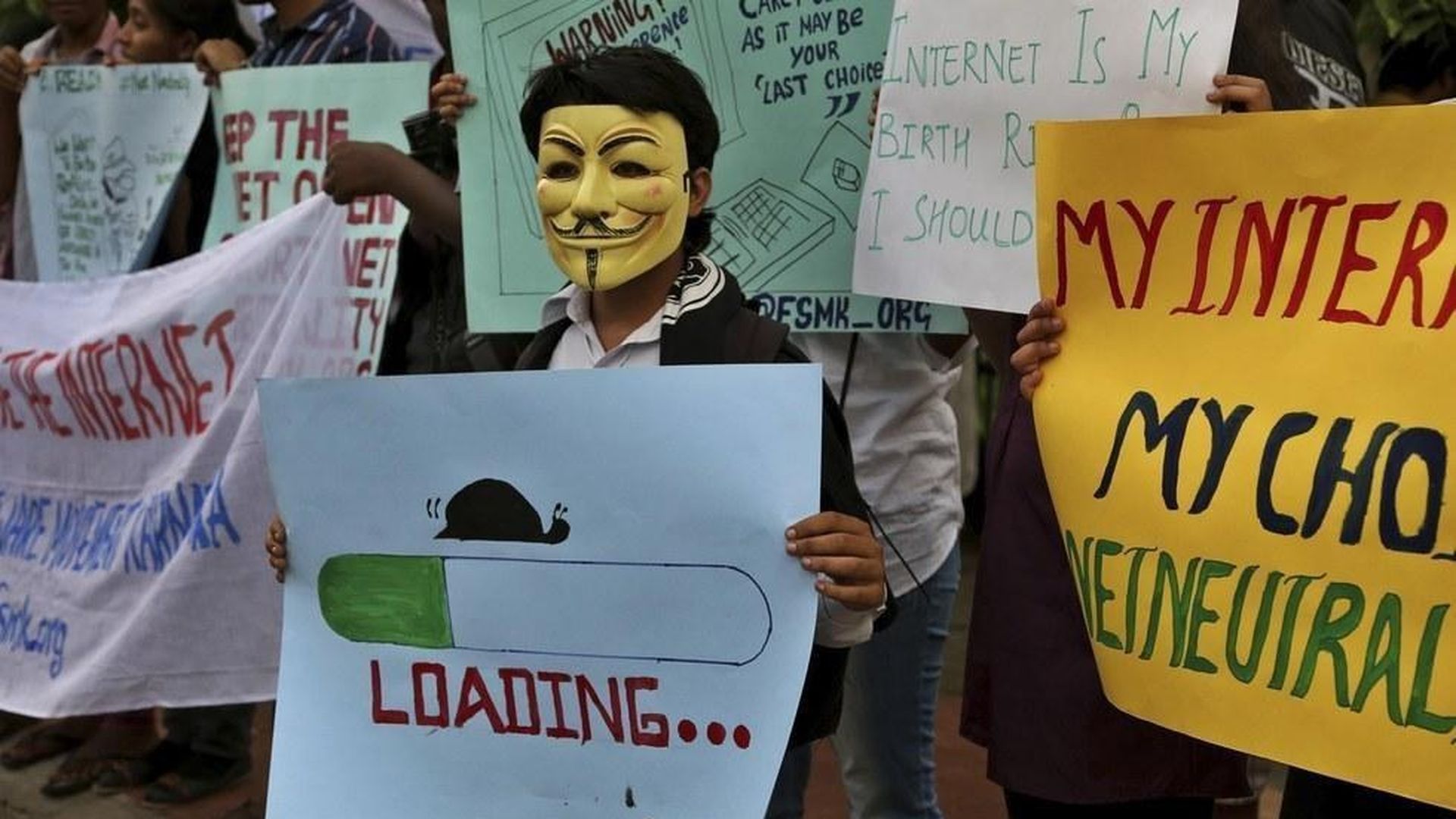
Republican House leadership told Facebook, Google and Amazon that overly aggressive net neutrality activism could make it harder to work together on other policy issues the firms care about, according to two sources familiar with the conversation. The message was delivered in a meeting the day before dozens of internet companies protested the FCC's plan to unwind net neutrality rules.
Why it matters: Tech companies are walking a fine line in speaking out against Trump administration policies — and net neutrality is particularly sensitive. On one hand, they generally support the rules (even though they are now so big that they don't necessarily need them) and their employees care deeply about the issue. On the other, they are asking Congress for help on touchy issues like consumer privacy and legal liability for content on online platforms that would have major business ramifications.

Verizon security breach exposes millions of customers' info

When researcher Chris Vickery told Verizon last month it was the victim of a cyber breach, it took over a week to secure the data that had been exposed, ZDNet reports. More than 14 million U.S. customers had their data exposed, including their addresses, names, phone numbers, and account PINs, according to security firm UpGuard, where Vickery works.
What it means: That's enough to get you into someone's account, even if there's two-factor authentication. European telecoms provider Orange may have also had some data on the exposed server.

PC sales drop for the 11th quarter in a row
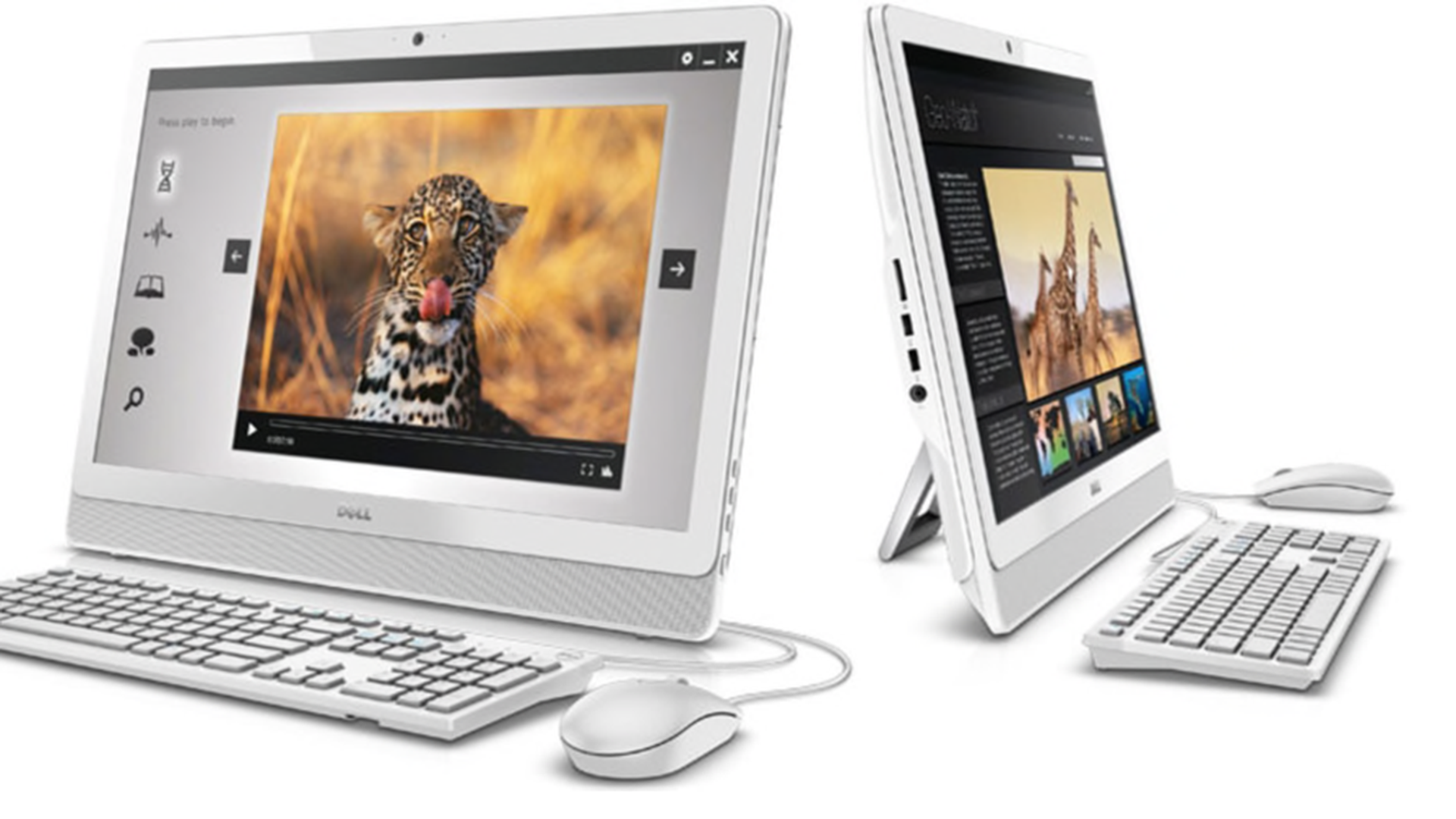
Higher memory and display prices put further pressure on the already slumping computer market, with PC sales down yet again last quarter, according to preliminary numbers from Gartner. Shipments were down 4.3% from a year ago and represented the lowest quarterly total since 2007, according to the market researcher.
It's worth noting that Gartner's numbers don't include Chromebook sales, which have been growing, or iPad sales, which haven't. As for Chromebooks, Gartner says shipments last year grew 38% in 2016, while the overall PC market declined 6%.
HP on the rise: While most of the market was down, HP posted its fifth straight quarter of year-on-year growth and passed up Lenovo to reclaim the top spot among PC makers globally.
Apple's latest health and fitness push
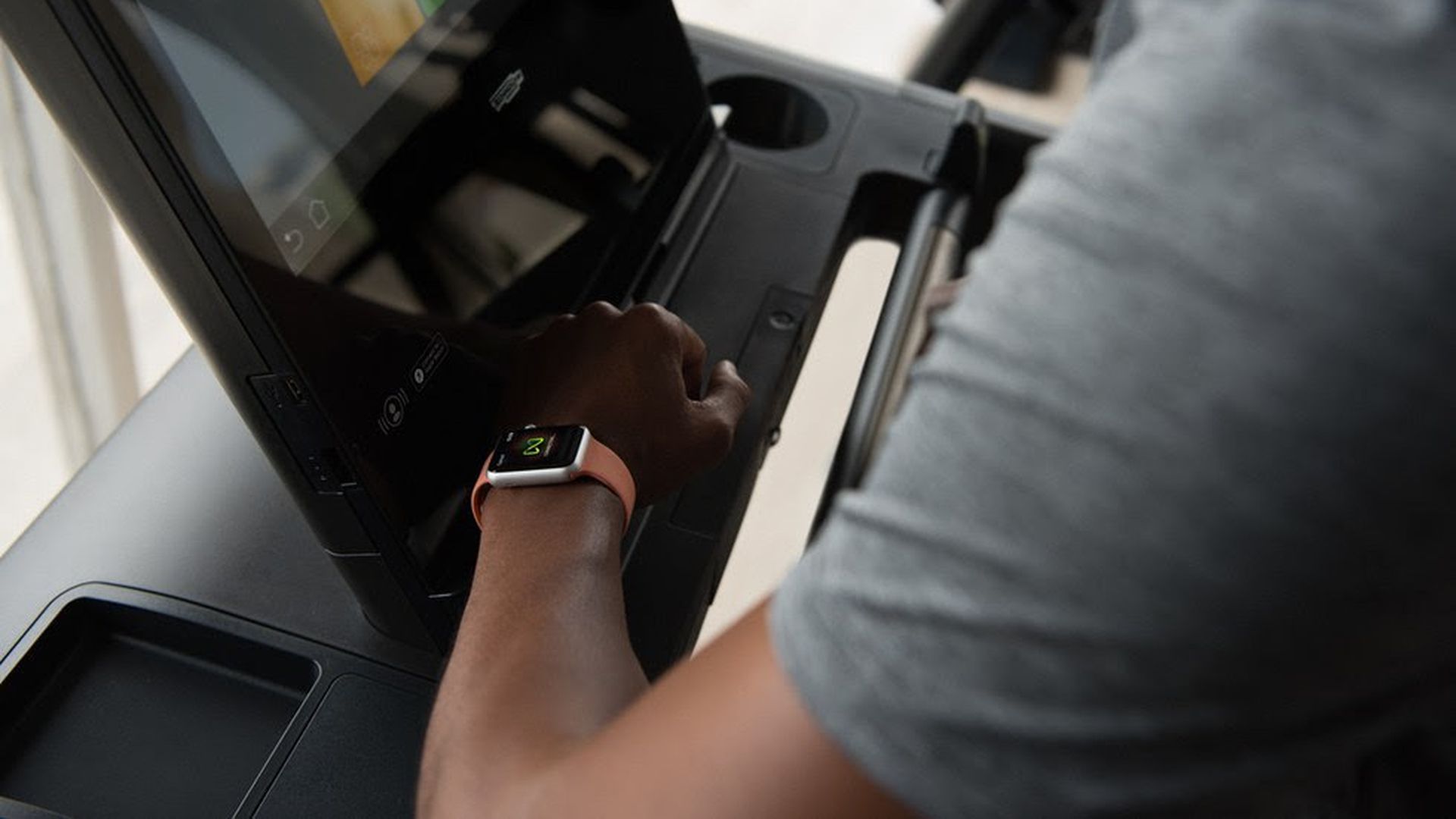
Apple proved it's committed to making health a significant driver of phone and watch sales at a meeting in LA on Tuesday.
Inside look: Apple showed a handful of reporters an extensive demo of the latest health and fitness efforts, both its own and those from third-party developers, as well as a look at some of the first fitness machines that tap a beta version of GymKit to sync data in real-time between exercise gear and an Apple Watch.
Secret lab: The company also offered a few details on a top-secret health and fitness lab it has been running on its campus for the past few years. Apple director of fitness Jay Blahnik said the company has amassed 33,000 hours of data on how people run, walk, cycle, swim and even how they sit.
What's most interesting: The efforts that remain secret, especially on the health front where things often involve lengthy regulatory approvals.
There may not be enough new jobs to compensate for robots after all
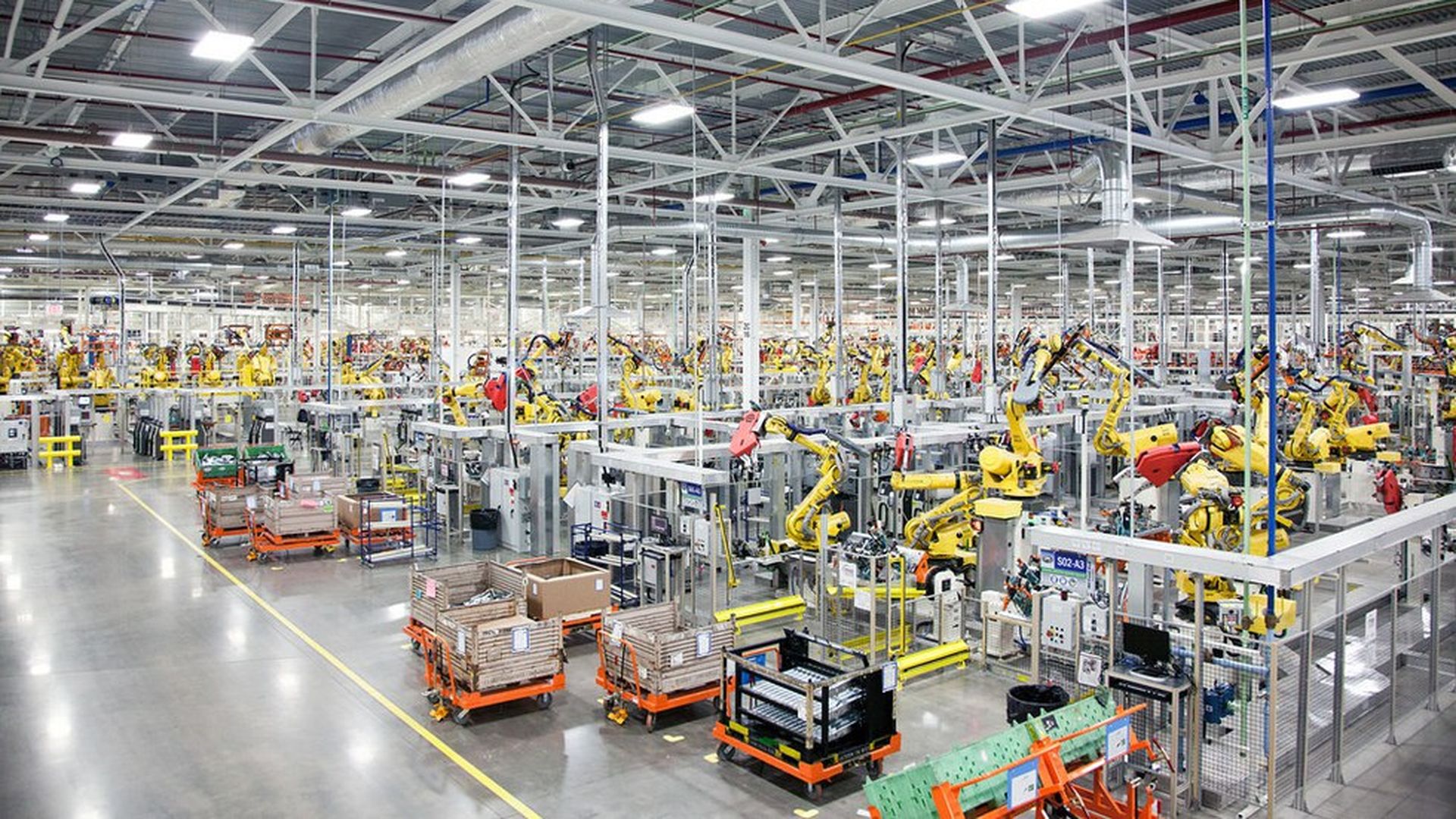
When optimists reassure the public not to fear the new age of robotization, they say that, as has always happened since the beginning of the industrial revolution, the economy will produce more than enough jobs to replace those destroyed. But the data are delivering a blow to that argument: the U.S. economy is producing comparatively few of the companies responsible for the bulk of new jobs — young startups.
We reported yesterday that new startups are forming at the slowest rate on record, according to an analysis by the Economic Innovation Group. But the additional point, made by McKinsey, the consultant firm, is that even when they are formed, they aren't lasting very long.
Why it matters: If there is not to be the mass unemployment feared by robot pessimists in the coming decades, the economy is going to have to churn out new entrepreneurs and their businesses. But, eight years into the recovery, the engine of the economy — the green shoots of new startups — is still idle, with no sign of a turn. "The trend is not going to break by itself," McKinsey's Sree Ramaswamy tells Axios. There is no indication that the economy is about to revert into a frenzy of new startup activity.
Microsoft's broadband bet may hit speed bumps
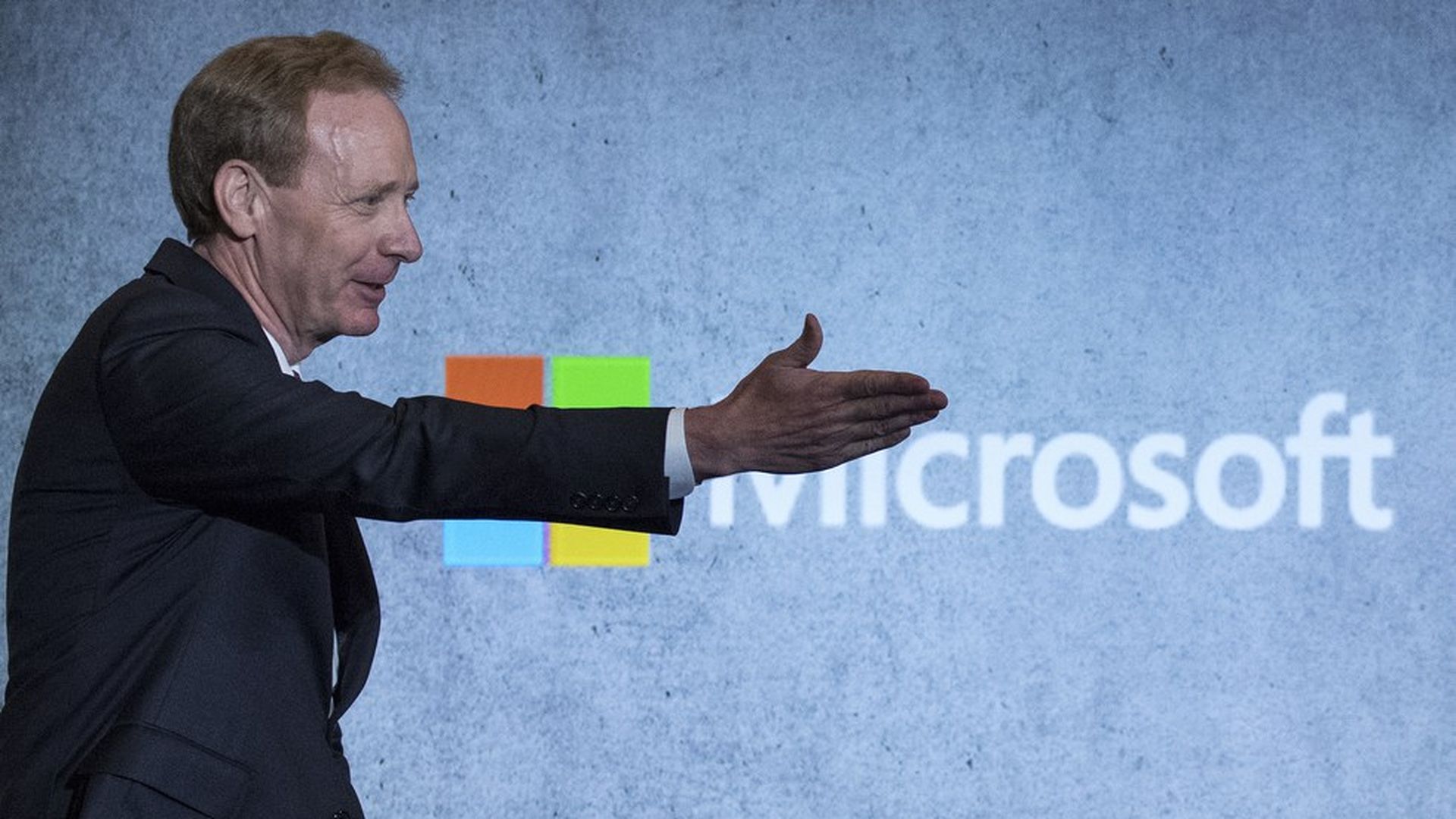
Microsoft's ambitious goal of connecting 23 million rural Americans within 5 years hinges on access to certain empty broadcast channels, known as white space, to deploy low-cost, high-speed mobile broadband. But Microsoft will have to fend off at least two industries that are skeptical of plans to use the particular airwaves — and are actively lobbying the FCC to push back on Microsoft's ideas.
Why it matters: Extending broadband service to rural areas has been a persistent challenge. There's a renewed focus on getting service to areas too remote or costly to reach with traditional fiber or wireless service, boosted by the possibility of broadband funding in a White House infrastructure package.