Wednesday's technology stories

Verizon security breach exposes millions of customers' info
When researcher Chris Vickery told Verizon last month it was the victim of a cyber breach, it took over a week to secure the data that had been exposed, ZDNet reports. More than 14 million U.S. customers had their data exposed, including their addresses, names, phone numbers, and account PINs, according to security firm UpGuard, where Vickery works.
What it means: That's enough to get you into someone's account, even if there's two-factor authentication. European telecoms provider Orange may have also had some data on the exposed server.

PC sales drop for the 11th quarter in a row
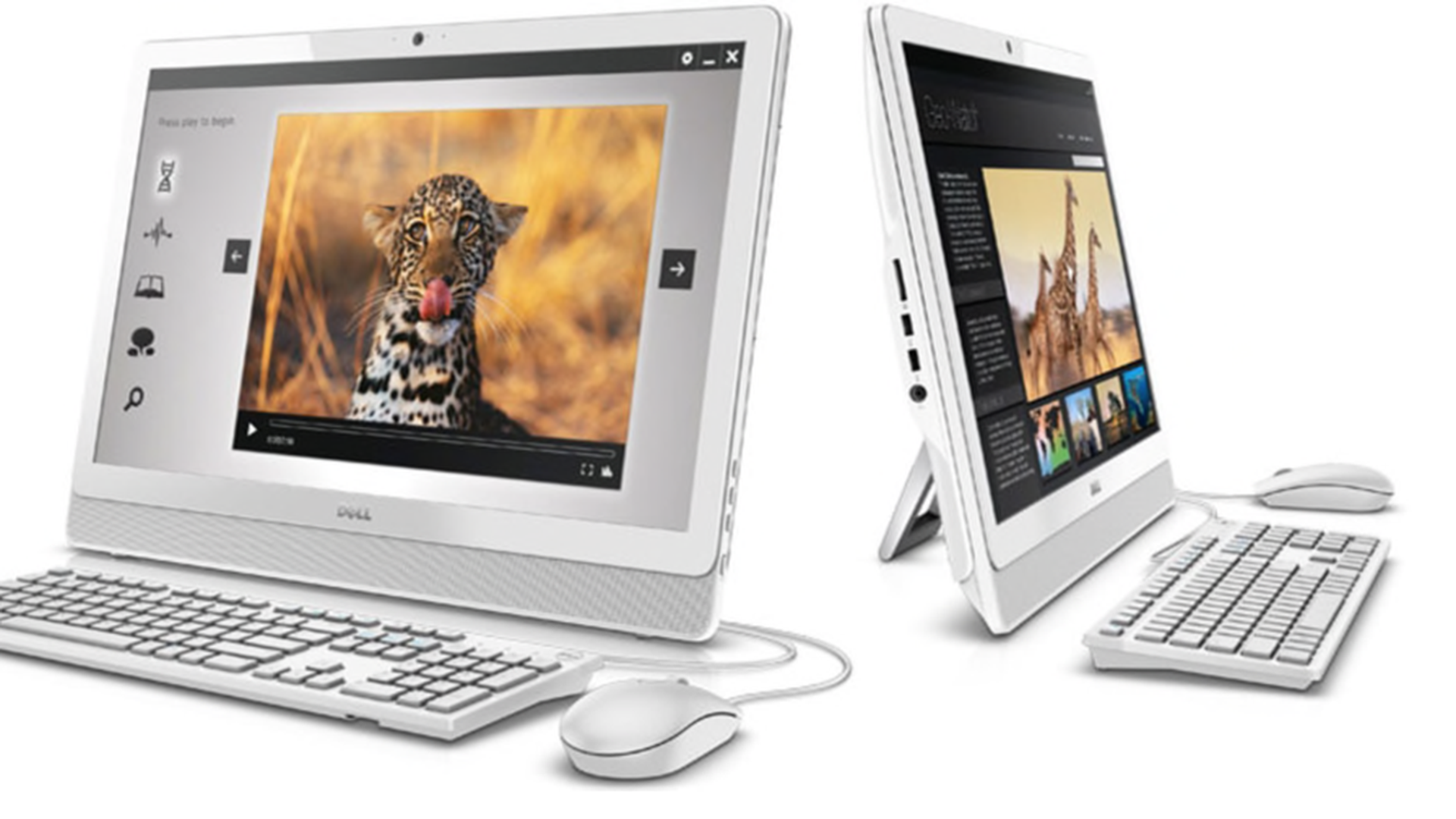
Higher memory and display prices put further pressure on the already slumping computer market, with PC sales down yet again last quarter, according to preliminary numbers from Gartner. Shipments were down 4.3% from a year ago and represented the lowest quarterly total since 2007, according to the market researcher.
It's worth noting that Gartner's numbers don't include Chromebook sales, which have been growing, or iPad sales, which haven't. As for Chromebooks, Gartner says shipments last year grew 38% in 2016, while the overall PC market declined 6%.
HP on the rise: While most of the market was down, HP posted its fifth straight quarter of year-on-year growth and passed up Lenovo to reclaim the top spot among PC makers globally.
Apple's latest health and fitness push
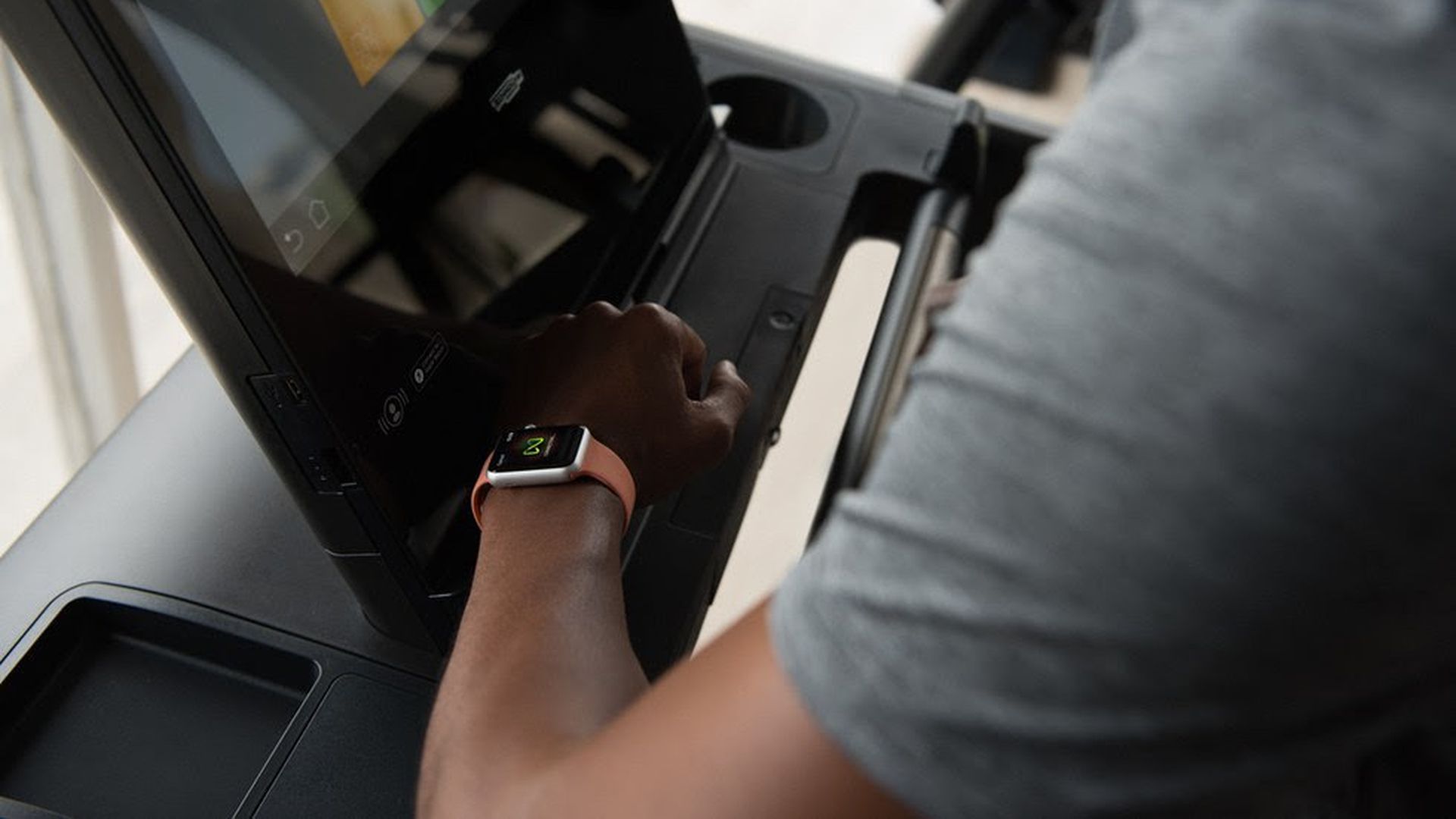
Apple proved it's committed to making health a significant driver of phone and watch sales at a meeting in LA on Tuesday.
Inside look: Apple showed a handful of reporters an extensive demo of the latest health and fitness efforts, both its own and those from third-party developers, as well as a look at some of the first fitness machines that tap a beta version of GymKit to sync data in real-time between exercise gear and an Apple Watch.
Secret lab: The company also offered a few details on a top-secret health and fitness lab it has been running on its campus for the past few years. Apple director of fitness Jay Blahnik said the company has amassed 33,000 hours of data on how people run, walk, cycle, swim and even how they sit.
What's most interesting: The efforts that remain secret, especially on the health front where things often involve lengthy regulatory approvals.

There may not be enough new jobs to compensate for robots after all
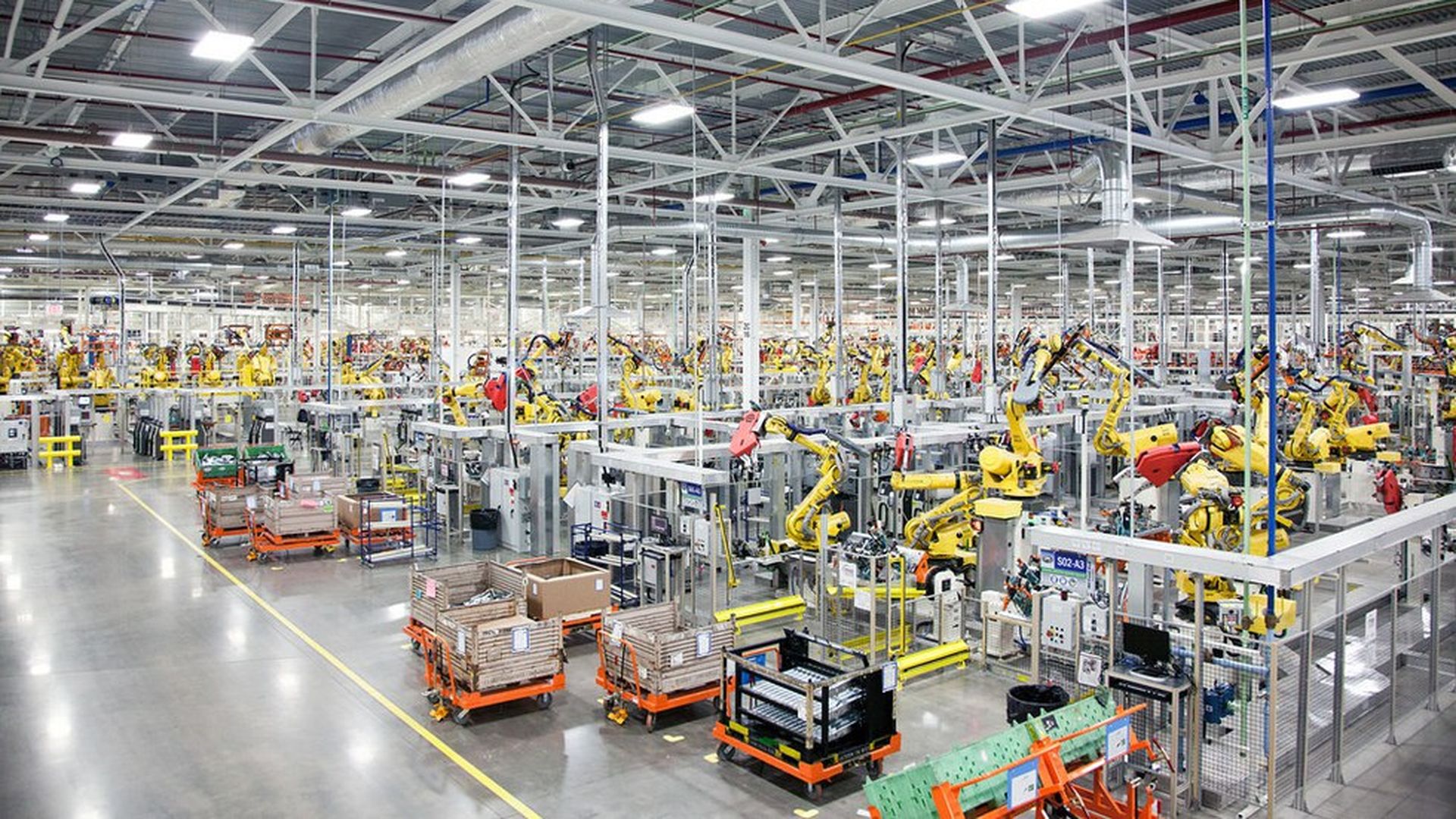
When optimists reassure the public not to fear the new age of robotization, they say that, as has always happened since the beginning of the industrial revolution, the economy will produce more than enough jobs to replace those destroyed. But the data are delivering a blow to that argument: the U.S. economy is producing comparatively few of the companies responsible for the bulk of new jobs — young startups.
We reported yesterday that new startups are forming at the slowest rate on record, according to an analysis by the Economic Innovation Group. But the additional point, made by McKinsey, the consultant firm, is that even when they are formed, they aren't lasting very long.
Why it matters: If there is not to be the mass unemployment feared by robot pessimists in the coming decades, the economy is going to have to churn out new entrepreneurs and their businesses. But, eight years into the recovery, the engine of the economy — the green shoots of new startups — is still idle, with no sign of a turn. "The trend is not going to break by itself," McKinsey's Sree Ramaswamy tells Axios. There is no indication that the economy is about to revert into a frenzy of new startup activity.

Microsoft's broadband bet may hit speed bumps
Microsoft's ambitious goal of connecting 23 million rural Americans within 5 years hinges on access to certain empty broadcast channels, known as white space, to deploy low-cost, high-speed mobile broadband. But Microsoft will have to fend off at least two industries that are skeptical of plans to use the particular airwaves — and are actively lobbying the FCC to push back on Microsoft's ideas.
Why it matters: Extending broadband service to rural areas has been a persistent challenge. There's a renewed focus on getting service to areas too remote or costly to reach with traditional fiber or wireless service, boosted by the possibility of broadband funding in a White House infrastructure package.

Twitter hires new CFO
Twitter has hired Ned Segal as its new chief financial officer, the company said on Tuesday. Segal is replacing Anthony Noto, who was promoted to Twitter's operations chief in November following the departure of Adam Bain.
Resume: Prior to his new gig at Twitter, Segal was a senior vice president of finance at Intuit after a two-year stint as CFO of patent risk management company RPX. He began his career at Goldman Sachs in equity research and later in investment banking.
Payday: Segal's hiring comes after a long string of executive departures and changes at the social media company. According to a filing with the SEC, Segal stands to make a total of $800,000 in compensation in his first year (salary plus sign-on bonus), with an equity package that could total up to about $20 million.