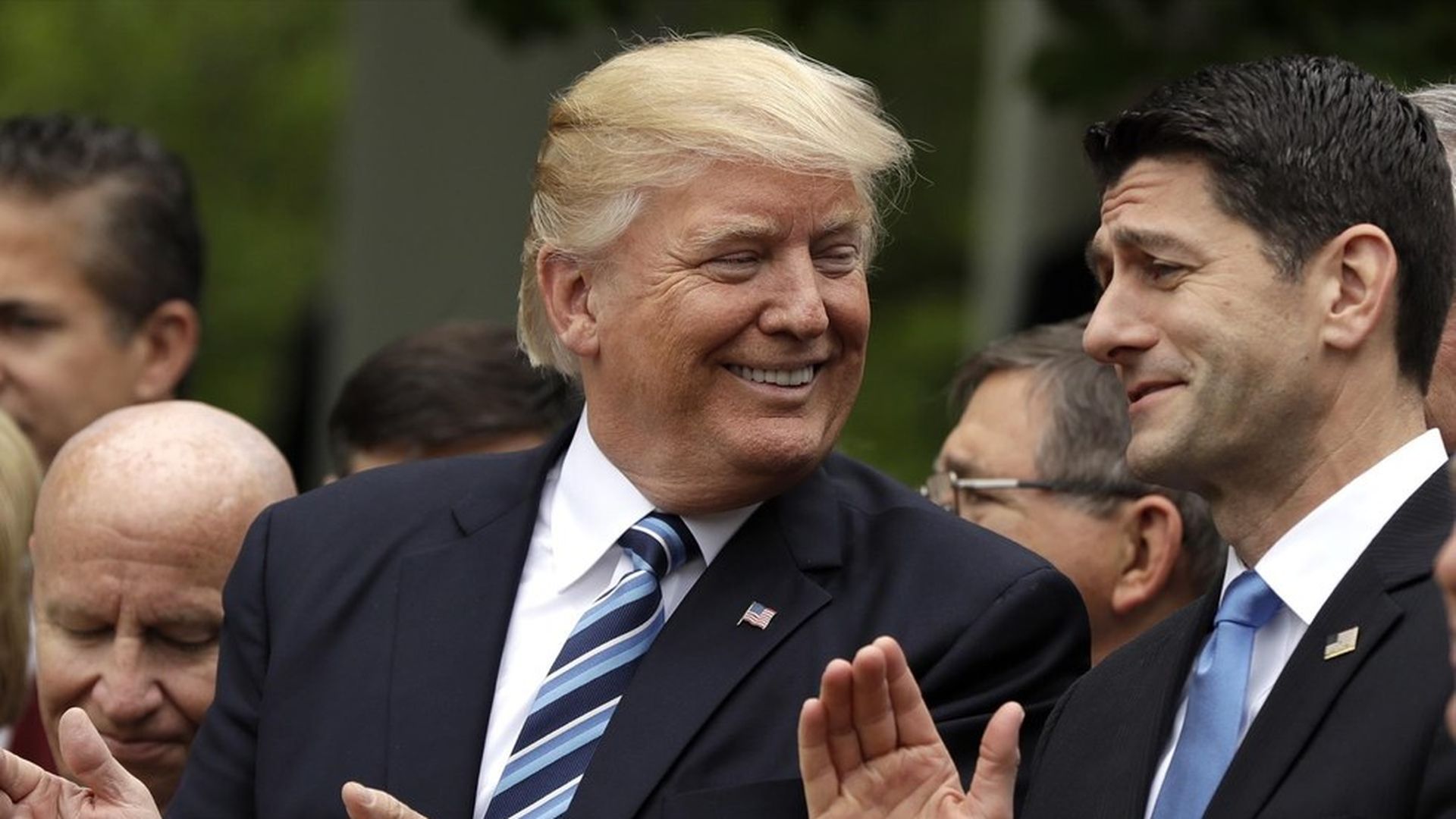
Sean Spicer said from the White House podium this afternoon that he was going to let President Trump's "tapes" tweet speak for itself, and it looks like Paul Ryan is taking the same approach. He told reporters in Delavan, Wisconsin today:
I've decided I'm not going to comment on the tweets of the day or the hour. I haven't seen them all to be candid with you.
Other quick hits: Ryan said there's "a lot of reasons" that he's chosen to do telephone town halls over in-person meetings with his constituents. He also said that Trump had never asked him for a loyalty pledge and dismissed a question regarding Trump potentially taping their conversations.
Clover Health, a Medicare Advantage insurance company, has raised $130 million from Greenoaks Capital, GV (Alphabet's venture-capital arm formerly known as Google Ventures), and several other exiting investors. The news was reported first by Bloomberg. Clover, which now has a valuation around $1.2 billion, confirmed the funding round to Axios Friday.
Why this matters: Clover gets a new big-name backer and more cash to expand its tech-based health plans. The company just ended the recent Medicare Advantage annual enrollment period with about 25,500 members, but Clover is still losing a lot of money.
Music streaming service Spotify had been considering an IPO, but sources tell CNBC's David Faber that it's planning a direct listing on the New York Stock Exchange as early as this fall.
Why a direct listing? Spotify, with 100 million users, isn't looking to raise capital; they're already cash-flow positive. Instead, it wants a liquidity event for employees and early investors looking to cash out, as CNBC reports. In a direct listing, only investors are allowed to buy shares through the open market.
Spotify v. Pandora: Pandora reported growing net loss in its Q1 earnings earlier this week and announced it was raising money to explore a sale. Spotify is such a dominant player in the music market that, once listed, it's expected to trade on the peer multiple of Netflix rather than Pandora.
Google's messaging app Allo has unveiled its newest interactive feature: automated technology that can create a Bitmoji-like illustration based on your selfie.
How it works: The user takes a selfie, and Google's neural network gets to work. The algorithm pinpoints the "qualitative features" of the user's face — such as hair style and eye color — then pulls from more than 563 quadrillion combinations to create a cartoon-like version of the user.
Thinking ahead: Google said in its announcement that it hopes to expand the feature's capabilities in the future and eventually create a "pack" of different styles. "This first style that launched today speaks to your sarcastic side but the next pack might be more cute for those sincere moments. Then after that, maybe they'll turn you into a dog," said Jennifer Daniel, Allo's Expressions Creative Director. The feature is currently only available on Android, but it should make its iOS debut "soon."
President Trump took to Twitter today to address the critics that have been calling out the White House for its mixed messaging on FBI director James Comey, which has resulted in Trump considering a replacement for White House press secretary Sean Spicer.
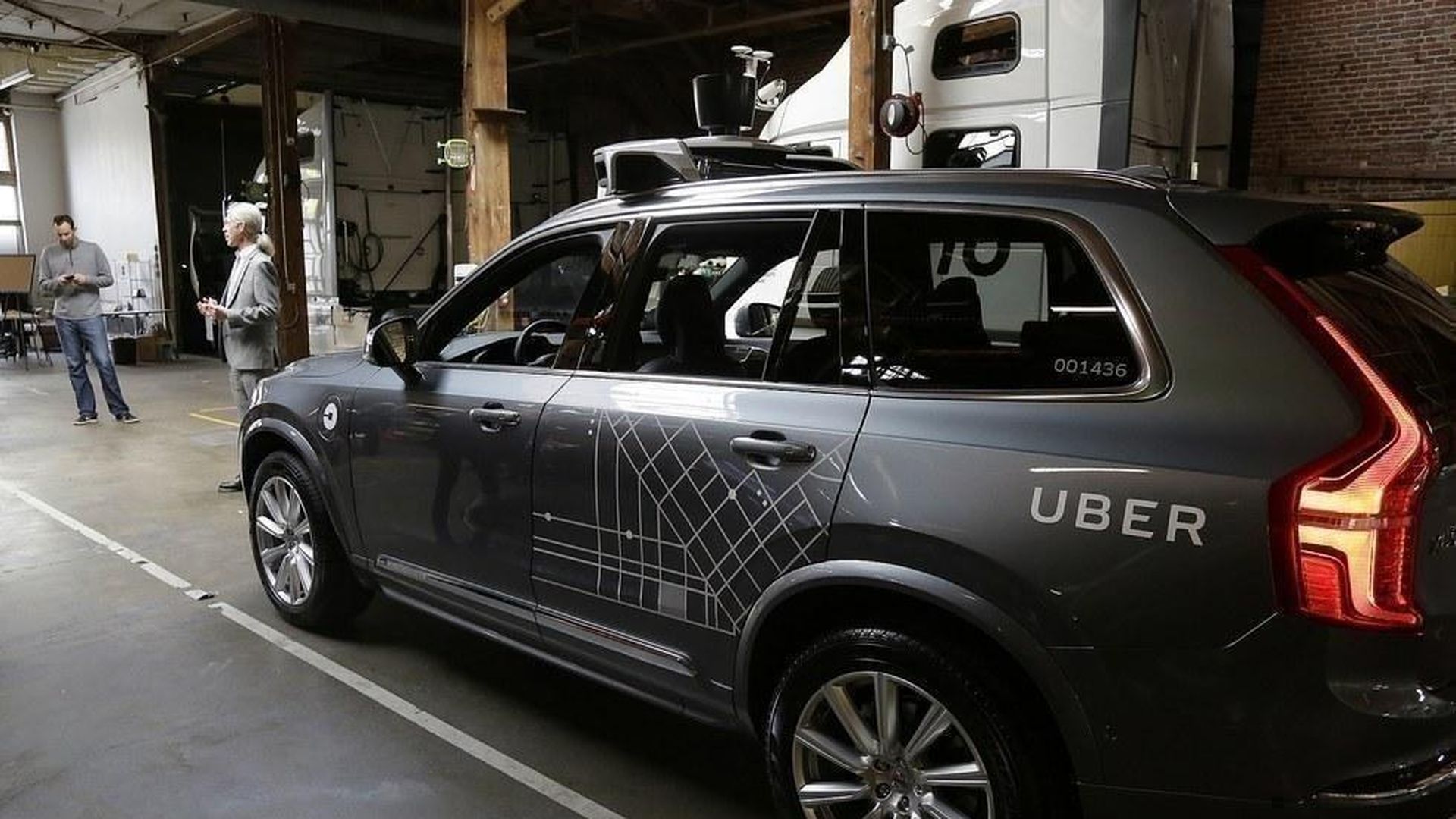
A federal judge has denied Uber's request to move to arbitration a trade secrets theft lawsuit filed by Waymo, Alphabet's self-driving car unit. He also is referring the theft claims to the U.S. Attorney's office, which may or may not investigate.
What it means: With the request denied, Uber and Waymo's battle over allegedly stolen self-driving car technology will continue to play out in public. The judge's ruling is a blow to Uber, which had sought to avoid a PR nightmare of a trial, in which all parties will be required to reveal information about their operations, business, and technology.
But the U.S. attorney referral could be an even bigger deal, as it could theoretically expand Uber's troubles from civil to criminal.
On the second day of its annual developer conference, BUILD, in Seattle, Microsoft's announcements ranged from mixed reality controllers to new developer tools. Here's everything you need to know:
Why it matters: It's critical for Microsoft to get more key apps into the Windows store — and iTunes is definitely one of those.
It's also important for Microsoft's new Windows 10 S operating system, which only runs Windows Store apps. Without a new version of iTunes, there would be no (authorized) way to directly connect an iPhone to such devices. For Apple, the move also allows owners of Windows 10 S to connect to its Apple Music subscription service, eliminating a reason some might choose a rival service.
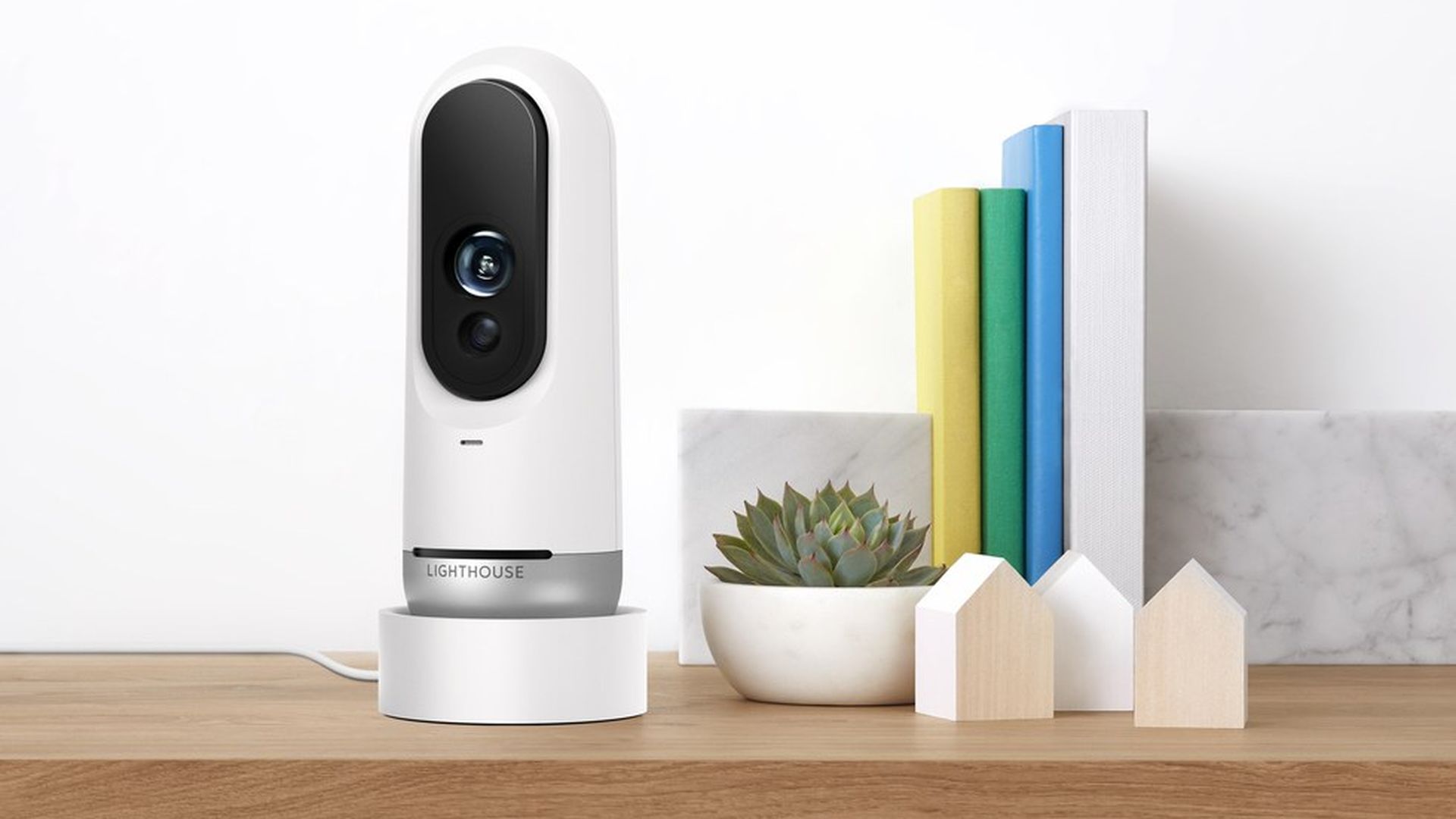
More and more people are setting up cameras in and around their homes, but are they really getting valuable information from those devices? Lighthouse, a new Silicon Valley startup, doesn't think so.
All about AI: Lighthouse says that artificial intelligence is what makes its home camera system more useful than others. In addition to a camera, Lighthouse's device is outfitted with a 3-D sensor that captures a more detailed view. The company's A.I.-laden software is then able to detect specific people, pets, and movements.
For example, a user can open the companion mobile app, and verbally ask if their dog walker came by that day. Using natural language processing, Lighthouse then identifies footage of the dog walker and brings it up. Right now, however, the range of elements it can identify is limited to what the company has "taught" the software to recognize, though Lighthouse says it's continuing to add more based on user feedback.
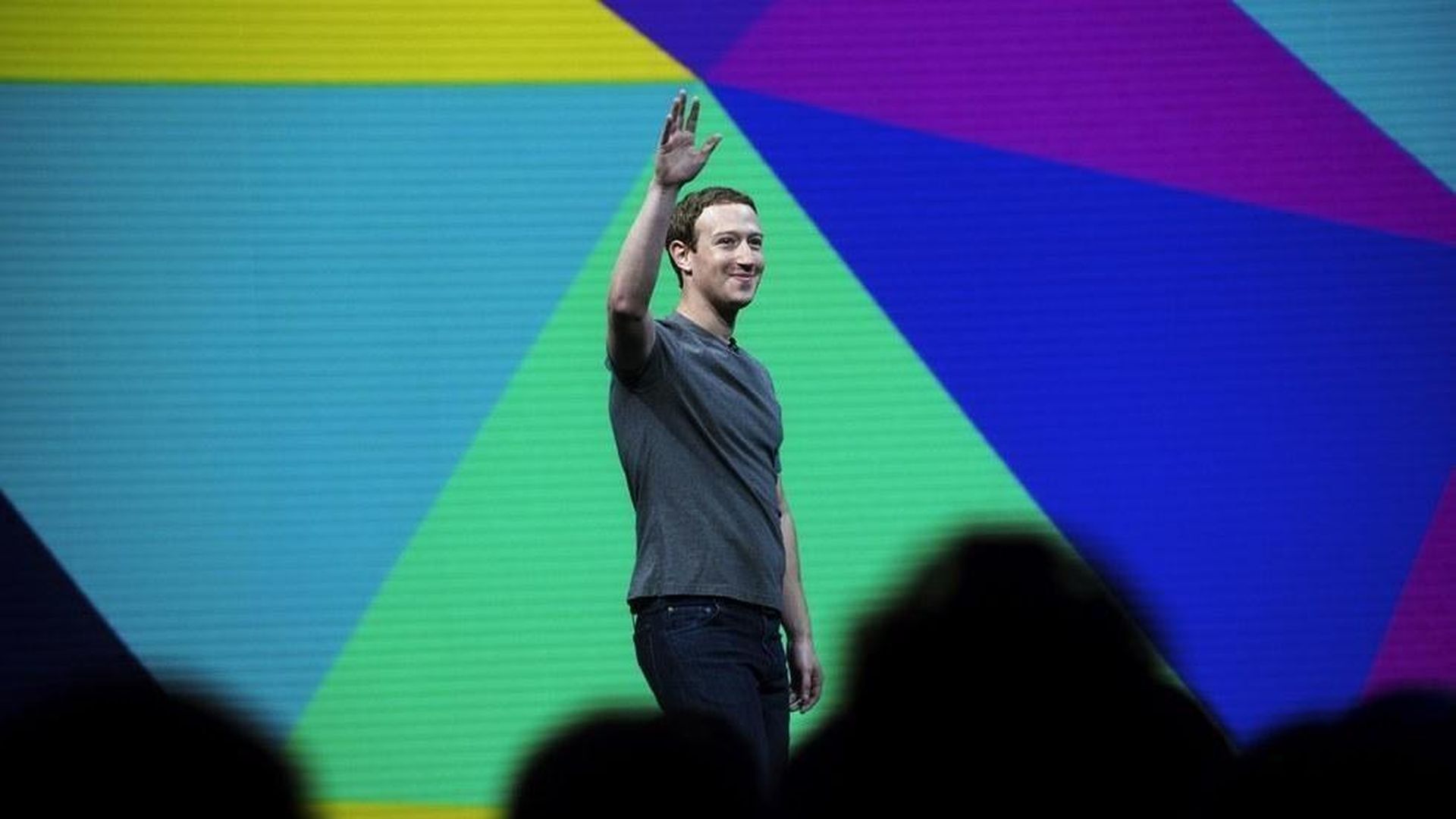
Facebook has added a former top staffer for now-Attorney General Jeff Sessions to its policy team focused on the administration, the company tells Axios. Sandy Luff, who last worked for Sessions as his Legislative Director when he was serving in the Senate, will be Director of Executive Branch Public Policy at the tech giant. She also worked with the Trump transition team.
Facebook is staffing up its policy communications team, too. It has hired Nu Wexler, a veteran Democratic communications staffer who is well-known to the tech press as Twitter's former spokesman on policy issues.
Why it matters: Tech companies are having to adapt quickly to Trump's Washington. This hire gives Facebook a valuable link to an influential member of the administration who has taken positions on immigration and surveillance that don't sit well with Silicon Valley. Former Sessions aides — most notably Stephen Miller — also hold key administration posts.
Snap revealed yesterday that it missed Wall Street estimates on revenue, earnings and user growth in its first earnings report to investors since going public in March. While the self-proclaimed camera company saw enormous (but expected) advertising growth, its burn rate nearly doubled from last year's first quarter, weakening its case for eventual profitability. Executives also faced numerous questions from investors concerned about ways Facebook's copycat features may have impacted its sluggish user growth.
Why it matters: Snap's pitch to investors when it went public was that, although it wouldn't be profitable this quarter, user growth and investments in ad technology would bring profitability in the foreseeable future. Based on reactions to its first earnings call, investors aren't confident. Shares were down nearly 25% after trading Wednesday to roughly $17.5 per share, negating any growth it experienced after going public at $17 per share in March.
Why is StraightPath so sought after? Because it has high-frequency airwaves that will be crucial to building out 5G networks. Both AT&T and Verizon are working on building out 5G technology and need those airwaves, which travel short distances, to support robust coverage. AT&T ultimately declined to match Verizon's bid, per WSJ.
Snapchat's parent company pointed to mobile technology as it sought to explain user growth (and lack thereof) during its first earnings call since going public.
Bottom line: Snap essentially admits that its service works best for people in countries where iOS phones are affordable and popular, and mobile plans are so cheap that everyone is online all the time on their phones. Here Facebook has an advantage over Snap as it's been investing for years into ways it can make its apps and service accessible for users in emerging markets.