Wednesday's technology stories

Snap's CEO dismisses threat posed by Facebook
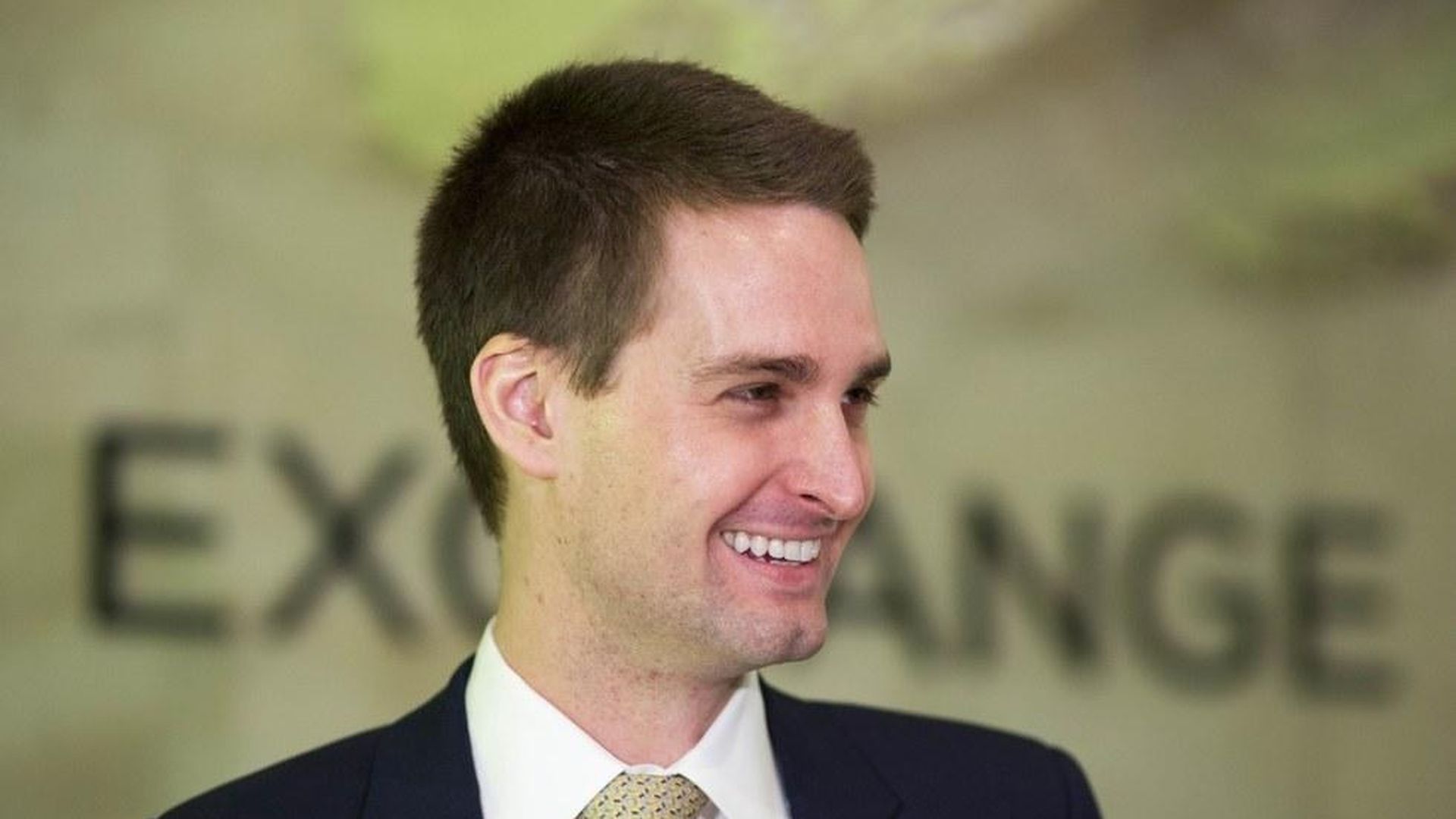
Is Snap CEO Evan Spiegel scared of Facebook, which has been aggressively cloning its features?
"Just because Yahoo has a search box, doesn't mean that they're Google," Spiegel told analysts during his company's Q1 earnings call, chuckling when he heard the question. He added that "creativity" is most important to Snap, hinting the company isn't worried as long as it continues to come up with new ideas even if competitors copy them.
Why it matters: Since Facebook-owned Instagram rolled out a blatant copy of Snapchat's Stories last summer and publicized the success of its version of the feature, Snap has faced increased concerns over its ability to withstand the attack. At Facebook's annual developer conference last month, CEO Mark Zuckerberg also made headlines when he announced the company's new focus on cameras and augmented reality, reminiscent of Snap's "camera company" tagline, further fueling the rivalry.
Snap's first quarterly earnings are a dud
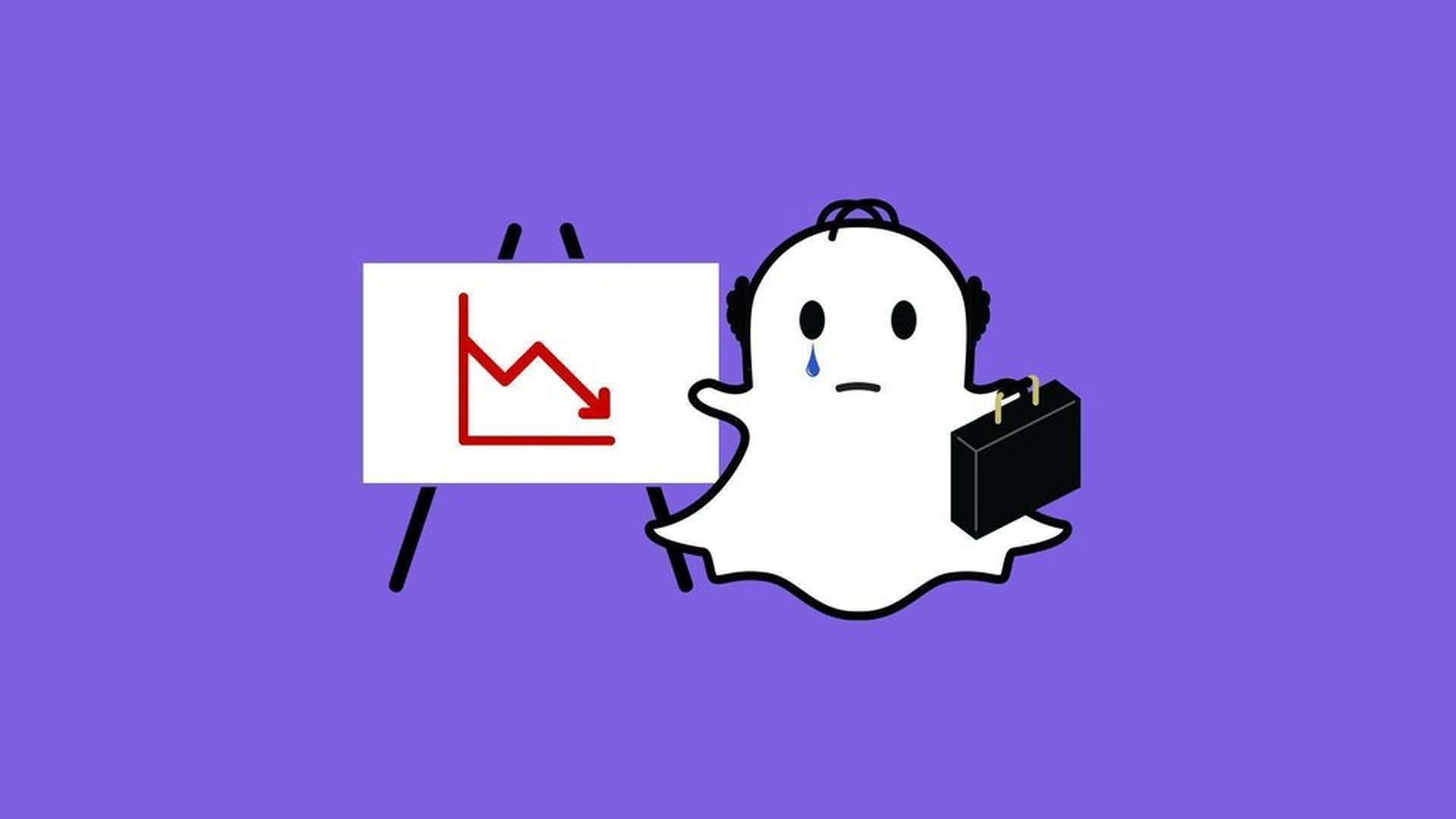
Snap's hotly awaiting first quarterly results are in, and the company missed Wall Street analyst expectations for both revenue and earnings. Shares are down more than 20% in after-hours trading, while rival Facebook has seen a small stock bump.
Everything Microsoft announced at its Build conference on Wednesday
There wasn't a brand new version of Windows or a flashy new Surface tablet unveiled, but here's what Microsoft announced Wednesday at its Build developer conference. Here are the highlights:
- Windows 10 is now on 500M devices: Microsoft originally thought it would reach one billion devices within the first couple of three years, but acknowledged last year that it would miss that goal. Additionally, the company said it now also has 100 million commercial Office 365 monthly users.
- Microsoft introduces Azure Cosmos DB: The company introduced a new database for developers running cloud-based apps that provides more options for optimal app performance.
- 130,000 developers already using its bot toolkit: Microsoft debuted its Bot Framework a year ago and it now has 130,000 developers, up from 46,000 developers in September,.
- Visual Studio out for Mac: Highlighting a trend towards embracing rival platforms, Microsoft announced that its flagship code editing software, Visual Studio, is now publicly available on Mac.
- Microsoft Teams: Microsoft is making it possible for any developer to publish apps for Teams, its new workplace chat tool, into its app store. Additionally, it will soon roll out new features, including third-party notifications and the ability to pull in commands from other apps.
- Cortana Skills kit in public preview: Similarly to Amazon's Alexa, Microsoft is making tools available for developers to create integrations and apps for Cortana, its digital voice assistant.
- Bots in Bing search results: Microsoft's search engine will now include bots as part of search results.
- Video Indexer: Microsoft debuted a software tool that can analyze videos and make their contents searchable.
- Emma watch for Parkinson's: A Microsoft Research team demoed a watch that can help people with Parkinson's steady their hand tremors.
The event continues Thursday with a keynote from Windows unit head Terry Myerson.

Apple's latest acquisition may be built into watches
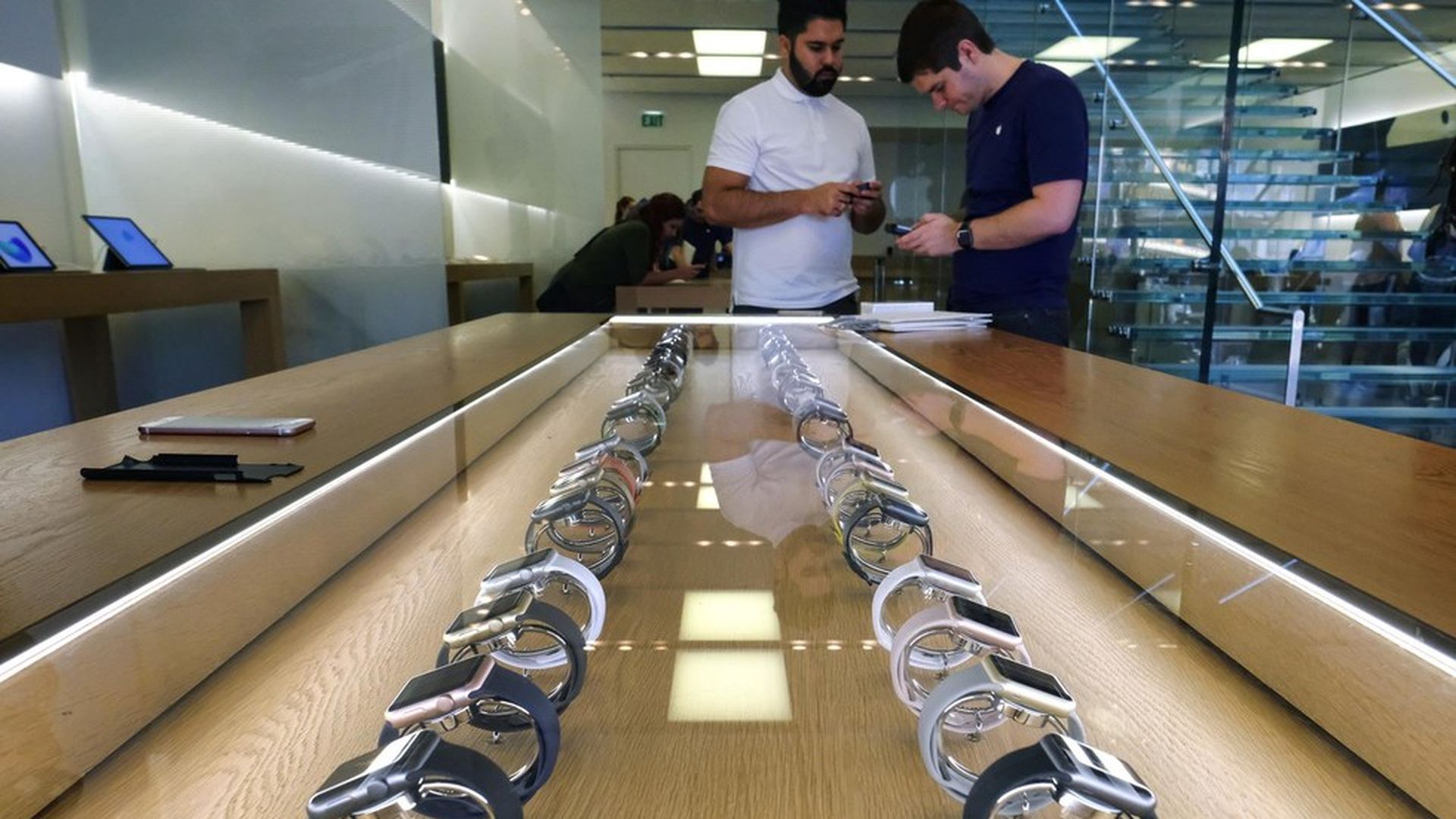
After sleeping on the news of Apple's acquisition of Beddit, I still think it is too soon to say what will become of the technology. The company isn't known for keeping products alive once it buys them. Beats' headphones business is an obvious exception but that was a much, much, much larger company with a huge established business and brand. Beddit, by contrast, is a tiny company from Finland. But, what about the tech? As for where the technology goes, one likely candidate is the Apple Watch. Unlike some other smartwatches, Apple doesn't already have sleep tracking built into Apple Watch. That's likely in part because the device still needs to be charged every day. But as battery life improves, the watch would be a logical place to see some sleep-tracking technology show up. And Beddit already works with Apple's HealthKit.That said, Beddit's technology is a sensor that goes on the mattress rather than a wrist-worn product like some rivals. So perhaps Apple will keep it around after all. I'm kind of tossing and turning on this one.

What to expect from Snap's first earnings report
/2017/12/15/1513302165168.gif?w=3840)
Just over two months since it went public, Snap is gearing up to release its first quarterly earnings report at market close today.
The stakes: Snap's earnings will be under heavy scrutiny. It commanded a massive valuation at IPO despite being unprofitable and having far fewer users than Facebook, so it will have to show improved financials and continued growth. It also must fight growing perceptions that Instagram's cloning of its most popular features is a serious threat.

Amazon's "Echo Show" raises privacy concerns
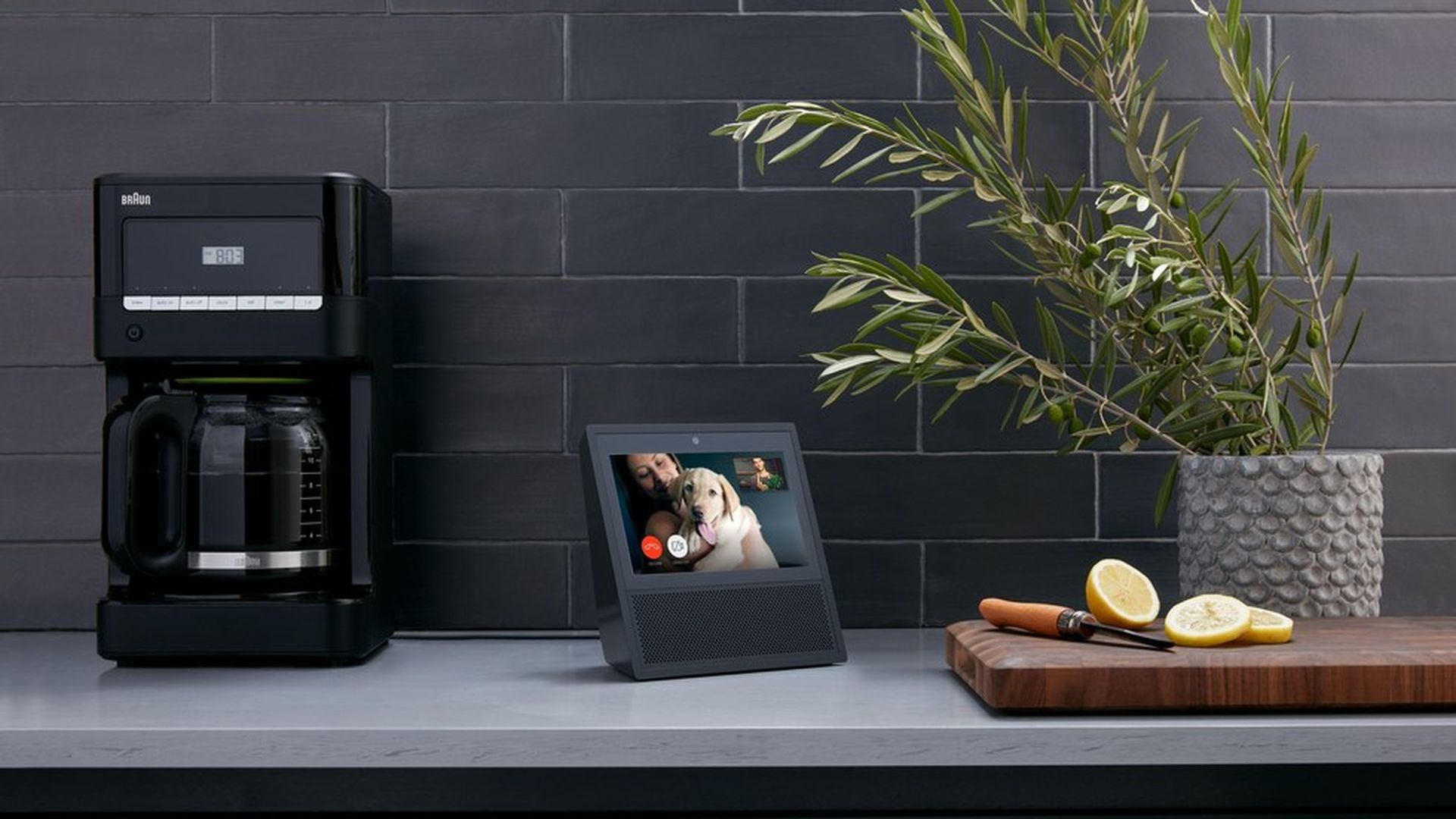
Amazon's newest addition to its digital home assistant, Alexa, is the Echo Show, which can hook users up to video calls, nursery camera footage, thermostat controls, and texting through voice-controlled commands and a touchscreen. It also has Dolby speakers, eight microphones, and a 5-megapixel camera.
Critics are voicing concerns that the Echo Show is even creepier than Alexa since it can listen and watch users, but Amazon says Echo Show will only activate when it hears a "wake word" (like "Alexa") and turn off after the command is done. It also says while you can drop in on other rooms in your home, users can decide who can drop in on them.
This might give users pause: Although Amazon initially resisted due to First Amendment concerns, it recently handed over Echo speaker data to an Arkansas murder investigation — Alexa is in an "always-listen mode" and could contain data revealing what happened minutes before a murder took place.

Amazon Echo is the preferred digital assistant
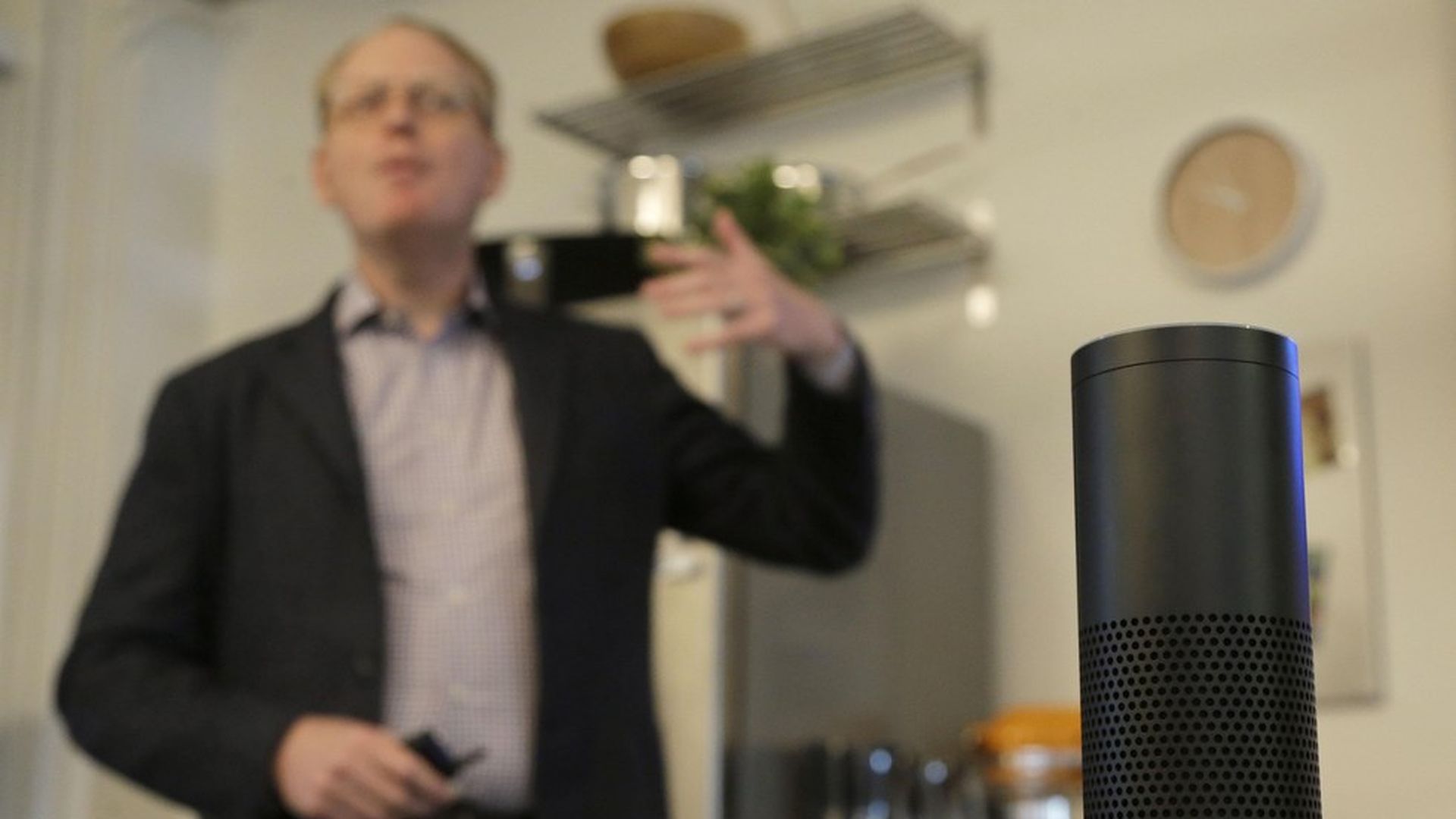
The use of voice-activated digital assistant devices will spike nearly 130% this year, with Amazon's Echo in the lead with 70.6% of the market, according to eMarketer. Google Home trails behind with 23.8% of users, while others (Lenovo, LG, Harmon Karon and Mattel) share the remaining 5.6% of users.
What's next: Today, Amazon announced EchoShow, a device that integrates a screen to show video from YouTube, security cameras, video calls, photos, etc. The use of the actual software inside the digital assistant devices (Amazon Alexa, Apple Siri, Google Now and Microsoft Cortana) is expected to jump 23% this year.
The race heats up: While still far from mass adoption, tech companies are racing to grow the user base of digital assistants as a way to own consumers' interaction with devices and functions at home, work and in the car.

Inside Zuck's real political strategy
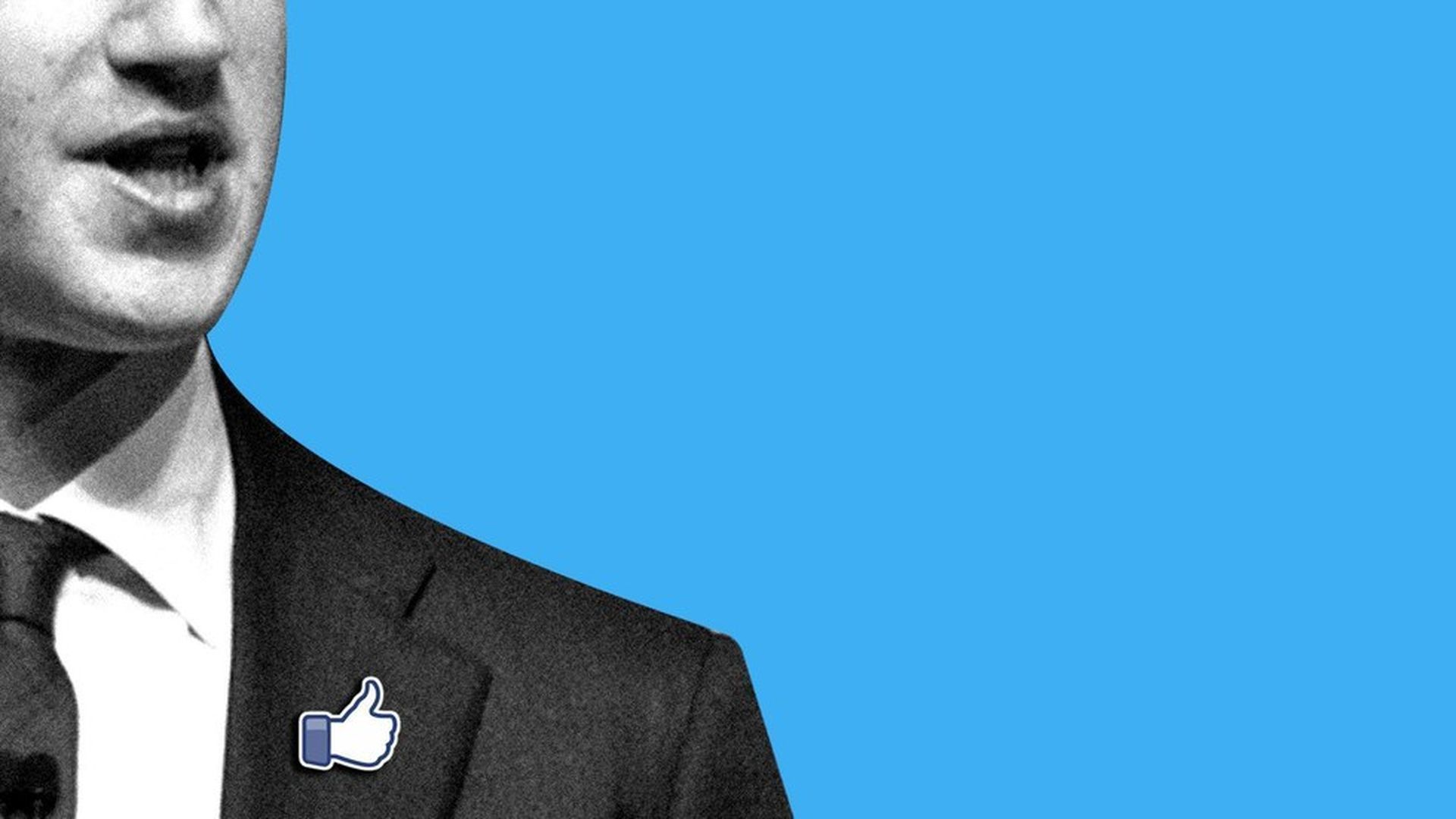
Mark Zuckerberg is on a nationwide tour that has people thinking about his political ambitions. But events on the trip are mostly private, which Facebook says encourages the people Zuckerberg is meeting with to be candid without the press watching.
Why that matters: The presidential election showed Zuckerberg that he doesn't understand a lot of Facebook's users, and this trip is a way to learn about a part of the world he's been isolated from since at least his Harvard days. He's already met with Facebook users who helped elect a president he's at odds with. And while the Zuckerberg-for-president story has been overhyped, his friends think he may run for something one day, so these appearances help him connect to all types of potential voters and give him chance to get better at these sorts of appearances without the blinding glare of constant press attention.
The full history of the Uber-Waymo legal fight
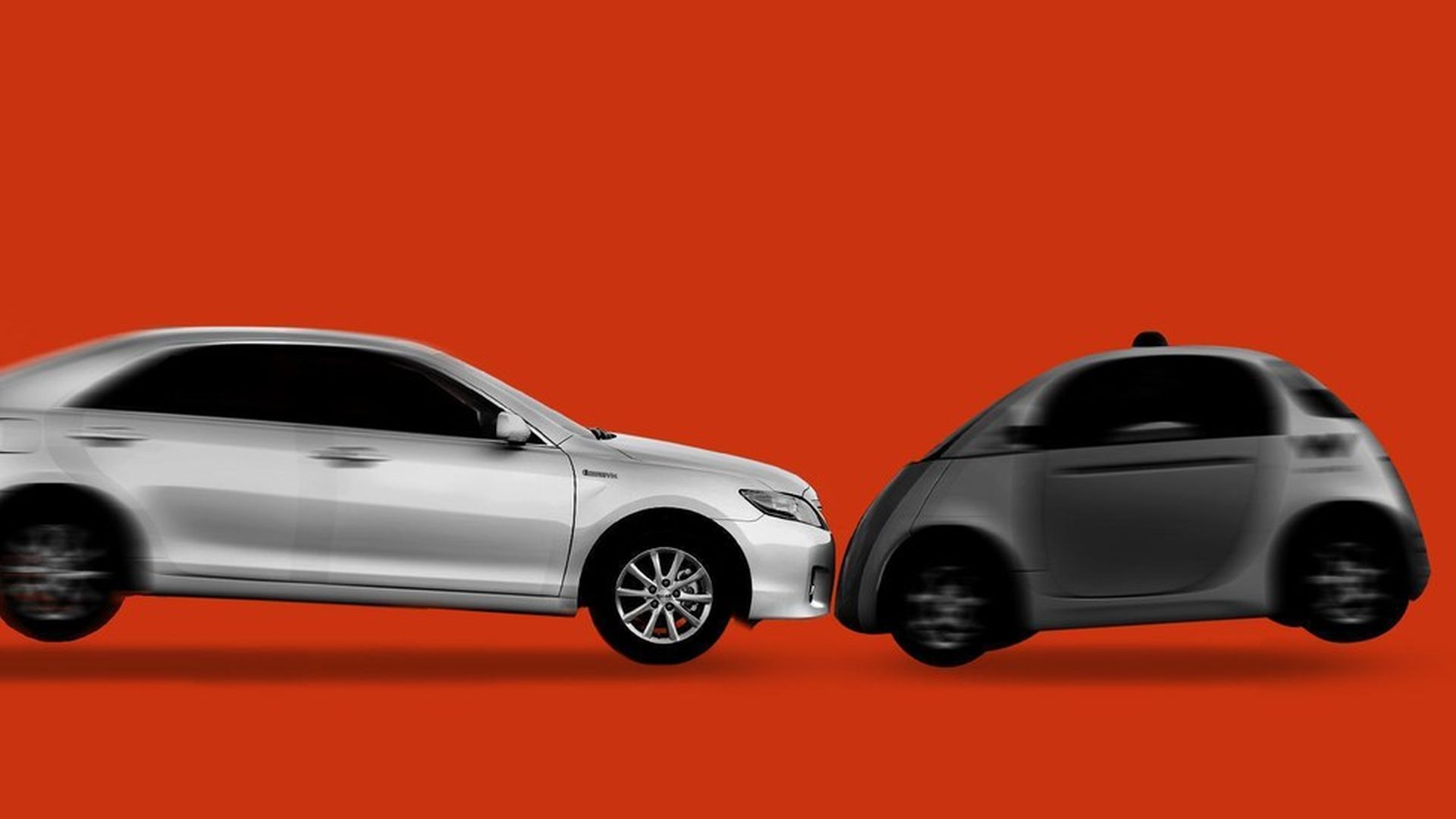
In late February, Alphabet's self-driving car unit Waymo filed a stunning lawsuit against Uber, alleging the company had been using stolen proprietary technology. At the center of the dispute is Otto, a self-driving car startup founded by former Waymo employees that Uber acquired last year, and its leader, Anthony Levandowski, who allegedly downloaded 14,000 Waymo files before quitting and convincing several colleagues to join him at the new company.
Why it matters: The lawsuit could jeopardize Uber's self-driving efforts, which the company has said are crucial to its long-term success. It also raises questions around intellectual property and the ability of employees to work for competitors as a growing number of companies — both established Silicon Valley names as well as new startups — rush to develop self-driving car technology.