Tuesday's technology stories

Amazon's "Echo Show" raises privacy concerns
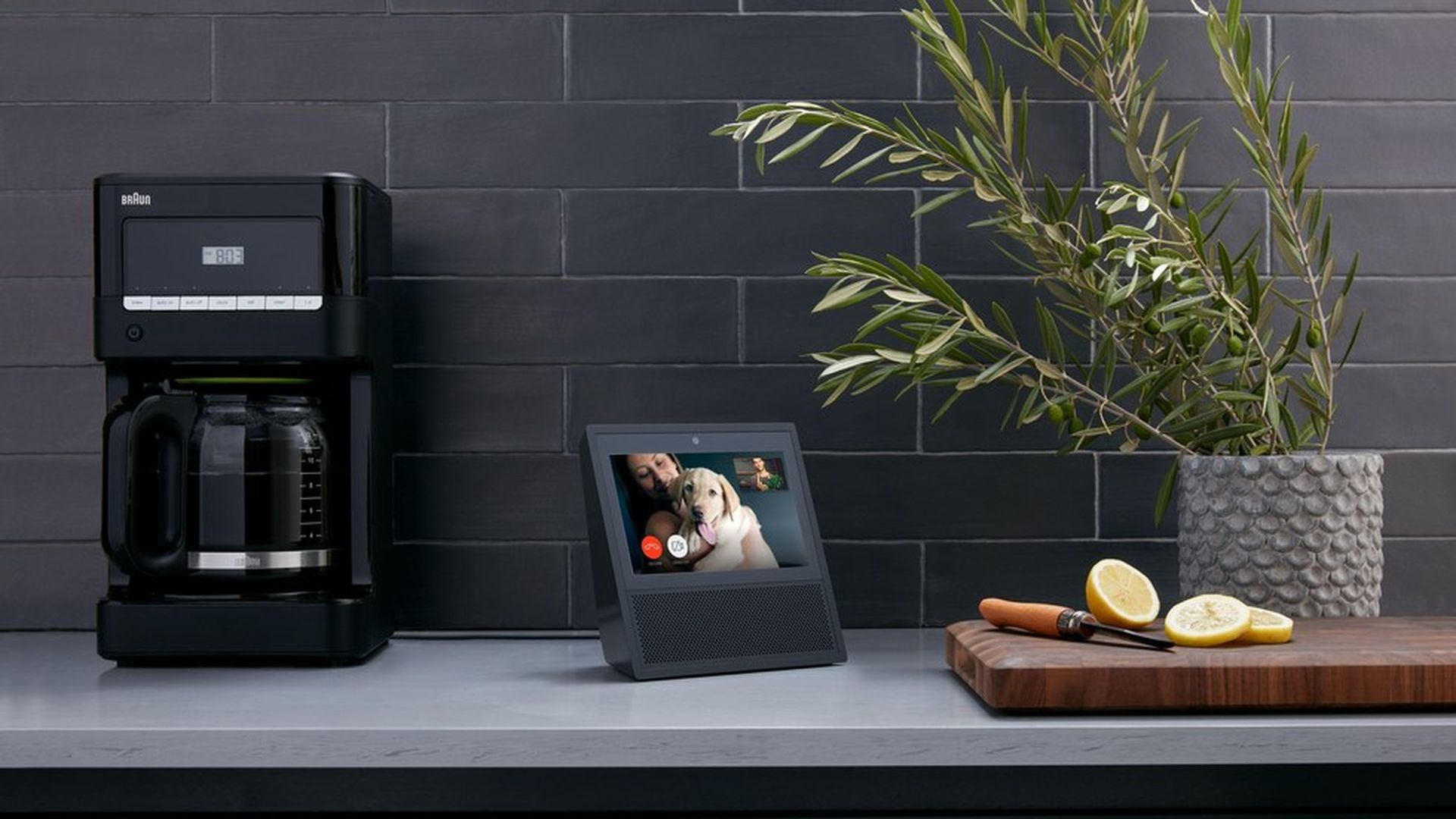
Amazon's newest addition to its digital home assistant, Alexa, is the Echo Show, which can hook users up to video calls, nursery camera footage, thermostat controls, and texting through voice-controlled commands and a touchscreen. It also has Dolby speakers, eight microphones, and a 5-megapixel camera.
Critics are voicing concerns that the Echo Show is even creepier than Alexa since it can listen and watch users, but Amazon says Echo Show will only activate when it hears a "wake word" (like "Alexa") and turn off after the command is done. It also says while you can drop in on other rooms in your home, users can decide who can drop in on them.
This might give users pause: Although Amazon initially resisted due to First Amendment concerns, it recently handed over Echo speaker data to an Arkansas murder investigation — Alexa is in an "always-listen mode" and could contain data revealing what happened minutes before a murder took place.

Amazon Echo is the preferred digital assistant
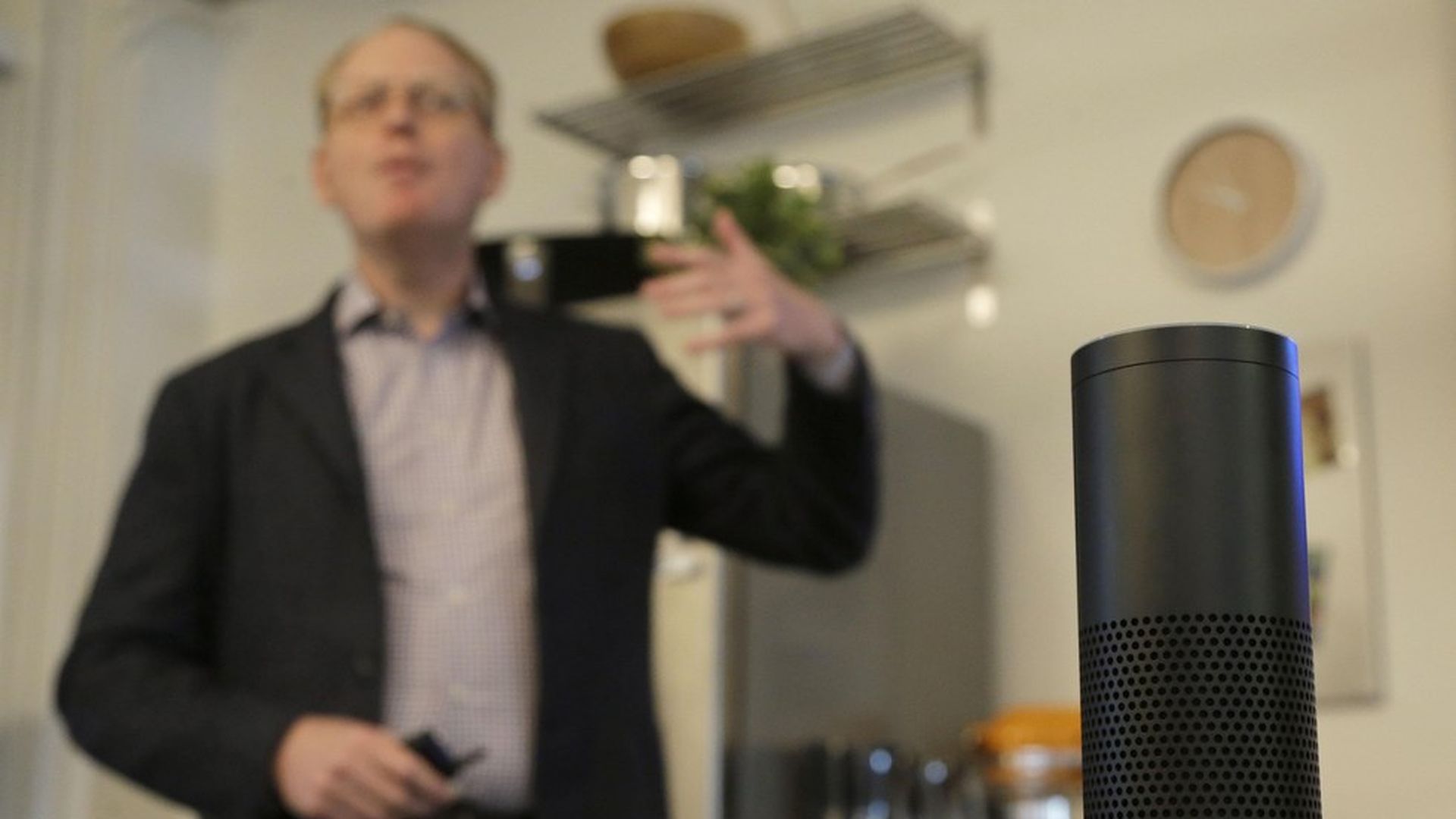
The use of voice-activated digital assistant devices will spike nearly 130% this year, with Amazon's Echo in the lead with 70.6% of the market, according to eMarketer. Google Home trails behind with 23.8% of users, while others (Lenovo, LG, Harmon Karon and Mattel) share the remaining 5.6% of users.
What's next: Today, Amazon announced EchoShow, a device that integrates a screen to show video from YouTube, security cameras, video calls, photos, etc. The use of the actual software inside the digital assistant devices (Amazon Alexa, Apple Siri, Google Now and Microsoft Cortana) is expected to jump 23% this year.
The race heats up: While still far from mass adoption, tech companies are racing to grow the user base of digital assistants as a way to own consumers' interaction with devices and functions at home, work and in the car.

Inside Zuck's real political strategy
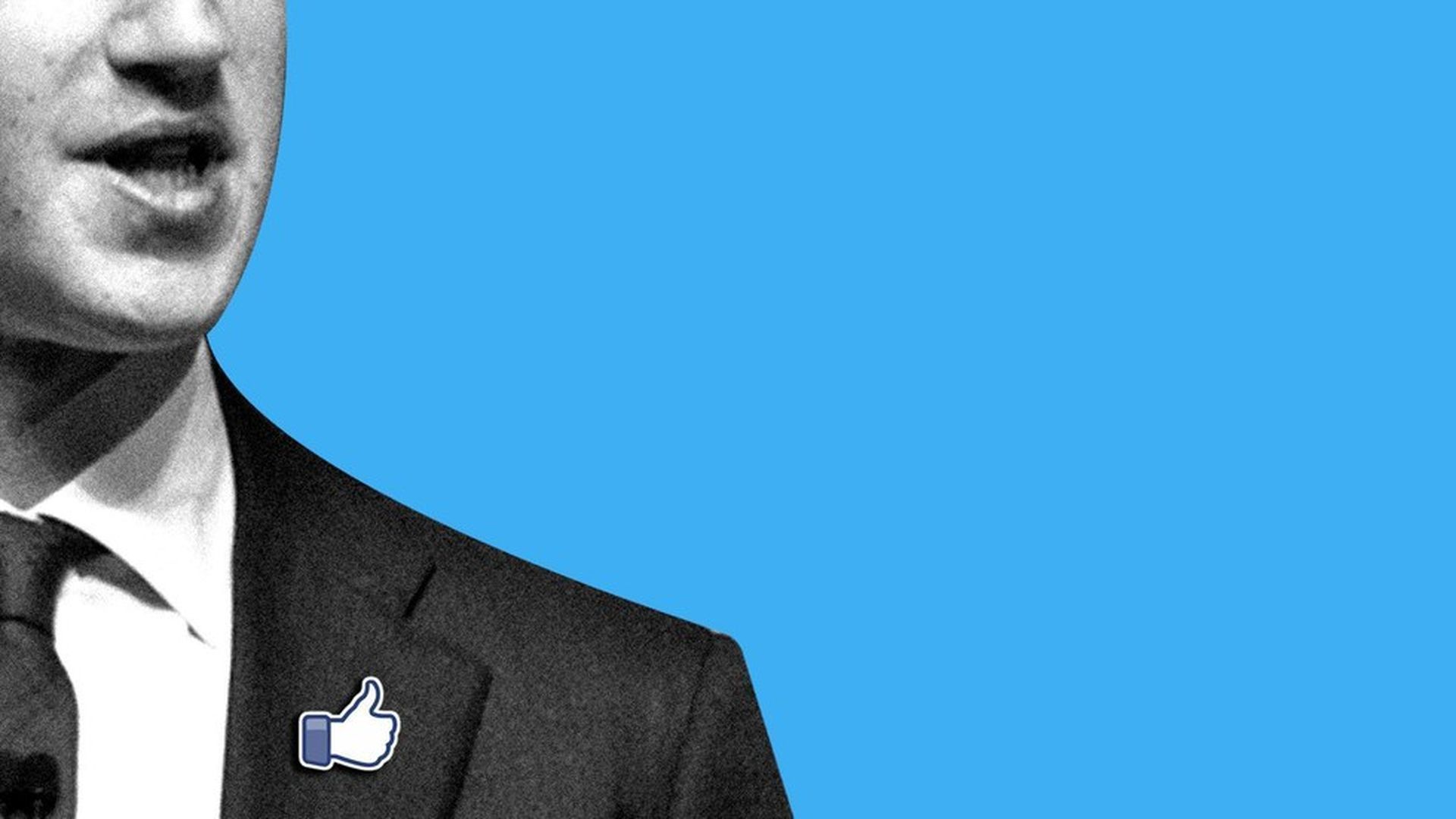
Mark Zuckerberg is on a nationwide tour that has people thinking about his political ambitions. But events on the trip are mostly private, which Facebook says encourages the people Zuckerberg is meeting with to be candid without the press watching.
Why that matters: The presidential election showed Zuckerberg that he doesn't understand a lot of Facebook's users, and this trip is a way to learn about a part of the world he's been isolated from since at least his Harvard days. He's already met with Facebook users who helped elect a president he's at odds with. And while the Zuckerberg-for-president story has been overhyped, his friends think he may run for something one day, so these appearances help him connect to all types of potential voters and give him chance to get better at these sorts of appearances without the blinding glare of constant press attention.

The full history of the Uber-Waymo legal fight
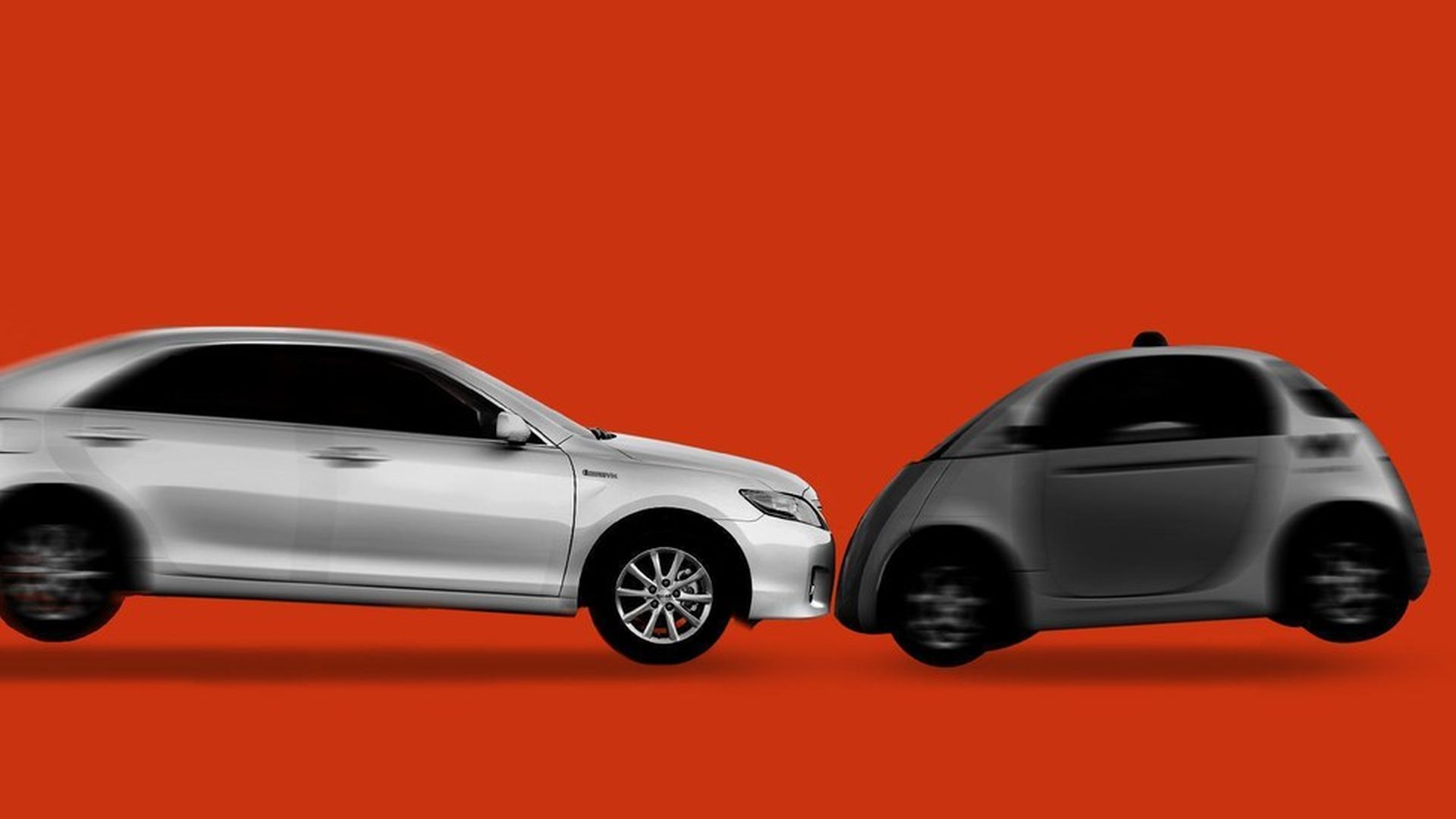
In late February, Alphabet's self-driving car unit Waymo filed a stunning lawsuit against Uber, alleging the company had been using stolen proprietary technology. At the center of the dispute is Otto, a self-driving car startup founded by former Waymo employees that Uber acquired last year, and its leader, Anthony Levandowski, who allegedly downloaded 14,000 Waymo files before quitting and convincing several colleagues to join him at the new company.
Why it matters: The lawsuit could jeopardize Uber's self-driving efforts, which the company has said are crucial to its long-term success. It also raises questions around intellectual property and the ability of employees to work for competitors as a growing number of companies — both established Silicon Valley names as well as new startups — rush to develop self-driving car technology.
Amazon reportedly set to release an Echo with a screen
Amazon is planning to unveil a new version of its Echo digital assistant with a display screen on Tuesday, according to media reports. The device will have a seven-inch touch screen, include video-calling and provide visual answers to verbal questions, according to reports.
The device is expected to cost over $200 — more than the $180 price tag for the original Echo, according to the Wall Street Journal. VentureBeat's Evan Blass tweeted a photo of the device on Friday:
Amazon's next move: The original Echo was quite successful, but it didn't take long for competitors like Google to come out with their own devices. Now, Amazon seems to be attempting to stretch the Echo's success with new devices, like the apparel-focused Echo Look it recently unveiled, along with this forthcoming touch-screen version.
Comcast and Charter reach wireless agreement
America's two largest cable companies are exploring the wireless business together. Comcast and Charter Communications have inked a deal to look at places where they could potentially collaborate in the wireless space. The news was first reported by the Wall Street Journal.
Worth noting: The two companies have "agreed to work only together with respect to national mobile network operators … for a period of one year."
Why it matters: It comes as both companies eye the mobile business, which is dominated by AT&T and Verizon. Working together could make some sense: mobile is a scale game and neither of them have scale at the moment. However, committing to each other could make it harder if either realizes what they really need to do is buy a carrier.
Note: Comcast's NBC is an investor in Axios and Andy Lack is a member of the Axios board.
Yet another startup takes a crack at improving bus rides
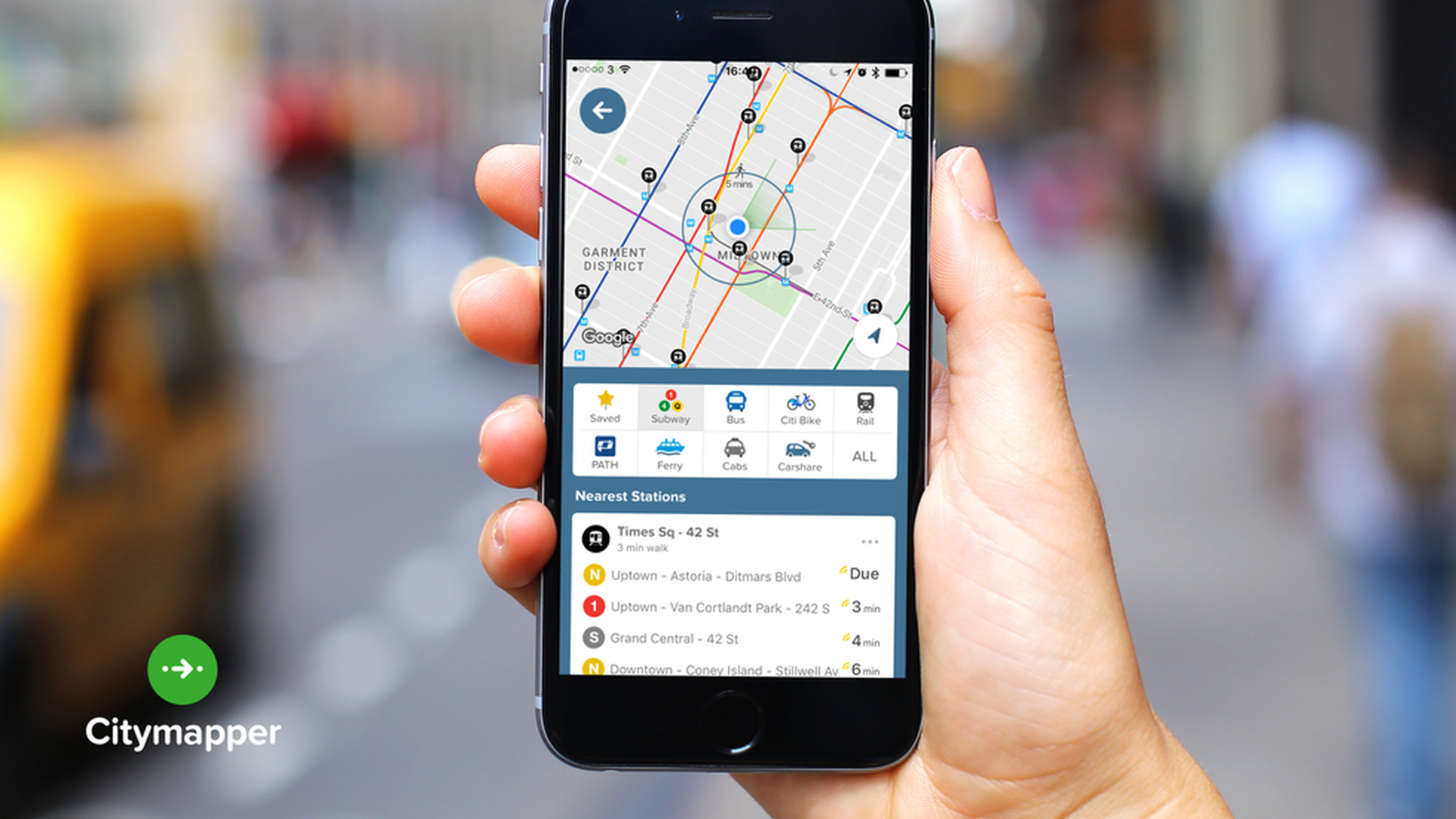
Citymapper, a U.K.-based startup whose app helps users navigate various transportation modes, is debuting a "smart bus" pilot test in London on Tuesday and Wednesday, the company said in a blog post. The startup has purchased a small bus and outfitted it with display screens, custom software, and even USB charging ports for smartphones, and will be a suggested option when it fits into a user's route.
Better busses: Startups have been trying to "rethink" busses for years, some much more successfully than others. Chariot, a Bay Area crowdsourced shuttle bus service, was purchased by Ford last year, for example. Meanwhile, luxury bus line operator Leap Transit was forced to close shop for operating without a permit.
Uber expands self-driving car efforts with Toronto team
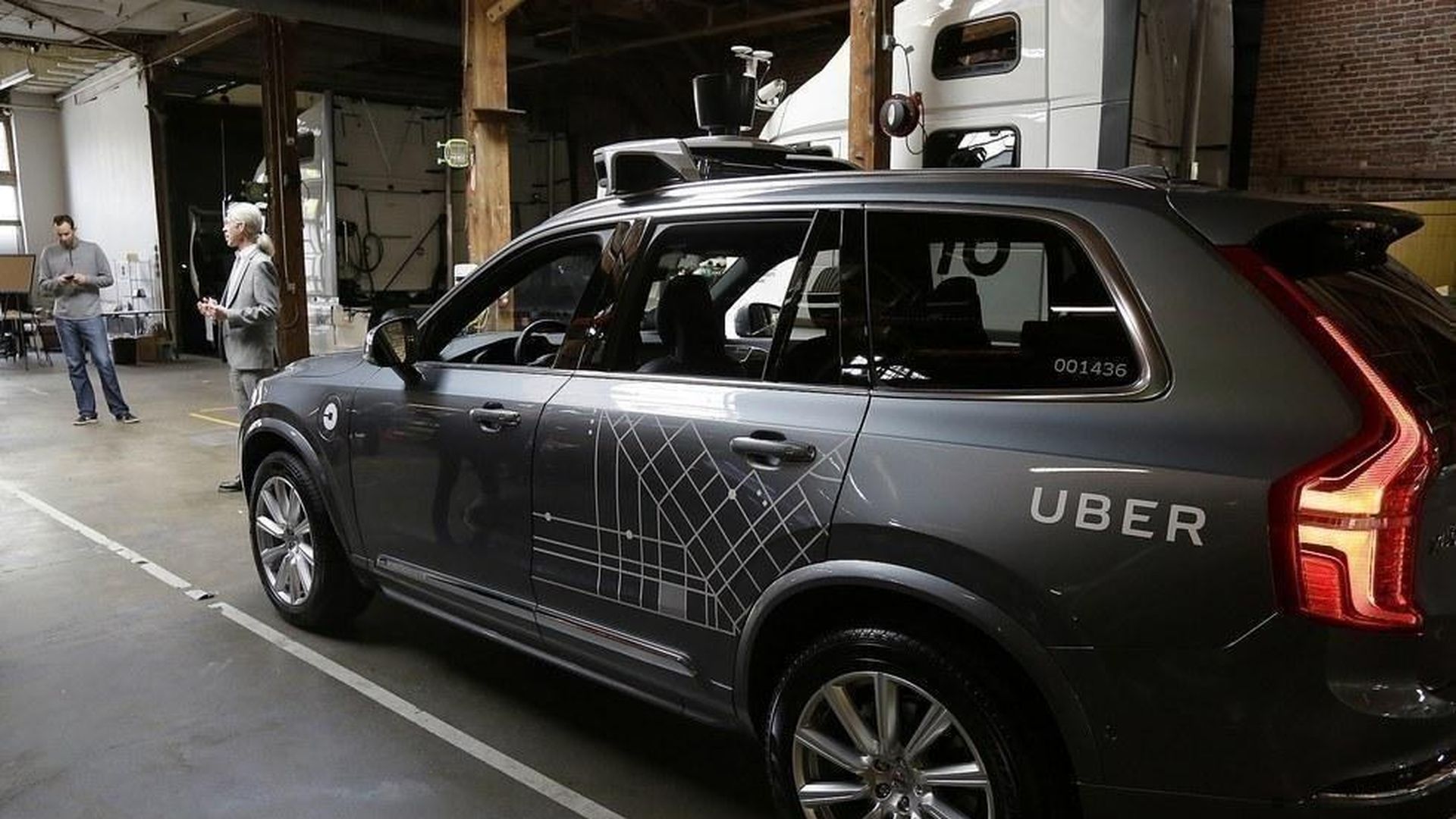
Uber has hired Raquel Urtasun, a University of Toronto professor and expert on artificial intelligence, to lead a new self-driving car unit in Toronto, the company told TechCrunch. Urtason and her team will work on perception, localization and mapping, and general machine learning.
Urtasun is a founding member of Vector Institute, a new AI research organization funded by federal and local governments, and technology companies like Google and Thalmic Labs.
Why it matters: Uber's self-driving car unit has lost several engineers and managers in the past year. The unit has also been embroiled in a high-profile lawsuit since February when Alphabet's self-driving car unit filed a lawsuit over intellectual property. Urtasun told TechCrunch that her work isn't related to LiDAR, the vision sensor technology at the center of the lawsuit, and that she doesn't have reservations about joining the company.