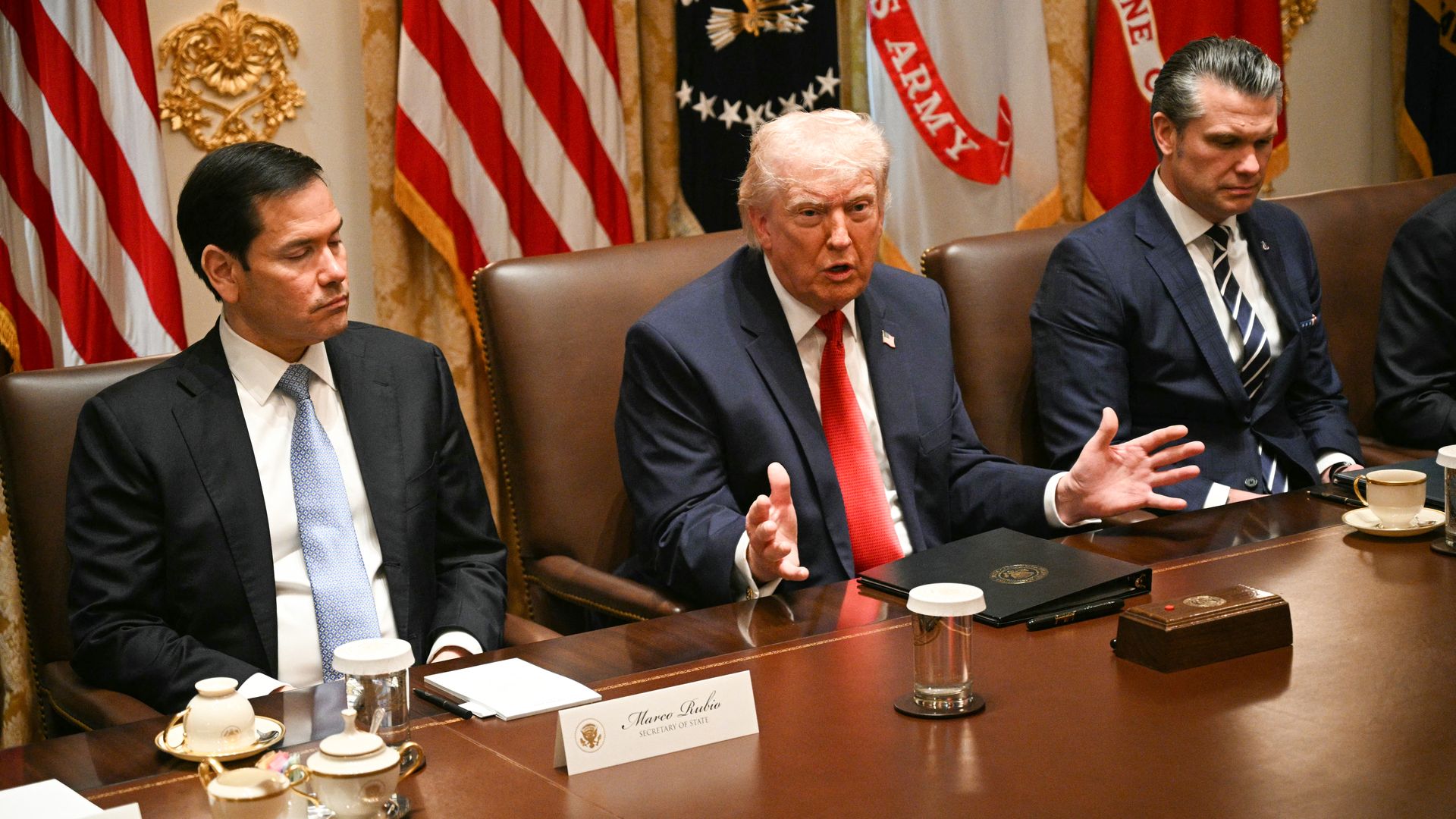
President Trump convened a White House Situation Room meeting on Saturday morning to discuss the renewed crisis around the Strait of Hormuz and negotiations with Iran, according to two U.S. officials.
Why it matters: The situation with Iran is at a critical point, with the ceasefire expected to expire in three days, and no final date set for a new meeting between U.S. and Iranian negotiators.
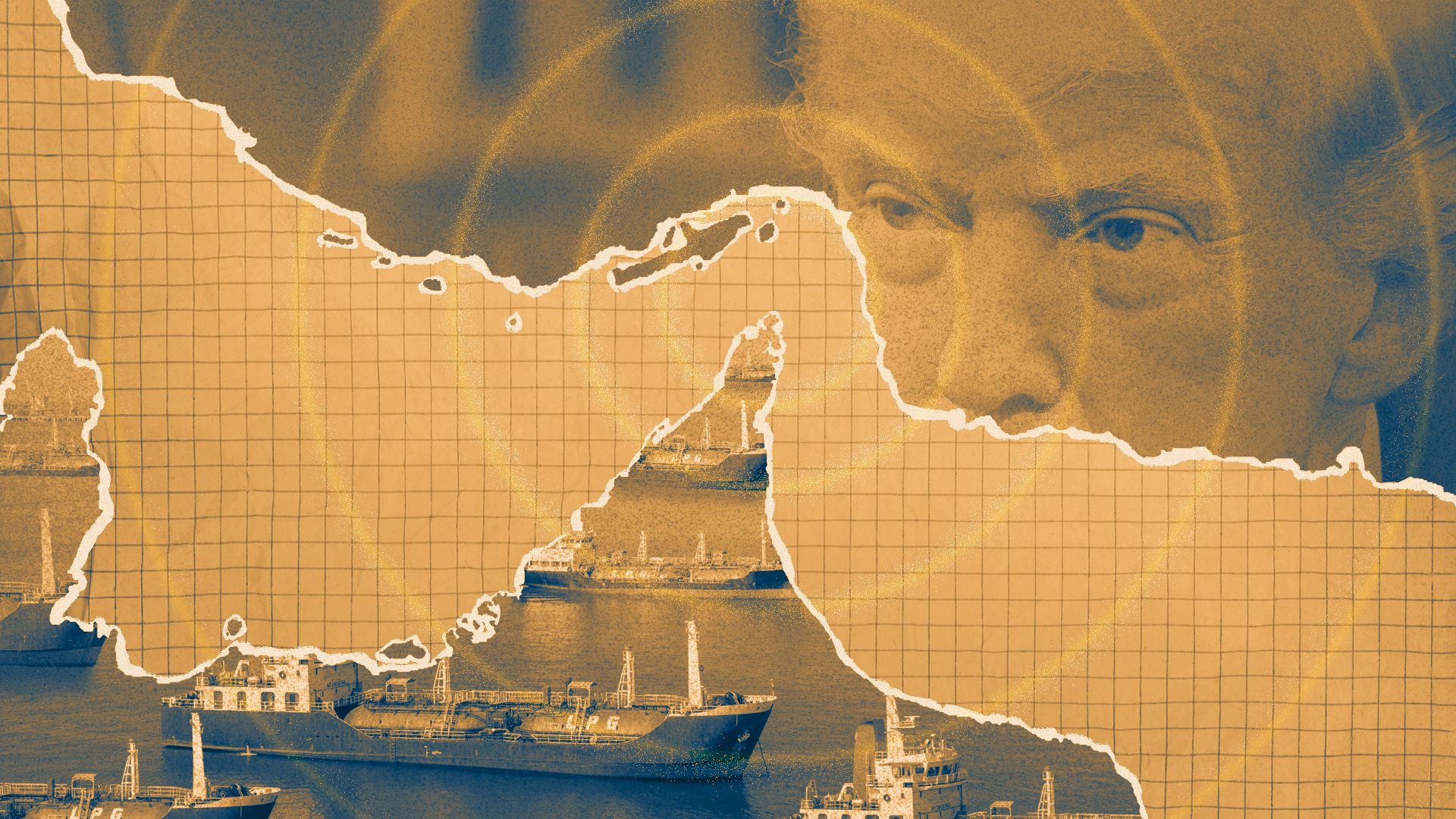
Iran said on Saturday that the Strait of Hormuz is again closed to traffic following threats of such action if the U.S. continued its blockade of the shipping channel.
Why it matters: The closure could be a setback to efforts toward a new round of negotiations on a deal to end the war and will add pressure to an already tense situation between Iran and the U.S.
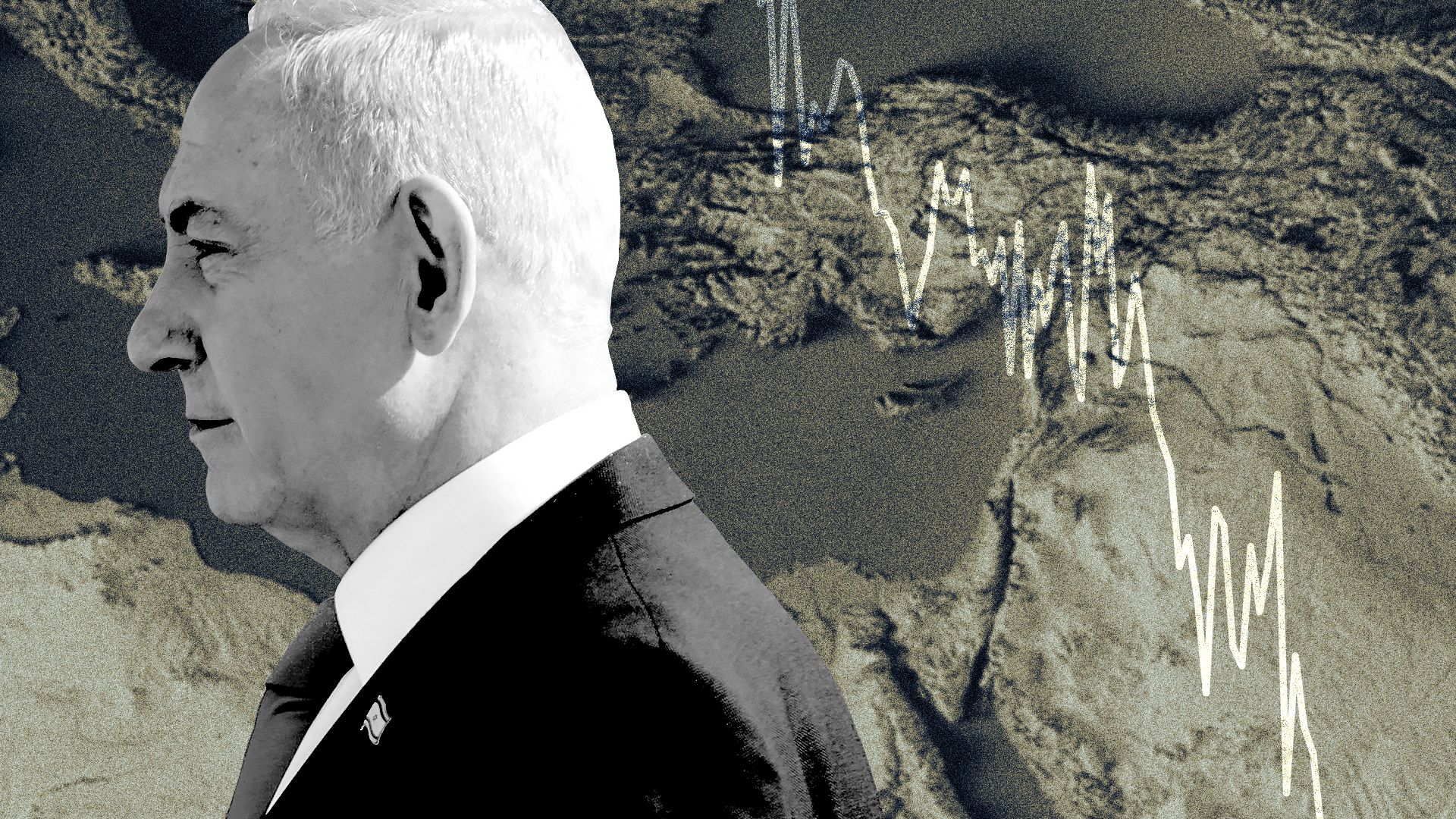
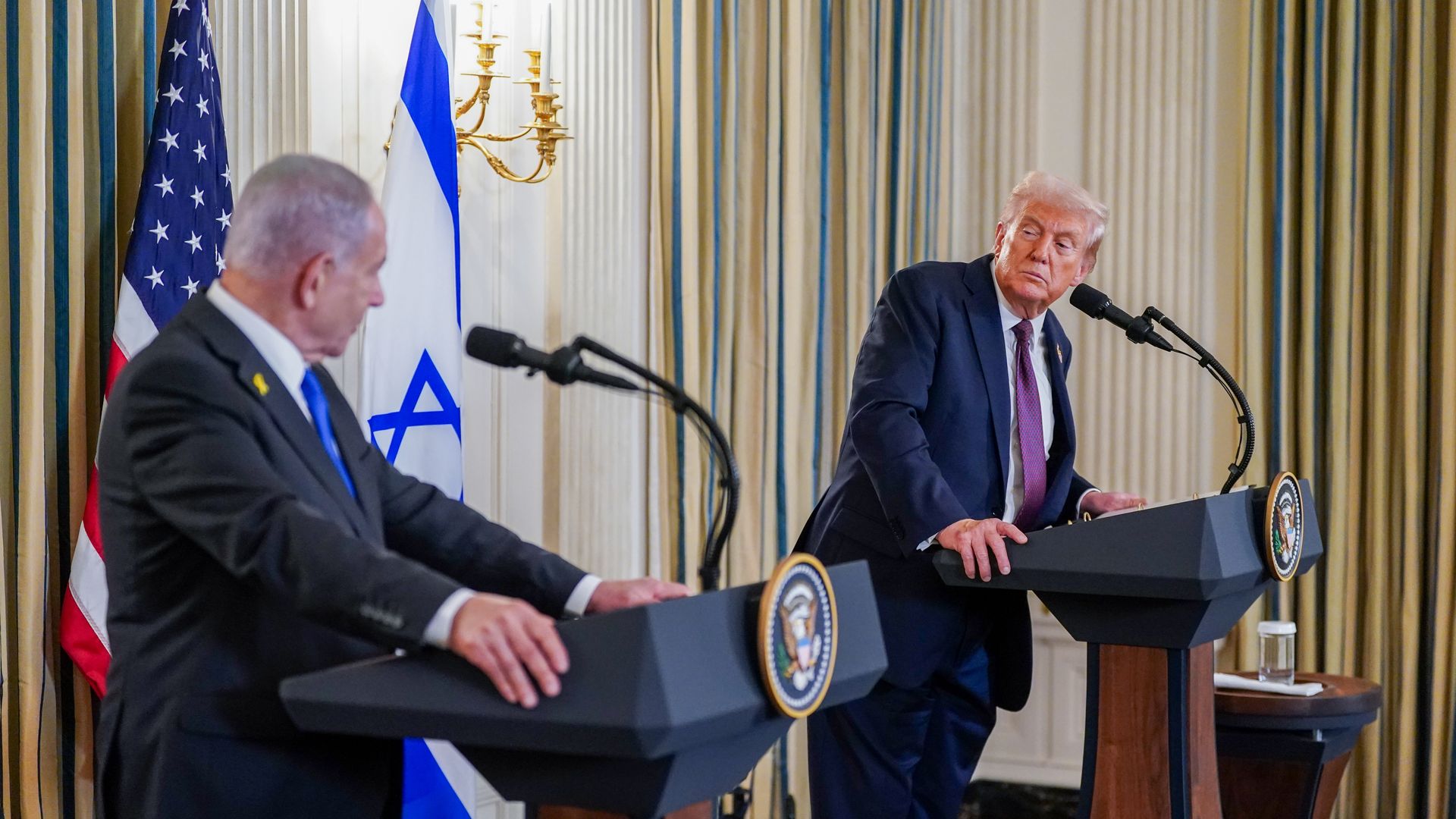
Israeli Prime Minister Benjamin Netanyahu is wreaking havoc on Israel's standing with Americans as the Iran war supercharges a deterioration in relations with the U.S.
Why it matters: Israel's polling collapse among younger Americans is hitting Congress, too. Lawmakers who started out staunchly pro-Israel are becoming increasingly vocal critics.
Treasury Secretary Scott Bessent joined a meeting on Friday between White House chief of staff Susie Wiles and Anthropic CEO Dario Amodei, sources briefed on the meeting told Axios.
Why it matters: Anthropic is building tools that could have enormous implications for the federal government. But that same government is currently fighting Anthropic in court after the Pentagon declared it a "supply chain risk." The meeting points to a potential thaw.
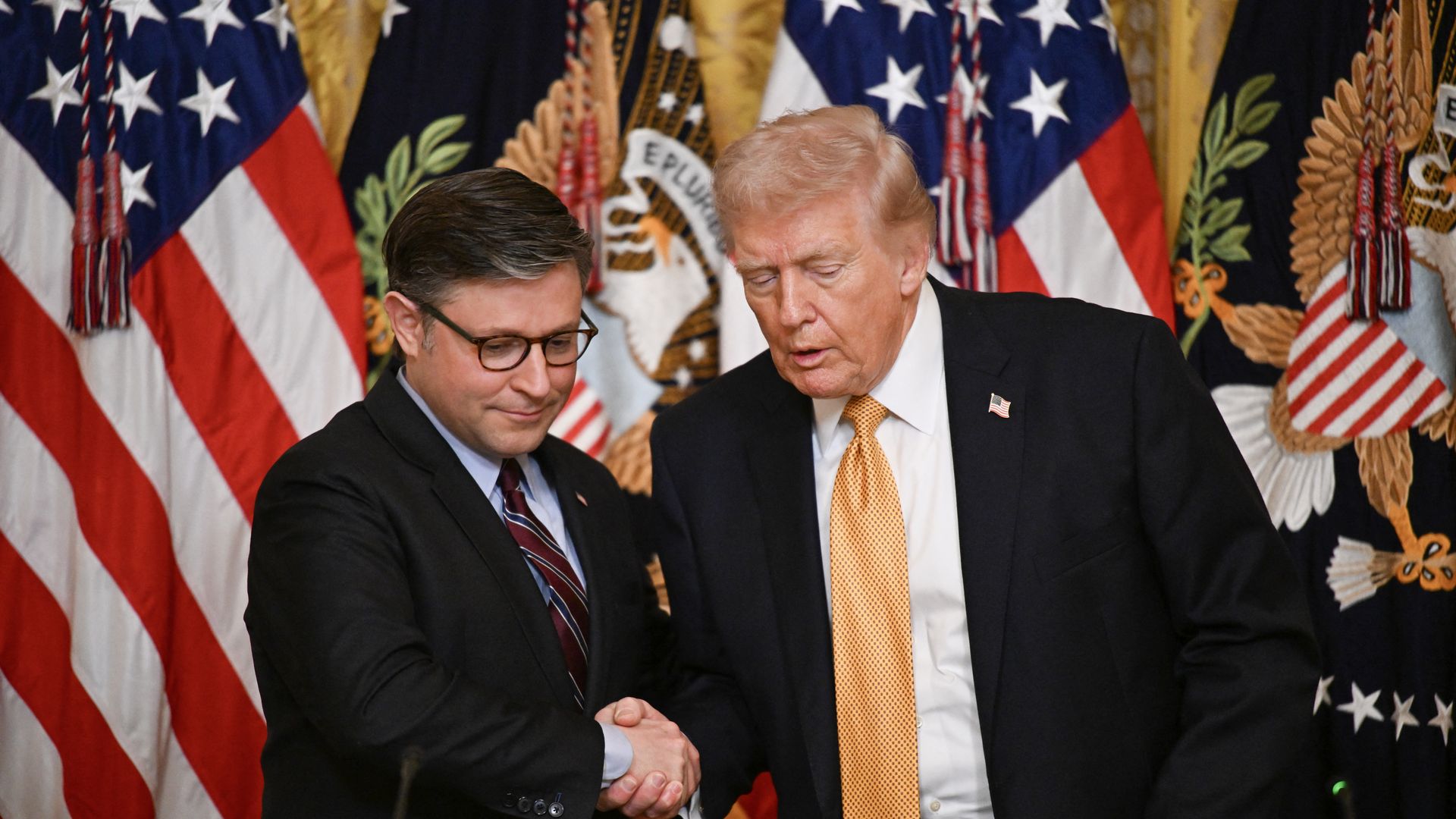
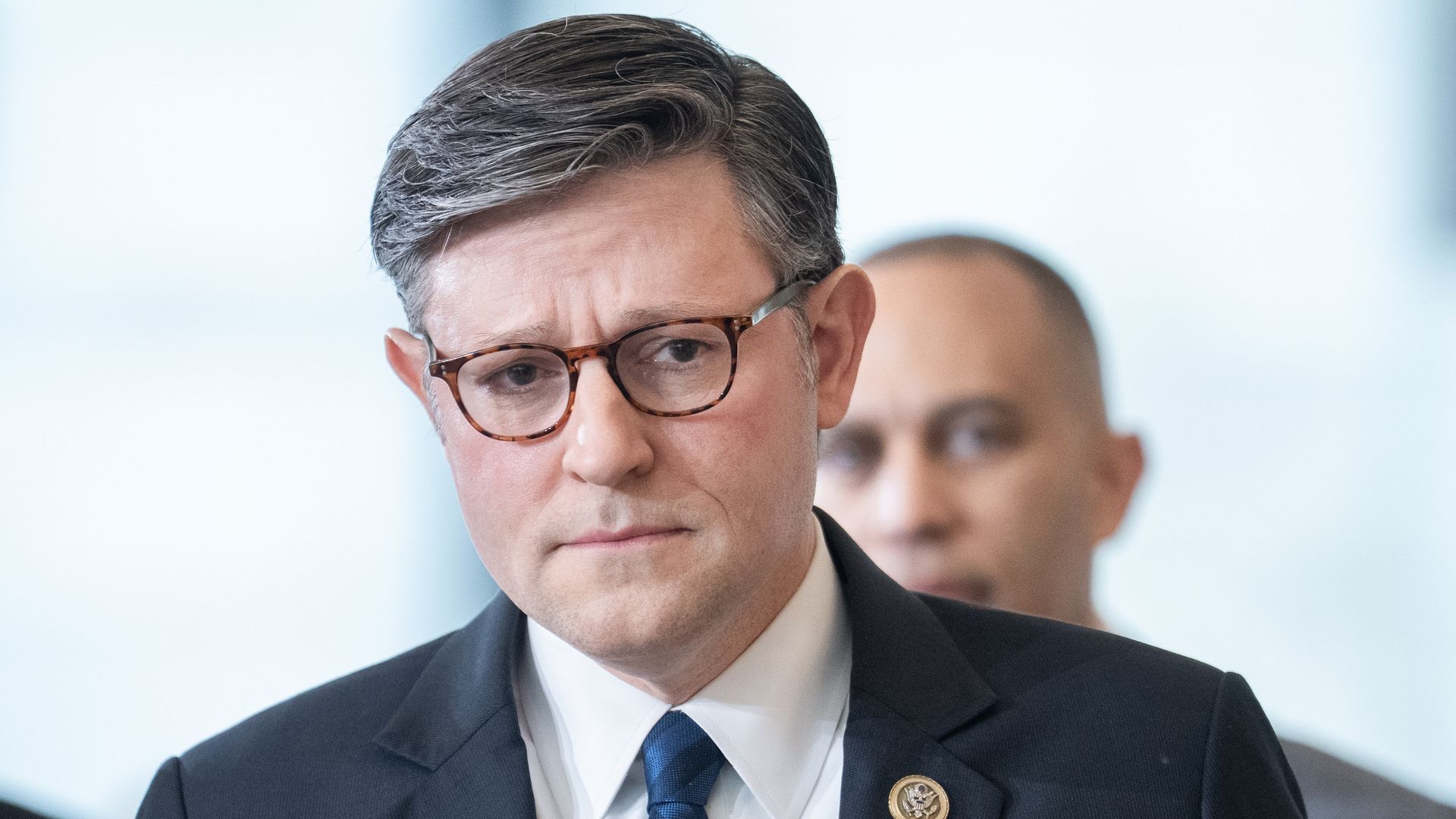
The House GOP revolt on FISA Friday wasn't just a setback for Speaker Mike Johnson (R-La.) — it was a rare defeat for President Trump with his own party.
Why it matters: Trump usually delivers House Republicans on big votes. This time he couldn't — exposing the limits of his influence and leaving Johnson exposed.
U.S. State Department officials met in Havana with Cuban apparatchiks —including the grandson of aging strongman Raul Castro— to urge democratic and economic freedoms and warn of the risks of not heeding their advice, Axios has learned.
The U.S. delegation also offered to help restore internet services by setting up Starlink satellite services.
Why it matters: The meeting last Friday itself marks a diplomatic breakthrough because it's the first time a U.S. government plane has touched down since President Obama visited a decade ago in an effort for rapprochement.
Israel asked the White House for clarifications about President Trump's post that Israel was "prohibited" from conducting airstrikes in Lebanon, a U.S. source and another source familiar tell Axios.
Why it matters: Israeli Prime Minister Benjamin Netanyahu and his advisers were shocked by Trump's post, which contradicted the text of the ceasefire agreement between Israel and Lebanon that the State Department published on Thursday.
The blockage to energy supplies through the Persian Gulf appears to have ended. If it holds, it takes a massive weight off the world economy.
Why it matters: The possibility of a prolonged disruption to the supply of crude oil, liquefied natural gas, fertilizer and other commodities looks to be off the table.
Why it matters: The vote sends the measure to President Trump for his signature, giving Congress two more weeks to try to figure out a way to pass a longer renewal.
A pair of senators in the potential 2028 presidential class have opened up a commanding lead in the money game, according to their first quarterly FEC filings.
Why it matters: It's an early head start in the money game if they decide to run.
The U.S. and Iran are negotiating over a three-page plan to end the war, with one element under discussion being that the U.S. would release $20 billion in frozen Iranian funds in return for Iran giving up its stockpile of enriched uranium, according to two U.S. officials and two additional sources briefed on the talks.
Why it matters: There has been steady progress in the talks this week, though significant gaps remain. A deal on these terms would bring the war to a close, while potentially generating backlash from Iran hawks.
Why it matters: The revolt is a significant setback for House Speaker Mike Johnson (R-La.) and the White House, who both pushed for a clean long-term extension of the surveillance authority.
Anthropic CEO Dario Amodei is scheduled to walk into the West Wing on Friday for a meeting with White House chief of staff Susie Wiles — a breakthrough in his effort to resolve the company's bitter AI fight with the Pentagon.
Why it matters: The Trump administration recognizes the power of Anthropic's new Claude model, Mythos, and its highly sophisticated — and potentially dangerous — ability to breach cybersecurity defenses.
The CEO of French oil giant TotalEnergies is defending a rare — and controversial — deal he struck last month with the Trump administration ending the company's federal offshore wind leases.
Why it matters: The comments offer a window into a deal structure other companies could pursue as President Trump moves to dismantle the nascent U.S. offshore wind sector.
Acting Immigration and Customs Enforcement director Todd Lyons submitted his resignation on Thursday, Homeland Security Secretary Markwayne Mullin confirmed.
Why it matters: Lyons has defended ICE's conduct in Congress and the courtroom as the agency faces scrutiny over President Trump's mass deportation drive.