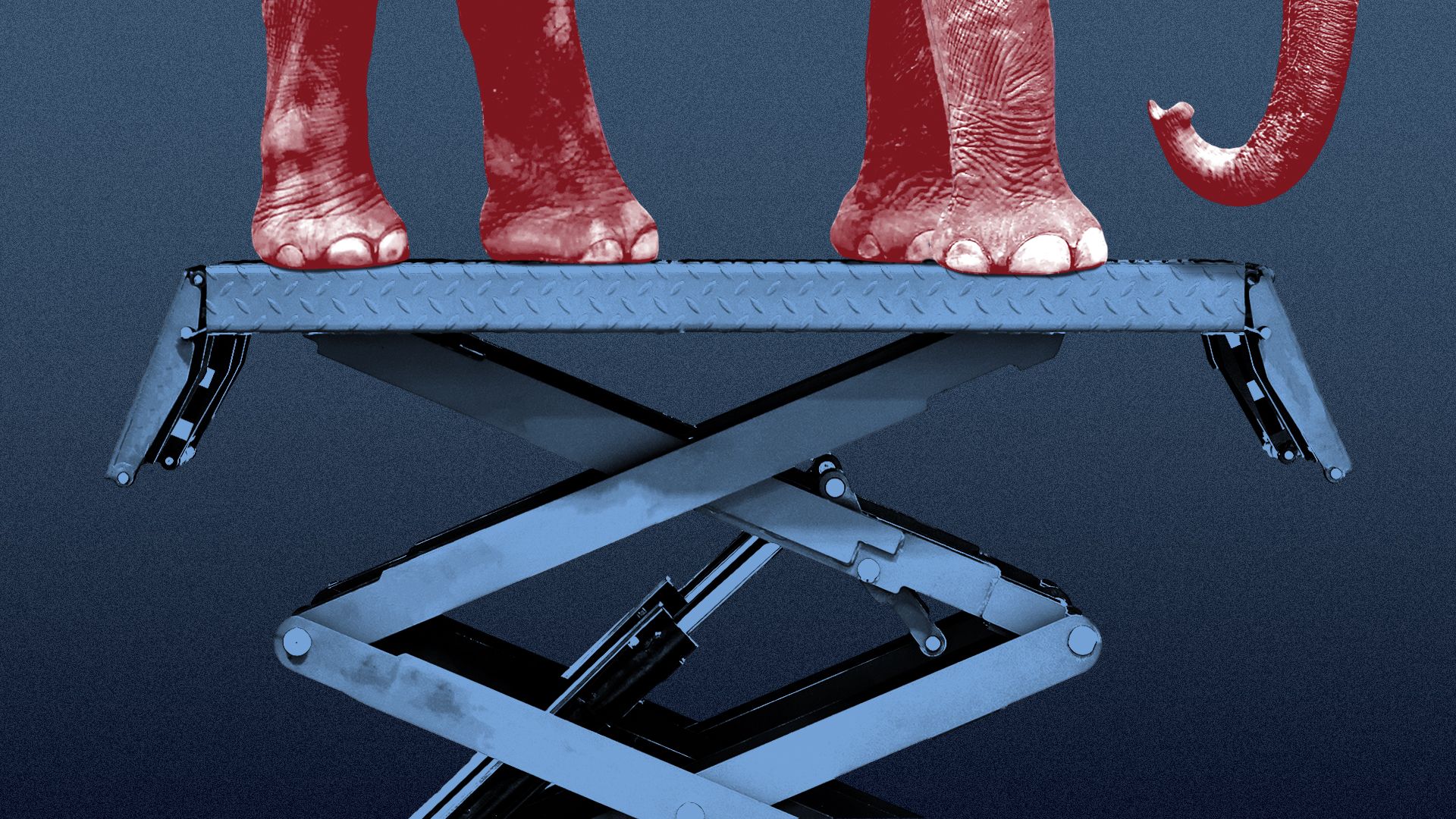
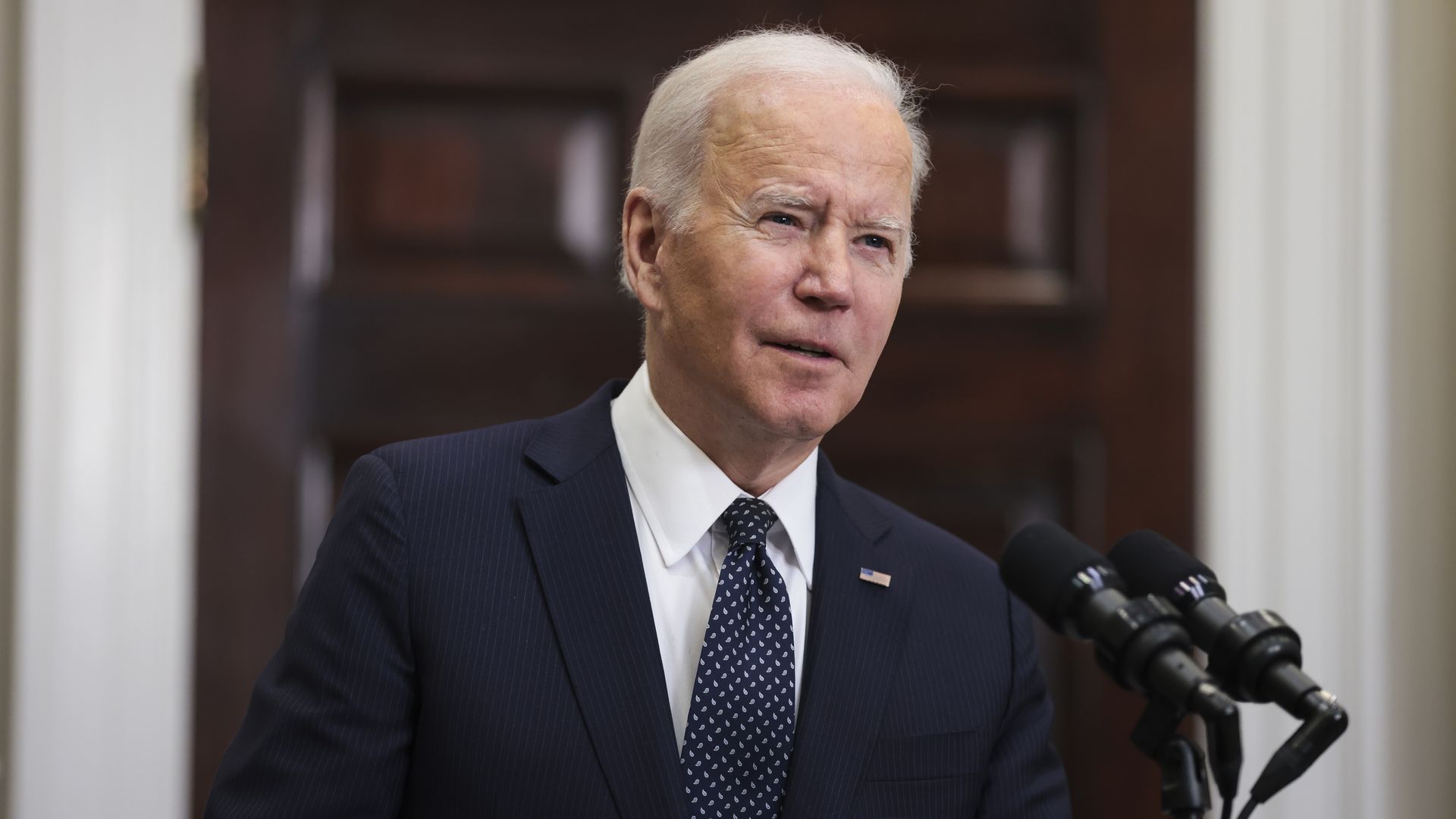
Searching for a strategy to avoid a 2022 midterm disaster, advisers to President Biden have discussed elevating a unifying Republican foil not named Donald Trump.
Why it matters: Biden confidants worry that House Minority Leader Kevin McCarthy is too unknown, that Biden won't demonize Senate Minority Leader Mitch McConnell because of their longstanding and collegial relationship and that elevating Florida Gov. Ron DeSantis could backfire.
Some of the nation's most prominent nonprofit and advocacy groups tell the Justice Department they could be branded "foreign agents" unless DOJ changes its approach to the Foreign Agents Registration Act (FARA).
The big picture: When the Koch network's Americans for Prosperity goes in on a joint statement with the Natural Resources Defense Council and the American Civil Liberties Union it's probably a five-alarm fire.
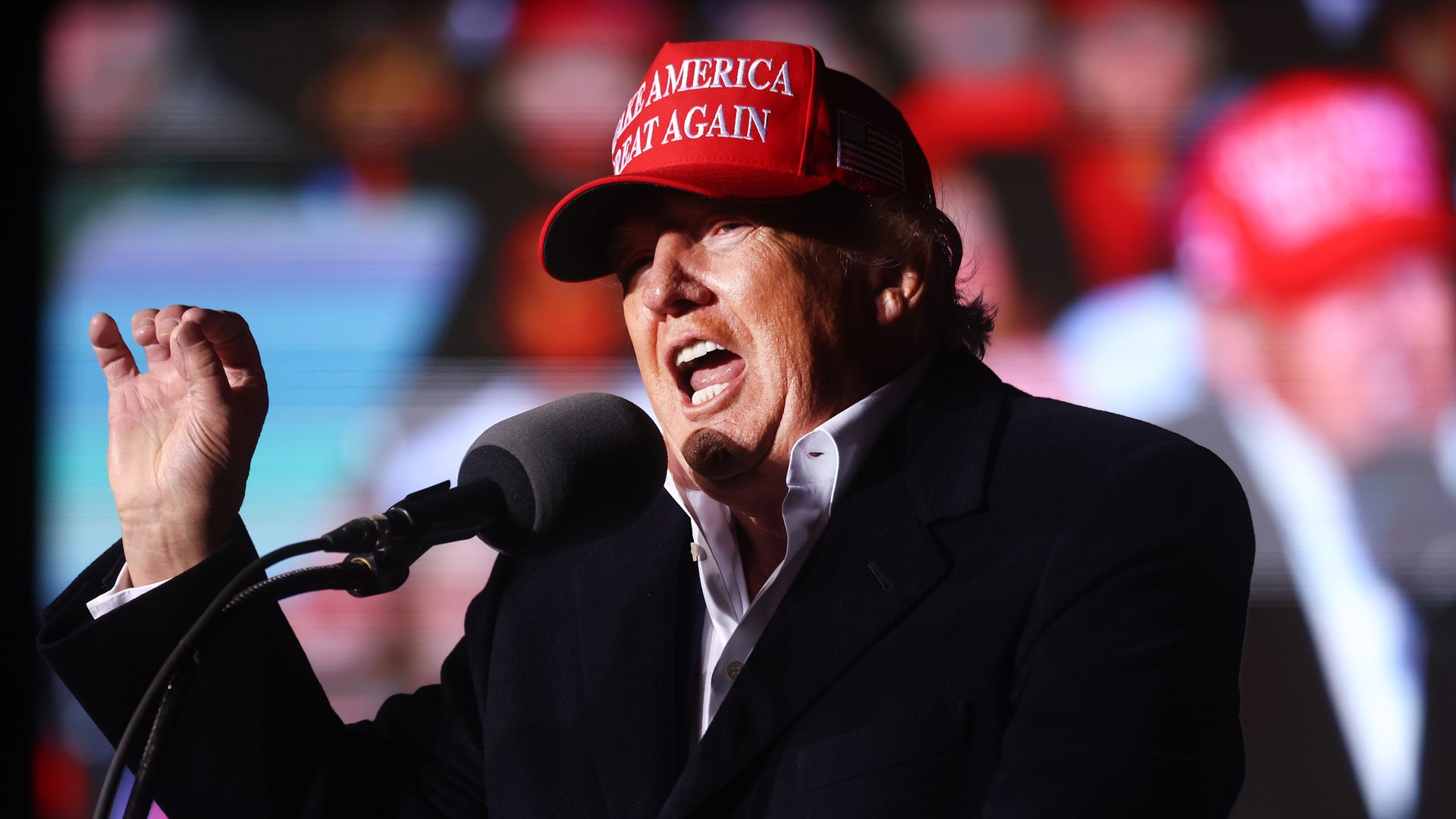
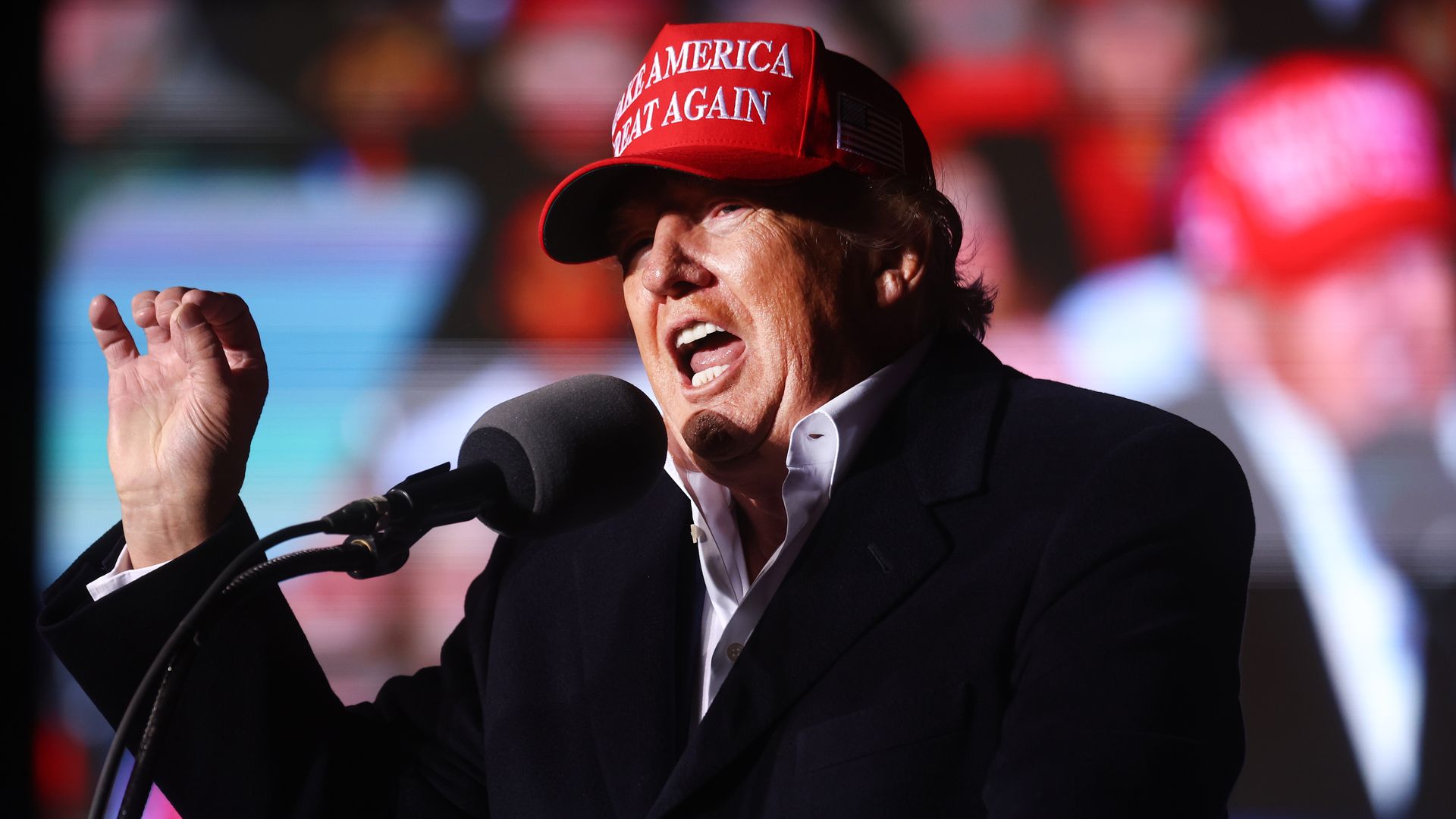
Donald Trump has now endorsed more than 100 GOP candidates on 2022 ballots as he seeks to build an unprecedented legacy for an ex-U.S. president by shaping the future of his party.
Why it matters: The midterms present a big test for Trump's post-presidential potency in GOP politics — and set the table for his role in 2024.
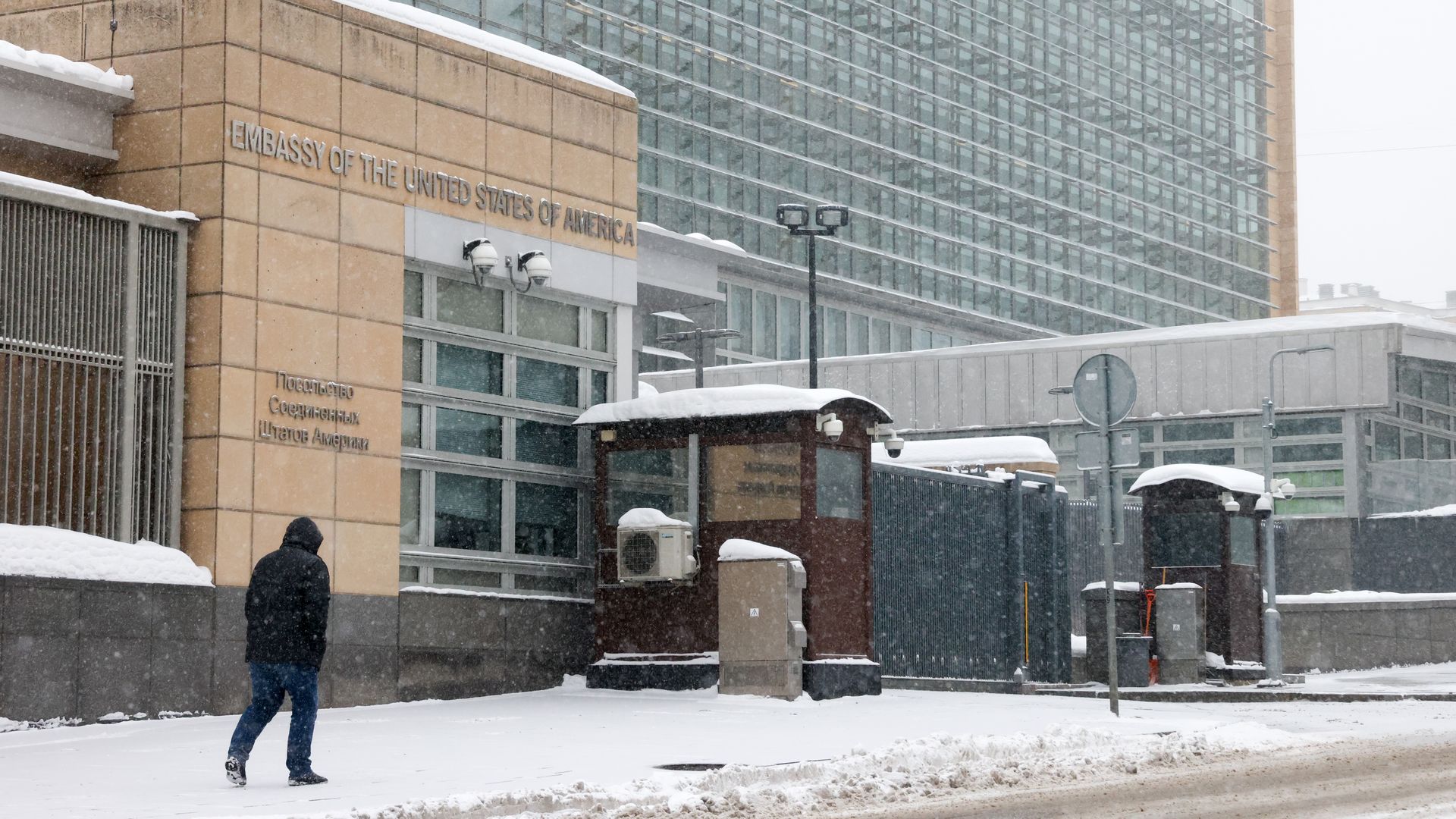
The U.S. embassy in Moscow on Sunday issued a security warning regarding possible threats to Americans in Moscow and St. Petersburg.
Driving the news: "According to media sources, there have been threats of attacks against shopping centers, railway and metro stations, and other public gathering places in major urban areas, including Moscow and St. Petersburg as well as in areas of heightened tension along the Russian border with Ukraine," according to the alert.
Colorado Gov. Jared Polis (D) on Sunday described the growing number of laws targeting LGBTQ people in Republican states as "un-American."
The backdrop: State lawmakers introduced more than 150 anti-LGBTQ bills across the country during the first six weeks of 2022, per USA Today. Polis, who in 2018 became the first openly-gay man elected to a governorship, described the efforts as "Republican overreach."
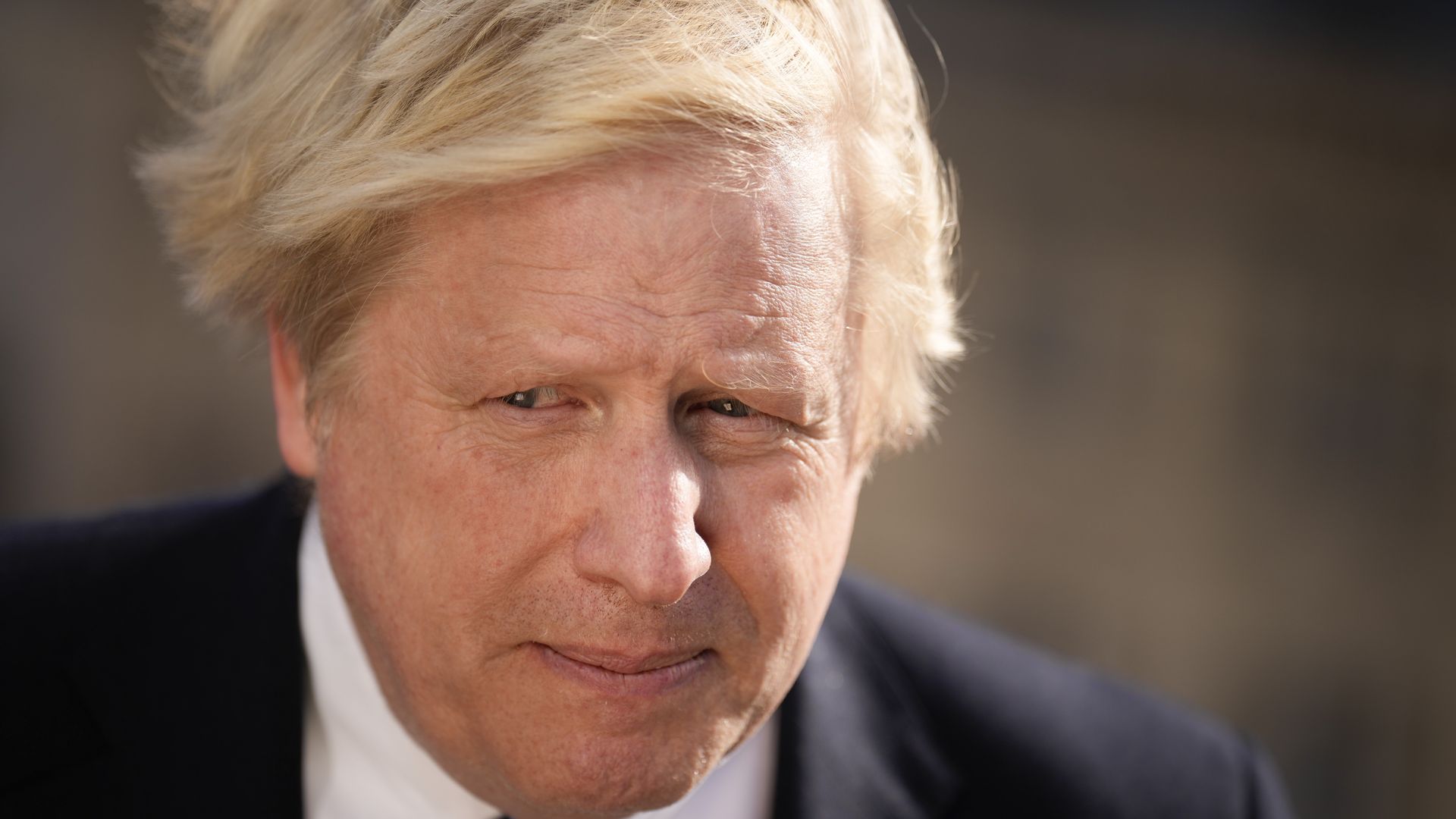
The United States and United Kingdom could respond to a Russian invasion of Ukraine by cutting off Russian companies' access to U.S. dollars and British pounds, Prime Minister Boris Johnson said in an interview on Sunday with the BBC.
Why it matters: The prime minister's comments come as Ukrainian President Volodymyr Zelensky continues to criticize the West for claiming that Russian President Vladimir Putin has made the decision to invade, but not imposing sanctions until the attack has begun.
A Russian invasion of Ukraine "could create a tragedy...in terms of refugee flow and displaced people," Defense Secretary Lloyd Austin said on ABC's "This Week" Sunday.
What he's saying: Austin added that if Russia invades Ukraine, it is "highly likely" that the world could see Russian tanks rolling into Kyiv.
Former President Trump's new social media network, Truth Social, appears set to debut in the Apple App Store on Monday, per Reuters.
Why it matters: The network's launch would mark Trump's return to social media since he was permanently banned from Twitter, Facebook and Youtube following the Jan. 6 Capitol attack.
Vice President Kamala Harris met with Israeli Defense Minister Benny Gantz on the sidelines of the Munich Security Conference on Saturday evening local time, U.S. and Israeli officials told Axios.
Why it matters: The meeting took place as the indirect talks between the U.S. and Iran in Vienna reached a critical juncture. The Israeli government is still attempting to influence the U.S. position but also wants to start talking about how to counter Iran in the region if a new deal is reached or if talks fail.
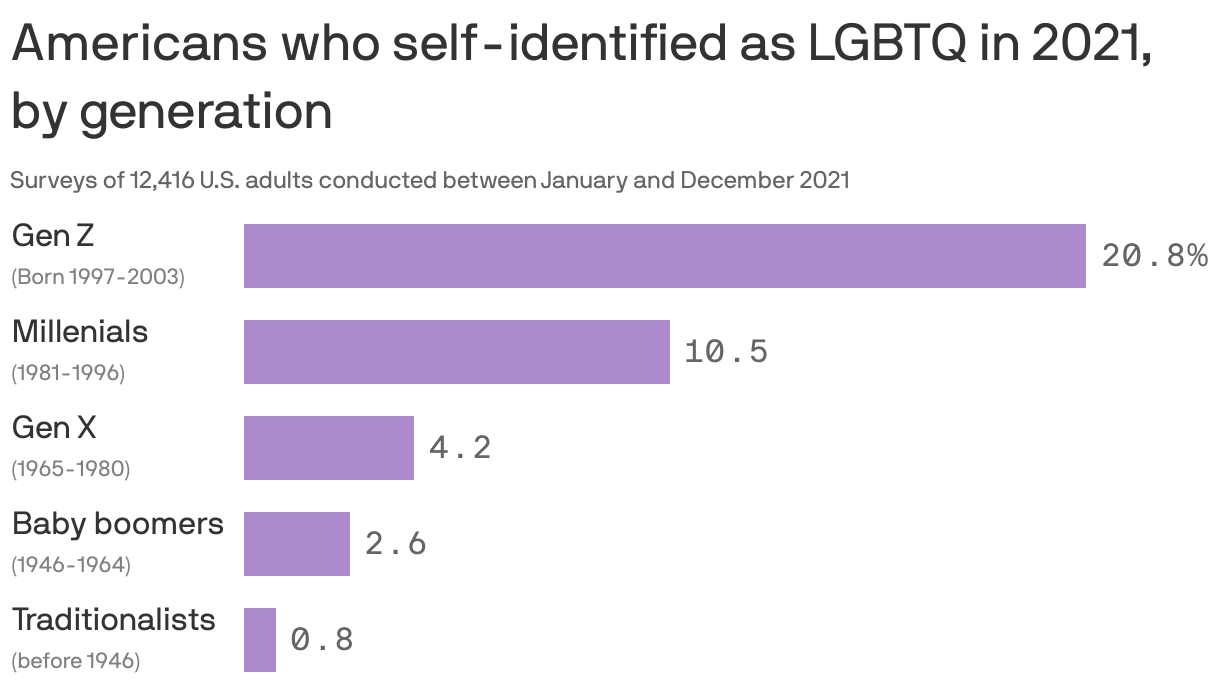
One in five Gen Z adults identify as LGBTQ — and that number is only expected to go up, according to a Gallup poll released Thursday.
Why it matters: People who identify as LGBTQ could make up 10 to 15% of the adult population "in the not too distant future" as Gen Z and millennials comprise of an increasing share of the adult population, Jeff Jones, the author of the Gallup poll, told Axios.
President Biden signed a bipartisan bill to extend government funding on Friday that would prevent a government shutdown.
Why it matters: Government funding was set to expire on Friday, but the Senate voted 65-27 on Thursday to pass a stopgap measure to avoid a shutdown. The resolution extends funding through March 11 while Congress works the details of a full-year spending package.
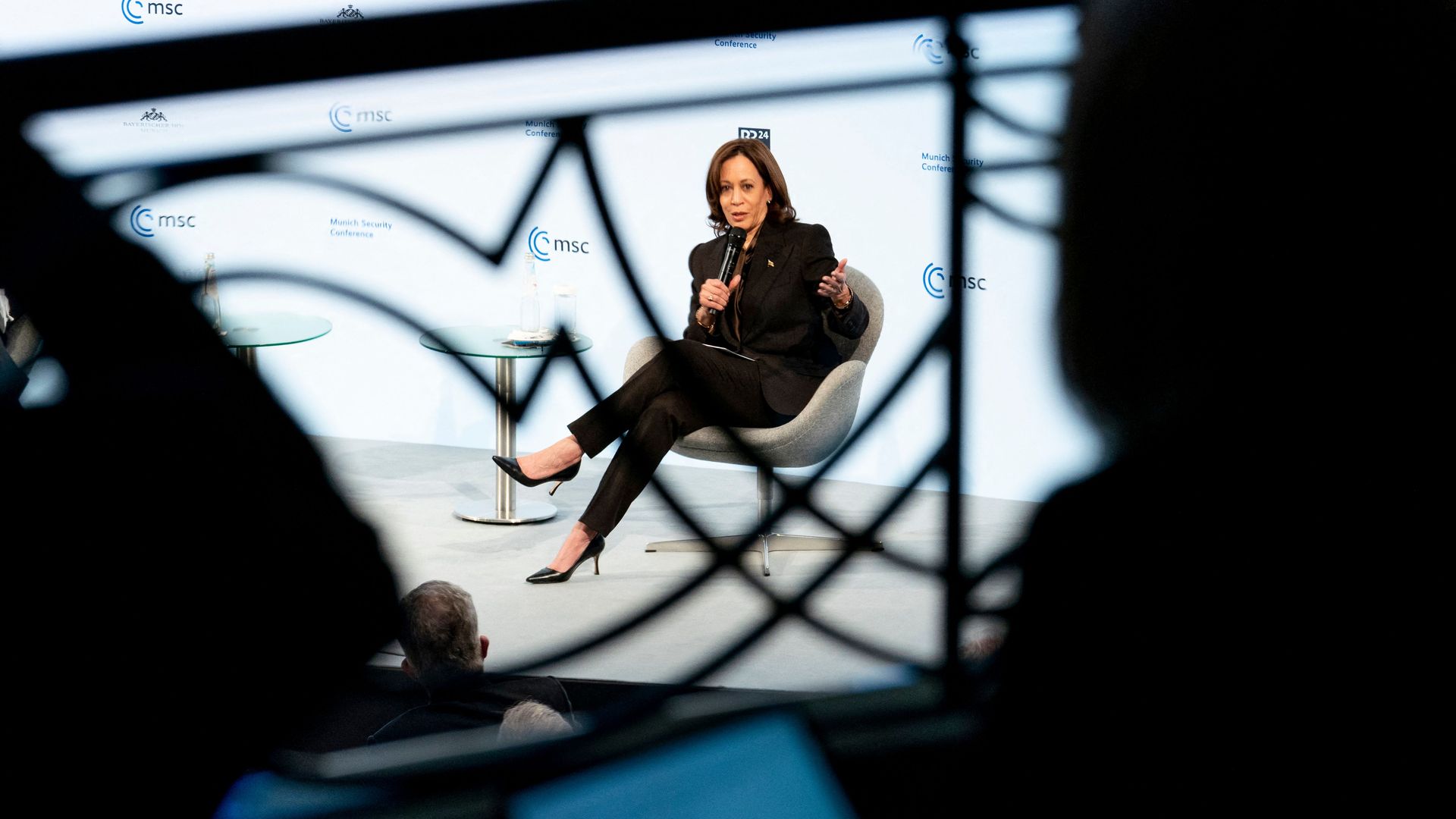
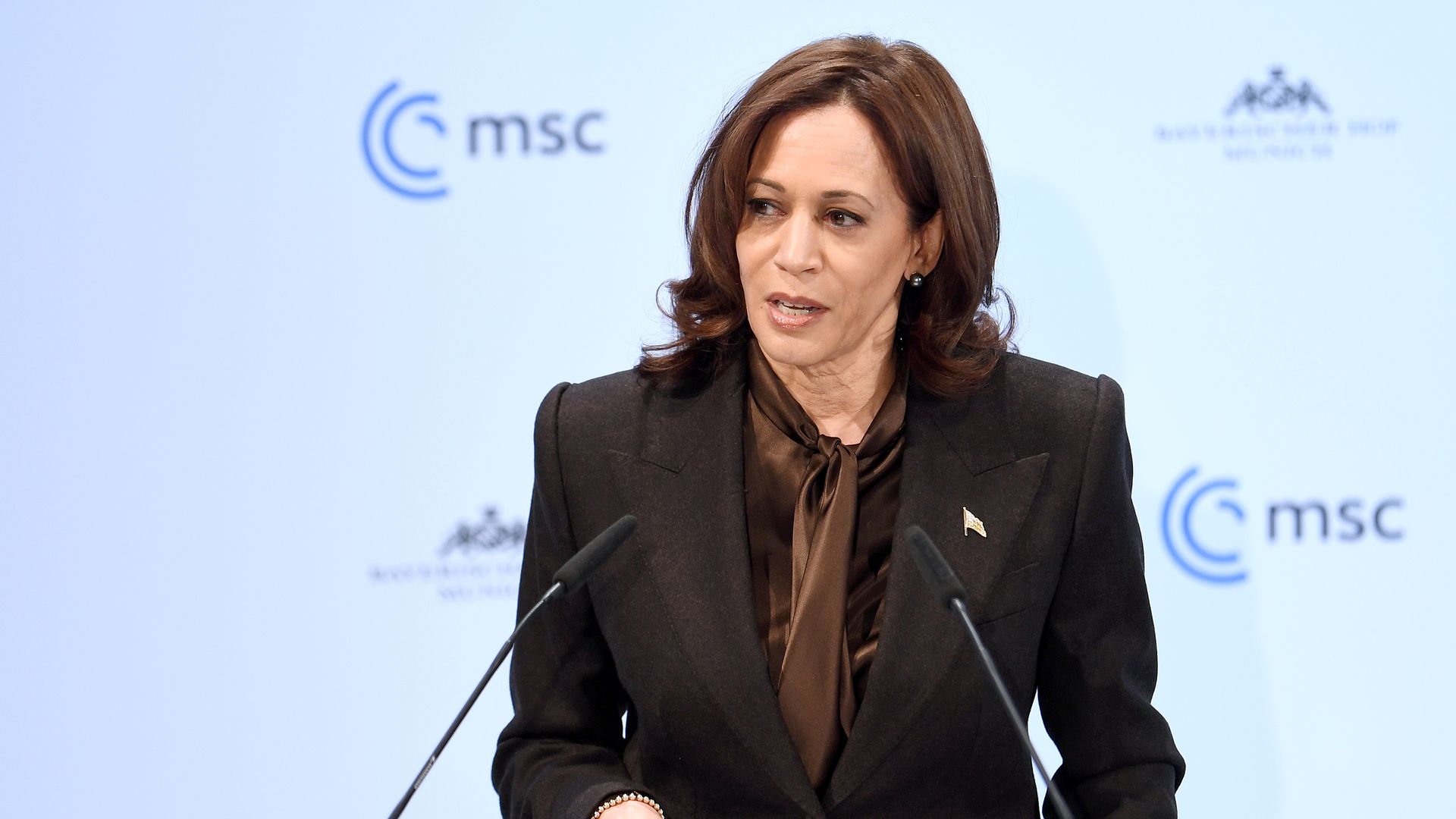
Vice President Kamala Harris warned Russia on Saturday that it would face "unprecedented economic costs" if it invades Ukraine.
Driving the news: "Let me be clear, I can say with absolute certainty: If Russia further invades Ukraine, the United States, together with our allies and partners, will impose significant, and unprecedented economic costs," Harris said at the annual Munich Security Conference.
Eighty years ago today, then-President Franklin Roosevelt signed the executive order that led to the forced removal and mass incarceration of about 120,000 Japanese Americans into 10 American internment camps.
Why it matters: Powerful archival photos of the mass incarceration provide a vivid reminder of how badly the U.S. government mistreated Japanese Americans.
A growing number of college presidents are leaving their jobs after two grueling years trying to navigate their schools through the pandemic.
Why it matters: COVID has taken a major toll on education at all levels — from widespread burnout among K-12 teachers to significant turnover in higher education.
Guard towers with searchlights. Barbed wire stretching around the camp. Military jeeps that circled the perimeter. This is what survivors recall of Amache, the former incarceration camp in Granada, Colorado that imprisoned over 7,000 Japanese Americans during World War II.
Driving the news: Saturday marks the 80th anniversary of Franklin Roosevelt's Executive Order 9066 — which legalized the forced removal and mass incarceration of anyone with Japanese ancestry. Amache is now on the verge of becoming a national historical site, something survivors, descendants and advocates have campaigned for for years.
The National Archives on Friday confirmed that it found classified information in the boxes of documents that former President Trump took to Mar-a-Lago.
Driving the news: The agency told Congress in a letter that it found documents marked as "classified national security information" in the 15 boxes recovered from Trump's home.
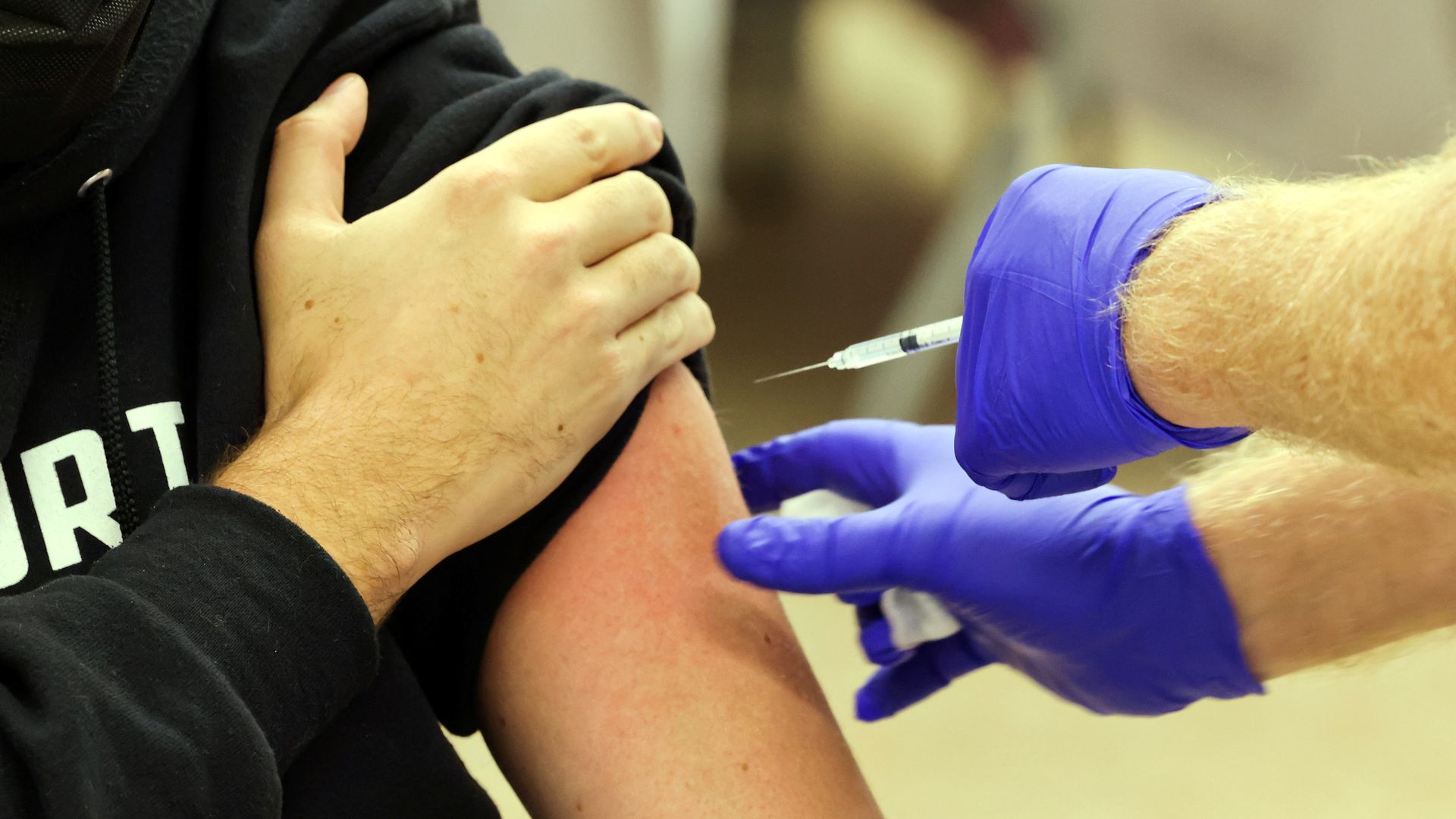
To help mitigate staffing shortages and give workers more time to get boosted, the New York State Department of Health said Friday it will no longer enforce the booster requirement that was set to go into effect on Feb. 21.
Why it matters: Roughly 61% of New York's health care staff have gotten the booster, according to data from the health department, and the original vaccine mandate for health workers remains in place.
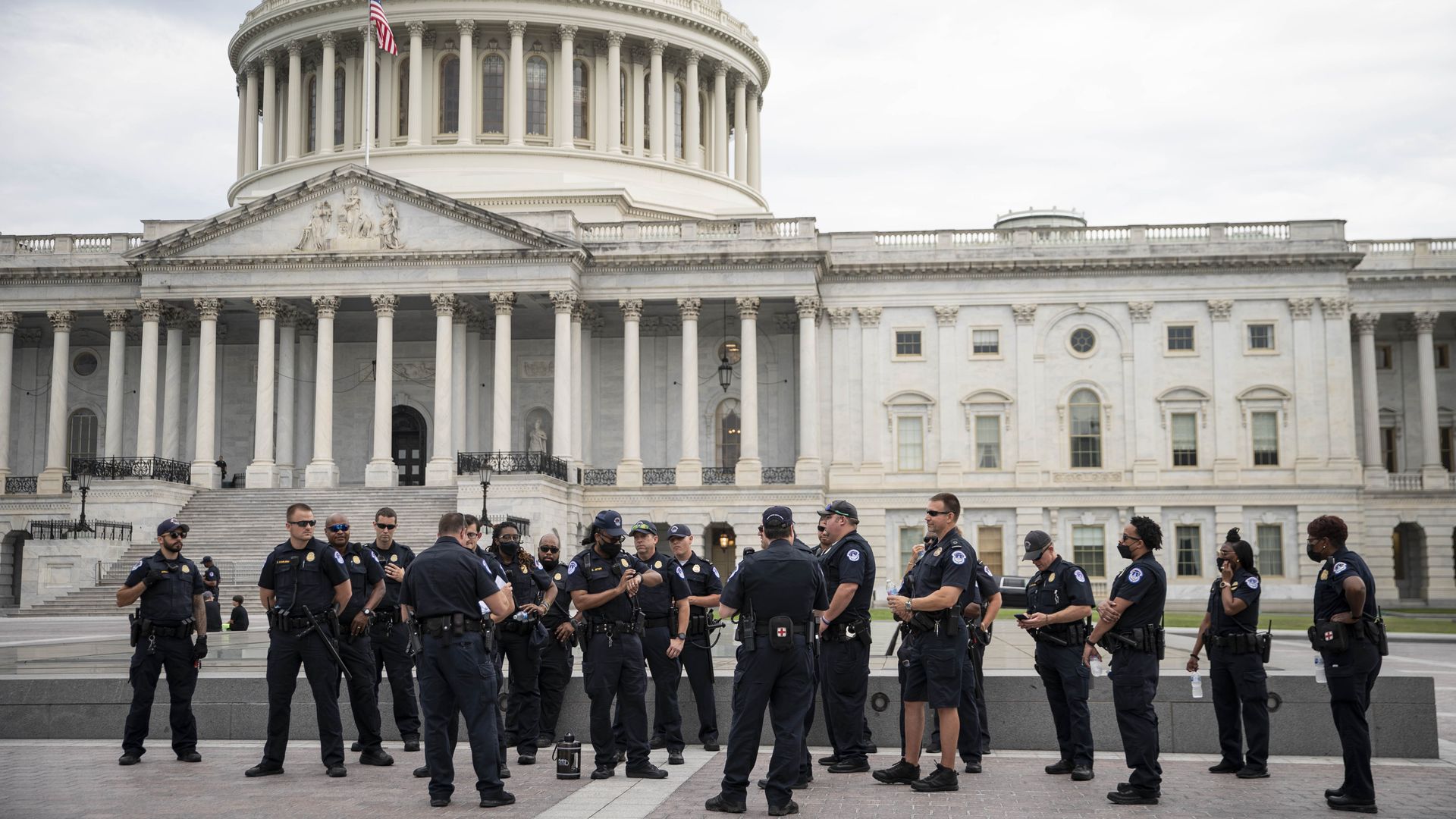
The Capitol Police said Friday they are planning “extra security” for President Biden’s State of the Union address on March 1 in anticipation of a possible truck convoy aimed at disrupting the event.
Why it matters: The Capitol was rocked last year by a series of major security incidents, including the Jan. 6 riot and the Good Friday Attack, putting security officials on high alert in the face of risks.
The possibility of a Russian invasion into Ukraine is "not a bluff" and could happen "any day," Defense Secretary Lloyd Austin said in an interview with ABC News' Martha Raddatz.
State of play: The Austin interview, which will air in full on ABC's "This Week" on Sunday, follows President Biden's remarks earlier on Friday in which he said that he is "convinced" that Russian President Vladimir Putin has made the decision to invade Ukraine, and that U.S. intelligence indicates he will target Kyiv — the capital and a city of 2.8 million people.