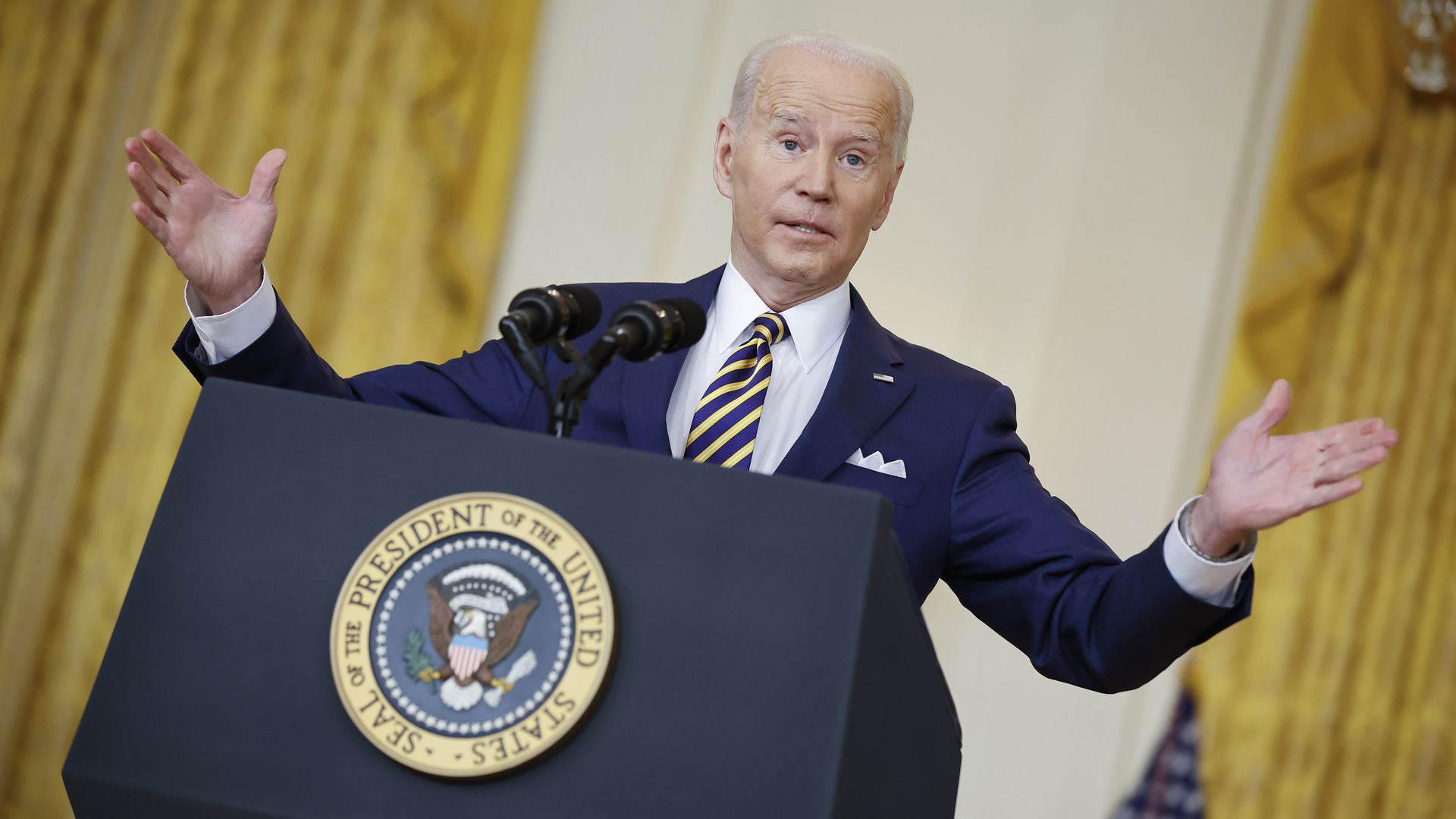
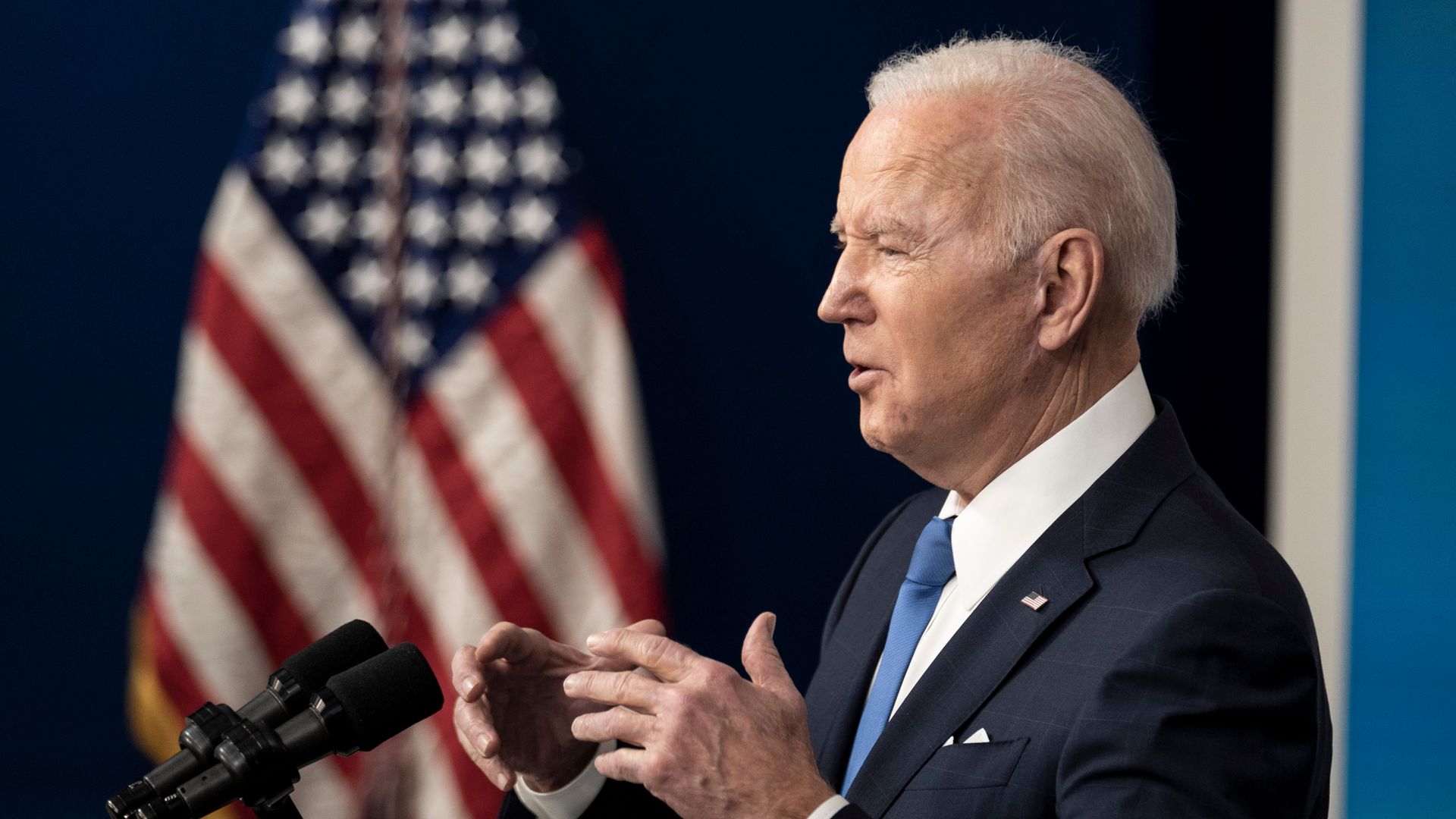
President Biden on Wednesday marked the end of his first year in office with a marathon press conference from the White House East Room, during which he defended his record in office and made headlines on several fronts.
President Biden on Wednesday said that he still believes he can pass "big chunks" of the Build Back Better safety-net expansion.
Why it matters: The president's remarks come a month after the Build Back Better legislation failed to garner the support of Sen. Joe Manchin, which all but guaranteed the end of the spending package.
President Biden said during a press briefing Wednesday that he expects Vice President Kamala Harris to be his running mate again in 2024 if he chooses to run, saying, "I think she's doing a good job."
President Biden acknowledged Wednesday that the U.S. should have done more COVID-19 testing earlier on during his first year in office.
Why it matters: The administration has faced criticism for the timing of the free tests that it distributed. A widespread shortage impacted millions across the country during the holidays as Omicron cases surged.
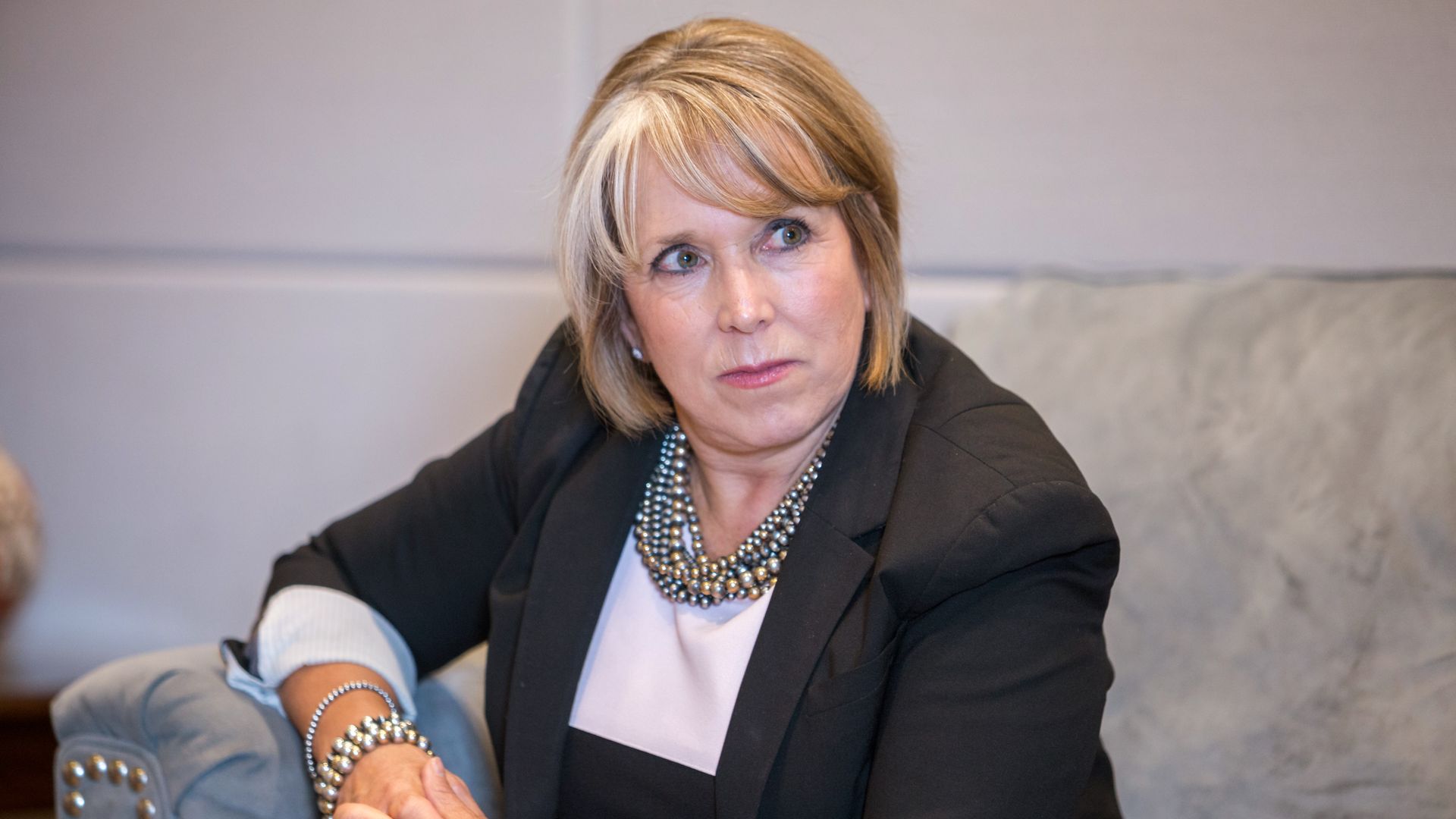
New Mexico is asking the state's National Guard and state employees to volunteer as substitute teachers and child care workers to assist with COVID-driven labor shortages, Governor Michelle Lujan Grisham (D) said Wednesday.
Why it matters: The move underscores the extreme measures states are taking to keep schools open amid the Omicron surge.
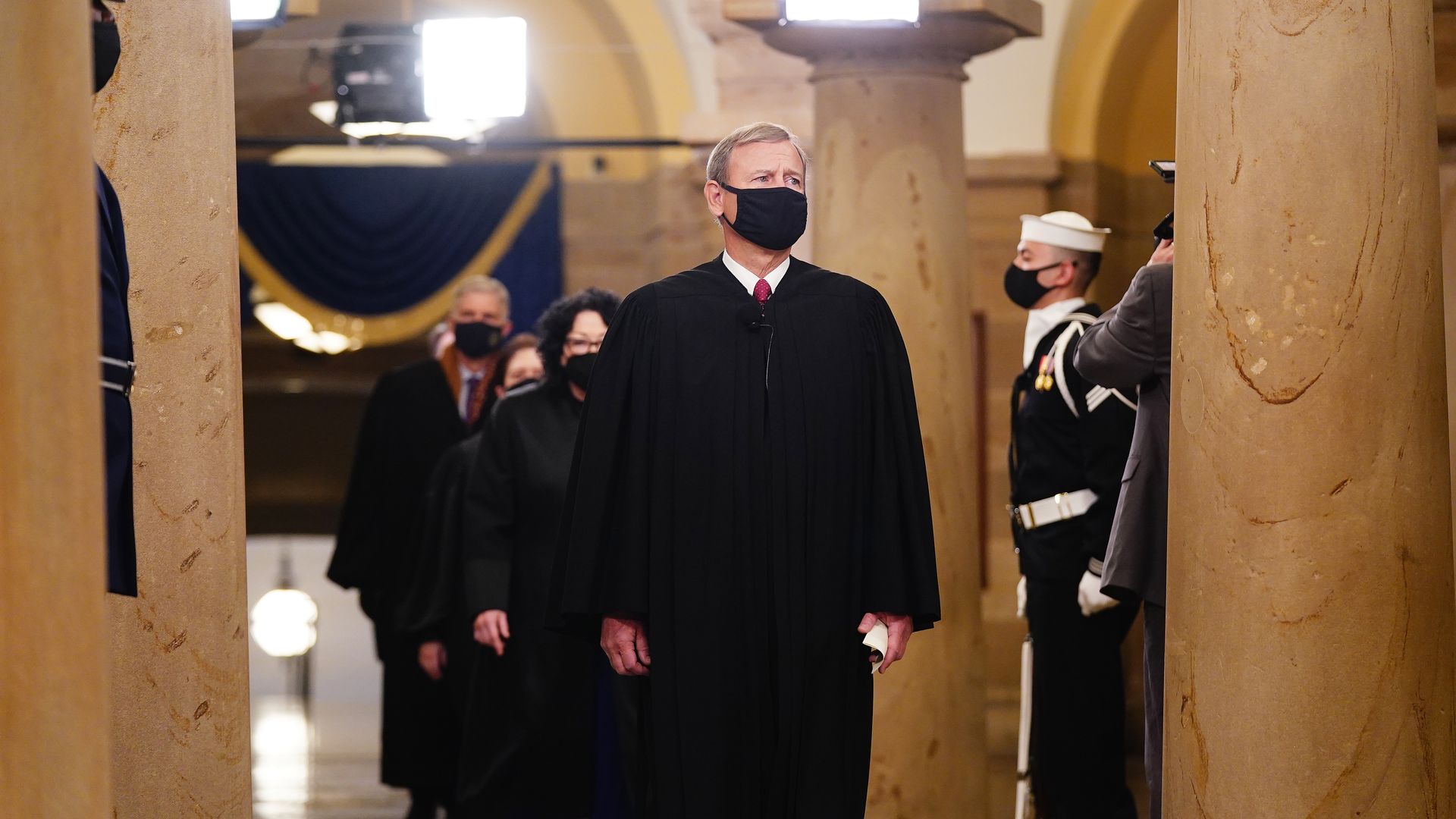
Supreme Court Chief Justice John Roberts said Wednesday that he has not mandated masks for justices in the courtroom, contradicting a report that Justice Neil Gorsuch refused Roberts' directive during in-person arguments.
Why it matters: Gorsuch was the only one to appear without a mask when the Supreme Court returned to the bench in January. NPR reported this week that Justice Sonia Sotomayor, who has diabetes and sits next to Gorsuch, chose to participate remotely out of concern for her health.
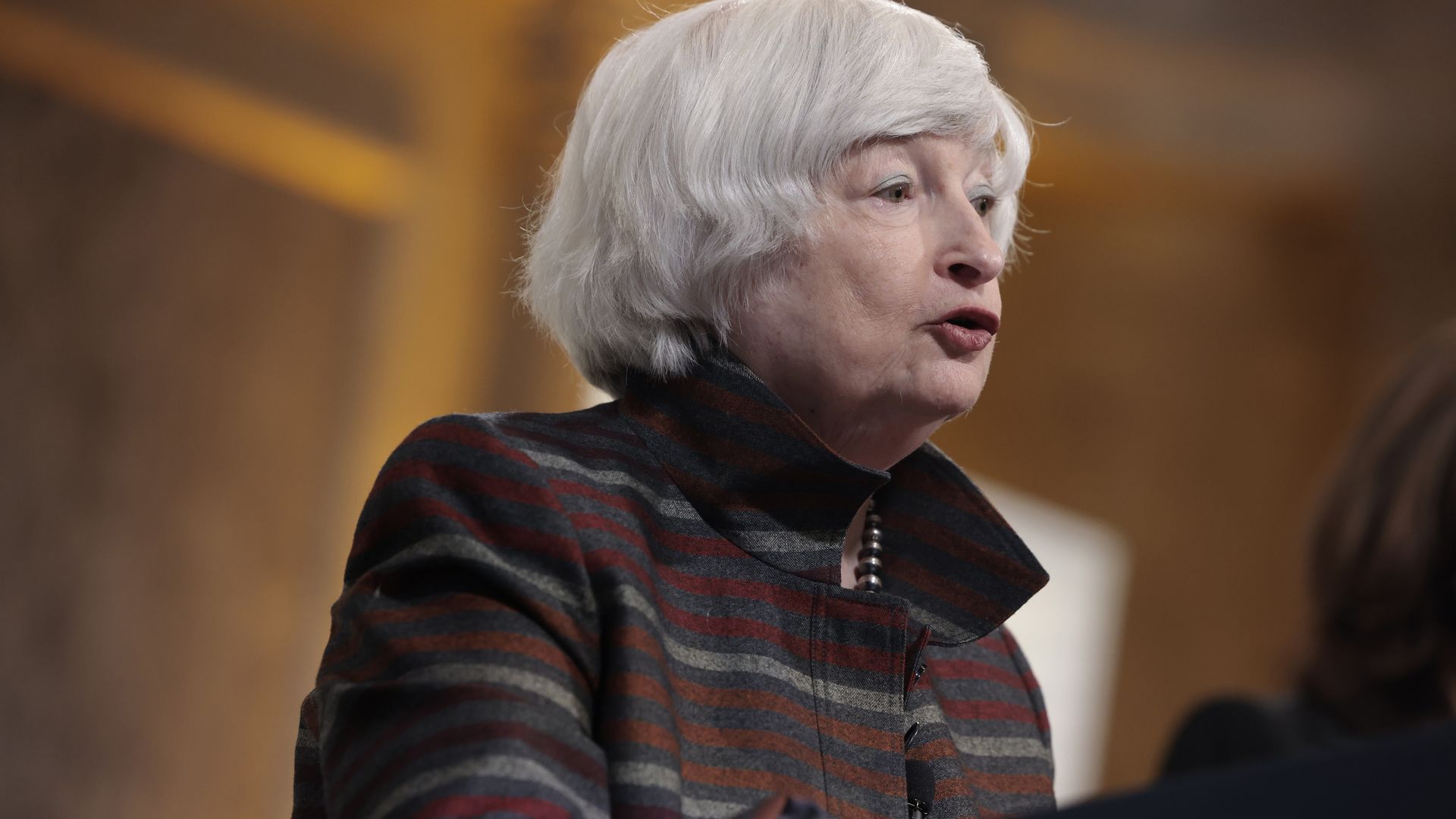
Arizona Attorney General Mark Brnovich on Wednesday sent a letter to Treasury Secretary Janet Yellen responding to the Biden administration's threat that it will take back and withhold the state's COVID-19 relief aid over anti-masking school policies.
Driving the news: "[W]e will not be intimidated by the heavy-hand of the Biden Administration forcing Arizona to comply with ambiguous and unrealistic national standards," Brnovich said.
President Biden on Wednesday nominated Nusrat Jahan Choudhury to serve as federal judge for the U.S. District Court for the Eastern District of New York.
Why it matters: If confirmed by the Senate, Choudhury would become the first Muslim woman and the first Bangladeshi American to serve as a federal judge. She would be the second Muslim person to serve.
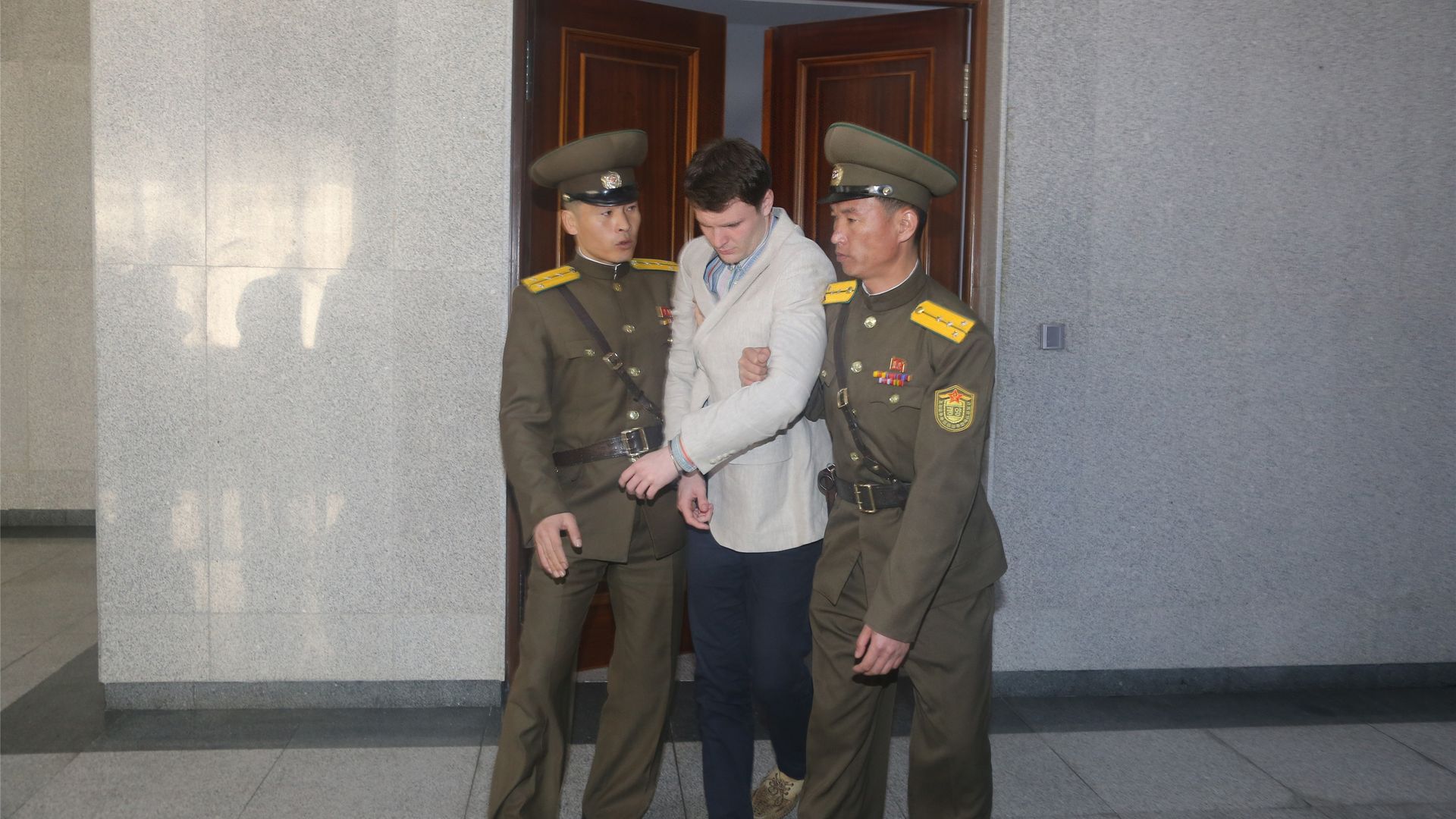
The family of Otto Warmbier, an American student who was detained in North Korea for 17 months and died in 2017 shortly after being returned to the U.S. in a coma, was awarded more than $240,000 in seized assets from Pyongyang, a New York federal court ruled.
Why it matters: The payment is part of a $500 million wrongful death lawsuit, in which Warmbier's family alleged that North Korea took him hostage, tortured him and was responsible for his death.
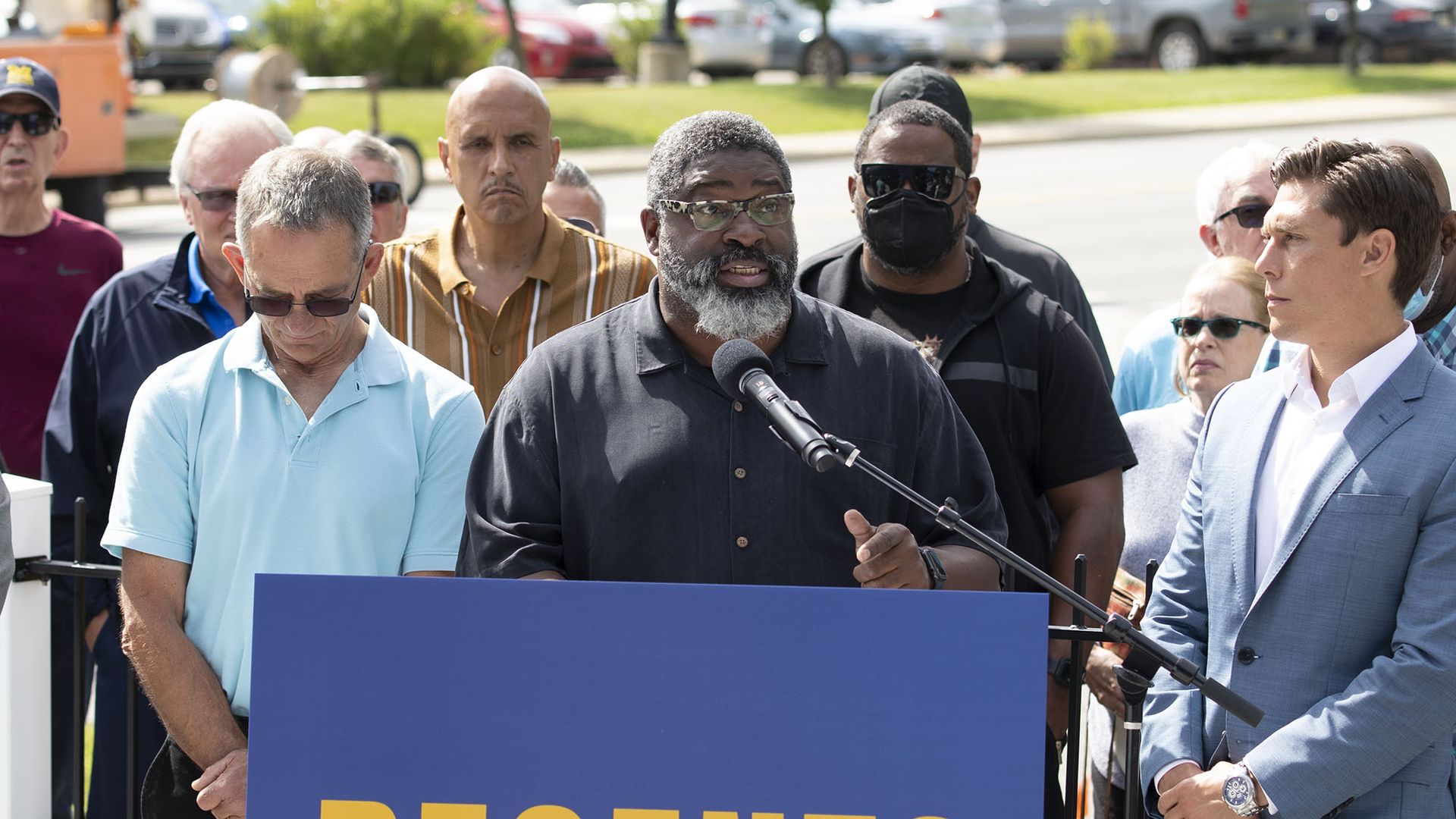
The University of Michigan on Wednesday reached a $490 million settlement with over a thousand survivors who allege that they were sexually assaulted by a former physician in the school's athletic department.
Driving the news: "It's been a long and challenging journey and these survivors have refused to remain silent," attorney Parker Stinar said Wednesday.
The Biden administration will announce Wednesday that 400 million non-surgical N95 masks will be made available to the public for free at thousands of "convenient locations" across the U.S.
Why it matters: This is the largest deployment of personal protective equipment in U.S. history, according to a White House official. The masks are slated to be available at numerous local pharmacies.
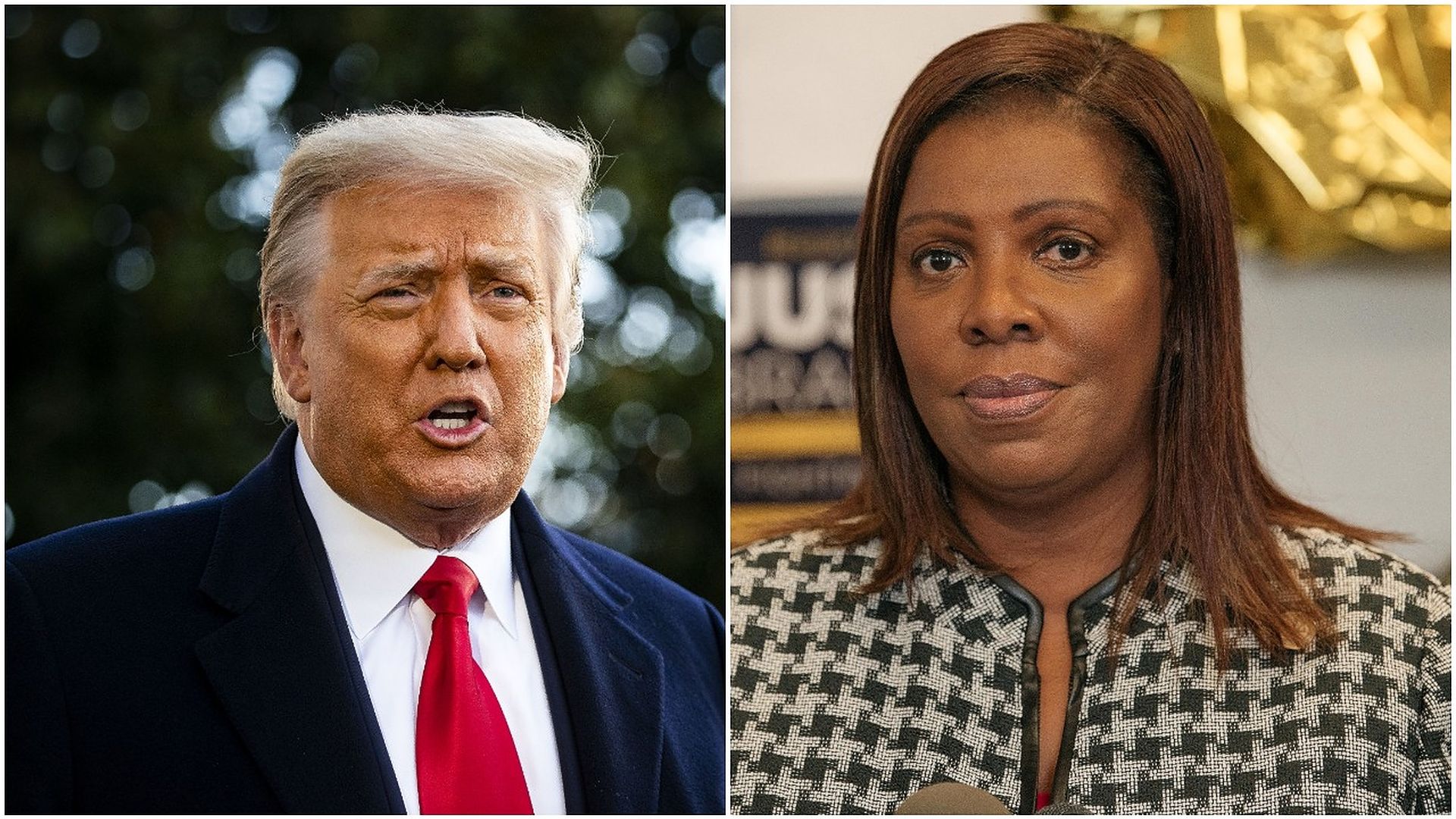
New York's attorney general filed a motion Tuesday seeking to compel former President Trump and his two elder children to appear for sworn testimony in her office's civil investigation into the Trump Organization's financial dealings.
Why it matters: Attorney General Letitia James revealed new details in the court filing and a statement on her office's investigation into the Trump Organization's business practices, including a preliminary finding alleging the company used "fraudulent and misleading asset valuations to obtain economic benefits."
New Jersey on Tuesday became the second state to require Asian American and Pacific Islander (AAPI) history in school curricula.
Why it matters: The move comes after a rise in anti-Asian hate since the pandemic began two years ago, and calls for action from AAPI leaders who say education is necessary to understand the community's diversity and needs.
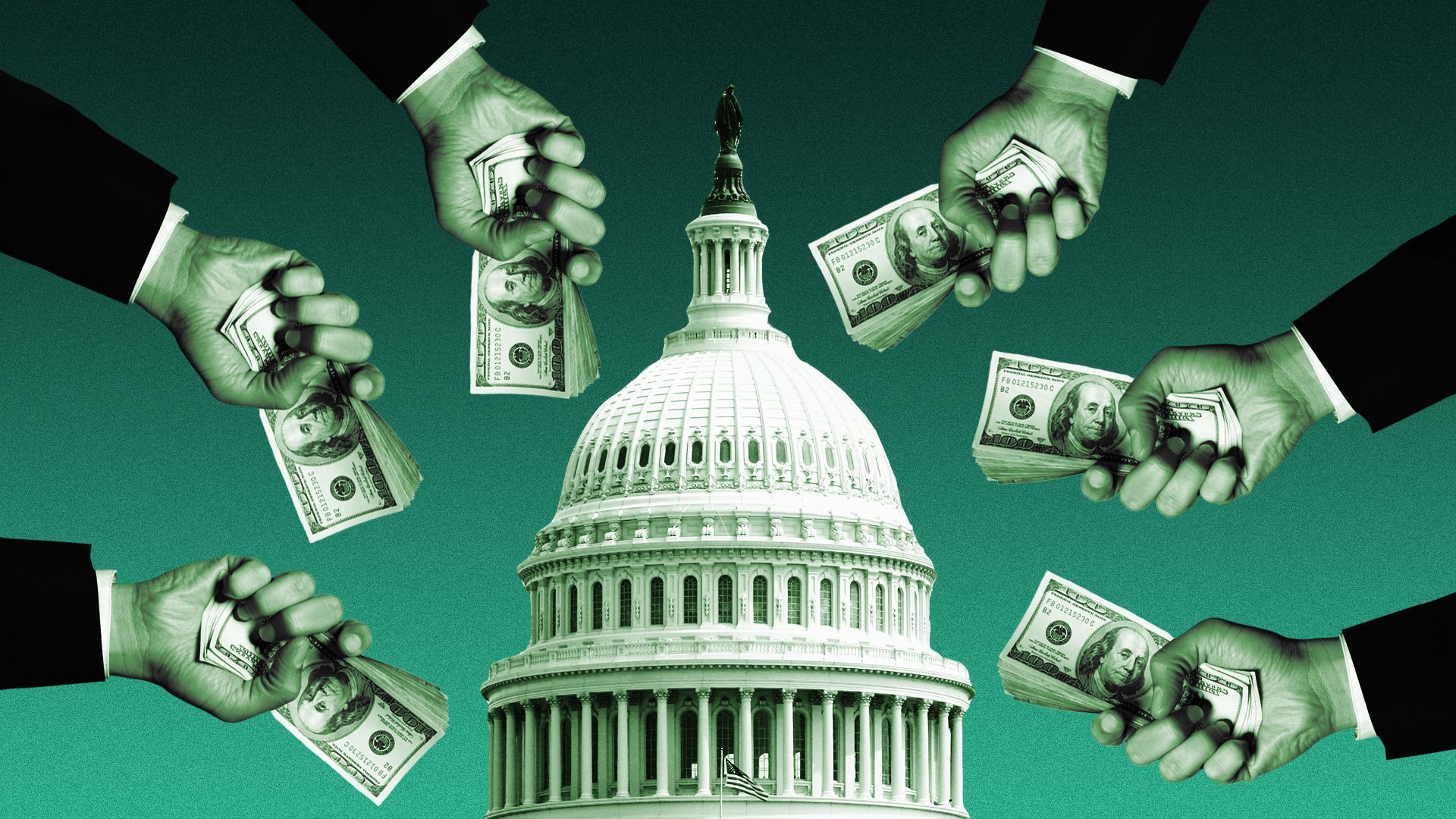
Members of Congress are turning to the same political consultants who got them elected to blast out taxpayer-funded communications from their government offices, records show.
Why it matters: While those members are barred from politicking with official funds, the firms have expertise in boosting elected officials' images for political gain and are in high demand for both campaign and government work.
A bipartisan group seeking to update the Electoral Count Act of 1887 has other election reforms in mind, including creating federal penalties for harassing and intimidating state election officials — with improperly removing them among the punishable offenses, Axios has learned.
Why it matters: The 50-50 Senate is unlikely to pass broad-based bills like the Freedom to Vote Act or the John R. Lewis Voting Rights Advancement Act, so the ECA has emerged as a consensus target for more limited election changes.
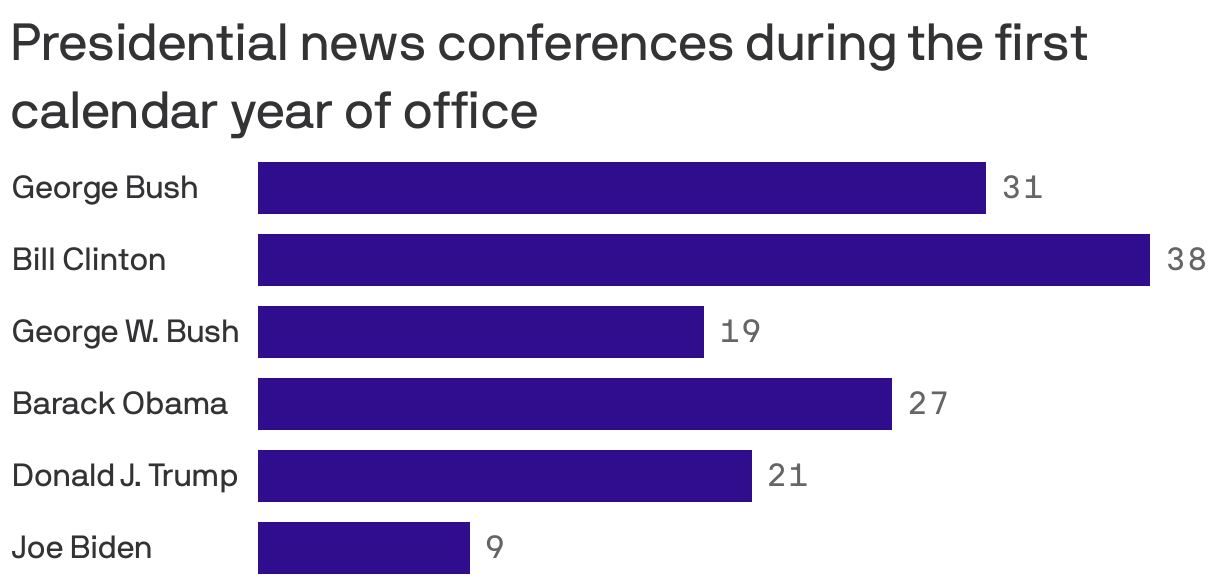
Data: The American Presidency Project; Chart: Kavya Beheraj/Axios
President Biden has held fewer news conferences during his first year in office than his recent predecessors, according to data compiled by the American Presidency Project at the University of California at Santa Barbara.
Why it matters: Solo news conferences present an opportunity — and a risk — for presidents to defend their actions, parry with reporters and talk directly to the American people. The one Biden is holding at 4 pm Wednesday will be just the 10th of his presidency.
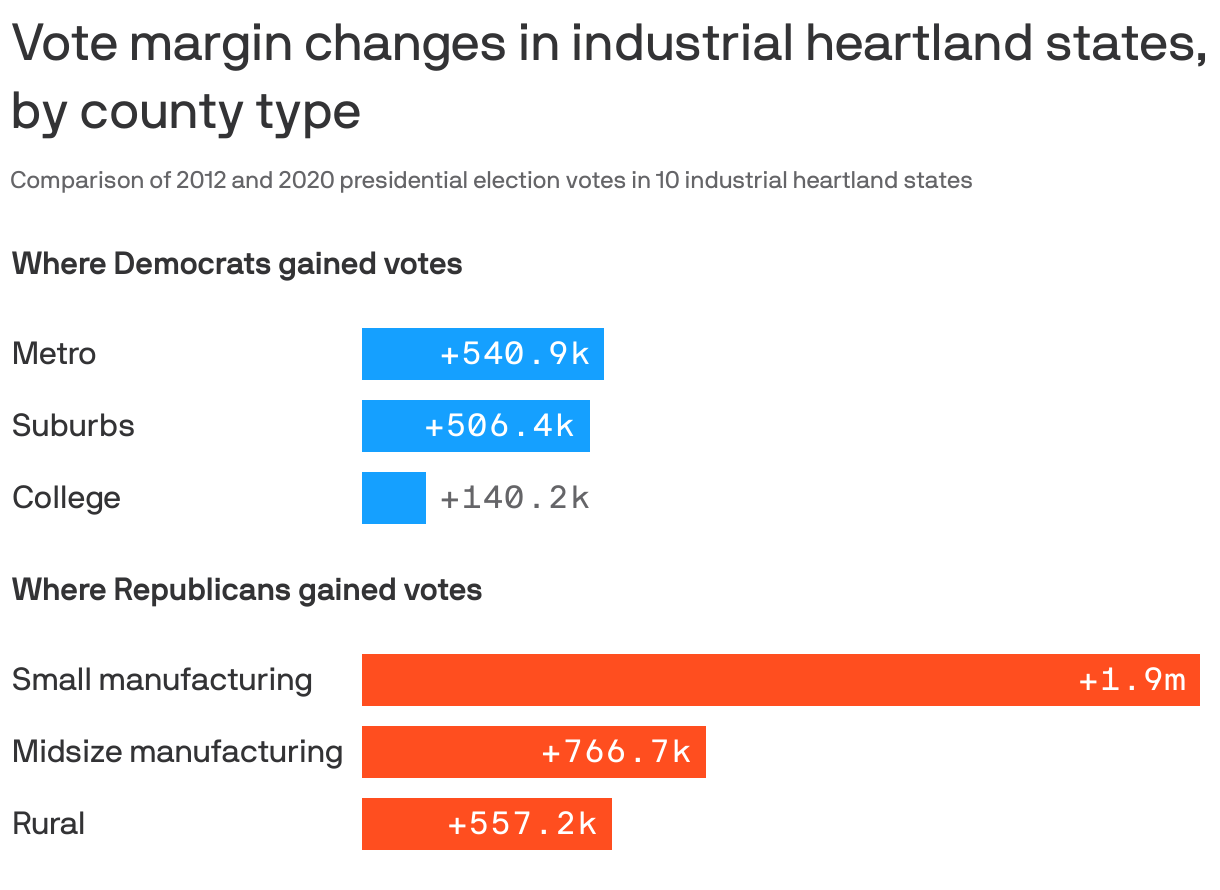
Note: 10 industrial heartland states, including Ohio, Wisconsin and Pennsylvania; Data: American Family Voices and 21st Century Democrats; Chart: Jared Whalen/Axios
A set of Senate Democratic candidates in swing states is actively courting voters in regions that suffered the steepest manufacturing losses.
Why it matters: The renewed effort by Democrats to reach out to white, working-class voters in so-called factory towns before this year's primaries reflects a key focal point for a party looking to overcome its losses in rural areas.
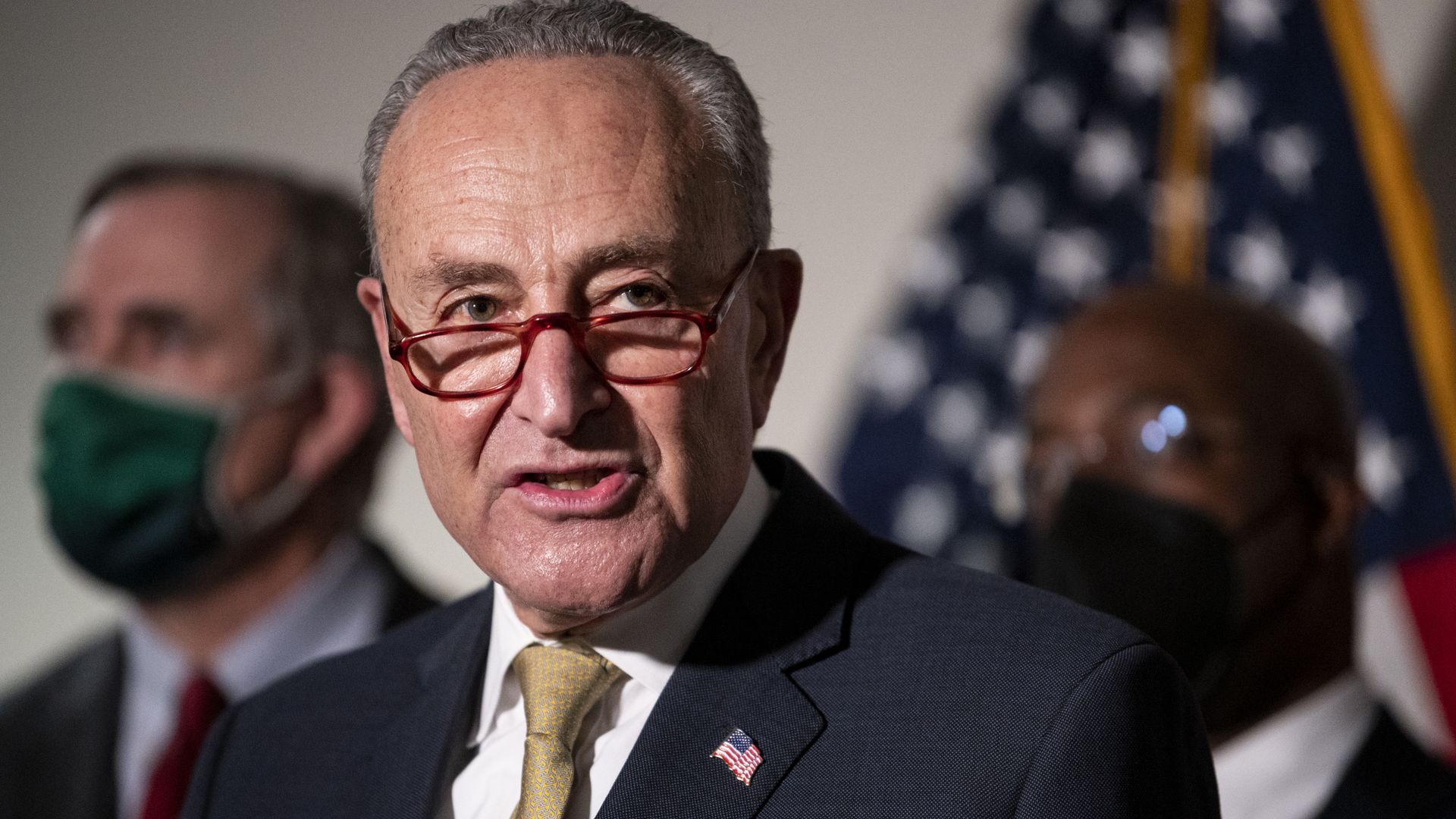
Senate Majority Leader Chuck Schumer told the Democratic caucus Tuesday night he plans to propose instituting a one-time "talking" filibuster requirement, and bypassing the 60-vote threshold for major legislation, to pass the party's election reforms package via simple majority.
Why it matters: While Schumer acknowledged both votes are expected to fail — and some vulnerable Democrats up for re-election feel it will put them in a tough spot — he argued it's worth putting members on the record for historic legislation.
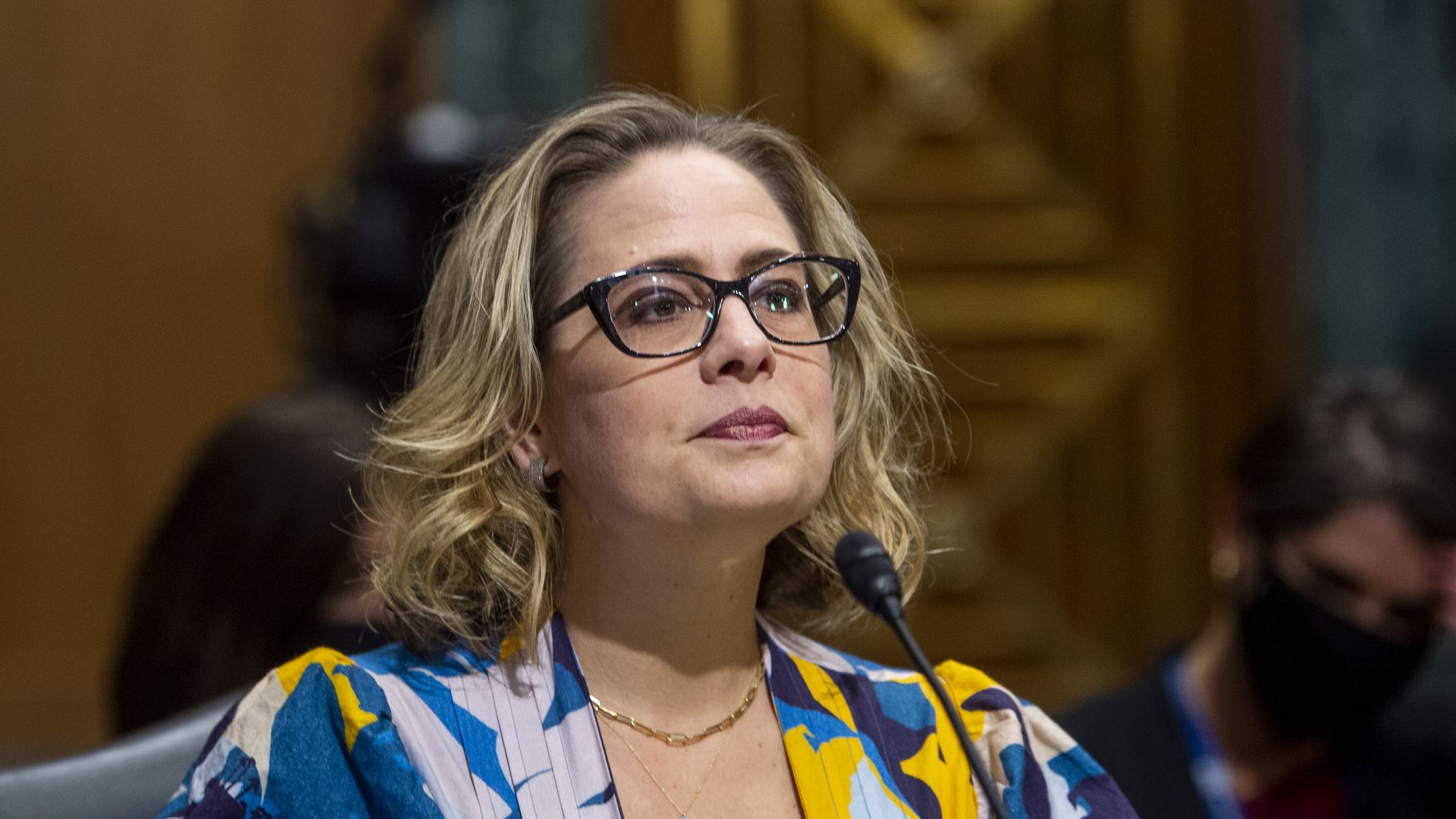
Emily's List, a national PAC that backs pro-choice Democratic women in politics, said Tuesday it will no longer endorse Sen. Kyrsten Sinema (D-Ariz.) due to her opposition to changing the filibuster for voting rights legislation.
Why it matters: Sinema's refusal to support rule changes means that Democrats' voting rights bills face an uphill battle in the Senate. Emily's List is the latest to speak out against Sinema, who has faced backlash from her colleagues as well as Senate Democratic candidates.