Twenty attorneys general on Thursday sued the Postal Regulatory Commission (PRC), arguing the agency did not fully vet Postmaster Louis DeJoy's 10-year plan for the U.S. Postal Service, which ultimately led to a slowdown of mail delivery.
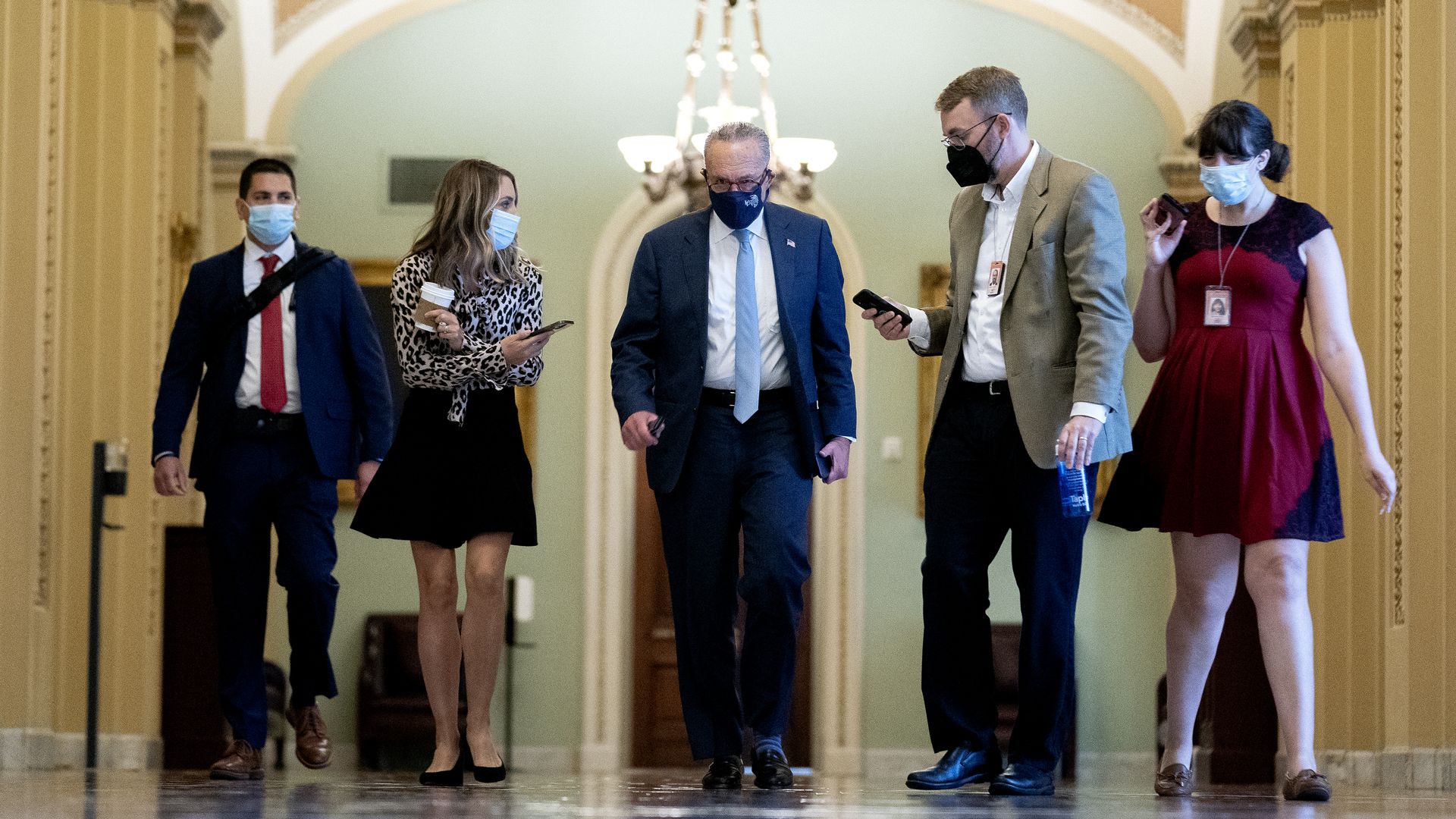
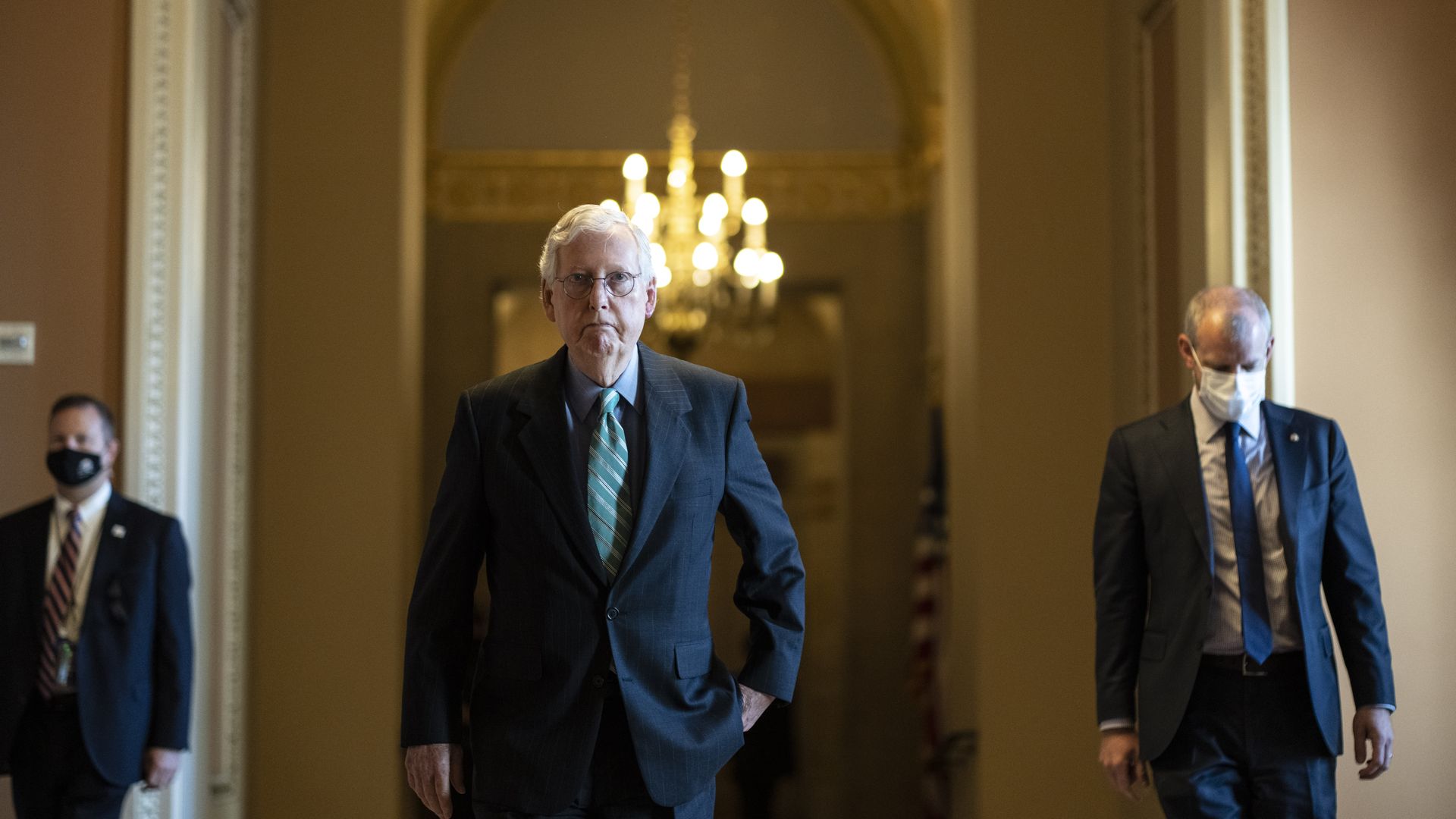
Less than 24 hours after Congress narrowly avoided a government shutdown, Senate Minority Leader Mitch McConnell (R-Ky.) made a point of trying to spin the narrative to his party's favor, telling President Biden via letter that Republicans will not assist again if Democrats "drift into another avoidable crisis."
Why it matters: For months, McConnell refused to budge over his insistence that Democrats suspend the debt limit through the budget reconciliation process. Crisis was averted Thursday night after McConnell struck a deal with Senate Majority Leader Chuck Schumer (D-N.Y.) to raise the debt ceiling, and nailed down enough GOP senators to pass the agreement.
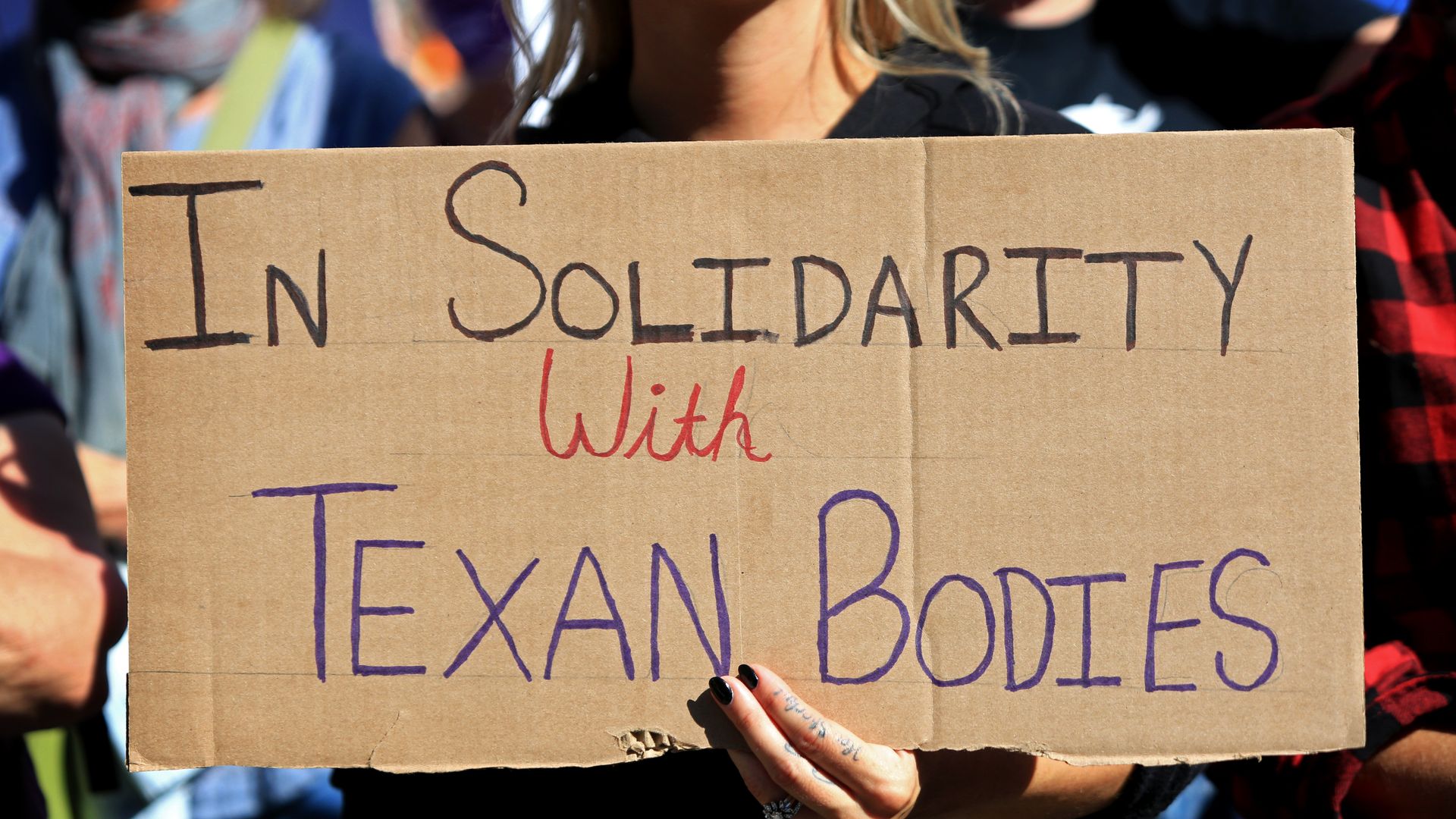
Texas asked the 5th U.S. Circuit Court of Appeals on Friday to swiftly restore the state's controversial abortion ban.
Why it matters: A federal judge granted the Biden administration's request to block the new law this week, calling it "flagrantly unconstitutional." Texas is appealing the ruling and wants the appeals court to allow enforcement of the ban while litigation is ongoing.
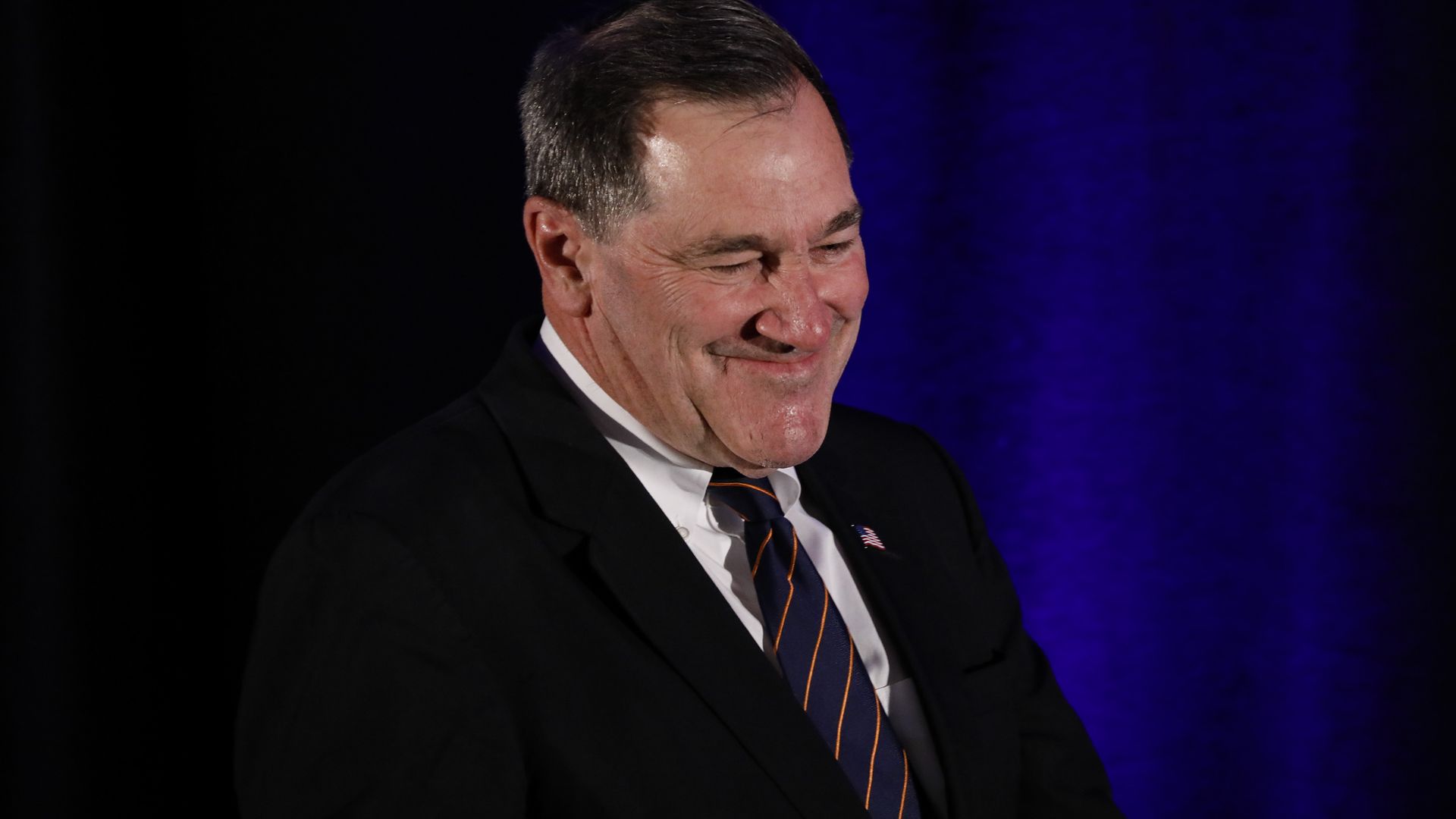
President Biden has nominated former Democratic Sen. Joe Donnelly to serve as ambassador to the Vatican, the White House announced Friday.
Why it matters: Donnelly, a former Indiana senator, served as co-chair of Catholics for Biden during the 2020 election and defended Biden's faith in an Indianapolis Star op-ed.
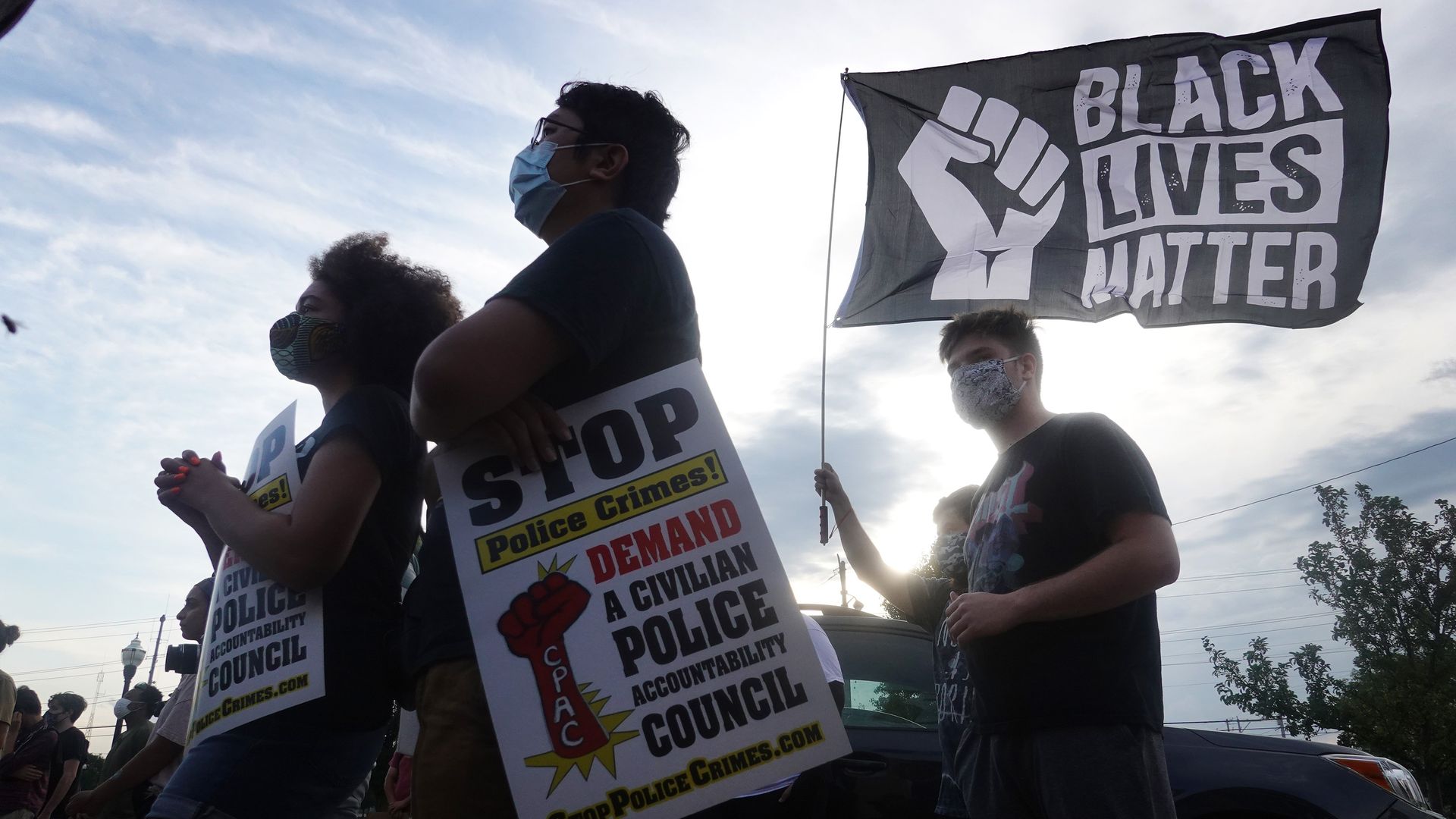
The Justice Department announced Friday it will not pursue criminal civil rights charges against the Kenosha police officer who shot Jacob Blake seven times in the back as he entered a vehicle.
Why it matters: The shooting led to days of mass protests that ended in violence and death after an armed group faced off against demonstrators.
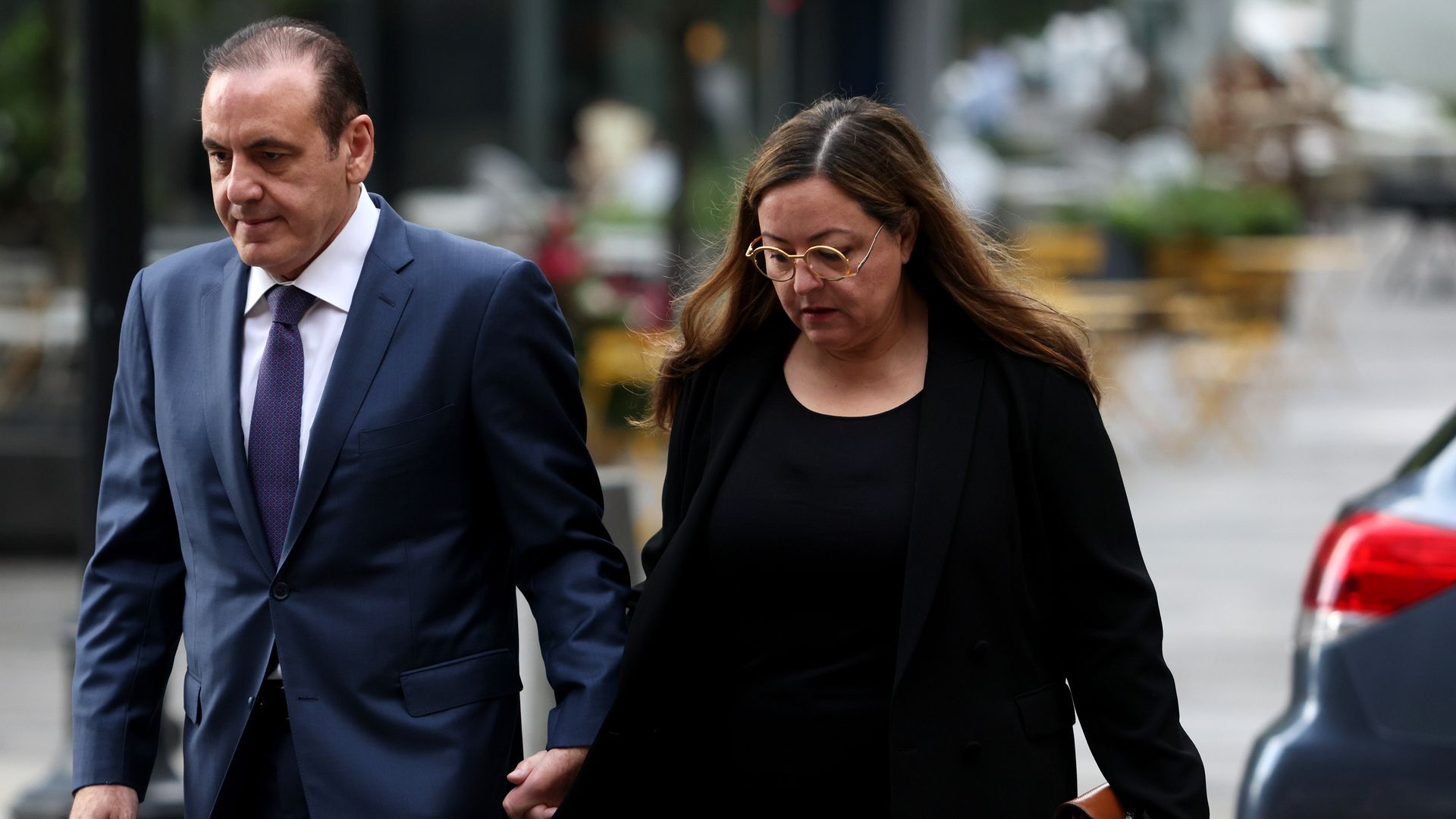
Two parents were found guilty in U.S. district court on Friday for their participation in what federal prosecutors have called the biggest college admissions scam in U.S. history, the New York Times reports.
Why it matters: John Wilson, a private equity firm founder, and Gamal Abdelaziz, a former casino executive, were the first to go on trial in the "Operation Varsity Blues" scandal — in which parents allegedly bribed coaches and paid for forged standardized tests to get their children into elite colleges.
The first person charged with fraudulently seeking pandemic relief loans was sentenced to 56 months in federal prison on Thursday, according to the Justice Department.
Why it matters: The DOJ has increasingly cracked down on fraud stemming from the Paycheck Protection Program. Over 500 people have been charged with pandemic loan fraud, per Reuters.
President Biden has waived executive privilege on the initial set of White House documents produced in response to the Jan. 6 select committee's requests for information, press secretary Jen Psaki confirmed on Friday.
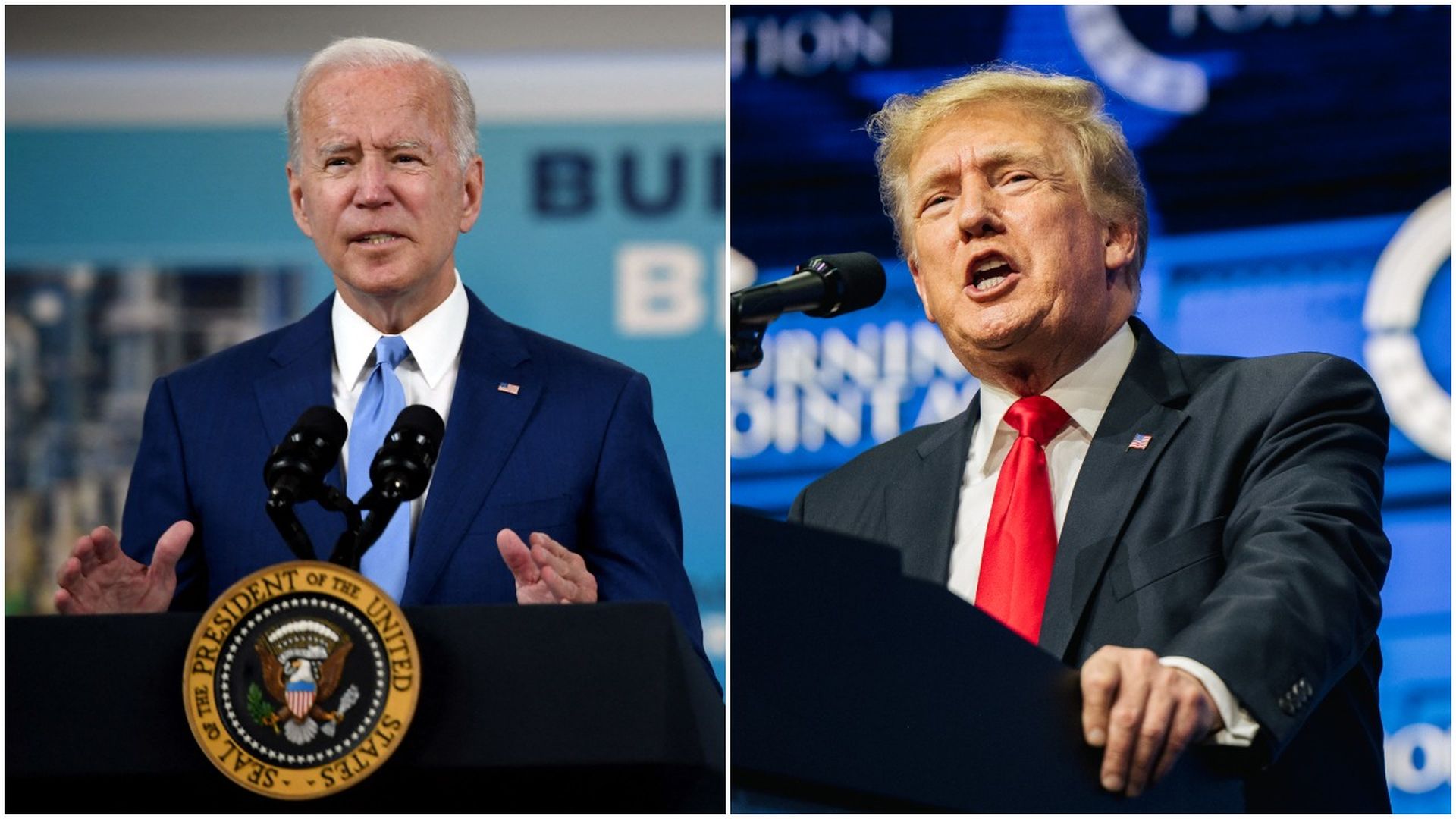
Why it matters: Former President Trump's legal team has moved to block some of the requests by invoking executive privilege, which can allow presidents and their aides to side step congressional scrutiny. But the Biden administration has maintained that they will evaluate on a case-by-case basis.
President Biden announced Friday the protection of the expansion of the Bears Ears and Grand Staircase-Escalante national monuments in Utah and the Northeast Canyons and Seamounts off the New England coast.
Why it matters: The decision reverses a Trump-era policy that reduced the Bears Ears Monument's size by 85% in 2017. It also comes after a coalition of Native American tribes urged Biden to restore the monument.
President Biden on Friday became the first president to issue an official proclamation commemorating Indigenous Peoples Day.
The big picture: Biden's proclamation boosts efforts looking to shift the focus of the federal holiday celebrating Christopher Columbus to the contributions of Native Americans, AP reports.
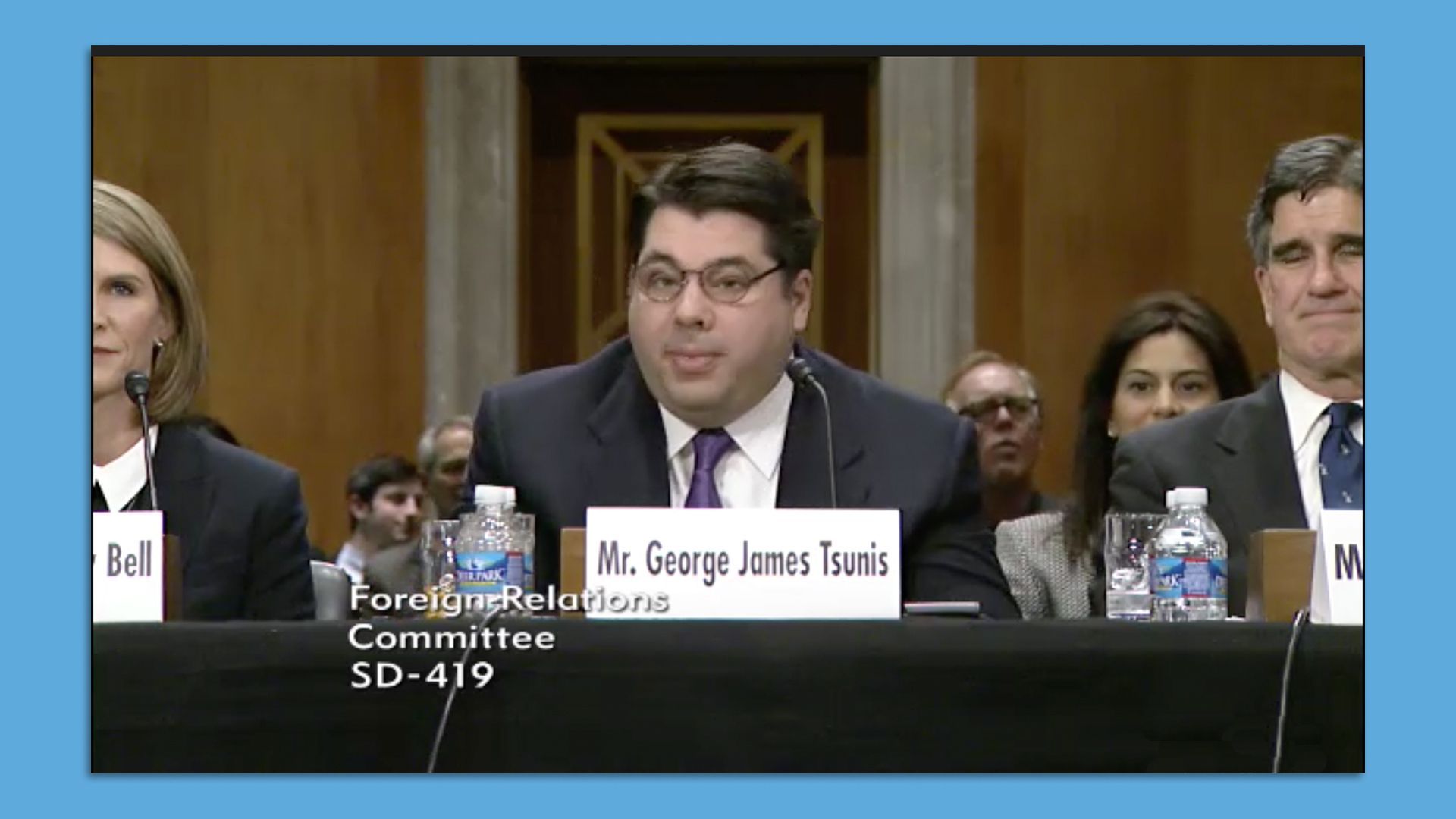
President Biden plans to nominate hotel executive and major Democratic donor George Tsunis as his envoy to Greece, according to people familiar with the matter.
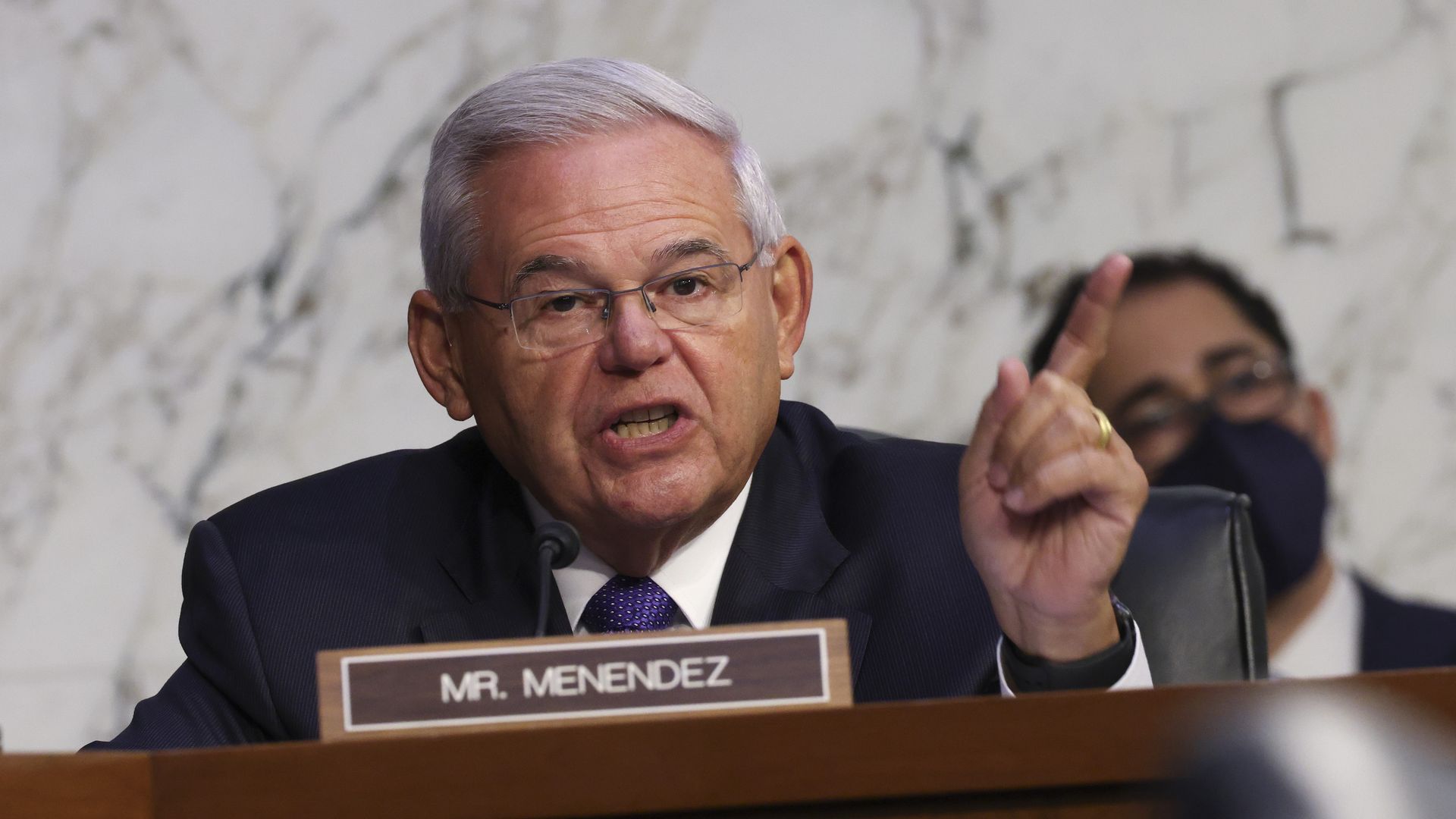
Why it matters: Senate Foreign Relations Chair Robert Menendez (D-N.J) had pushed Biden to pick Tsunis, and now Tsunis has a second chance to prove he's worthy of serving as an ambassador after his failed nomination under President Obama.
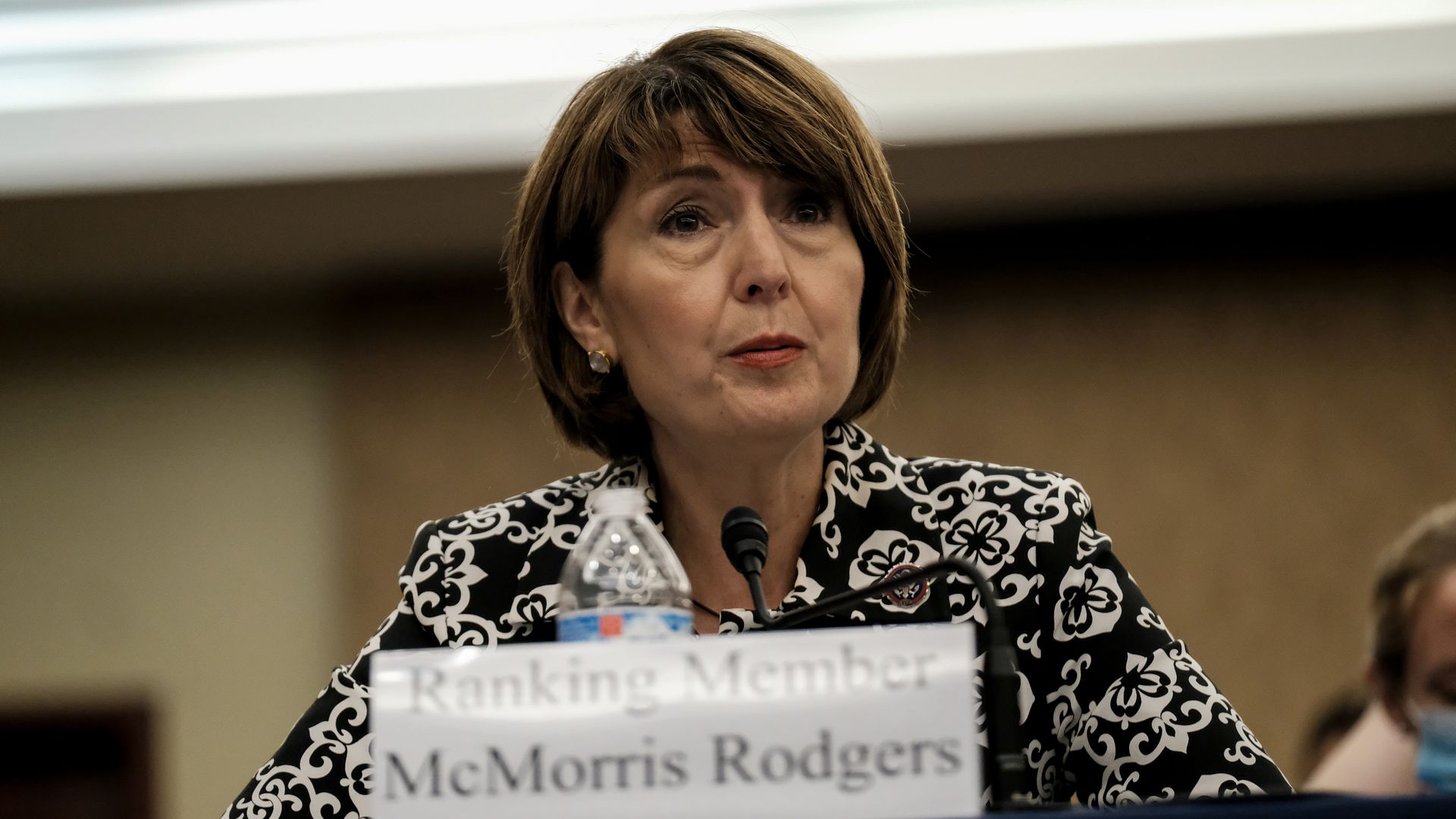
Rep. Cathy McMorris Rodgers (R-Wash.) has tested positive for COVID-19 despite being vaccinated, she disclosed Friday, using her announcement to renew calls for constituents to "talk to your doctor about getting the vaccine if you haven’t already.”
Driving the news: "Yesterday, despite being fully vaccinated, I tested positive for COVID-19," she wrote in a statement. "My symptoms are mild and I am quarantining at home and following CDC and local health guidelines."
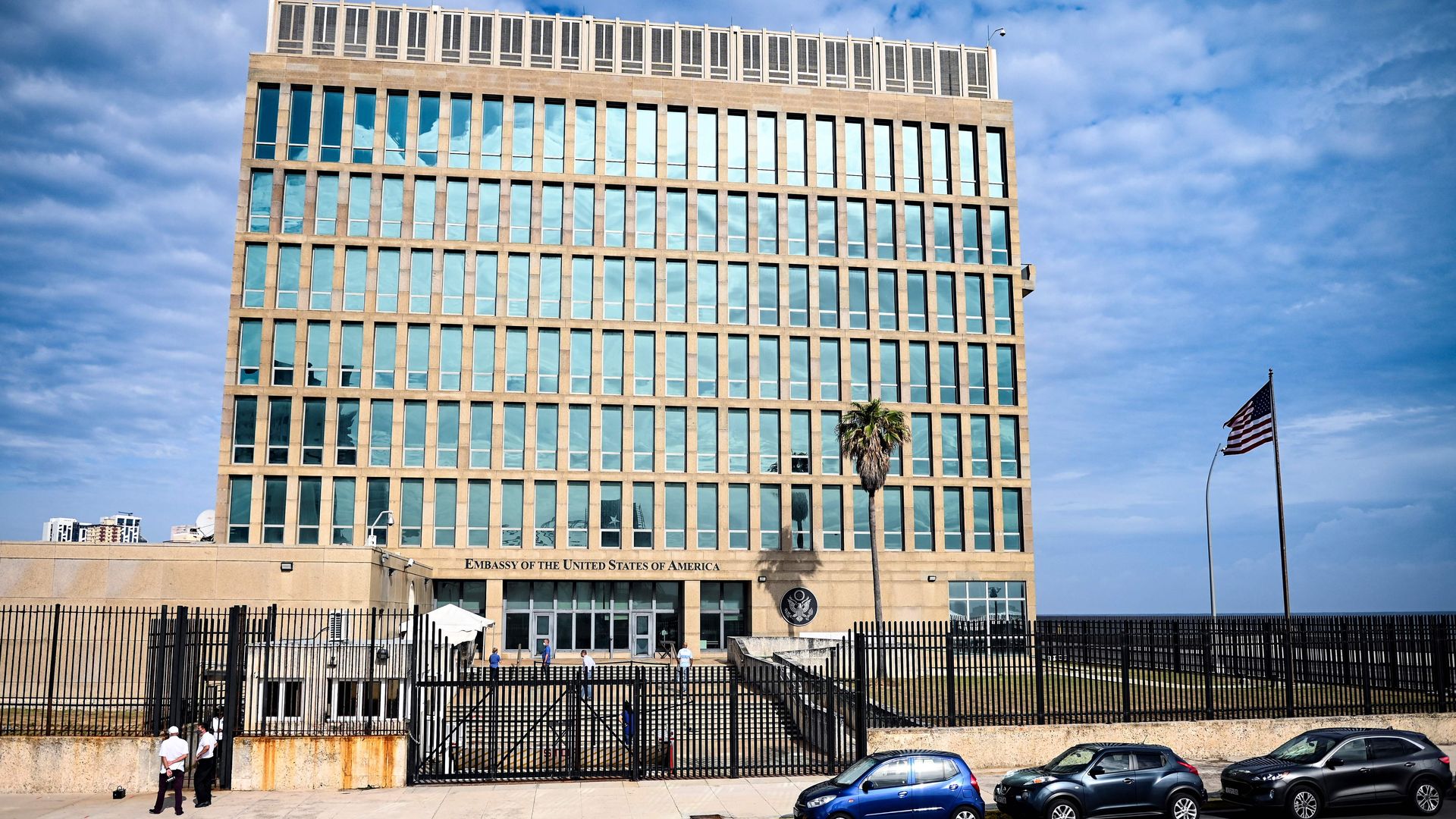
President Biden signed a bill on Friday that will authorize additional support for diplomats and government officials who have suffered brain injuries overseas in a series of unexplained health episodes dating back to 2016.
Why it matters: As many as 200 Americans have come forward with symptoms associated with the so-called "Havana Syndrome," which was first experienced by U.S. diplomats in Cuba but has since been reported in China and Europe. Some officials have complained that they have not received adequate treatment from the State Department.
Sen. Bob Menendez (D-N.J.) along with 15 other senators sent a letter to Homeland Security Secretary Alejandro Mayorkas and Secretary of State Antony Blinken this week denouncing the U.S. treatment of Haitian migrants and asylum-seekers at the border.
State of play: The senators called on the Biden administration to appoint a new special envoy for Haiti and work with international partners to secure protections for Haitian migrants, as well as solutions for "long-term stability of Haiti."
They're calling it "Buckxit": The proposal by the affluent Atlanta neighborhood of Buckhead — an epicenter of urban luxury — to break off into a municipality known as Buckhead City.
Why it matters: The petition, now before the Georgia legislature, raises squirm-inducing issues of class, race and crime. Buckhead City, with 90,000 residents, would carve off a fifth of Atlanta's population and be about three-quarters white. (Atlanta itself is currently 51% Black.)
The secession "would strike at the power of Atlanta’s Black political class," per Bloomberg Businessweek.
"Today, a mostly Black cast of elected officials is in charge of the largest city in the South, which has one of the highest concentrations of Fortune 500 company headquarters in the nation."
Where it stands: While there are many "political hurdles" to jump (as Bloomberg Businessweek put it), the measure will probably be put to a vote next year, and the city could be established by June 2023.
Proponents cite rising crime as a big motive: “We are living in a war zone in Buckhead,” Bill White, CEO of the Buckhead City Committee, told Bloomberg Businessweek. "Shootings and killings, it just never ends.”
Opponents of "Buckxit" say the proposed municipality comes with a host of complexities about operating city services and schools, as Thomas Wheatley writes in one of our newest local newsletters, Axios Atlanta.
Questions include whether Buckhead City would be on the hook for things like bond debt and pensions, and how these might affect Atlanta in the future.
Losing the affluent swath of north Atlanta neighborhoods would cost City Hall as much as $116 million and Atlanta Public Schools $232 million in recurring tax revenue, according to a study by KB Advisory Group and paid for by the Buckhead Coalition, the north Atlanta business group opposed to cityhood.
What they're saying: White, the Buckxit leader, tells Axios the new city intends to honor its fair share of Atlanta's debt and pension obligations. And it would pay for police and most city services but would opt to contract water service and schools.
What's next: White says that on Jan. 1, cityhood boosters will give the legislature an as-of-now-unreleased start-up budget.
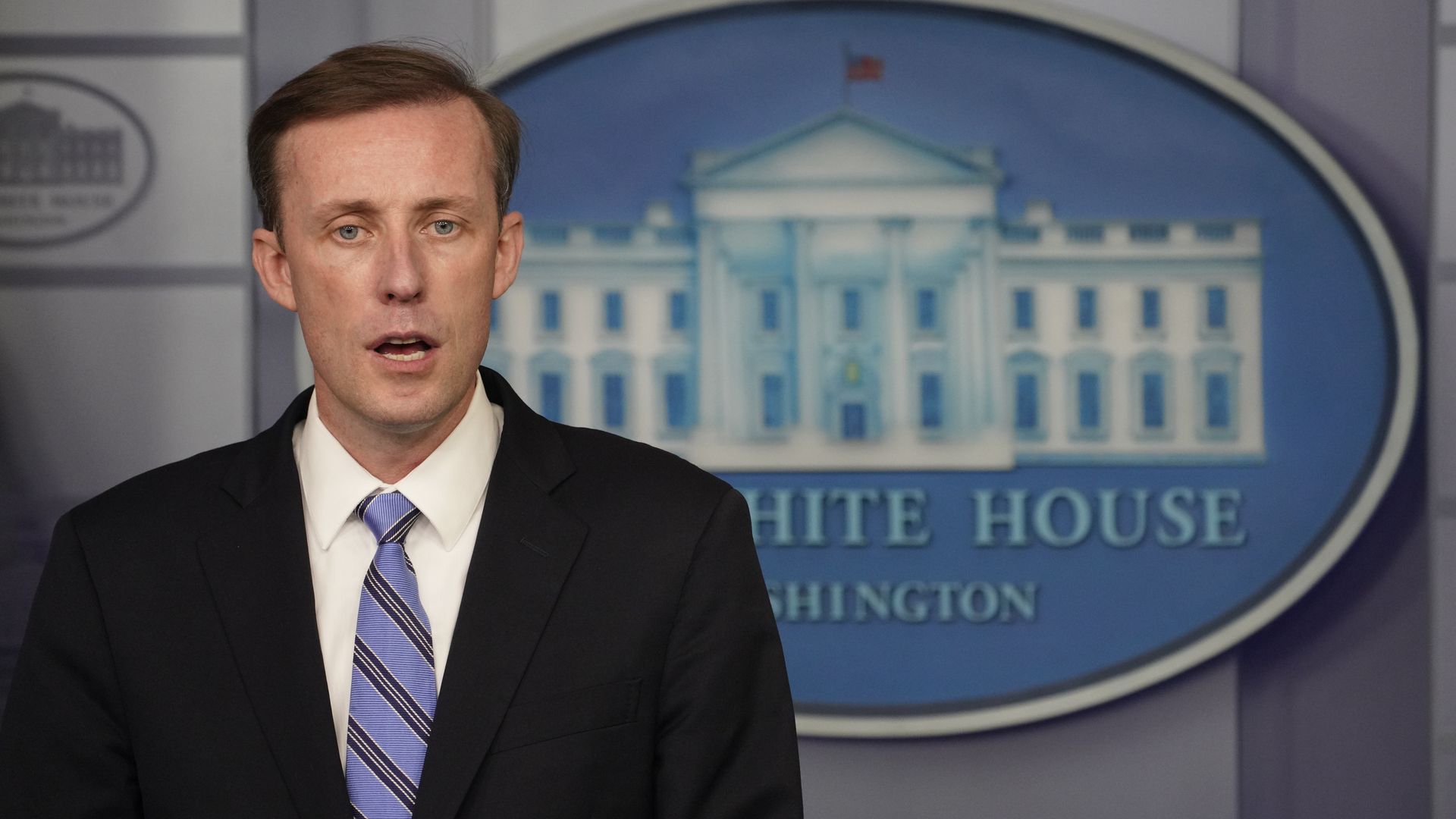
National security adviser Jake Sullivan said Thursday that the U.S. will work with Europe to ensure that energy supply keeps up with rising demand, according to Politico.
Why it matters: Energy prices have climbed around the world due to extreme weather, rising demand and supply constraints. The costs have impacted the economic recovery from COVID-19.
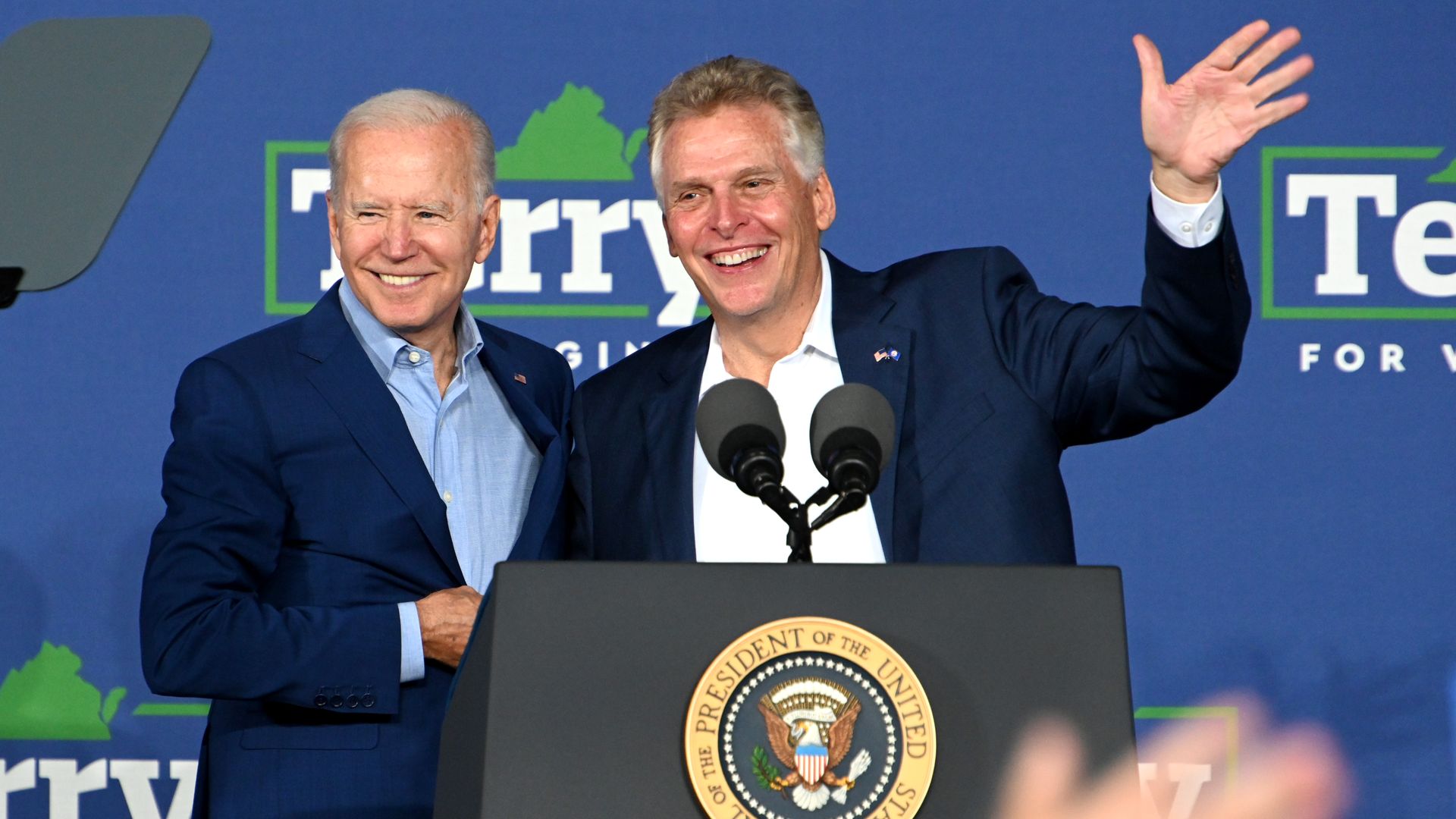
Terry McAuliffe latched onto President Biden late this summer as he sought to boost his campaign for governor of Virginia. Now, with his race tightened, the Democrat admits the president is "unpopular" in the state.
Why it matters: The off-year election in Virginia is often viewed as a national bellwether. The question confronting Biden is how many candidates like McAuliffe are worried about fallout from his policies — and fear it portends disaster for them in the 2022 midterms.
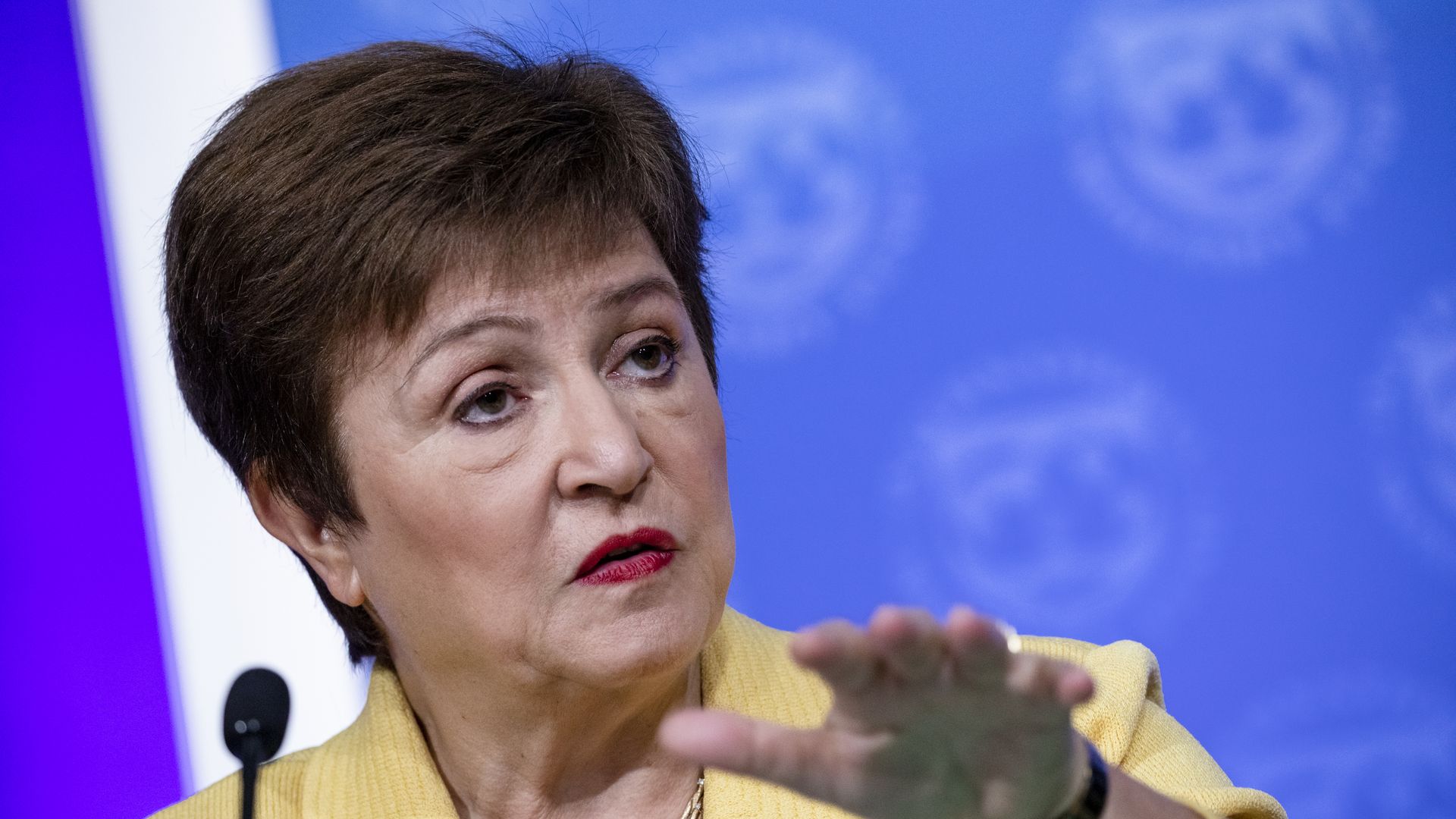
The Biden administration is publicly keeping its distance from the leader of the International Monetary Fund, Kristalina Georgieva, ahead of a key meeting Friday that could decide her fate.
Why it matters: The global economy is at risk from any new COVID-19 variant. The IMF is confronting a credibility crisis, and questions about whether China is exerting undue influence on multilateral institutions in Washington. As the fund's biggest shareholder, the U.S. has an important say in its future direction.
The leaders of the Senate were happy Thursday with their deal to avoid a debt default. They were about the only ones.
Why it matters: The Band-Aid does nothing to solve the debt ceiling problem long term for Americans. Democrats fear it only kicks the can down the road to a very busy December. Republicans, meanwhile, are mad their party blinked.
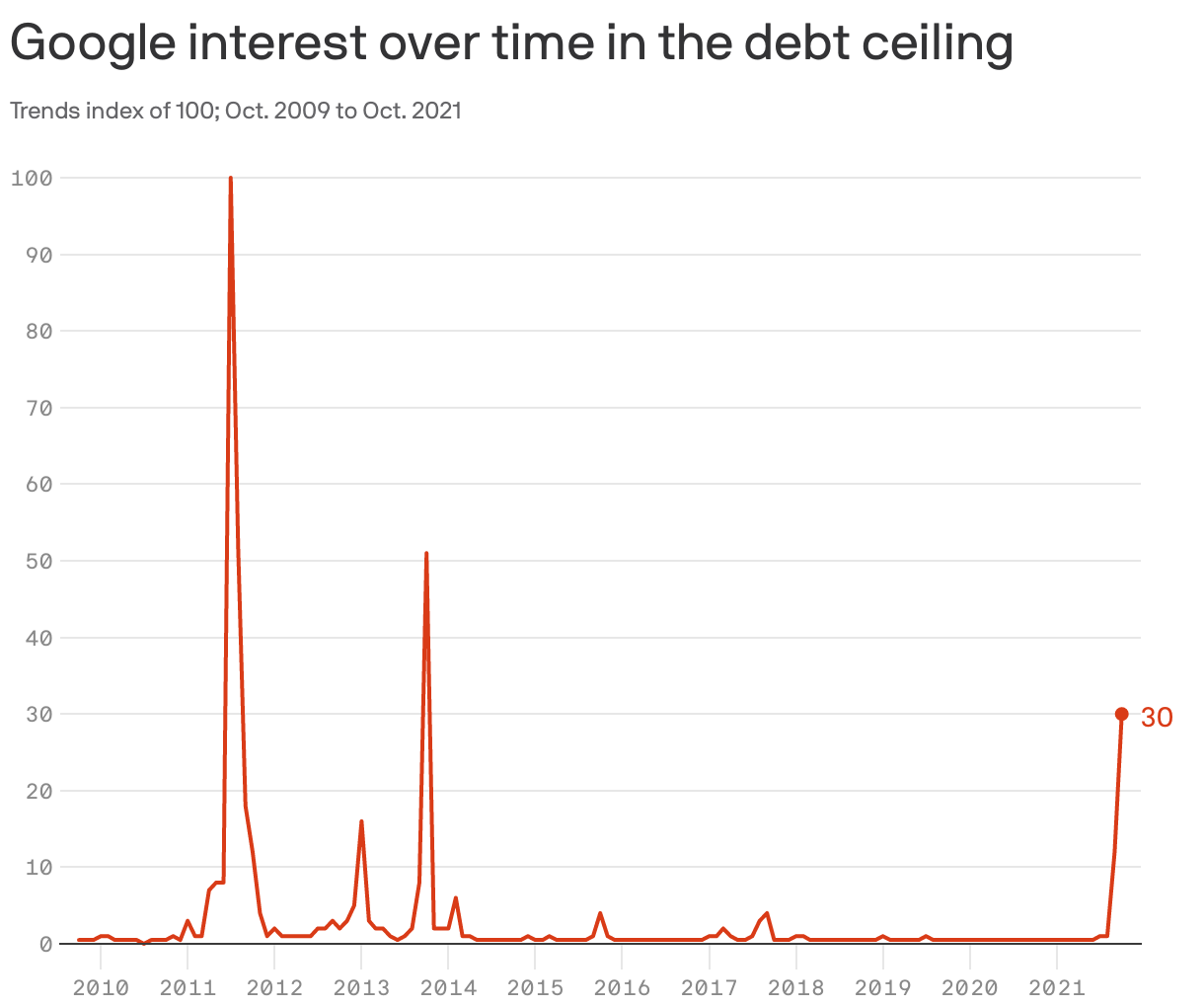
Public interest in the debt limit was just starting to rev up before Senate leaders struck a deal on Thursday to push the dilemma to December.
The big picture: Google searches for the topic were higher than at any point since 2013 but still well below levels from 2011 and '13, according to Google Trends data.
One new strategy Democrats are trying ahead of the 2022 midterms: flooding voters' Facebook feeds with factual, positive news articles about President Biden's Build Back Better agenda.
Why it matters: While the 2016 and 2020 elections — and this week's congressional testimony — were all about Facebook and other social media being used for nefarious purposes, this tack tries to harness the Social Network for positive political gain.
The Senate voted 50-48 on Thursday night, passing an agreement to raise the federal debt limit by $480 billion through Dec. 3. The bill now goes to the House, where there is a clear Democratic majority.
Why it matters: The deal, struck early Thursday by Senate Majority Leader Chuck Schumer (D-N.Y.) and Minority Leader Mitch McConnell (R-Ky.), would avert the threat of the U.S. defaulting on its debt as of Oct. 18. Treasury Secretary Janet Yellen had warned that unprecedented move could trigger a recession and have global ramifications.
















/2021/10/07/1633640356153.gif?w=3840)