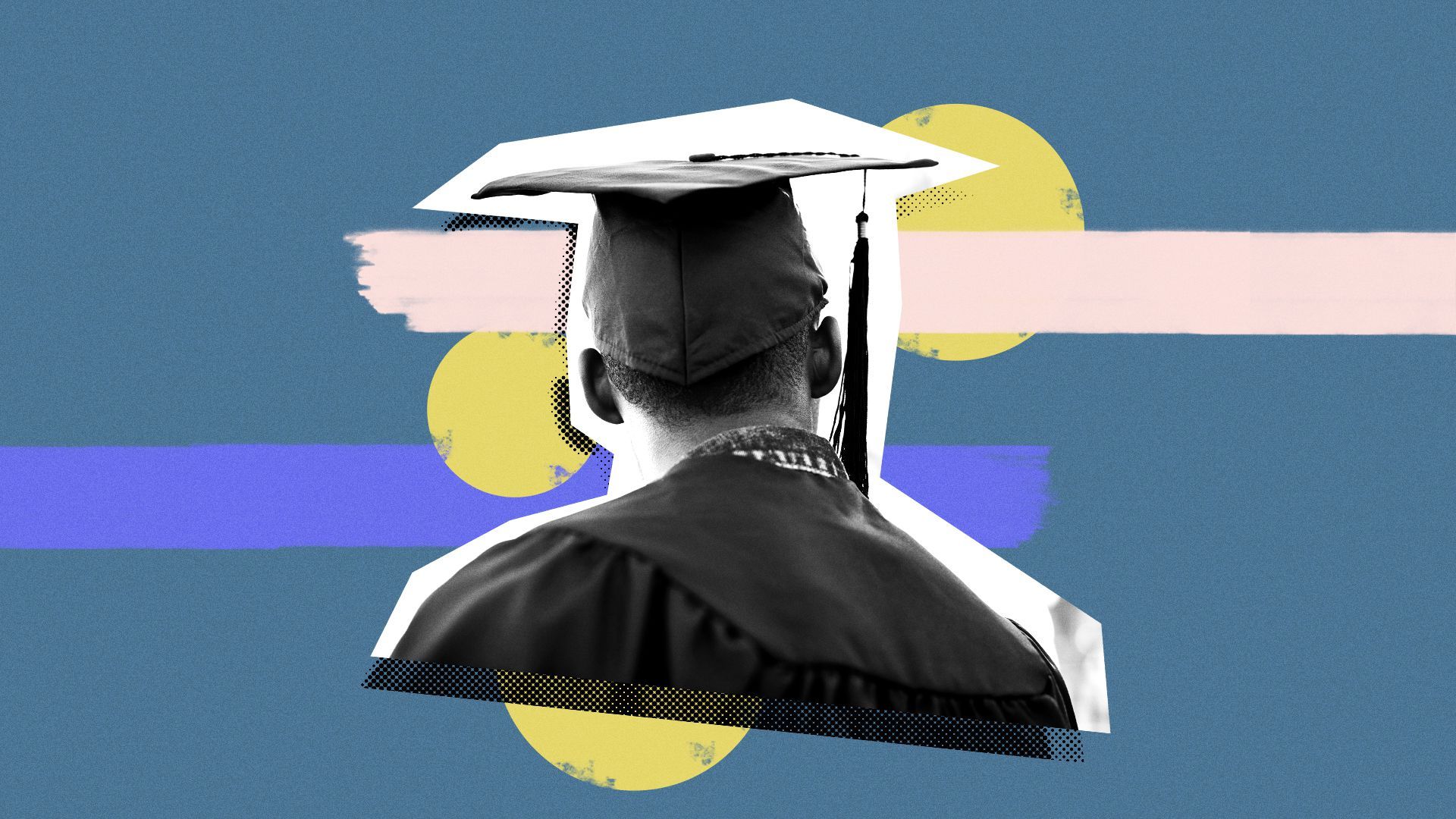
Greek organizations on college campuses have long faced criticism as bastions of exclusion and systemic racism — but America's racial reckoning of 2020 took the conversation to a fever pitch.
Why it matters: The question, 245 years after the founding of the first Greek letter fraternity in the U.S., is whether these predominantly white, once-powerful groups will adapt, continue unchanged, or face more decline and disbandment as the U.S. population becomes less white and less trusting of institutions.
Historically Black Colleges and Universities (HBCUs) are seeing a new wave of substantial donations and interest from big-name talent, but the attention has also highlighted questions of cultural identity.
Why it matters: In the past decade, flagging enrollment at HBCUs, founded to offer Black people access to higher education during the slavery era, has led schools to actively recruit non-Black students.
Standardized testing is just one hurdle for students of color to clear before school even begins, but more schools are dropping the admission test requirement.
Why it matters: A college degree can mean the difference of at least $2.8 million on average over one lifetime, not to mention inclusion in social and professional networks that can improve career opportunities.
Average published college tuition and fees have more than doubled for public two-year schools and private nonprofit four-year schools, and close to tripled for public four-year schools between the 1990-1991 and the 2020-2021 school years, according to the College Board.
Why it matters: Median incomes grew 21% for the lowest quintile of families between 1989 and 2019.
Yashana Rivera thought a rough freshman year 10 years ago had brought her college days to an end. But a community college restored her confidence and provided the means to achieveher dream of becoming a nurse.
Why it matters: As college tuition and application fees skyrocket, community colleges offer working-class students,immigrants and students of color like Rivera a more affordable,flexible path to middle-class careers.
A college degree in America translates to better jobs and more wealth. But students of color still face barriers, including high tuition, when pursuing higher education.
Affirmative action, which for 60 years has increased the number of students of color at American universities, is on the chopping block. A case accusing Harvard of discriminating against Asian applicants has made it to the Supreme Court, and the court could elect to get rid of the 60-year-old policy.
Why it matters: While that's an unlikely outcome, it could push colleges to come up with better ways of promoting diversity on campus rather than just looking at race, says Mitchell Chang, an education professor at UCLA.
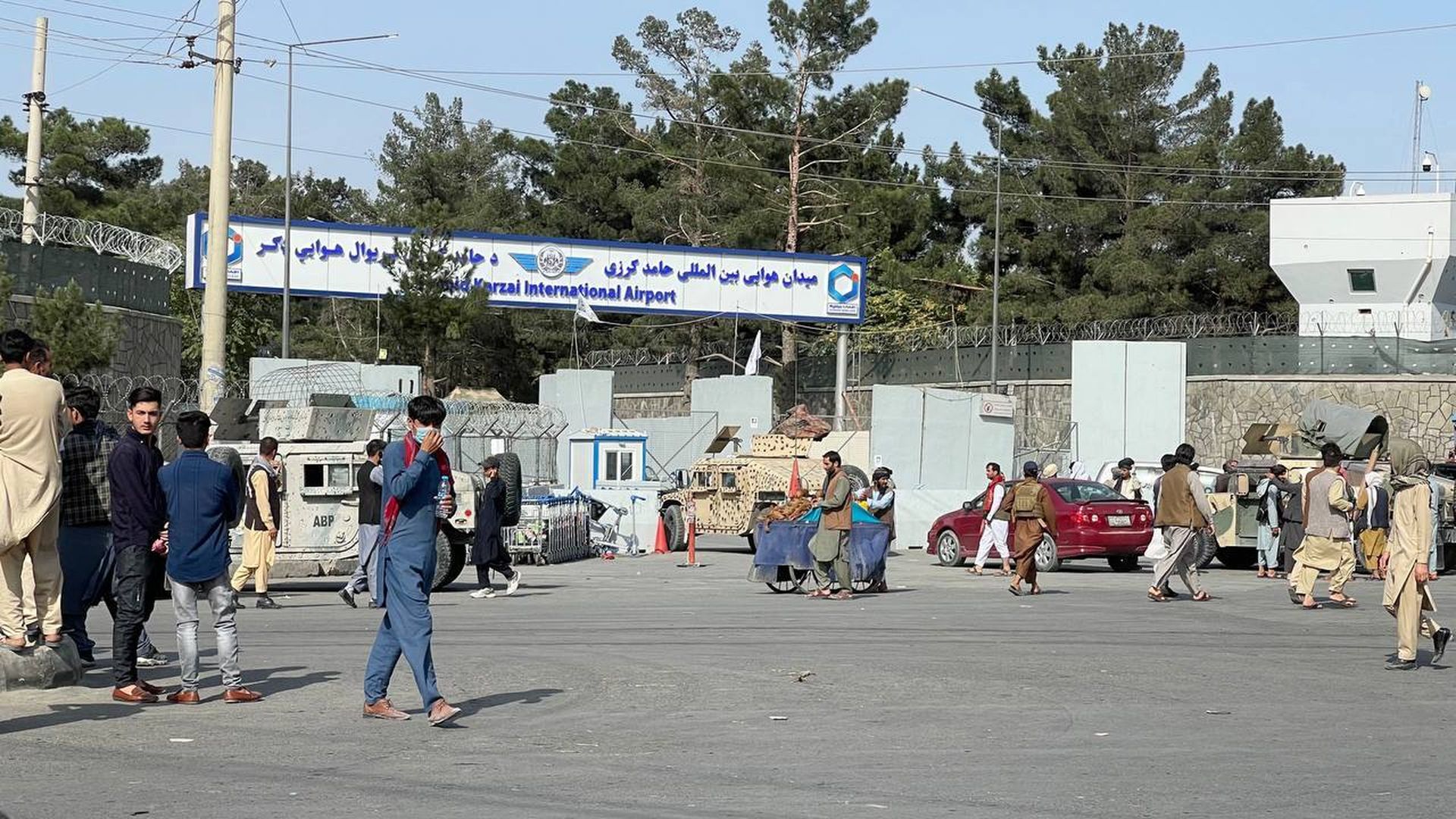
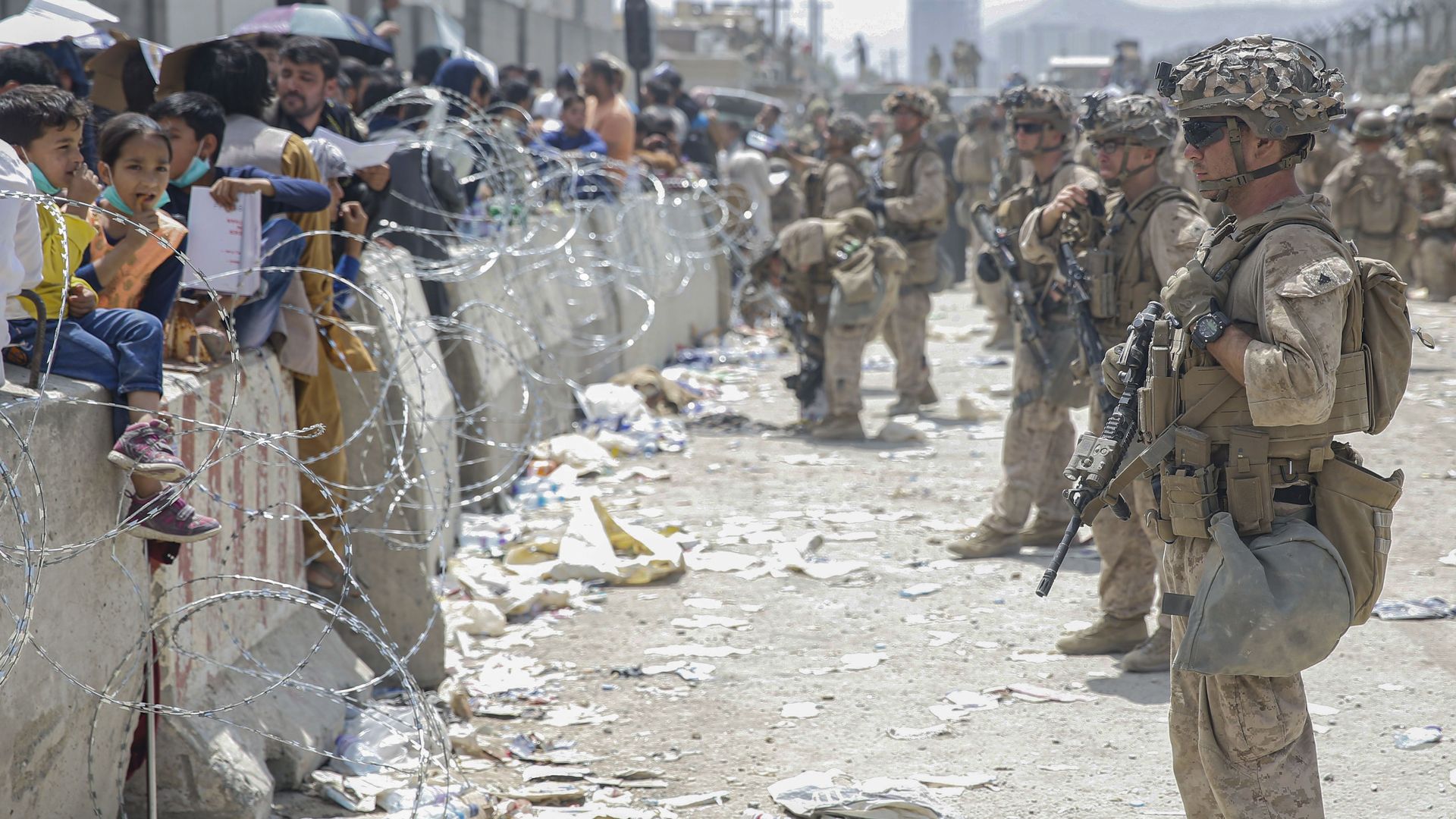
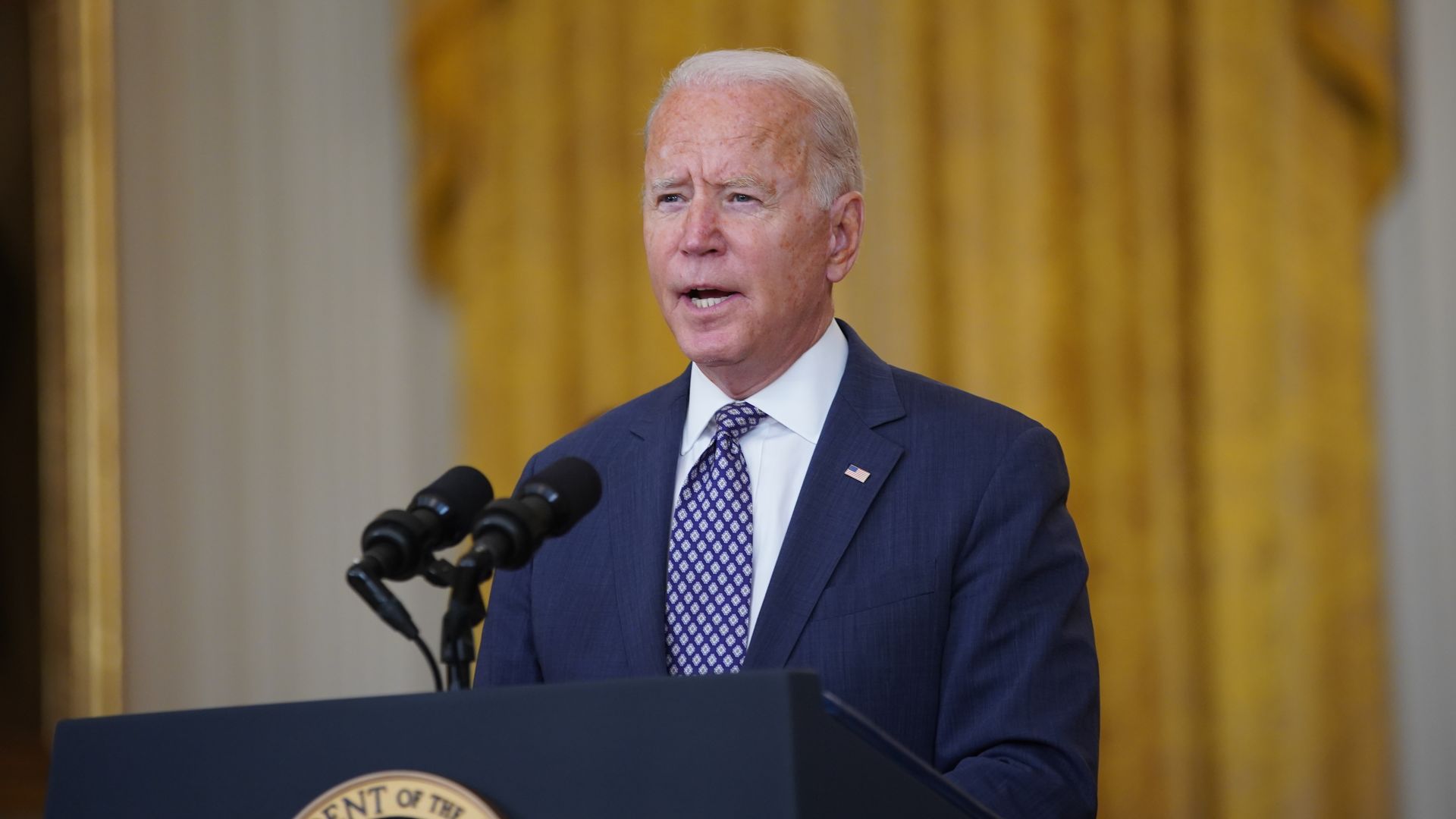
President Biden discussed counterterrorism operations in Afghanistan with his national security team on Saturday as the U.S. Embassy warned Americans not to go to the Kabul airport "because of potential security threats."
The big picture: The president and his national security advisers "discussed the security situation in Afghanistan and counter-terrorism operations, including ISIS-K," a White House official said.
The next time President Biden takes questions from reporters, he'll be asked what he didn't know and why he didn't know it.
Why it matters: Assurances Biden gave at a news conference on Friday about security around the Kabul airport were contradicted within minutes by network reporters on the ground — and later by his own administration.
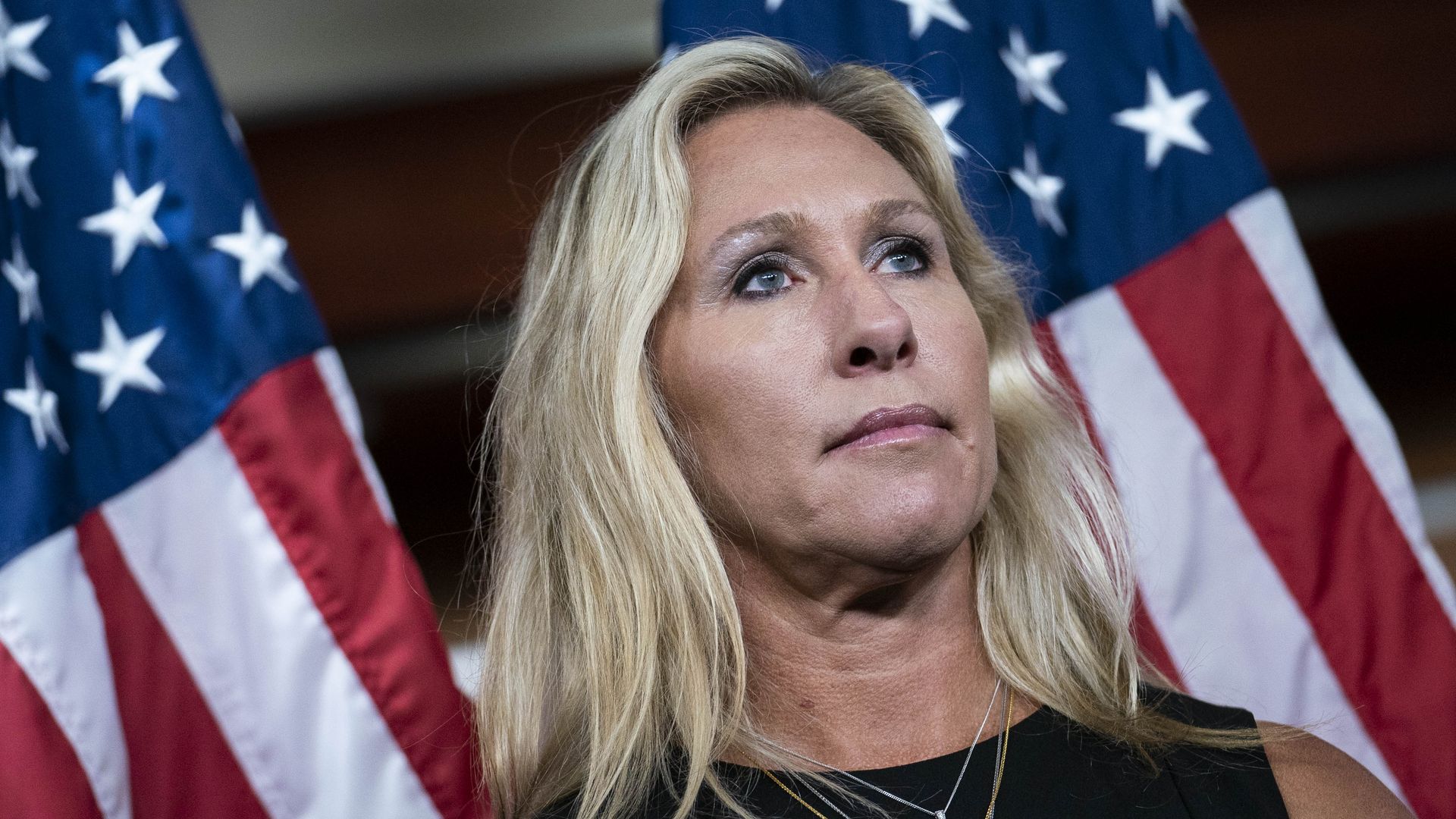
Clothing company Patagonia will no longer sell its merchandise at Wyoming ski resort Jackson Hole after one of its owners hosted a fundraiser with Rep. Marjorie Taylor Greene (R-Ga.) and other pro-Trump GOP lawmakers.
Driving the news: Patagonia said it will not work with three retailers at the resort, after co-owners Jay and Karen Kemmerer co-sponsored an event in support of the House Freedom Caucus. The company said the fundraiser did not align with its values.
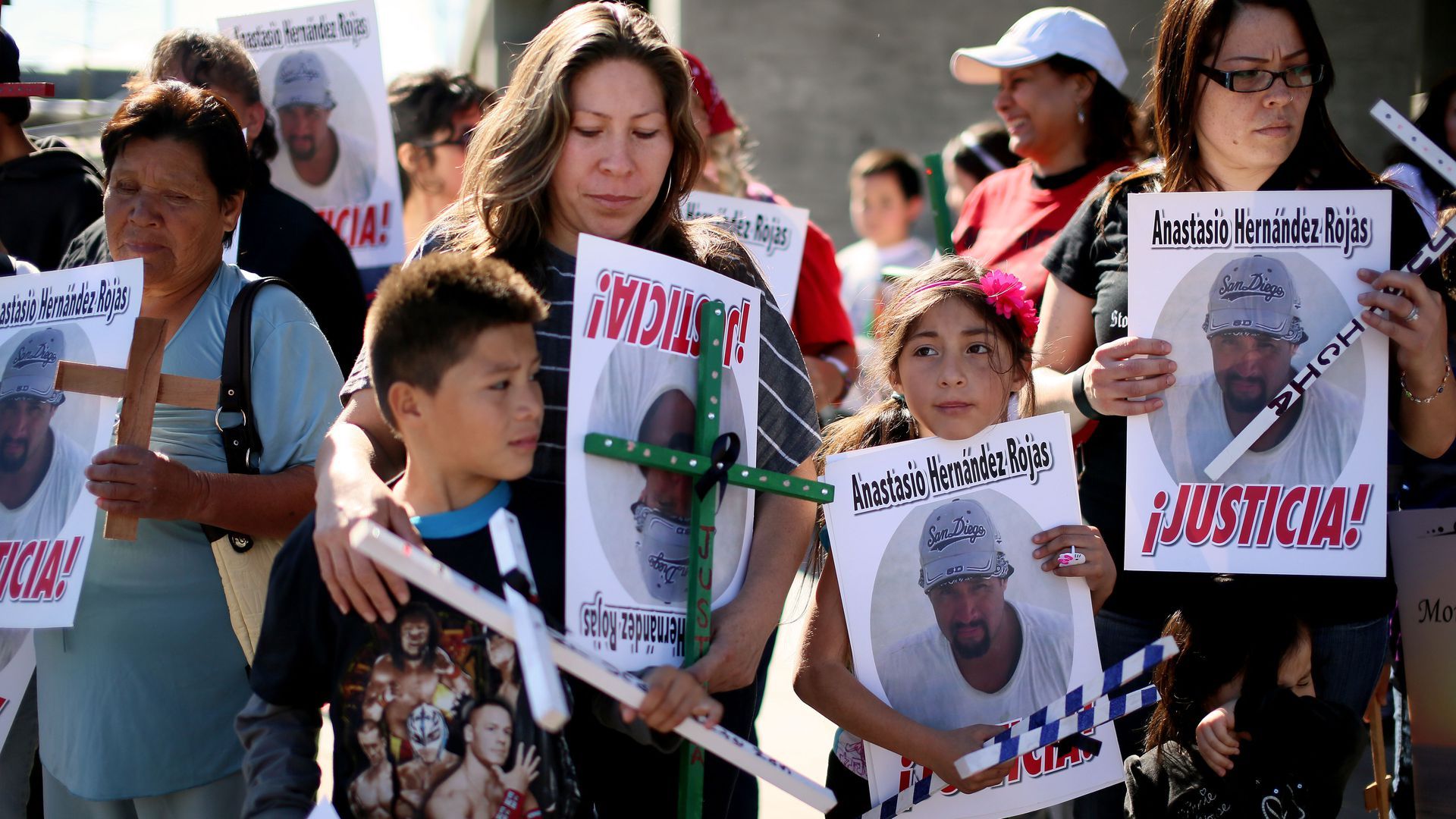
A third of all U.S.Customs and Border Protection agents will be outfitted with recording cameras by the end of this year, the agency announced.
Why it matters: The cameras will provide “greater transparency into interactions between CBP officers and agents and the public,” the agency said in a statement. CBP’s operations include securing the borders, immigration raids, and holding immigrant children before they are turned over to the Department of Health and Human Services.
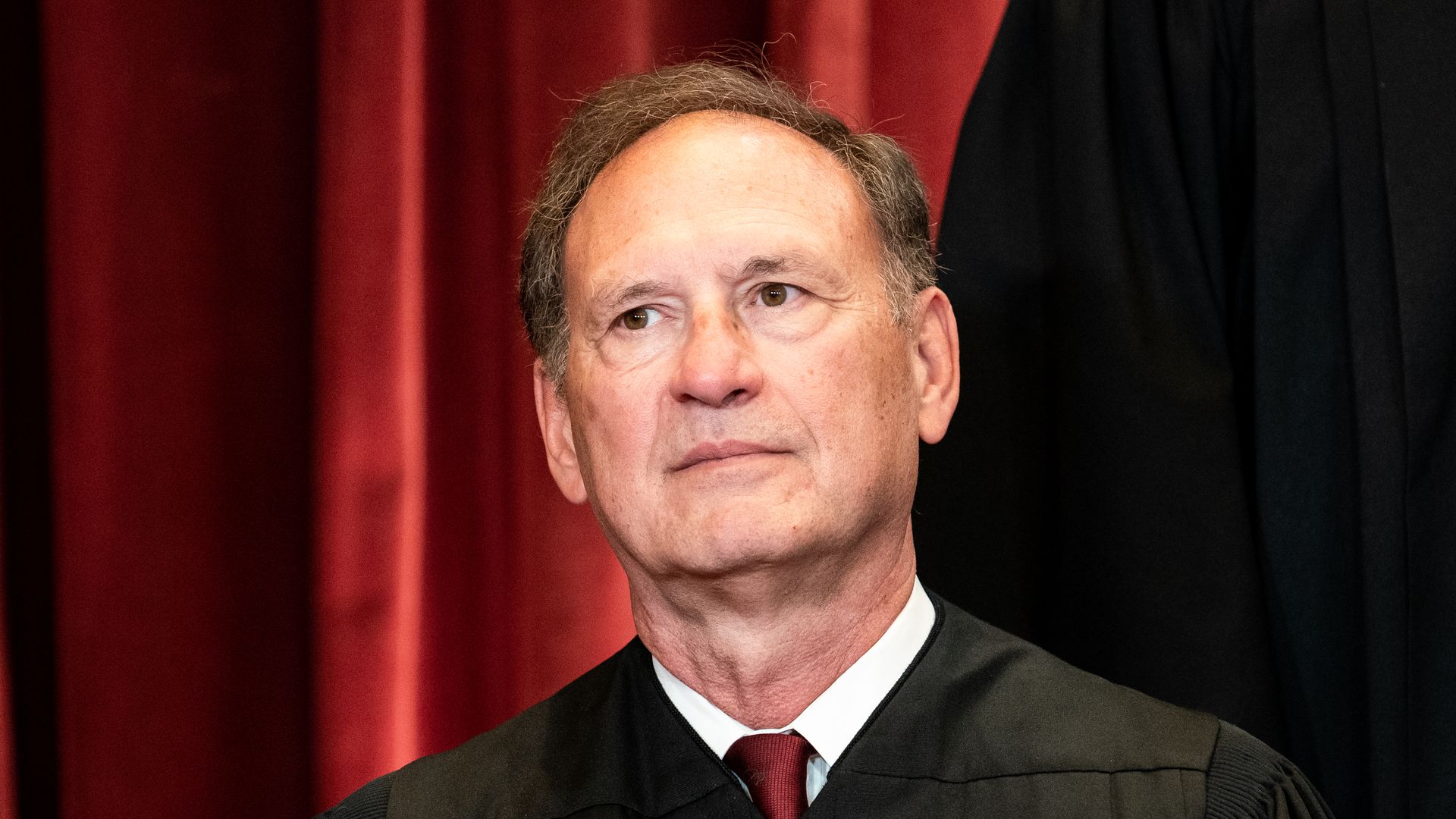
The Supreme Court late Friday temporarily blocked a federal judge's order that would have reinstated a Trump-era policy requiring immigrants seeking asylum at the southern border to wait in Mexico while their applications are pending.
Driving the news: Justice Samuel Alito issued the order after the Department of Justice asked the court to suspend the lower court's order. The suspension will expire Tuesday night.
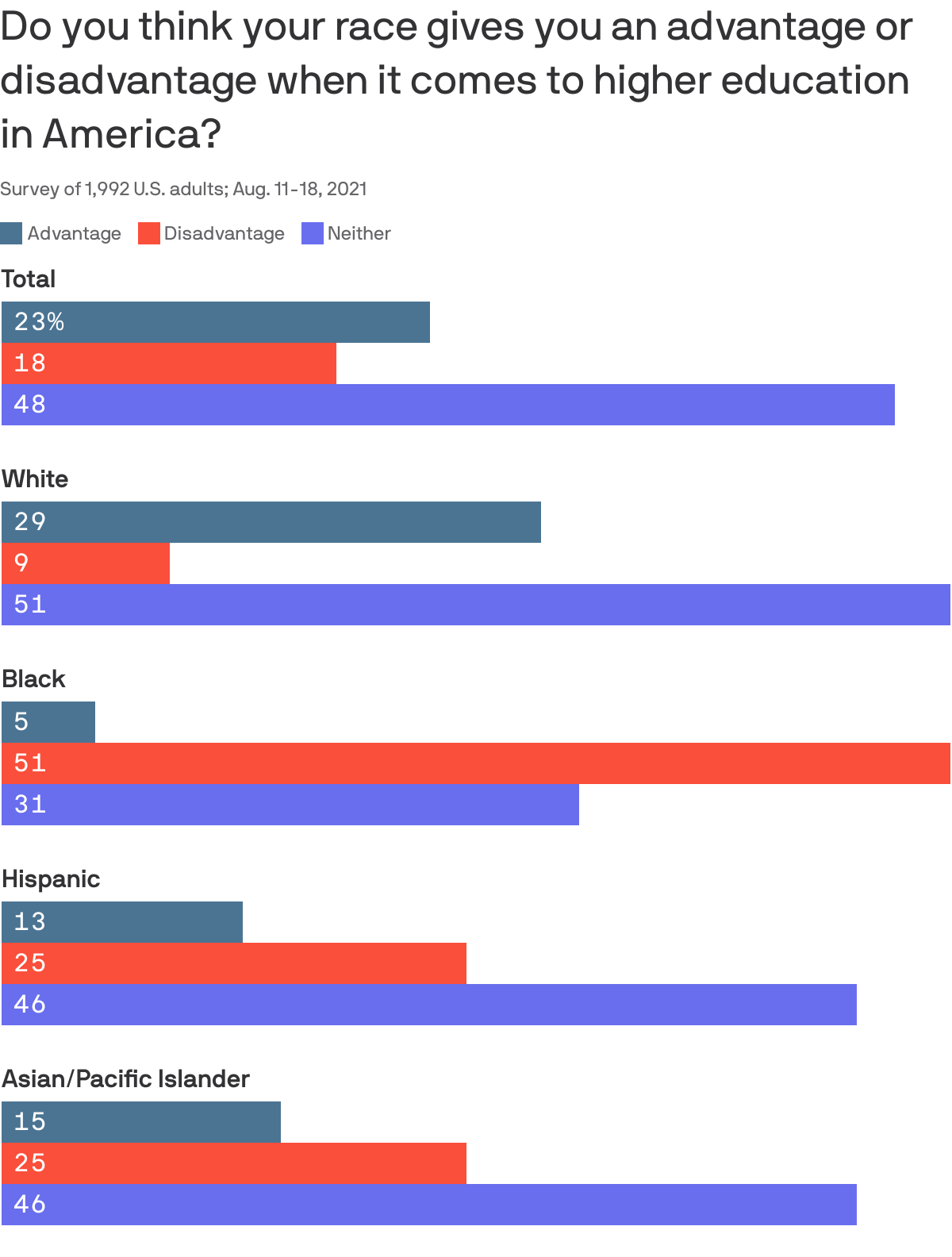
Asian, Black and Hispanic Americans are more likely to say colleges and universities reflect white people's views, while white Americans — especially Republicans — are more likely to say these institutions favor liberal beliefs, according to a new Axios/Ipsos poll on inequity in higher education.
The big picture: Everybody sees the necessity of a college education in today's world. But fewer than one in 10 thinks a four-year degree is affordable, and six in 10 think it should be free for all U.S. citizens.
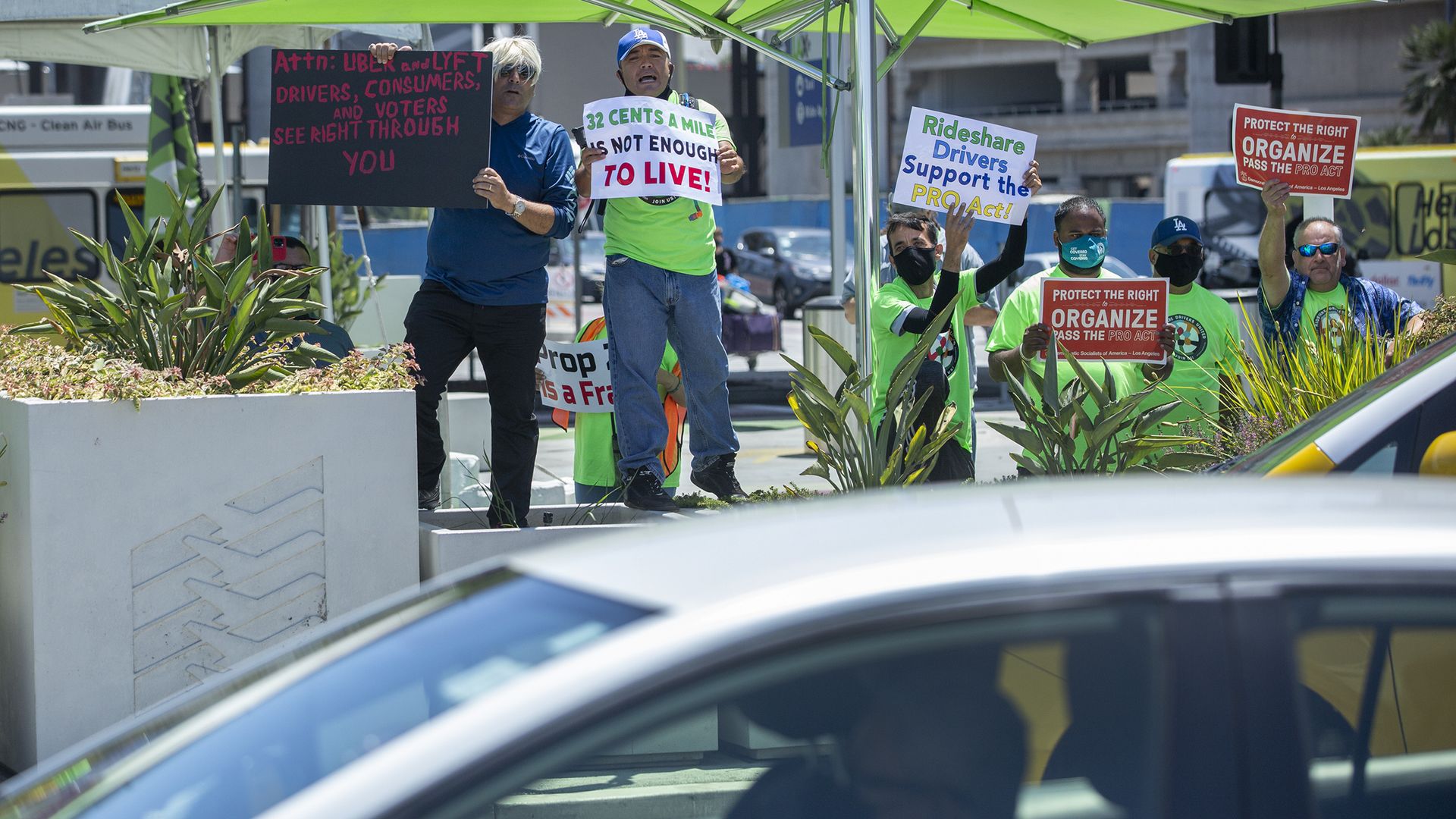
A California judge on Friday ruled that a 2020 ballot measure exempting gig companies from providing benefits for its workers is unconstitutional, the Sacramento Bee reports.
President Biden on Friday said his administration was considering "every opportunity and every means" to get Americans and Afghan allies through Taliban checkpoints and into the Kabul airport.
State of play: Biden said Taliban militants are allowing those with American passports to pass through their checkpoints, but added that the United States is now figuring out how to handle the "mad rush" of non-Americans who are attempting to cross.
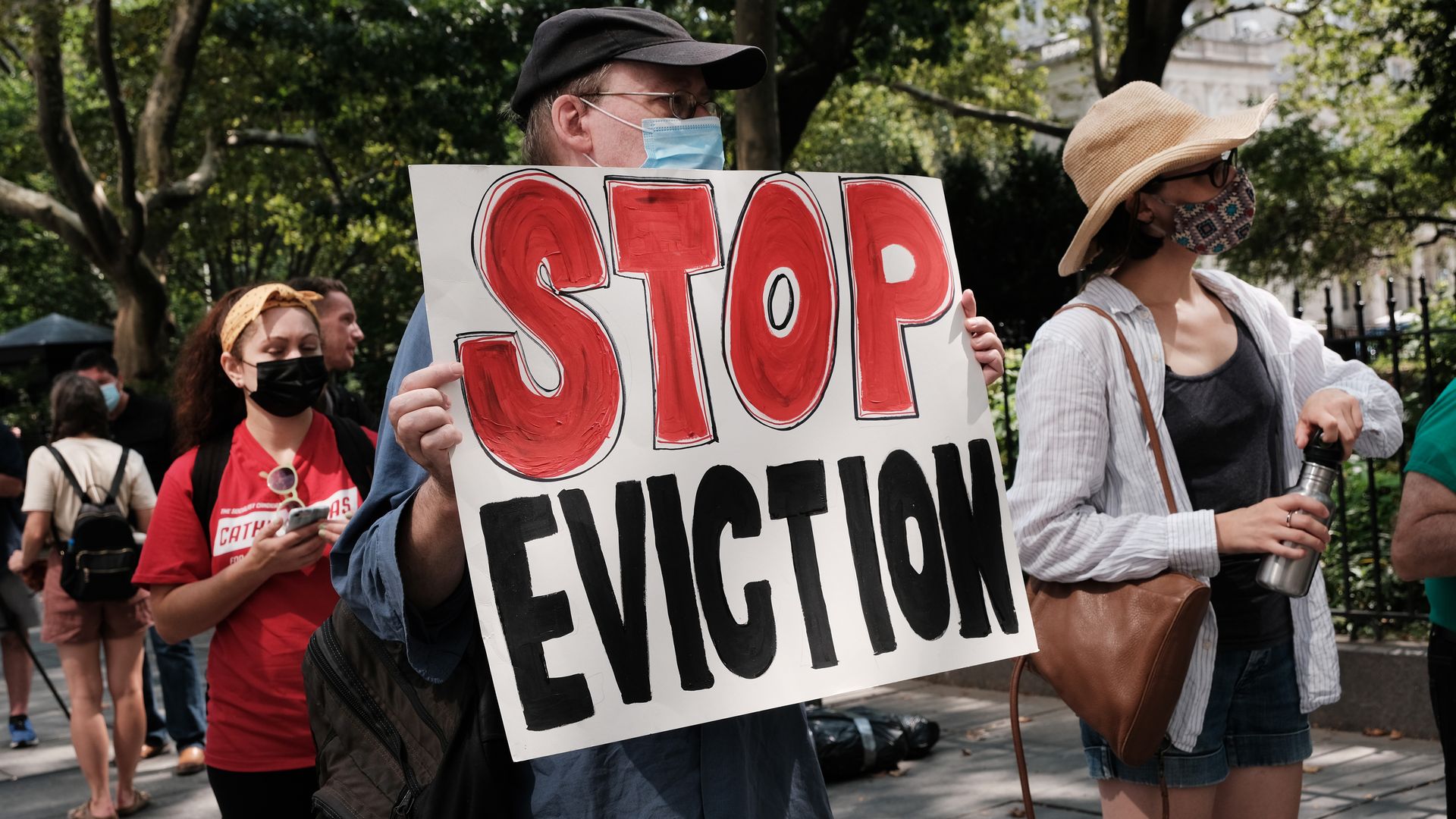
The U.S. Court of Appeals for the District of Columbia left in place the Centers for Disease Control and Prevention's COVID-related eviction moratorium on Friday.
Why it matters: Alabama and Georgia realtors will likely appeal the ruling to the Supreme Court, which declined to lift the ban in June but signaled that it would not tolerate another extension.