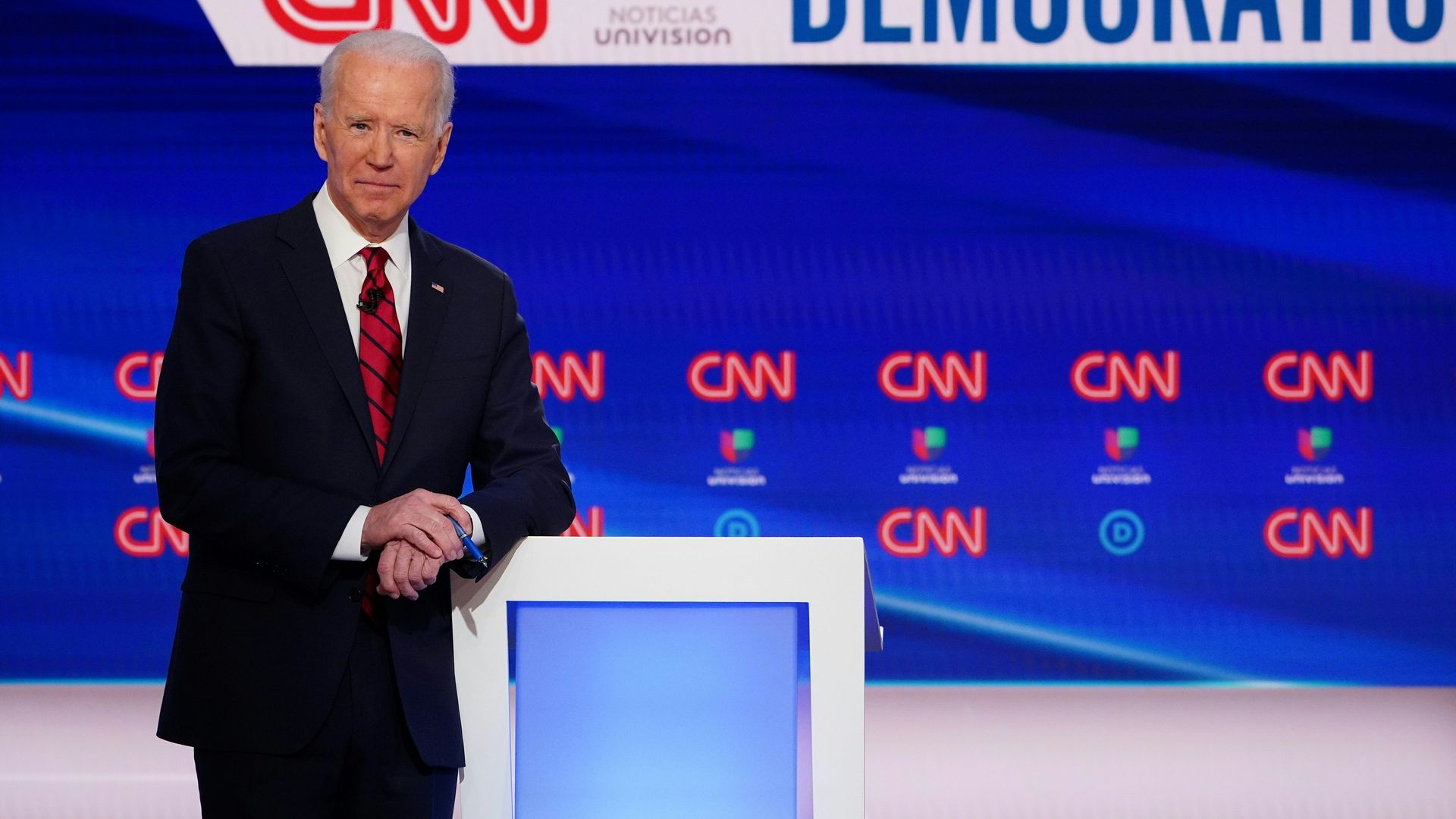
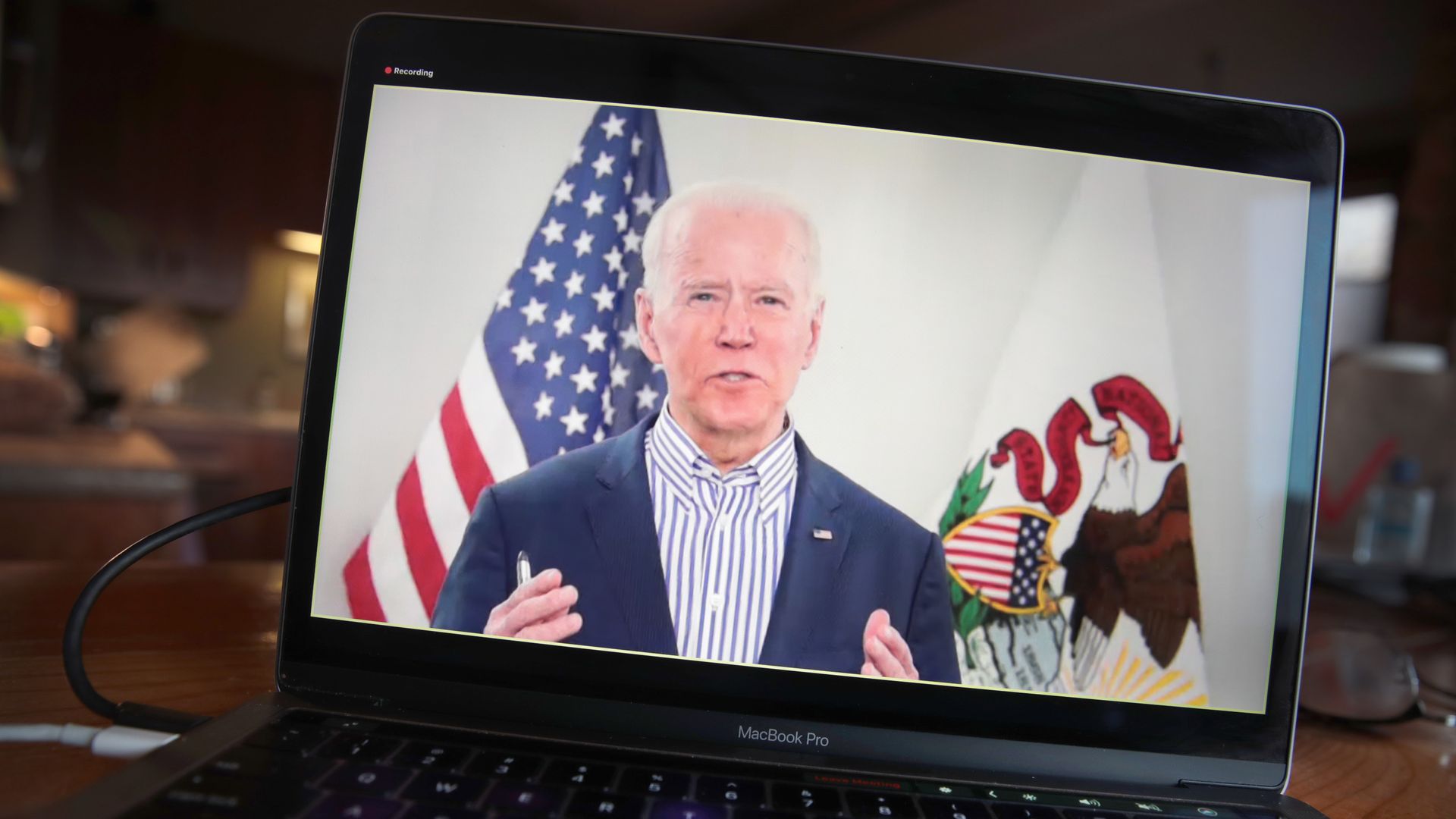
Former Vice President Joe Biden launched a virtual newsletter and announced a new podcast on Wednesday to remain in touch with supporters amid the novel coronavirus pandemic.
Why it matters: Biden's move illustrates that if you can’t get the media to pay attention to you, instead be the media, per Axios' Sara Fischer. Sen. Bernie Sanders has deployed a similar strategy with his own campaign video series.
The prospect of the Senate quickly passing the $2 trillion coronavirus relief deal that congressional leaders struck with the White House hit a speed bump Wednesday after a group of Republican senators demanded an amendment related to unemployment insurance.
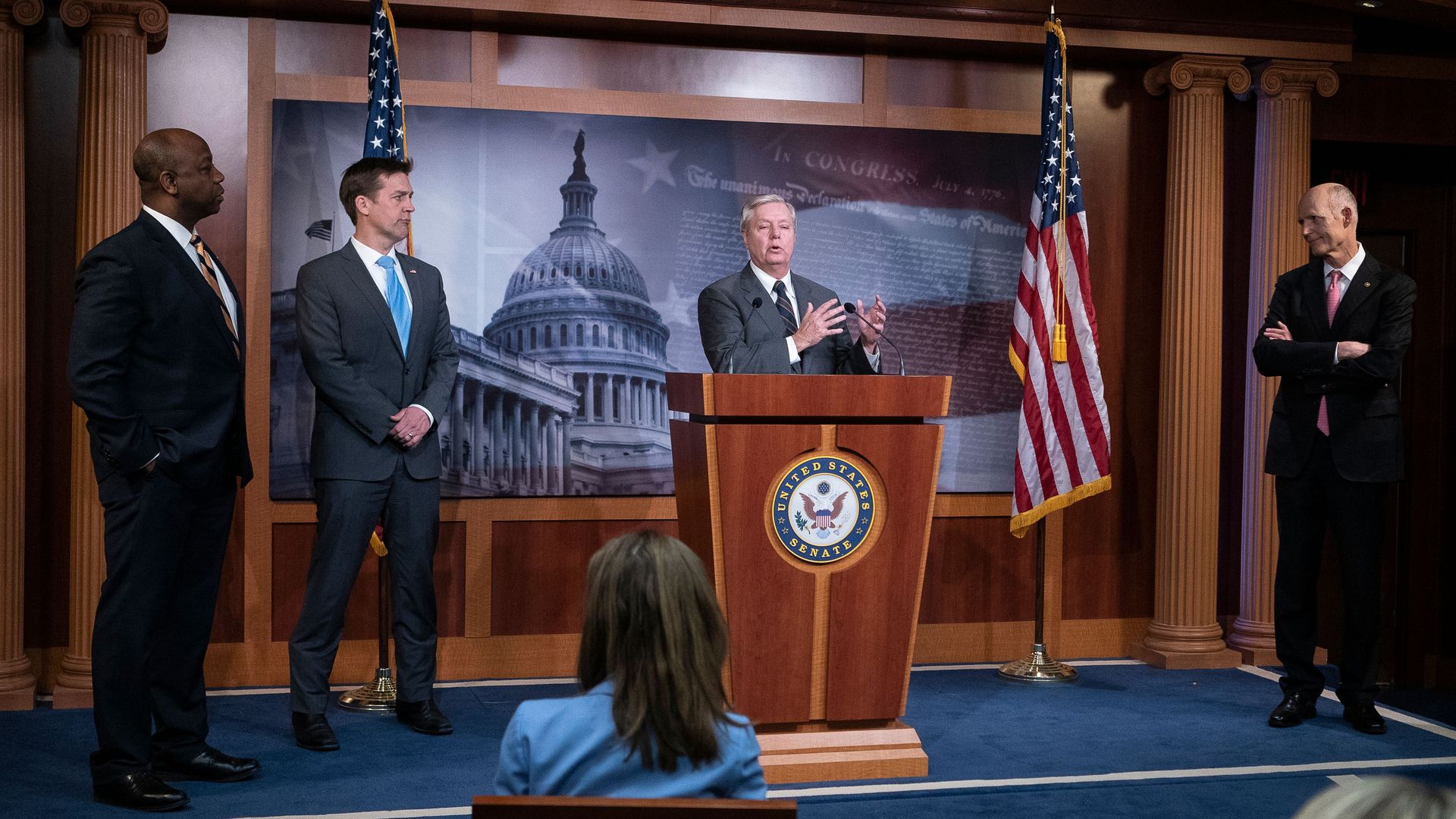
The state of play: Republican Sens. Lindsey Graham (S.C.), Tim Scott (S.C.), Ben Sasse (Neb.) and Rick Scott (Fla.) said Wednesday that they would object to fast-tracking the bill over a provision that would grant an extra $600 per week in unemployment benefits to low-wage workers who lose their jobs.
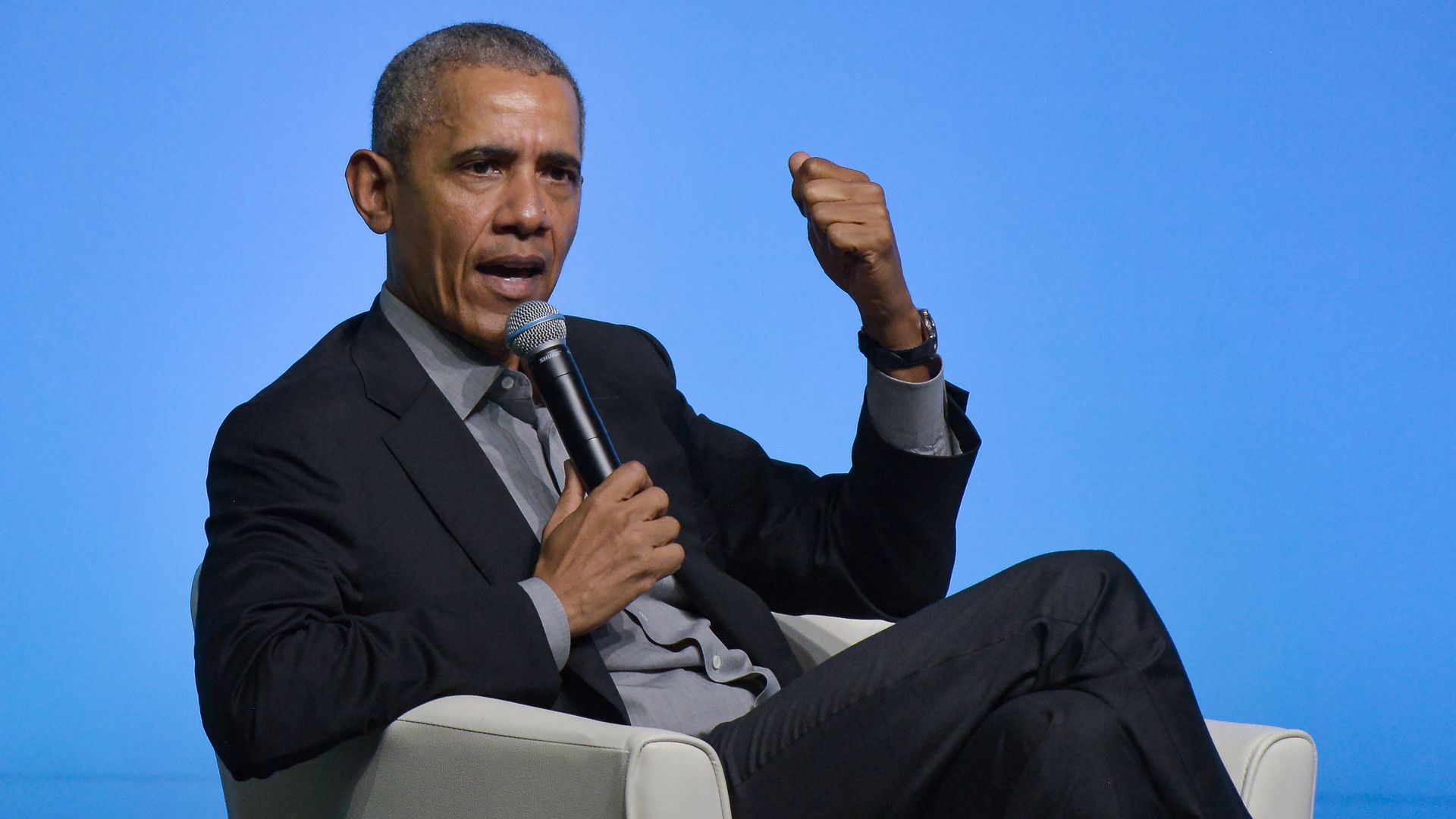
Former President Barack Obama on Wednesday called for Americans to stay at home and maintain social distancing for the sake of doctors, nurses and medical staff treating coronavirus patients across the country.
Why it matters: President Trump said at a Fox News town hall Tuesday that he would "love" to have the country "opened up, and just raring to go" by Easter, or April 12, despite warnings from public health officials that easing social distancing restrictions too soon could cause the number of coronavirus cases to skyrocket.
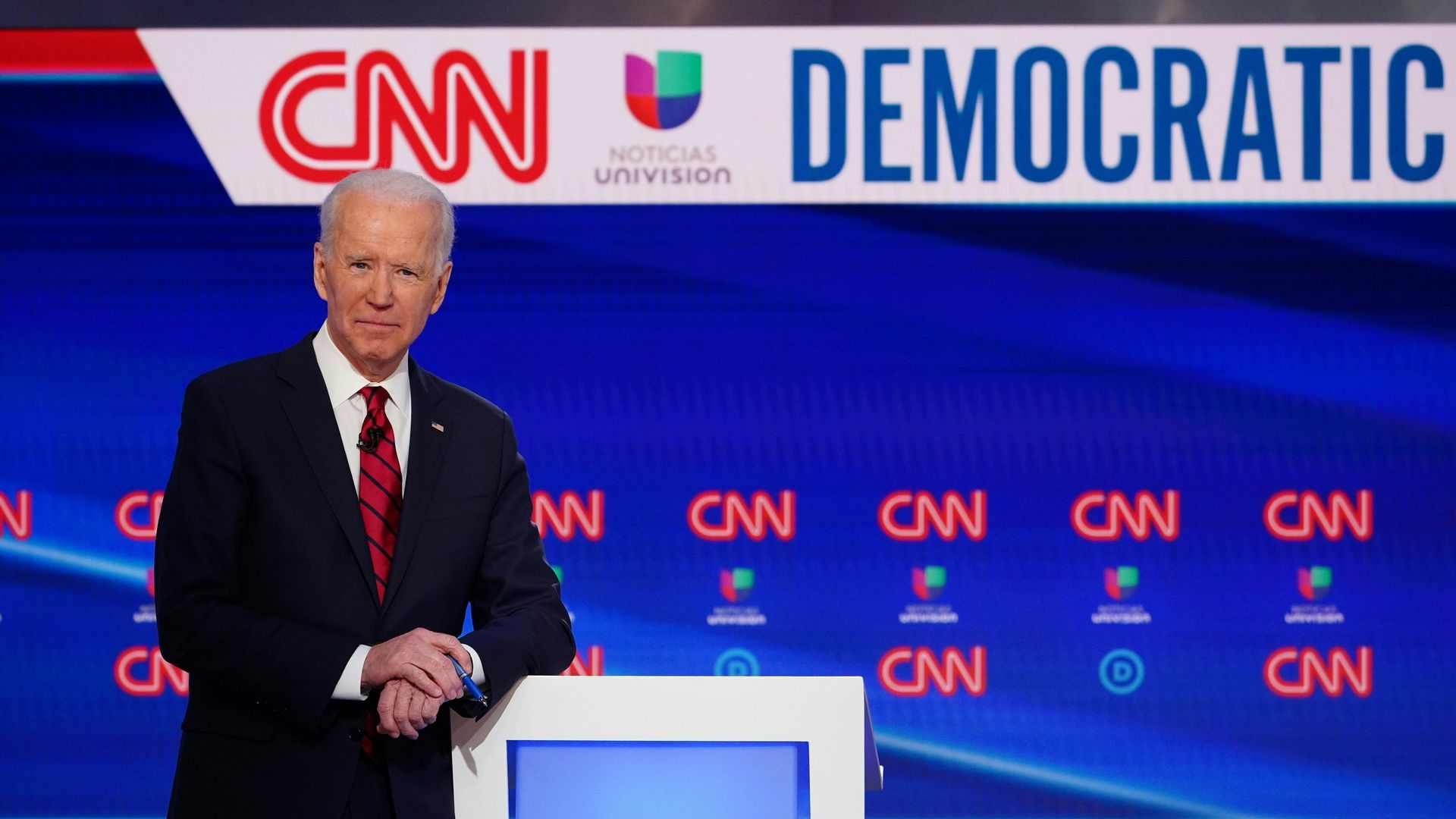
Former Vice President Joe Biden said during a virtual press briefing on Wednesday that he believes the Democratic Party has "had enough debates" and "should get on with this."
Why it matters: Bernie Sanders' campaign said yesterday that he plans to attend an April debate — signaling he has no plans of dropping out. Biden's delegate lead is essentially insurmountable, per FiveThirtyEight, and his comments highlight his lack of interest in continuing the primary race with Sanders as the coronavirus outbreak rages.
U.S. cities of all sizes are facing significant fiscal pressure as they try to fight the coronavirus. Many local elected officials expect that they'll have to curtail services, raise fees or draw down reserves to absorb the blow.
Where it stands: Congress and the White House reached a deal overnight to inject $2 trillion into the economy, with $150 billion set to be allocated to state and local governments, including $8 billion for tribal governments.
The White House and Senate struck a deal on a roughly $2 trillion economic rescue package early Wednesday that lacks separate energy provisions sought by Republicans and Capitol Hill Democrats.
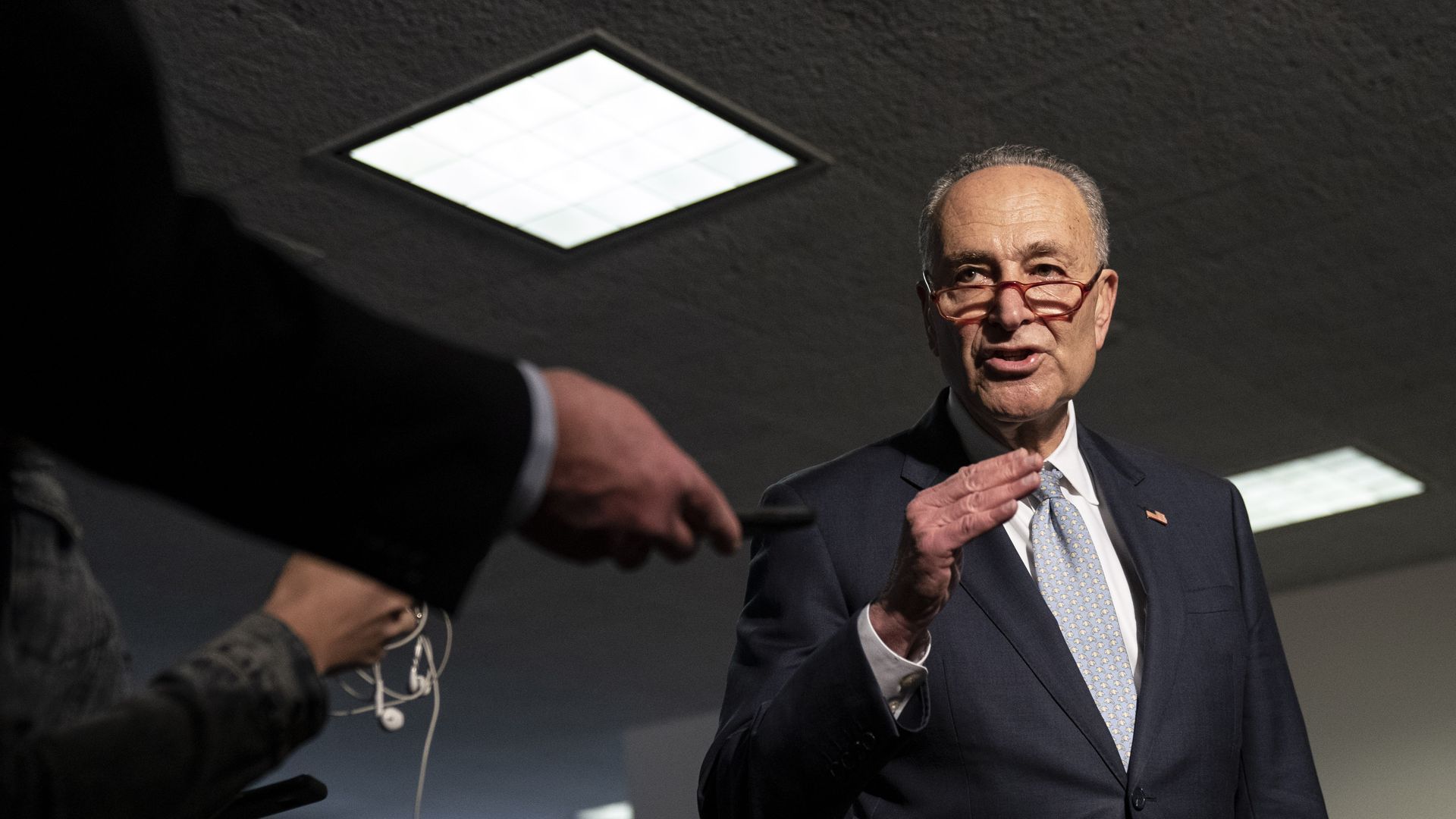
Driving the news: It omits $3 billion to buy roughly 77 million barrels of oil for the nation's Strategic Petroleum Reserve, a plan Democrats called a "bailout" for the oil industry, per Senate Democratic leader Chuck Schumer.
President Trump's proposal to get business around the country back open by Easter Sunday, April 12, will do more harm to the economy if the coronavirus outbreak has not been contained, economists say.
Why it matters: Such a plan would sow uncertainty in markets and among customers and business owners and make the recession longer and harsher.
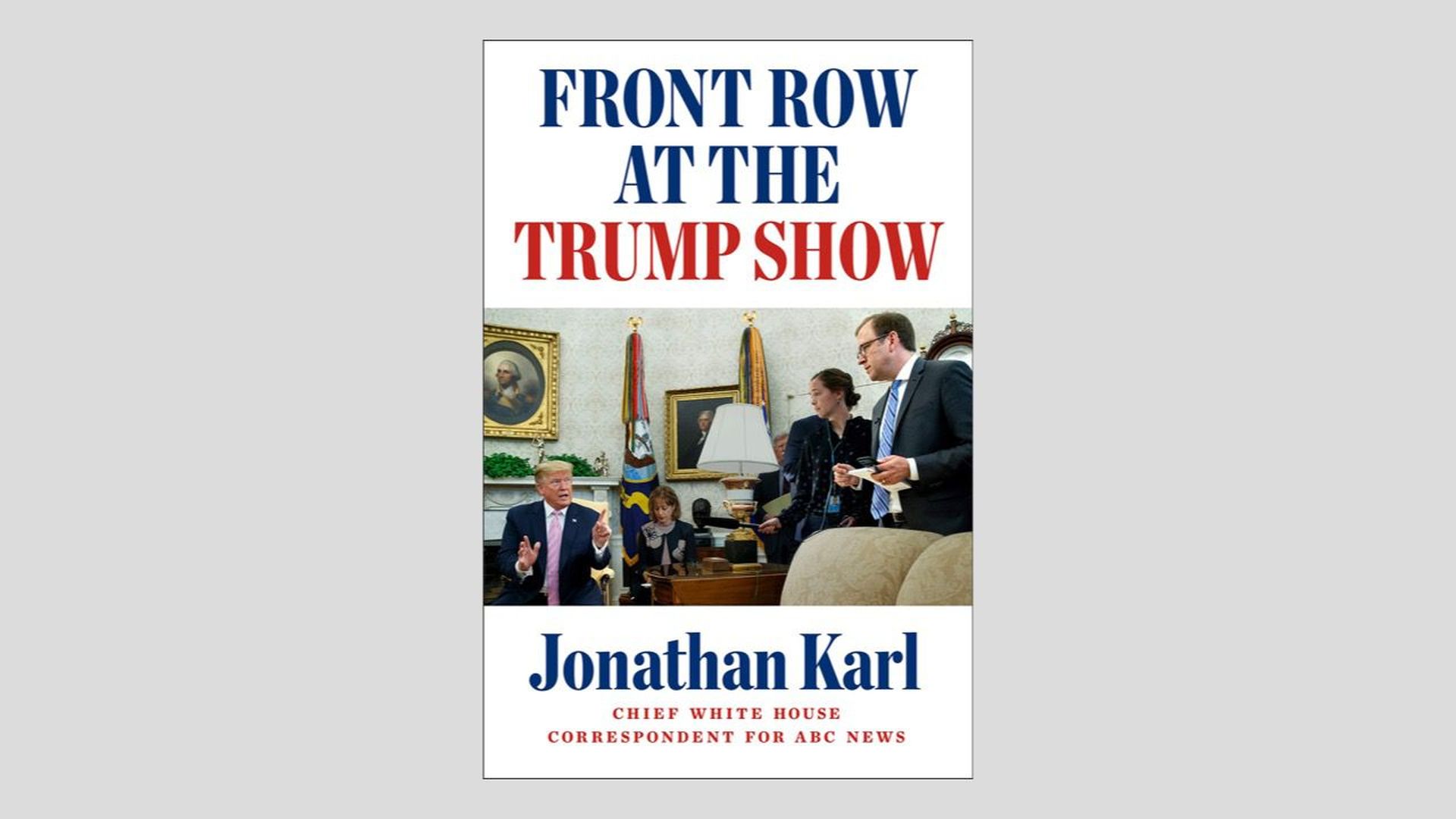
ABC's Jonathan Karl writes in "Front Row at the Trump Show," out Tuesday, that during a meeting in 2017, President Trump interrupted a presentation by then-national security adviser H.R. McMaster on the deteriorating situation in Venezuela, and demanded a war plan. "I will pass that order on to the Pentagon immediately, Mr. President," McMaster replied.
The big picture: Karl writes that one of the optionsTrump "had in mind was a naval blockade of Venezuela, which didn't make sense for a lot of reasons, including the fact that Venezuela is not an island."
He built a TV studio at home, starts each day with three hours of medical and economic impact briefings, and checks in with congressional leaders. And, we're not talking about President Trump.
State of play: Joe Biden is overhauling his campaign — and standing up a shadow presidency of sorts — amid a national emergency that's eclipsed all other news.
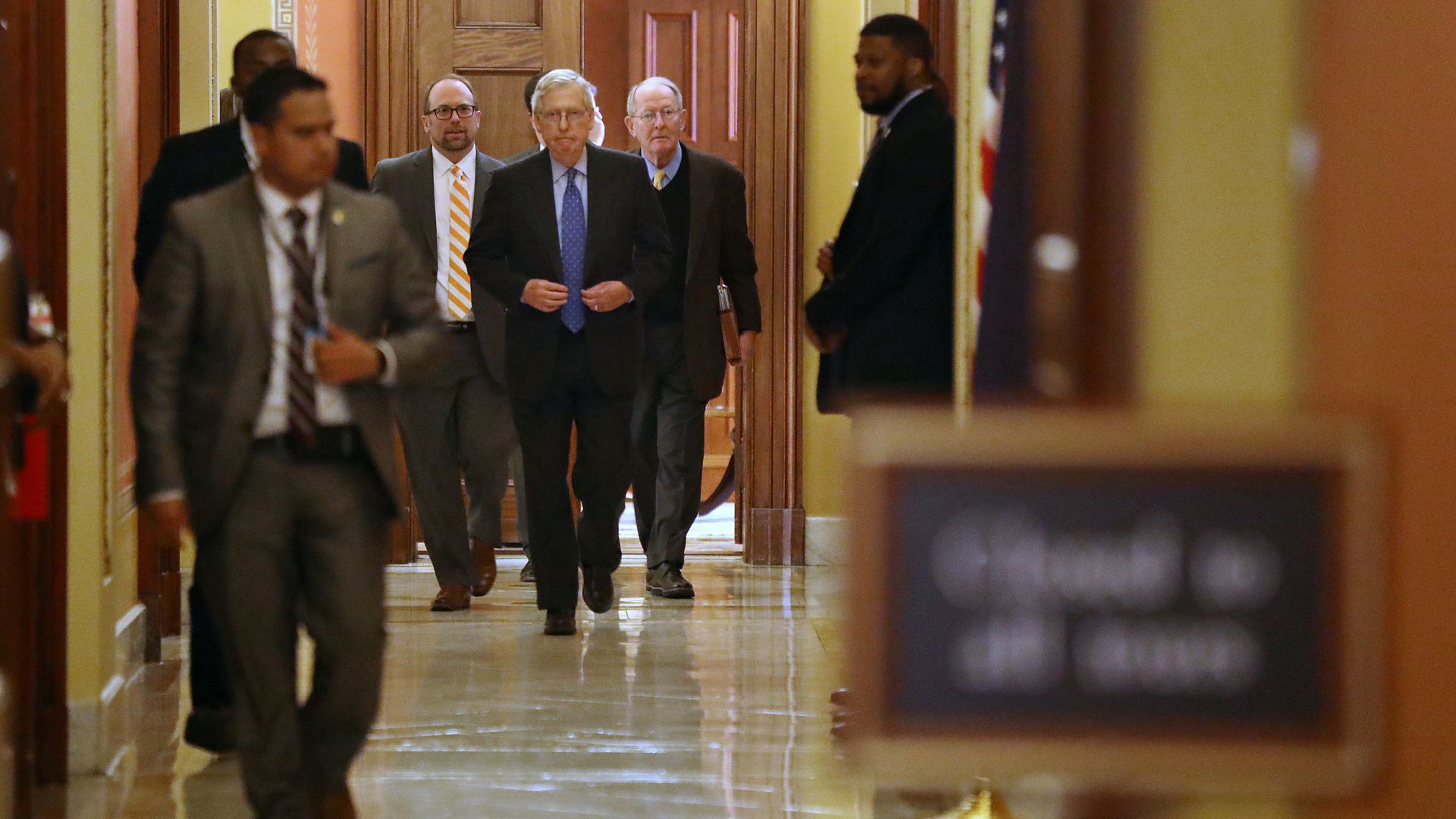
After days of intense negotiations, the White House and Republican and Democratic Senate leaders struck a bipartisan deal early Wednesday over a $2 trillion stimulus package designed to ease the economic impact of the coronavirus outbreak.
Why it matters: The emergency legislation that Senate Majority Leader Mitch McConnell (R-Ky.) promised to pass later Wednesday will deliver vital aid to workers, small businesses, corporations and health care providers under strain from the illness, which has infected more than 55,000 people in the U.S. and killed more than 800.
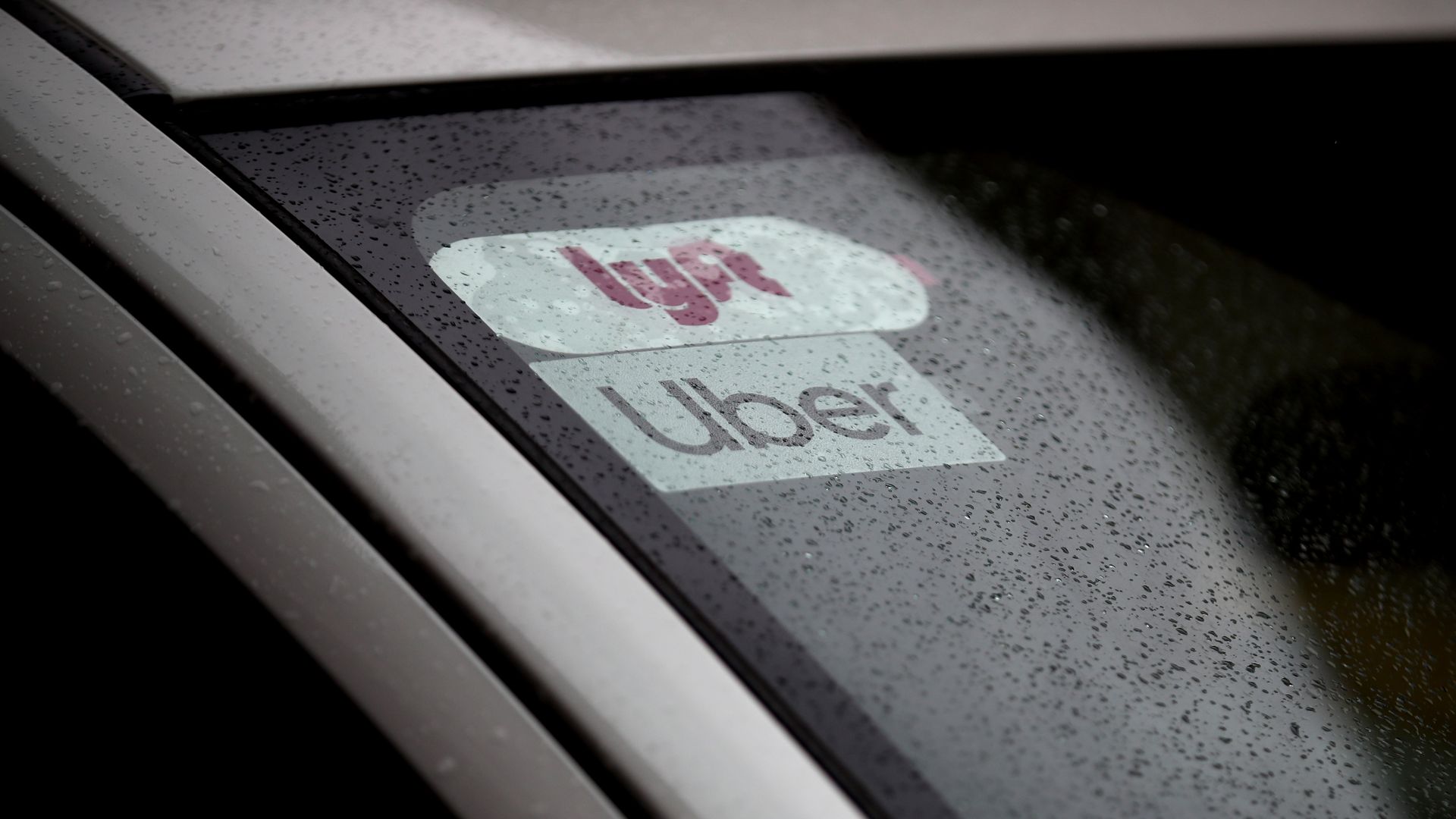
Why it matters: This is an unprecedented expansion of benefits to gig economy workers, who have been classified as independent contractors instead of employees by ride-hailing and food delivery companies, among others.