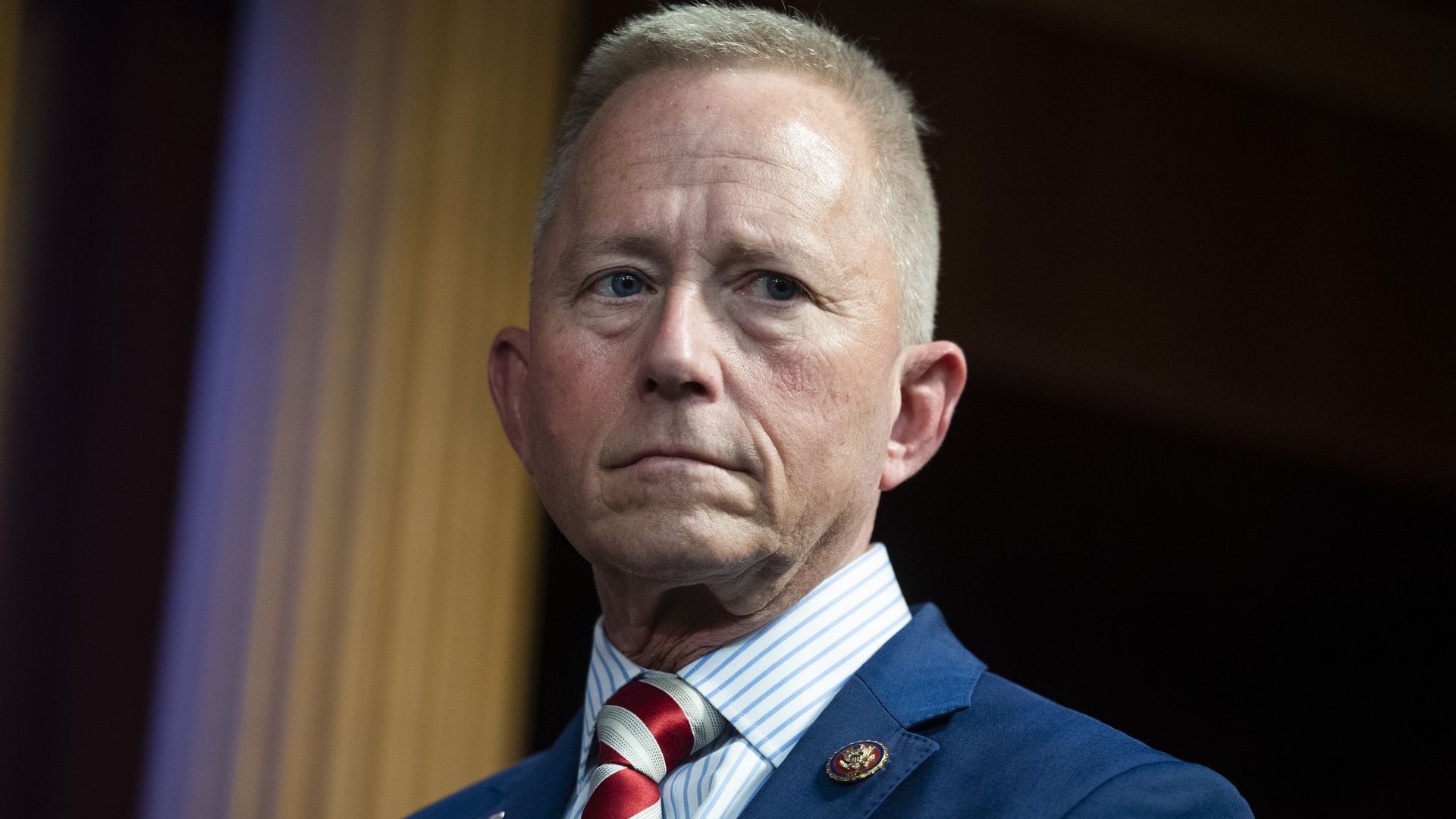
New Jersey Rep. Jeff Van Drew, a moderate freshman Democrat who said he plans to oppose articles of impeachment against President Trump, is expected to flip parties and become a Republican, a White House official briefed on the matter tells Axios' Jonathan Swan.
The big picture: VanDrew has voted against Trump on nearly all issues except impeachment, according to data gathered by FiveThirtyEight. The congressman did side with the president when the House voted to hold Attorney General William Barr and Commerce Secretary Wilbur Ross in criminal contempt of Congress over the failed 2020 Census citizenship question. Van Drew represents a congressional district that Trump won by nearly five points in the 2016 election.
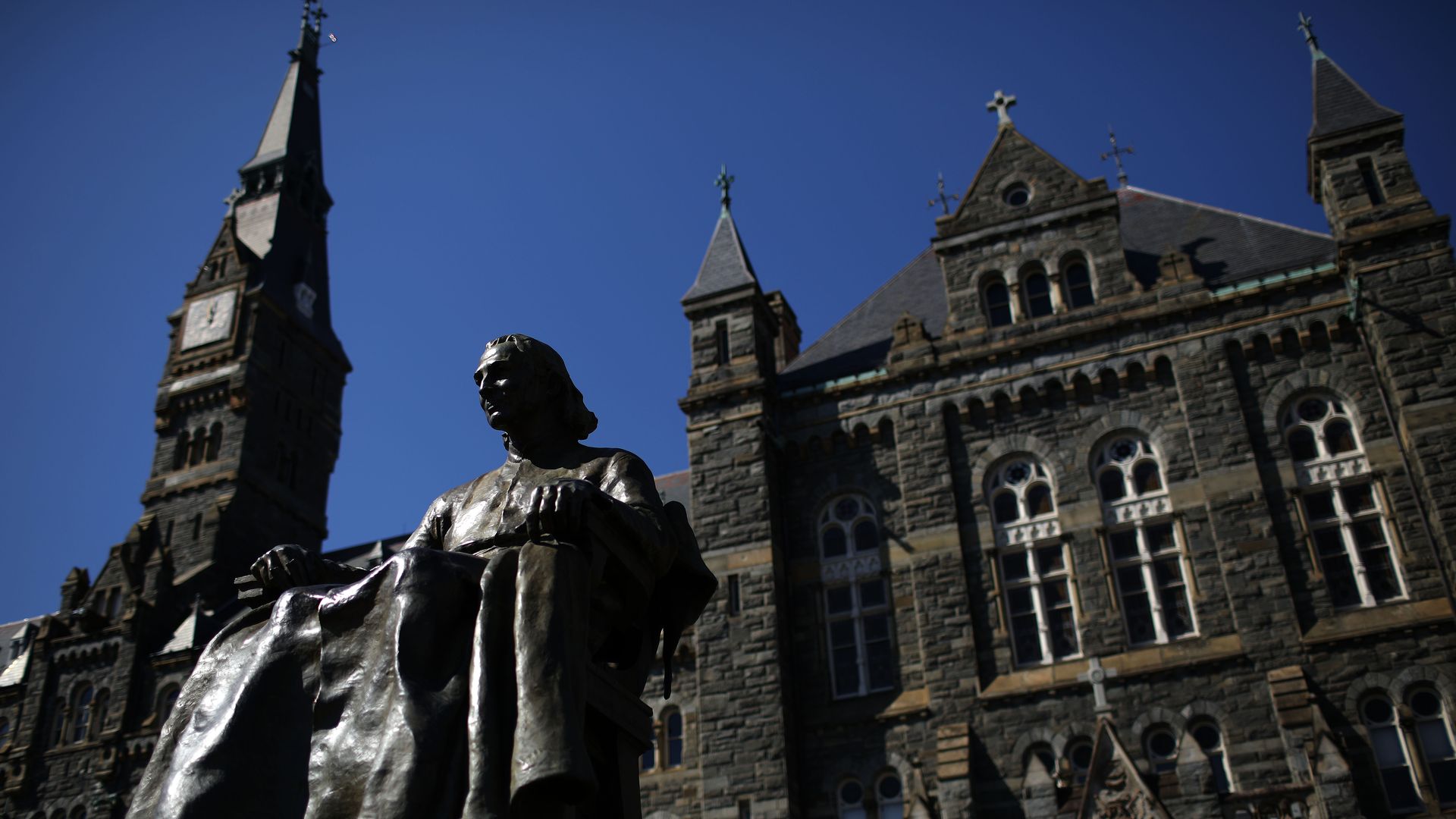
Universities across the country have publicly examined their ties to slavery and leading the charge to pay reparations — including renaming buildings, addressing controversial monuments and issuing public apologies, AP reports.
Why it matters: The U.S. has discussed reparations for decades, but the conversation has been reinvigorated in recent years as some Democratic presidential candidates bring the issue to the mainstream, AP writes.
First-time 2020 voters will usher in a wave of demographic transformation — a remaking of the American identity that's projected to crest in the 2040s.
What’s happening: Millions of Generation Z Americans— those born after 1996 —will be able to vote for the first time next year. The 2020 census, redistricting and elections will begin to reveal population changes that will empower new voices and reshuffle the swing-state map and both parties' bases.
The 2020 election marks the first time in history that Latinos will be the largest minority ethnic or racial group in the electorate, with 32 million eligible voters.
Why it matters: A surge in Latino voters could help Democrats up and down the ballot. But since 1996, most eligible Latino voters have not voted in presidential elections, according to the Pew Research Center.
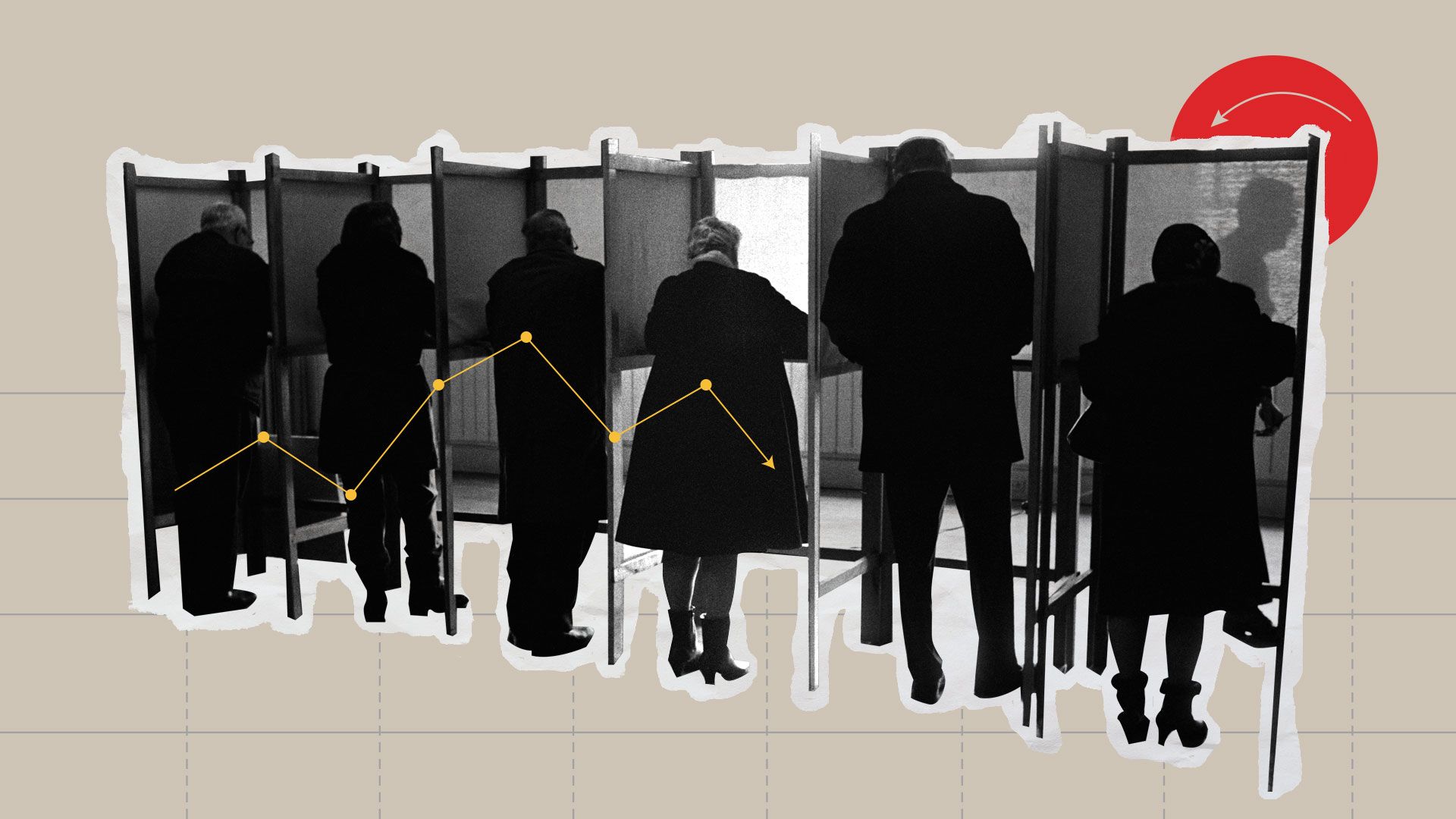
Despite the hype around young Americans' civic activism and record voter turnout in 2018, the voting power of young people is shrinking.
The big picture: On top of young adults being less likely to show up at the polls, the number of people under 25 who are even eligible to vote has fallen, according to a Census data analysis by Brookings Institution's William Frey.
Members of Gen Z are more likely to have immigrant parents than even millennials when they were the same age.
The big picture: Gen Zers were born and are growing up in an era of booming immigration. But they are less likely to be immigrants themselves than millennials were, making a larger percentage of them automatically eligible to vote at 18.
Young voters in battleground states will be a key target for 2020 candidates.
Why it matters: Youth voter turnout has consistently been the lowest of any age group since the Census Bureau began tracking the metric. But Democratic efforts to drive record youth turnout in swing states, if successful, could block President Trump from a second term — especially if the race is as close as 2016.
While the majority of American high school students receive some education in civics, only 26 states met the standards for a “full curriculum" in civics according to research published Saturday by the Center for American Progress (CAP).
Why it matters: Many recent graduates will be eligible to vote for the first time in 2020 and an education in civics is linked to higher civic participation — including voting.
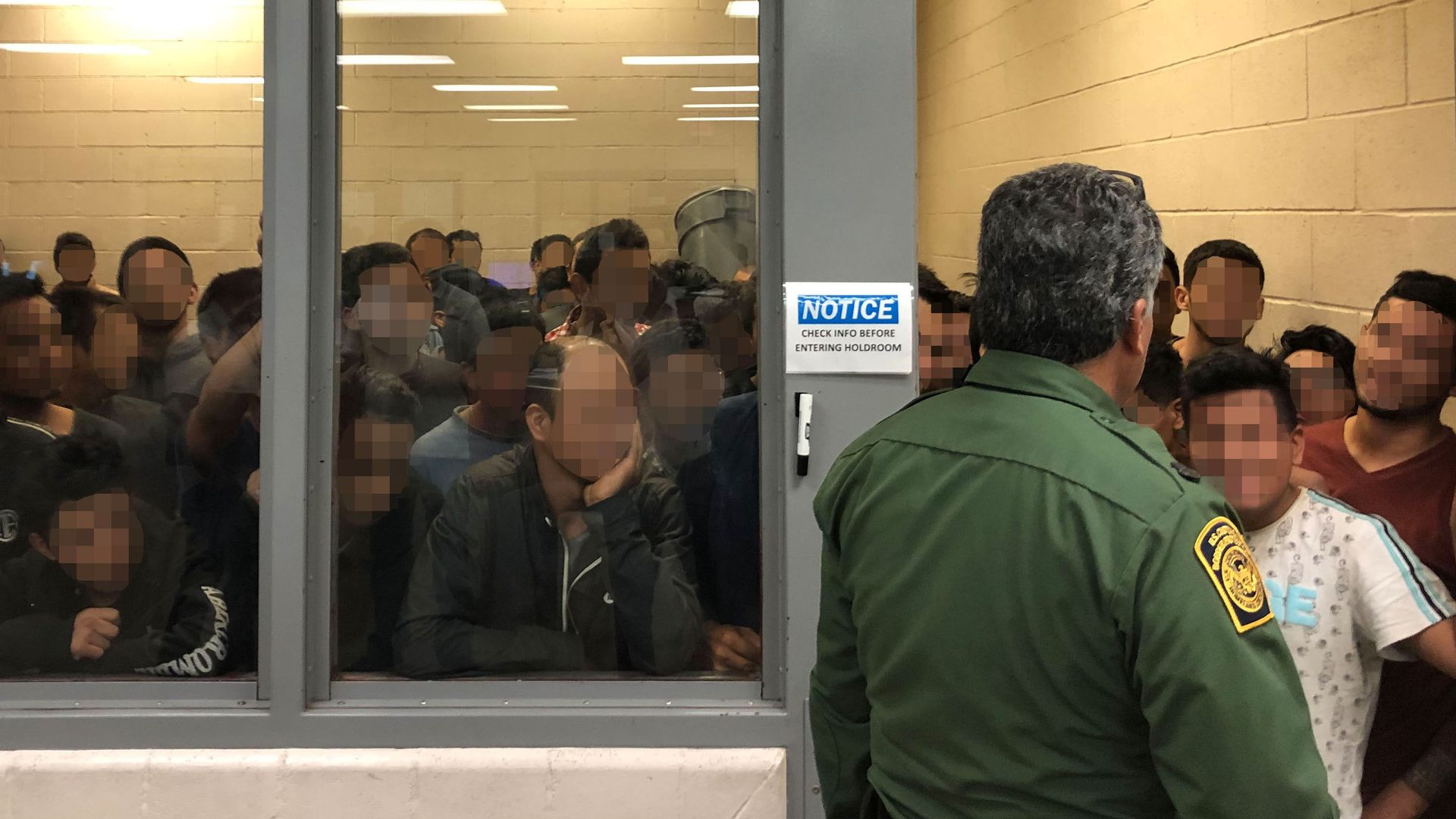
Nearly 17,000 Brazilian migrants have passed through El Paso, Texas in the past year, with many claiming fear of persecution or extreme economic hardship, AP reports.
Why it matters: Nationwide, 18,00 Brazilians were apprehended in the fiscal year ending in October — up 600% from 2016, per AP. The increase in Brazilian migrants coming to the U.S. highlights the Trump administration's efforts to block legal immigration for people who claim they are being persecuted, AP writes.
National Democratic leaders and activist groups are deploying "unprecedented" resources in the hopes of flipping state legislative chambers in at least seven states in 2020, The Washington Post reports.
Why it matters: The groups intend to pour tens of millions of dollars into low-profile contests that will influence how the upcoming redistricting battle plays out, the Post writes. The Democratic Legislative Campaign Committee has established a $50 million spending goal — five times more than the group allocated during the last round of redistricting in 2010.
President Trump's re-election campaign wields more money, staff, infrastructure and advanced digital operations than the Democratic competitors — and a fan base that hears "impeachment" as a rallying cry.
Driving the news: Over a 90-minute PowerPoint session at a hotel in Arlington, Va., on Thursday, Trump's son-in-law Jared Kushner, campaign manager Brad Parscale and other senior Trump campaign officials presented dozens of national political reporters their theory of how Trump can win again in 2020.
Seventeen complaints of neglecting the medical needs of detained immigrants are detailed in a March 20 letter to top ICE leadership from Homeland Security's officer for Civil Rights and Civil Liberties, BuzzFeed reports.
The impact: Four detainees' deaths, referenced in an internal memo from an agency whistleblower obtained by BuzzFeed News, are linked to allegations of inadequate medical treatment and unaddressed concerns over detained migrants' physical or mental health.
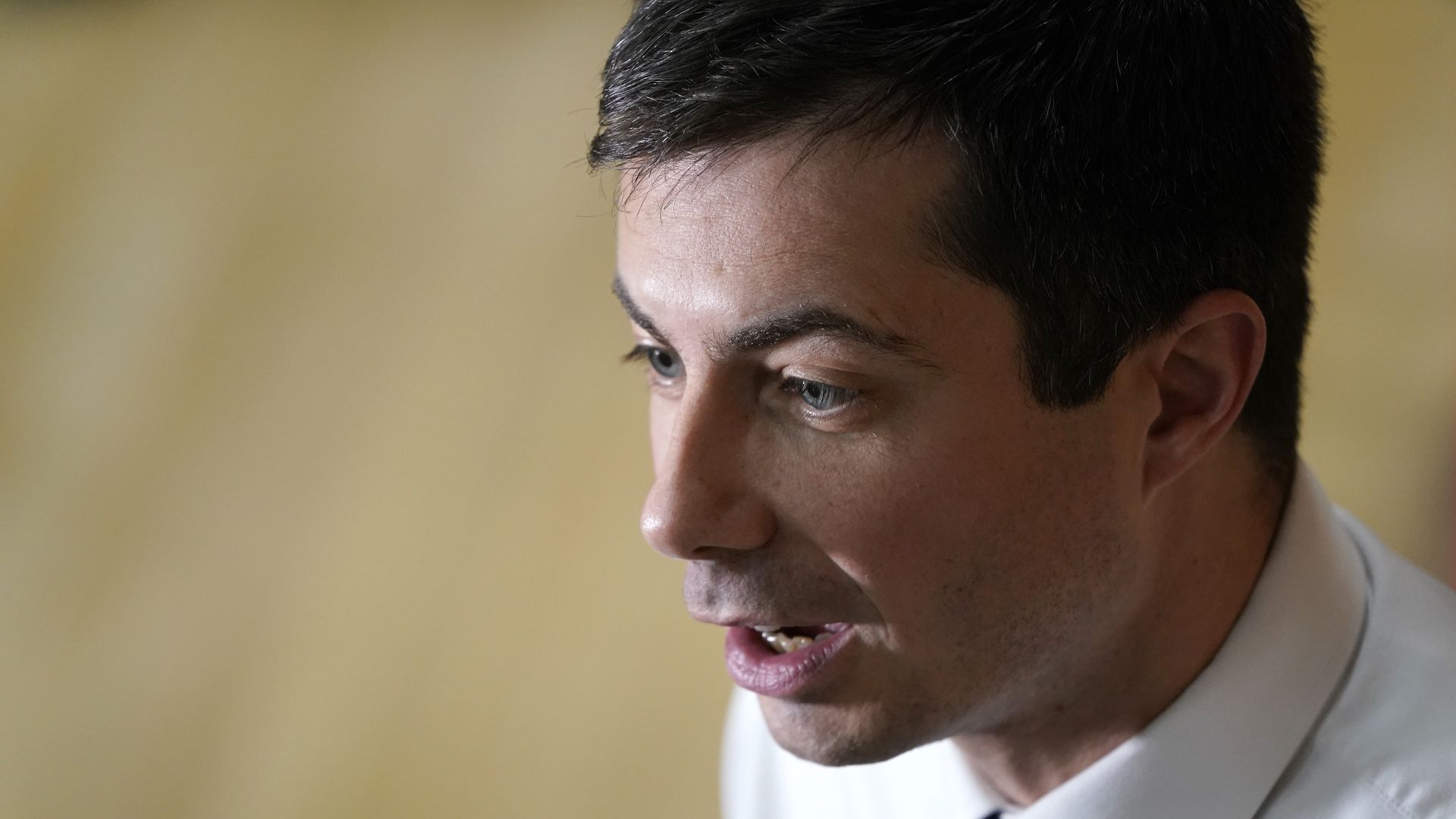
Pete Buttigieg's campaign published a list on Friday of individual donors who have raised at least $25,000 for his 2020 election effort.
Driving the news: Sen. Elizabeth Warren attacked the Indiana mayor last week for not disclosing those names. Buttigieg made another effort at transparency this week by releasing his full client list from when he worked at the high-powered and controversial consulting firm McKinsey & Company from 2007 to 2009.