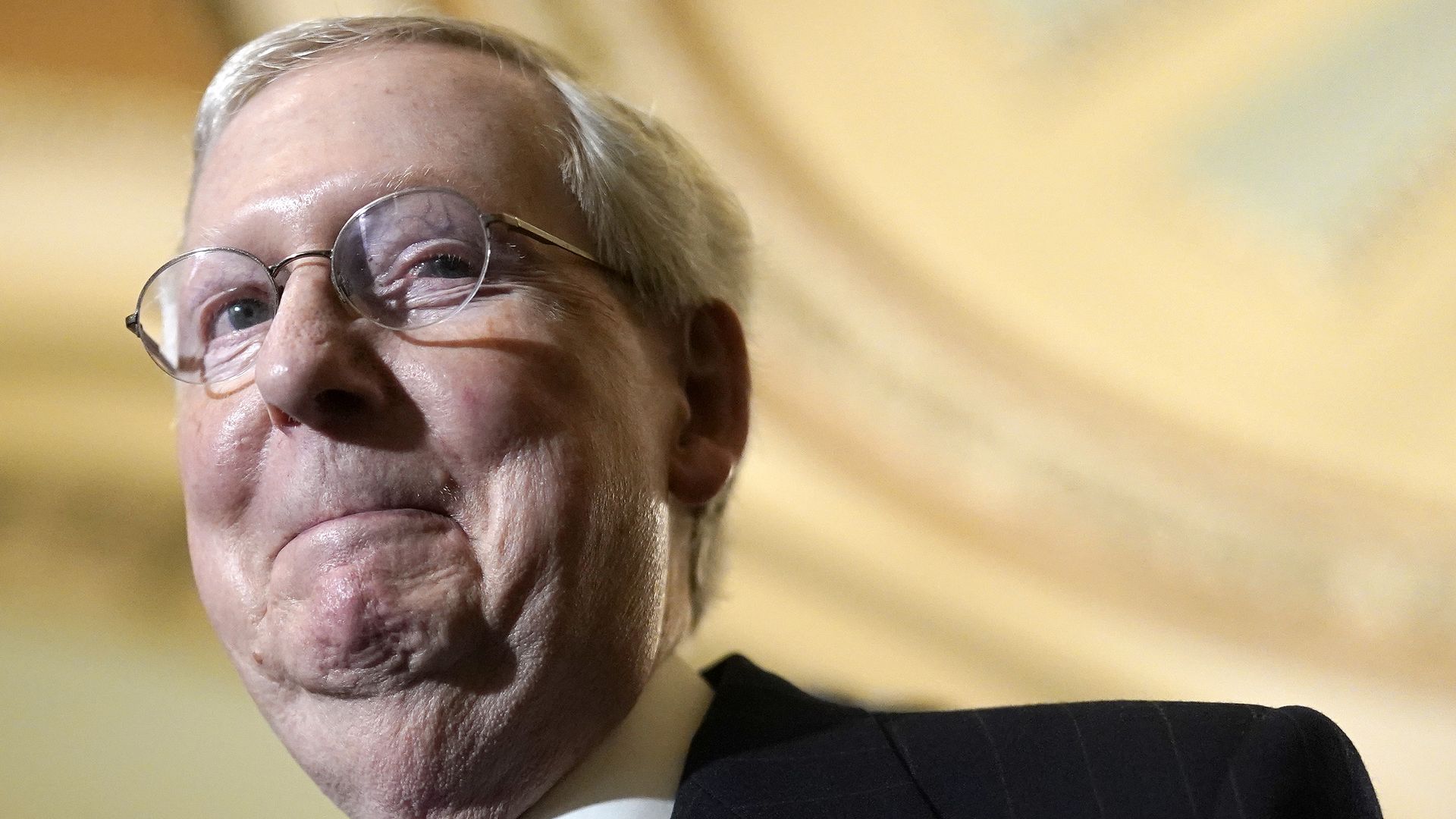
Congressional Democrats are questioning Senate Majority Leader Mitch McConnell's ability to lead a possible Senate trial to remove President Trump from office, after McConnell vowed "total coordination" with the White House on impeachment plans, the Washington Post reports.
Driving the news: McConnell told Fox News' Sean Hannity on Thursday there would be "zero chance" that Trump will be removed from office, adding the evidence against the president is "so darn weak coming over from the House. We all know how it's going to end."
The Supreme Court agreed on Friday to take on three cases involving President Trump's finances to determine whether he can block the release of his records.
Why it matters: The court's ruling could give the American public a look at the president's finances after he has gone to great lengths to keep them under wraps.
U.S. women's national soccer team player Megan Rapinoe formally endorsed Sen. Elizabeth Warren (D-Mass.) for president in a tweet on Friday.
What they're saying: Rapinoe posted a video of a call with Warren in which she told the 2020 candidate she doesn't think the country can get to a better place "by walking this moderate line."
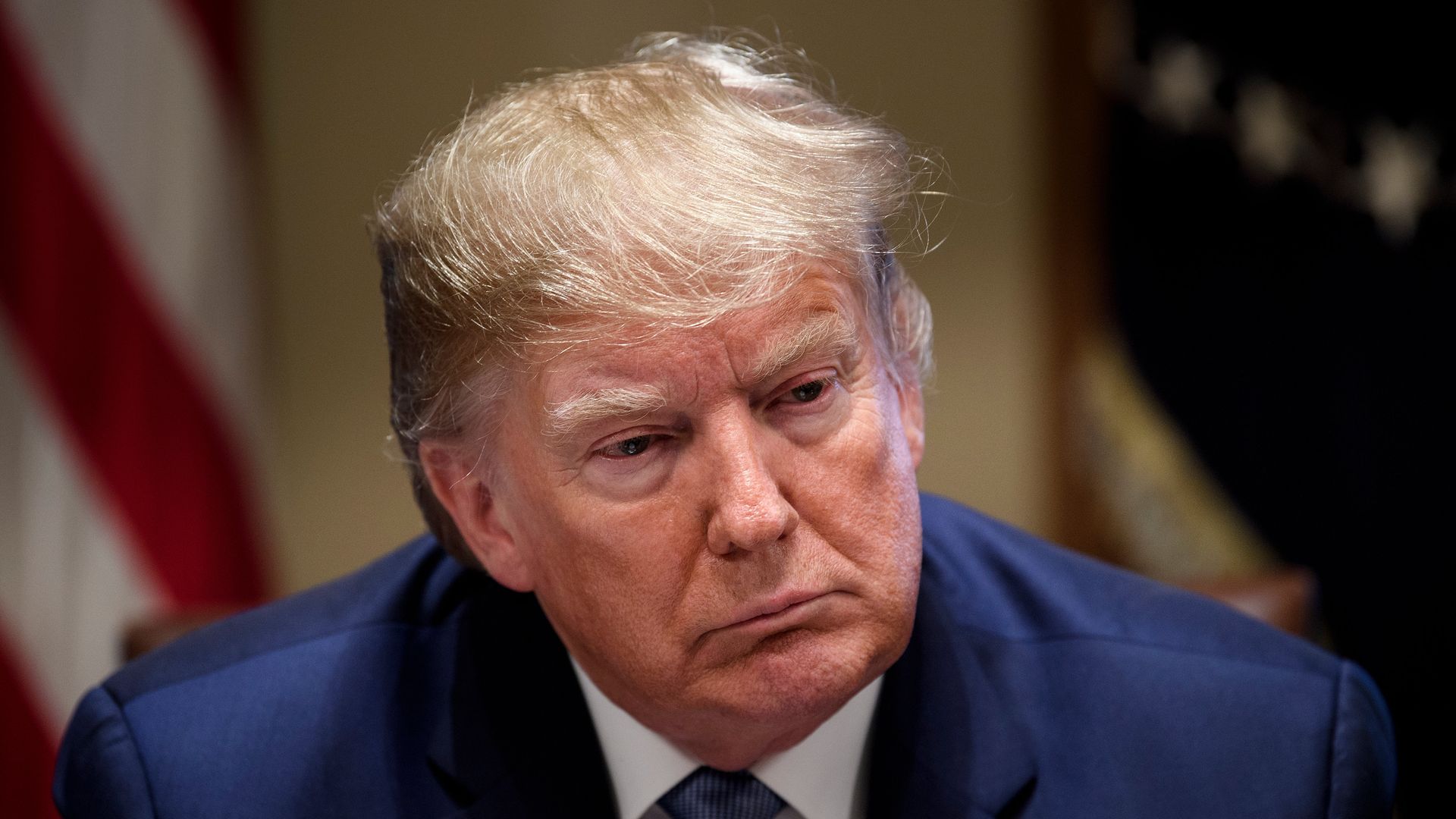
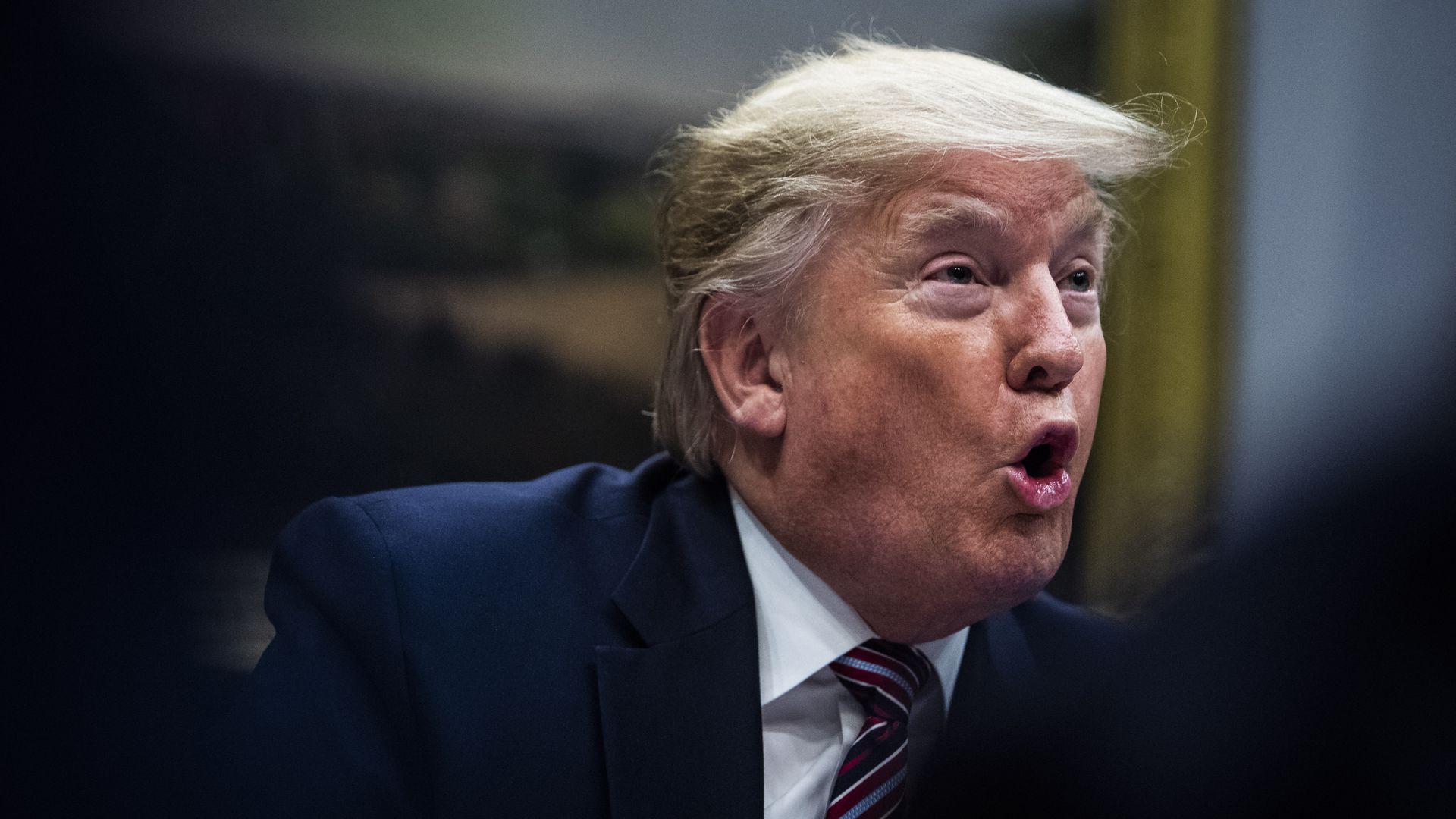
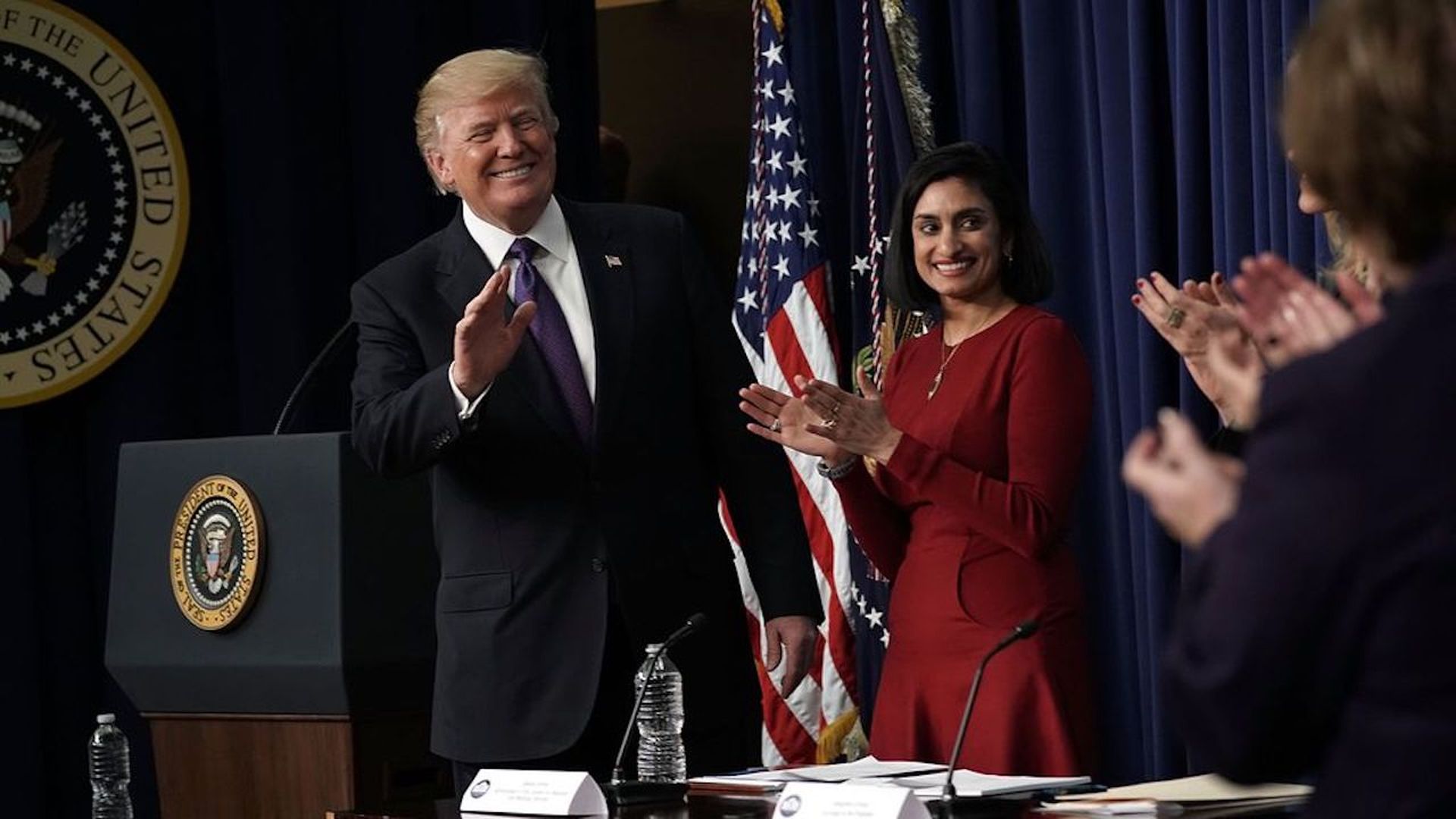
President Trump reacted to the House committee vote on Friday that solidified two articles of impeachment against him, calling it a "horrible" tool to use politically and that the Democrats are "trivializing impeachment."
The big picture: Axios' Margaret Talev and Alayna Treene write that some lawmakers warn that impeaching presidents could become the new normal. Historians and constitutional experts fear further polarization and that the emergency mechanism could lose its taboo.
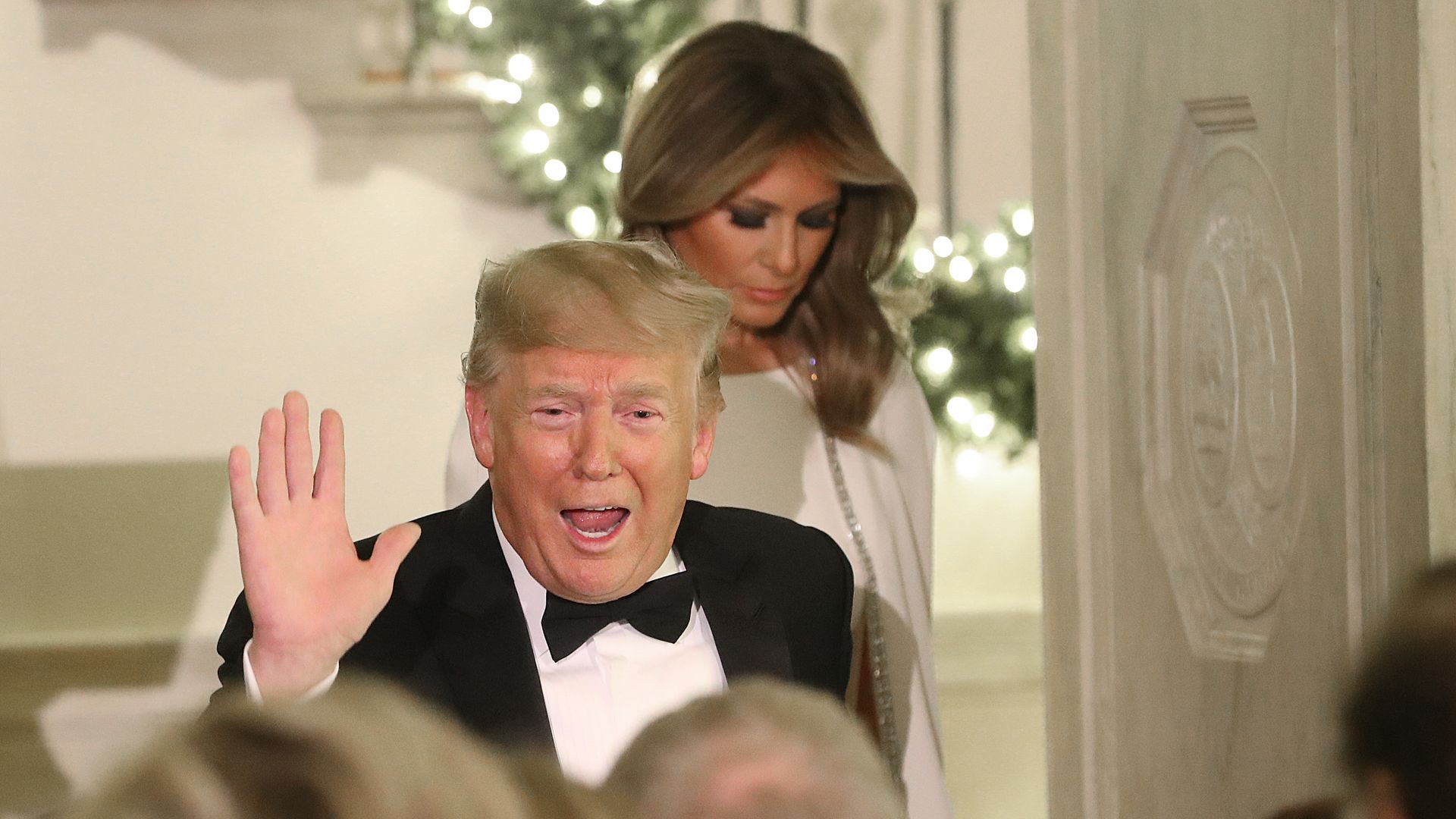
Half a dozen House Democrats attended the White House Congressional Ball last night while their colleagues on the Judiciary Committee worked late into the night on articles of impeachment, according to two sources familiar with the event.
Why it matters: If you're looking for clues about which House Democrats might vote against impeaching President Trump next week, one tempting place to start is with those who chose to be Trump's guests at the annual ball — but that doesn't mean the two lists will totally overlap.
The House Judiciary Committee approved two articles of impeachment against President Trump — abuse of power and obstruction of Congress — on Friday.
Why it matters: The party-line 23-17 votes, which were delayed after a marathon markup hearing on Thursday lasted until almost midnight, completes the House committees' impeachment work and advances the articles to the House chamber for a full floor vote next week.
The Trump administration is losing the legal battle over Medicaid work requirements — one of its most impactful and controversial health care policies — but it is leaning into that fight even more aggressively.
Driving the news: The Centers for Medicare & Medicaid Services formally signed off yesterday on South Carolina's work requirements. Medicaid recipients in the state will have to perform 80 hours per month of work or community service, unless they receive an exemption.
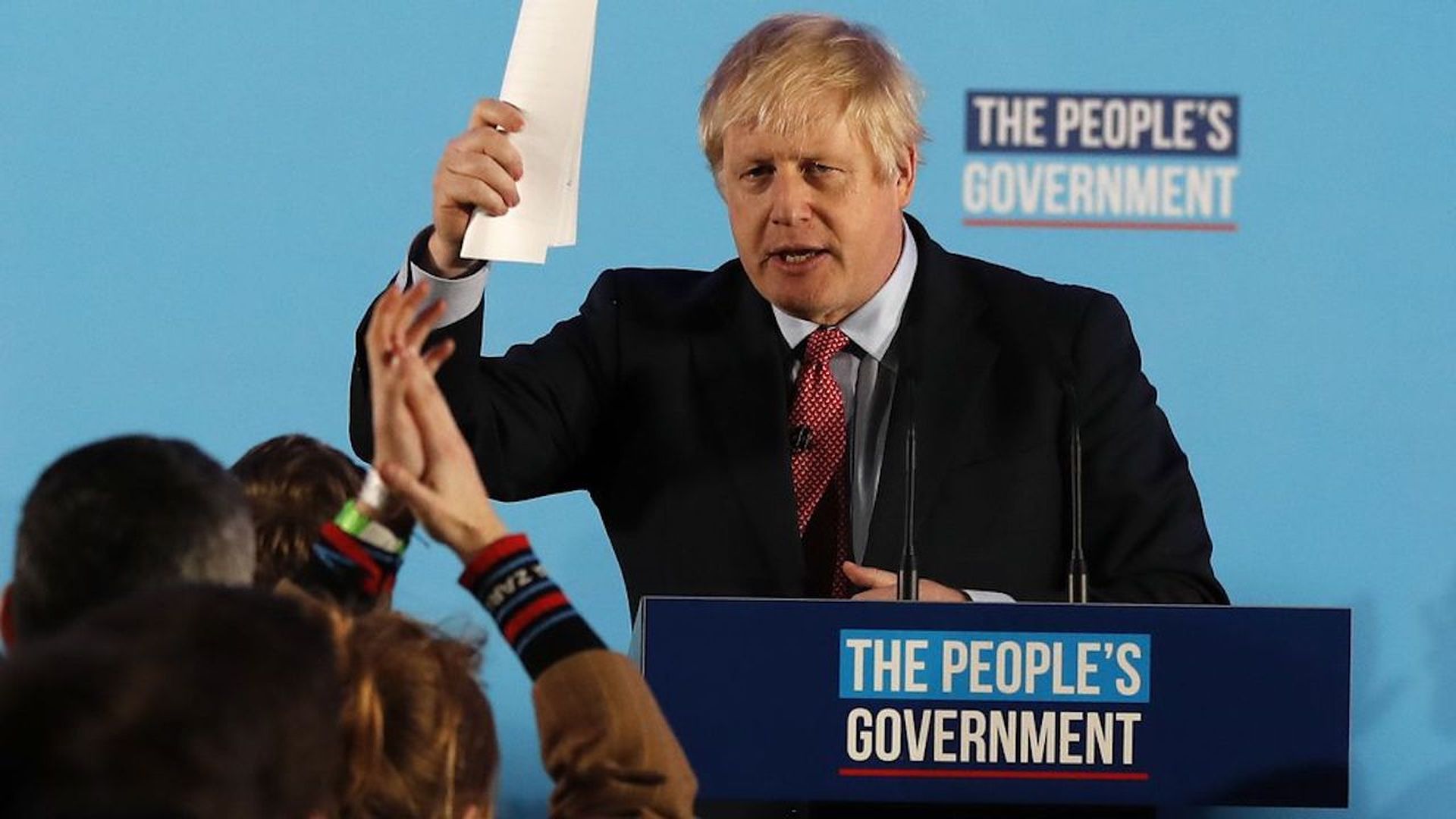
If the U.K.'s Brexit vote foreshadowed Donald Trump’s victory in 2016, yesterday's landslide for Boris Johnson could be a warning sign for America's liberal Democrats in 2020.
Why it matters: It's a reminder that mainstream voters hesitate to embrace radical change. And voters who are uneasy about an incumbent won’t necessarily choose the opposition party if they don’t like its leaders.
Federal regulators, lawmakers, and private companies haven't found any one tool that on its own can stem the flood of robocalls, so they are trying several approaches at once.
The big picture: There were a record 5.7 billion robocalls in October, according to YouMail, and the Federal Communications Commission has singled out the issue as its top consumer complaint.
If the House votes next week to impeach President Trump, some lawmakers warn thatimpeaching presidents could become the new normal. Historians and constitutional experts say it won't go that far — but they do concede a drift in that direction.
Why it matters: If impeachment loses its taboo to become just another partisan instrument with implications for elections and fundraising, that would weaken its power as an emergency mechanism and further polarize Republicans and Democrats.
This is what's happened to government shutdowns, Supreme Court fights and filibusters.
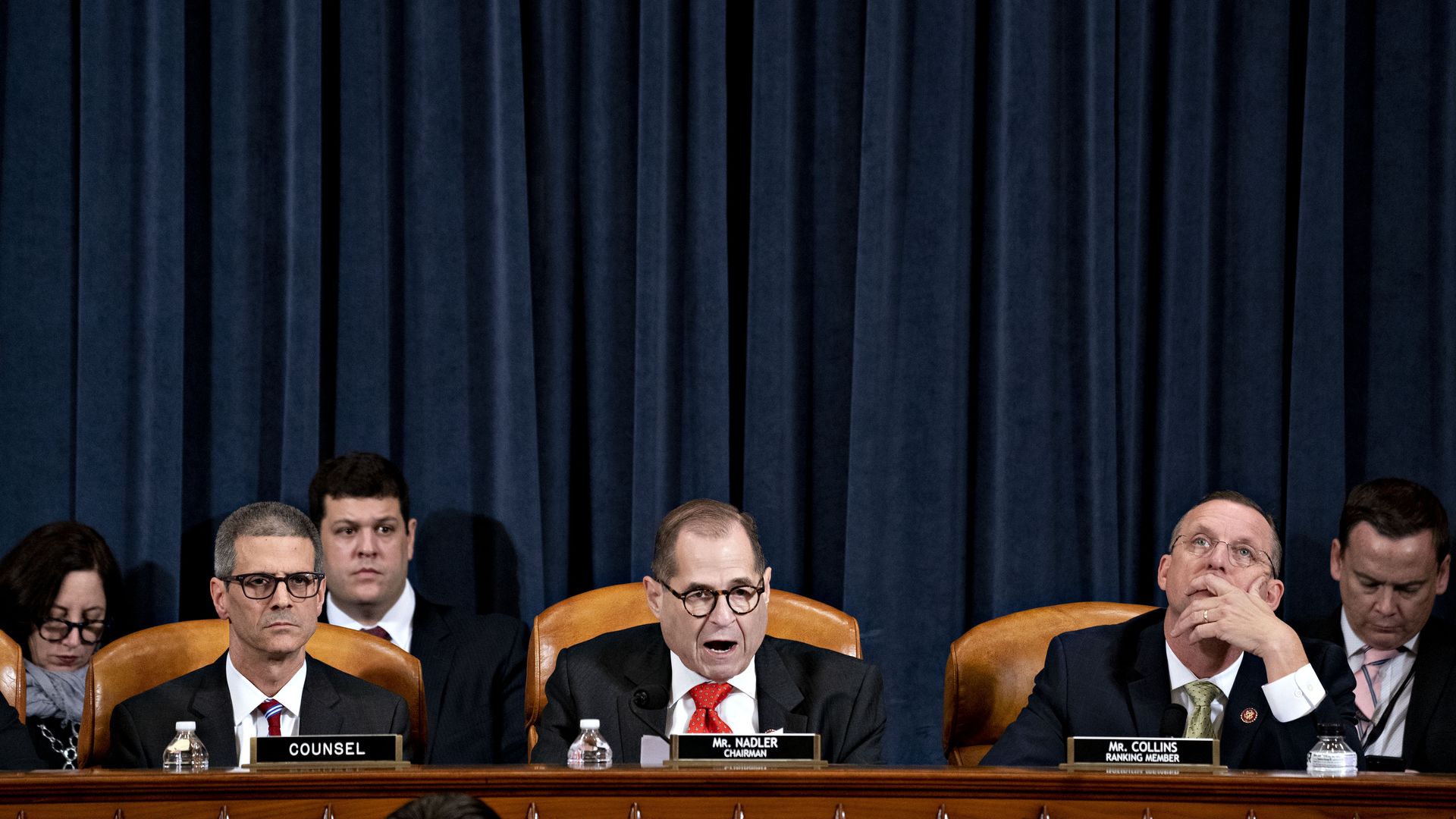
After a grueling 14-plus-hour day debating the two articles of impeachment against President Trump with no meaningful outcome, House Judiciary Chairman Jerry Nadler abruptly called a recess at 11:12 p.m. ET Thursday.
What's next: Members of the committee, their staffs and congressional reporters will return to the Hill at 10 a.m. Friday for a final committee vote to determine whether Trump abused his power and obstructed congressional authority.