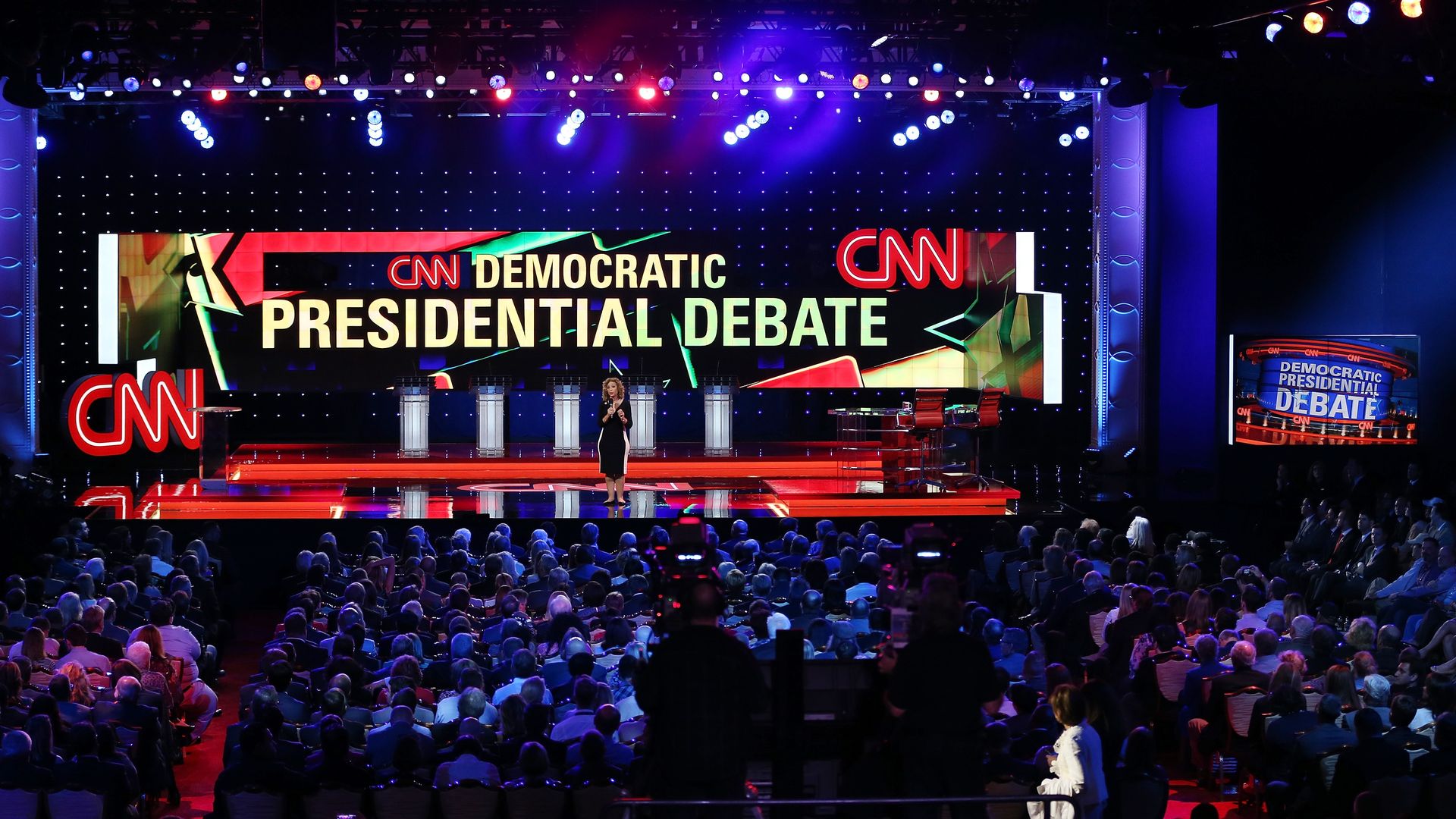
The Democratic National Committee has released the names of the 20 presidential candidates who have qualified for the first debates on June 26 and 27 in Miami.
Why it matters: The back-to-back nights of debates will feature one of the most diverse and crowded Democratic fields in history. Four candidates — Montana Gov. Steve Bullock; former Alaska Sen. Mike Gravel; Miramar, Florida Mayor Wayne Messam and Massachusetts Rep. Seth Moulton — did not qualify.
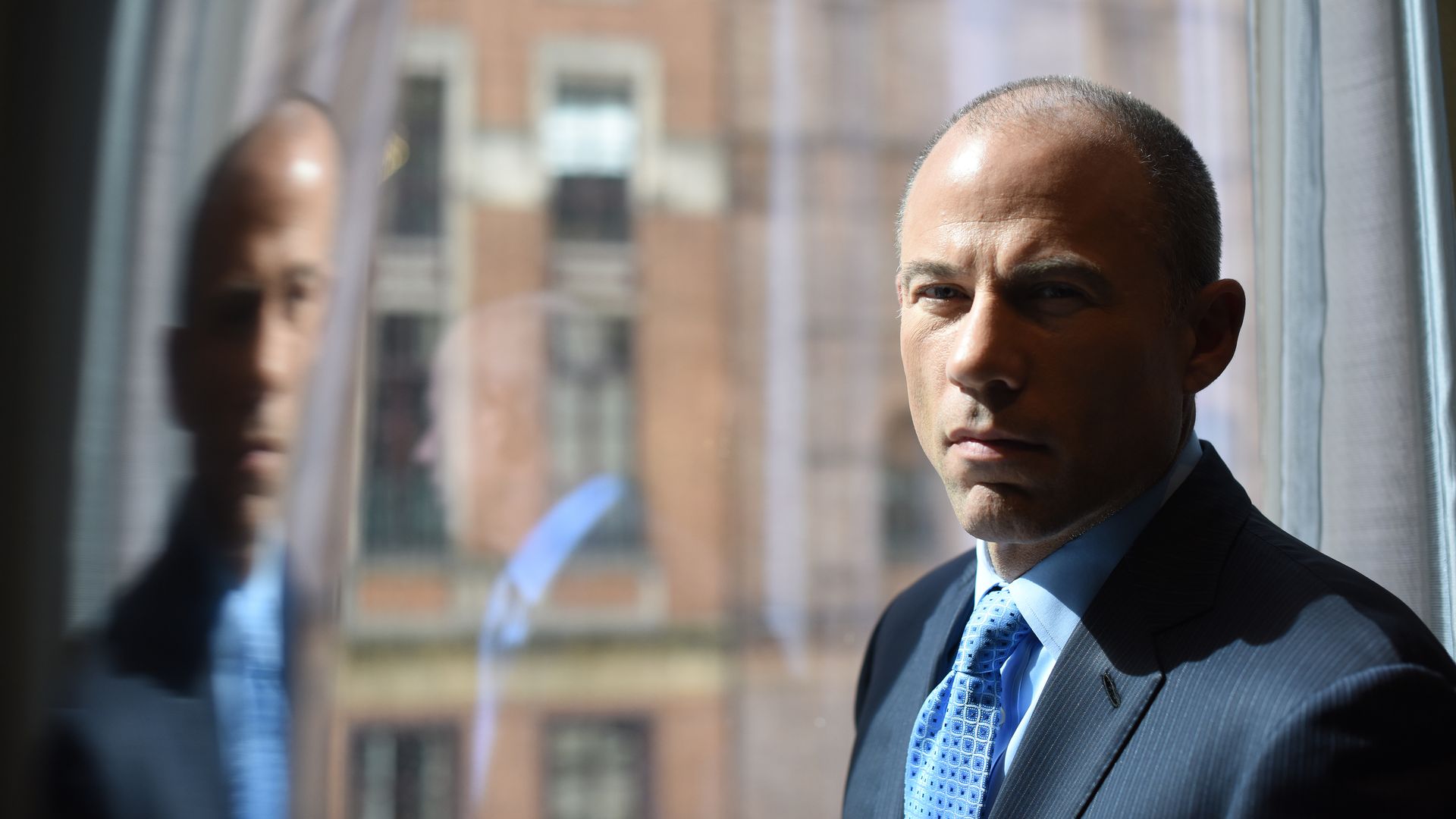
Attorney Michael Avenatti was at one point considered to be a rising Democratic star — one who was even contemplating a 2020 run after positioning himself as a champion of women’s rights and an outspoken foil to President Trump.
What's new: Avenatti is being sued for at least $9.5 million by a former client — a man who is paralyzed and claims the attorney siphoned $4 million from a settlement he had won. The claims underlying the suit are tied up in a federal prosecutors’ criminal case against Avenatti, over various matters in California and New York.
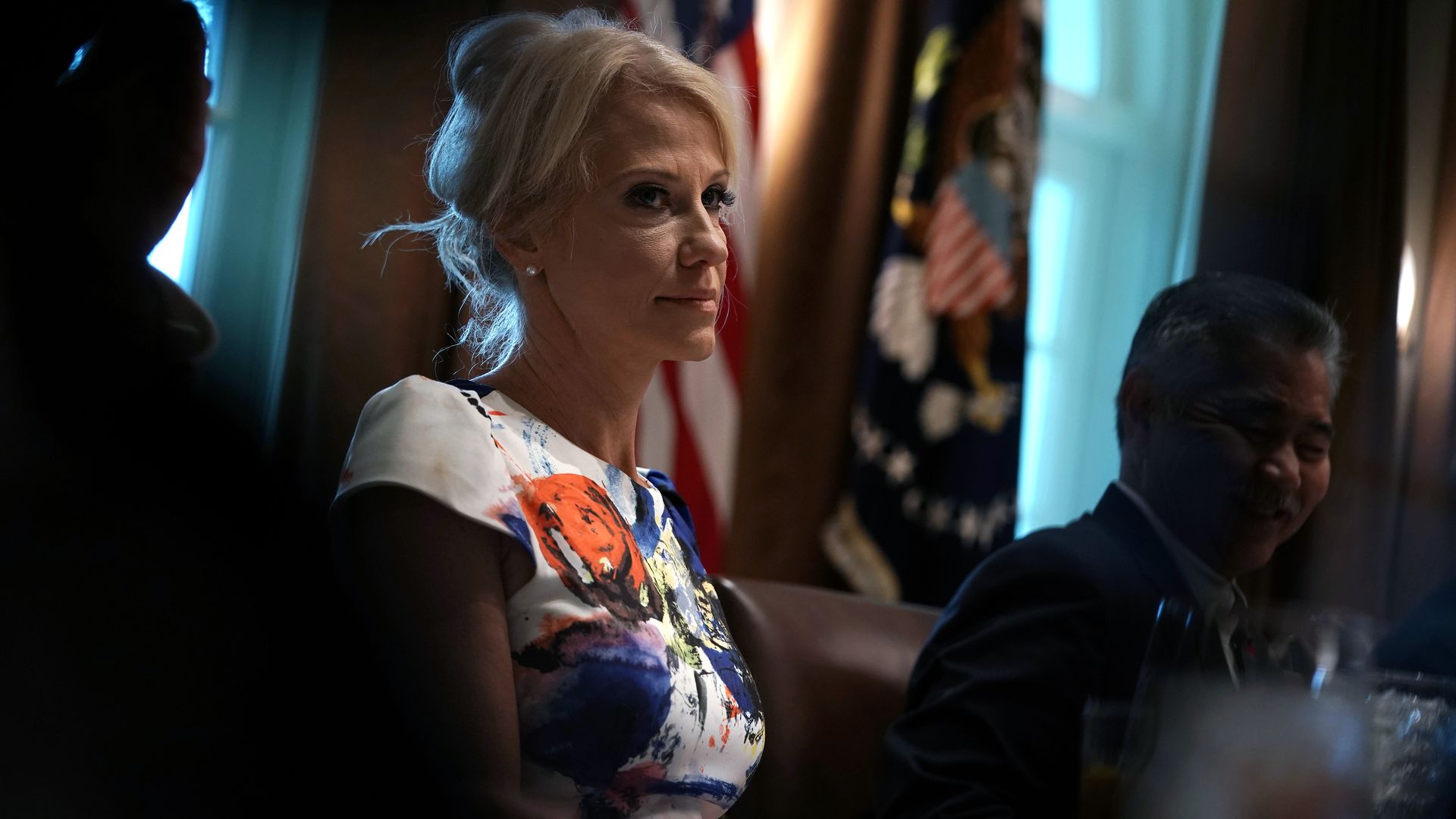
In the wake of the Office of the Special Counsel recommending that White House counselor Kellyanne Conway be fired for violations of the Hatch Act, it's worth noting that she's not the first Trump administration to be censured as a result of the law.
The big picture: In 2018,six White House staffers were found to have violated the Hatch Act which prohibits specific political activities while serving as a federal employee. The law, established in 1939, is meant to ensure that the federal government does not exert influence on elections. All of the individuals were officially warned that continued violations could be subject to further action, but no official punishments were enforced.
A House Judiciary subcommittee will hold a hearing next Wednesday on reparations for individuals affected by slavery's legacy, the first time the issue will be given a House hearing since 2007, per the AP.
Our thought bubble, via Axios' Alexi McCammond:Washington can no longer ignore this issue. Between this hearing and several 2020 Democrats proposing ideas for how to fix the lasting legacy of slavery, we're in for one of the most robust debates we've ever had about reparations over the coming weeks and months.
House Speaker Nancy Pelosi said Americans "should be totally appalled" about President Trump's comments on Wednesday that he'd accept foreign intelligence on political opponents, but she again swatted away the question of impeachment — telling reporters that "not any one issue is going to trigger" the process.
2020 Democratic candidate Andrew Yang said he is opposed to prosecuting President Trump after his term in office in a Thursday tweet, calling it "the kind of thing that happens in developing countries."
Why it matters: Yang's argument separates him from the pack at a time when 2020 Democrats are squabbling to define their stance on Trump's legal standing. 10 of his fellow candidates now support impeachment, but others are advocating alternative ways to take on the president in a court of law.
2020 candidate Beto O'Rourke acknowledged on MSNBC's "Morning Joe" on Thursday former Vice President Joe Biden was "a return to the past," emphasizing "that cannot be who we are going forward."
Donald Trump Jr. effectively confirmed that he will campaign against Rep. Justin Amash, the first Republican to advocate for impeaching President Trump, in a Thursday tweet, saying that he hears "Michigan is beautiful during primary season."
Why it matters: Trump Jr. is the Trump family member with the largest following among the Republican base — and a powerful social media presence. Amash responded to Trump Jr.'s threat by tweeting: "if it's what you say I love it especially later in the summer" — a reference to the email Trump Jr. sent in 2016 after being offered dirt on Hillary Clinton by the Russian government.
President Trump unveiled the plans for a red, white and blue redesign of Air Force One during an Oval Office interview with ABC News' George Stephanopoulos.
President Trump has picked Eric Ueland, currently deputy assistant to the president for domestic policy, to replace Shahira Knight as director of legislative affairs, according to two sources with direct knowledge of the decision. Ueland has deep experience in Congress and is widely respected on Capitol Hill.
Why it matters: As the president's top liaison to Capitol Hill, this is perhaps the hardest job in Washington. The White House is at war with House Democrats, who have initiated a blizzard of subpoenas. Trump has made clear he wants his current and former staff to stonewall House Democrats and that he expects to get no big legislative items done (for example, infrastructure) while Democrats are investigating him.
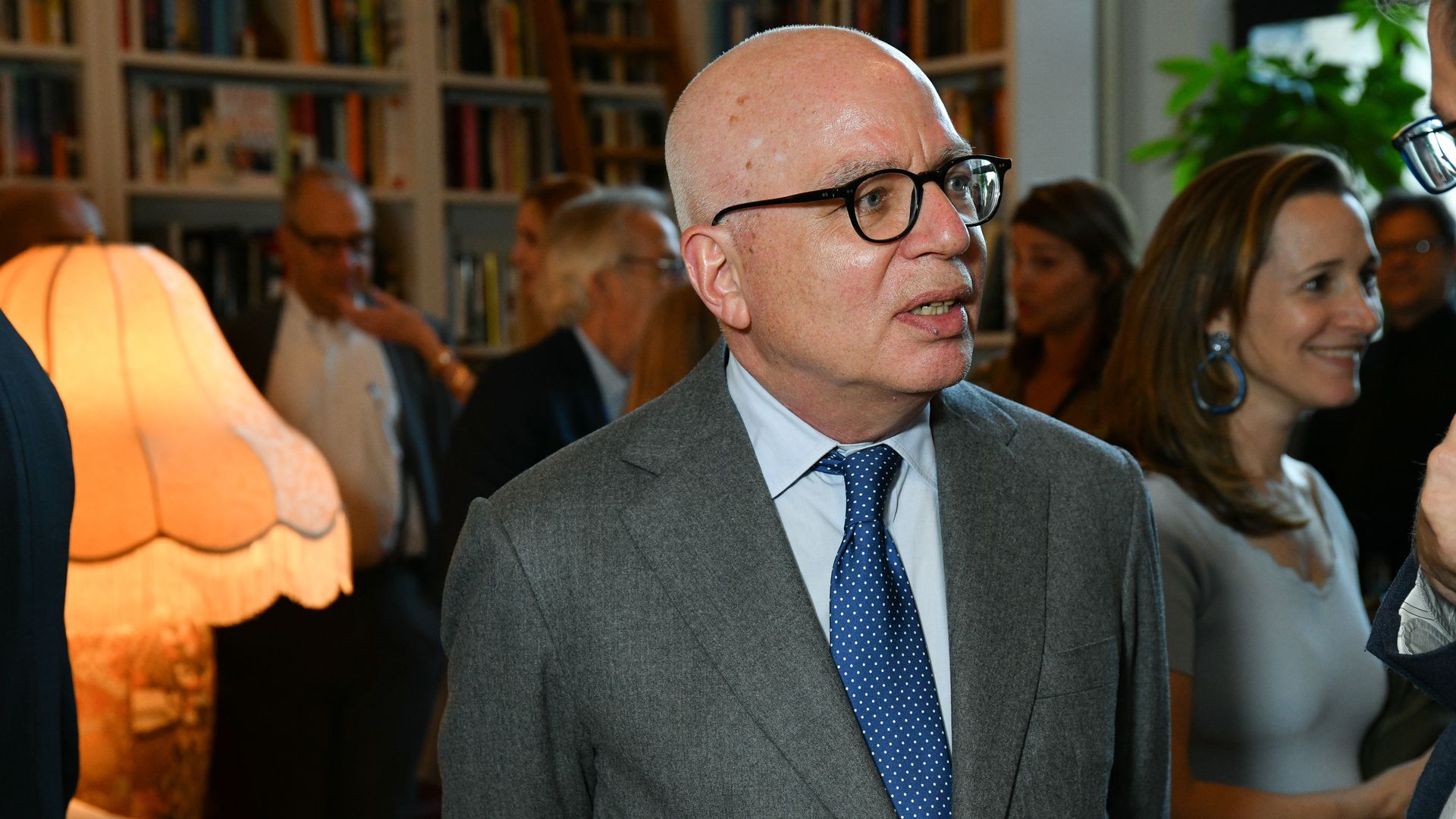
Michael Wolff's "Siege" sold just 17,756 copies in its first week, according to NPD BookScan figures reported by AP.
The big picture: Wolff's "Fire and Fury" sold more than 25,000 copies its first week, despite a shortage, and nearly 200,000 copies the following week, according to BookScan, which tracks around 85% of physical book sales. In September, Bob Woodward's "Fear" sold 1.1 million copies in its first week in all formats (hardback, digital and audio).
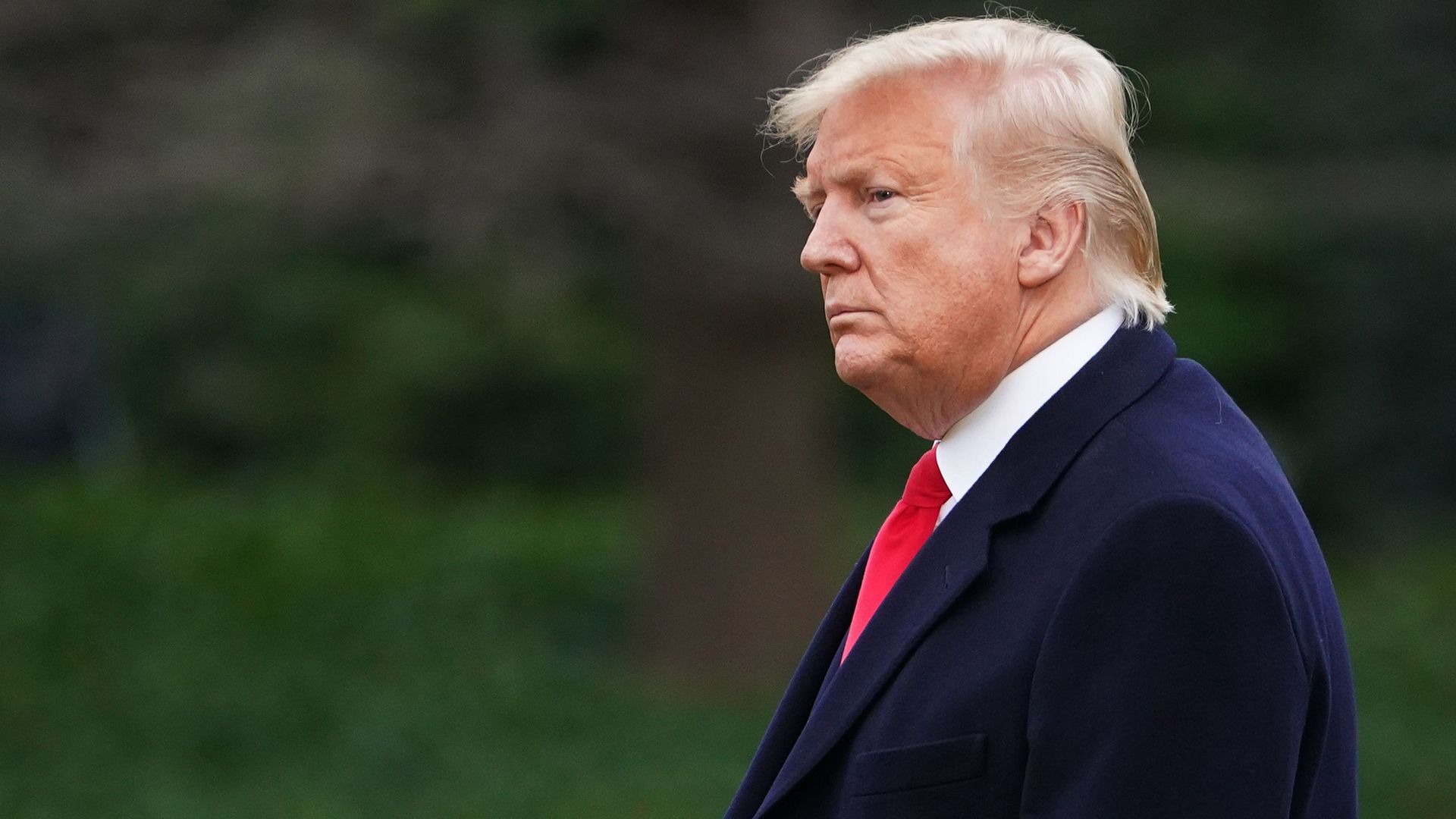
When President Trump backed off his threats to hit Mexico with crippling tariffs earlier this week, there was a chorus of commentary that it was all so predictable — but his track record on such threats is anything but.
Between the lines: Trump does frequently back down from threats. But in other cases, he defies expectations by doubling down. Even threats that seem to expire — a national emergency on the border, blanket tariffs on China — can rear their heads once again.
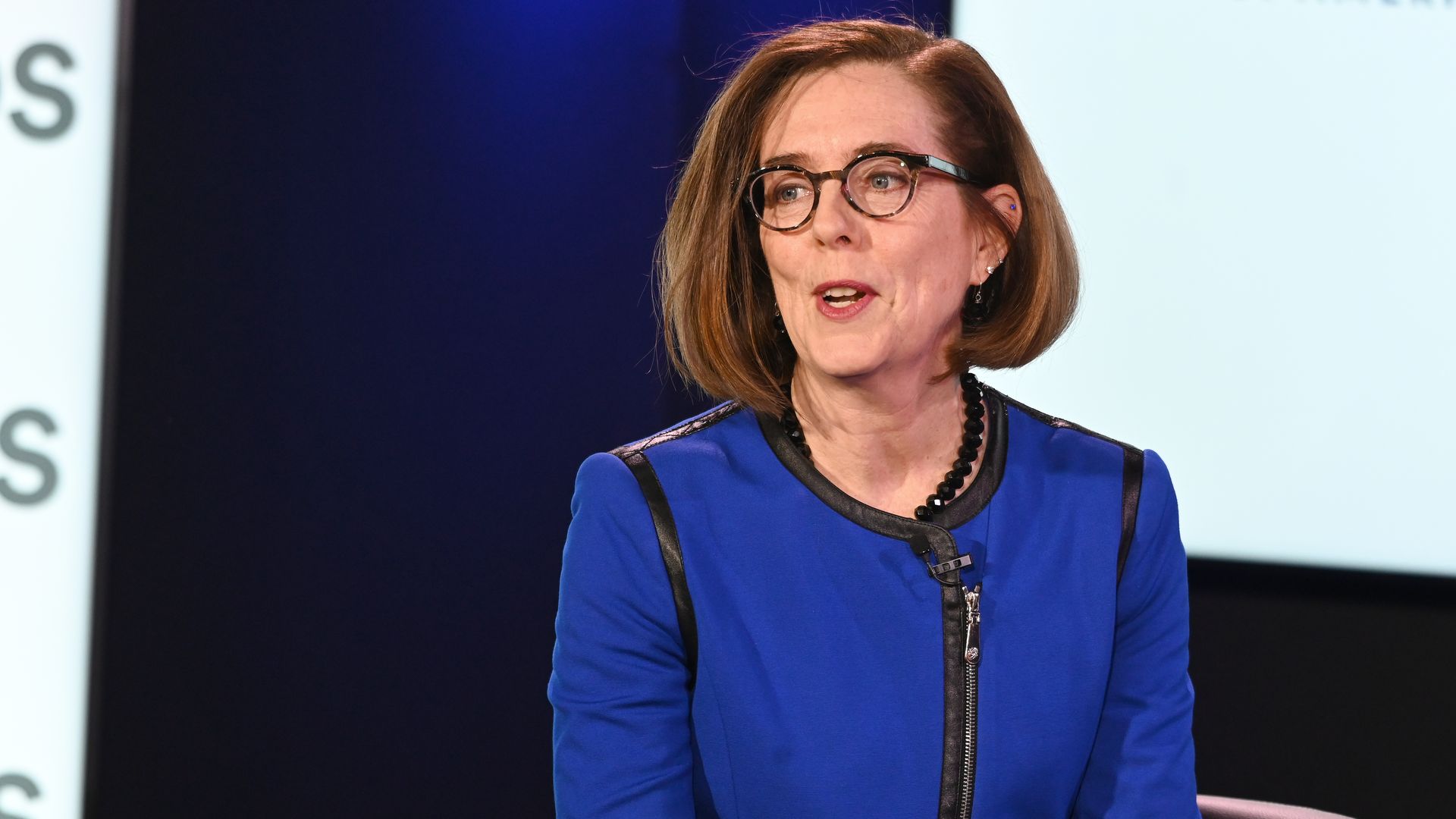
Oregon is the latest to join a growing collection of states that have signed legislation to award electoral college votes to the candidate who wins the popular vote, with Gov. Kate Brown signing the bill on Wednesday.
Why it matters: If enough states join the National Popular Vote Interstate Compact, the electoral college delegate procedure (and the 2020 election) would fundamentally change. But the participating states need a combined 270 electoral votes to put the law into effect, and the current list of 15 states — plus Washington, D.C. — only add up to 196 votes. Since Republican-controlled legislatures have yet to support the compact, this change is unlikely to occur.
Oregon will now award its electoral college votes to the candidate who wins the national popular vote after Gov. Kate Brown signed legislation on Wednesday, reports The Oregonian.
The big picture: Oregon has become the 15th state to enact new legislation awarding their electoral votes to the winner of the national popular vote. The District of Columbia has also passed the resolution. Barry Fadem, the president of the nonprofit National Popular Vote, lobbied for the move, telling The Oregonian his organization hopes to have all states pass resolutions by 2024.