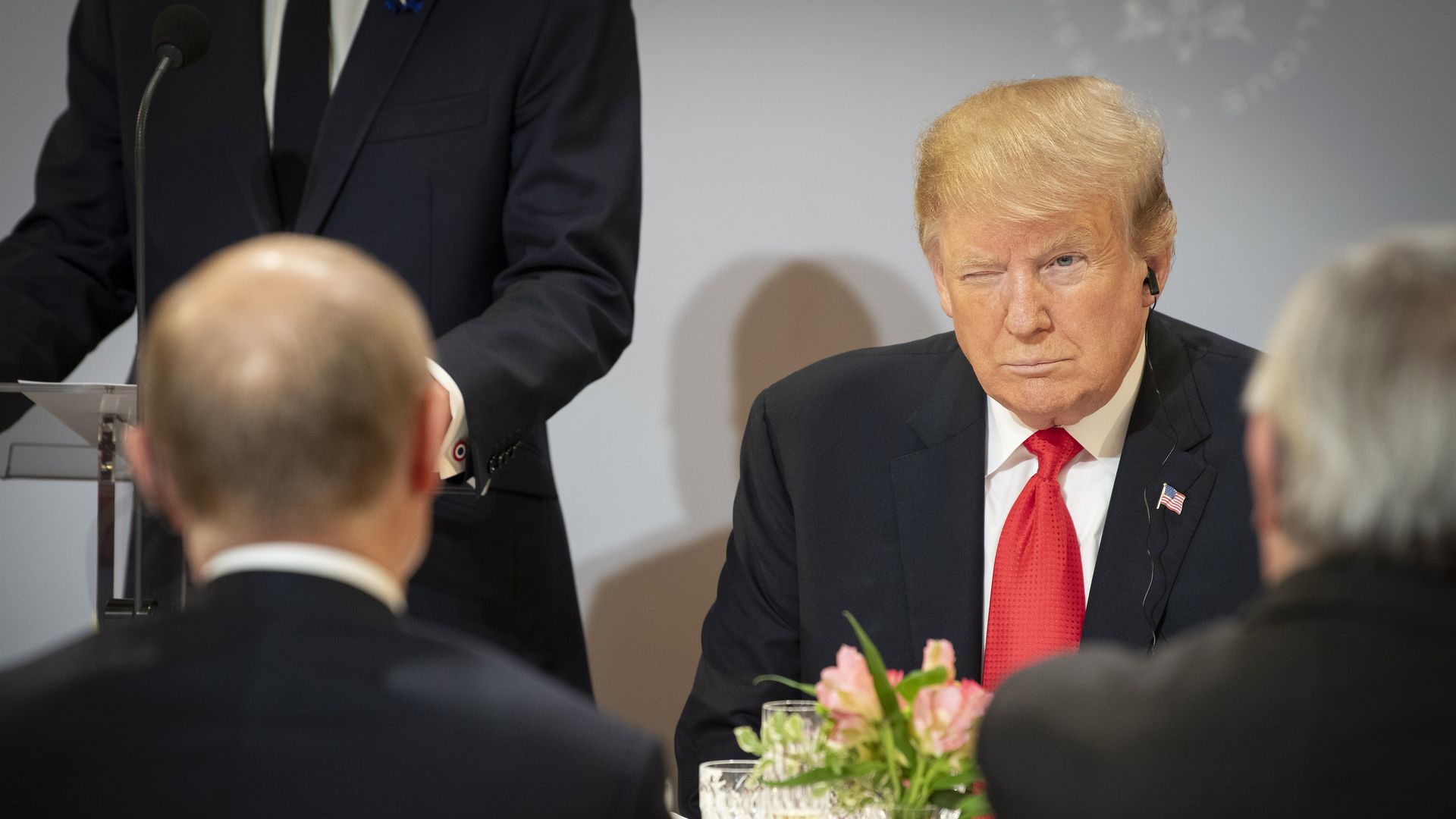
House Intelligence Chairman Adam Schiff (D-Calif.) and Foreign Affairs Chairman Eliot Engel (D-N.Y.) have met with the House general counsel to discuss legal options for finding out the contents of President Trump's one-on-one meetings with Russian President Vladimir Putin, Politico reports.
Why it matters: The Washington Post reported last month that Trump has repeatedly sought to conceal the details of his face-to-face conversations with Putin from senior officials in his own administration — even going as far as to confiscate notes from his own interpreter and instruct them not to discuss the contents of the conversation. The meetings will be one of many investigative priorities for House Democrats, who were blocked by Republicans in their attempts to subpoena Trump's interpreter while in the minority.
The 2020 Democratic field splits into two rough camps: anger vs. optimism.
The big picture: Democrats ultimately have to choose between someone who's the mirror image of President Trump (an angry fighter) — or the opposite (an optimistic pragmatist).
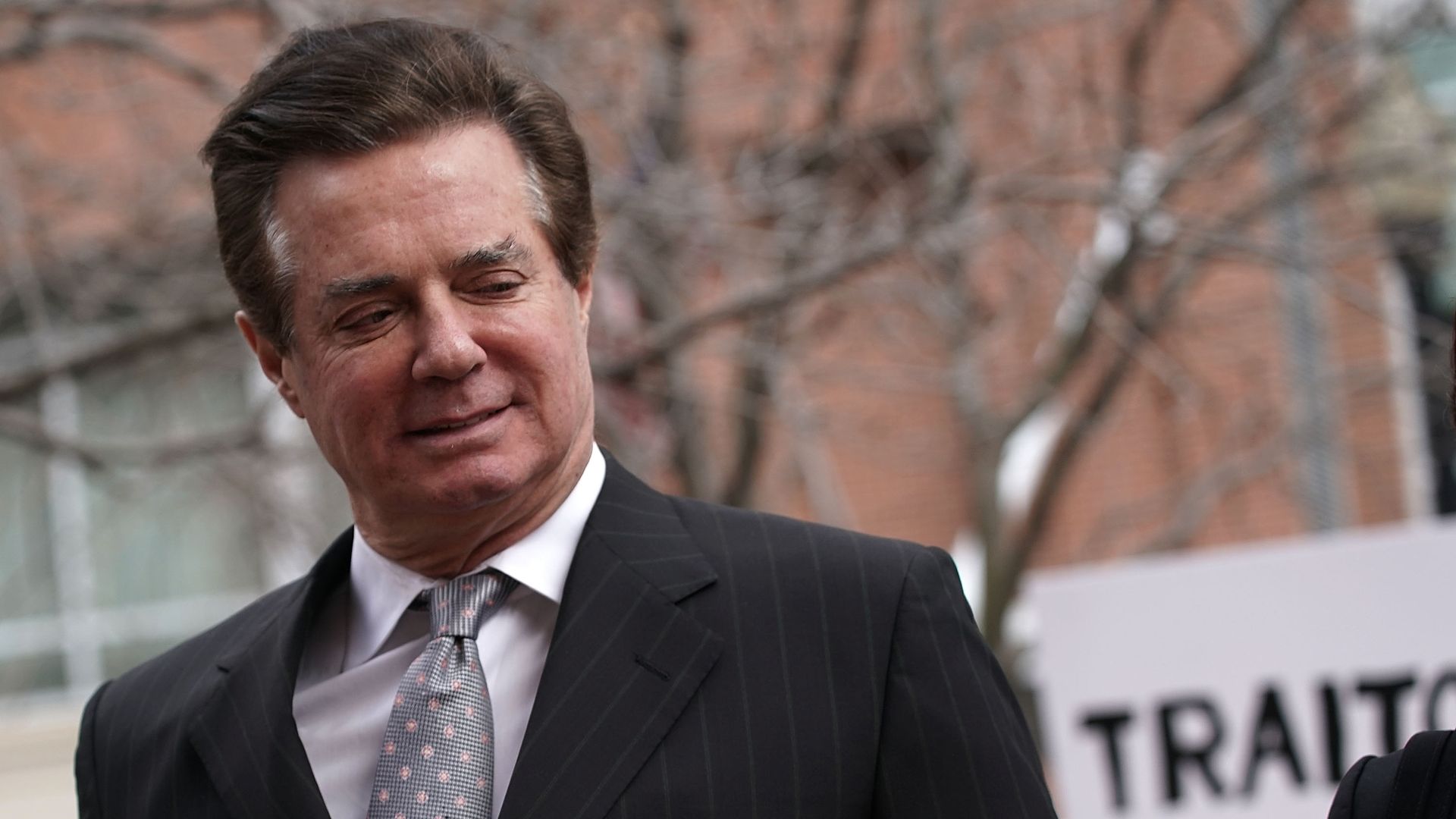
In a partially-redacted transcript of a hearing this week, Judge Amy Berman Jackson called direct attention to the significance of lies Paul Manafort told about longtime business associate Konstantin Kilimnik, who the Mueller investigation believes has ties to Russian intelligence.
"[W]e've now spent considerable time talking about multiple clusters of false or misleading or incomplete or need-to be-prodded-by-counsel statements, all of which center around the defendant's relationship or communications with Mr. Kilimnik. This is a topic at the undisputed core of the Office of Special Counsel's investigation..."
Consumer advocacy group Public Citizen on Friday filed the first of what is expected to be a series of lawsuits challenging the legality of President Trump's emergency declaration, BuzzFeed News reports.
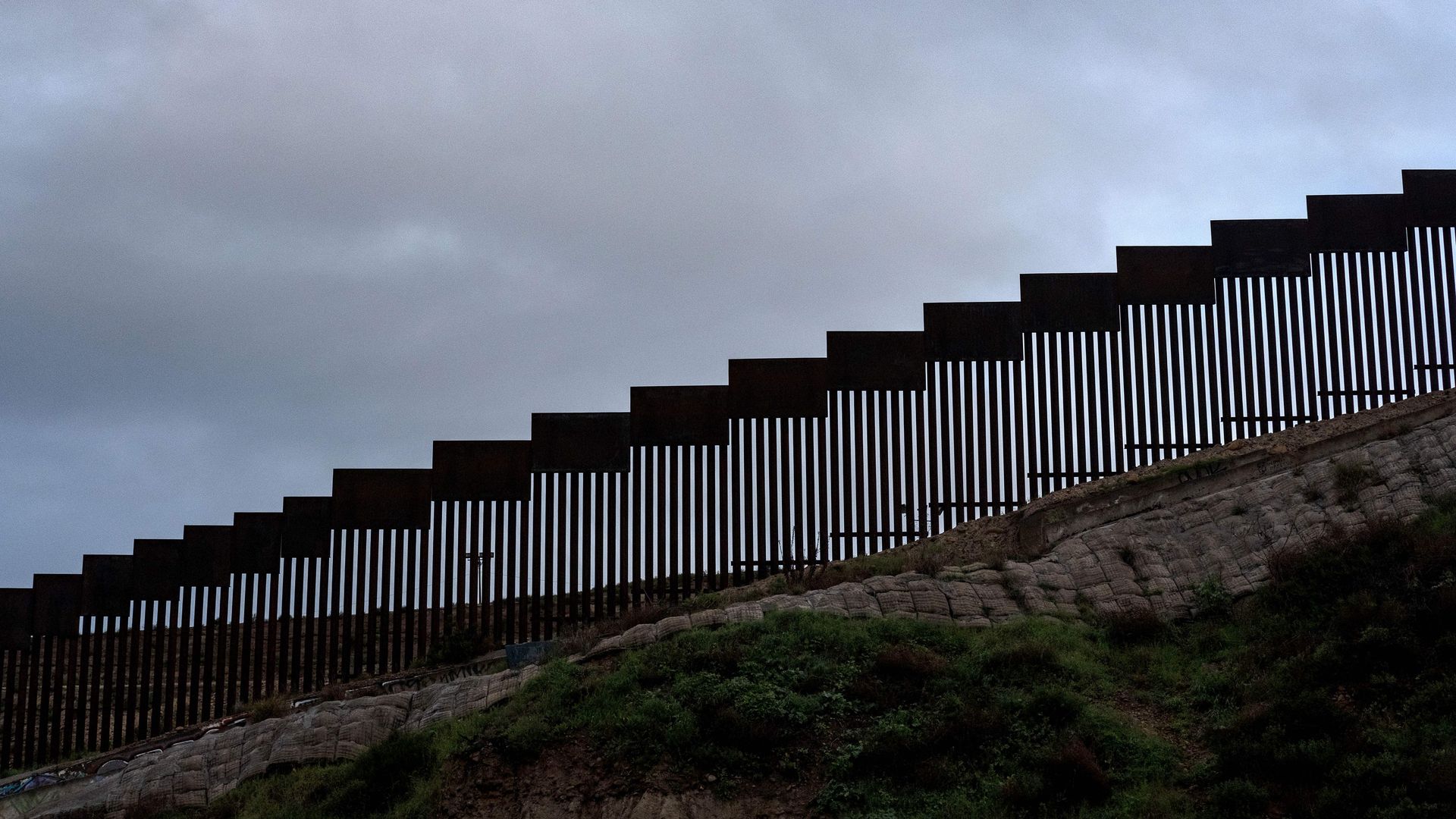
Details: Public Citizen is representing three Texas landowners and the Frontera Audobon Society, who have been told by the federal government that portions of Trump's proposed border wall would cross their properties. They argue that the president has exceeded his power under the federal National Emergencies Act — disputing that there is any immigration emergency whatsoever — and that Trump's declaration infringes upon separation of powers.
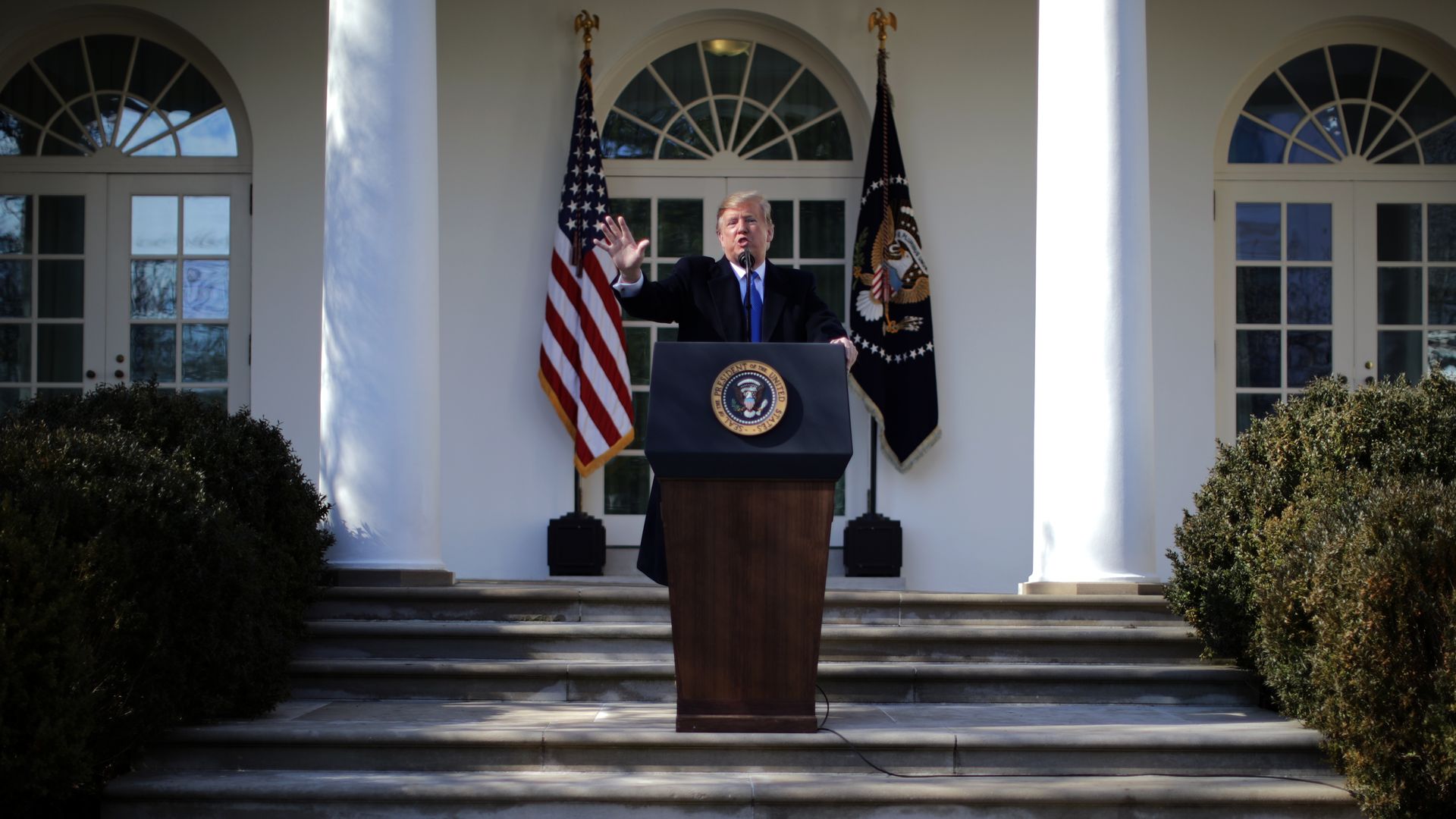
The House Judiciary Committee announced it will investigate President Trump’s national emergency declaration in light of comments he made at his Rose Garden press conference on Friday morning, during which he claimed that he "didn't need to do this."
Details: In a letter addressed to Trump, Democrats who control the committee requested a hearing with White House Counsel Pat Cipollone and "appropriate individuals" from the Justice Department, as well as background documents related to the decision and written responses to a number of questions. The panel asked Trump to provide the relevant information by Feb. 22.
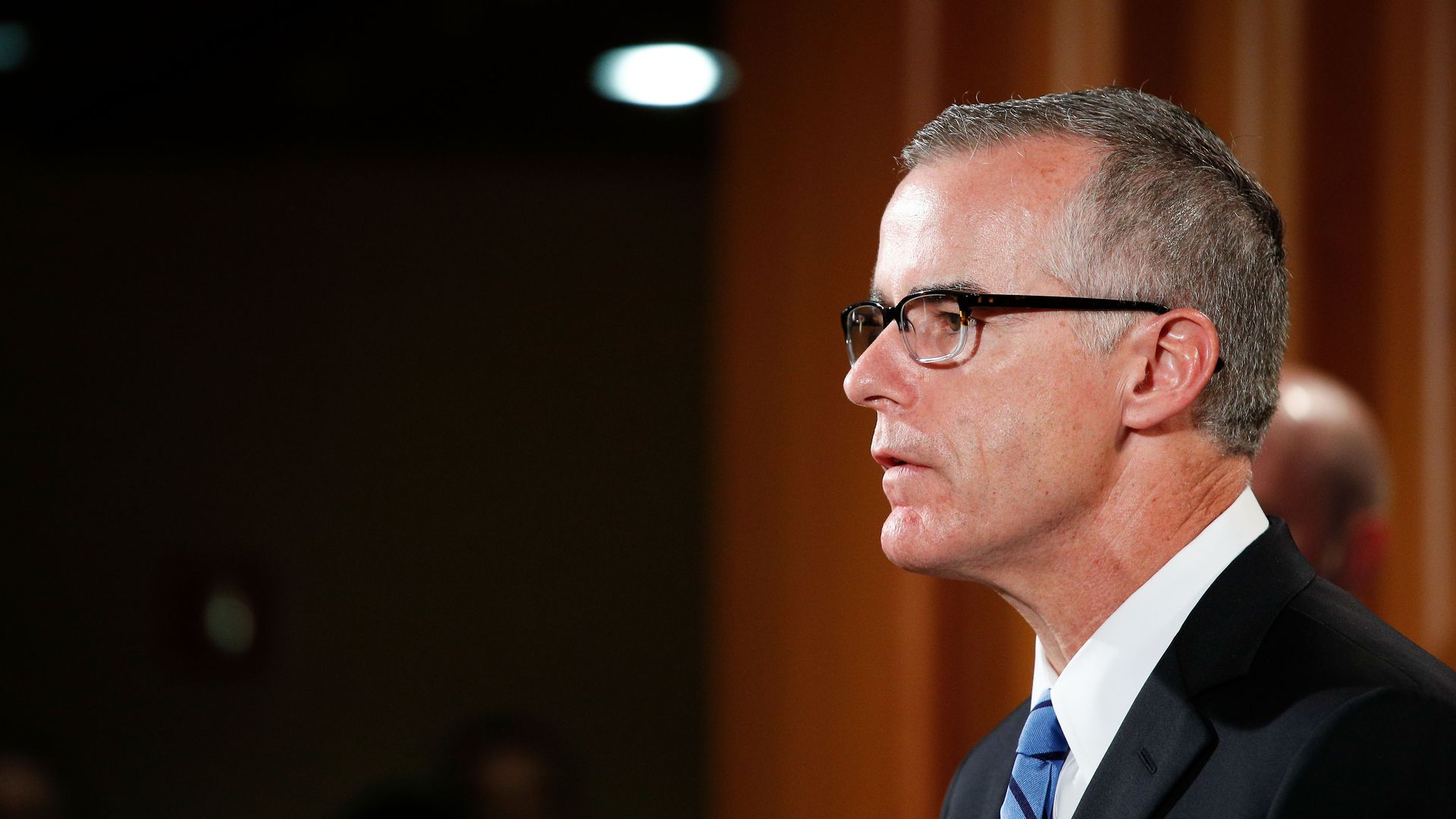
Andrew McCabe's spokeswoman released a statement on Friday claiming that the former FBI deputy director's comments about Justice Department discussions surrounding the use of the 25th amendment to remove President Trump "have been taken out of context and misrepresented."
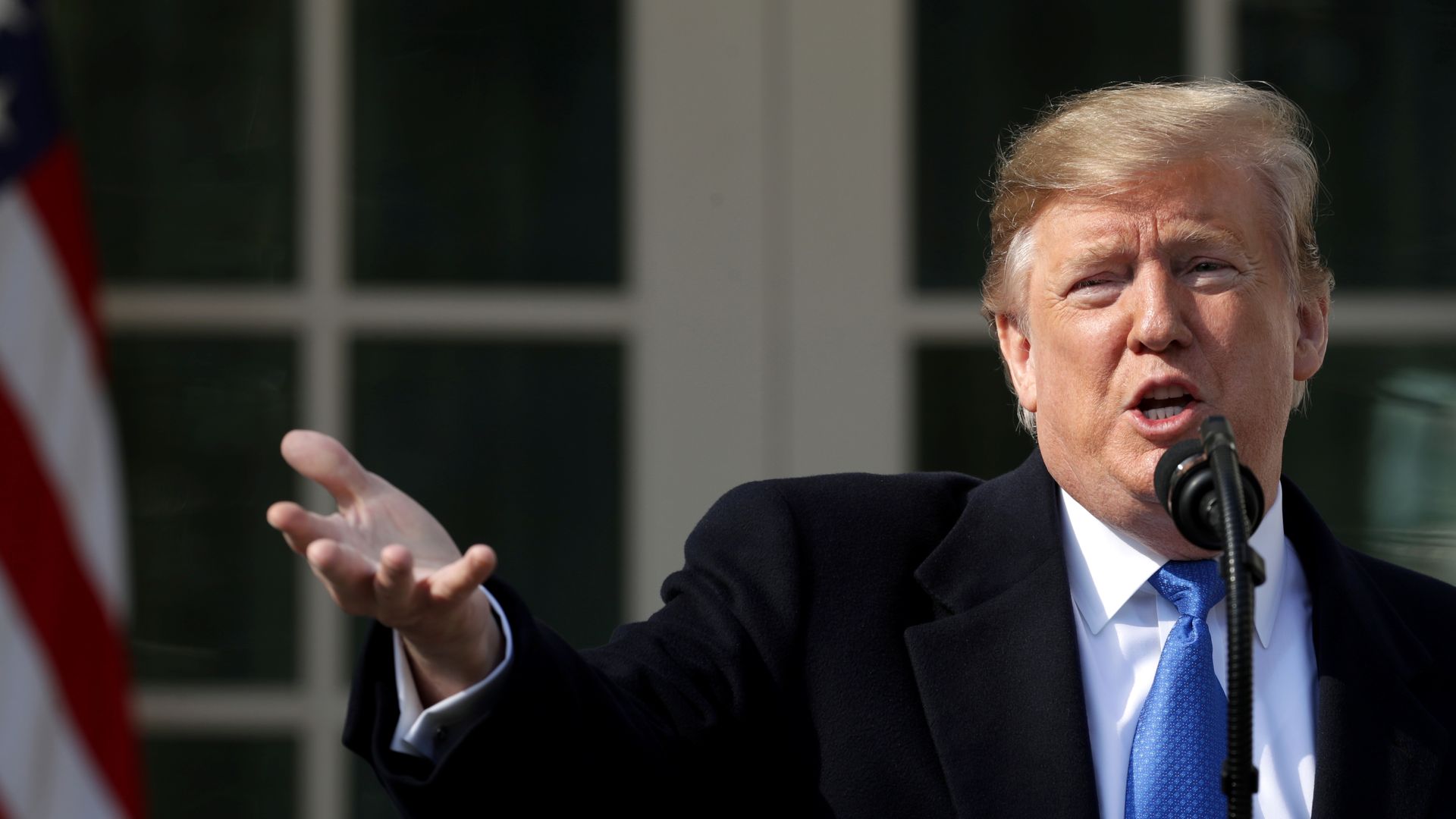
"I want to do it faster. I could do the wall over a longer period of time," President Trump said in an announcement Friday for his national emergency that freed up funds for the border wall. "I didn't need to do this."
After declaring a national emergency, President Trump described the legal process he envisions unfolding: "I'll sign the final papers ... and we will have a national emergency, and we will then be sued, and they will sue us in the 9th Circuit ... and then we'll end up in the Supreme Court ... and we'll win in the Supreme Court just like the [travel] ban."
During today's Rose Garden announcement, President Trump laid out the administration’s plans to free up roughly $8 billion to be put toward building a wall on the southern border, $3.6 billion of which will be accessed through the declaration of a national emergency.
By the numbers: On a call with reporters Friday morning, acting chief of staff Mick Mulvaney announced the breakdown of those funds.
Former Massachusetts Gov. Bill Weld is taking the first steps to run against President Trump in the 2020 Republican presidential election primaries. Weld ran in 2016 as a Libertarian, and switched back to the Republican Party earlier this year.
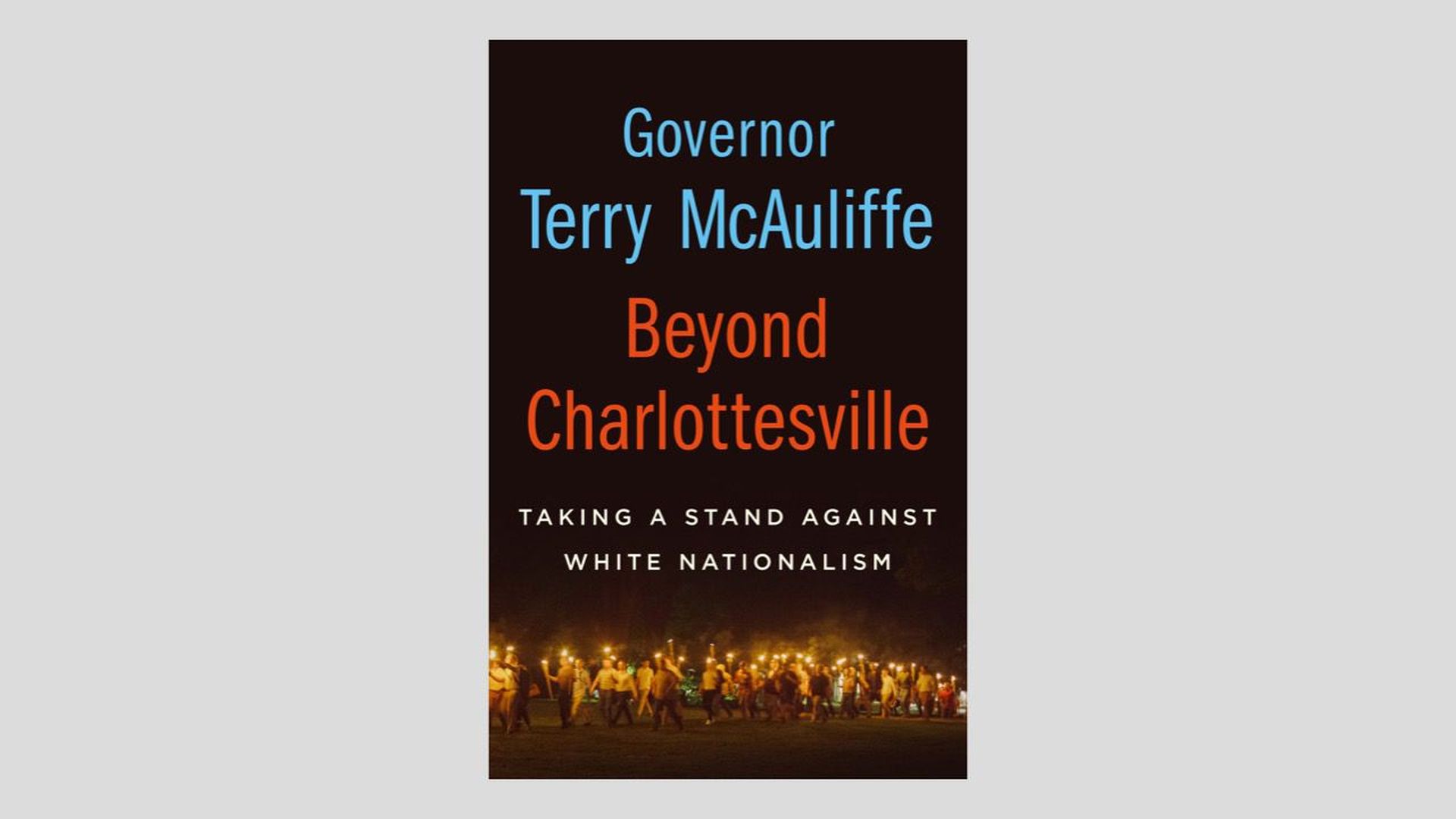
Terry McAuliffe remembered the "Operator 1" calls from the days when President Bill Clinton would ring him at 1 a.m.
Now, McAuliffe was Virginia's 72nd governor. President Donald Trump was calling about the racist violence that had exploded that day in Charlottesville.
Bipartisanship is tough to come by inside Congress, but two formerly powerful House members are finding it on the outside.
Driving the news: Former congressmen Bill Shuster of Pennsylvania and Joe Crowley of New York, who have known each other for about 20 years, plan to work together in lobbying and government-relations.
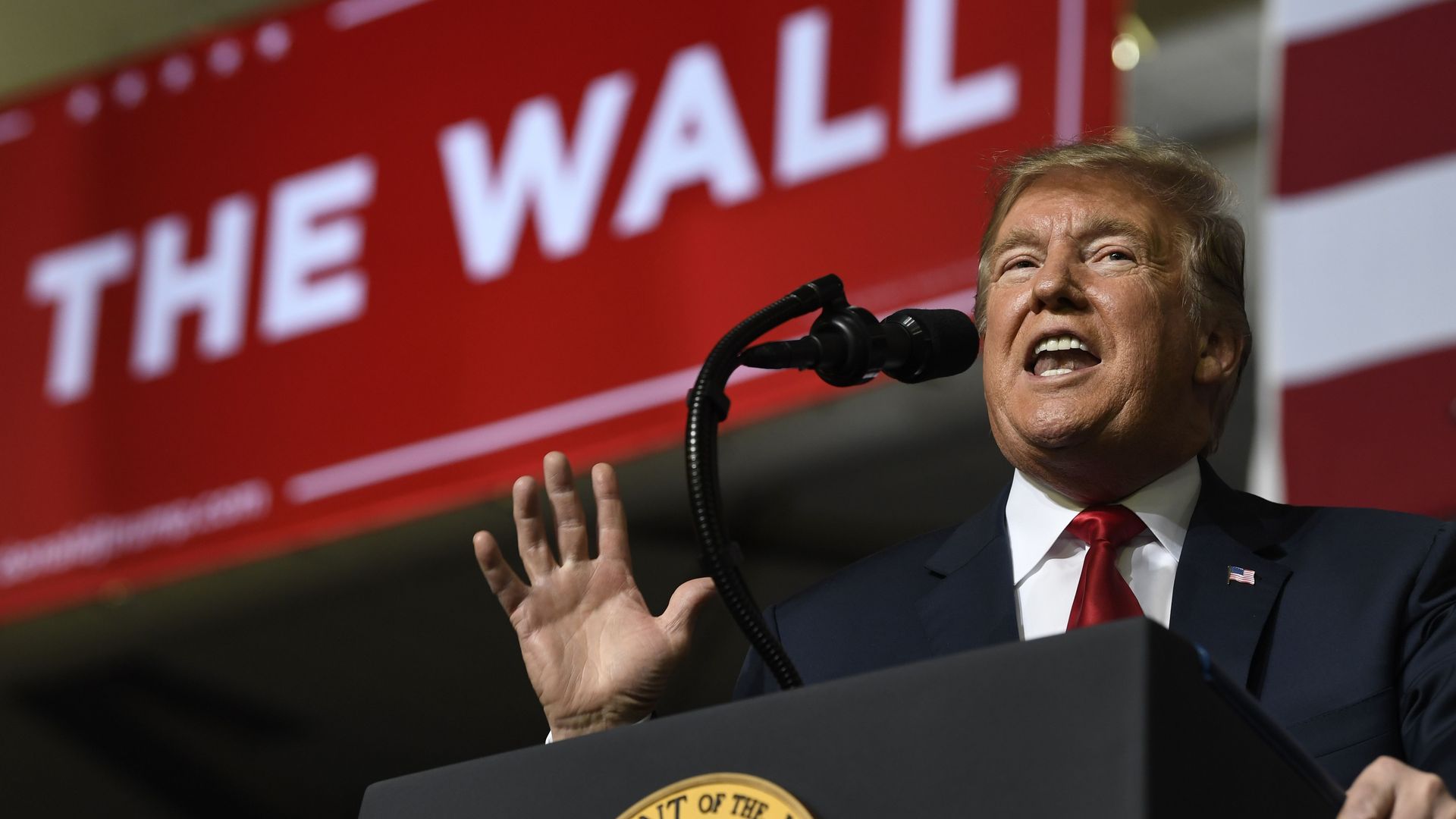
President Trump liked the idea of declaring a national emergency because it's the maximalist, most dramatic option.
Between the lines: Trump never gravitates towards complexity. And the reprogramming of funds to allow more wall spending, without declaring an emergency, would have been complicated to explain to voters.