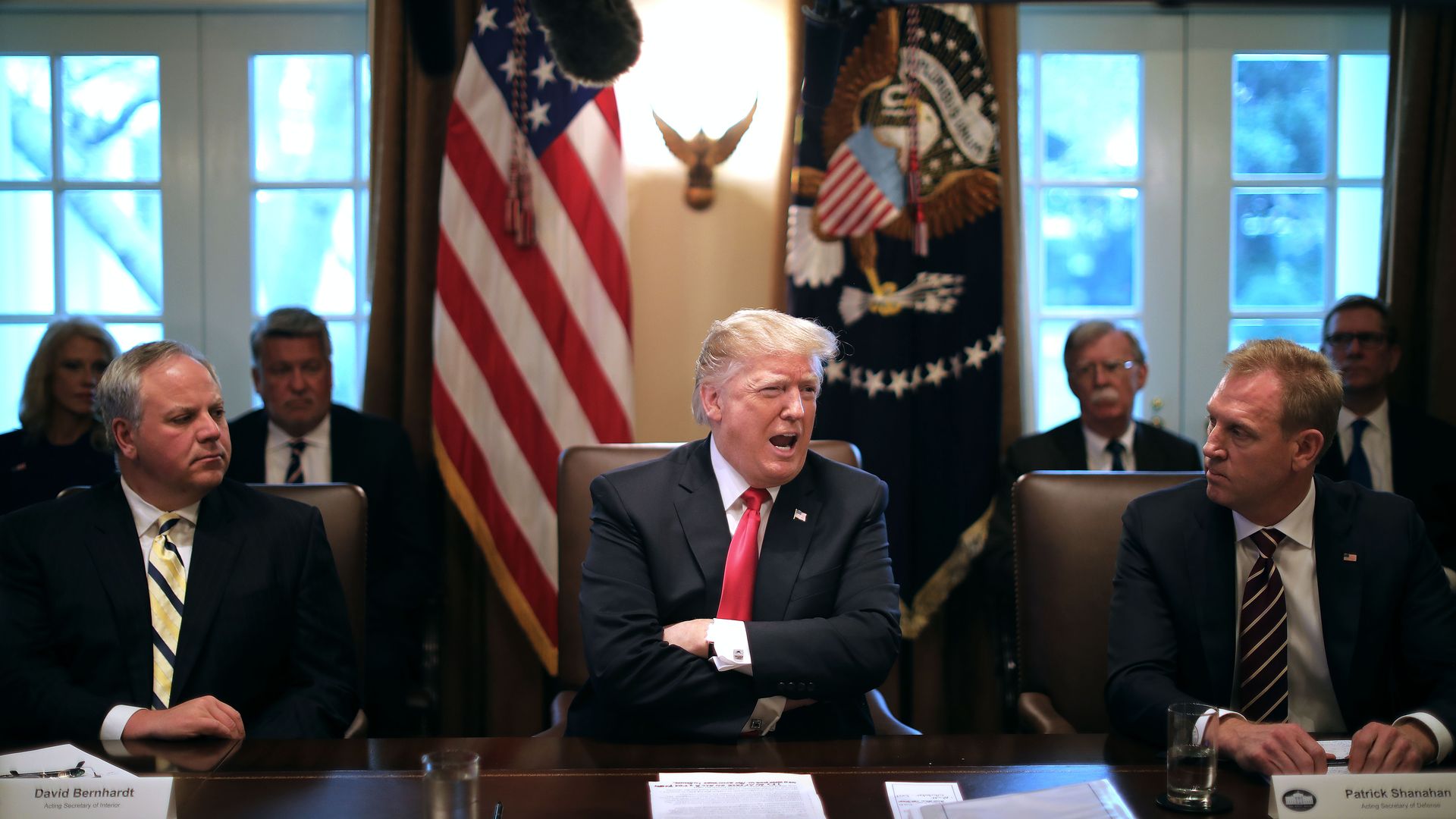
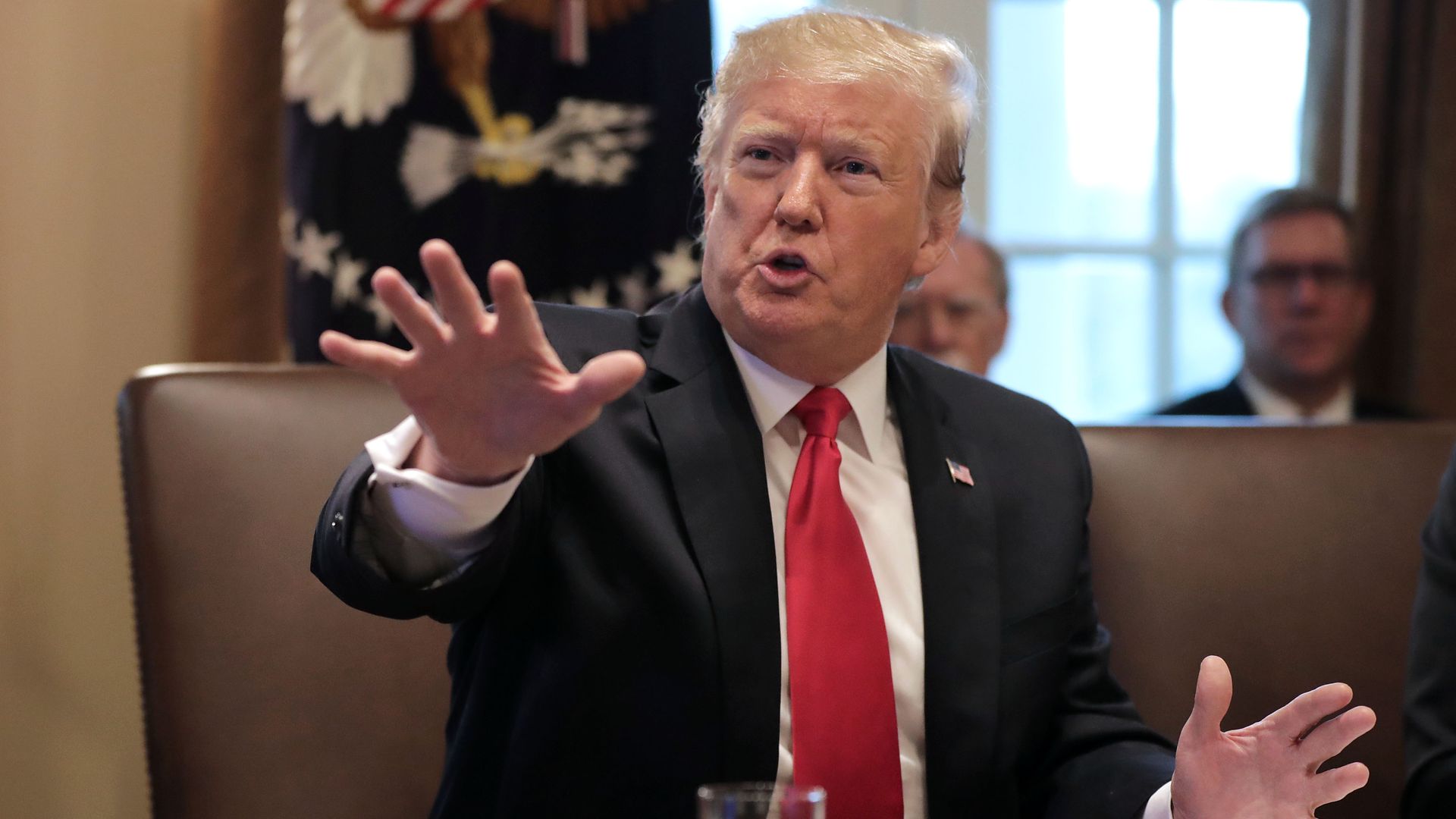
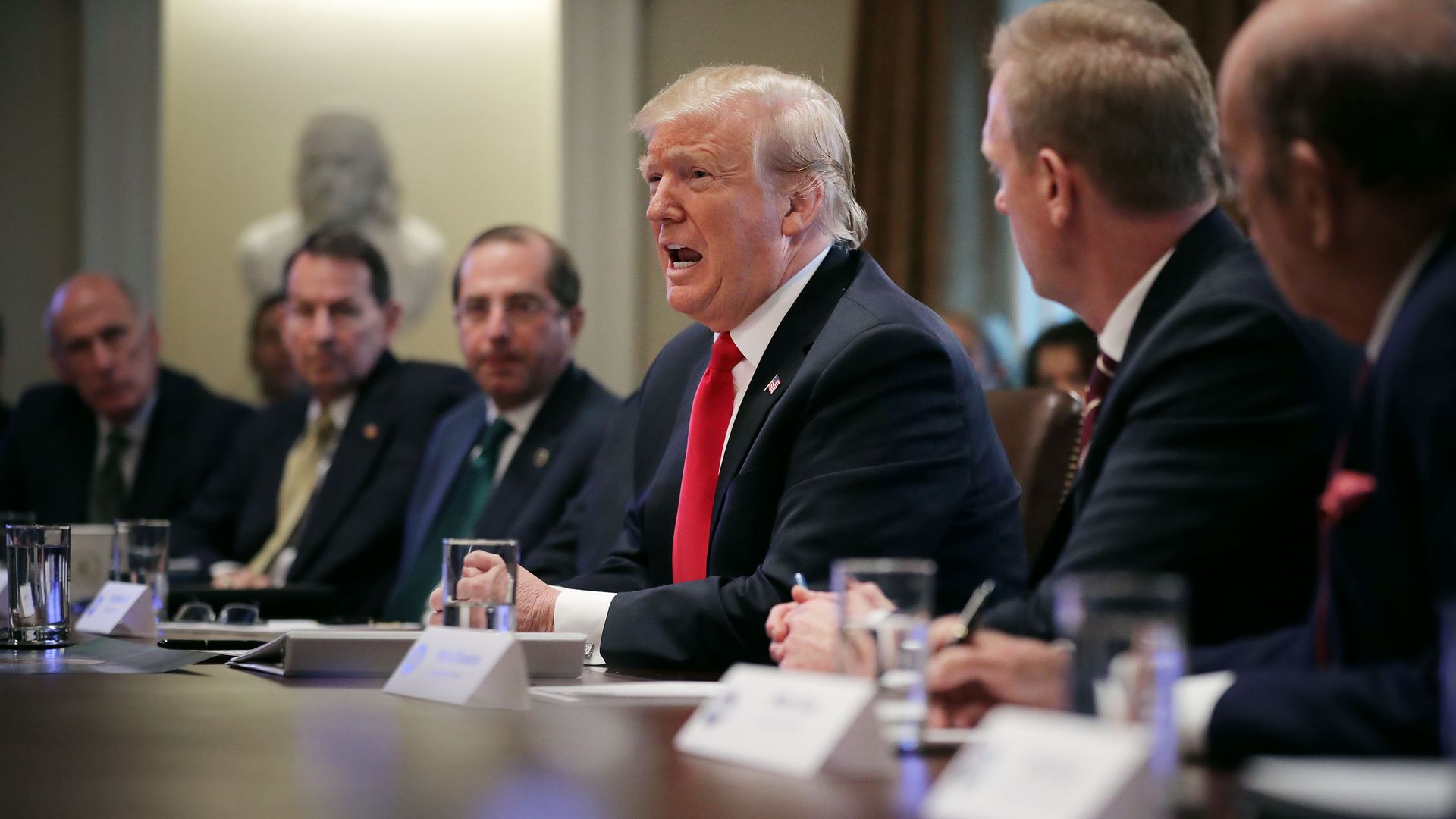
President Trump significantly raised his rhetoric on the government shutdown today, vowing to keep it closed for "years" if needed and even invoking the idea of declaring a national emergency to build the wall.
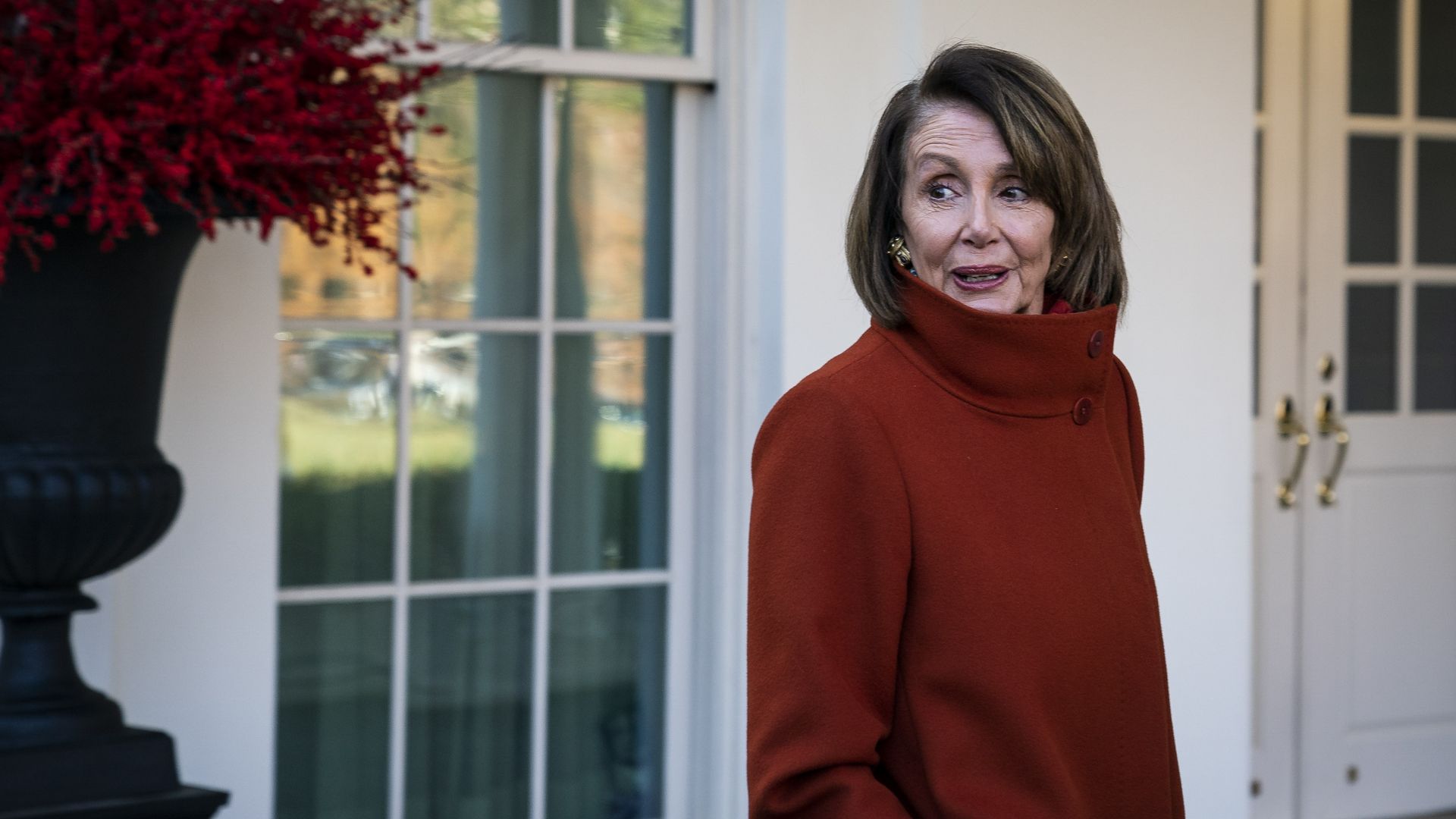
Background: House Speaker Nancy Pelosi on Wednesday: "How many more times can we say no? Nothing for the wall."
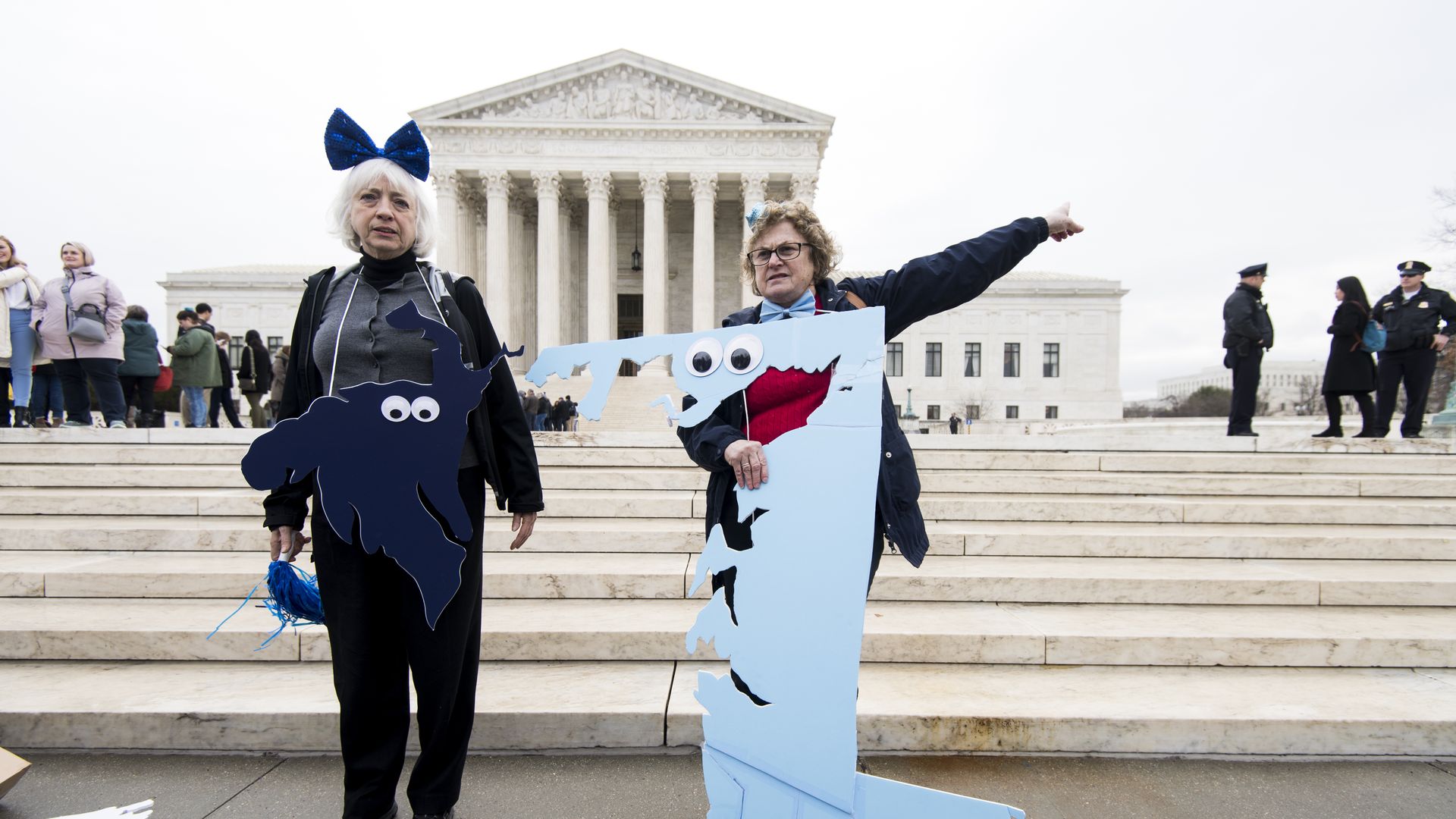
The Supreme Court added partisan gerrymandering cases in North Carolina and Maryland to its docket on Friday, giving the justices yet another opportunity to determine whether electoral maps warped by politics may cross a constitutional line.
Why it matters: The high court has never struck down a gerrymandered election map as unconstitutional, and it punted on opportunities to do so last this year. A ruling against the practice of lawmakers drawing maps to unduly favor one political party would reshape American politics and play a crucial role in determining future control of the House.
President Trump confirmed an ABC News scoop during a press conference Friday afternoon, telling reporters he has considered declaring a national emergency in order to get funding for the border wall.
Why it matters: Declaring a national emergency as a means of circumventing Congress would prompt significant backlash from Democrats, who would likely view it as an overreach of power. Trump has reportedly considered diverting funds from the Department of Defense and other sources as one of several options he's weighing in order to end the current border wall impasse, according to ABC.
Following a meeting with congressional leaders at the White House, President Trump confirmed to reporters that he said he would be willing to keep the government shut down for "a very long period of time, months or even years."
Why it matters: As Axios' Jonathan Swan reported last April, those who work most closely with Trump say he's a one-trick pony in negotiations. That trick is to threaten the outrageous, ratchet up the tension, amplify it with tweets and taunts, and then compromise on fairly conventional middle ground. Nonetheless, the White House and congressional leadership emerged from yet another meeting without a solution to the government shutdown.
Cabinet secretaries, Vice President Mike Pence and other top political appointees in the Trump administration will receive pay raises of about $10,000 per year beginning Saturday, the Washington Post reports.
Between the lines: The pay hikes are a consequence of the partial government shutdown, since an existing freeze on raises for top federal executives expired when Congress failed to pass a spending bill in December. The $10,000 hikes will come into effect a week after President Trump signed an executive order eliminating raises for normal federal workers, while about 800,000 government employees continue to go without any pay at all due to the shutdown. Pence said Friday he won't accept his raise if the government is still shut down.
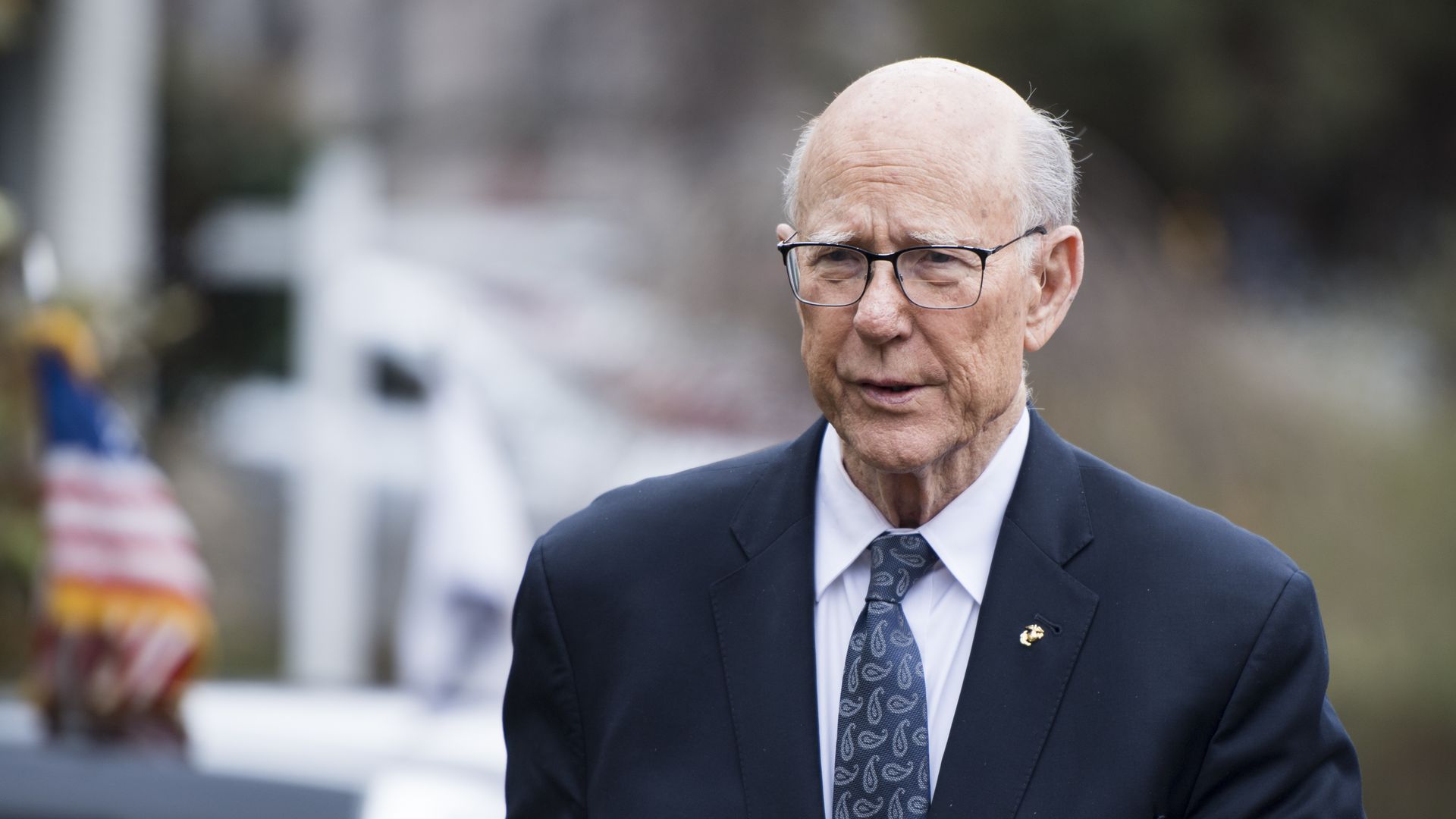
Sen. Pat Roberts (R-Kan.) announced Friday he will not be seeking re-election in 2020.
Why it matters: Roberts is the chairman of the Senate Agriculture Committee and recently helped pass an $867 billion farm bill approved by every Senate Democrat — a significant bipartisan achievement, per the Washington Post. He will retire in 2020 alongside Sen. Lamar Alexander (R-Tenn.), another long-serving Republican senator who has announced he will not seek re-election.
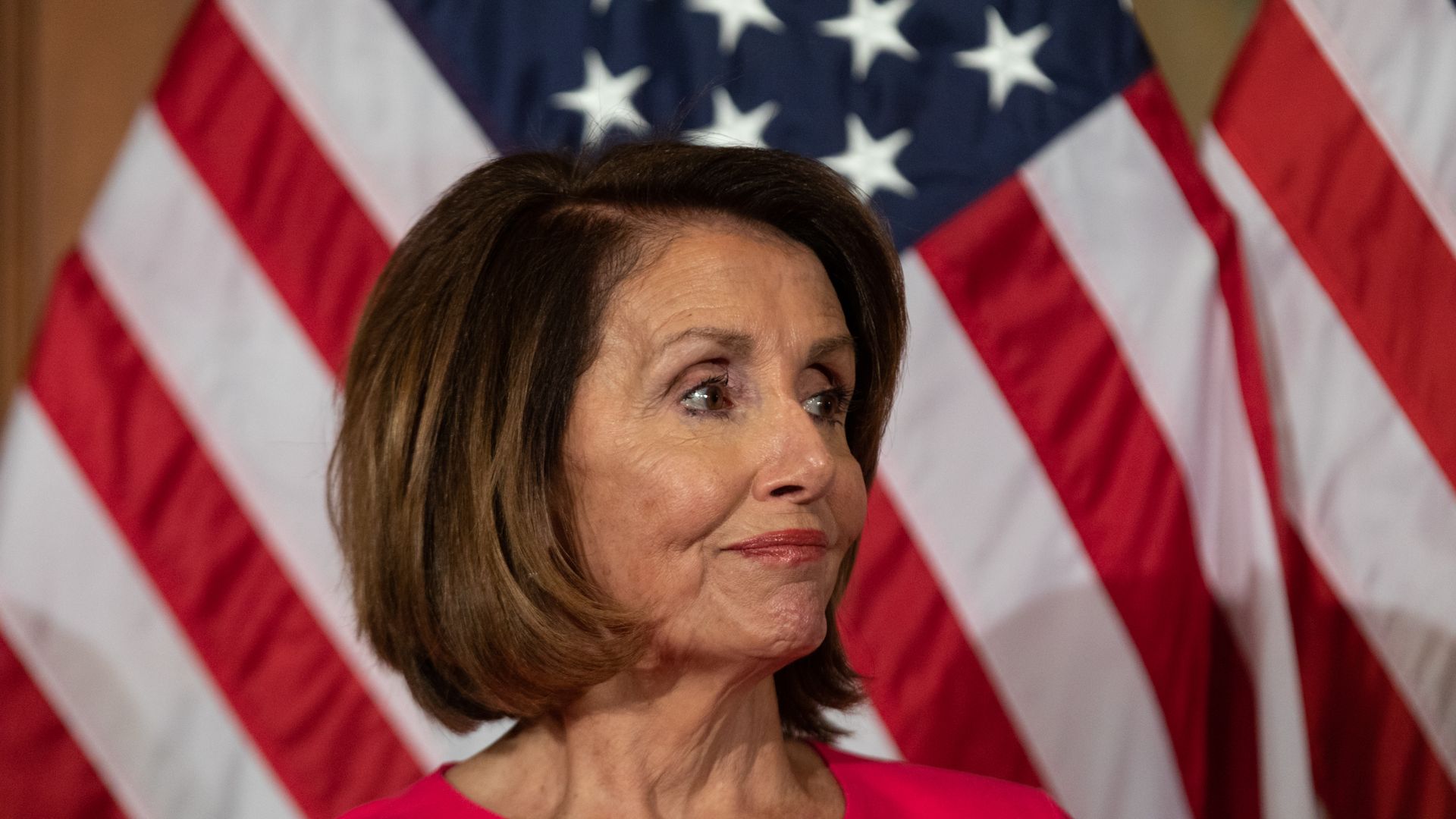
Speaker of the House Nancy Pelosi stopped short on Friday of endorsing some of her younger colleagues' calls for impeachment of President Trump, saying it's a "very divisive approach" that shouldn't be taken "without the facts," NBC News reports.
The big picture: In a speech to supporters Thursday night, freshman Rep. Rashida Tlaib (D-Mich.) said, in reference to Trump, that Democrats are "gonna go in there and we’re gonna impeach the mother***er.” Pelosi told NBC she doesn't "like that language," but that it's "nothing worse that the president has said" and that she will not censor her colleagues.
A human resource employee at the Trump National Golf Club in New Jersey removed the name of an unauthorized immigrant working in the club’s kitchen in 2016 to shield her from Secret Service vetting, the immigrant, Emma Torres, told the NYT.
The trend: This is the latest revelation the Times has reported that provides some evidence that Trump’s club has turned a blind eye to immigration status of its workers, despite Trump's policy goals of limiting undocumented immigration to the U.S.
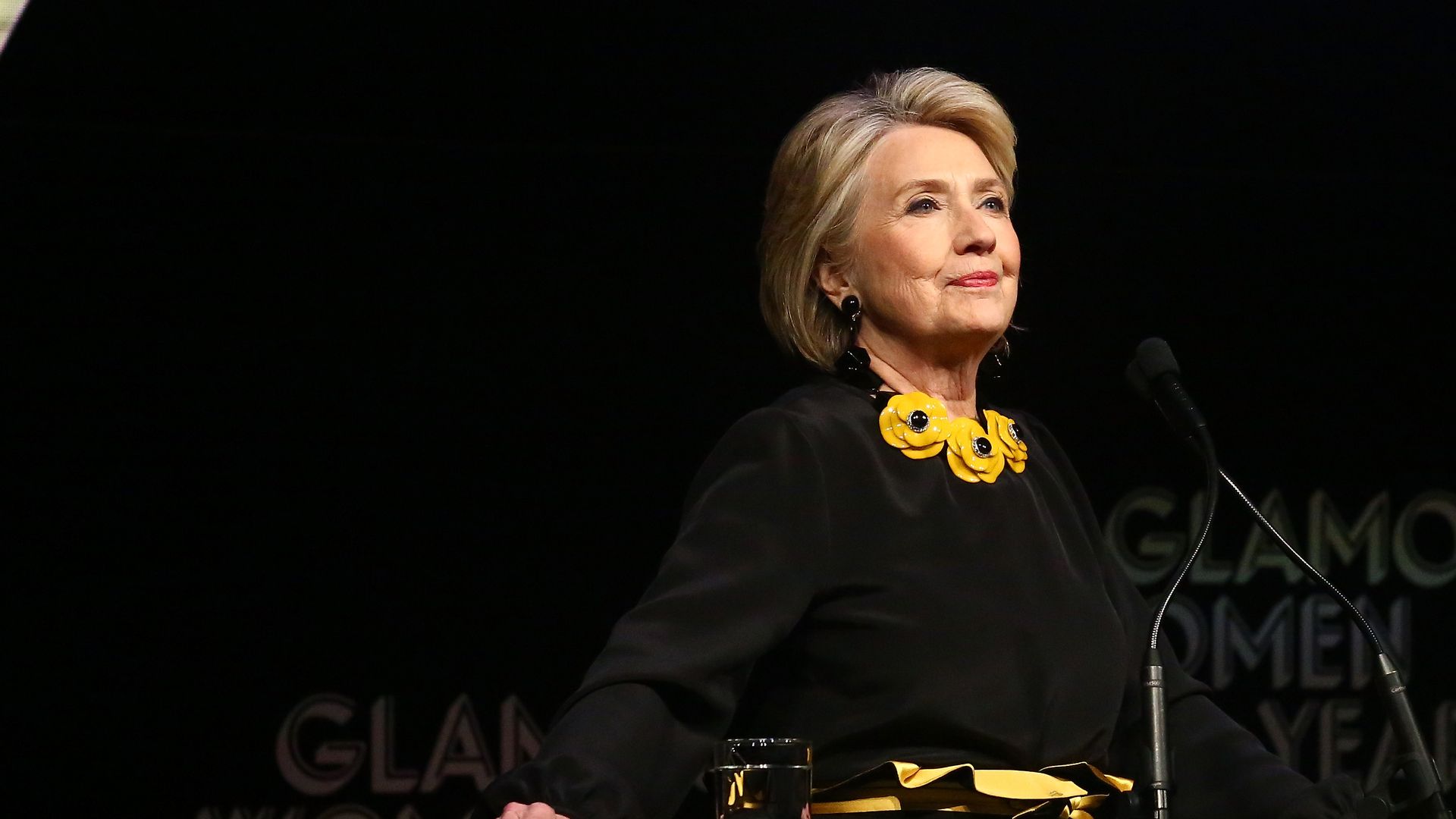
Several possible 2020 candidateshave sought advice from Hillary Clinton, and she has meetings scheduled with additional hopefuls.
Between the lines: Clinton has discussed the next presidential race with Sen. Elizabeth Warren, Sen. Cory Booker, Colorado Gov. John Hickenlooper and L.A. Mayor Eric Garcetti, according to a longtime Clinton confidant.
For the first time in a presidential election, 2020 could see several women running for the White House in the same primary — and that could finally break the cycle of gender-based criticism that plagued Hillary Clinton in 2016, according to conversations with several Democratic campaign veterans and political scientists.
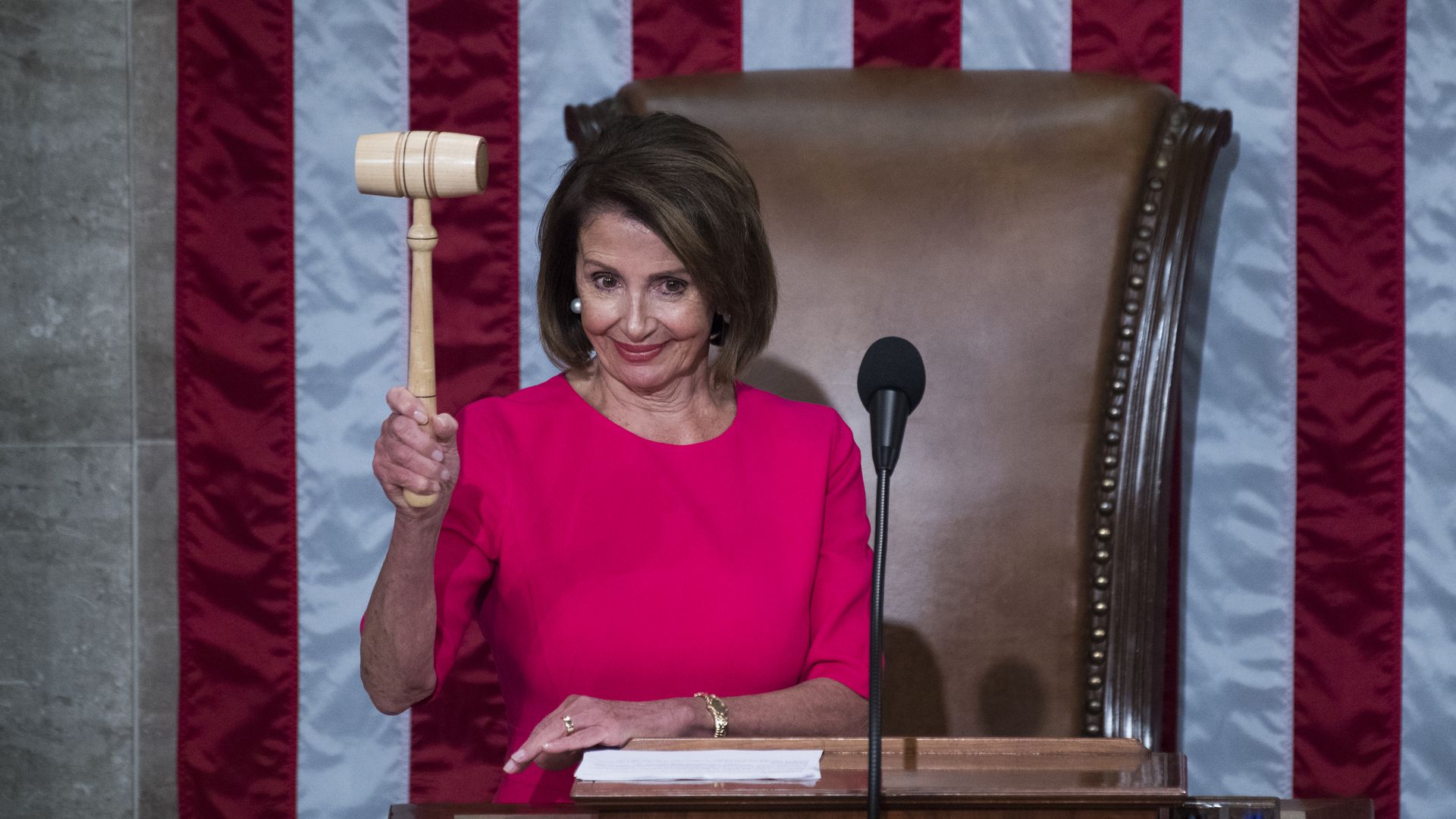
Why it matters: We're fresh off the 2018 "Year of the Woman," Nancy Pelosi just re-claimed the gavel as House speaker, and there could be as many as four Democratic women running for president in 2020. Although female candidates will certainly face some sexist tropes this time around, the political landscape and conversation around women running for higher office has changed since '16.
The House passed a short-term spending package Thursday night that would reopen eight government agencies through September and the Department of Homeland Security through February, but which does not include funding for President Trump's border wall.
Why it matters: The White House issued a statement Thursday formally threatening to veto the Democrats' proposed spending package if it passed. Senate Majority Leader Mitch McConnell has said the Senate won't take up any House spending bill that Trump won't sign.
The House on Thursday evening passed the bulk of a package of Democratic rules changes, which includes the creation of a select committee on climate change and an exemption to a ban on hats that would allow members to wear religious headwear on the floor.
Why it matters: Three progressive Democrats — Reps. Ro Khanna (D-Calif.), Alexandria Ocasio-Cortez, (D-N.Y.) and Tulsi Gabbard (D-Hawaii) — publicly expressed their opposition and voted against the package due to concerns over the pay-as-you-go provision (PAYGO), which requires all new spending bills to be offset by equal cuts or tax increases. Ocasio-Cortez said such a rule would "hamstring progress on healthcare and other legislation."
New Speaker of the House Nancy Pelosi has invited President Trump to deliver a State of the Union address on Jan. 29.
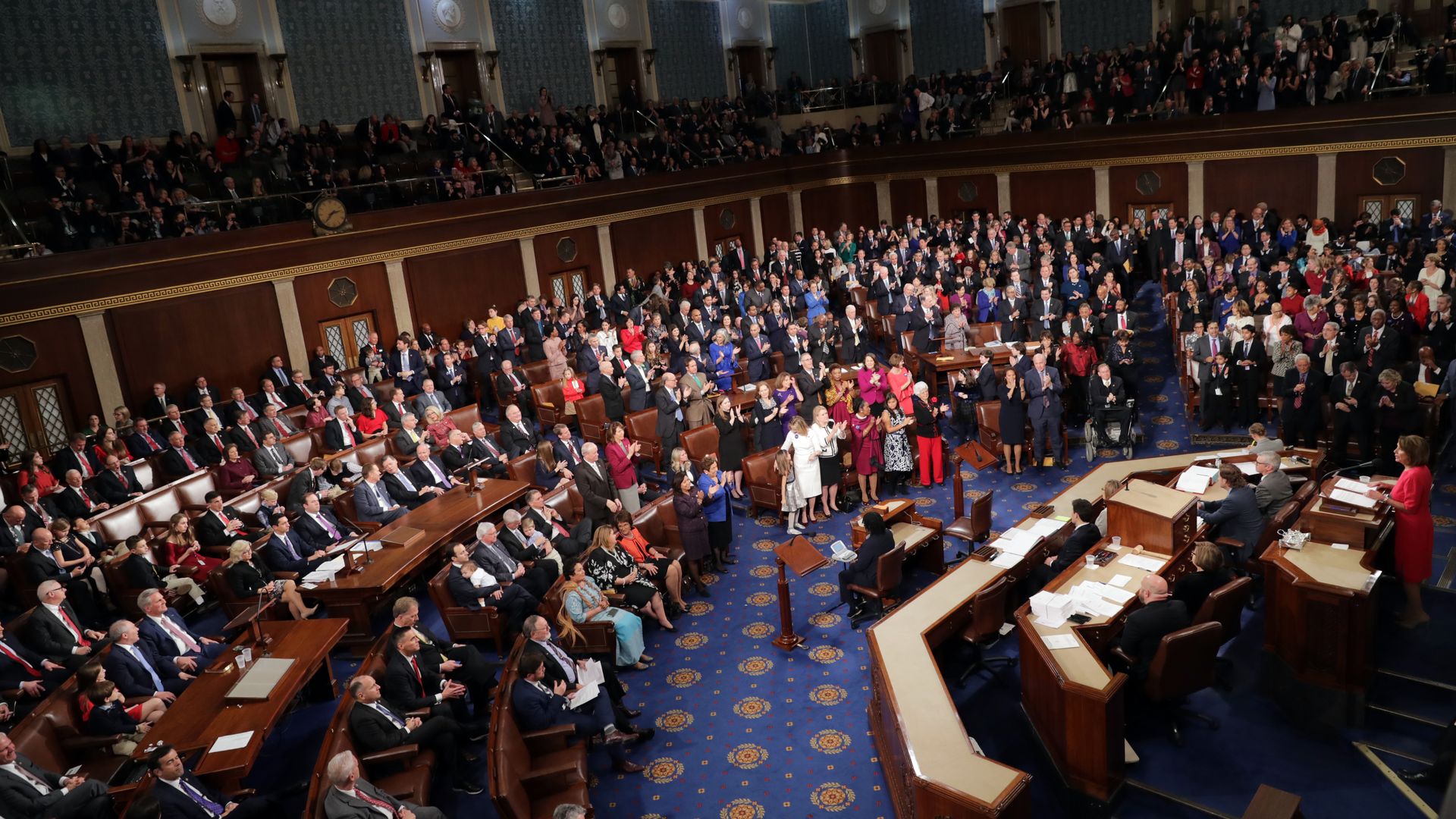
The big picture: The Democrats took control of the House Thursday as the 116th Congress was sworn into office. A partial government shutdown remains in effect and is likely to continue for the foreseeable future as both sides dig in on the issue of funding for President Trump's border wall.