Men who play organized football have higher odds of developing Parkinson's disease or Parkinson's-like symptoms, researchers wrote Friday in the journal JAMA Network Open.
Why it matters: While plenty of attention has been focused on the long-term effects of head injuries in professional football, this study highlights a previously undocumented risk that exists even for those playing at the amateur level who make up the majority of those playing the game.
Between the lines: Researchers led by Boston University examined 1,875 men enrolled in an online study by the Michael J. Fox Foundation.
They concluded a history of playing football was associated with 61% higher odds of having a Parkinsonism or a Parkinson's diagnosis — and that those who played the sport at a higher level were 2.93 times as likely.
The longer one played, the higher the odds of developing a condition, at a rate of 1.12 times as likely per season, researchers wrote.
There are many factors associated with Parkinson's, not all linked with repetitive head impact, they said.
Yes, but: The researchers noted limitations to the study, including the fact that 98% of study participants were white and that researchers relied on self-reporting. Women were excluded due to the low number of participants in tackle football.
Parkinson's disease or Parkinsonism is a motor syndrome characterized by rigidity, tremors and slowness of movement. There's no cure, but medications can help manage the symptoms.
Be smart: Researchers previously linked traumatic brain injuries, as well as repetitive head injuries from boxing, with an increased risk for Parkinson's disease and Parkinsonism.
The 25 drugs that accounted for the highest Medicare Part D spending in 2021 more than tripled in price since they first entered the market, according to a new report from AARP.
Why it matters: The report comes just weeks before the Biden administration is to announce the first 10 Medicare Part D drugs that will be considered for price negotiations under the Inflation Reduction Act, on Sept. 1.
A federal drug discount program for safety-net providers that's been a perennial source of fierce disputes among health care industry powerhouses is back in the spotlight, with billions of dollars at stake.
The big picture: Separate but coinciding issues are generating renewed focus on the decades-old 340B program, which requires that drugmakers give large discounts on outpatient drugs to health care providers serving low-income patients.
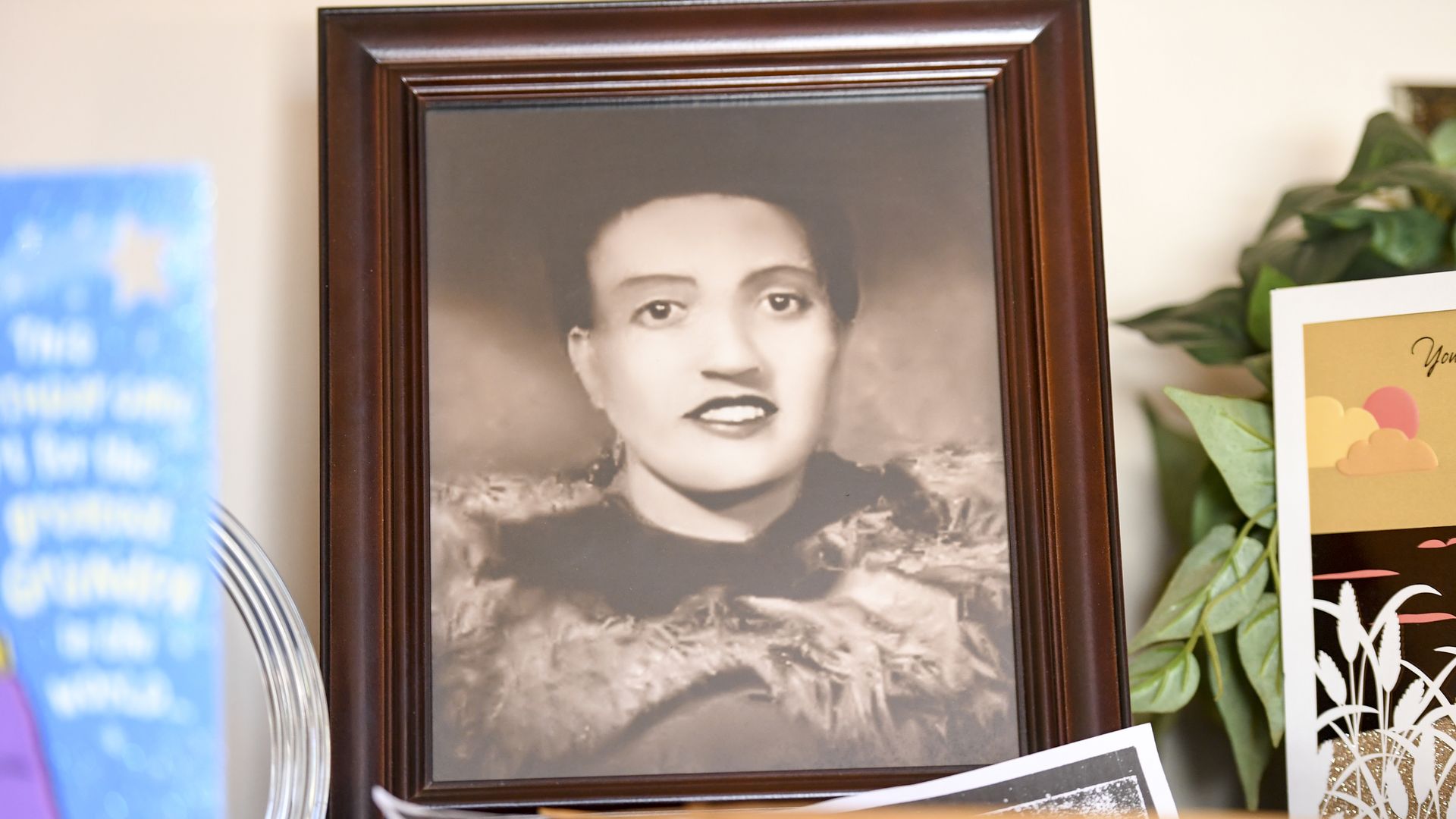
Henrietta Lacks' descendants accused a biopharmaceutical company in a lawsuit Thursday of unjustly profiting from the Black woman's tissue, which was harvested without her knowledge or consent and later used for medical breakthroughs.
State of play: The lawsuit, filed in Baltimore federal court against Ultragenyx Pharmaceutical, comes just over a week after her estate settled with another biotechnology firm it also accused of profiting from the harvesting of Lacks' cells when she was being treated for cervical cancer in the 1950s.
The Supreme Court on Thursday froze a bankruptcy reorganization plan for OxyContin maker Purdue Pharma that would have shielded members of the Sackler family, who own the company, from civil claims in exchange for paying up to $6 billion to address the U.S. opioid crisis.
Justices will review the agreement and hear arguments in the case in December.
Starting next month, UnitedHealthcare says it will move forward with plans to drop prior authorization requirements for a range of procedures, including dozens of radiology services and genetic tests, among others.
Why it matters: UnitedHealth is among the health insurance giants who have announced plans to cut back on prior authorization as federal regulators consider tougher curbs on the practice.
Danish drugmaker Novo Nordisk has agreed to buy Inversago Pharma, a Montreal-based developer of anti-obesity drugs, for upwards of $1.1 billion in cash.
Why it matters: Novo isn't content to rest on its weight loss laurels, despite the popularity of its Ozempic and Wegovy products.
Why it matters: The principles outlined by the American Psychedelic Practitioners Association aim to bring structure to the field amid rapidly growing interest in incorporating psychedelics like psilocybin and MDMA into mental health treatment.
Health insurers are failing to adequately inform consumers about preventive services they are entitled to receive at no additional cost, according to a new report from consumer representatives to the national trade group for state insurance regulators.
Why it matters: Free coverage of preventive services has been linked to increased cancer screenings, contraceptive use and vaccinations, HHS reported last year.











/2023/08/09/1691600186428.gif?w=3840)