An effort to get the FDA to pull a widely used prescription drug monitoring software package off the market is stoking a broader debate over how much technology is influencing opioid prescribing.
Driving the news: The Center for U.S. Policy says Bamboo Health's NarxCare should be classified a medical device and subject to regulation, because of the way it helps doctors and other providers decide if a patient should get painkillers.
Medical marijuana ignited fiery debates over whether a once-off-limit substance could have positive health effects. But as the Food and Drug Administration advances research into psychedelics like LSD and magic mushrooms, there's little of the same pushback.
Why it matters: It's a sign of howformerly taboo compounds have gained a foothold in the health care market — and how the nation is reevaluating approaches to mental health and the addiction crisis.
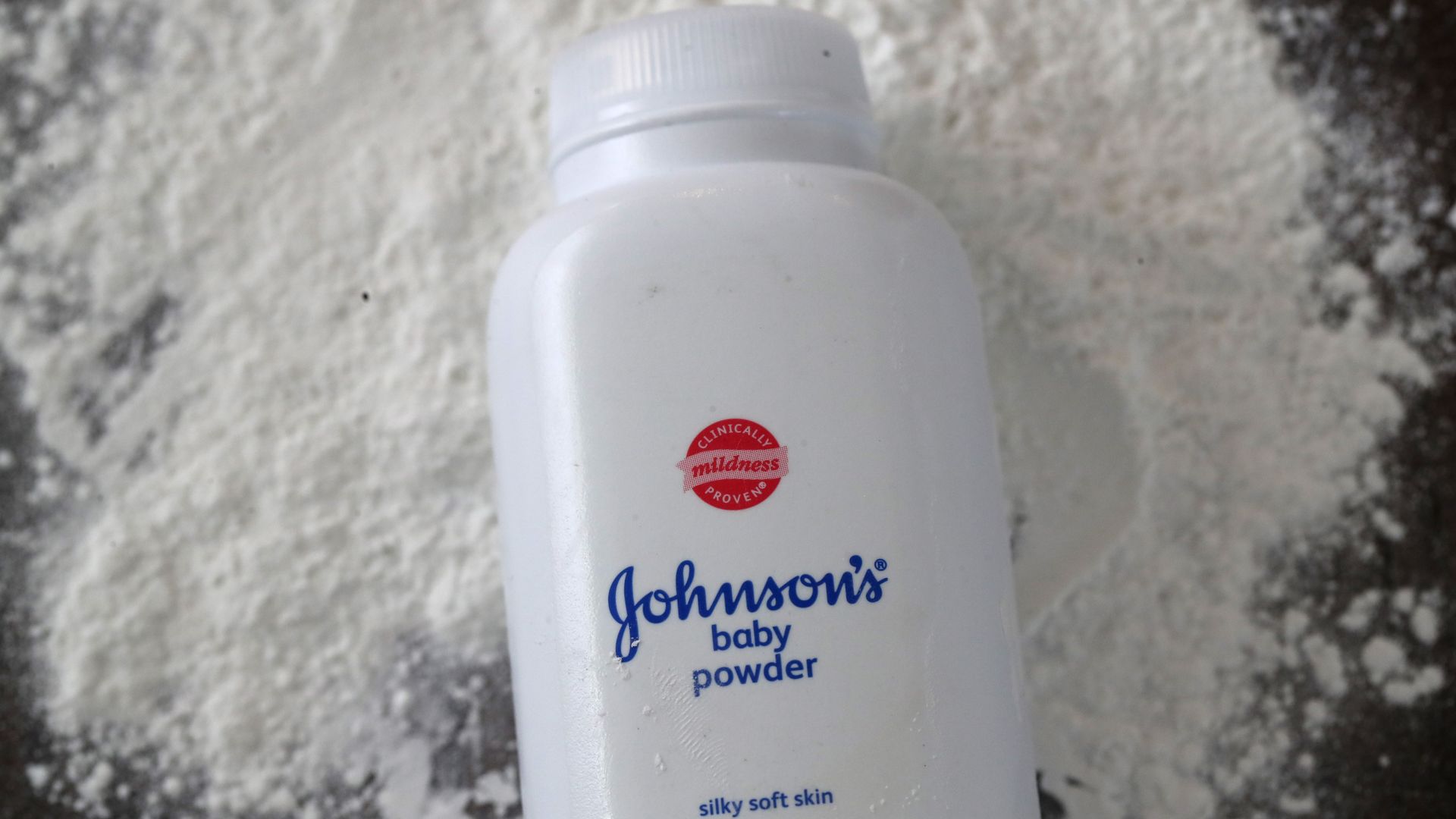
Johnson & Johnson was ordered by a California jury on Tuesday to pay $18.8 million to a man who said in a lawsuit that he developed cancer due to exposure to its baby powder, per Reuters. J&J said it will appeal the decision.
Why it matters: J&J is seeking to settle lawsuits from cancer survivors and their families who allege the company's talc-based powder caused their illness while denying that this is the case.
Johnson & Johnson on Tuesday became the latest drugmaker to go to court to halt Medicare drug price negotiations established by the Inflation Reduction Act.
Why it matters: The lawsuit increases the odds that negotiated prices won't take effect on schedule, beginning in 2026. And the filing in U.S. District Court in Trenton, N.J., also drives up odds of conflicting legal rulings over the law's drug price provisions that could prompt the Supreme Court to review the matter.
More than 7 in 10 nursing homes would not meet a staffing requirement recommended in a 2001 report commissioned by the Centers for Medicare and Medicaid Services, a new KFF analysis shows.
Why it matters: The Biden administration is soon expected to make every facility have enough trained staff to provide high-quality care, though operators say they can't hire enough people in the aftermath of the pandemic.
The push to develop blockbuster weight loss drugs has turned into a two-horse race between Novo Nordisk and Eli Lilly, and the stakes are rising.
Driving the news: Lilly's planned $1.9 billion acquisition of privately held Versanis Bio, announced last week, marked the latest move to revamp obesity care, by potentially giving Lilly access to an experimental drug that acts directly on fat cells without leading to appetite loss.
An experimental Alzheimer's drug from Eli Lilly was shown effective in slowing the disease's progression by about a third — and more so when it was administered as early as possible, when patients only suffered mild cognitive impairment.
Driving the news: The drug giant on Monday released full clinical trial results for its treatment donanemab, which could become the second FDA-approved drug of its kind to receive full approval, and accompanying Medicare coverage.