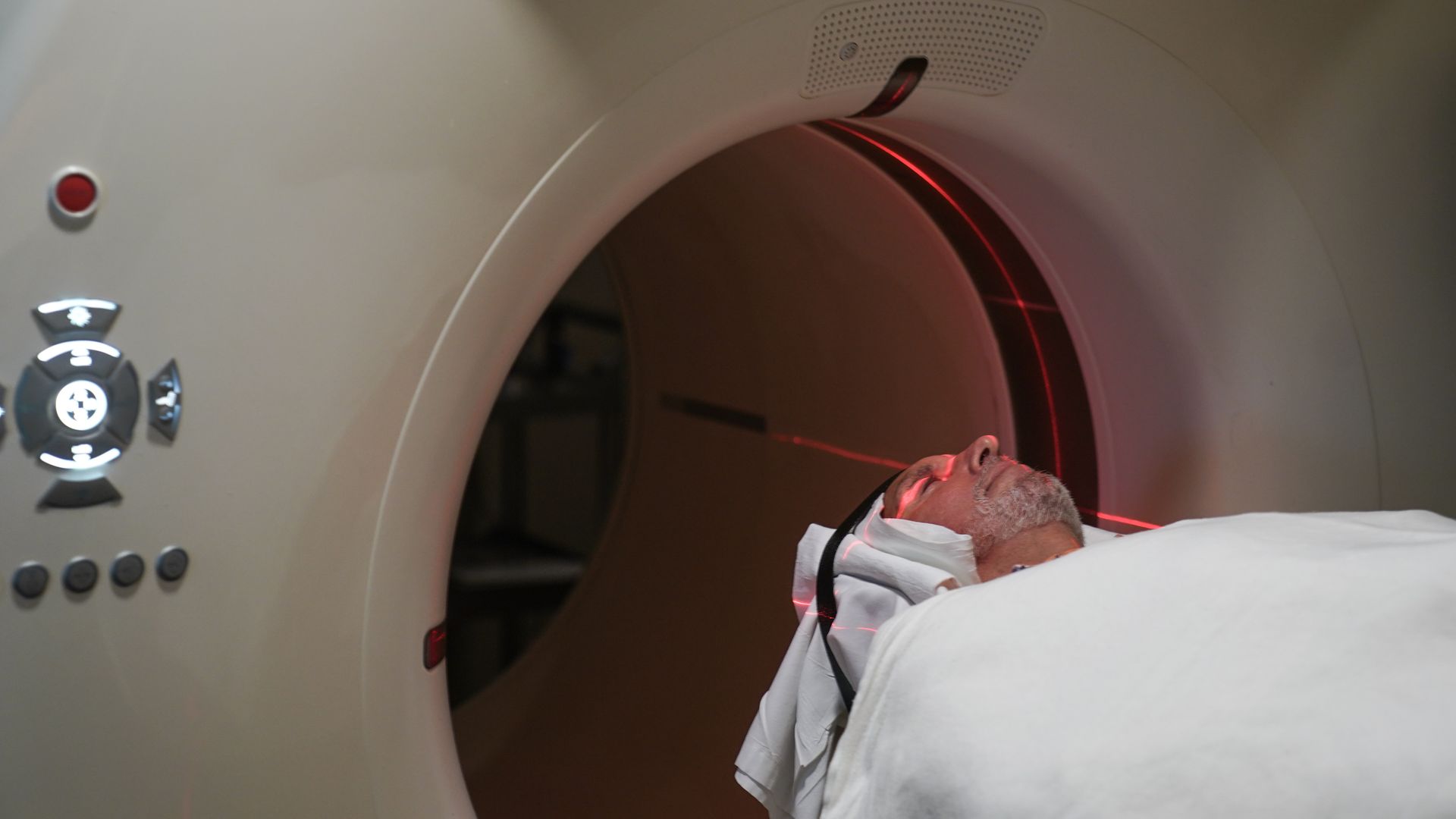
Medicare administrators on Monday proposed loosening rules that limit PET scans to measure a brain plaque in Alzheimer's patients that a promising class of drugs target.
Why it matters: The policy comes amid encouraging results for treatments like Eisai and Biogen's Leqembi, which aim to reduce the amount of amyloid plaques that are believed to contribute to the condition.
The Food and Drug Administration on Monday approved an antibody against respiratory syncytial virus for children one year old and younger, making it the first RSV immunization available for that full age group.
Why it matters: RSV is considered the second leading cause of death during the first year of a child's life, with infants six months and younger at greater risk of becoming severely ill.
The congressional appropriations process is shaping up to be the next battleground over gender-affirming care.
Driving the news: Taxpayer funding of hormone therapies and gender-affirming surgeries would be barred under House Republicans' fiscal 2024 spending bill covering the federal health department, which is moving through Congress.
Rising demand for behavioral care and Medicare outpatient procedures are squeezing some of UnitedHealth Group's business segments but didn't stop the industry giant from beating Wall Street's expectations and posting earnings of $5.47 billion in Q2.
Why it matters: The parent of the biggest U.S. health insurer is a bellwether for broad industry trends. Despite higher-than-expected utilization and concern about how that could drive up health costs, the increases were less than some feared, Reuters reported.
Kids' camp these days isn't just s'mores and swimming. It's multiplication tables and reading comprehension.
Why it matters: Summer camps are incorporating academic and emotional recovery for young students seeing historically low test scores and a widespread mental health crisis.