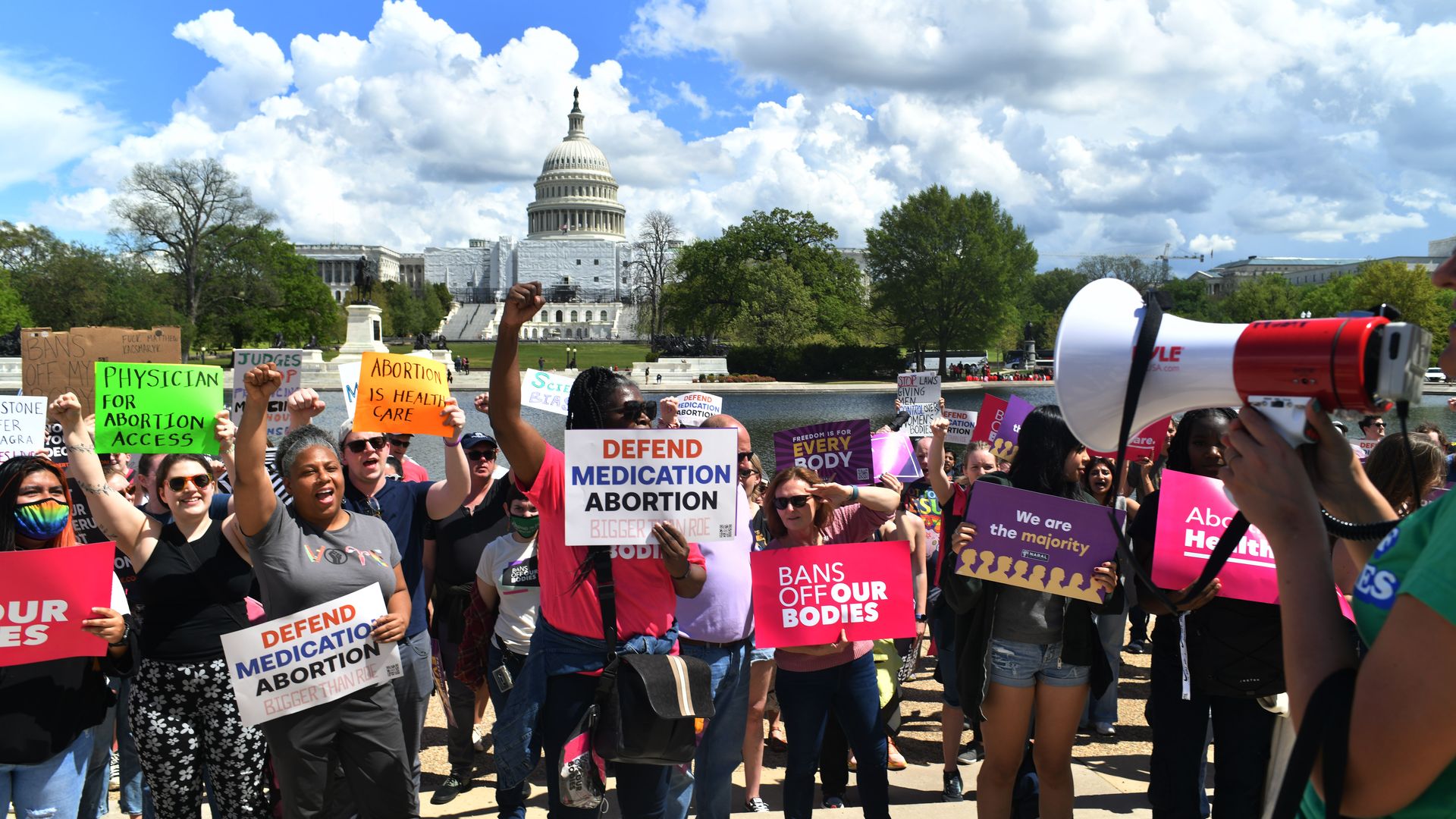
The Oklahoma Supreme Court struck down on Wednesday two state laws banning nearly all abortions, though the procedure still remains largely illegal due to the state's pre-Roe ban.
Driving the news: The state's high court ruled in the 6-3 decision that the state's 2022 near-total abortion ban and a six-week ban as unconstitutional because they interfere with the "inherent right to terminate a pregnancy to preserve the woman's life."
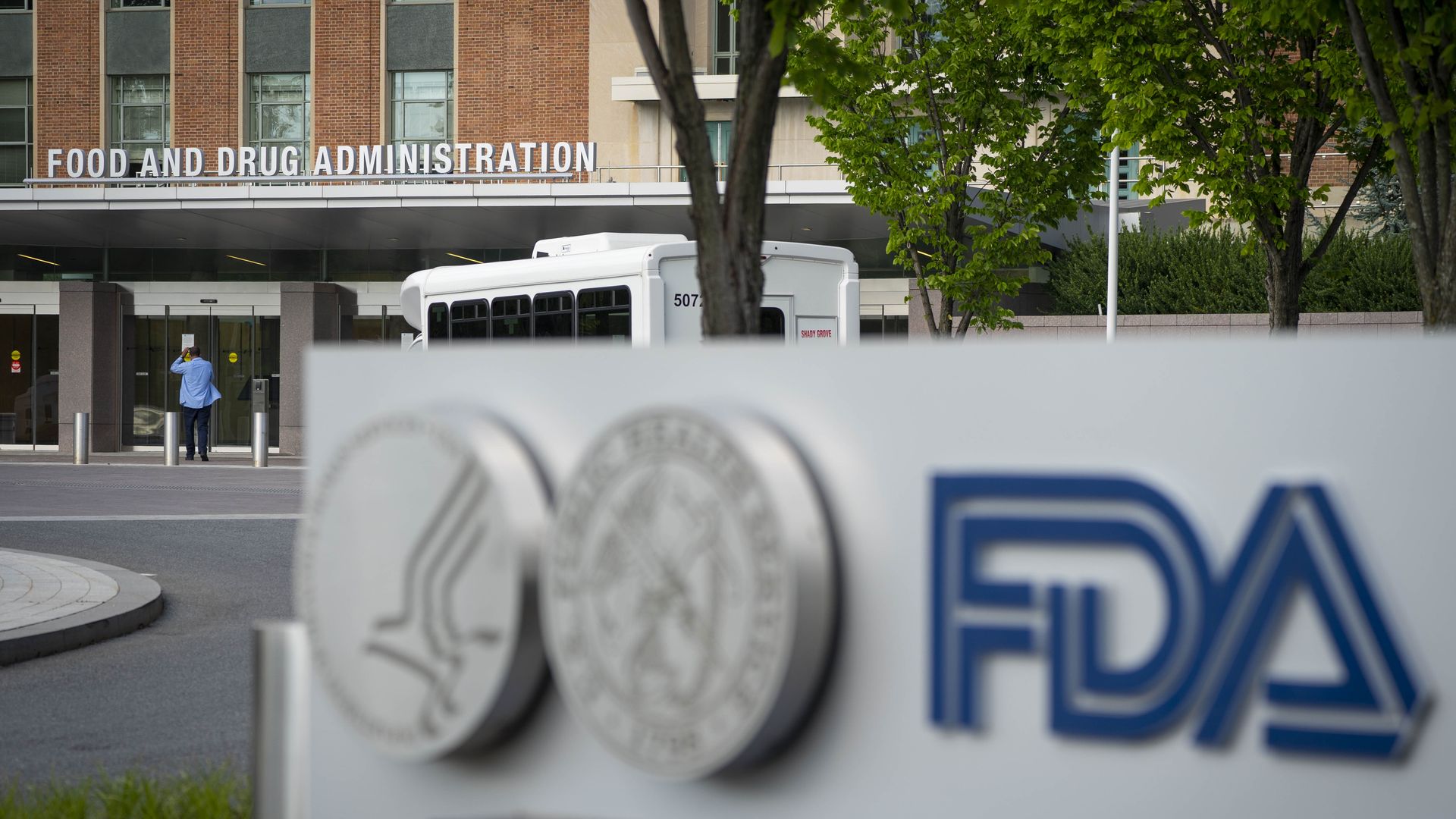
The Food and Drug Administration on Tuesday proposed overhauling the paper inserts that come with prescription drugs so that risks and safety information are summarized on a single page.
Why it matters: The agency said existing medication guides, or patient package inserts, can be cumbersome and confusing and lead patients to stop taking their drugs, or not take them as directed.
A federal appeals court on Tuesday potentially laid the groundwork for corporations to avoid legal exposure in future opioid lawsuits through a technicality in bankruptcy law.
Driving the news: The New York-based 2nd U.S. Circuit Court of Appeals ruled that, as part of a proposed bankruptcy settlement, members of the Sackler family who own OxyContin maker Purdue Pharma could be shielded from current and future civil claims in exchange for paying up to $6 billion and giving up control of the company.
After years of failed attempts at finding a vaccine against respiratory syncytial virus, researchers are getting closer to soon offering some sort of protection for older adults who are particularly susceptible to the disease.
Driving the news: The Food and Drug Administration today is expected to approve Pfizer's RSV vaccine for people 60 and older, potentially making it the second authorized RSV shot in the U.S.
Former first lady Rosalynn Carter, 95, has been diagnosed with dementia, the Carter Center announced Tuesday.
Driving the news: "She continues to live happily at home with her husband, enjoying spring in Plains and visits with loved ones," the Carter's charity said in a statement.
Artificial intelligence may be grabbing headlines, but another technology revolution is finally starting to take place within the walls of hospitals: the switch to 5G.
Why it matters: While most consumers still think about cellphone speeds when it comes to fifth-generation wireless networks, they could be game changers in enabling "smart" hospitals, along with intelligent grids and transportation systems.
Democrats beat back efforts to attach Medicaid work requirements to a debt limit deal, but the agreement reached over the weekend will claw back about $30 billion of unspent COVID relief funds and likely bring more budget austerity to federal health agencies.
Why it matters: GOP negotiators had increasingly insisted that Medicaid work requirements needed to be part of the deal, but Democrats were aggressively against such measures.
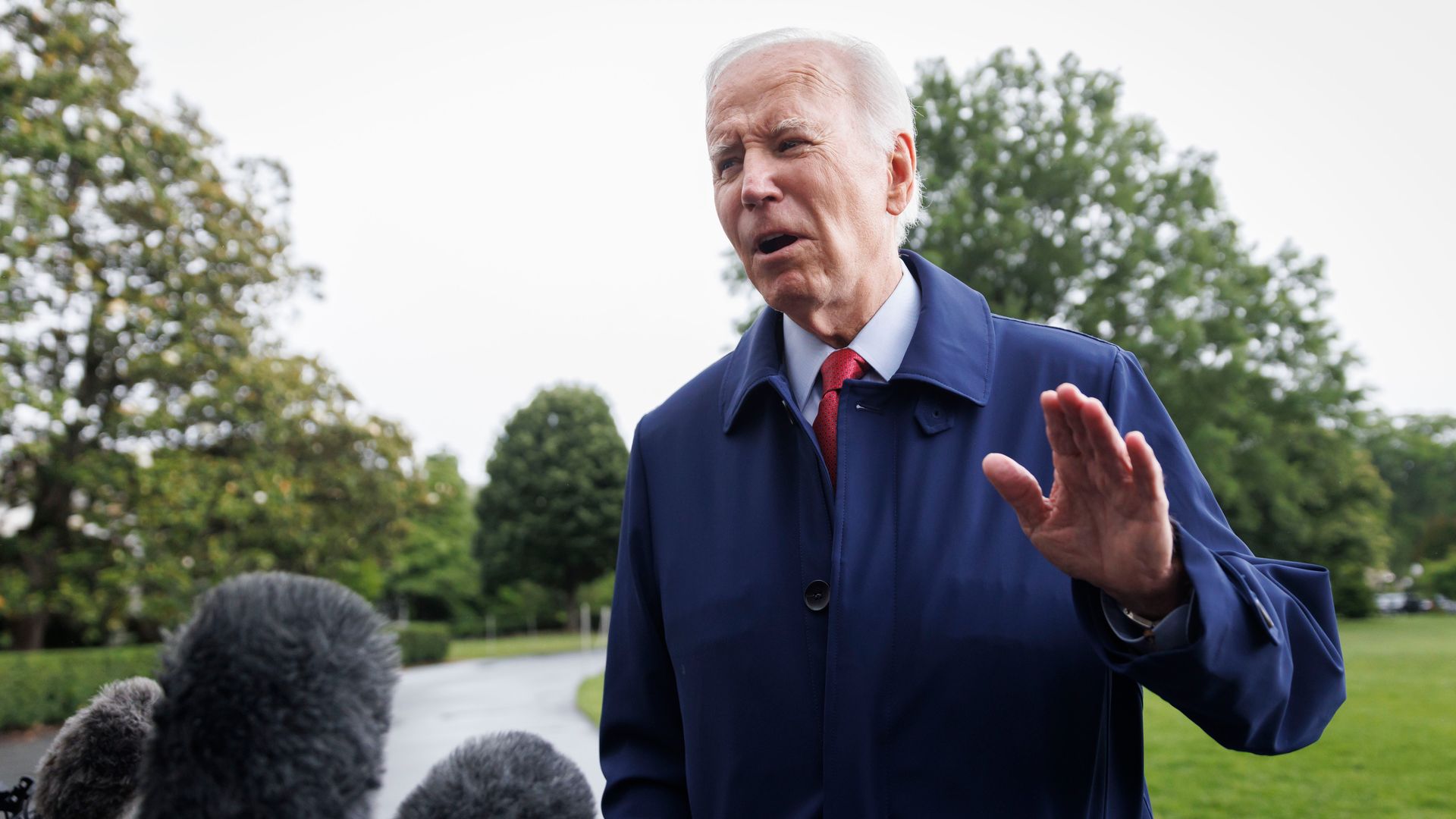
President Biden on Monday called for the "immediate repeal" of Uganda's severe new anti-gay law and warned he may impose sanctions and other penalties in response.
Driving the news: Ugandan President Yoweri Museveni signed legislation Monday that Human Rights Watch notes criminalizes "merely identifying" as LGBTQ and imposes severe punishments for violations related to same-sex relations, including the possibility of the death penalty.