Former first lady Rosalynn Carter, 95, has been diagnosed with dementia, the Carter Center announced Tuesday.
Driving the news: "She continues to live happily at home with her husband, enjoying spring in Plains and visits with loved ones," the Carter's charity said in a statement.
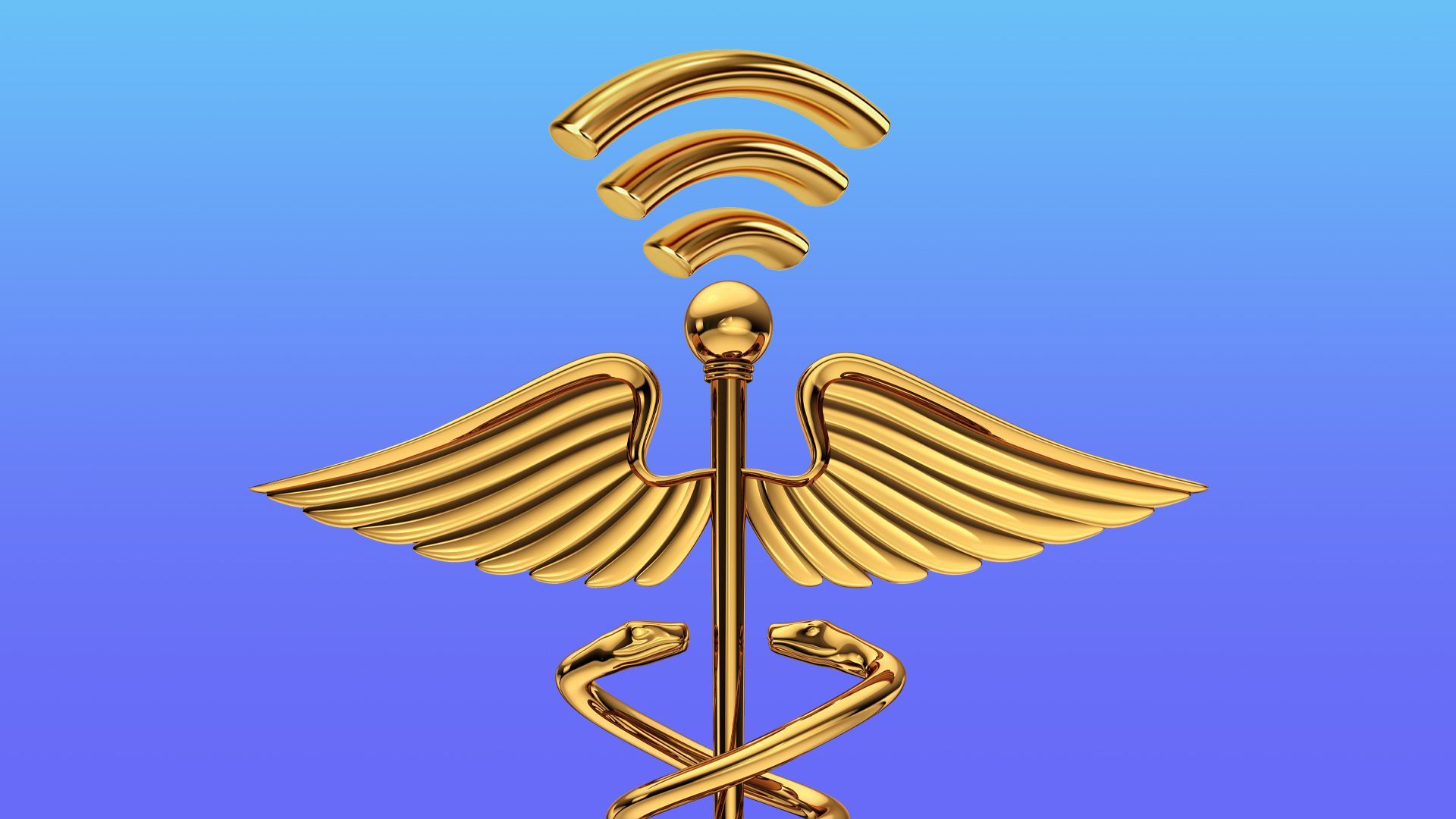
Artificial intelligence may be grabbing headlines, but another technology revolution is finally starting to take place within the walls of hospitals: the switch to 5G.
Why it matters: While most consumers still think about cellphone speeds when it comes to fifth-generation wireless networks, they could be game changers in enabling "smart" hospitals, along with intelligent grids and transportation systems.
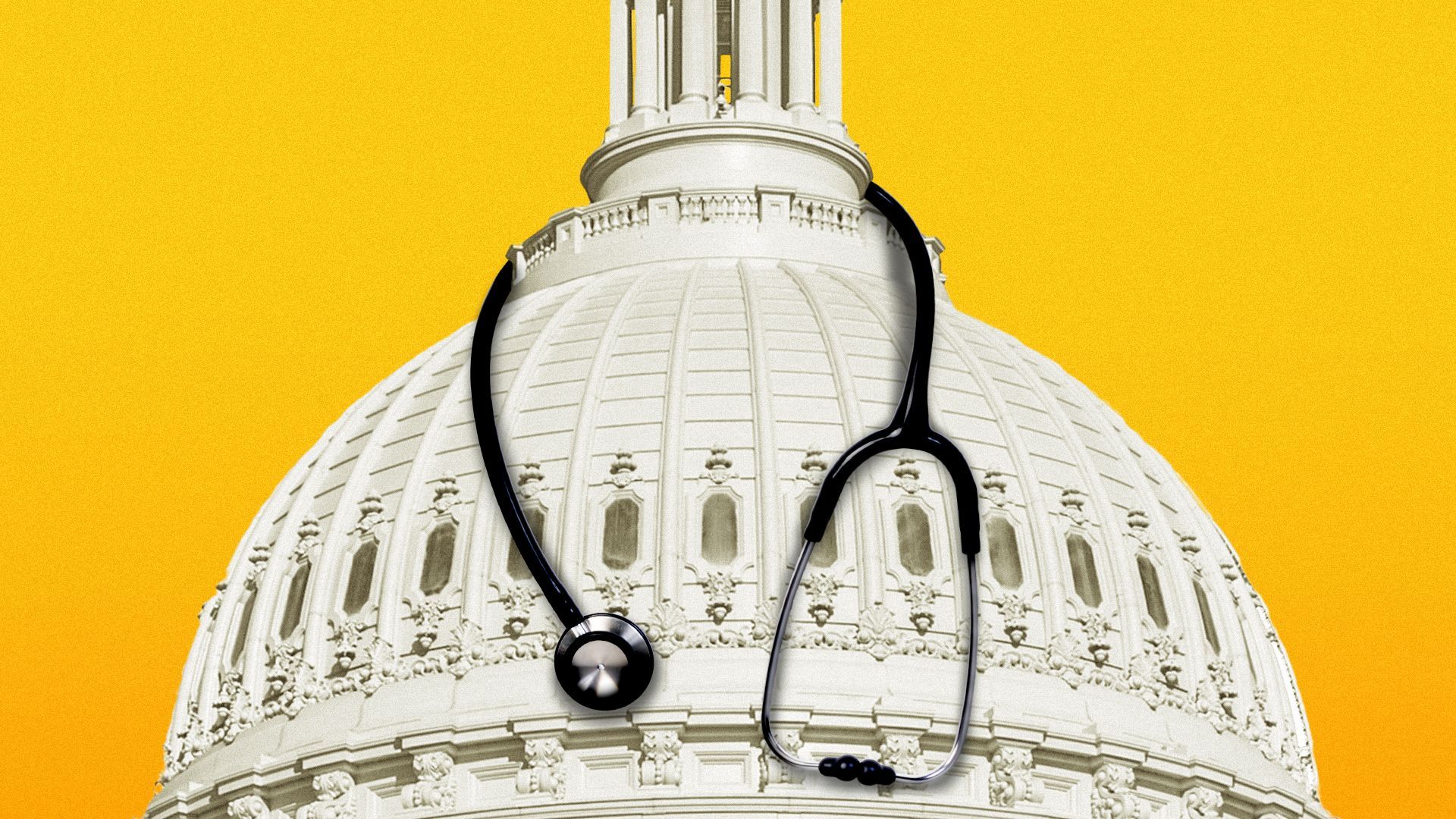
Democrats beat back efforts to attach Medicaid work requirements to a debt limit deal, but the agreement reached over the weekend will claw back about $30 billion of unspent COVID relief funds and likely bring more budget austerity to federal health agencies.
Why it matters: GOP negotiators had increasingly insisted that Medicaid work requirements needed to be part of the deal, but Democrats were aggressively against such measures.
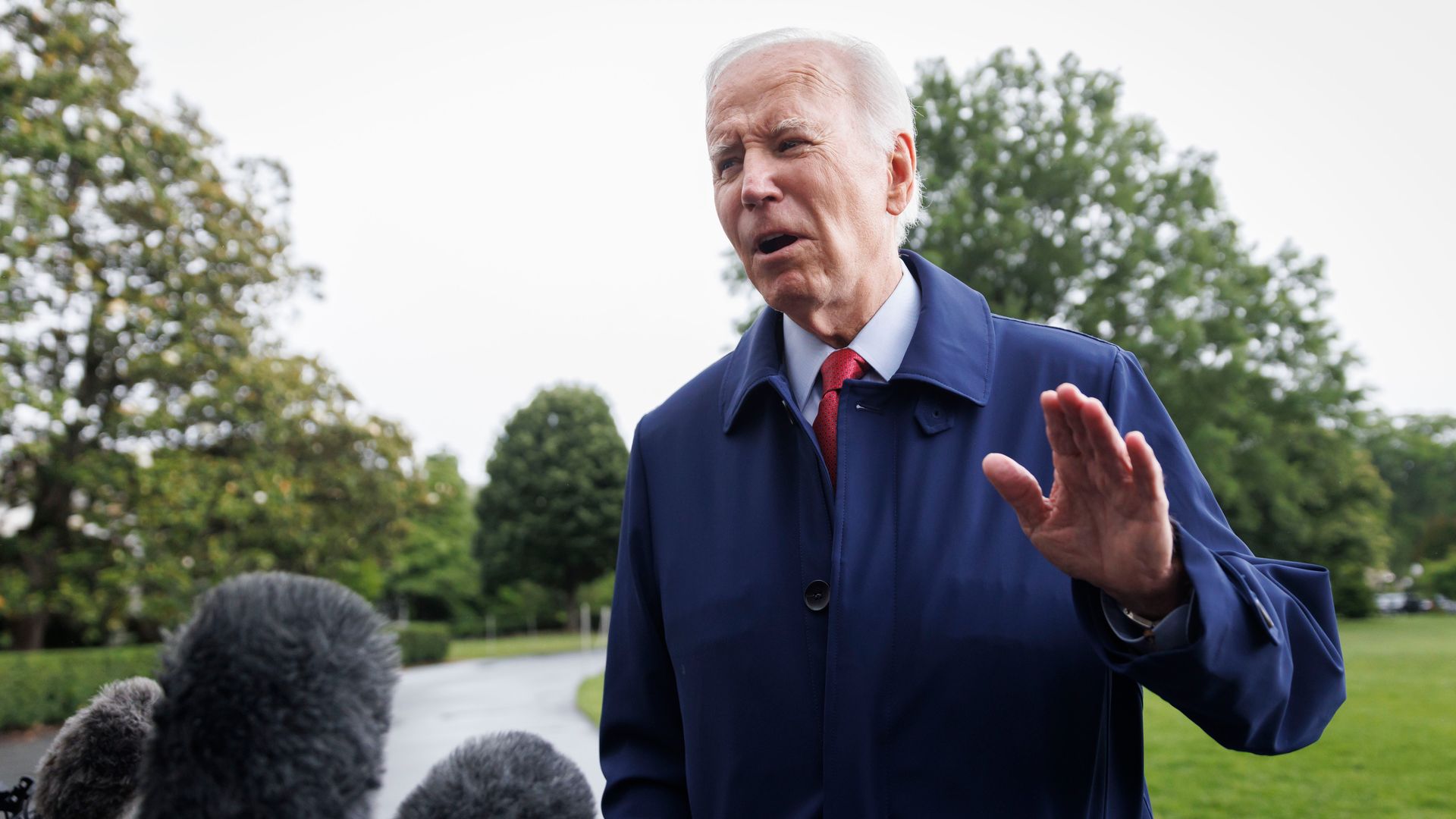
President Biden on Monday called for the "immediate repeal" of Uganda's severe new anti-gay law and warned he may impose sanctions and other penalties in response.
Driving the news: Ugandan President Yoweri Museveni signed legislation Monday that Human Rights Watch notes criminalizes "merely identifying" as LGBTQ and imposes severe punishments for violations related to same-sex relations, including the possibility of the death penalty.
Americans who've long wanted to put COVID in the rearview mirror are actively embracing the idea the pandemic is over. For the first time, the majority of the public agrees the crisis has passed, according to the Axios-Ipsos American Health Index.
Why it matters: Increasingly booked restaurants, packed bars and crowded fitness centers in some areas are a testament to how routines influenced by COVID are gradually returning to pre-pandemic norms.