Twenty-six crew members and one passenger on a Carnival cruise that arrived in Belize this week tested positive for the coronavirus, according to the Belize Tourism Board.
State of play: The board said that everyone who tested positive was put in isolation, adding those who were vaccinated and tested positive were either asymptomatic or had very mild symptoms.
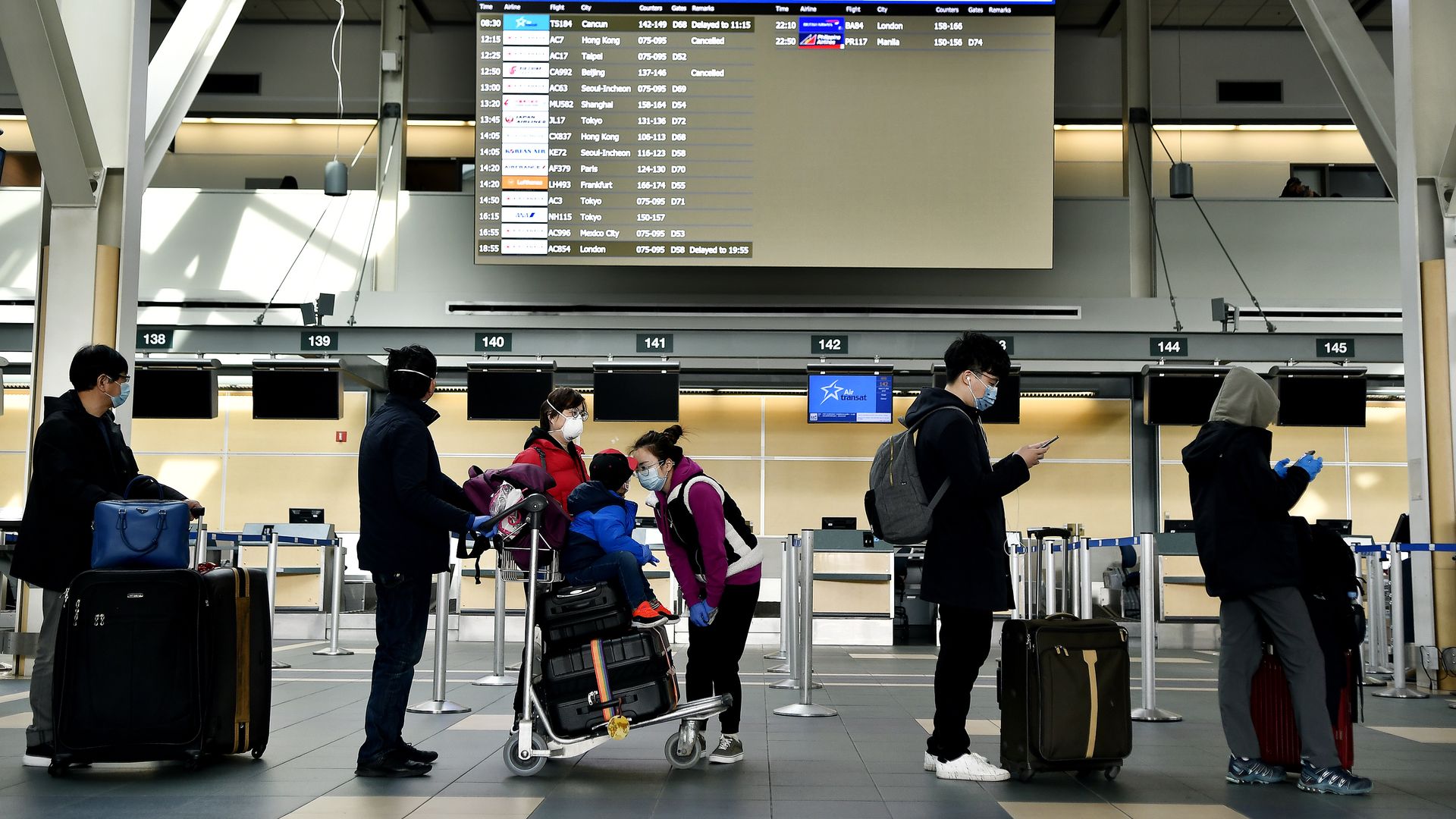
The Canadian government announced Friday that air travelers, passengers on interprovincial trains and cruise ship passengers will need to be vaccinated against COVID-19.
Driving the news: "As soon as possible in the Fall and no later than the end of October, the Government of Canada will require employees in the federally regulated air, rail and marine transportation sectors to be vaccinated," per the statement announcing the government's decision.
Driving the news: West Virginia Wesleyan College will require all unvaccinated students to pay a nonrefundable $750 fee. There, students are not required to get the vaccine but are encouraged to do so before the fall semester, per NBC.
Exposure to high levels of fine particle pollution produced by wildfires may have led to thousands more COVID cases and deaths, according to a new study published in the journal Science Advances.
Why it matters: Research has shown that smoke can have dangerous health impacts, a correlation that is putting more and more at risk as the pandemic collides with the climate crisis.
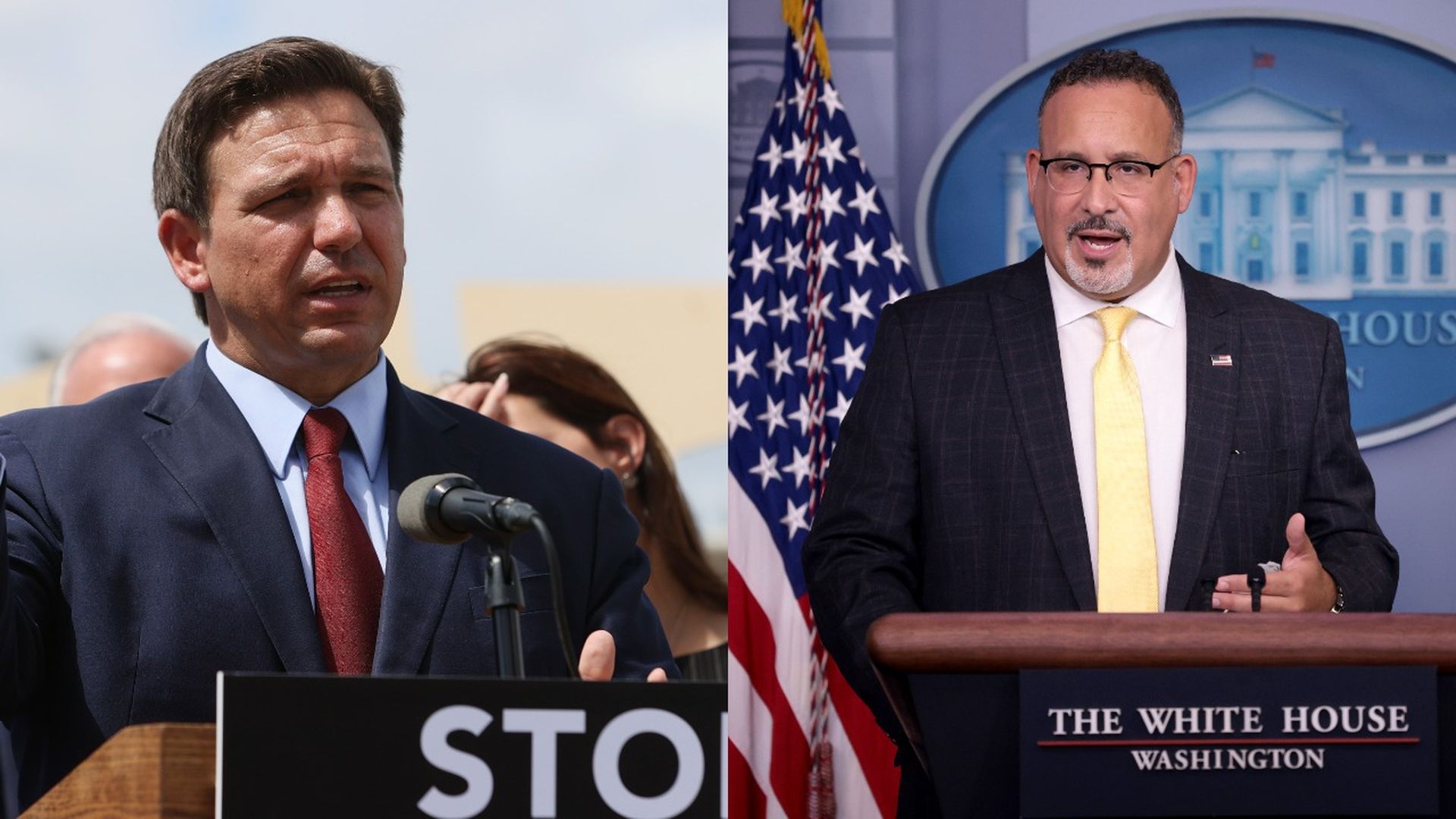
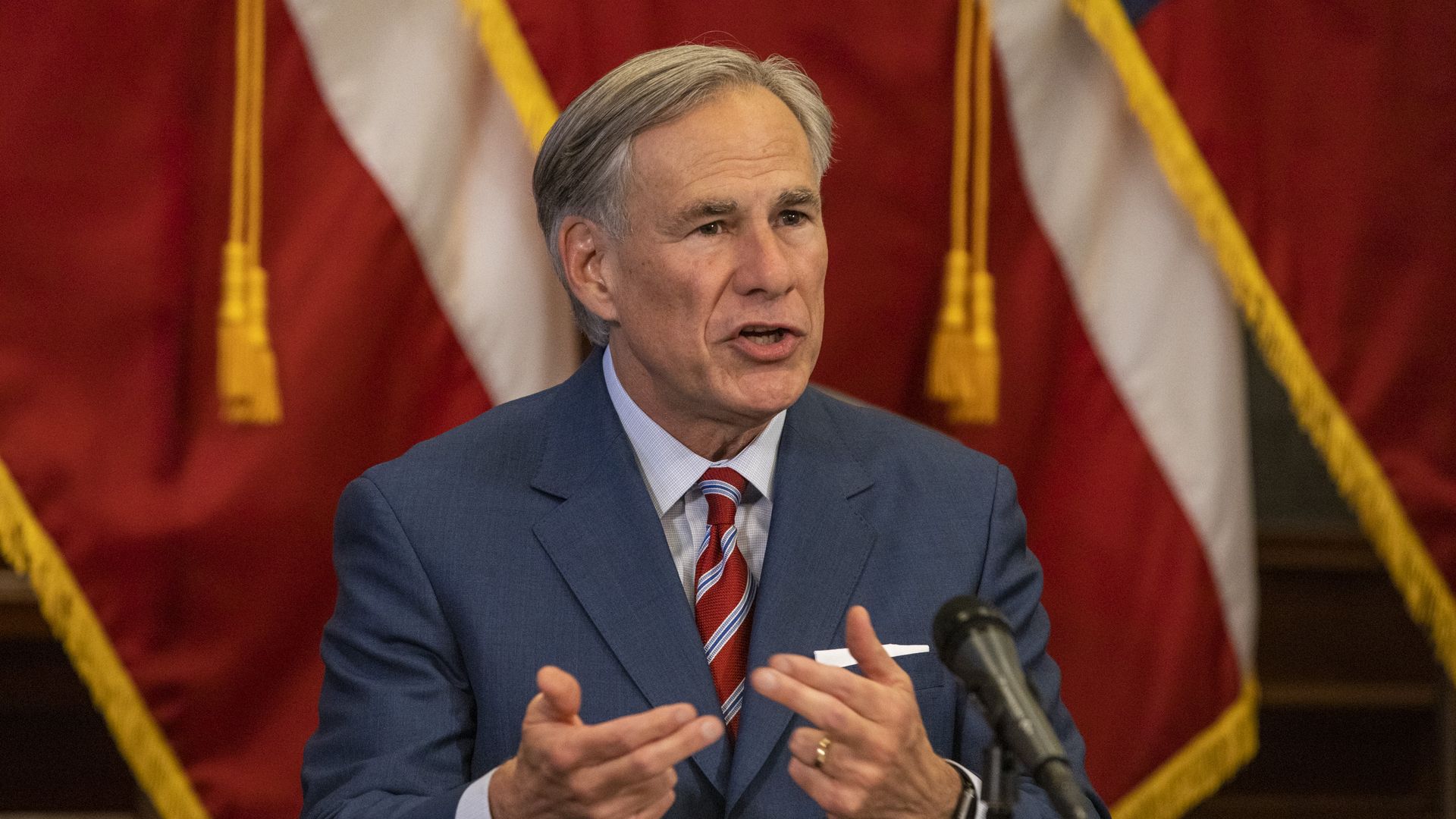
Why it matters: The battle over mask mandates in schools has been brewing for weeks. The Republican governor recently threatened to withhold pay from superintendents and school board members who go against his ban.
Oregon Gov. Kate Brown said Friday she is deploying up to 1,500 National Guard troops to support hospitals as Delta continues to reach across the United States.
Why it matters: 733 Oregonians are currently hospitalized with severe cases, including 185 in intensive care, Brown said.
A Texas district judge granted Harris County’s request for a temporary order that prevents the enforcement of Gov. Greg Abbott's recent executive order banning face masks mandates in public schools, according to the Houston Chronicle.
Why it matters: The order allows the county to temporarily enforce mask mandates for students and school faculty as COVID cases continue to tick up throughout Houston.
Several counties across the U.S. have temporarily suspended school because of a surge in coronavirus cases among students and faculty early in the academic year.
Why it matters: Richard Besser, former acting director of the Centers for Disease Control and Prevention, told NBC this week he believes more schools will close due to COVID-19 than last year because the Delta variant spreads with greater ease than other versions of the virus.
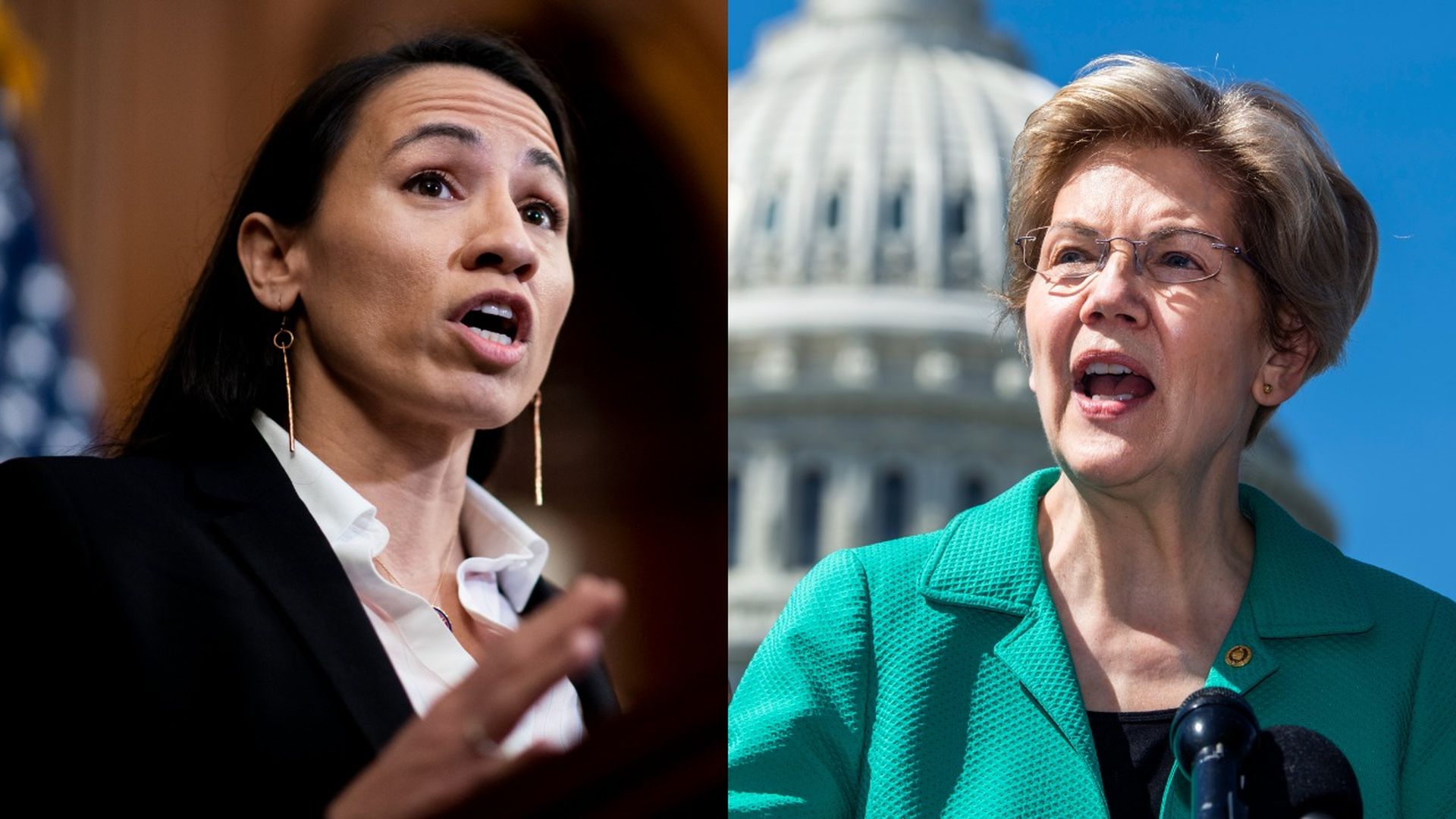
Twenty Democratic lawmakers are calling on the U.S. Indian Health Service (IHS) to provide "culturally appropriate" mental health care for Native Americans who might experience trauma as the Interior Department investigates the U.S. Indian Boarding School policy's lasting effects.
Why it matters: Under the policy, Native children were forcibly removed from their homes and placed in boarding schools that attempted to strip them of their cultures, practices and identities. Survivors, as well as their descendants, might face a "resurgence of trauma" amid revelations from the probe, lawmakers say.
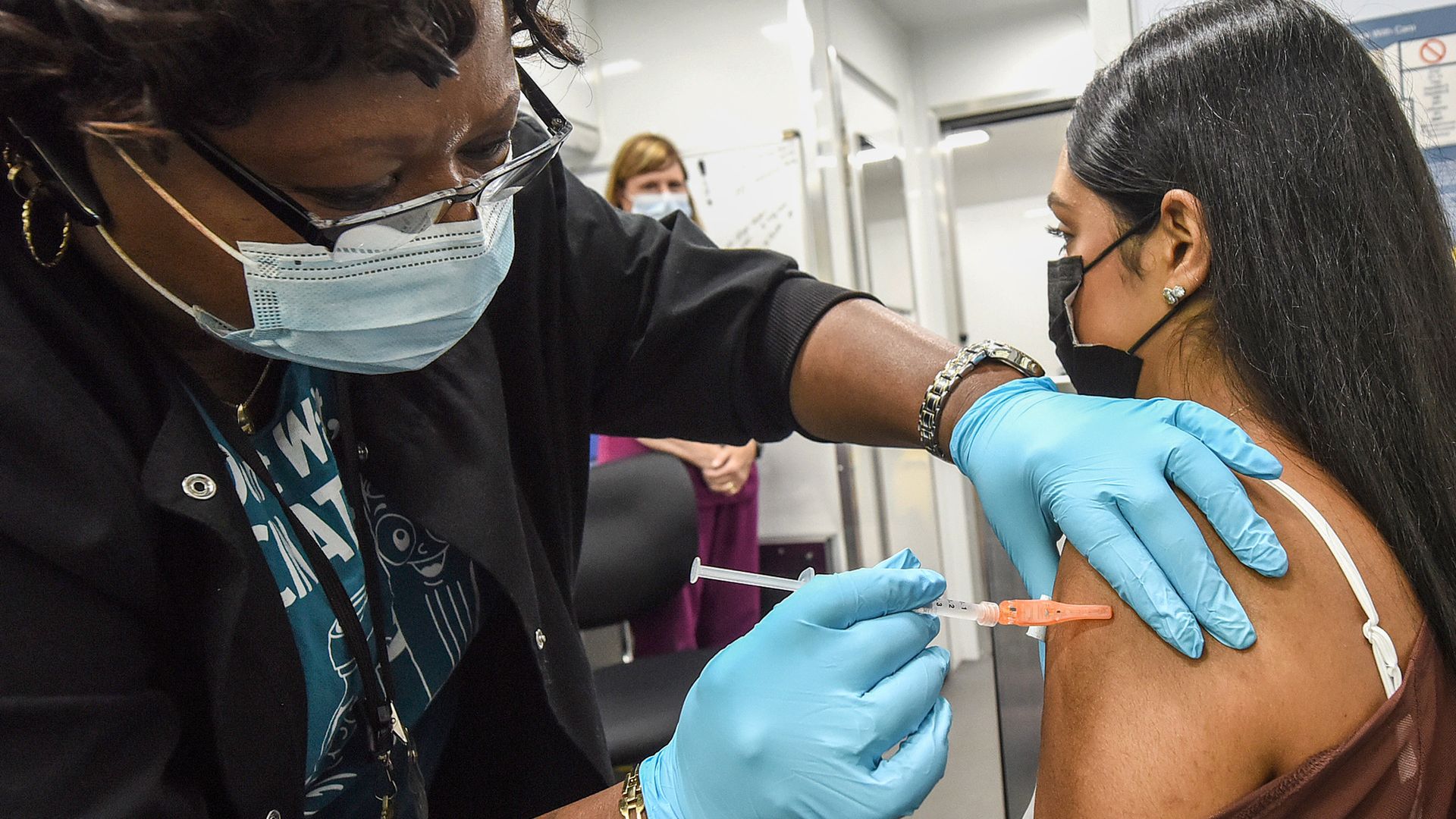
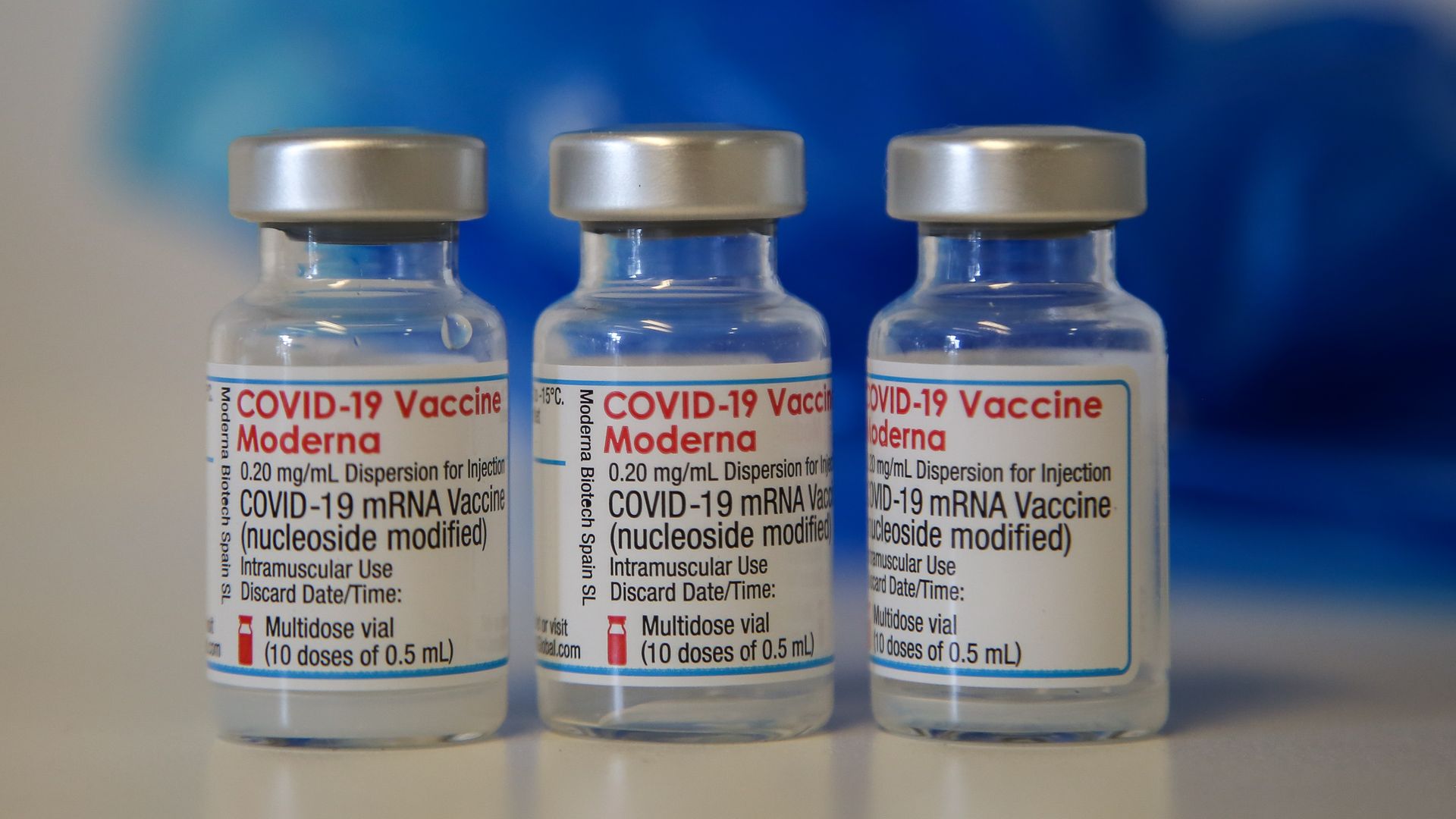
The Food and Drug Administration and the Centers for Disease Control and Prevention have both recommended that certain immunocompromised people receive a third dose of the Pfizer-BioNTech or Moderna vaccine.
Why it matters: Data suggest that people with weakened immune systems don't generate strong enough levels of protection against the virus with just two doses, but a third dose could significantly help.
Driving the news: Local authorities in France have found 22 cases of vandalism since July 12 at vaccine sites, including Nazi symbols and bomb threats, per Reuters.
Chicago public health officials said Thursday that there is "no evidence at this point" to suggest that Lollapalooza was a superspreader event, with a total of 203 coronavirus cases identified so far.
By the numbers: Chicago’s Public Health commissioner Allison Arwady said that of the estimated 385,000 attendees, over 90% were vaccinated. She added that 0.04% of vaccinated attendees reported testing positive for the virus.
Companies are experiencing different degrees of impact from the recent COVID spike.
Why it matters: While many businesses have adapted to new realities and many people have become fully vaccinated, Delta's spread is proving somewhat disruptive.
The pandemic has stretched into the 2021 summer — and case counts are rising due to the Delta variant — so Americans are still working instead of going on vacation.
What's happening: The share of employed adults who are vacationing typically peaks in July at around 3%, notes Nick Bunker, an economist at the jobs site Indeed. And while the 2021 rate is higher than that in 2020, it's still well below normal, at under 2%.
The big picture: Americans are historically bad at taking time off. In 2019, U.S. workers earned 23.7 days of paid time off, but used only 17.2, per U.S. Travel Association data.
It's gotten even worse during the pandemic, as many workers are delaying time off until they feel safer traveling or until vacation sites are fully open.
Why it matters: Underusing time off is exacerbating burnout across the U.S. workforce. 52% of workers said they're experiencing burnout in 2021, per a recent Indeed survey. That could push employees to quit at an even faster clip than they are now.
Employers are addressing burnout by encouraging workers to take time off, by making vacation days mandatory or giving the entire company the same week off.
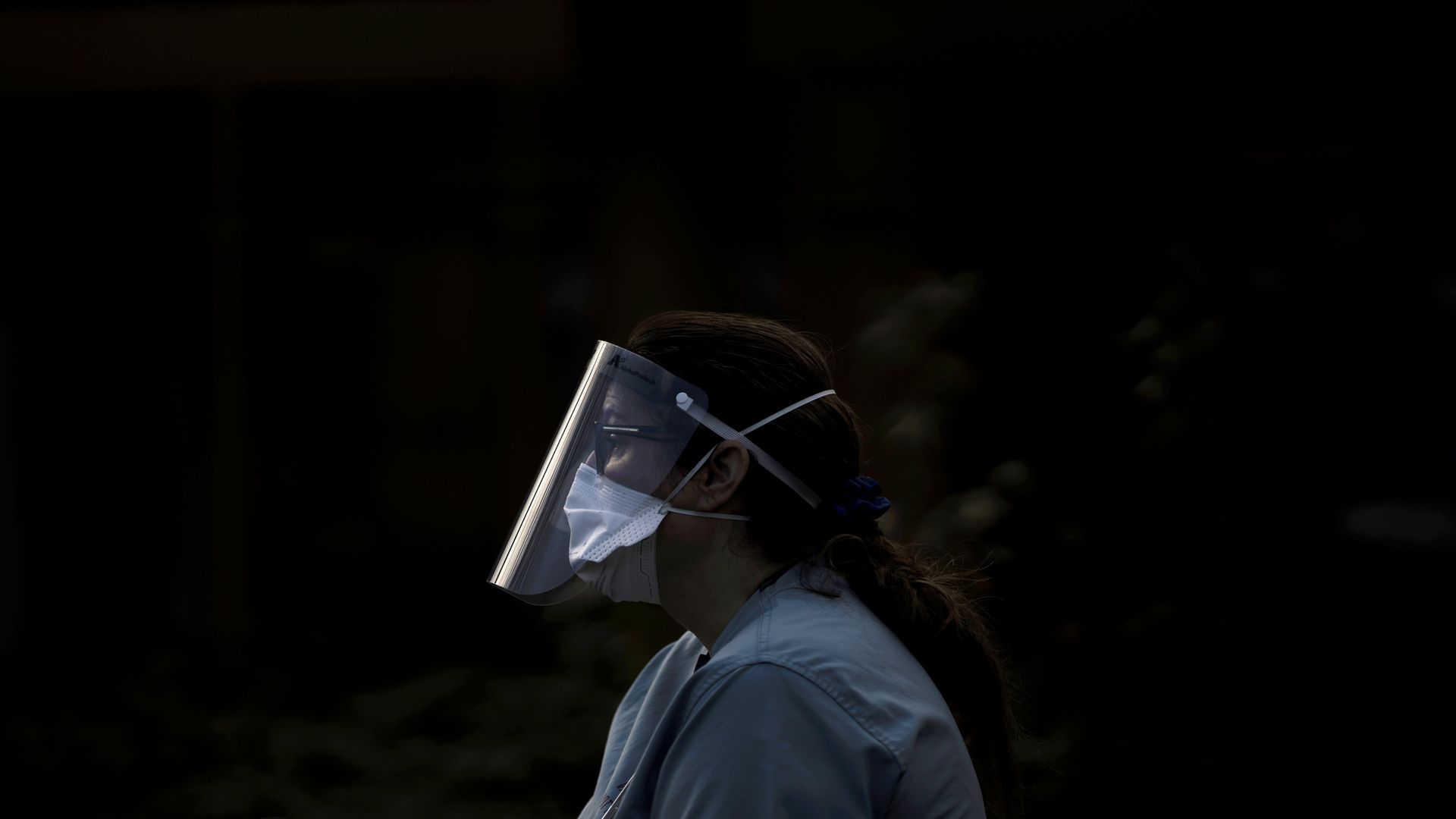
Health care workers on the front lines in the fight against COVID are suffering from unprecedented levels of burnout amid the latest surge.
Why it matters: America’s health care workers are already burnt out from previous waves of the pandemic. But as hospitals in hotspots are filling up, and sick COVID patients are once again requiring life-saving care, the stress is being compounded by the battle over public health measures.
Two years ago, the federal government created a plan to audit Medicare Advantage insurers more aggressively. But that plan is sitting in regulatory limbo.
Why it matters: The plan could claw back billions of taxpayer dollars. The delay is music to the ears of health insurers, which despise any form of enhanced audits.
Full FDA approval of the Pfizer vaccine can provide a big boost to vaccination efforts or a more modest one — depending on how it is handled when the decision comes down.
Between the lines: If FDA approval is left to be interpreted by the public through the countless channels of communication and misinformation people use to digest vaccine information, the effect of the decision will be much more modest or even muddled.
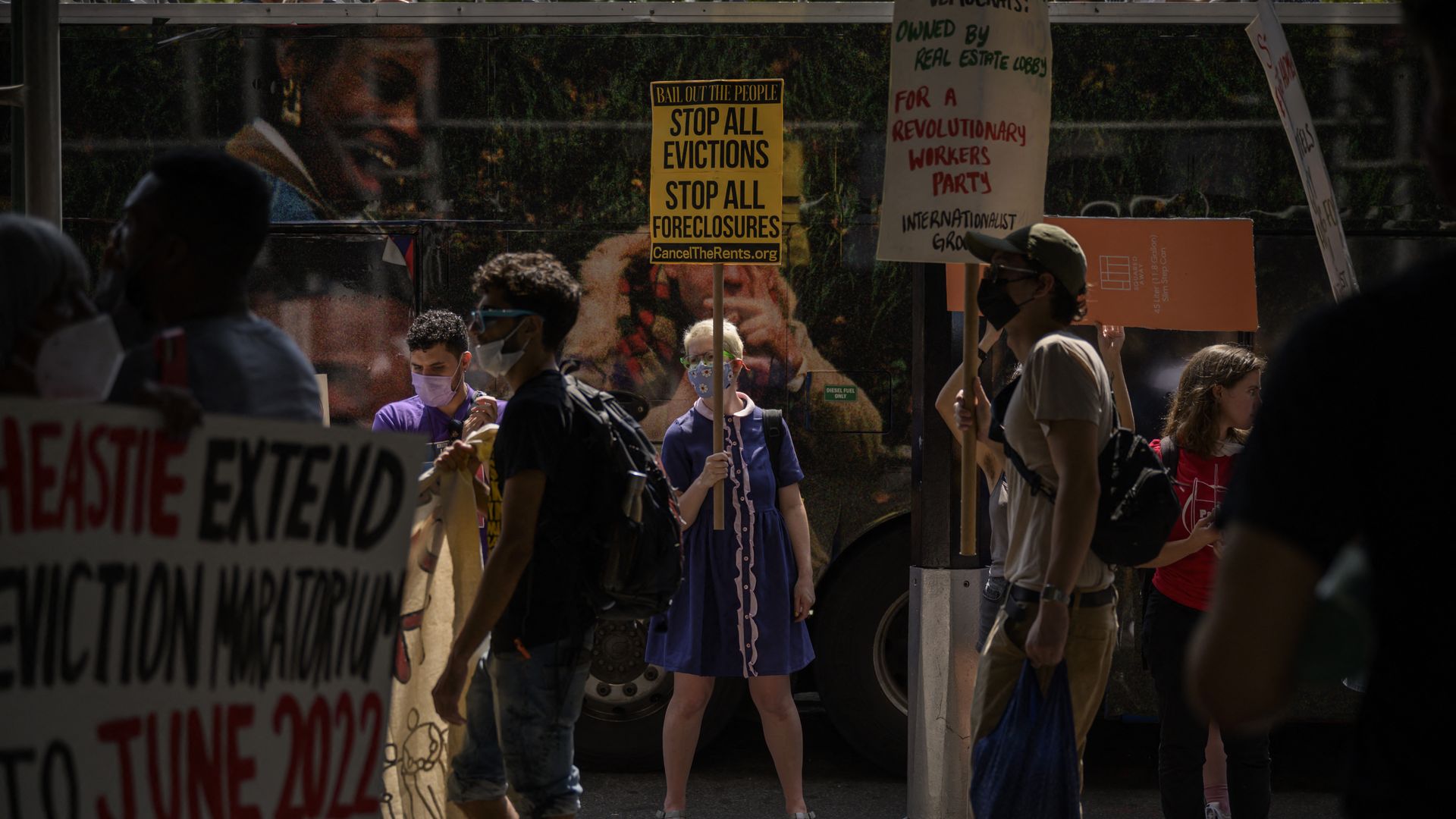
Why it matters: The court sided with a group of landlords who argued that the ban violates their rights, but the ruling's immediate effect is unclear. The New York ban is separate from a federal eviction moratorium recently extended by the Centers for Disease Control and Prevention (CDC).


















/2021/08/12/1628785230628.gif?w=3840)