The U.S. Supreme Court ruled in a 5-4 decision issued Tuesday evening to leave the national moratorium on evictions imposed by the Centers for Disease Control and Prevention intact through July 31.
Driving the news: The Biden administration issued a 30-day extension to the temporary halt in residential evictions, the CDC announced last week, after its original deadline was set to expire on June 30.
Countries across the Asia-Pacific region are imposing stricter lockdown measures and stay-at-home orders following the spread of the more-infectious COVID-19 Delta variant.
Why it matters: The Delta strain, first identified in India, has been listed as among the "variants of concern" by the U.S. Centers for Disease Control and Prevention and World Health Organization. It may be 50% more transmissible than Alpha, the variant first found in Britain.
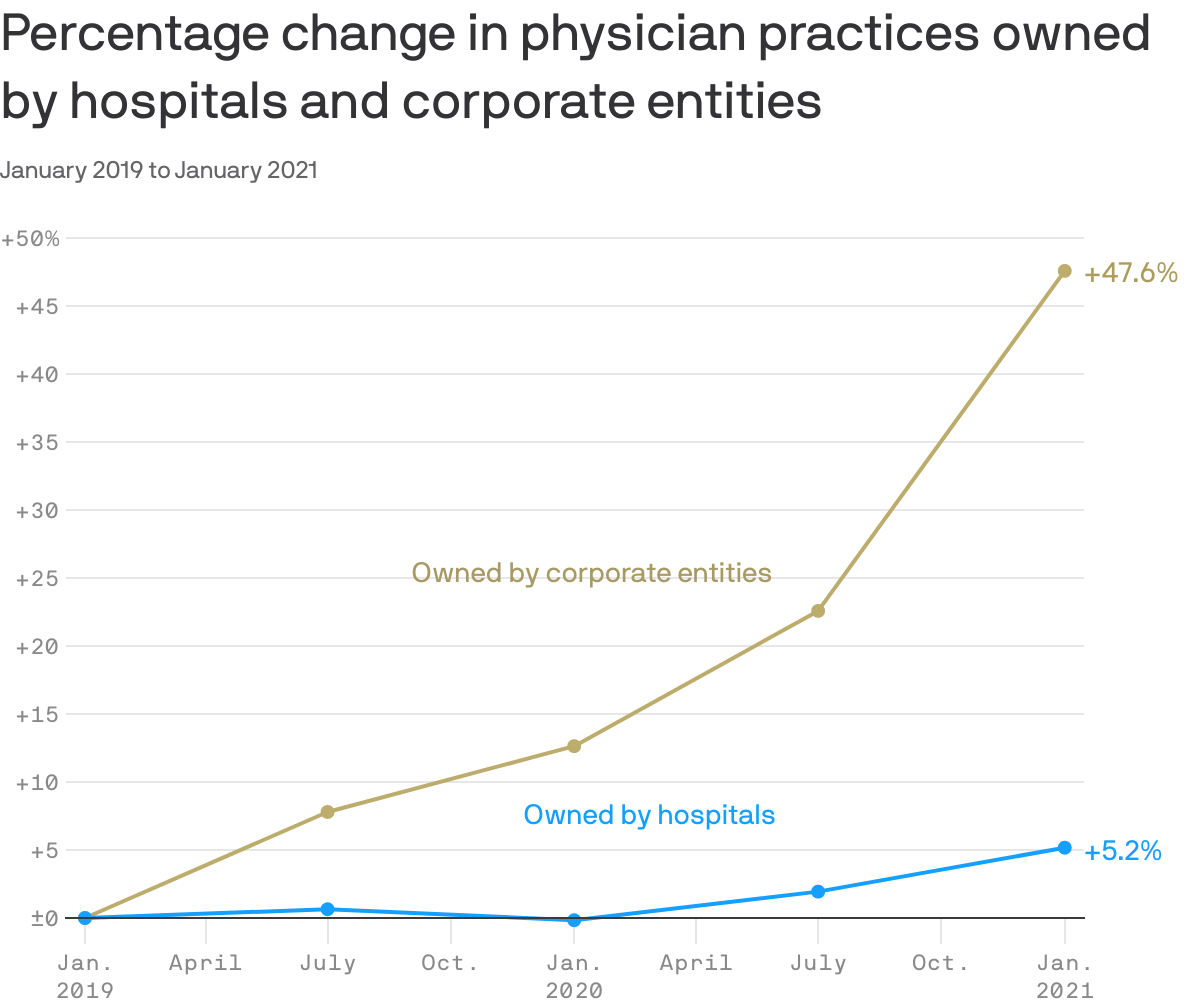
Nearly 70% of America's physicians were employed by hospitals or corporations by the end of 2020, and nearly half of physician practices were owned by them, according to a new analysis released by the Physicians Advocacy Institute.
Why it matters: The health care industry is becoming increasingly consolidated, which studies suggest will lead to even higher prices.
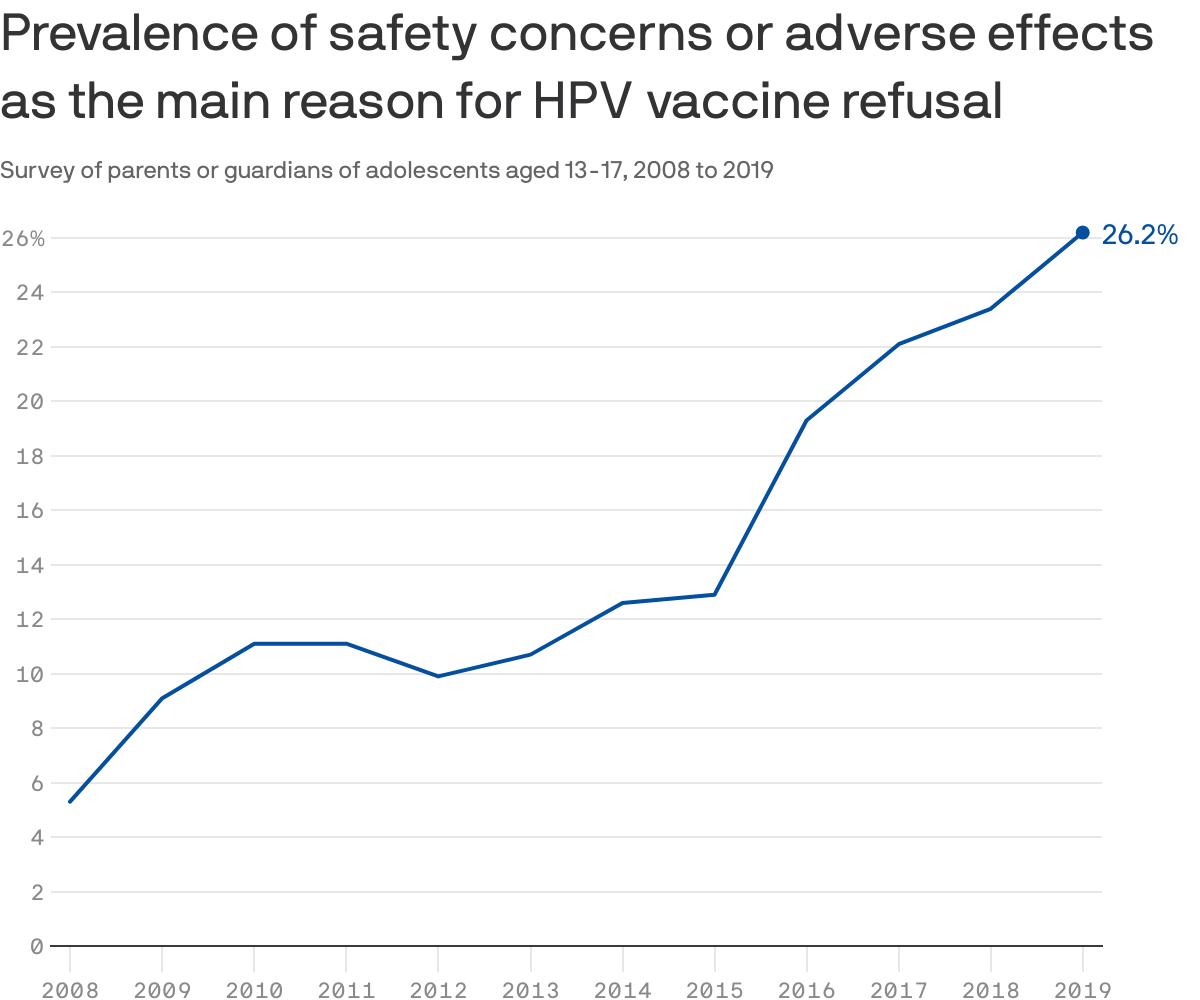
More than 25% of parents in 2019 who refused the human papillomavirus vaccine for their child cited concerns of safety or adverse effects, a study in JAMA Pediatricsshows.
Why it matters: This type of refusal greatly increased from 5% in 2008, showing "disinformation campaigns aimed at hampering vaccine trust are thriving," the authors write.
Just four in 10 Americans say attending a Fourth of July celebration this year feels risky — about half as many as a year ago, according to the latest installment of the Axios/Ipsos Coronavirus Index.
The big picture: Our weekly national survey finds broad awareness and concern around the emerging Delta variant. But people's behaviors really aren't changing in the face of that threat.
Abu Dhabi will soon only allow adults vaccinated against COVID-19 in public places including schools, universities, shopping centers and gyms — banning anyone who hasn't been inoculated against the virus unless they've a valid reason.
The big picture: United Arab Emirates authorities said in a Twitter post Monday they're taking the action, effective Aug. 20, to "preserve public health" after vaccinating 93% of "target groups." Anyone in the UAE capital under 16 will be exempt from the rule, which doesn't apply to retailers selling essential goods, such as supermarkets and pharmacies.
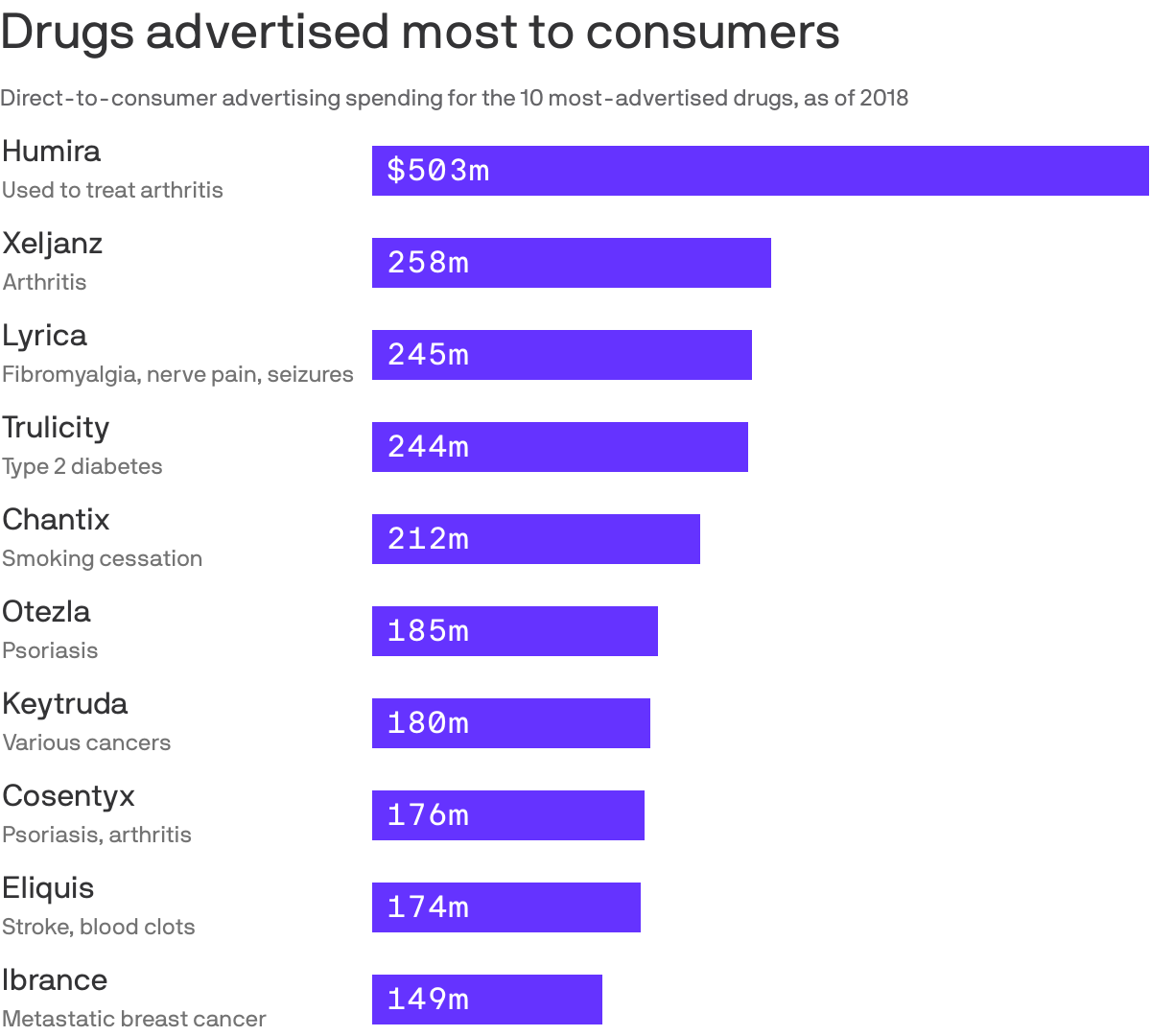
Prescription drugs with some of the highest Medicare spending also had the highest level of direct-to-consumer advertising, a recently-released GAO report found.
By the numbers: The GAO found the Medicare program and its beneficiaries spent nearly $324 billion on prescription drugs advertised to beneficiaries and other consumers between 2016 and 2018.
"F9: The Fast Saga," the ninth installment in the "Fast and Furious" franchise, is estimated to have brought in over $70 million over the weekend — the highest weekend haul at the box office in North America since before the pandemic.
Why it matters: The "F9" weekend blowout is a huge sign of optimism for the struggling movie theater industry, which has been ravaged by pandemic-driven theater closures and the rise of streaming.
The FDA’s approval of a new Alzheimer’s treatment — the first one in almost two decades — should have been a cause for celebration. Instead, it has become a scientific and financial mess.
Why it matters: Experts from all corners of the health care world fear the FDA’s decision will undermine medical standards, explode the federal budget and fill millions of desperate people with false hope.
Nearly a quarter of public health workers said they felt bullied, threatened or harassed because of their work since the pandemic began, new CDC data shows.
Why it matters: The data corroborates the anecdotal evidence of how politically charged public responses and work burnout wreaked havoc on the mental health of public health workers this past year, causing some to even resign.
Advocates of lowering prescription drug prices are beginning to use an expensive new Alzheimer's drug to make the case for reform, but actually addressing the therapy's price raises complicated policy challenges.
Why it matters: Democrats may be positioning themselves to push policy measures that assign value to drugs and then price them accordingly. If successful, that could be a huge blow to the pharmaceutical industry.
Australia's Prime Minister Scott Morrison was convening an emergency COVID-19 meeting with state and territory leaders Monday afternoon, as outbreaks of the highly contagious Delta variant saw restrictions return across the country.
Why it matters: This is the first time in months that cases have emerged in multiple parts of Australia simultaneously. Some 18 million Australians, roughly 70% of the population, are now under some form of pandemic restriction, Reuters notes.