Large numbers of COVID-19 hospitalizations and more immunocompromised people in general are fueling a global spread of a different threatening microbe: invasive fungi.
Why it matters: These infections cause more than 1.6 million deaths worldwide every year, and the microorganisms responsible for them are starting to evade the small supply of antifungal drugs.
COVID-19 surge response teams will be sent to areas of the country with low vaccination rates to assist communities amid rising concerns about the Delta variant, COVID-19 response coordinator Jeff Zients said Thursday.
Why it matters: Vaccinated Americans have so far been deemed safe from variants, including the Delta variant. But several communities are reporting upticks in new cases and hospitalizations from unvaccinated individuals.
Pharmaceutical and medical device companies paid $9.1 billion in consulting fees, hotel stays, meals and royalties to physicians and teaching hospitals in 2020, a 16% drop from 2019, according to new data released by the federal government.
The big picture: The industry reeled back payments as the pandemic halted travel, speakers' programs and other junkets. But experts say, and data show, that the billions of dollars still may create inappropriate relationships and sway doctors to prescribe those companies' medications and devices.
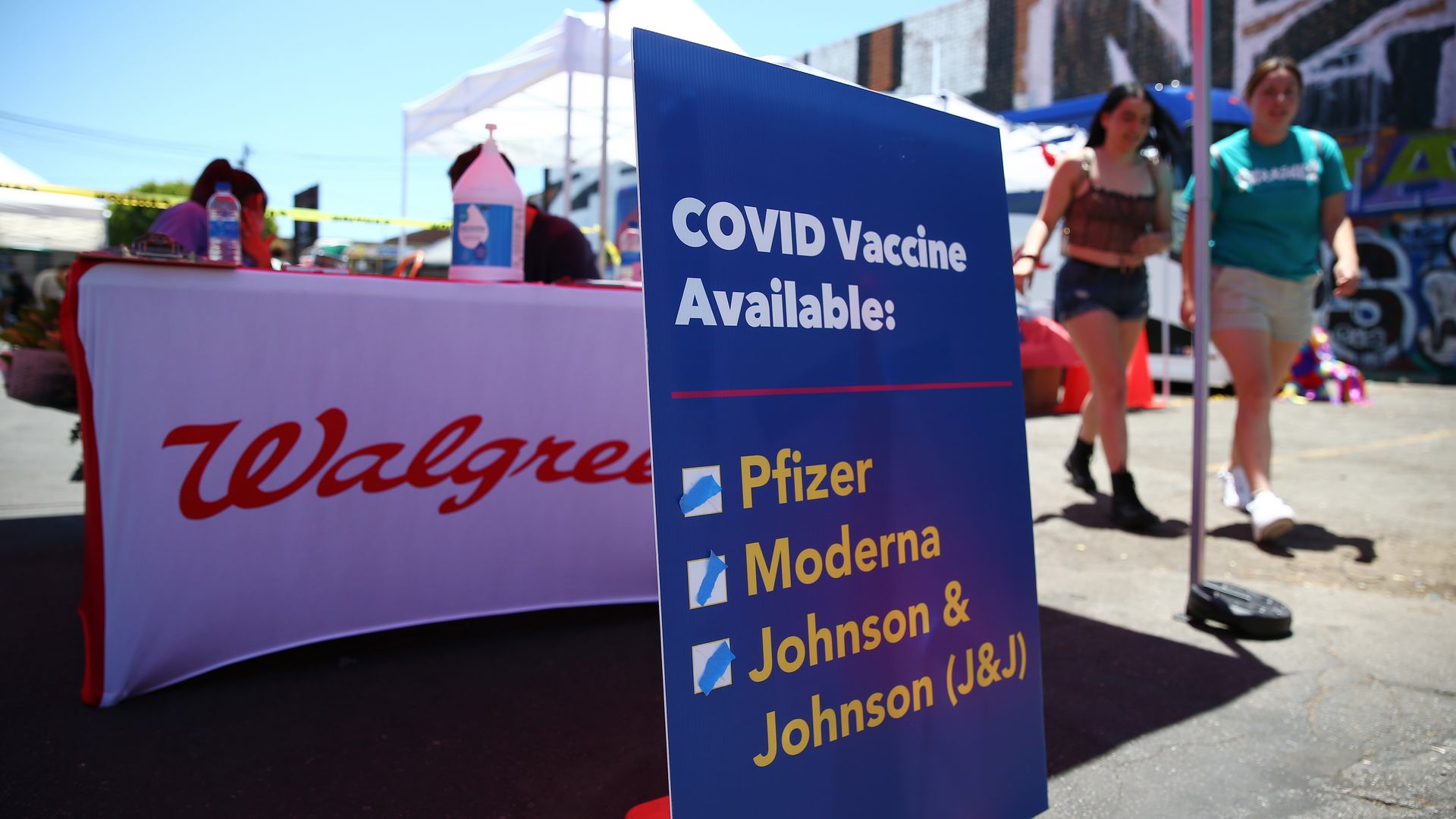
Walgreens has given out 25 million COVID-19 vaccinations in its stores this year, including 17 million from March through May.
Why it matters: Walgreens executives said the vaccines were the main reason why the company recorded higher foot traffic, sales and profits in the quarter. But this boost may be short-lived, as demand for vaccines has slowed down considerably since late April.
There's no evidence that anyone who's been vaccinated against the coronavirus needs a booster yet. Deciding who needs one — and when — could be complicated.
Driving the news: With vaccination rates plateauing at the same time the more transmissible Delta variant of the virus spread across the U.S., it has raised new fears among Americans, including many vaccinated individuals who worry about how long they'll remain protected against COVID.
Growing nervousness about the Delta variant of COVID-19 is causing some places to consider reinstating mask recommendations. But with conflicting guidance from top health agencies, it's got the potential to create new confusion around masking.
Driving the news: Days after the World Health Organization recommended vaccinated people should still wear their masks to slow the spread of the Delta variant, the CDC reiterated its own guidance allowing individuals to unmask and leaving masking rules to states and counties to decide.
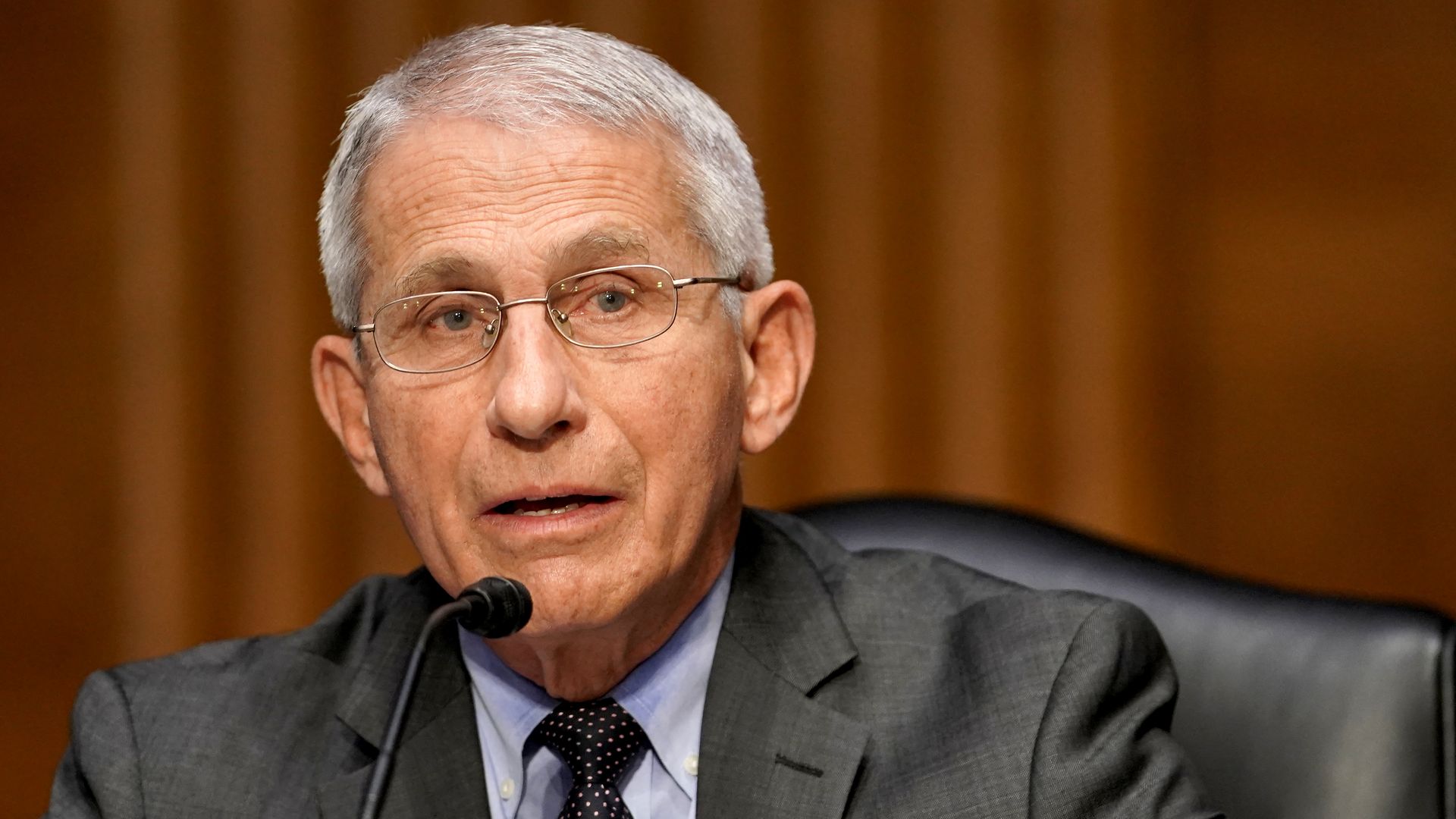
NIAID director Anthony Fauci told CNN on Tuesday that contrasting vaccination rates in various parts of the countries could lead to "two Americas."
Why it matters: As of mid-June, about 15 states had inoculated 70% or more of their adult populations with at least one dose of the COVID-19 vaccine. But some states, particularly in the South, are lagging.
It’s almost certain that America won’t meet President Biden’s goal of having 70% of all American adults at least partially vaccinated by the Fourth of July. To understand why, it’s crucial to understand who hasn’t gotten vaccinated, where they are, and why.
Axios Re:Cap digs into these questions with Otis Rolley III of the Rockefeller Foundation, which recently released research with Dalberg that breaks down which groups and places in the U.S. have fallen furthest behind on vaccinations.
The World Health Organization on Wednesday declared that China has eradicated malaria after more than 70 years of fighting the disease.
Why it matters: China is the first country in the WHO Western Pacific Region to receive a malaria-free certification in more than 30 years. It follows Australia (1981), Singapore (1982) and Brunei (1987).
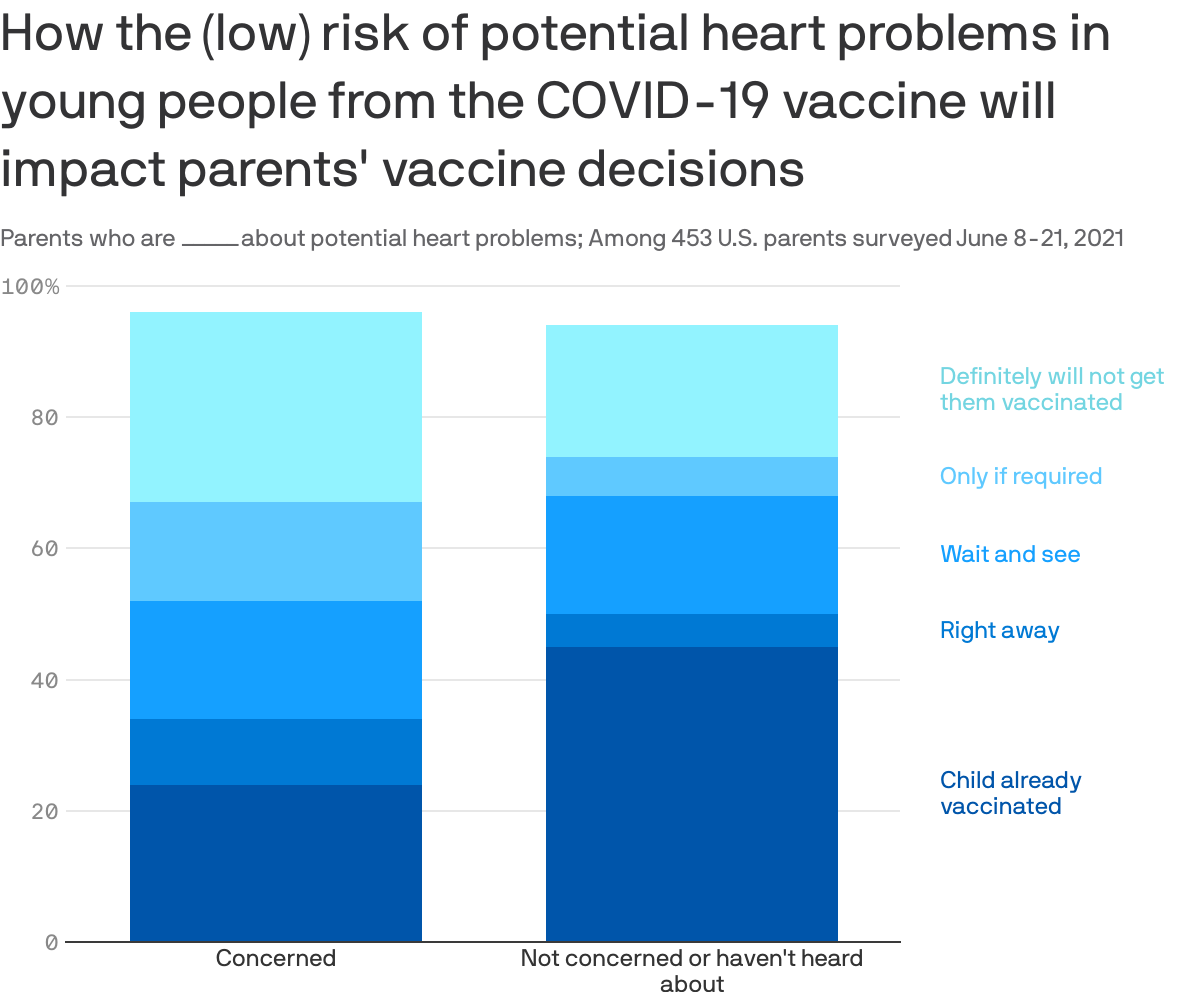
Some parents may be thinking twice about teen vaccines after the CDC concluded there's a "likely association" between heart inflammation and COVID-19 mRNA vaccines, particularly in adolescents, according to a new KFF survey.
Driving the news: Nearly 75% of parents said they've heard at least a little about the link between vaccines and heart inflammation.
Some of the most recognizable names in patient advocacy take millions from drug companies every year, and many fail to fully disclose those relationships, a new analysis by Patients for Affordable Drugs found.
The big picture: While some of these groups do important work representing patients, others are actually "tools" of the pharmaceutical industry.
Why it matters: The hospital industry has a lot of sway in Washington, and its opposition could further complicate the deal's narrow pathway to passage.
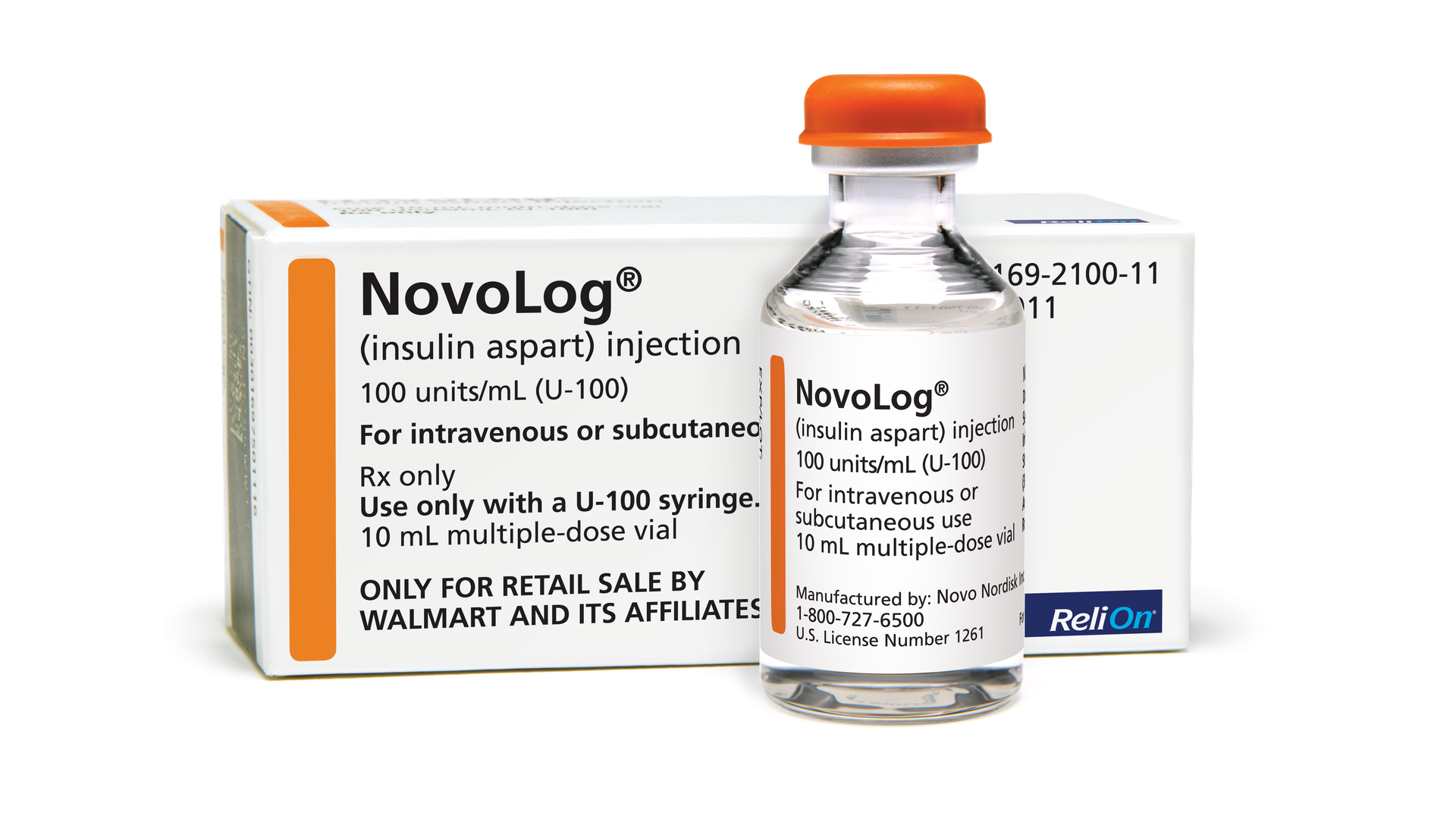
Walmart is now selling rapid-acting insulins, made by drug manufacturer Novo Nordisk, for cash prices of $73 per vial and $86 for a box of five pre-filled syringes.
The big picture: Walmart is attempting to retain and attract more diabetes patients to its stores by offering a more modern insulin at a lower cash price. Novo Nordisk is trying to keep its insulin market share. But this deal doesn't ensure an affordable price for patients and the broader public.
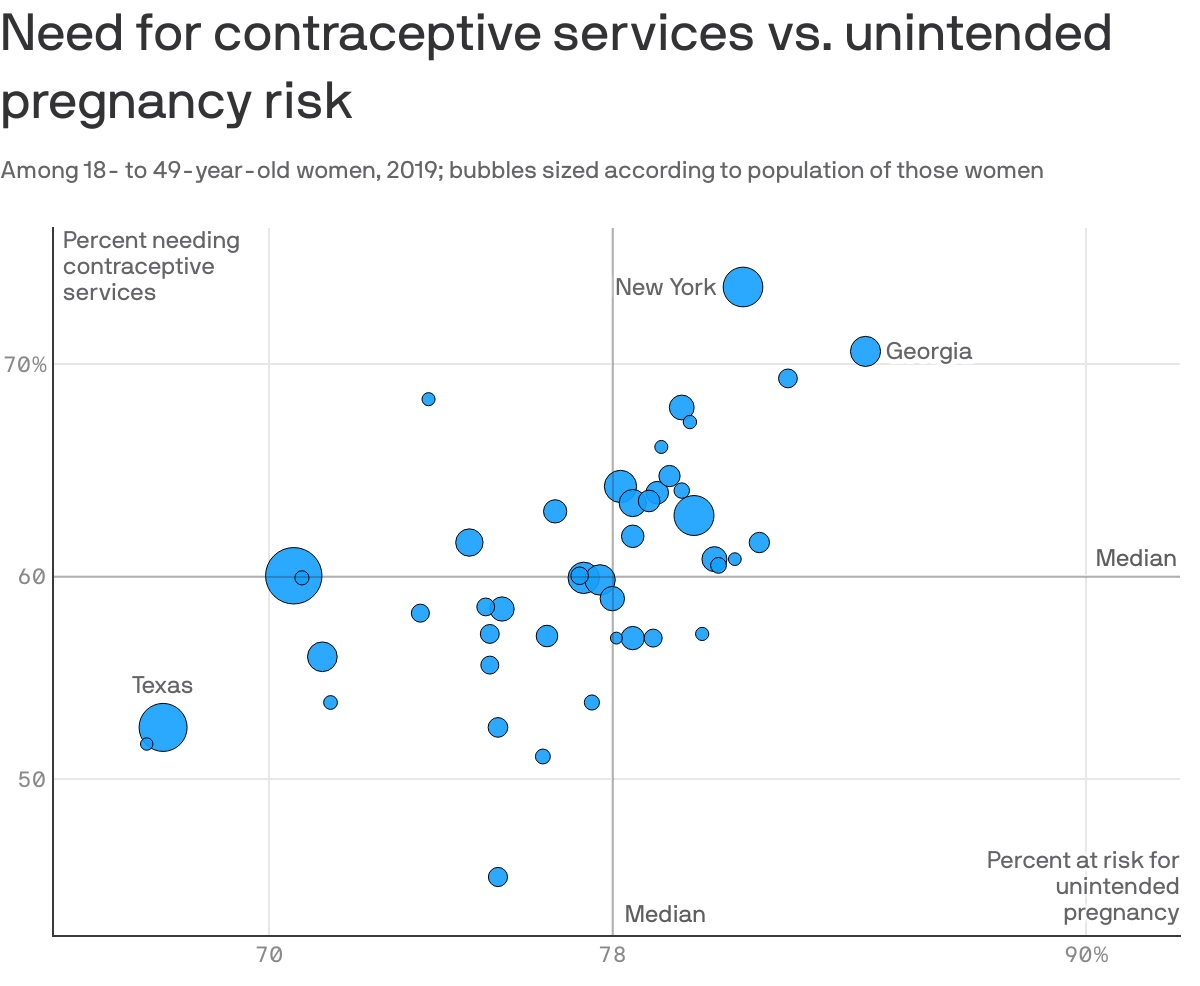
Data: Zapata, et al., 2021. "Need for Contraceptive Services Among Women of Reproductive Age — 45 Jurisdictions, United States, 2017–2019"; Note: Data for Alaska, California, District of Columbia, Maine, Nevada, New Jersey, and Texas are from 2017; Chart: Connor Rothschild/Axios
Nearly a third of women of child-bearing age in U.S.did not always use contraceptives during sexual encounters, a new CDC analysis shows, and it was often due to gaps in access to effective birth control.
Why it matters: About half of the pregnancies in the U.S. are unintended, which is linked to adverse maternal and infant health outcomes, per the agency.





/2021/06/30/1625090203755.gif?w=3840)