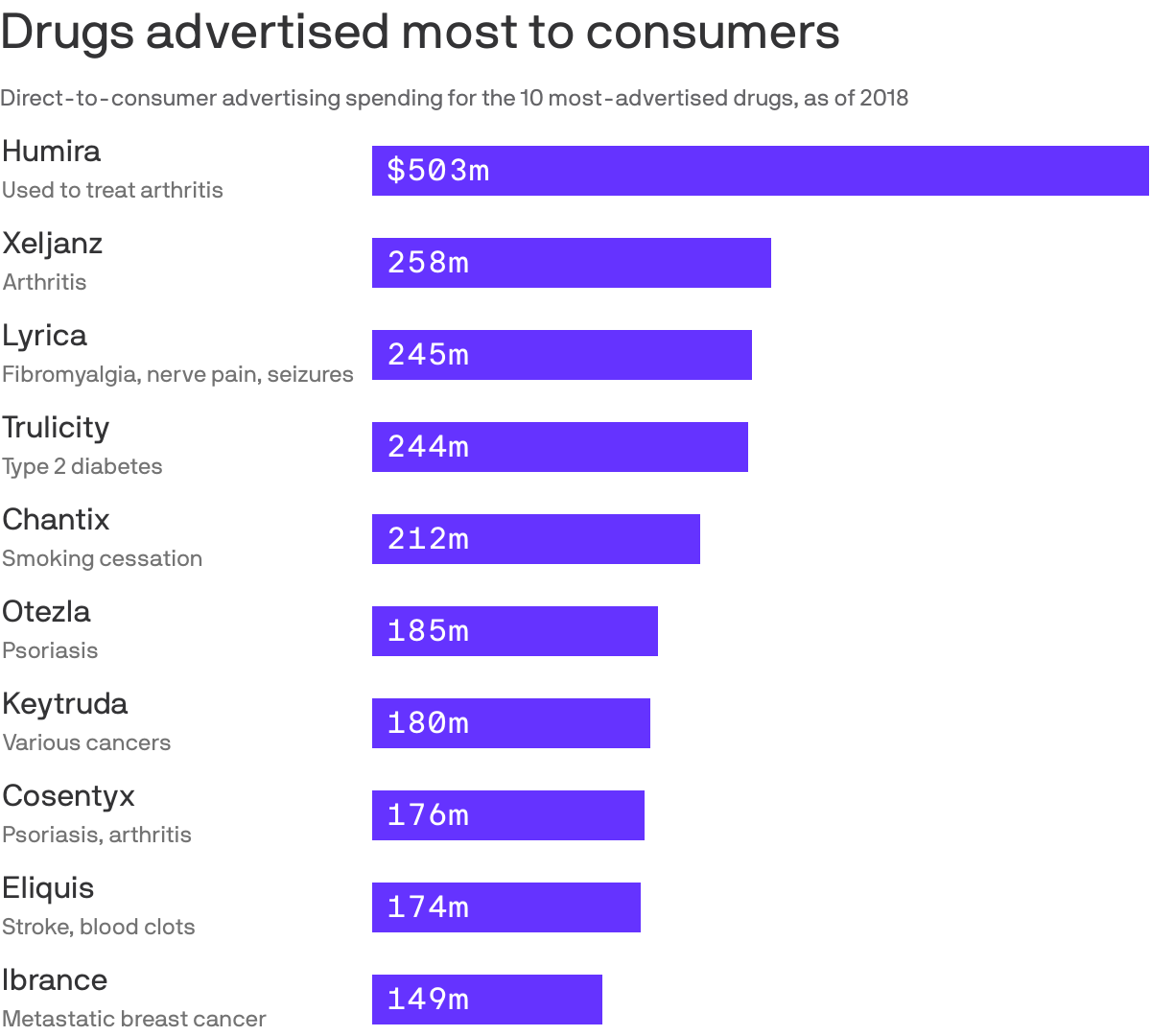
Data: U.S. Government Accountability Office; Chart: Connor Rothschild/Axios
Prescription drugs with some of the highest Medicare spending also had the highest level of direct-to-consumer advertising, a recently-released GAO report found.
By the numbers: The GAO found the Medicare program and its beneficiaries spent nearly $324 billion on prescription drugs advertised to beneficiaries and other consumers between 2016 and 2018.
"F9: The Fast Saga," the ninth installment in the "Fast and Furious" franchise, is estimated to have brought in over $70 million over the weekend — the highest weekend haul at the box office in North America since before the pandemic.
Why it matters: The "F9" weekend blowout is a huge sign of optimism for the struggling movie theater industry, which has been ravaged by pandemic-driven theater closures and the rise of streaming.
The FDA’s approval of a new Alzheimer’s treatment — the first one in almost two decades — should have been a cause for celebration. Instead, it has become a scientific and financial mess.
Why it matters: Experts from all corners of the health care world fear the FDA’s decision will undermine medical standards, explode the federal budget and fill millions of desperate people with false hope.
Nearly a quarter of public health workers said they felt bullied, threatened or harassed because of their work since the pandemic began, new CDC data shows.
Why it matters: The data corroborates the anecdotal evidence of how politically charged public responses and work burnout wreaked havoc on the mental health of public health workers this past year, causing some to even resign.
Advocates of lowering prescription drug prices are beginning to use an expensive new Alzheimer's drug to make the case for reform, but actually addressing the therapy's price raises complicated policy challenges.
Why it matters: Democrats may be positioning themselves to push policy measures that assign value to drugs and then price them accordingly. If successful, that could be a huge blow to the pharmaceutical industry.
Australia's Prime Minister Scott Morrison was convening an emergency COVID-19 meeting with state and territory leaders Monday afternoon, as outbreaks of the highly contagious Delta variant saw restrictions return across the country.
Why it matters: This is the first time in months that cases have emerged in multiple parts of Australia simultaneously. Some 18 million Australians, roughly 70% of the population, are now under some form of pandemic restriction, Reuters notes.
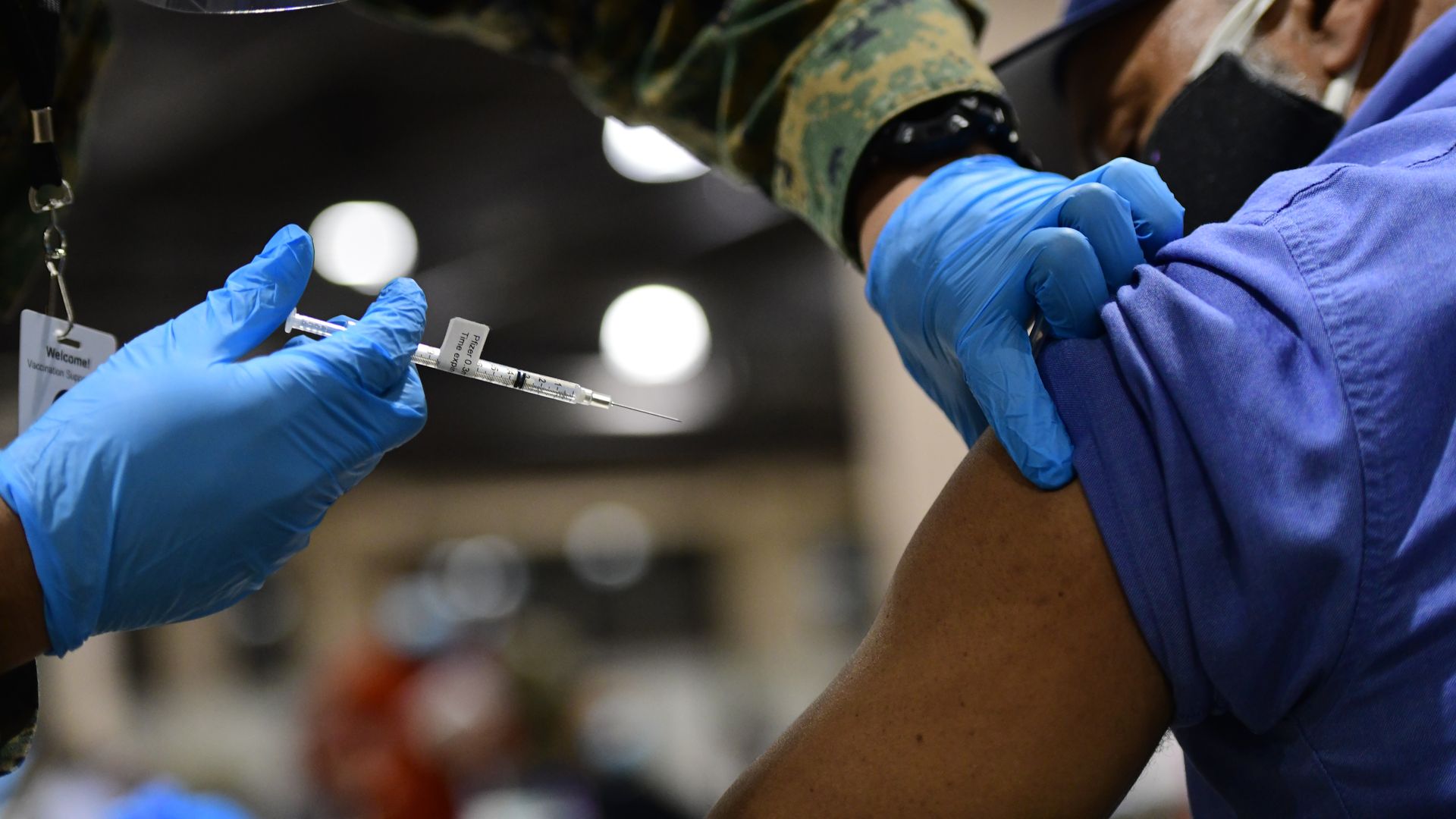
Black people in the city of Philadelphia, the nation's largest predominantly Black county, are lagging far behind white people when it comes to COVID-19 vaccinations, the Washington Post reports.
Why it matters: It's a reflection of larger racial disparities in vaccination rates across the United States. "Coronavirus immunizations are the latest iteration of the pandemic’s unequal burden," the Post writes.
Arkansas Gov. Asa Hutchinson said that hospitalizations are up among the unvaccinated and that vaccinations have slowed in his state during an appearance Sunday on CBS' "Face of the Nation."
Why it matters: States nationwide are seeing a worrying trend of increased hospitalization and slowing vaccinations. Arkansas, in particular, has one of the lowest vaccination rates in the country, per Politico.