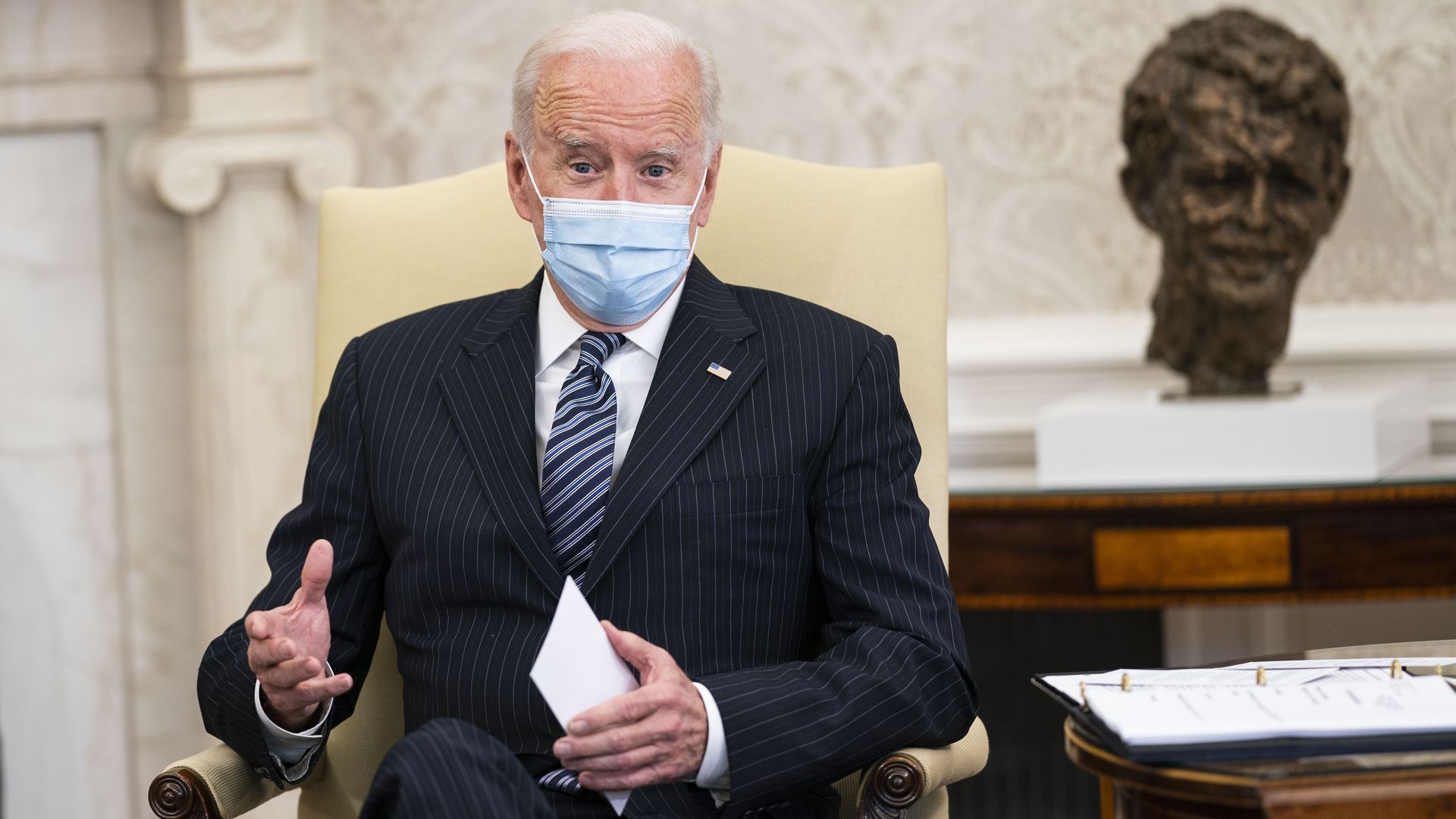
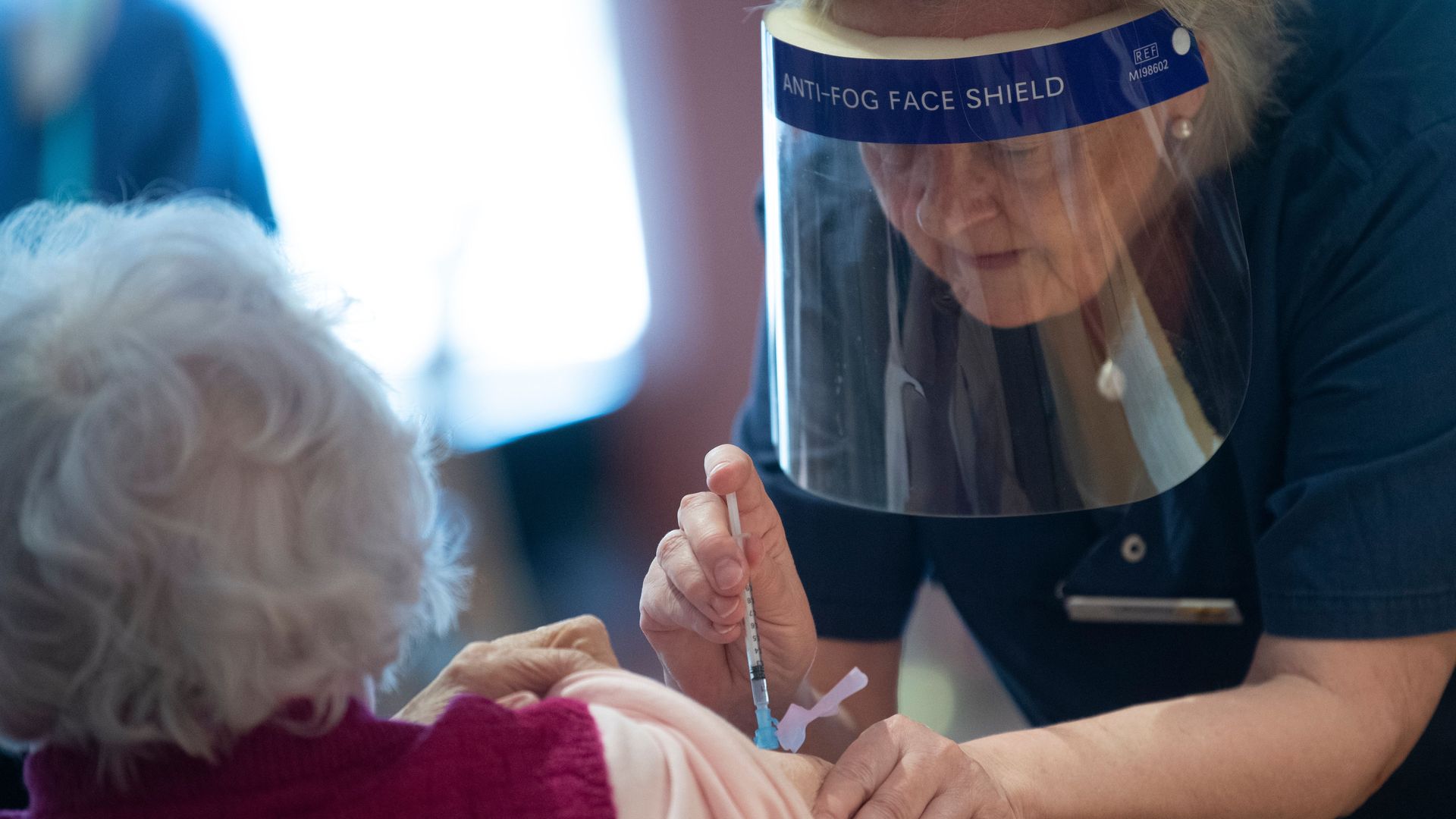
President Biden on Wednesday called on all employers to provide workers paid time off to get vaccinated or recover from COVID side effects, and said he'll include a paid tax credit for small businesses that do so.
Why it matters: The Biden administration sees workplaces as highly influential in making shots more convenient for working adults who are in high-risk industries.
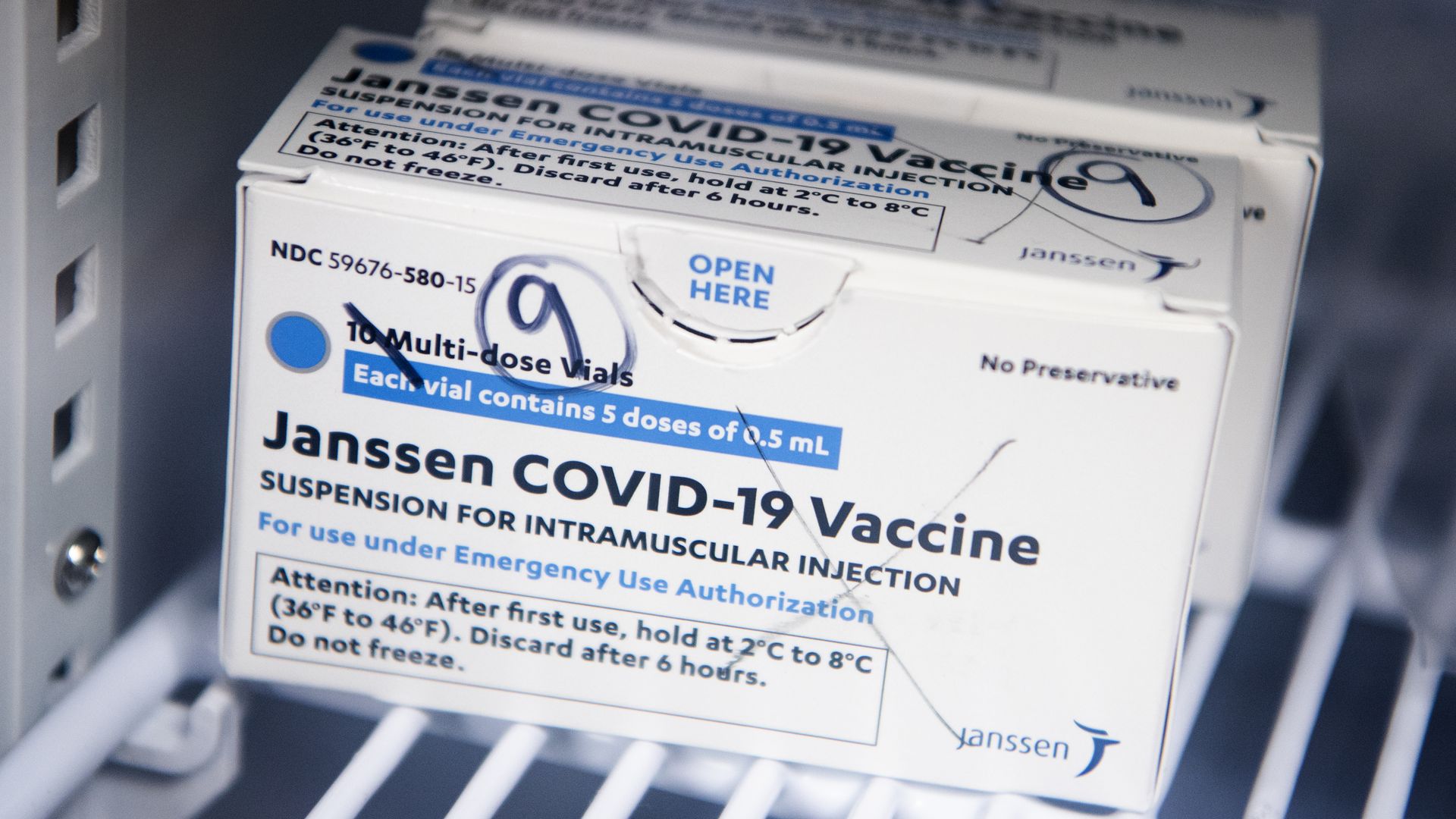
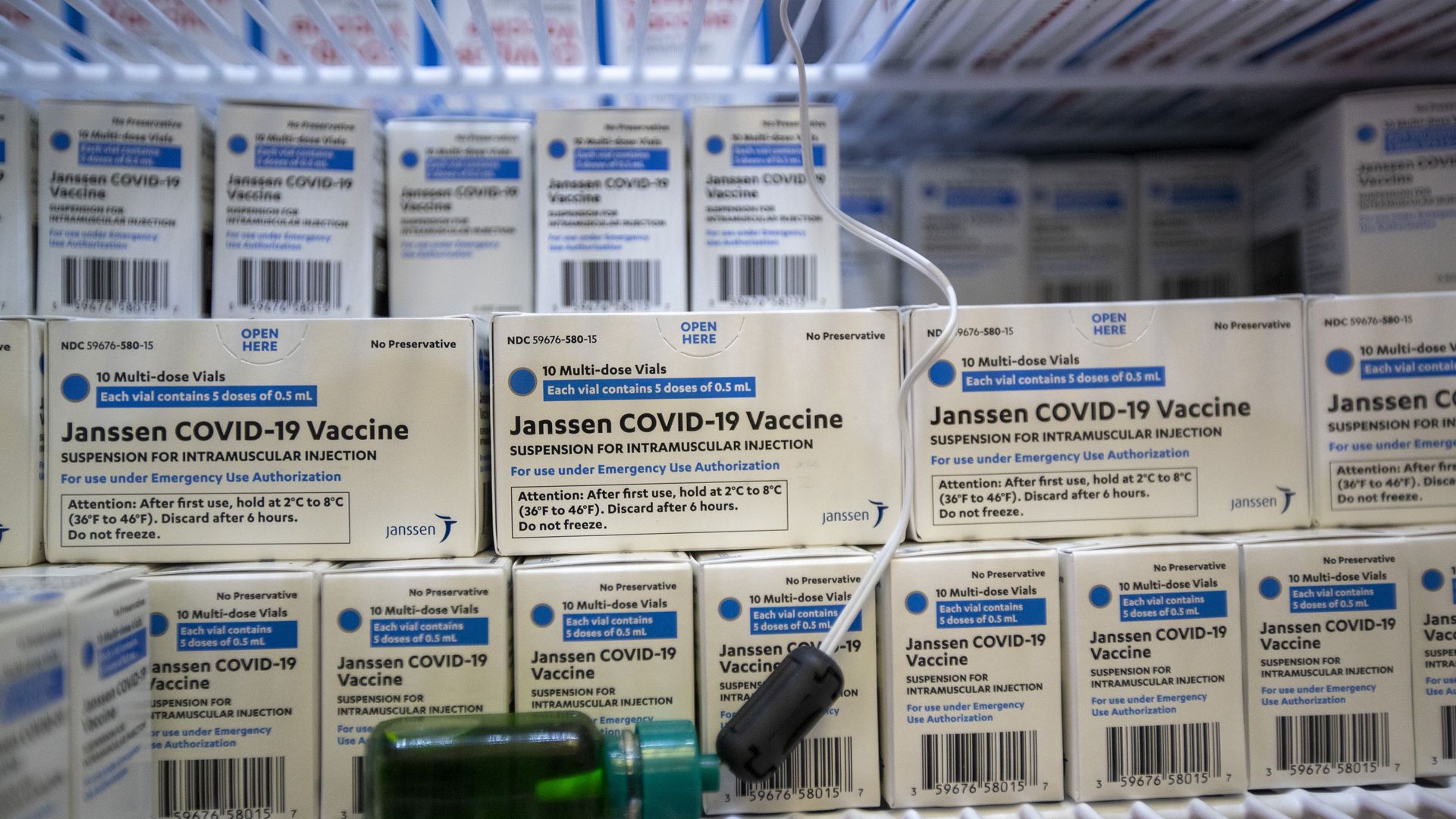
The Baltimore Emergent BioSolutions manufacturing plant that ruined 15 million doses of Johnson & Johnson's coronavirus vaccine had multiple procedural failures, including unsanitary conditions near sensitive manufacturing areas, the Food and Drug Administration stated in a report Wednesday
Why it matters: The FDA faulted Emergent for failing to thoroughly review the incident, which halted the potential production and shipment tens of millions of Johnson & Johnson doses this month.
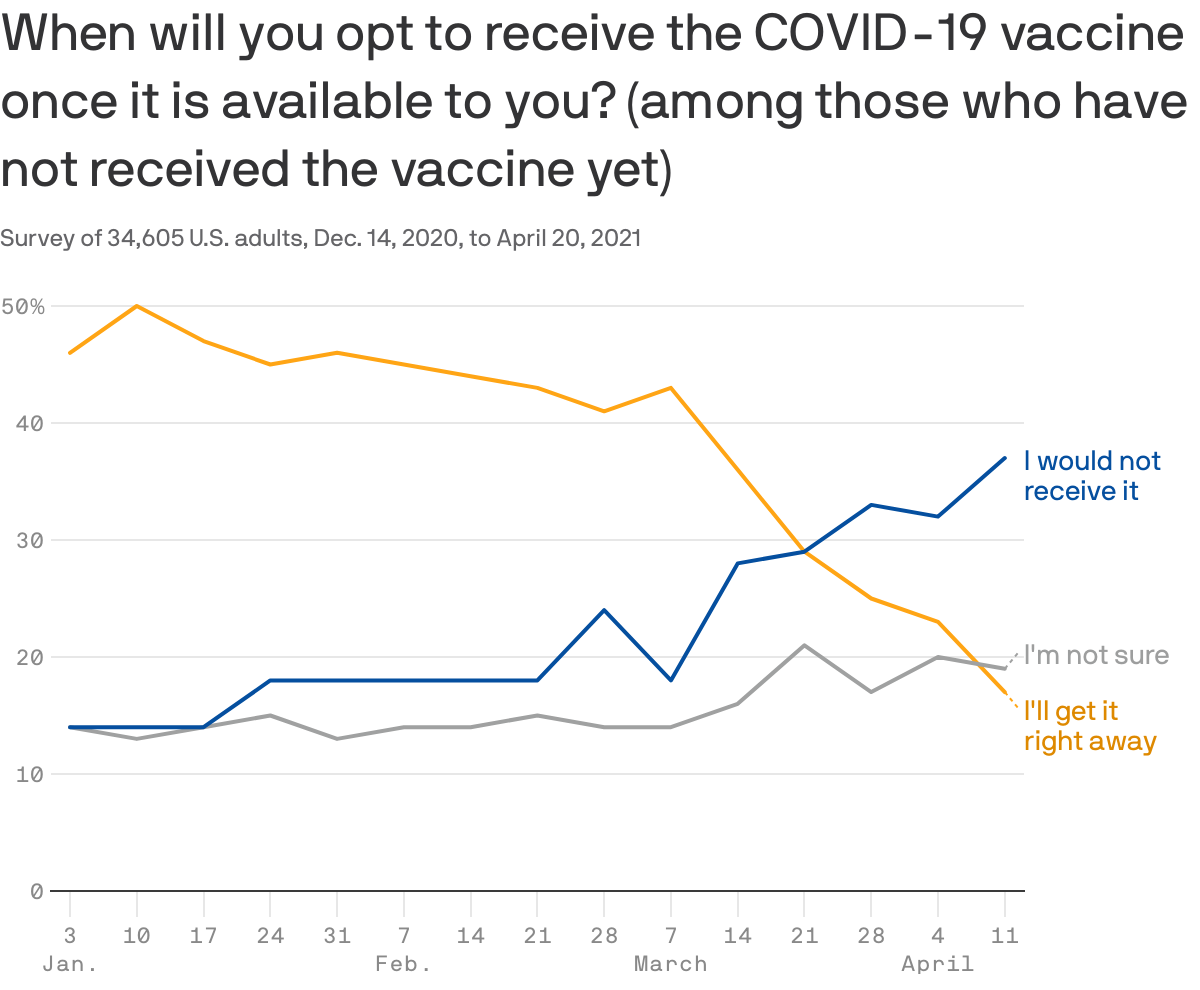
The U.S. will probably run out of adults who are enthusiastic about getting vaccinated within the next two to four weeks, according to a KFF analysis published yesterday.
Between the lines: Vaccine hesitancy is rapidly approaching as our main impediment to herd immunity.
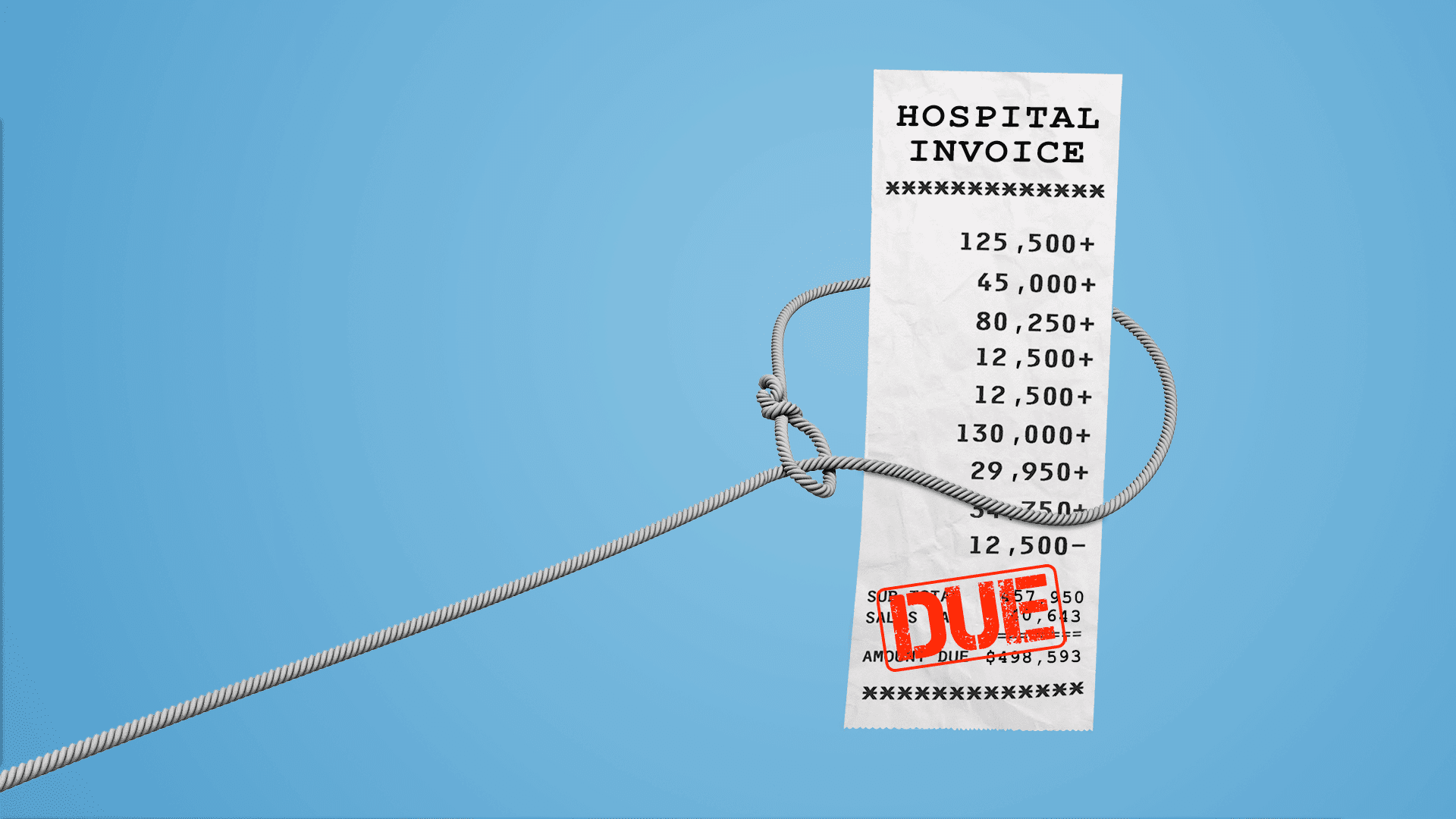
The University of Virginia Health System said this week it will cancel decades of court judgments and liens over unpaid medical bills from low-income patients.
The big picture: The decision would likely benefit tens of thousands of families and would make UVA Health's collection policy way more lenient than those of many other hospital systems, Kaiser Health News reports.
Tech-enabled insurance provider Oscar Health just launched its tech platform for payers and providers, called +Oscar, but the company still faces some steep hurdles.
Driving the news: +Oscar is a standalone business that expands on previous partnerships. The company is selling it to everyone from other payers looking to improve their consumer experiences to medical groups looking to jump into value-based care arrangements.
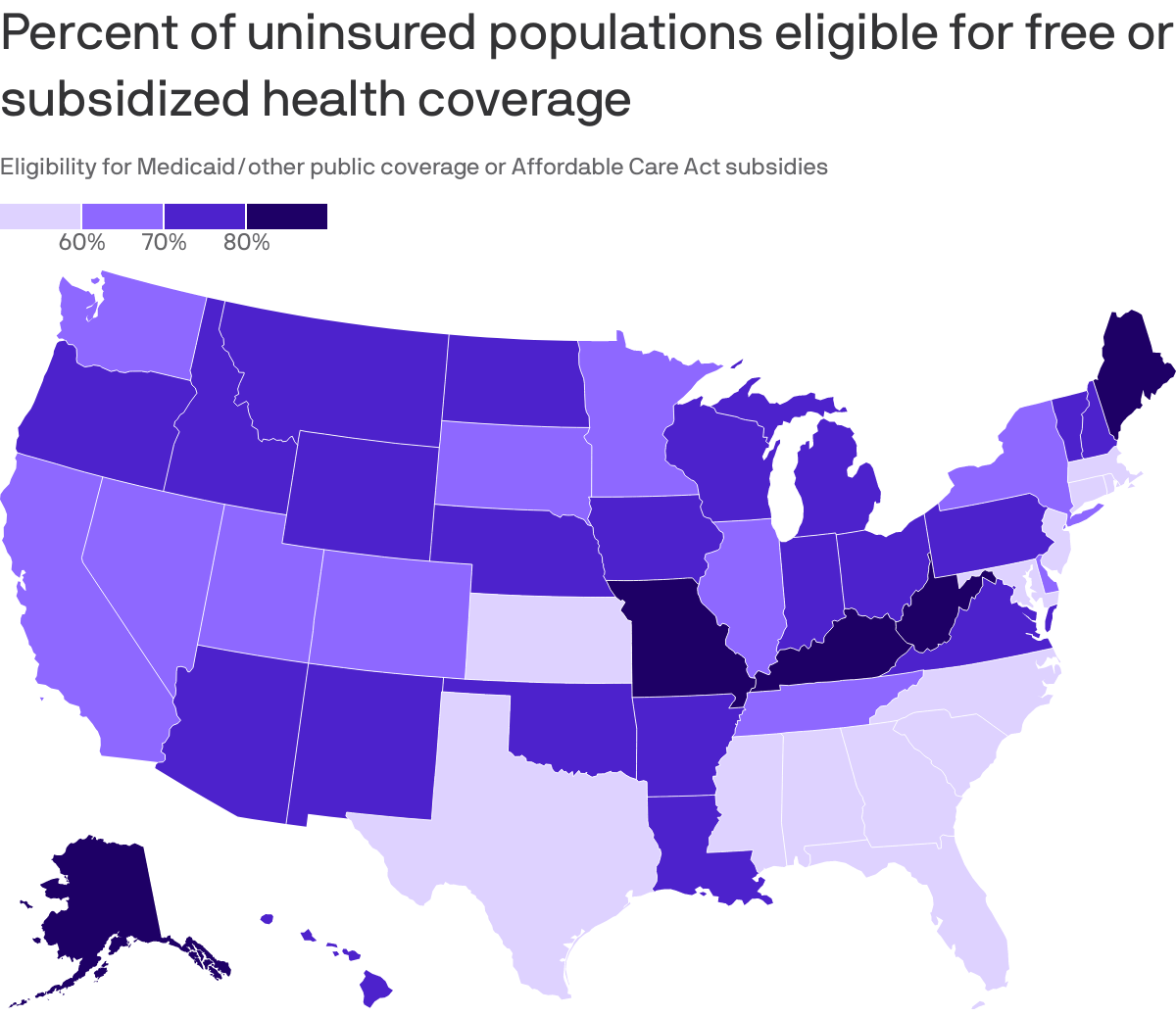
Most uninsured Americans are already eligible for Medicaid or subsidized Affordable Care Act coverage.
Why it matters: One path to universal health coverage would involve signing millions of Americans up for insurance that's already available to them, and some states are pursuing that goal.
Hawaii will from next month allow residents who've been fully inoculated against COVID-19 to bypass the state's pre-travel tests and quarantine for inter-island flights.
Why it matters: Hawaii is the second U.S. state to launch a "vaccination verification" scheme after New York, AP notes. Many businesses view such "vaccine passports" as key to returning to normal, but some Republican governors have taken steps to block them.
Johnson & Johnson announced Tuesday it would resume the rollout of its coronavirus vaccine in Europe after the European Medicines Agency (EMA) said unusual blood clots should be listed as a "very rare" side effect of the company's vaccine, but that the benefits of the shot still outweigh the risks.
Why it matters: Johnson & Johnson was set to send 50 million doses of its one-shot coronavirus vaccine to the European Union before it delayed it's European rollout earlier in April "out of an abundance of caution" over rare blood clotting events.
The Swedish Health Agency on Tuesday recommended that people under 65 years old who received the first shot of the AstraZeneca coronavirus vaccine should get a different vaccine for the second shot.
Why it matters: There are no definitive studies regarding immune responses when initial and follow-up vaccine doses are different. The agency said that when results on mixing different doses are released they will evaluate whether the recommendation should be changed.
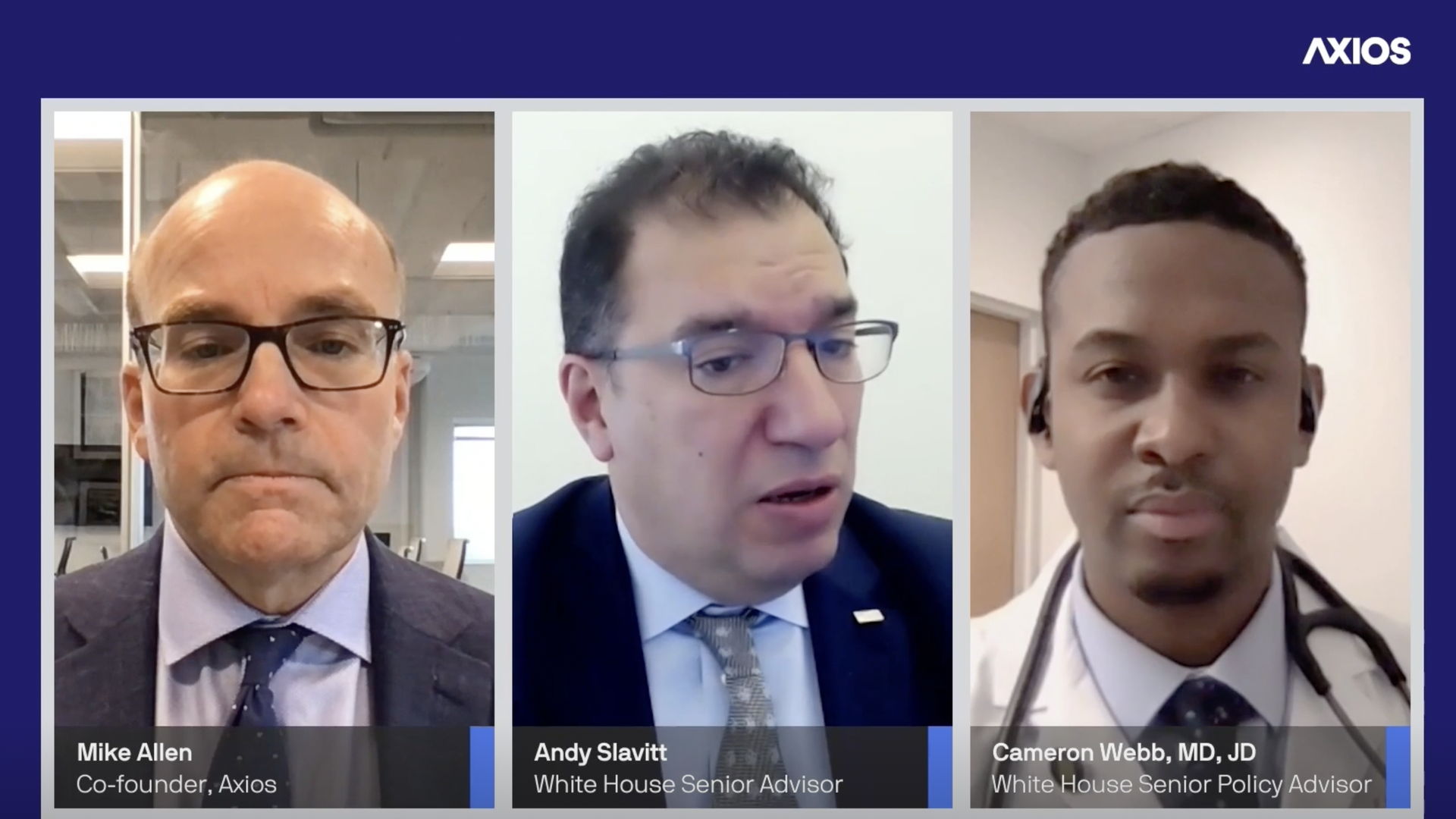
Distributing the coronavirus vaccine to community health centers has been "critical" to the Biden administration's goal of vaccinating Americans while maintaining racial equity, Cameron Webb, White House senior policy advisor for COVID-19 equity said at an Axios event on Tuesday
What they're saying: Webb said the administration was committed to getting everyone vaccinated but "there's also that long issue of making sure that racial justice is a priority, making sure that we're serving rural communities and a very real and meaningful way."
Google is launching a new certification program for health insurance advertisers in the U.S. that will only allow government exchanges, first-party providers and licensed third-party brokers to run ads across its platform.
Why it matters: The policy is meant to curb any misinformation, confusion and fraud around health care being provided to consumers via ads.
The European Medicines Agency (EMA) said Tuesday that unusual blood clots should be listed as a "very rare" side effect of Johnson & Johnson's coronavirus vaccine, but that the benefits of the shot still outweigh the risks.
Why it matters: The agency's determination of a "possible link" to a rare kind of blood clot comes ahead of an expected ruling by the U.S. FDA this week on whether to lift its pause on the J&J vaccine rollout.
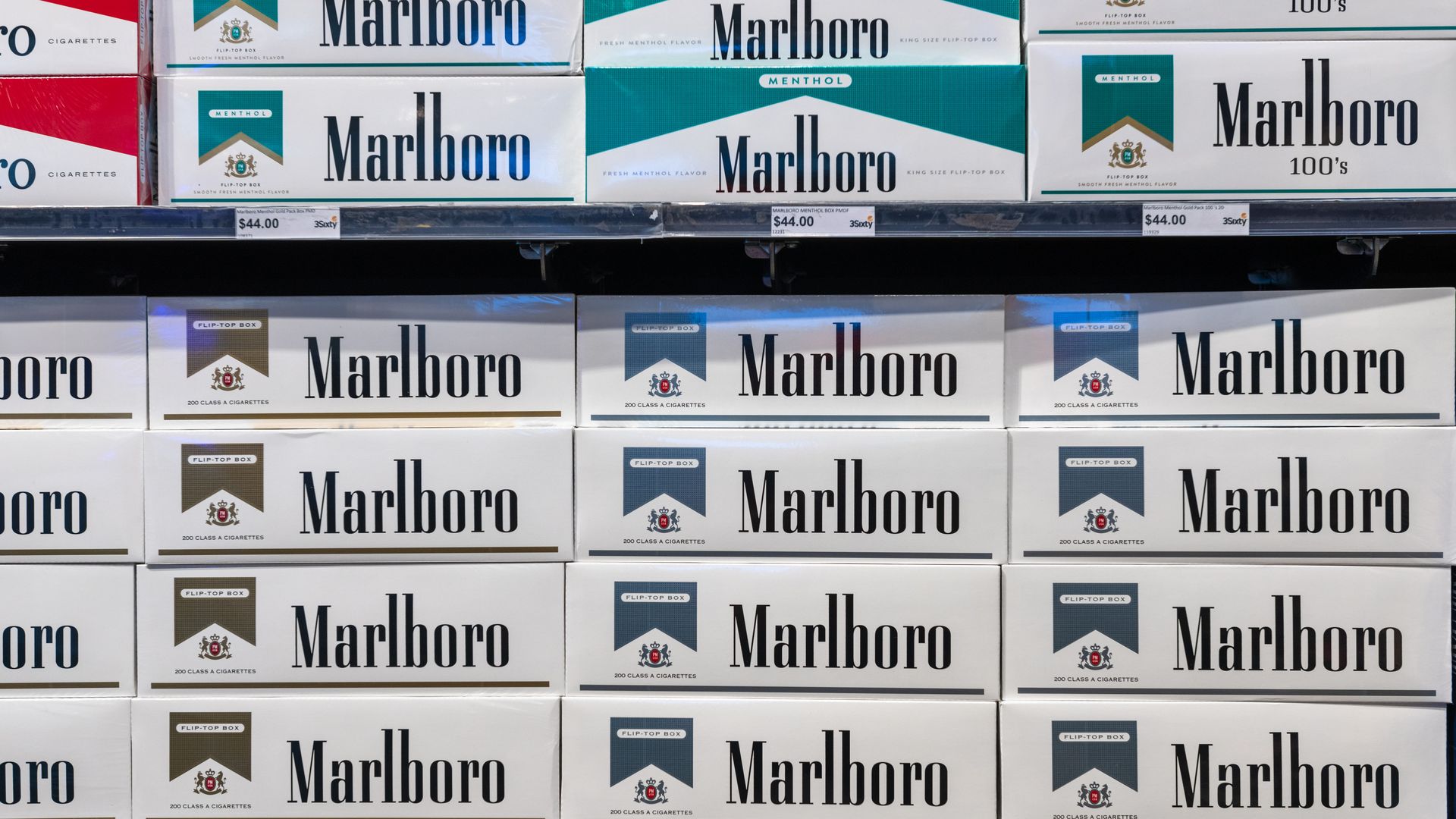
The White House is exploring whether to make tobacco companies reduce nicotine levels in cigarettes, the Wall Street Journal reports.
Why it matters: The policy would make nicotine levels so low that cigarettes wouldn't be addictive, and wouldn't satisfy nicotine addiction — theoretically pushing smokers to buy less harmful tobacco products instead.
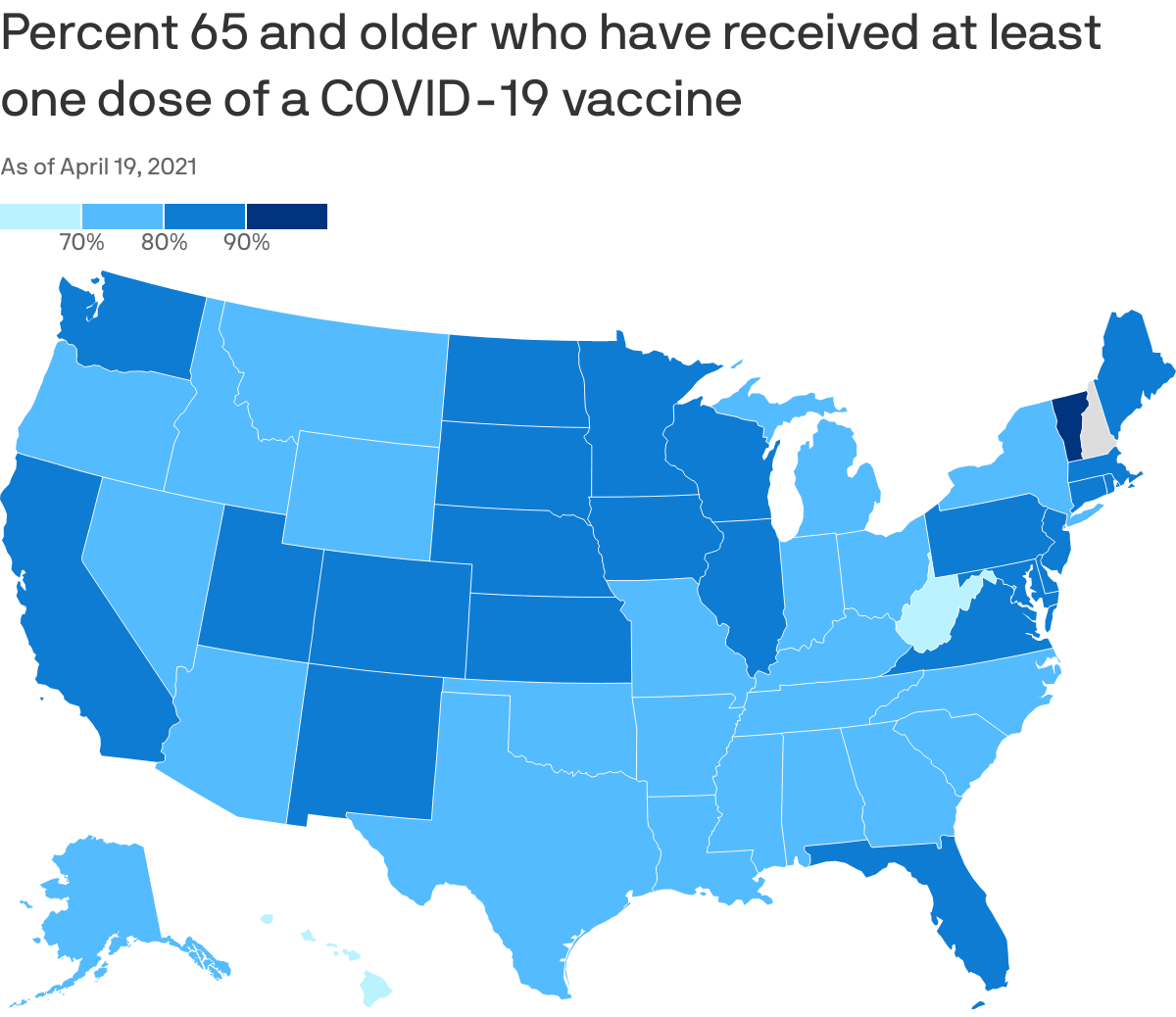
Data: CDC and Simon Willison; Note: The last reliable figure reported for New Hampshire was 83.9% on April 6, 2021; Chart: Danielle Alberti/Axios
More than 80% of Americans 65 and older have received at least one dose of a coronavirus vaccine, per the CDC, but millions across the country remain unvaccinated — particularly in the South.
Why it matters: Seniors who have yet to receive their shot remain highly vulnerable to the virus even as the country overall becomes safer.
Most Americans support the pause in distribution of the Johnson & Johnson COVID-19 vaccine, and so far there's no evidence that it's leading to broader vaccine hesitancy, according to the latest installment of the Axios/Ipsos Coronavirus Index.
Driving the news: In our weekly national survey, 91% of respondents were aware of the temporary pause recommended by the Food and Drug Administration and the Centers for Disease for Control and Prevention. Of those, 88% said the pause was a responsible decision.
The State Department announced Monday that it will be issuing "do not travel" guidelines for roughly 80% of countries worldwide and urged Americans to "reconsider all travel abroad."
Why it matters: The announcement emphasizes the ongoing severity of the COVID-19 pandemic, despite a ramped up domestic vaccination campaign and many states moving to reopen. Globally, cases continue to surge.