Monday provided two major reasons for optimism about the global pandemic recovery.
Driving the news: Real-world data from Israel found that the Pfizer-BioNTech vaccine was at least 97% effective in preventing symptomatic COVID-19 cases, and President Biden signed a $1.9 trillion stimulus bill that the Organization for Economic Co-operation and Development (OECD) projects will add a full percentage point to global economic growth this year.
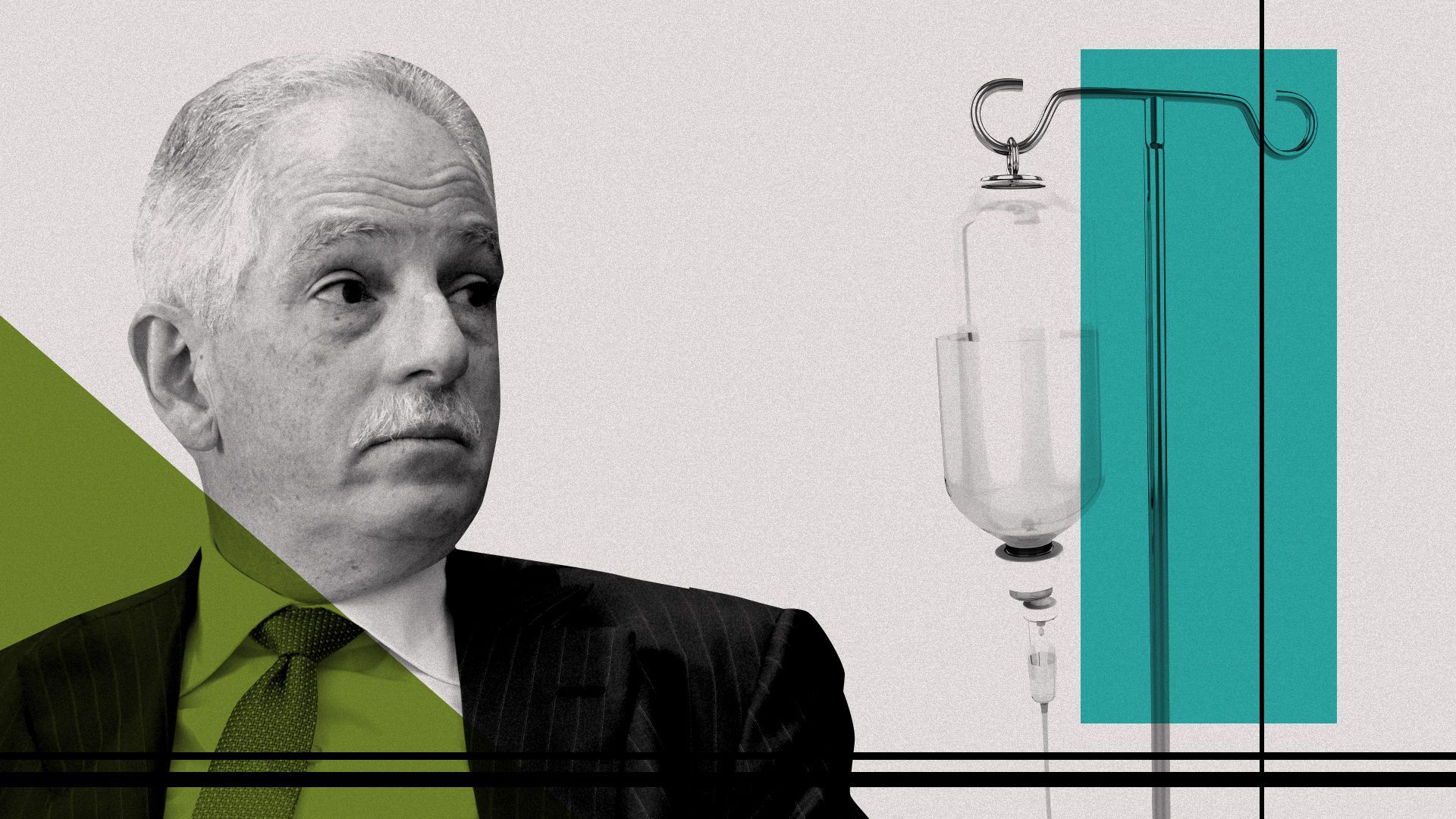
Steven Corwin, chief executive of NewYork-Presbyterian Hospital, said the medical center had four cases of COVID on March 8 of last year. By March 29 that number had jumped to 600.
Why it matters: In an interview on Thursday with Axios Re:Cap, Corwin described how the hospital managed the "tsunami" of cases in the early days of the pandemic while struggling to maintain a supply of protective and medical equipment during a global supply shortage.
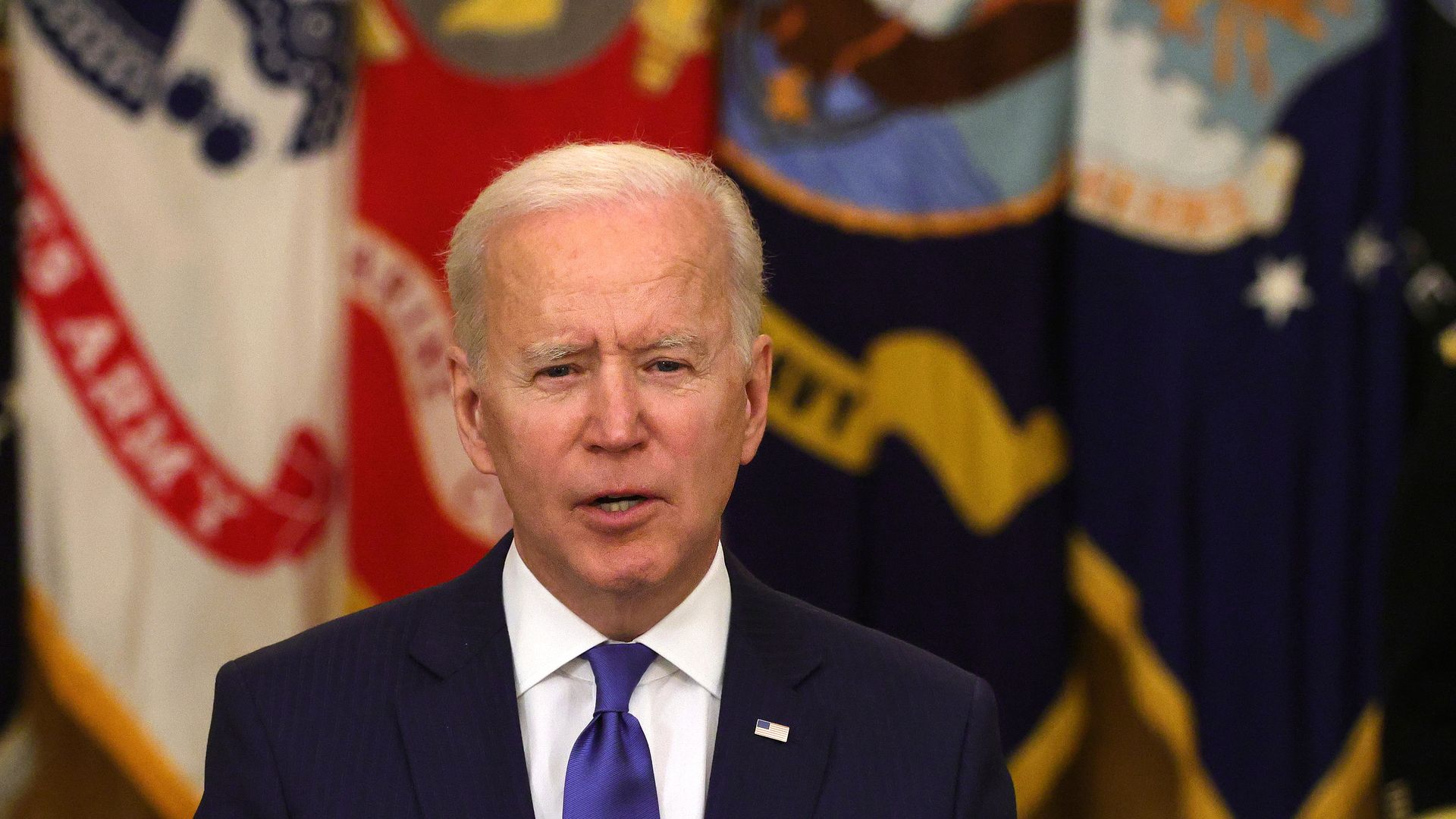
President Biden is directing $2.5 billion in funding to address the nation's worsening mental illness and addiction crisis, an official from the U.S. Department of Health and Human Services tells Axios.
Why it matters: Confronting the mounting mental health and substance abuse crisis will be an imperative for the Biden administration, even as its primary focus is on combating the broader COVID-19 pandemic.
When people have more money,they're more generous to others.
Why it matters: The stimulus hasn't just seen the government giving money to the needy. It's helped increase the amount of money in the economy broadly, and that in turn has increased Americans' propensity to help each other out financially.
The House voted 227-203 Thursdayto pass a bill that would require background checks for all gun purchasers. Within hours, the chamber voted 219-210 on a second background check bill to close the "Charleston loophole," which allowed Dylann Roof to buy a firearm used to kill nine people at a Black church in 2015.
Why it matters: Overhauling the nation's gun control laws is a priority for Democrats and the Biden administration, but the bill is unlikely to pass the 60-vote threshold in the Senate, where Republicans oppose attempts to curtail gun rights.
Doctors tended to overprescribe antibiotics to COVID-19 patients in hospitals during the early pandemic months, but programs designed to limit overuse are helping, according to an analysis from Pew Charitable Trusts.
Why it matters: Antibiotic resistance is a serious threat globally and in the U.S., with rising deaths due to bacterial infection, dwindling novel drugs to treat them, and huge associated economic costs. Many worry the pandemic will only make the problem worse.
The European Medicines Agency has recommended Johnson & Johnson's single-dose COVID-19 vaccine for everyone over the age of 18.
Why it matters: The approval from the European Union's medical regulator paves the way for the vaccine to receive conditional authorization in the bloc's 27 member states as soon as Thursday, per Politico.
The pandemic has been hard on everyone, but the impact on teenagers has been uniquely profound.
Why it matters: High schoolers spent much of the past year isolated and on the sidelines, and that lack of human connection combined with shortened or canceled sports seasons has taken a devastating toll.
Speaking on the one-year anniversary of the pandemic declaration, White House chief medical adviser Anthony Fauci said Thursday he would have been "shocked" to hear a year ago that the U.S. coronavirus death toll would surpass 500,000.
Why it matters: It's a higher death toll than the number of U.S. soldiers killed in action in World War I, World War II, and the Vietnam War combined. The White House projected on March 31 that the virus could kill 100,000–240,000 Americans — even with strict social distancing guidelines in place.
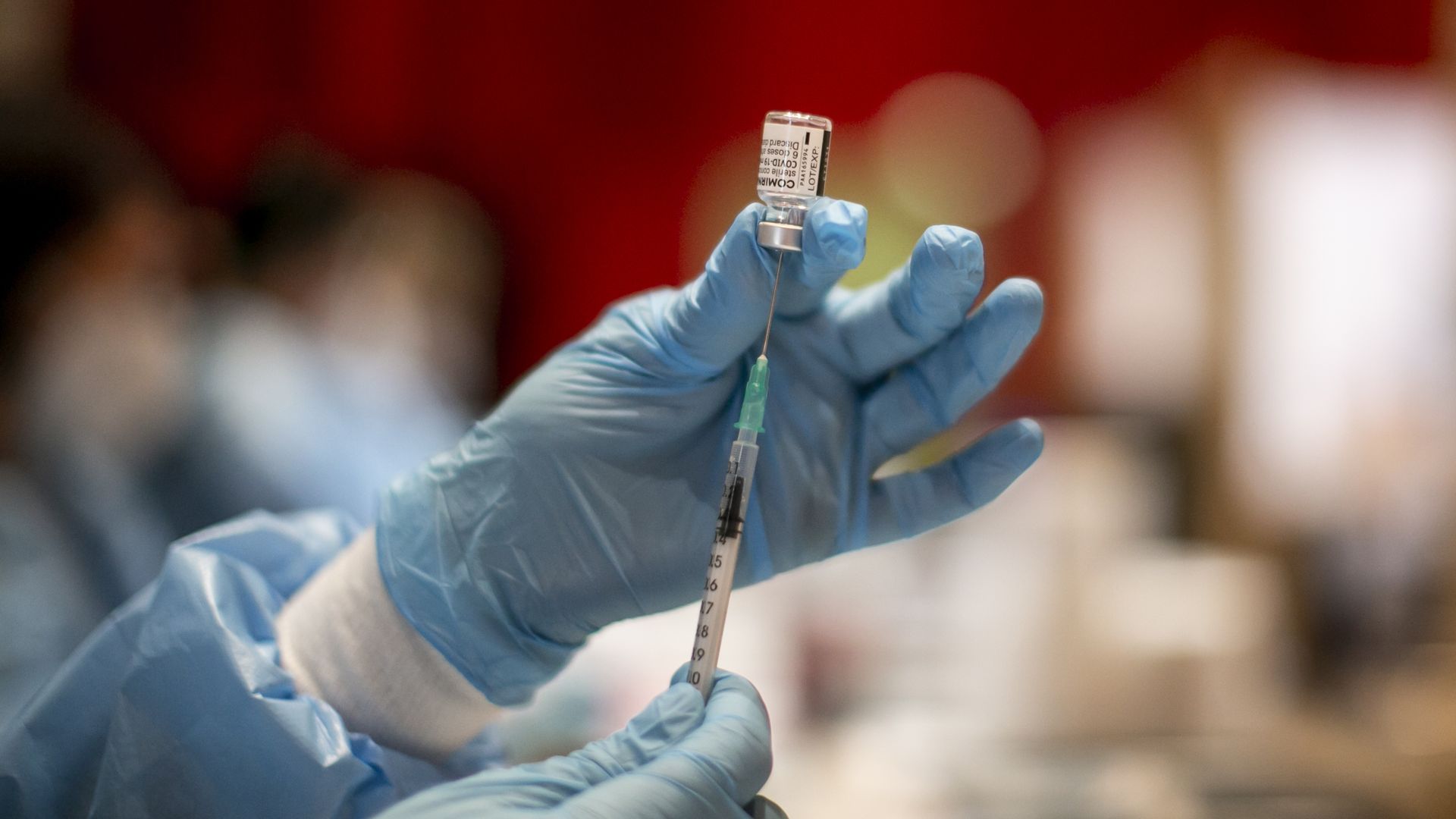
The Pfizer-BioNTech coronavirus vaccine was at least 97% effective in preventing symptomatic COVID-19 cases and 94% effective against asymptomatic infection, according to real-world data from Israel released on Thursday.
Why it matters: The latest analysis from Israel, where a world-leading 44% of the population has received two vaccine doses, suggests that the Pfizer vaccine could significantly reduce asymptomatic transmission — a key driver of infections — in addition to preventing severe illness and death.
Wealthy nations — including the U.S., the U.K. and the EU — have vaccinated their citizens at a rate of one person per second over the last month, while most developing countries still haven't administered a single shot, according to the People's Vaccine Alliance.
Why it matters: As higher-income countries aim to achieve herd immunity in a matter of months, most of the world's vulnerable people will remain unprotected.
54% of people who got their first dose of the vaccine through a community health center were people of color, a Wednesday brief from Kaiser Family Foundation found.
The big picture: Community health centers are a primary source of care for low-income populations and people of color.
One year after the World Health Organization declared COVID-19 a pandemic, the end of that pandemic is within reach.
The big picture: The death and suffering caused by the coronavirus have been much worse than many people expected a year ago — but the vaccines have been much better.
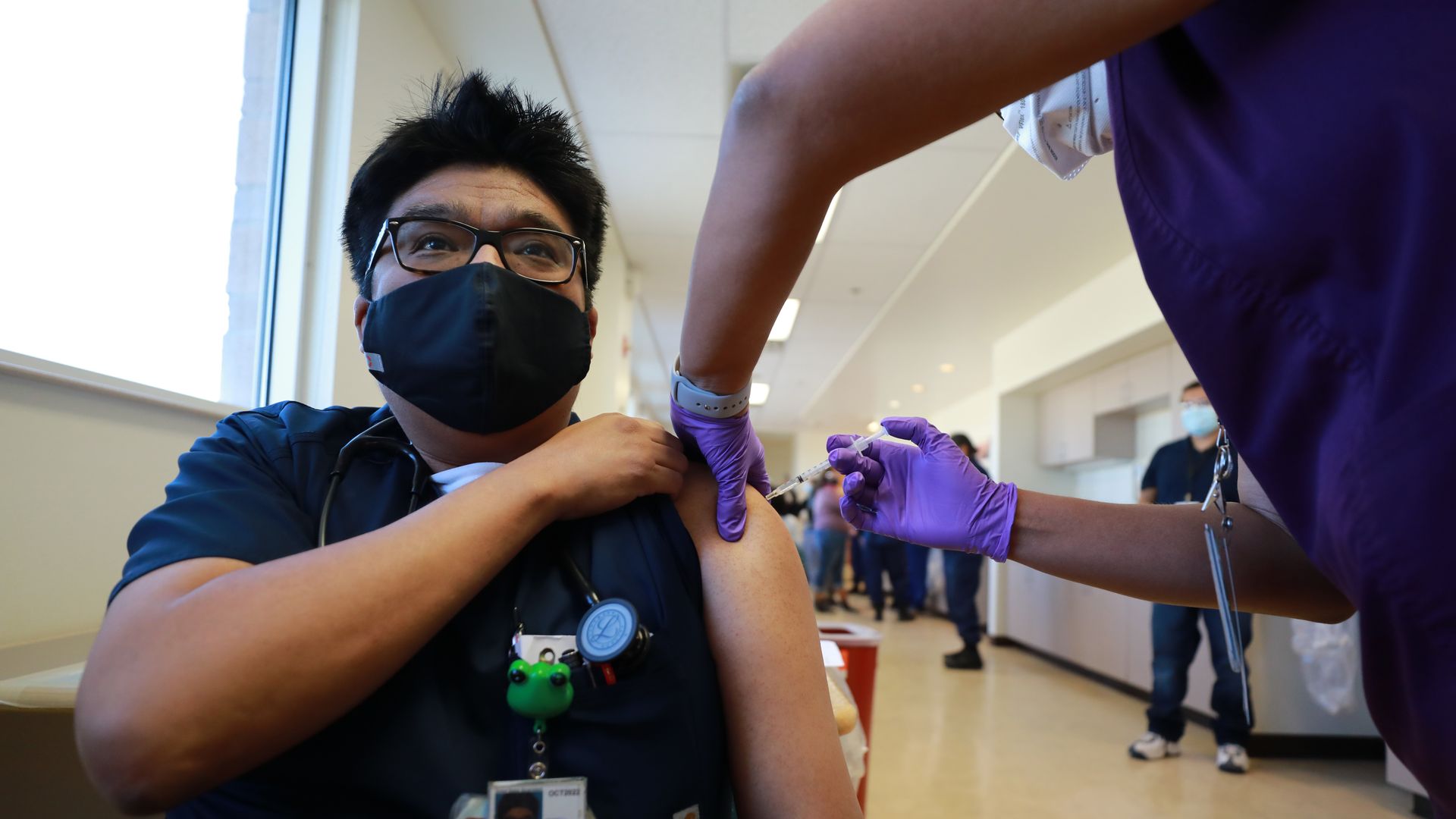
Native American tribes are pulling off many of the most successful coronavirus vaccination campaigns in the U.S., bucking stereotypes about tribal governments.
The big picture: Despite severe technological barriers, some tribes are vaccinating their members so efficiently, and at such high rates, that they've been able to branch out and offer coronavirus vaccines to people outside of their tribes.
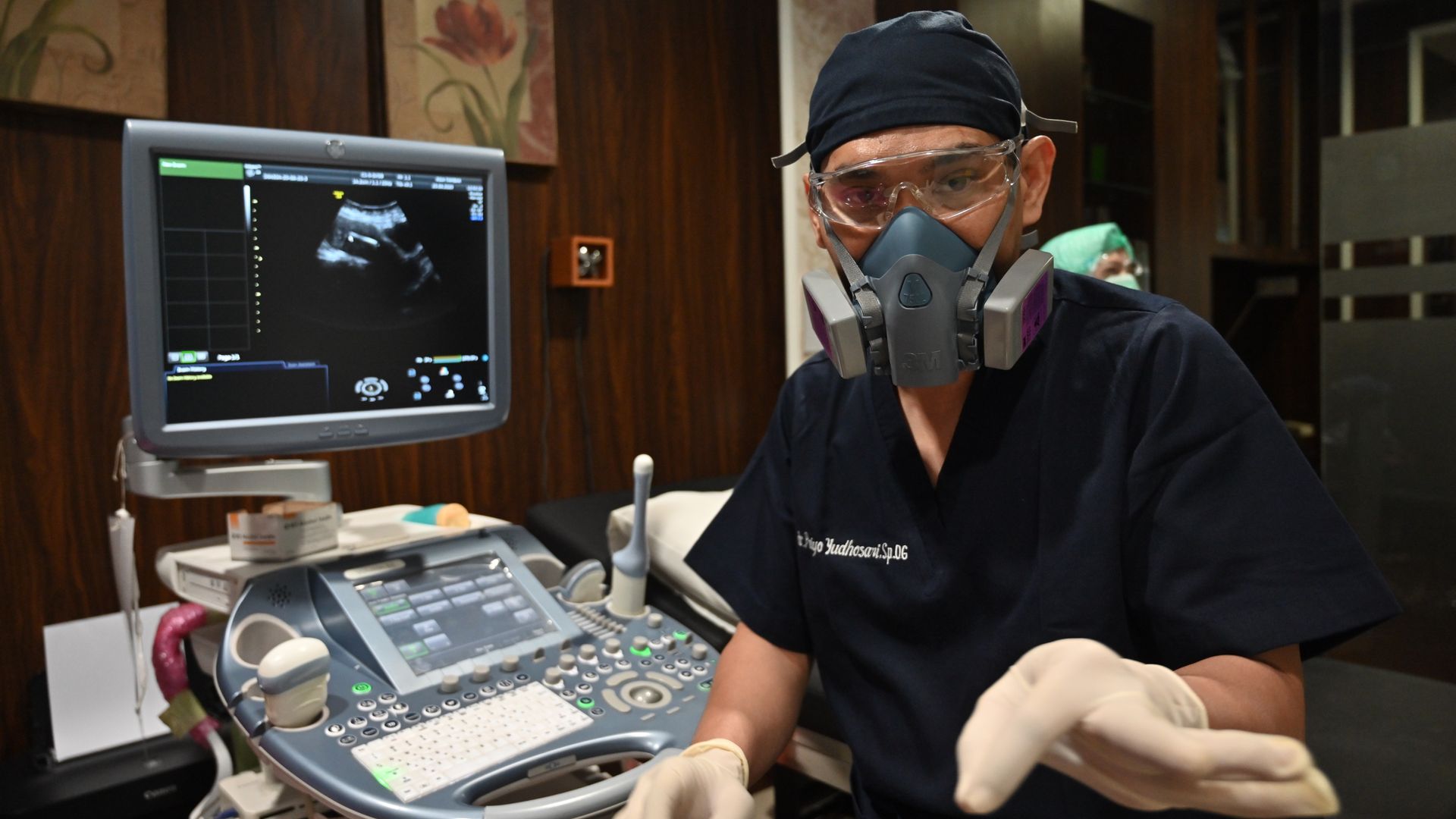
Nearly 12 million women lost access to family planning services including birth control and contraceptives because of the COVID-19 pandemic, the United Nations Population Fund said in a report published Thursday.
Why it matters: The UNPF said the data from 115 low- and middle-income countries shows the disruption for a total of 3.6 months caused by the pandemic over the past year led to 1.4 million "unintended pregnancies."
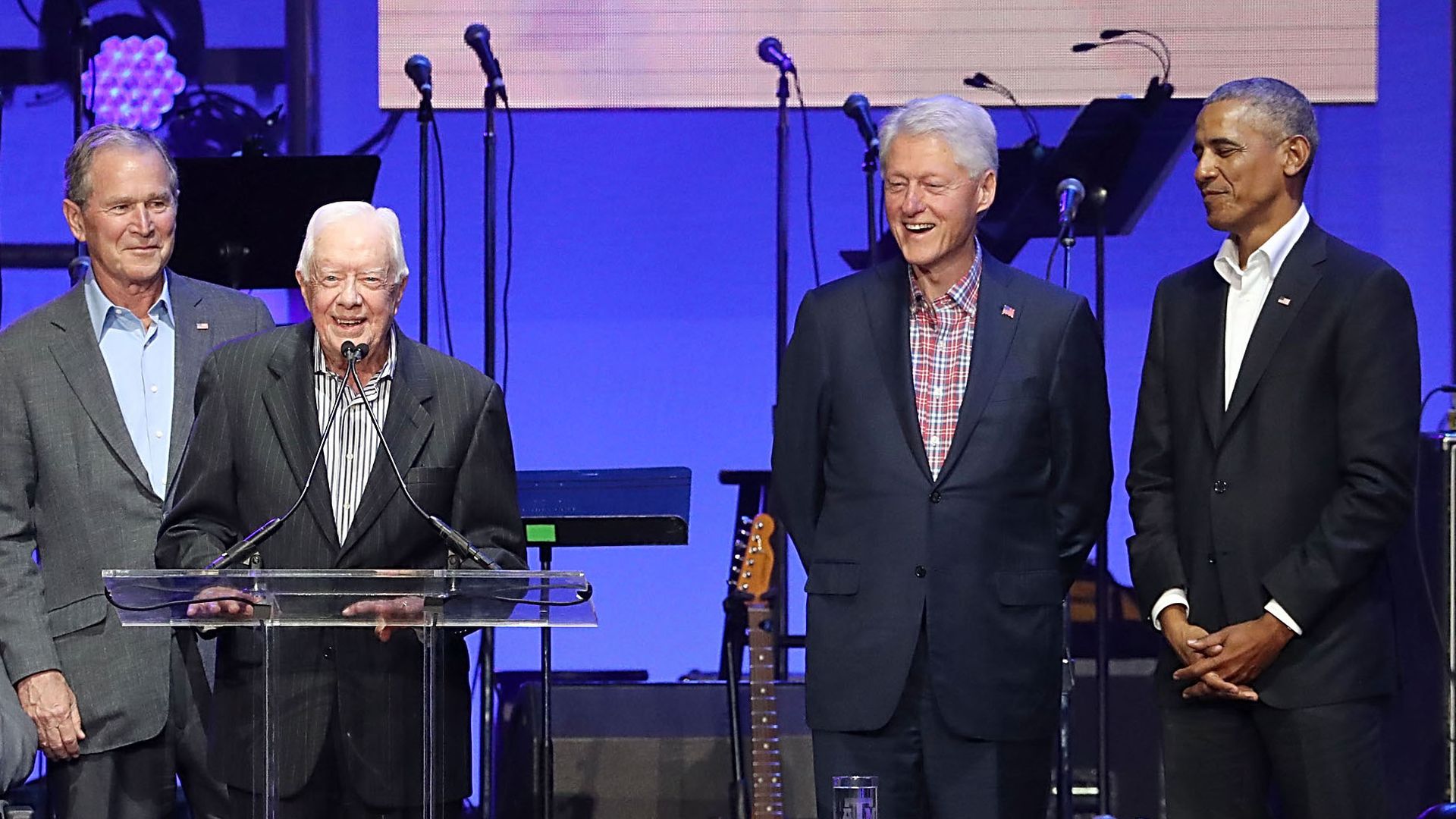
All living former presidents except Donald Trump have banded together for two national ad campaigns released Thursday that are designed to drive trust in COVID-19 vaccines.
Driving the news: One video from the "It's Up To You" campaign features images of former Presidents Barack Obama, George W. Bush, Bill Clinton and Jimmy Carter, along with former first ladies Michelle Obama, Laura Bush, Hillary Clinton and Rosalynn Carter getting the jab.
The U.S. is averaging fewer than 50,000 new coronavirus cases per day for the first time in over five months.
Why it matters: The downward trend comes after reaching a high in January and amid the U.S. vaccination campaign, but health officials warn people to remain vigilant about social distancing and masking.













/2021/03/10/1615413419266.gif?w=3840)