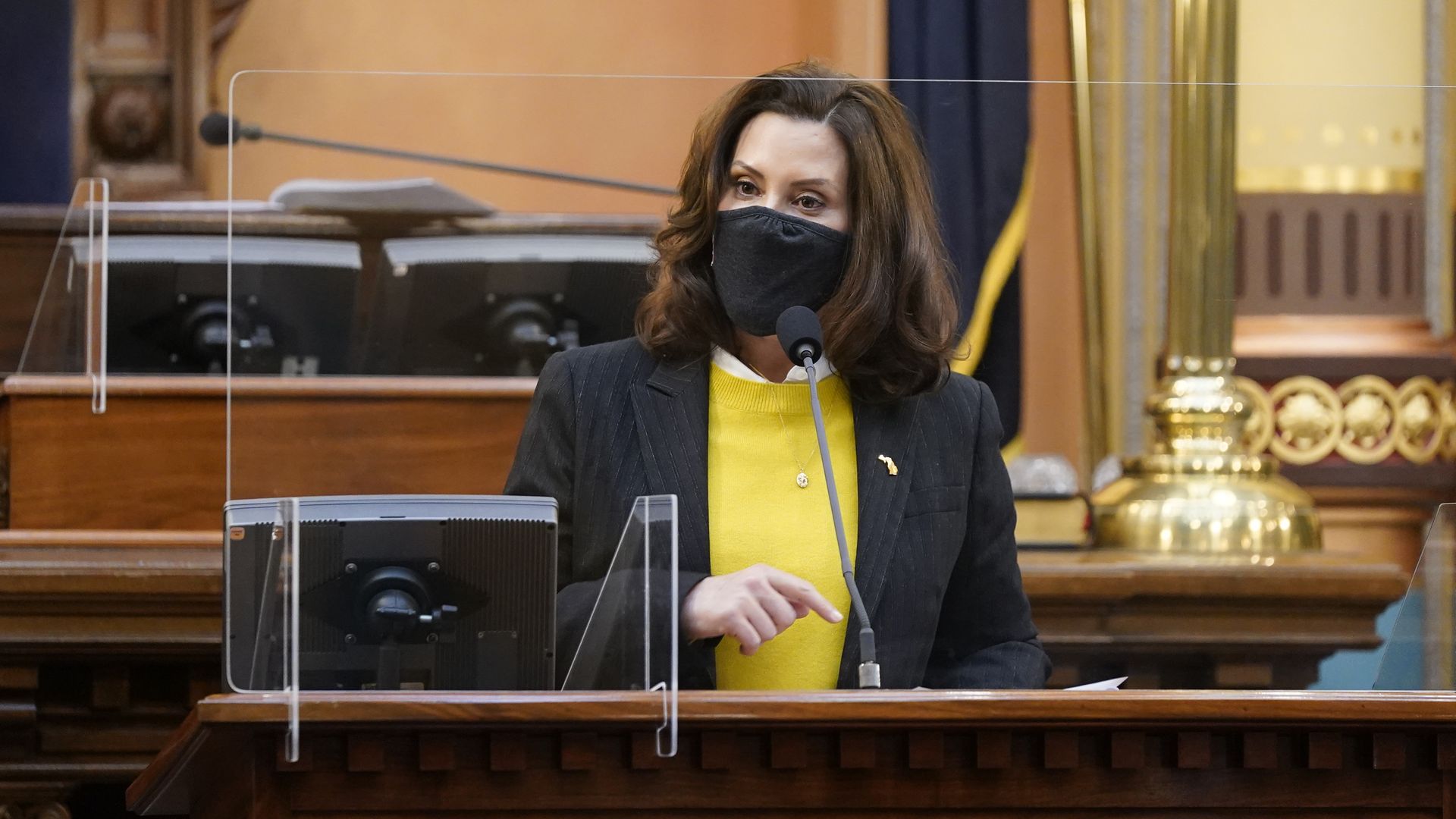
Michigan will allow all residents ages 50 and up as of March 22 to receive a coronavirus vaccine and will expand eligibility for every Michigander 16 years and older starting April 5, Gov. Gretchen Whitmer (D) announced Friday.
The state of play: For now, only residents 65 and older or those over 50 with health conditions that increases their risk of serious complications from the virus are eligible for vaccination.
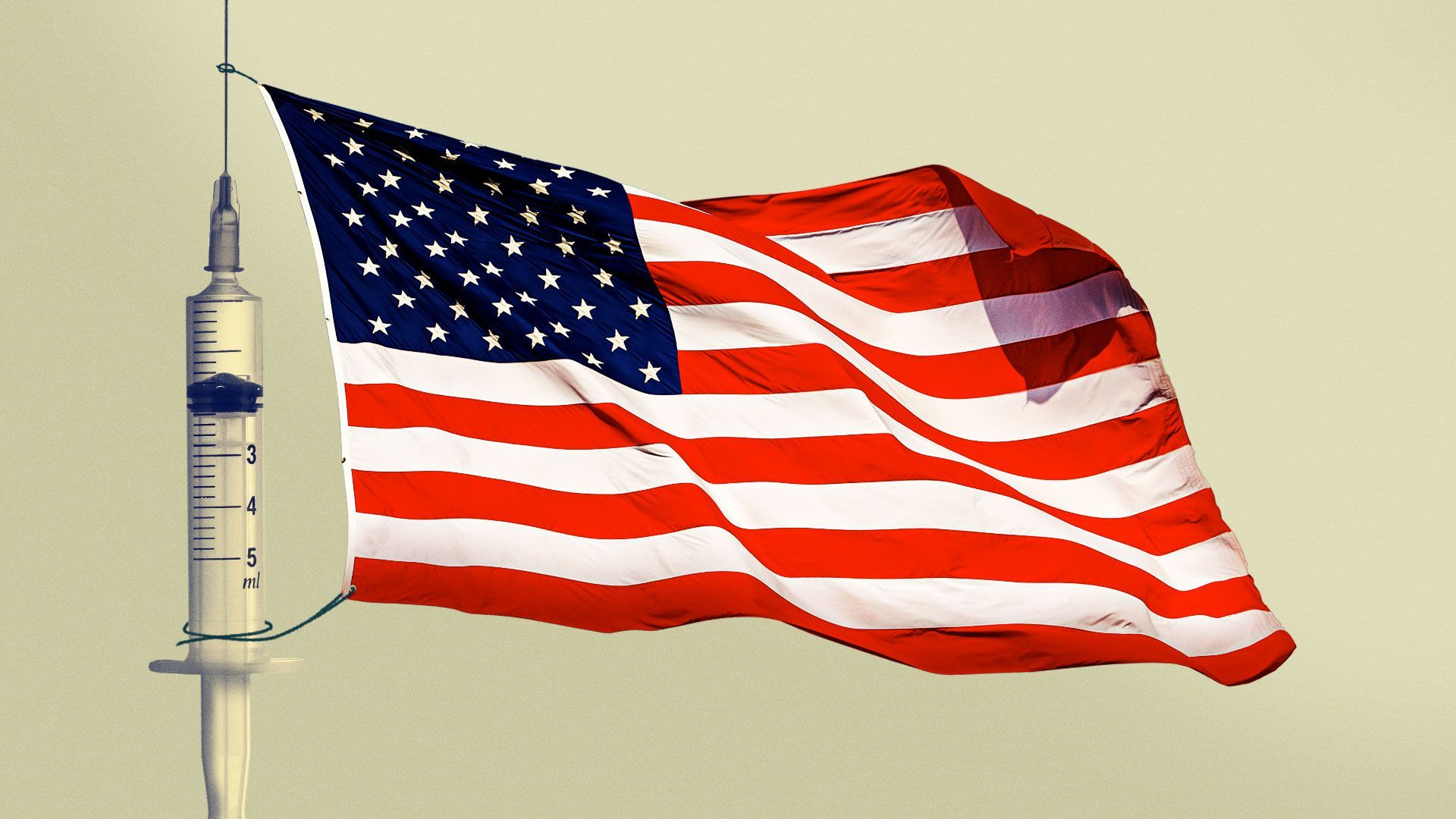
America first. That's the message being sent by the White House when it comes to vaccines.
Why it matters: Billions of people around the world are waiting impatiently for access to a COVID-19 vaccine. But 30 million doses of vaccine are sitting in Ohio, gathering dust, and press secretary Jen Psaki says she wants an extra 100 million doses of the Johnson & Johnson vaccine just in case.
The U.S. has now administered more than 101 million doses of coronavirus vaccine — with almost 20% of the population having received at least one dose and over 10% of the population fully vaccinated.
Why it matters: The milestone comes as the U.S. speeds up its vaccine rollout. President Biden on Thursday directed states and tribal governments to designate all adult Americans eligible for a vaccine no later than May 1.
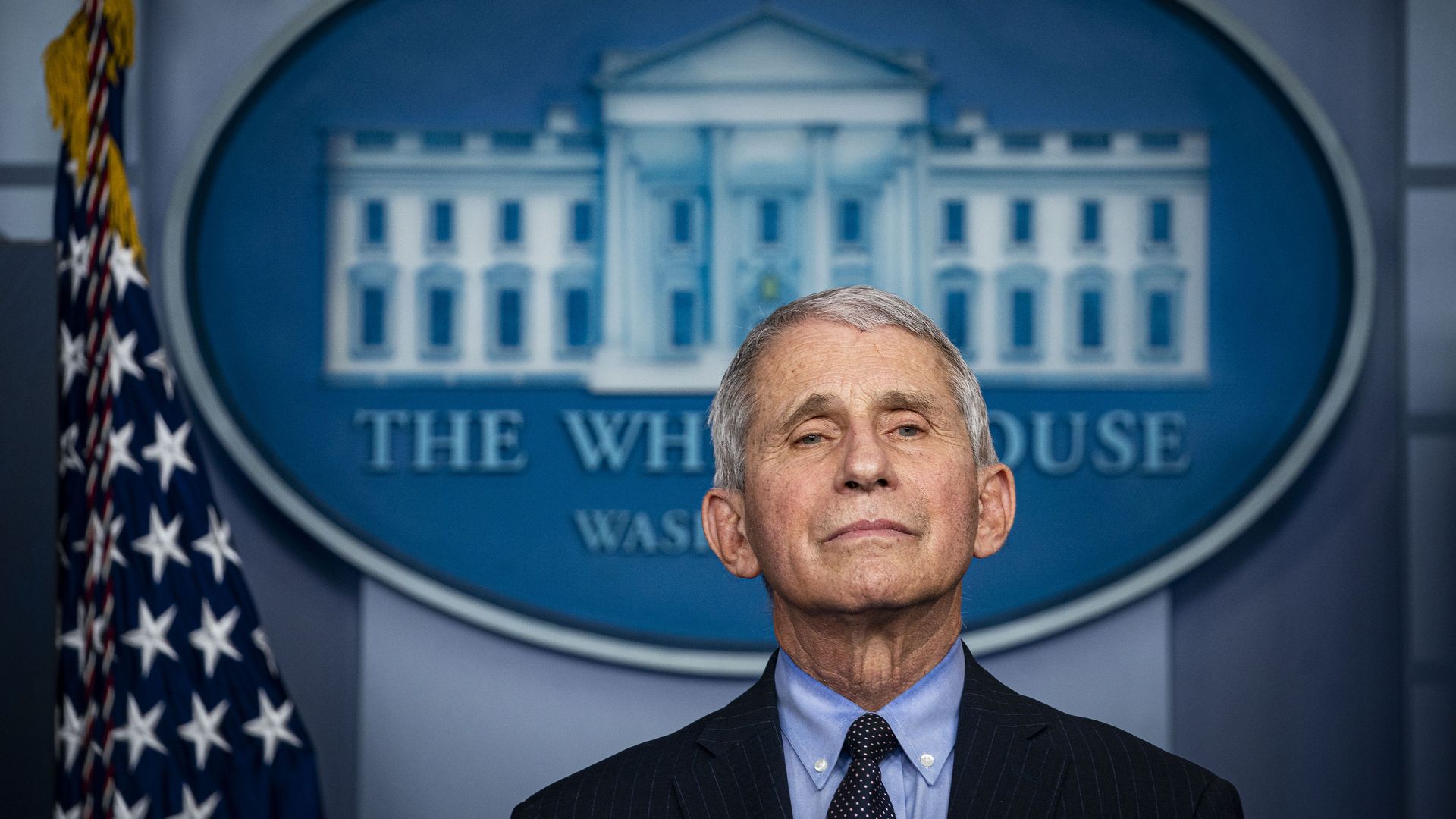
NIAID director Anthony Fauci said he faced a "most difficult decision" when it was determined that the spike in cases in New York in early March were coming from Europe, not China.
Why it matters: In an interview with Axios Re:Cap, Fauci recalled having to tell the Trump administration that they needed to ban travel from Europe.
A surge in coronavirus infections in Europemakes clear the stakes of the race in the U.S. between vaccines and new variants.
Why it matters: Europe and North America, two of the regions hit hardest by the pandemic, both saw sharp declines in cases and deaths beginning in January. Then, Europe's decline gave way to a new spike. America's already slowing decline could slip into reverse next.
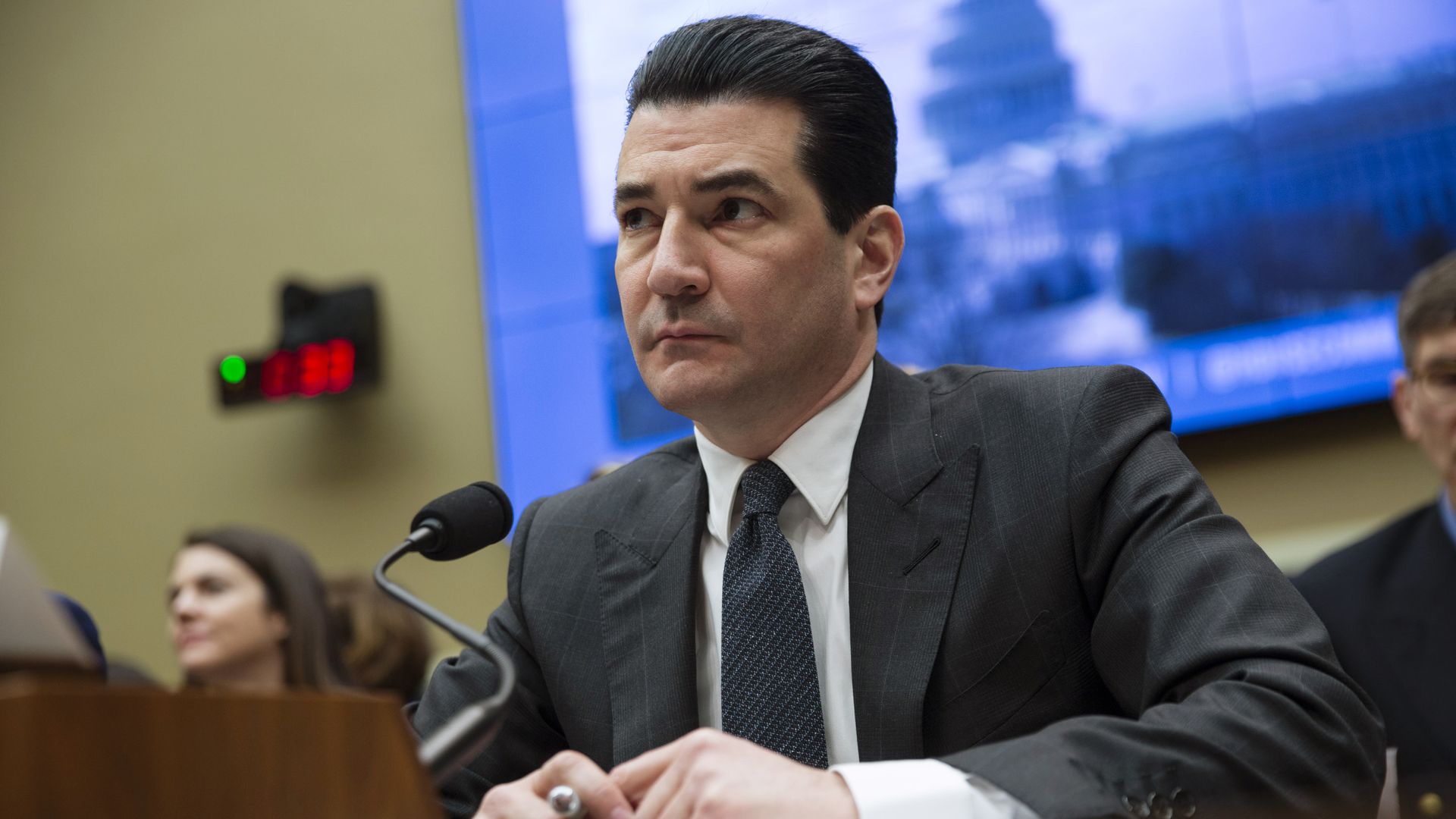
Former FDA commissioner Scott Gottlieb told CNBC on Friday that he expects Americans will be having small get-togethers "well before" President Biden's July 4 target.
Catch up quick: Biden announced in a primetime address on Thursday that he was ordering states to make COVID-19 vaccines available to all residents by May 1, and set a goal for Americans to be able to safely congregate in small groups by the Fourth of July
The pandemic year came with anxiety, fear, isolation, sadness and frustration. But we are close to making it to the other side.
In the second installment of our COVID reflections project, we wanted to know how you survived — what brought you light and joy during a dark and difficult year.
What we learned: Your answers were filled with love, resilience and ingenuity.
The pandemic crashed into American life one year ago this week — but key decision-makers sensed what was coming earlier than most Americans, and even many politicians.
The big picture: In interviews for this week's special series of Axios Re:Cap podcasts, The Week America Changed, leaders in both the public and private sectors described their growing awareness, early last year, of just how bad things could get.
NIAID director Anthony Fauci told CBS News Thursday that he's "very much" concerned about a post-COVID mental health pandemic.
Why it matters: Three in four adults in the U.S. reported a high stress level related to the pandemic, while one in four essential workers have been diagnosed with a mental health disorder since the start of the public health crisis, according to a survey from the American Psychological Association (APA) conducted in late February.


/2021/03/12/1615582125775.gif?w=3840)