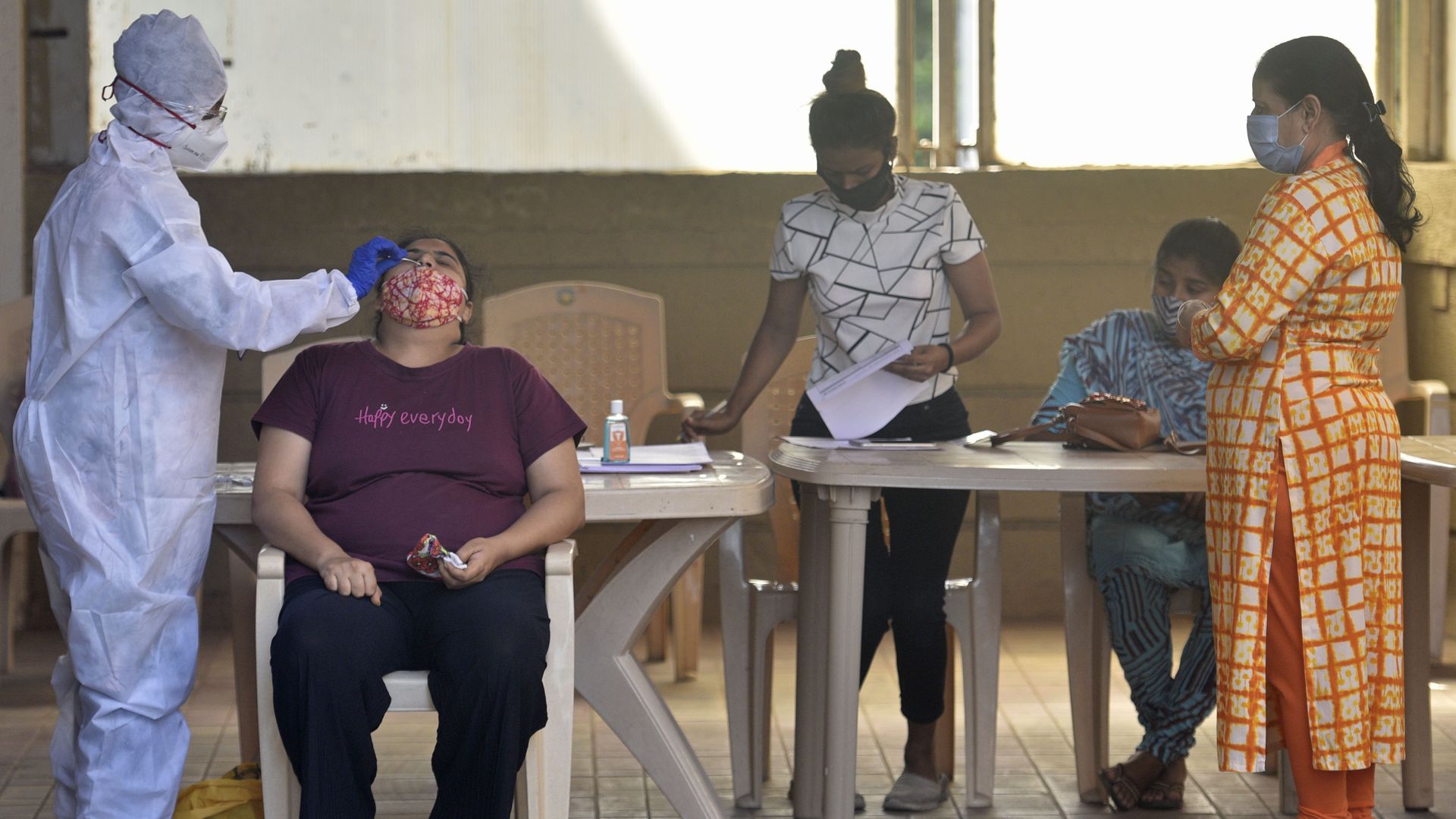
India is reviewing the COVID-19 vaccines developed by Pfizer and AstraZeneca for emergency use, Reuters reports.
Why it matters: India is home to the Serum Institute, the largest vaccine manufacturer in the world by volume. The country has also reported the most coronavirus cases outside the U.S., and the third-most COVID fatalities globally, per Johns Hopkins University data.
Applications to medical schools have surged nationwide during the coronavirus pandemic in a trend that some admissions officers are calling the "Fauci effect," NPR reports.
By the numbers: The Association of American Medical Colleges (AAMC) says applications are up 18% this year overall.
The World Economic Forum announced Monday that it will convene its annual meeting this summer in Singapore instead of the iconic Swiss ski town of Davos "in light of the current situation with regards to COVID-19 cases."
Why it matters: Singapore has earned praise for its success in combatting the coronavirus, reporting 58,260 cases since the start of the pandemic and only 213 over the last month, according to data from Johns Hopkins University.
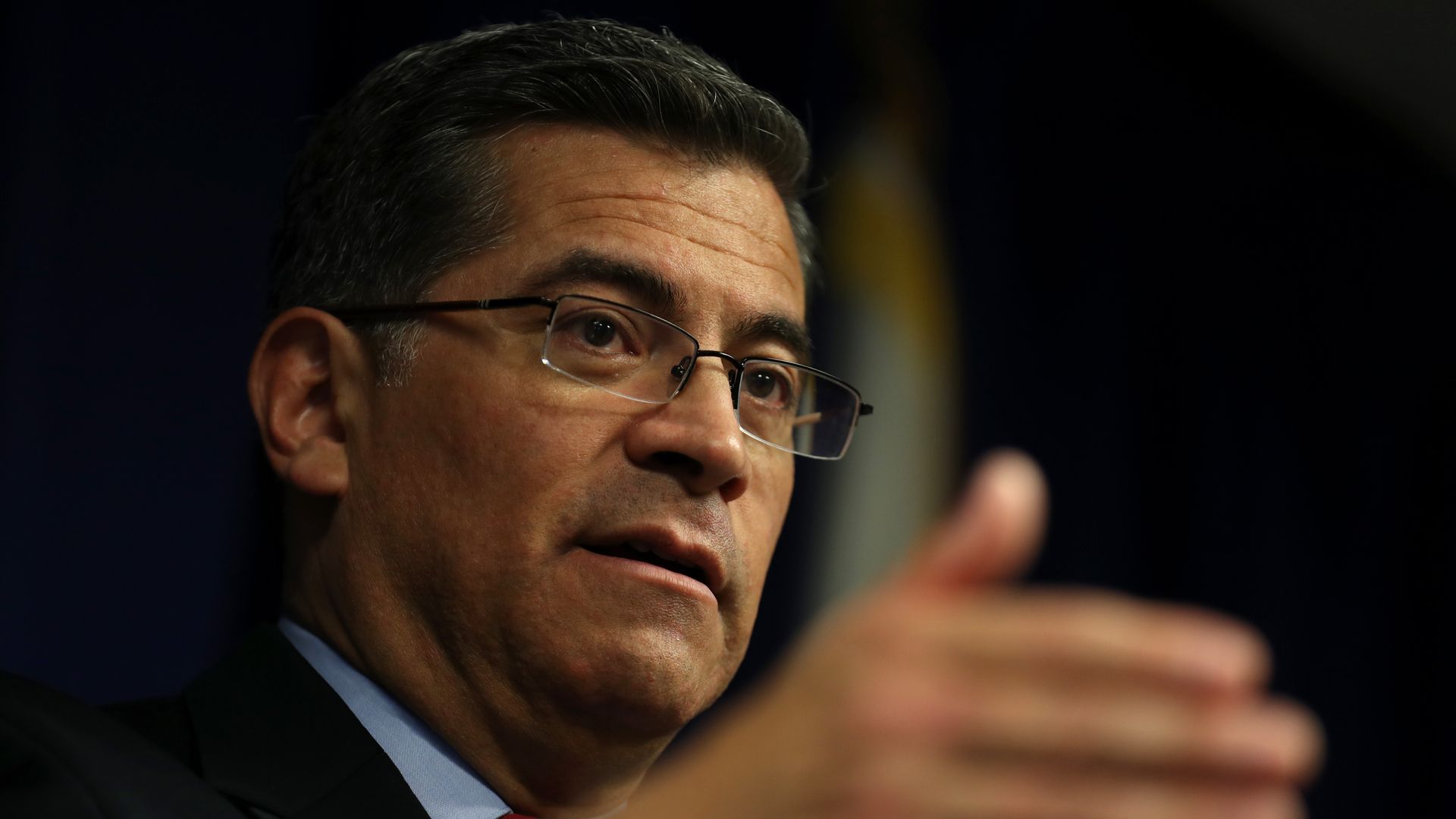
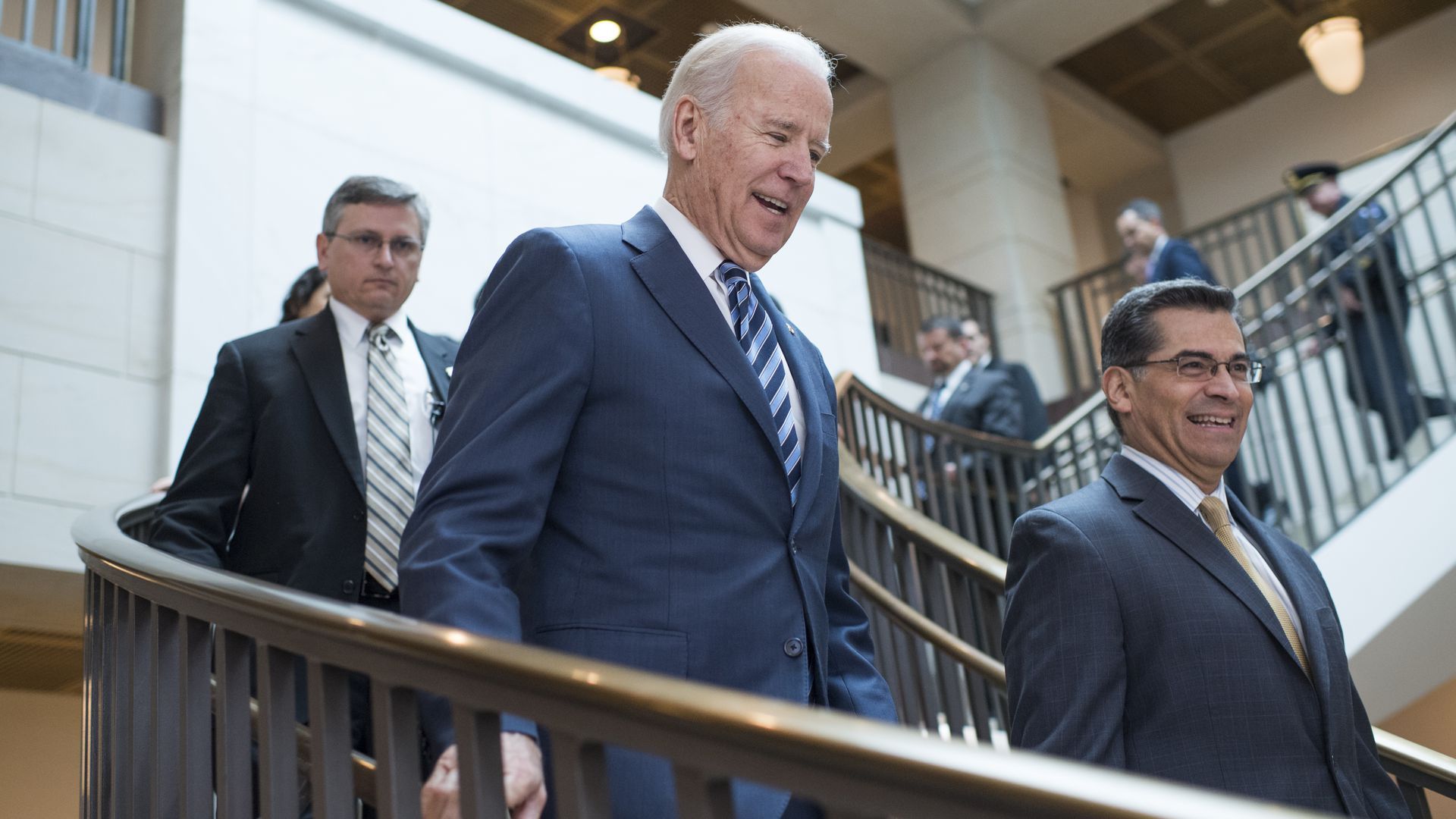
Biden said Mondayhe'll nominate California Attorney General Xavier Becerra to be Health and Human Services secretary and announced several other health-related picks too.
Why it matters: Biden's campaign envisioned a substantial role for HHS in addressing the public health effects of global warming and pollution.
President-elect Joe Biden on Monday announced the key members of his health team, tapping California Attorney General Xavier Becerra to be Health and Human Services secretary and Harvard infectious disease expert Rochelle Walensky to be director of the CDC.
Why it matters: The team will immediately be in charge of addressing what will likely still be an out-of-control pandemic, including the government's efforts to distribute coronavirus vaccines.
Every American will be able to get a coronavirus vaccine by the second quarter of 2021, Health and Human Services Secretary Alex Azar said in an interview for "Axios on HBO."
Why it matters: As cases, hospitalizations and deaths keep climbing higher, a vaccine seems to be the only chance the U.S. will have to arrest this pandemic.
The COVID-19 pandemic has affected the lives of people in 191 countries and regions since spreading from China in January — killing more than 1.5 million people, infecting more than 66.3 million and disrupting many more lives.
The big picture: Companies and schools around the world have shifted to online work and classes. Many governments have responded with restrictions including lockdowns, social distancing measures and mask mandates.
Americans' mental health is the worst it's been in two decades, according to a new Gallup poll.
Between the lines: It's fairly obvious why, given that the once-in-a-generation pandemic was only the start of 2020's stressors. But once the pandemic ends, this unfortunate side effect could linger.
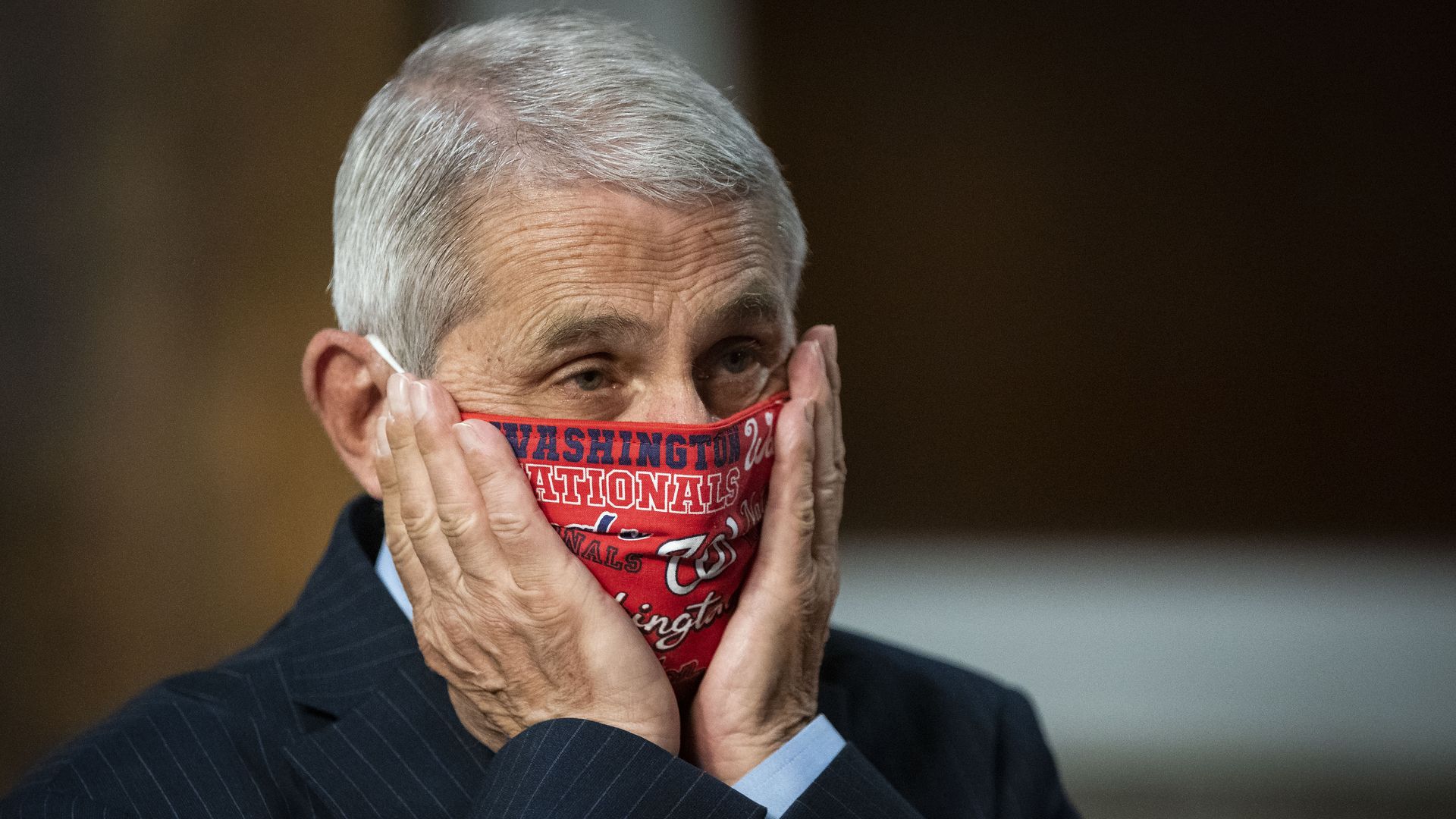
NAID director Anthony Fauci's appeal to Americans to "wear a mask" during the pandemic to prevent COVID-19 is the top quote of the year in The Yale Book of Quotations, per AP.
Driving the news: Fred Shapiro, an associate director at the Yale Law School who chooses quotes for the Yale Law School librarian's list first published in 2006, has said he picks ones that are famous or revealing of the spirit of the times — not necessarily eloquent or admirable.
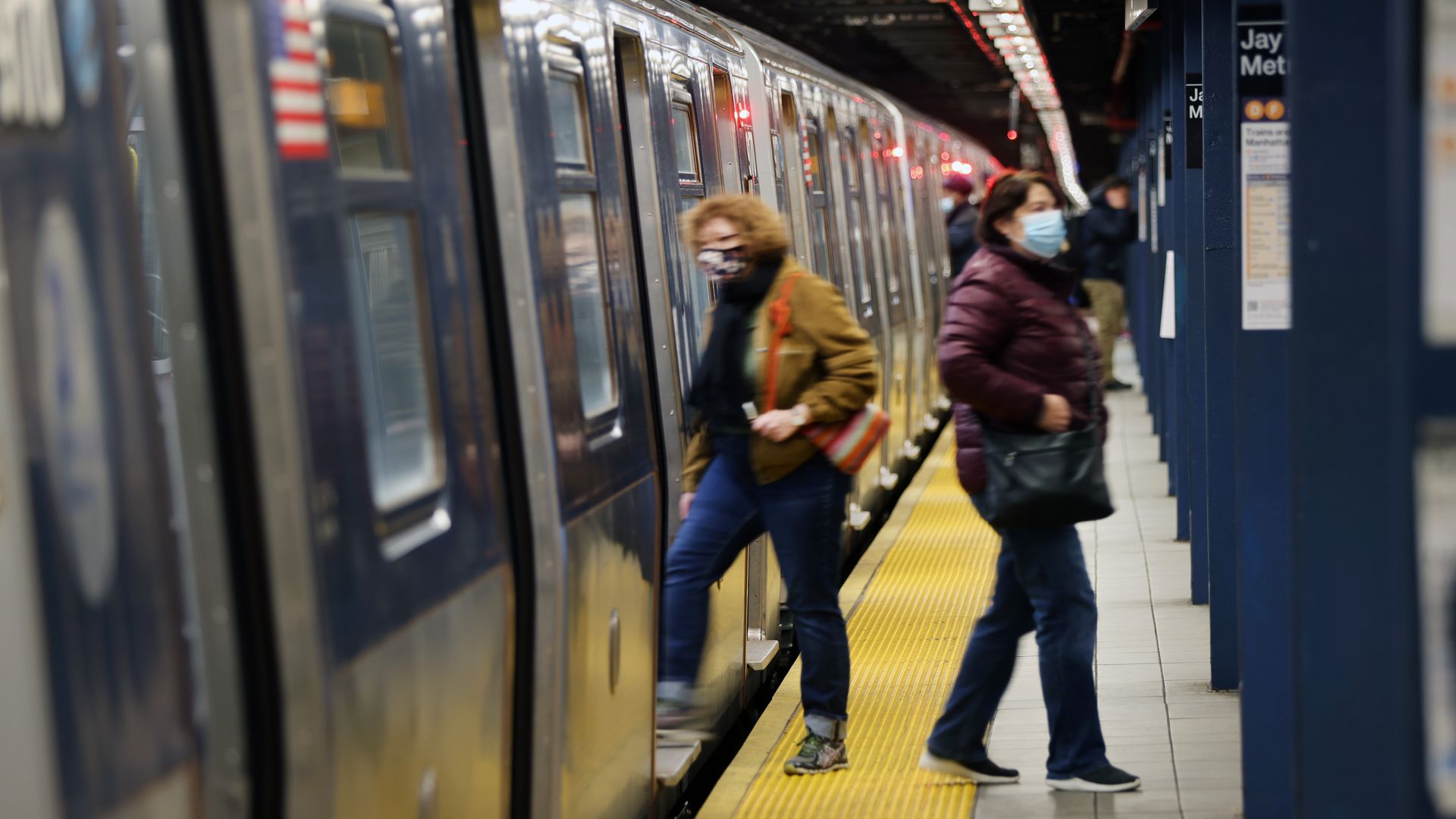
Public transit officials in cities across the country are pleading for federal help, as many brace for steep budget cuts in response to financial crises brought on by the coronavirus pandemic.
Why it matters: Transit agencieshave seen ridership and fare revenues plummet since the beginning of the pandemic. With no help from Congress yet in sight, some "have started to outline doomsday service plans that would take effect next year," writes the New York Times.
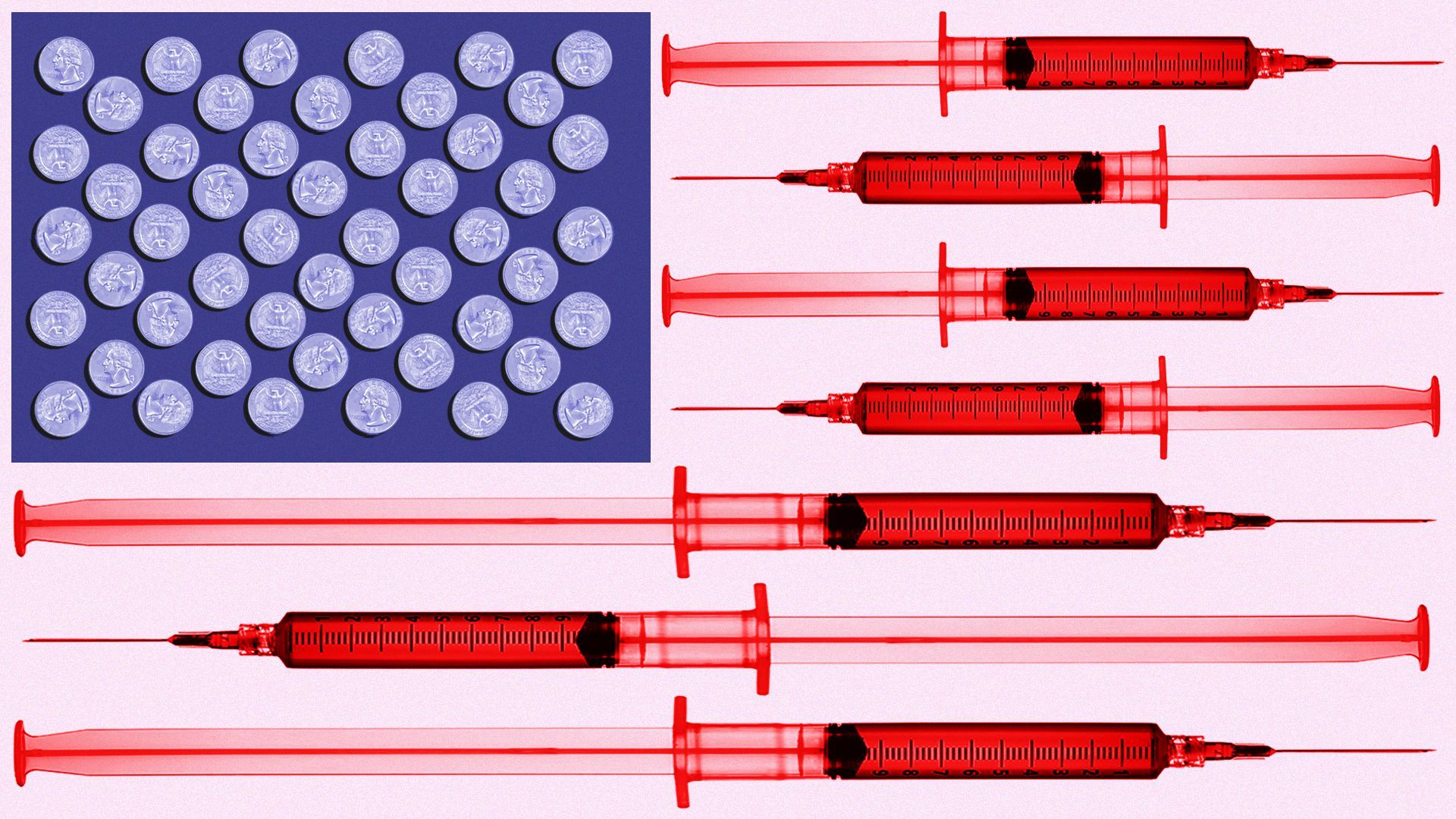
The federal government plans to stagger shipments of coronavirus vaccines to help ensure that states don't run out of supplies, the Washington Post reports.
Why it matters: The Trump administration's current plans would make 35 million to 40 million COVID vaccine doses available — instead of the 300 million doses originally promised. The "lower-than-anticipated allocations have caused widespread confusion and concern in states," the Post reports.
An alarming number of Americans say they'd reject a COVID-19 vaccine, posing a risk to the country's ability to achieve widespread immunity.
Why it matters: Vaccine adoption is a matter of trust, and trust in most institutions is at generational lows. NIAID director Anthony Fauci has said 70–75% of Americans will need to vaccinate to get the country on the road to normality.
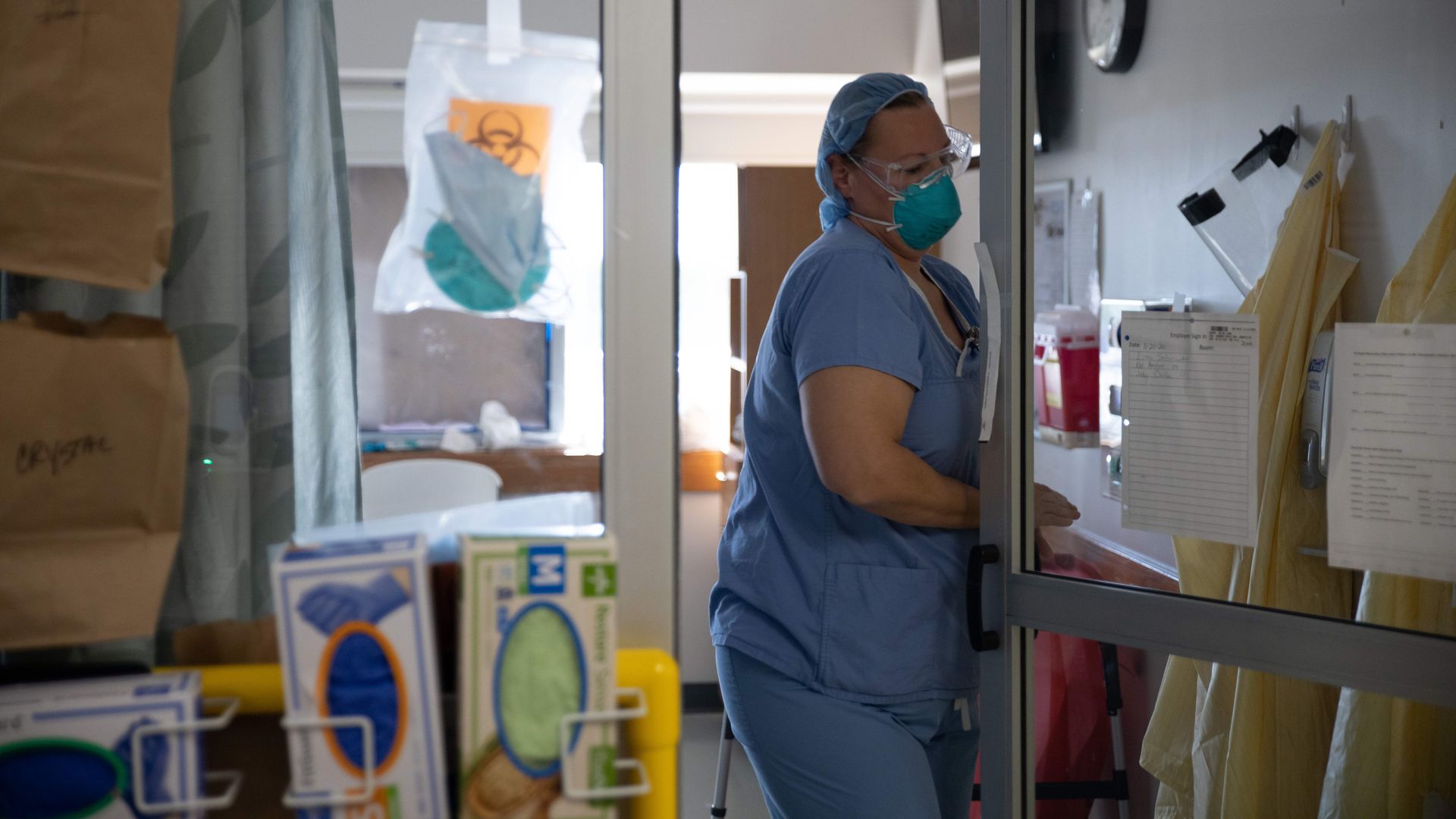
Hospitals across the country are reaching their breaking point on ICU and bed capacity as COVID surges, forcing many health systems to begin diverting patients from emergency rooms and ration care.
The U.S. should start seeing a "significant decrease" in COVID-19 mortality by the end of January, as the most at-risk populations are vaccinated, Moncef Slaoui, the top scientific adviser to Operation Warp Speed, told CNN's "State of the Union" Sunday.
The big picture: Slaoui noted that "between 40–50% of all deaths" have been elderly people in nursing homes, who along with health care workers should be fully immunized "by the end of the month of December or by the middle of the month of January."
While the U.S. continues to set records for new coronavirus cases, European countries have managed to turn their own terrifying spikes around.
The big picture: As some states in the U.S. crack down to head off the worst, the debate in countries like the U.K. and France has shifted to whether and how to lighten their own restrictions before the holidays.